
2027 Best Social Work Degree Programs Ranking in Boston

Co-Founder and Chief Data Scientist
If you're considering a career in social work, choosing the right degree program is a crucial step. This article features the 2027 Best Social Work Degree Programs Ranking in Boston, developed by the Research.com team of data scientists to guide you through the top options available locally.
By exploring this ranking, you'll gain helpful insights that make deciding easier and ensure you select a program that fits your goals. Pursuing a social work degree opens doors to meaningful, impactful work that truly makes a difference in people's lives.
Key benefits of getting social work degree in Boston
- Graduates with a social work degree in Boston can expect competitive salaries, such as Social Workers earning around $68,800 annually and Youth Workers receiving about $83,400, reflecting strong financial prospects in the field.
- Career paths for social work graduates in Boston include roles like Child Welfare Specialists and Community Organizers, offering meaningful work that positively impacts the community while providing diverse opportunities.
- Obtaining a social work degree online from a well-known Boston university allows flexible learning schedules, enabling students to balance work and study easily while gaining the same valuable skills as traditional programs.
- Key benefits of getting social work degree in Boston
- What can I expect from social work degree in Boston?
- Where can I work with social work degree in Boston?
- How much can I make with social work degree in Boston?
- 2027 Best Social Work Degree Programs Ranking in Boston
- Key Findings
- How long does it take to complete social work degree in Boston?
- Advanced Degree Opportunities in Social Work: Doctoral Studies and Beyond
- What's the difference between online and on-campus social work degree?
- Licensing and Certification Requirements for Social Workers in Massachusetts
- What is the average cost of social work degree in Boston?
- Licensing Requirements for Social Work Graduates in Massachusetts
- What financial aid is available to social work degree students in Boston?
- Accreditation and Licensure Requirements
- What are the prerequisites for enrolling in social work degree program in Boston?
- Affordability and Financial Considerations in Social Work Education
- What courses are typically in social work degree programs in Boston?
- What types of specializations are available in social work degree programs in Boston?
- How do you choose the best social work degree in Boston?
- What career paths are available for social work degree students in Boston?
- What is the job market for social work degree in Boston?
- Top Trending Social Work Rankings
- See What Experts Have To Say About Studying Social Work
What can I expect from social work degree in Boston?
If you're thinking about studying social work in Boston, the cost really depends on where you go. Graduates from public schools like UMass Boston usually feel relieved by the lower tuition, which is around $14,000 a year for in-state students. That's pretty manageable compared to some private places.
For example, those who studied at Simmons University often mention that their tuition can be closer to $35,000 annually. While it sounds steep, many students find support through scholarships or assistantships that help ease the financial stress. One grad talked about how landing a teaching assistantship made a huge difference, both financially and experience-wise.
It's worth noting that the investment feels worthwhile, especially given Boston's strong job market for social workers. You get hands-on opportunities through internships, and the city's connections to local hospitals and nonprofits make it easier to translate your degree into real job offers. Many students report feeling excited about growing into roles where they make a genuine impact.
Where can I work with social work degree in Boston?
If you're studying social work in Boston-whether at places like Boston College or Simmons University-you're stepping into a city packed with awesome job options. Graduates often find themselves working in hospitals like Massachusetts General or Boston Medical Center, helping patients deal with tough times and connecting them with local resources. It's rewarding work that really makes a difference!
Others head into the public school system, supporting kids who need extra care to thrive. Boston Public Schools love hiring social workers who team up with teachers and families to boost student success. Imagine starting your day helping a shy student find their voice or supporting a family navigating tough challenges-that's the kind of impact you can have.
On top of that, government agencies and nonprofits are major players here. Many grads jump into roles at places like the Massachusetts Department of Children and Families or nonprofit groups that assist homeless individuals and veterans. The energy in these jobs is real-you're part of a community working to change lives for the better.
And if you're into private practice, Boston's demand for licensed clinical social workers is growing fast. Many grads find joy in one-on-one counseling, offering support that truly helps people heal and grow. Studying social work here puts you right where the action is!
How much can I make with social work degree in Boston?
If you're wrapping up a social work degree in Boston, you're probably wondering, "What's the paycheck look like?" On average, social workers in the Boston area bring in about $68,800 a year, which is a nice bump compared to the national average. Graduates from schools like Boston University or Simmons University often step into roles that pay around this range, especially if they land jobs as social workers or youth workers, where salaries can reach up to $83,400 annually.
For those fresh out of college aiming to become child welfare specialists or residential counselors, expect starting salaries near $59,000. That's a solid start, especially when paired with the experience Boston grads pick up through internships at local hospitals or nonprofits.
The cool part? Community organizers and youth workers can earn even more, around $83,400 per year, thanks to Boston's thriving social services scene. Many grads say it feels great turning their passion into a paycheck that supports their lifestyle in a city as vibrant as Boston.
2027 Best Social Work Degree Programs Ranking in Boston
How do we rank schools?
Investing in your education is a significant decision that can shape your future, and the Research.com team understands the importance of making informed choices. To assist prospective students in Boston, we have meticulously crafted the "2027 Best Social Work Degree Programs Ranking in Boston." Our commitment to quality, credibility, and accuracy is reflected in the extensive research and analysis conducted to compile this ranking.
We utilized the following reputable data sources to ensure a comprehensive evaluation of social work programs:
By exploring this ranking, readers will gain valuable insights into the top social work degree programs available in Boston, helping them make well-informed decisions about their educational paths. For more details on how this ranking was created, please visit our Research.com methodology page.


Key Findings
- Boston offers both Bachelor of Social Work (BSW) and Master of Social Work (MSW) degrees from accredited programs recognized by the Council on Social Work Education (CSWE).
- Annual tuition for a Bachelor's degree ranges from $15,000 to over $50,000, while a Master's degree typically costs between $20,000 and $60,000 per year, excluding additional fees and living expenses.
- Entry-level social workers with a BSW earn about $45,000 to $50,000 annually, whereas MSW graduates start around $55,000 to $65,000, with experienced workers making $75,000 to $85,000 or more.
- The job market in Boston is strong due to demand in healthcare, nonprofit, and government sectors, with growth expected through the mid-2020s especially in elder care and mental health services.
- Most programs include fieldwork and internships to help students gain practical skills, and Massachusetts licensure requires a CSWE-accredited degree plus passing the ASWB exam.
How long does it take to complete social work degree in Boston?
If you're thinking about getting a social work degree in Boston, you're probably wondering how long it'll take. For most folks heading for a Bachelor of Social Work (BSW), it's usually about four years, just like at Boston University or Simmons University. Graduates often mention how the mix of classes and hands-on practicum experiences really helped them feel ready for real-world work by the time they wrapped up.
Going for a Master of Social Work (MSW)? Full-time programs in Boston, like those at Boston College, usually take around two years. Many grads say that the intense field placements-even though challenging-made the experience feel super rewarding. If you're juggling work or other responsibilities, part-time MSW options stretch to three or four years, which can be a lifesaver for busy adults.
And heads up: if you don't have a BSW first, the MSW might add an extra year or so because of foundational courses. But a lot of Boston schools follow strict CSWE guidelines, so you know the training genuinely prepares you for that next step in your career.
Advanced Degree Opportunities in Social Work: Doctoral Studies and Beyond
For many social work professionals, advancing their education beyond a master's degree opens doors to leadership roles, academic careers, and innovative research opportunities. Pursuing a doctoral degree in social work deepens expertise, enhances critical thinking, and fosters advanced research skills essential for addressing complex social challenges. Doctoral studies often include rigorous coursework, in-depth field research, and a focus on evidence-based practices that can elevate one’s professional impact and credibility. With specialized tracks available, such as clinical practice, policy development, and community organizing, these programs equip graduates with the tools needed to drive systemic change and influence social justice on a larger scale. Additionally, many institutions now offer flexible pathways for advanced studies, including online formats that cater to working professionals. If you are looking to further your education in a flexible, cost-effective manner, you might consider exploring options like the doctor of social work online program. This alternative approach not only provides academic rigor but also ensures that you can continue to balance your professional responsibilities while pursuing higher education. By carefully weighing the benefits of doctoral studies, prospective students can make an informed decision that aligns with their career aspirations and commitment to social service excellence.
What's the difference between online and on-campus social work degree?
If you're thinking about a social work degree in Boston, the biggie is choosing between online and on-campus programs. Picture this: on-campus at a school like Boston College, you get to dive into lively classroom chats, work on group projects right there with your classmates, and pop into the campus library or counseling center whenever you want. Graduates often rave about how these face-to-face moments helped them form strong bonds and boosted their confidence for fieldwork.
On the flip side, online programs-like those offered by UMass Boston-are a lifesaver if you're juggling work or family. You attend lectures, submit assignments, and connect with profs all through your laptop. But heads up: you'll still need to do in-person field placements nearby, so you don't miss out on real hands-on experience.
Both routes are legit since they must be CSWE-accredited in Massachusetts, but the campus vibe really pumps up the networking, internships, and spontaneous chats that online can't fully replace.
Licensing and Certification Requirements for Social Workers in Massachusetts
To practice as a professional social worker in Boston, graduates must secure licensure through the Massachusetts Board of Registration of Social Workers. This process ensures adherence to state standards and protects client welfare. Graduation Requirements Before applying, candidates need:
- A CSWE-accredited BSW or MSW from an approved institution.
- Official transcripts demonstrating completion of required coursework in human behavior, social welfare policy, and field education. Supervised Practice Hours
- Licensed Social Worker (LSW): 0–0 supervised hours required; allows general practice under supervision.
- Licensed Independent Clinical Social Worker (LICSW): 3,000 supervised clinical hours post-MSW, completed in no less than two years. Examination and Application 1. Register for and pass the ASWB licensing exam at the bachelor or clinical level. 2. Submit the online application, fee, and proof of education to the MA Board. 3. Provide verification of supervised hours and two professional references. Continuing Education
- LICSWs must complete 15 CEUs every two years, including ethics and clinical practice updates.
- Track credits via the Board’s online portal to maintain active status. While exploring affordable options, you can also compare national cost-effective programs through our Cheapest Social Work Degree Programs Ranking in California, keeping in mind that licensure criteria vary by state.
What is the average cost of social work degree in Boston?
The average cost of a social work degree in Boston tends to hover around $46,874 for in-state students, which is a bit friendlier on the wallet compared to the total $62,674 that out-of-state students might expect to pay. Graduates from well-known Boston schools often recall balancing their budgets carefully, especially when facing tuition alongside other expenses like books or living costs in the city. For example, students at private colleges here might find the price a bit higher but often feel it's worth it given the strong support and networking opportunities available.
If you're checking out the average cost of social work degree Boston-wise, most of the tuition fees seem to reflect the quality of education and variety of program options, from full-time to part-time courses. Boston University and Simmons University, for instance, are popular choices that attract many with their comprehensive MSW programs despite a higher price tag. Graduates of these programs often mention how scholarships and assistantships helped ease the financial pressure during their studies, making the whole experience more manageable.
For students curious about managing these expenses, many turn to the cheapest social work programs in massachusetts as a helpful starting point to find more affordable options in the area. It's always good to explore all available routes and keep an eye on total tuition and fees for social work degree Boston programs before making a final decision.

Licensing Requirements for Social Work Graduates in Massachusetts
After earning a Bachelor or Master of Social Work from a CSWE-accredited program, obtaining state licensure is essential to practice legally and advance your career in Massachusetts. The Massachusetts Board of Registration of Social Workers oversees two main licenses: 1. Licensed Social Worker (LSW) - Education: CSWE-accredited BSW - Examination: Pass the ASWB Bachelor’s exam - Application: Submit official transcripts and exam results to the Board - Renewal: Every two years; 12 continuing education hours 2. Licensed Certified Social Worker (LCSW) - Education: CSWE-accredited MSW - Supervised Experience: Minimum 3,000 hours of clinically supervised practice (at least 100 hours of supervision) - Examination: Pass the ASWB Clinical exam - Application: Include supervisor affidavits, official transcripts, and exam results - Renewal: Every two years; 24 continuing education hours Key Tips for a Smooth Licensure Journey: • Begin tracking supervised hours early-many programs integrate field placements with licensure requirements. • Leverage employer-sponsored supervision to both minimize out-of-pocket costs and gain specialized experience. • Prospective BSW students seeking to minimize debt can explore our low-cost bsw programs to satisfy educational prerequisites while managing expenses. • Plan continuing education around emerging topics in trauma-informed care, telehealth ethics, and diversity equity and inclusion (DEI) to meet renewal requirements seamlessly. Meeting these licensure requirements not only validates your professional competency but also positions you for leadership roles in clinical settings, policy development, and community advocacy across Massachusetts.
What financial aid is available to social work degree students in Boston?
If you're aiming for a social work degree in Boston, there's some good news-tons of financial aid options can really help ease the burden. Lots of students at places like the University of Massachusetts Boston rely on federal aid through FAFSA. This means they can grab Pell Grants-free money that doesn't have to be paid back-and low-interest federal loans to cover costs. One grad I know snagged up to $7,395 from the Pell Grant, which made a huge difference during tough semesters.
Then, there are state-specific grants like the MassGrant and Adams Scholarship, especially useful if you're staying local. These awards vary but can chip away at those $15,000 to $40,000 yearly tuition bills. Plus, local groups such as the Massachusetts Chapter of NASW offer scholarships for students who show dedication to social justice and solid academics-something many Boston grads have credited with fueling their passion and making college doable.
Work-study is also a lifesaver, letting you earn by working part-time in social service roles tied to your career path. And if you're lucky enough to already work in social services, some employers will pitch in tuition assistance, which is a total win. Just budget carefully for everything-tuition, books, living costs-and don't hesitate to tap your school's financial aid office for the latest scoop.
Accreditation and Licensure Requirements
Ensure your program holds Council on Social Work Education (CSWE) accreditation-mandatory for licensure in Massachusetts. Key steps after graduation:
- Graduate from a CSWE-accredited BSW or MSW program.
- Accumulate 3,000 supervised clinical hours (requirements may vary by specialization).
- Pass the Association of Social Work Boards (ASWB) clinical exam for LCSW registration.
- Submit application and official transcripts to the Massachusetts Board of Registration of Social Workers.
Explore accelerated or online CSWE-accredited options like fast track social work degree online to meet these standards more efficiently.
What are the prerequisites for enrolling in social work degree program in Boston?
If you're thinking about jumping into a social work degree in Boston, you'll want to know the basics first. For a Bachelor of Social Work (BSW), most schools want to see your high school diploma and good grades in subjects like English and psychology-stuff that really helps you get a feel for social work early on. Some universities in Boston, like those well-known for social work, might ask for SAT scores but a lot are going test-optional now, so don't stress too much about that.
Now, if you're aiming for a Master of Social Work (MSW), things get a bit more specific. Graduates often say having a bachelor's degree from an accredited school, whether it's in social work or something related like sociology, really boosts your chances. You might also need to complete some prerequisite courses in human behavior or stats to get ready for the graduate coursework. Imagine sitting in a class at a Boston college, connecting real-life cases to those theories-it's challenging but super rewarding.
Most programs will want letters of recommendation and a statement of purpose telling your story-why social work matters to you. Having volunteer experience in social services is a big plus and can make you stand out. Plus, there's usually a background check since you'll be working with vulnerable people. Many Boston students find this process tough but inspiring; it reminds them how important this field is and really gets them pumped for what's ahead.
Affordability and Financial Considerations in Social Work Education
For prospective social work students in Boston, one of the most critical factors to consider is the affordability of their desired program. The cost of tuition, along with additional expenses such as books, materials, and living arrangements, can significantly impact a student's decision-making process. Fortunately, there are numerous resources available to help mitigate these financial burdens. Students can explore cheapest social work programs in massachusetts to find options that fit their budget. Many institutions, such as Boston University and Simmons University, offer financial aid packages, scholarships, and tuition reimbursement programs to support their students. Additionally, employer assistance and loan forgiveness programs, like the Public Service Loan Forgiveness (PSLF), can provide further relief. By carefully evaluating these financial considerations and exploring available resources, aspiring social workers can make informed decisions about their educational paths, ensuring they can pursue their passion for helping others without undue financial strain.
What courses are typically in social work degree programs in Boston?
When you dive into a social work degree in Boston, expect to get your hands on courses that really prepare you for the real world. Graduates from local schools often share how classes like Human Behavior and the Social Environment helped them truly understand how people's surroundings shape their lives-something you'll see everywhere from Boston's busy neighborhoods to its cozy community centers.
Another course that students rave about is Social Work Practice. It's all about learning how to connect with clients and manage cases effectively, which is exactly what you'll practice during your field placements in Boston's nonprofits or hospitals. Social Welfare Policy and Services classes open your eyes to the laws and policies that impact local communities, sparking a passion for advocacy that many grads carry into their careers.
Research Methods teach you how to back your work with evidence-think of it as building your toolkit to make a real difference. Plus, courses on Diversity and Cultural Competency stand out in Boston because the city is so culturally rich, allowing you to learn how to support people from all backgrounds. Hands down, the Field Practicum is a highlight, where students say they get a fulfilling taste of what social work actually feels like day-to-day in Boston's vibrant urban settings.
What types of specializations are available in social work degree programs in Boston?
If you're diving into a social work degree in Boston, you'll find several popular specializations to choose from that really prepare you for real-world impact. Many graduates from Boston University and Simmons University talk about how their clinical social work track helped them confidently handle mental health and emotional challenges among clients, which is a big deal since becoming a Licensed Clinical Social Worker is a must here.
Others find their passion in child and family welfare, working closely with local agencies to support foster kids and families in need. Healthcare social work is another hot spot thanks to Boston's top hospitals; grads often share stories about making a difference in patients' lives in such settings. School social work also stands out, especially since Massachusetts requires special certification, helping grads tackle student issues head-on.
Plus, with Boston's aging population, many are drawn to gerontology to support older adults. If you want to keep your options flexible, some even look into a doctor of social work online to specialize further while managing other commitments. These Boston social work degree concentrations can really shape a fulfilling career where you feel connected and effective.
How do you choose the best social work degree in Boston?
When picking the best social work programs in Boston, start by checking if they're accredited by the Council on Social Work Education-this is a game changer for licensure later on. Graduates from schools like Boston University rave about how their CSWE-accredited degree opened doors professionally. Cost can feel overwhelming here; tuition at Boston University's School of Social Work, for example, can top $40,000 a year, so it's smart to look into financial aid or consider low-cost bsw programs for smarter budgeting.
Flexibility is key for many, especially those juggling work or family. Graduates from Simmons University appreciate their hybrid options-most coursework online, but with hands-on field placements around the city's diverse social agencies. This mix really helps build a strong, real-world resume. Plus, the faculty are often involved in local social work research and policy, giving students relevant insights and a supportive vibe. Choosing based on these local experiences and community ties can make your social work journey in Boston both practical and inspiring.

What career paths are available for social work degree students in Boston?
If you're diving into social work degrees in Boston, you'll find a bunch of exciting career paths waiting for you. Graduates from popular local schools often step into roles as licensed clinical social workers, helping people through tough times like addiction or trauma. This path suits those who want to offer mental health therapy and really make a difference one-on-one. Others jump into child and family social work, supporting kids and parents with everything from school challenges to emotional struggles-something many Boston grads find deeply rewarding.
Many also choose healthcare social work, working in places like Massachusetts General Hospital or Boston Medical Center, helping patients navigate their health ups and downs. Community social work is another great option, involving hands-on programs to tackle homelessness or poverty right here in the city. If you're curious about different options or concerned about tuition, some grads look into more affordable programs; check out the Cheapest Social Work Degree Programs Ranking in California for ideas outside Boston. Overall, social work career opportunities in Boston offer meaningful ways to connect and contribute locally.
What is the job market for social work degree in Boston?
The social work jobs in Boston are quite promising for graduates, especially those coming out of well-known schools like Boston University or Simmons University. Many grads find themselves working in hospitals or community centers, helping families navigate tough times or supporting kids in schools. The Boston social work job market is known for its steady demand in areas like healthcare and mental health services, with salaries around $62,000, which is a bit higher than the national average. Plus, those with special training or certifications often land roles faster and feel more confident in their impact.
Living in Boston can be a bit pricey, but grads tell me the rewarding work and solid support networks make it worth it. For students worried about costs, it's worth looking into financial aid; some even wonder how much does it cost to get an associates degree to kickstart their education affordably before advancing to a social work degree.
Frequently Asked Questions About social work
Social work degree students in Boston can maximize their learning by engaging deeply with local field placements. Boston offers diverse communities and agencies, including hospitals, schools, and nonprofit organizations, providing practical experience essential for applying classroom knowledge. According to the Council on Social Work Education, hands-on internships are critical in developing core competencies.
Students should also take advantage of Boston's robust network of social work professionals through events and workshops, enhancing their understanding of regional challenges like homelessness and mental health. Utilizing university career services and joining professional groups such as the Massachusetts Chapter of the National Association of Social Workers can expand networking opportunities.
Additionally, leveraging Boston's rich academic resources-including research centers focused on social policy-supports evidence-based learning. Consistent involvement in study groups and access to the Boston Public Library's social science collections can further deepen theoretical understanding.
Emerging niches within the social work field in Boston reflect the city's evolving social and healthcare needs. One growing area is clinical social work focused on mental health, addressing increasing demand for trauma-informed care in urban populations. According to the Massachusetts Department of Public Health, mental health services saw a 12% growth rate in Boston from 2019 to 2023.
Another expanding niche is geriatric social work, which supports Boston's aging population. The U.S. Census Bureau notes that individuals aged 65 and older in Boston are projected to increase by 18% over the next decade, fueling demand for specialized care.
Additional areas include school social work and social work in public health, integrating community resource access and preventive programs. These trends make Boston a dynamic place for social work education and practice.
After completing a social work degree in Boston, preparing for the job market involves strategic planning and proactive steps. Networking is essential; joining local chapters of professional organizations like the National Association of Social Workers (NASW) Massachusetts chapter connects graduates with job opportunities and mentorship. Boston's strong healthcare and nonprofit sectors offer numerous placement possibilities.
Internships and fieldwork experiences gained during your studies are critical. They enhance skills and improve employability; nearly 70% of social workers in Massachusetts secure jobs within six months of graduation, according to the Massachusetts Department of Labor. Licensing is another key step. Graduates must pass the Licensed Social Worker (LSW) exam to practice professionally.
Additionally, staying informed about local labor market trends and continuing education increases competitiveness in Boston's evolving social services landscape.
Employers in Boston's social work sector prioritize strong communication and interpersonal skills in graduates. According to the Massachusetts Department of Higher Education, effective client engagement and empathy are essential for addressing diverse urban populations.
Analytical abilities also rank highly, as social workers must assess client needs and develop case plans based on complex social data. Local agencies often seek proficiency in problem-solving and crisis intervention techniques.
Cultural competence is critical given Boston's diverse community. Graduates familiar with ethical standards and state regulations demonstrate readiness for professional challenges. Research from Boston University's School of Social Work highlights that knowledge of community resources enhances employability.
Finding internships in Boston relevant to a social work degree typically begins with exploring local universities and their affiliated social service organizations. Schools such as Boston University and Simmons University often provide internship placement assistance through their social work departments. Boston has a robust network of agencies, including the Department of Youth Services and Boston Medical Center, that regularly accept social work interns. According to the Council on Social Work Education, over 80% of accredited programs emphasize field placements as part of degree requirements.
Students should also utilize online internship databases like Handshake and LinkedIn, filtering opportunities specifically in Boston's social services sector. Networking through Boston's social work professional groups can open doors to less advertised placements.
In Boston, earning a social work degree significantly boosts career mobility and advancement opportunities. According to the U.S. Bureau of Labor Statistics and local workforce data, licensed social workers with a Master of Social Work (MSW) often access higher-paying roles in hospitals, schools, and government agencies. Boston's growing healthcare and social services sectors actively seek qualified social workers, with an expected 12% job growth in the region through 2030.
The degree also opens pathways to specialized roles in clinical social work, policy development, and administration. Many employers require licensure, which typically involves holding an accredited MSW and supervised experience. Graduates report better job security and chances for promotion, particularly in community-focused agencies around Boston.
Studying for a social work degree in Boston offers robust training for interdisciplinary roles, thanks to the city's concentration of healthcare, education, and community organizations. Programs often emphasize collaboration with professionals in psychology, public health, and law, reflecting real-world team-based approaches.
Boston's universities incorporate practical experiences through field placements in diverse settings, such as hospitals, schools, and government agencies. According to the Boston University School of Social Work, nearly 90% of their students engage in interdisciplinary internships, gaining hands-on skills to navigate complex social issues.
This exposure prepares graduates to work effectively with varied stakeholders, enhancing problem-solving and communication abilities essential for social workers in integrated care environments.
Choosing between a thesis and a non-thesis social work degree program in Boston depends on your career goals and academic interests. A thesis program requires original research and is ideal for students considering doctoral studies or research roles. Non-thesis programs focus more on practical skills, often emphasizing internships and applied practice.
In Boston, universities like Boston University and Simmons University offer both options tailored to the social work field. According to the Council on Social Work Education, 2023 data shows nearly 40% of Boston social work students prefer non-thesis tracks for faster entry into professional practice.
Consider the time commitment: thesis programs typically take longer to complete. Also, assess your interest in conducting social work research versus gaining field experience.
Students in Boston pursuing social work degrees have several opportunities to study abroad through exchange programs and partnerships managed by local universities. For example, Boston University and Simmons University offer study abroad options that include social work placements in countries like Australia, the United Kingdom, and Ireland. These programs provide hands-on experience in diverse social systems, complementing coursework grounded in U.S. social work standards.
Participation in accredited international programs can help students fulfill field practicum requirements recognized by the Council on Social Work Education (CSWE). Additionally, scholarships and financial aid for study abroad are often accessible to social work majors, helping to offset costs.
Exploring these pathways can expand cultural competence, a key skill emphasized by the National Association of Social Workers (NASW) for successful practice.
In Boston, part-time job opportunities for social work students often include roles such as case aides, mental health support workers, and community outreach assistants. These positions provide practical experience alongside academic work, which is essential for skill development in social work.
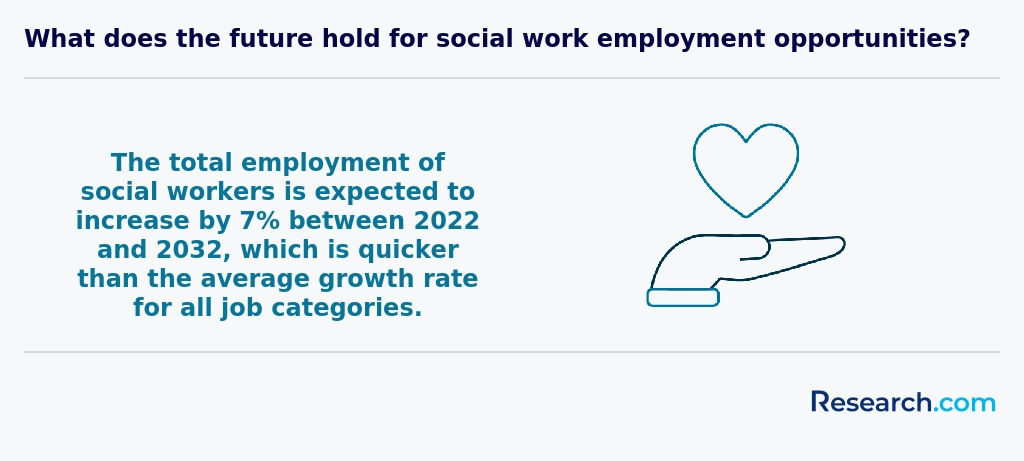
Many local nonprofits and healthcare facilities hire part-time workers to assist with client intake, data entry, or support groups. For example, organizations like the Massachusetts Society for the Prevention of Cruelty to Children frequently seek interns and part-time aides. According to the Bureau of Labor Statistics, social work employment in Massachusetts is projected to grow 11% from 2022 to 2032, reflecting increasing demand.
Additionally, Boston's diverse population offers opportunities to work with various demographic groups, enhancing cultural competence. These experiences align closely with curriculum requirements for social work degrees, supporting licensure preparation.
Boston offers strong networking opportunities for social work students through its many professional organizations and academic institutions. The Massachusetts Chapter of the National Association of Social Workers (NASW-MA) hosts regular events in the city, connecting students with experienced practitioners and employers. Local universities like Boston University and Simmons University often facilitate networking events, including career fairs and guest lectures.
Additionally, Boston's numerous social service agencies provide internships that help students build valuable professional contacts. According to NASW-MA, students involved in internships in Boston report a 30% higher job placement rate within six months of graduation, highlighting the importance of local networking.
Alumni networks play a crucial role in supporting social work degree students in Boston. These connections offer valuable professional mentorship, guiding students through internships and job placements within the city's extensive social services sector. According to the Council on Social Work Education, access to alumni resources can increase employment opportunities by 20% for graduates.
Moreover, Boston's social work programs often leverage strong alumni ties in local nonprofits and government agencies, providing students with firsthand insights into community needs and career pathways. Networking events and workshops facilitated by alumni also help students build lasting professional relationships, important in a competitive job market.
Finally, alumni can serve as advocates and advisors, assisting with credentialing processes such as Massachusetts' Licensed Independent Clinical Social Worker (LICSW) requirements, further enhancing student success.
Customizing a social work degree program in Boston allows students to align studies with their specific career goals. Many Boston-area universities offer concentrations such as clinical social work, community organizing, or policy advocacy, enabling focused skill development. Practical experience is emphasized, with field placements available in diverse settings like hospitals, schools, and nonprofits across the city. According to the Boston University School of Social Work, over 85% of graduates complete internships tailored to their interests.
Students can also choose electives related to mental health, substance abuse, or gerontology, enhancing expertise in growing fields. Flexible part-time and online options accommodate working professionals aiming to advance in social work roles. Overall, Boston's social work programs provide customizable paths supported by local resources and accredited by the Council on Social Work Education (CSWE).
Social work students in Boston face a variety of challenges during their academic journey. One significant hurdle is managing the demanding fieldwork requirements alongside coursework. Boston's dense urban environment offers diverse populations for internships, but this also means students often encounter emotionally intense cases, contributing to stress and burnout risk.
Additionally, the high cost of living in Boston impacts students financially. According to the Massachusetts Budget and Policy Center, housing and transportation expenses are notably higher than national averages, which can increase pressure on students balancing part-time jobs and studies.
Maintaining academic performance while gaining practical experience is another common difficulty. The Council on Social Work Education observes that social work programs require considerable time for reflective practice and research, making time management essential.
With a social work degree in Boston, you can pursue several professional certifications that enhance career opportunities. The most common is the Licensed Clinical Social Worker (LCSW) credential, which allows you to provide clinical therapy and counseling in Massachusetts.
Other certifications include the Certified Advanced Social Work Case Manager (C-ASWCM) and the Certified School Social Work Specialist (C-SSWS), which focus on case management and school environments, respectively. These certifications require specific supervised experience and passing relevant exams, often governed by the Massachusetts Board of Registration of Social Workers.
According to the Massachusetts Department of Higher Education, social workers in the state typically see a 10% job growth through 2030, highlighting demand for certified professionals. Ensuring proper licensing is essential for practice and progression in the Boston social work field.
To write a winning application for a social work program in Boston, start by thoroughly researching each school's requirements. Highlight relevant volunteer, work, or internship experience in human services, as Boston-area programs often value community involvement highly. Provide clear examples in your personal statement showing your commitment to social justice and understanding of diverse populations, which aligns with Boston's rich cultural landscape.
Include strong letters of recommendation, preferably from professionals familiar with social work or related fields. Boston universities typically look for academic excellence; maintain a competitive GPA, ideally above 3.0, and meet any required standardized test scores. Lastly, tailor each application to reflect your knowledge of local social issues, leveraging data from sources like the Massachusetts Department of Public Health to demonstrate your informed motivation.
Social work careers are increasingly viewed through a global lens, reflecting the interconnected nature of social issues today. In the United States, and specifically in Boston, social workers often engage with diverse populations, including immigrants and refugees, making international awareness essential. The Council on Social Work Education highlights that accredited programs now emphasize global competencies, preparing students to address challenges like human rights, migration, and public health on a worldwide scale.
Boston's social work community benefits from the city's extensive network of international organizations and universities, fostering cross-cultural collaboration. According to the Bureau of Labor Statistics, employment for social workers in Massachusetts is projected to grow 10% through 2031, reflecting both local and global demand. Understanding global perspectives enables social workers to create more effective interventions that resonate across cultural boundaries.
Gaining practical experience while studying for a social work degree in Boston is essential for career readiness. Many accredited programs require field practicums, where students complete supervised hours in local agencies. For example, Boston University's School of Social Work mandates at least 900 practicum hours. These placements often involve work in hospitals, schools, or community organizations, providing valuable hands-on exposure.
Additionally, the Massachusetts Chapter of the National Association of Social Workers supports internships and volunteer opportunities across Boston. According to the Bureau of Labor Statistics, Massachusetts employs over 13,000 social workers, highlighting diverse local settings for practical training.
Students can also benefit from networking events and workshops in the city to connect with professionals and secure placements.
Choosing the right concentration within a social work degree in Boston depends on your career goals and interests. Social work programs typically offer specializations like clinical practice, community development, or policy advocacy. Reflect on where you want to make an impact-whether in healthcare, schools, or government agencies. According to the Massachusetts Department of Higher Education, Boston-area social work programs often emphasize urban community needs, so concentrations addressing homelessness or substance use disorders may be relevant.
Research each school's curriculum and fieldwork opportunities carefully. Practical experience in Boston's diverse neighborhoods can shape your skills and employability. Also, consider licensure requirements for your chosen concentration, as clinical tracks usually require additional supervised hours. Talking to faculty and current students can provide valuable insights specific to Boston's social service landscape.
Related Social Work Rankings for Nearby Cities
- 2027 Best Social Work Degree Programs Ranking in Albany
- 2027 Best Social Work Degree Programs Ranking in Garden City
- 2027 Best Social Work Degree Programs Ranking in Bronx
- 2027 Best Social Work Degree Programs Ranking in New York
- 2027 Best Social Work Degree Programs Ranking in New Brunswick
- 2027 Best Social Work Degree Programs Ranking in Philadelphia
- 2027 Best Social Work Degree Programs Ranking in Rochester
- 2027 Best Social Work Degree Programs Ranking in Baltimore
- 2027 Best Social Work Degree Programs Ranking in Washington
- 2027 Best Social Work Degree Programs Ranking in Detroit
Top Trending Social Work Rankings
See What Experts Have To Say About Studying Social Work
Read our interview with Social Work experts

References
- How to become a social worker https://basw.co.uk/careers/how-become-social-worker
- MSW Programs in Massachusetts https://socialworklicensemap.com/social-work-degrees/master-of-social-work-programs/msw-programs-massachusetts/
- Study Social Work Abroad | Go Overseas https://www.gooverseas.com/study-abroad/social-work
- Social Work Jobs at Dana-Farber Cancer Institute https://careers.dana-farber.org/jobs/social-work/us-ma-boston/
- Practice & Networking Groups | AASW https://www.aasw.asn.au/about-aasw/practice-networking-groups/
- My social work journey: from experience to practice https://socialworkwithadults.blog.gov.uk/2023/09/26/my-social-work-journey-from-experience-to-practice/
- Top Skills Employers Look for in Qualified Social Workers Today - Vitalis https://www.vitalissocialcare.co.uk/career-development/top-skills-employers-look-for-in-social-workers-today/
- Social Work https://al.edu.pl/en/studies/english-courses-for-erasmus-students/social-work
- Global Perspectives in Social Work https://www.gu.se/en/study-in-gothenburg/exchange-student/courses/sw1118
- What is a Social Worker? - Career Insights | Teal https://www.tealhq.com/career-paths/social-worker


