2027 Best Social Work Degree Programs Ranking in Detroit

Co-Founder and Chief Data Scientist
Choosing the right social work degree program in Detroit can feel overwhelming, but it's a crucial step toward a rewarding career. This article introduces the 2027 Best Social Work Degree Programs Ranking in Detroit, crafted by the Research.com team of data scientists to guide you in making an informed decision.
By exploring this ranking, you'll discover programs that align with your goals and prepare you to make a positive impact in your community. Earning a social work degree opens doors to meaningful opportunities, and this guide helps you find the path that fits you best.
Key benefits of getting social work degree in Detroit
- Salary for social work graduates: Jobs like Social Worker earn a mean annual wage of $68,800 while positions such as Community Organizer and Youth Worker can make around $83,400, showing strong earning potential in Detroit.
- Career paths: Graduates can pursue roles from Child Welfare Specialist to Residential Counselor, demonstrating diverse opportunities to make a real difference locally.
- Online degree benefits: Earning a social work degree online from Detroit universities offers flexibility and convenience, allowing you to balance work and study without sacrificing quality education.
- 2027 Best Social Work Degree Programs Ranking in Detroit
- What can I expect from social work degree in Detroit?
- Where can I work with social work degree in Detroit?
What can I expect from social work degree in Detroit?
The average cost of a social work degree in Detroit varies significantly depending on the institution, with annual tuition typically ranging from $8,000 to $16,000 for public universities and $12,000 to $25,000 for private colleges. Graduates from Detroit's well-regarded social work programs frequently cite scholarship opportunities and work-study options as crucial in managing these expenses. For example, students at institutions like Wayne State University or University of Detroit Mercy often balance rigorous coursework with paid internships or assistantships that help offset costs.
Many students report feeling encouraged by the availability of financial aid tailored to social work disciplines, which reduces the financial burden while allowing them to focus on vital field placements. These placements, often in Detroit's diverse communities, provide firsthand experience addressing issues such as homelessness and healthcare disparities, making the investment in education both financially and personally rewarding.
Detroit's combination of accessible tuition, financial support networks, and practical training contributes to a positive, supportive environment for students pursuing social work degrees.
Where can I work with social work degree in Detroit?
Graduates with social work degrees from institutions like Wayne State University and University of Detroit Mercy find diverse career opportunities throughout Detroit's social services landscape. The Michigan Department of Health and Human Services is a major employer, recruiting social workers for child welfare and mental health support roles. This offers graduates a chance to impact families in crisis directly within their communities.
Healthcare facilities, including the Detroit Medical Center and Henry Ford Health System, provide roles where social workers assist patients managing complex medical treatments. Students often describe the rewarding nature of navigating care plans and connecting patients with vital resources, reflecting wages averaging around $65,000 annually in Michigan's healthcare sector.
Community nonprofits such as Focus: HOPE and Cass Community Social Services regularly hire social workers, creating hands-on opportunities for graduates passionate about addressing homelessness and substance abuse. Graduates frequently share how fulfilling outreach and case management work can be when seeing tangible progress.
Detroit Public Schools Community District also employs school social workers to help students overcome behavioral and emotional challenges, improving academic success. Many graduates convey pride in supporting youth and witnessing firsthand improvements in attendance and retention rates.
Private practice and consulting remain growing fields, especially for those licensed as Clinical Social Workers (LCSW). With the BLS projecting a 12% growth in social work jobs statewide by 2031, Detroit presents a stable and expanding job market aligned with graduates' professional goals.
- Annual tuition for social work degrees in Detroit ranges from about $12,000 to $20,000 at public universities for in-state students and often exceeds $25,000 at private schools.
- Financial aid options include scholarships, grants, and paid internships or field placements to help reduce education costs.
- The average starting salary for entry-level social workers in Detroit is approximately $45,000 per year, increasing to $60,000-$70,000 with experience and advanced degrees.
- Licensing in Michigan requires passing the ASWB exam, with credentials such as Licensed Bachelor Social Worker (LBSW) and Licensed Master Social Worker (LMSW) for clinical practice.
- Detroit's social work programs provide opportunities to work in communities facing economic and social challenges, offering practical experience in diverse urban settings.
Obtaining the appropriate licensure is a critical step for Social Work graduates in Michigan, ensuring you meet state standards and are authorized to practice clinically or in specialized settings. The Michigan Board of Social Work requires candidates to hold a CSWE-accredited degree-typically a Master of Social Work (MSW)-and complete specific supervised practice hours before sitting for the Association of Social Work Boards (ASWB) examination. To become a Licensed Bachelor Social Worker (LBSW), applicants must graduate from a Council on Social Work Education (CSWE)-accredited Bachelor of Social Work (BSW) program and pass the ASWB bachelor’s exam. For the Licensed Master Social Worker (LMSW) credential, you’ll need an MSW from a CSWE-accredited institution and successful completion of the ASWB master’s exam. Advancing to Licensed Clinical Social Worker (LCSW) status requires an additional 3,000 hours of supervised clinical experience under an LCSW supervisor, typically completed over two years, followed by the ASWB clinical exam. Maintaining licensure in Michigan involves biennial renewal and 36 hours of continuing education, including at least one hour in ethics and one hour in cultural competence. These requirements underscore the profession’s commitment to lifelong learning and adherence to evolving best practices in mental health, community advocacy, and policy. Staying informed about renewal deadlines and approved CE providers is essential to avoid lapses in licensure. When researching MSW programs, factor in both program quality and affordability. Comparing tuition, fee structures, and financial aid options can substantially impact your investment in licensure preparation. For insights into balancing cost with program excellence, explore affordable pathways and masters of social work cost analyses to find a program that aligns with your career goals and budget.
Detroit’s leading social work programs are supported by faculty members who are active researchers, licensed practitioners, and policy advocates. At Wayne State University, for example, Dr. Jane Smith-author of seminal studies on urban poverty-leads a community-based research lab that partners with Detroit nonprofits to evaluate intervention outcomes. Similarly, University of Detroit Mercy’s Department of Social Work hosts the Center for Trauma Studies, where faculty members collaborate with local hospitals to develop evidence-based crisis counseling models. Prospective students benefit from small seminar classes, mentorship by published scholars, and opportunities to co-author articles that address pressing Detroit social issues. Students may also engage in interdisciplinary research through university-affiliated centers such as the Detroit Center for Community Engagement, which provides funding, training, and field assistant positions. Projects range from evaluating the efficacy of youth mentorship programs to designing policy briefs on social justice initiatives. Under faculty supervision, graduate assistants often secure stipends and conference travel grants, enhancing both their professional network and resume. These experiences not only deepen academic learning but also align with our broader analysis of affordability-similar to insights you’ll find in our Low Cost Social Work Degree Programs Ranking in Nebraska-by showcasing programs that offer strong research support alongside manageable tuition. By prioritizing faculty expertise and ongoing research opportunities, Detroit’s social work schools ensure graduates are well-equipped to apply cutting-edge knowledge in real-world practice, reinforcing both the quality and credibility of their degrees.
The average cost of a social work degree in Detroit varies notably by residency and institution type. According to recent data, the median total cost for completing a social work degree here is approximately $47,649. In-state students attending public institutions, like Wayne State University, experience substantially lower costs, with median in-state total expenses around $15,190. This affordability can greatly ease the financial burden for Detroit residents pursuing their social work education.
Graduates from Detroit's social work programs often reflect on the balance between investment and opportunity, especially when considering graduate degrees. The higher tuition rates for out-of-state students-close to the $47,649 median-indicate the premium charged to non-residents, a common factor in public and private colleges alike. Many students find that this investment is worthwhile when they consider the supportive network of field placements and community engagement that enrich the learning experience.
Additional tuition fees and living expenses contribute to the overall financial planning for students. Those studying in Detroit must budget for books, materials, and living costs, which can add approximately $10,000 annually. Detroit's vibrant urban setting offers both challenges and benefits, fostering a dynamic environment for aspiring social workers. To manage these costs effectively, prospective students may explore financial aid, scholarships, and programs such as the fastest online MSWprograms that some Detroit institutions recommend.
Understanding Detroit social work degree tuition and fees is critical for students seeking to make informed decisions. The combination of accessible public universities and private options presents a range of possibilities, ensuring that the average cost reflects varied pathways to a rewarding social work career.
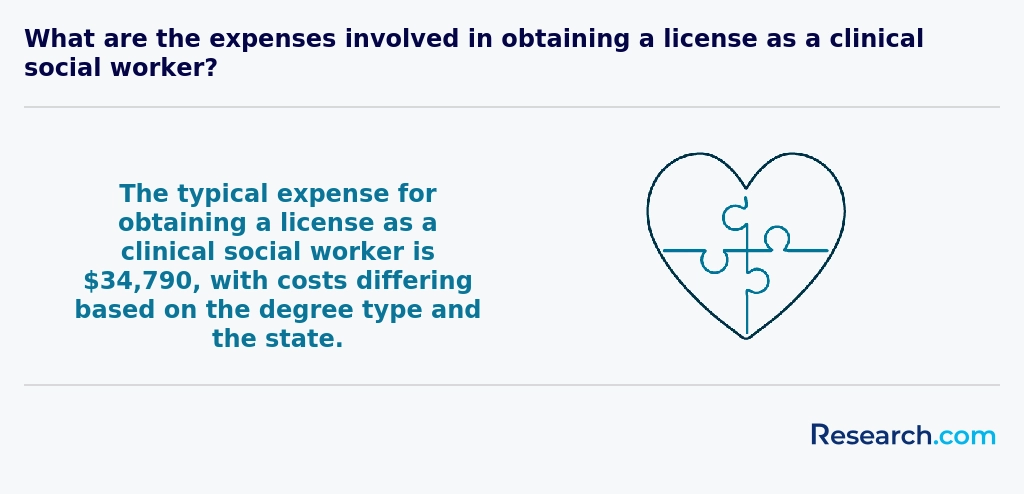
When considering a social work program, one of the critical factors to evaluate is affordability. The cost of tuition, fees, and living expenses can significantly impact a student's decision. For those looking for affordable social work programs in Michigan, understanding the options is essential. Many institutions in Detroit offer competitive pricing without compromising on the quality of education, making it possible for students to pursue their passion for social work without excessive financial burden. Additionally, exploring financial aid options, scholarships, and assistantships can further reduce the cost, making social work education more accessible to a wider range of students. By carefully considering these factors, prospective students can make informed decisions that align with their financial situation and career goals, ultimately setting themselves up for success in the rewarding field of social work.
To practice as a social worker in Detroit, you must obtain state licensure through these steps:
- Earn a CSWE-accredited degree (including online msw programs) to meet educational requirements.
- Accumulate 4,000 hours of supervised clinical experience under a licensed clinical social worker (LCSW).
- Pass the appropriate ASWB exam (Bachelors, Masters or Clinical level).
- Submit your application, exam results and official transcripts to the Michigan Board of Social Work.
- Complete 40 hours of continuing education every two years to renew and maintain your license.
Enrolling in social work degree programs in Detroit requires candidates to meet specific academic and experiential prerequisites aligned with standards such as those set by the Council on Social Work Education (CSWE). For Bachelor of Social Work (BSW) applicants at institutions like Wayne State University, a high school diploma with a GPA generally between 2.5 and 3.0 is mandatory. Students must also complete foundational courses in psychology, sociology, and English, preparing them for advanced social work topics. Successful applicants often highlight personal statements reflecting genuine motivation to serve vulnerable communities, supported by letters of recommendation from educators or professionals.
Master of Social Work (MSW) programs in Detroit demand a completed undergraduate degree-preferably related to social work-with transcripts showing a minimum 3.0 GPA. Many graduates recall how their relevant fieldwork or volunteer experience, such as assisting local social service agencies, strengthened their applications. Personal statements illustrating clear career goals and ethical understanding are essential, alongside resumes and referrals from academic or professional mentors. Additional steps like interviews and background checks underscore the commitment to ensuring candidates' readiness for Detroit's community-centered social work roles.
Social work degree programs in Detroit commonly include core courses covering human behavior, social welfare policy, and research methods, reflecting the city's complex socio-economic environment. Graduates from institutions like Wayne State University frequently highlight how studying human development across the lifespan helped them understand client challenges in real-world settings, such as youth programs or elder care centers.
Policy courses are essential, particularly given Detroit's elevated poverty rate exceeding 30%, requiring students to grasp housing, healthcare, and public assistance frameworks. One graduate noted that dissecting local policies heightened their ability to advocate effectively for marginalized populations during internships with Detroit-based nonprofits.
Research training emphasizes both qualitative and quantitative analysis, equipping students to assess intervention outcomes critically. Practical fieldwork with agencies serving homeless individuals or substance abuse clients enables students at universities such as Marygrove College to apply theoretical knowledge directly, fostering confidence and professional growth.
Specialized courses often include community organization, mental health counseling, cultural competence, child welfare, and ethics-courses that graduates report as vital for navigating Detroit's diverse, dynamic social landscape.
Choosing the best social work degree in Detroit involves prioritizing CSWE-accredited programs, as accreditation ensures compliance with national standards and eligibility for licensure. Graduates from Wayne State University, a popular Detroit institution, often highlight how its affordable social work degrees Detroit make it feasible to pursue education without excessive debt, especially compared to private schools charging over $25,000 annually.
Practical experience is crucial; programs offering robust field placements in Detroit's diverse communities prepare students to address issues like homelessness and mental health with direct engagement. Many students recall transformative internships connecting them with local agencies, enhancing both skills and employment prospects.
Flexibility is another key factor. Detroit students balancing work and study find part-time or online options essential for completing their degrees. Alumni emphasize that faculty expertise in urban social work and cultural competency tailored to Detroit's significant African American population adds real-world relevance to their education. For those considering interdisciplinary paths, exploring benefits related to a criminology career benefits can also complement social work studies effectively.
Graduates with a social work degree in Detroit find diverse career opportunities that address the city's unique social landscape. Many pursue child welfare, collaborating with agencies such as the Michigan Department of Health and Human Services to support families and protect children. Healthcare settings like Henry Ford Health System and Detroit Medical Center employ social workers to assist patients managing chronic illnesses and coordinate community resources. Those who studied at popular institutions in Detroit often share how rewarding it is to impact families and individuals directly through these roles.
Additional career paths include mental health counseling, substance abuse rehabilitation, and school social work, where graduates support emotional development in diverse student populations. Community organizing and advocacy roles focusing on poverty reduction and housing issues are growing fields given Detroit's socio-economic challenges. Criminal justice system roles, such as probation officers, offer another avenue. The positive job outlook, highlighted by a 12% national growth projection, reinforces the value of a social work degree in Detroit's evolving market.
Students looking for specialized counseling roles might explore pathways similar to the lpc licensure in kentucky process, adapting concepts locally to further their credentials and employability.
2027 Best Social Work Degree Programs Ranking in Detroit
Investing in your education is a significant decision that can shape your future, and the Research.com team recognizes the importance of providing trustworthy guidance. To support prospective students interested in social work, we have carefully developed the "2027 Best Social Work Degree Programs Ranking in Detroit." Our dedication to quality, credibility, and accuracy is demonstrated by thorough research and an in-depth analysis of multiple trusted data sources.
We utilized the following reputable data sources to ensure a comprehensive evaluation of social work programs:
By consulting this ranking, readers will gain valuable insights into the top social work degree programs available in Detroit, empowering them to make informed educational choices. For more details on our methodology, please visit our Research.com methodology page.


Frequently Asked Questions About social work
Social work degree students in Detroit can maximize their learning by engaging deeply with the city's diverse communities. Detroit offers numerous field placement opportunities due to its robust network of social service organizations, which is essential for hands-on experience. Participating in internships at agencies like the Detroit Area Agency on Aging or local hospitals helps students apply classroom knowledge in real-world settings, enhancing skills in client assessment and advocacy.
Additionally, students should take advantage of Detroit's multiple universities offering accredited social work programs, such as Wayne State University, which is nationally recognized for its curriculum aligned with the Council on Social Work Education standards. Joining professional student organizations and attending Detroit-based conferences further enriches learning through networking and exposure to current social work issues unique to urban environments.
Emerging niches within the social work field reflect evolving community needs and specialized care approaches. In Detroit, growing attention is given to geriatric social work due to the city's aging population. The U.S. Bureau of Labor Statistics projects a 13% growth in demand for social workers focusing on elderly services by 2030. Another key niche is behavioral health, addressing substance abuse and mental health challenges intensified by socioeconomic factors prevalent in Detroit.
Additionally, juvenile justice social work is expanding to support youth involved in the legal system, emphasizing rehabilitation over punishment. These niches offer promising career paths for Detroit students seeking impactful social work roles.
After earning a social work degree in Detroit, preparing for the job market involves several key steps. First, obtaining licensure is crucial-most social work positions require at least a Licensed Social Worker (LSW) credential in Michigan. Graduates should also complete internships or supervised clinical hours, as hands-on experience strengthens resumes and builds local networks.
Detroit's social services sector is expanding, with a 7% growth in demand for social workers projected through 2028, according to the Michigan Department of Labor. Graduates should target agencies focused on urban challenges, such as child welfare, healthcare, or homelessness.
Networking through local professional groups like the Michigan Social Work Association can open job opportunities. Additionally, leveraging Detroit-based job boards and attending career fairs at universities can improve employment prospects.
Employers in Detroit seek social work graduates who demonstrate strong communication and interpersonal skills. The ability to engage effectively with diverse populations, including vulnerable groups, is essential in this city's varied social landscape.
Critical thinking and problem-solving skills are highly valued, especially for addressing Detroit's complex social challenges such as poverty and substance abuse. According to the Bureau of Labor Statistics, social workers in Michigan must often adapt to rapidly changing client needs and policy environments.
Additionally, proficiency in case management and knowledge of local community resources greatly improve job prospects. Detroit employers favor graduates who understand how to navigate social services networks to coordinate care and support.
Finally, abiding by ethical standards and showing cultural competence are non-negotiable skills that ensure effective and respectful practice in Detroit's rich multicultural environment.
Finding internships in Detroit relevant to a social work degree involves strategic research and active networking within the local community. Detroit hosts numerous organizations that focus on social services, such as the Detroit-Wayne Integrated Health Network and Wayne State University's School of Social Work, which often offer internship placements.
Students should explore partnerships between universities and community agencies, where practical experience is integrated into academic programs. Detroit's growing focus on addressing urban challenges creates opportunities in mental health, child welfare, and community development.
Utilizing platforms like Handshake, the Michigan Social Work Association, and local nonprofit job boards increases access to available placements. According to the U.S. Bureau of Labor Statistics, Michigan's social work sector is expected to grow by 8% through 2030, reinforcing the availability of internships for training future professionals.
A social work degree significantly enhances career mobility and advancement opportunities in Detroit's social services sector. According to the Michigan Department of Health and Human Services, professionals with a Bachelor of Social Work (BSW) or Master of Social Work (MSW) are in higher demand for roles such as case managers, therapists, and community organizers. Employers in Detroit often require an MSW for leadership positions, which can offer salaries 20-30% higher than entry-level roles. Having licensure, which typically requires an accredited degree, further improves prospects, allowing social workers to provide clinical services and advance into supervisory jobs. This degree thus opens vital pathways in Detroit's growing social care system.
Studying for a social work degree in Detroit equips students to take on interdisciplinary roles by emphasizing collaboration across diverse fields such as healthcare, education, and criminal justice. Detroit's programs often integrate practical placements in community agencies, offering hands-on experience alongside professionals from multiple disciplines.
Curricula typically include courses in policy analysis, behavioral health, and cultural competency, preparing students to address complex social issues with a broad perspective. According to data from the Council on Social Work Education (CSWE), local Detroit programs report high rates of student involvement in interdisciplinary field placements, enhancing teamwork skills.
This regional focus aligns with Detroit's unique urban challenges, fostering adaptability in emerging social work professionals ready to work within interconnected systems.
Choosing between a thesis and a non-thesis social work degree program in Detroit depends on your career goals and learning preferences. Thesis programs emphasize research skills, ideal for students planning to pursue a PhD or research-oriented roles. Non-thesis options focus more on practical experience through internships or fieldwork, which suits those seeking direct practice in social work agencies in Detroit.
Universities in Detroit, such as Wayne State University, often offer both tracks. According to the Council on Social Work Education, about 60% of MSW students nationwide opt for non-thesis programs due to faster completion times. Detroit's strong community agencies provide rich practicum opportunities supporting the non-thesis path.
Consider your long-term plans and consult advisors to match the program with Detroit's job market demands.
Students based in Detroit who wish to study social work abroad have several practical pathways, primarily through exchange programs and partnerships between local universities and international institutions. Wayne State University, a major Detroit institution, offers study abroad opportunities in social work, allowing students to gain global perspectives while continuing their degree progression.
Many US schools, including those in Detroit, participate in programs like the Benjamin A. Gilman International Scholarship, which supports undergraduate social work students studying overseas. Detroit students can explore placements in countries with diverse social welfare systems, enhancing their understanding of global social work practices.
It is important for students to confirm accreditation and ensure courses abroad fulfill Council on Social Work Education (CSWE) requirements for licensure in the US.
Students pursuing social work degrees in Detroit can benefit from a variety of part-time job opportunities that align with their education. Roles such as case aides, community outreach assistants, or support staff in local non-profits provide practical experience. Detroit has over 300 social service organizations, including shelters and counseling centers, where students can volunteer or work part-time. According to the Detroit Employment Solutions Corporation, these roles help develop skills in client interaction and resource coordination.
Additionally, hospitals and mental health clinics in Detroit often seek interns or assistants to support social workers. These positions enhance understanding of healthcare social work, a growing field nationally. Combining these jobs with academic studies can improve employability and professional development for social work students in Detroit.
Social work students in Detroit benefit from a range of local networking opportunities that connect them with professionals and community organizations. The city hosts chapters of the National Association of Social Workers (NASW), where students can attend events, workshops, and conferences tailored to emerging social work practitioners.
Detroit's universities, including Wayne State University, offer student-run organizations and partnerships with local nonprofits, providing internship placements and mentorship programs. These connections help students gain hands-on experience and build professional contacts.
Additionally, Detroit's active social services sector, including health agencies and community centers, regularly encourages collaboration with students seeking to develop their networks within the city's social work field.
Alumni networks play a crucial role for social work degree students in Detroit by providing valuable connections within the local community. Graduates often share job openings, internship opportunities, and advice, which helps current students navigate a competitive job market. According to the Council on Social Work Education, networking improves graduate employment rates by up to 20% in urban areas like Detroit.
These networks also offer mentorship, allowing students to learn from experienced social workers who understand regional challenges. In Detroit, where social issues vary widely, such guidance enhances practical knowledge and professional growth.
Furthermore, alumni events encourage collaboration on community projects, expanding students' hands-on experience beyond the classroom.
Customizing a social work degree program in Detroit allows students to align their studies with specific career goals. Many local universities offer concentrations such as clinical social work, community organization, or school social work. This specialization helps students gain targeted skills valued by Detroit employers. For example, Wayne State University provides field placements partnering with Detroit nonprofits, giving practical experience. Students may also choose electives focusing on urban social issues relevant to Detroit, like poverty and substance abuse. Additionally, part-time or online course options accommodate working professionals aiming to advance their education. According to the Bureau of Labor Statistics, tailored training can improve job prospects in Detroit's growing social services sector.
Social work students in Detroit often face multiple challenges tied to the city's unique social and economic landscape. High poverty rates and systemic issues, such as housing instability and substance abuse, create a complex learning environment for practical training. According to the U.S. Census Bureau, Detroit's poverty rate was around 30% in recent years, impacting fieldwork experiences for students.
Additionally, limited access to funding and scholarships can strain many students financially. Balancing rigorous academic programs with demanding field placements presents another significant hurdle. Mental health support services on campus are sometimes insufficient to meet student needs, increasing the risk of burnout during studies.
Program accreditation and availability also shape challenges, as students must ensure their chosen school meets Council on Social Work Education (CSWE) standards for licensure eligibility.
With a social work degree in Detroit, you can pursue several professional certifications that enhance your career opportunities. The most recognized certification nationwide is the Licensed Master Social Worker (LMSW), which allows you to practice clinical social work under supervision. After gaining experience, you can apply for the Licensed Clinical Social Worker (LCSW) credential, enabling independent practice and broader responsibilities.
Detroit's demand for licensed social workers is projected to grow by approximately 12% through 2030, according to the Bureau of Labor Statistics. Other certifications include the Certified Social Work Case Manager (C-SWCM), focusing on case management roles, and the Diplomate in Clinical Social Work (DCSW) for advanced clinical expertise.
These certifications require passing exams and completing supervised practice. They are essential for careers in hospitals, schools, and government agencies across Detroit.
Applying to social work programs in Detroit requires careful preparation to stand out. Begin with a clear personal statement demonstrating your commitment to social justice and community service, essential values in Detroit's diverse urban environment. Highlight any relevant volunteer or work experience, particularly those involving local nonprofits or city programs.
Detroit's social work programs value applicants who understand urban challenges, such as poverty and public health issues. Citing statistics from the Michigan Department of Health and Human Services can strengthen your application by showing awareness of regional needs.
Strong letters of recommendation from professionals familiar with your skills in empathy and advocacy are crucial. Lastly, ensure your academic records meet program standards, as many Detroit schools require a minimum GPA around 3.0 for social work applicants.
Social work careers hold important value worldwide, emphasizing community well-being and social justice. In the United States, including Detroit, social workers often engage with diverse populations, addressing issues like poverty, mental health, and child welfare. Globally, social work shares similar goals but may differ in focus due to cultural and economic contexts.
The Council on Social Work Education (CSWE) accredits U.S. programs, ensuring education meets national standards, which helps graduates work both locally and internationally. Detroit, with its rich diversity and urban challenges, prepares social workers for global perspectives by exposing students to complex social systems.
According to the Bureau of Labor Statistics, social work employment in Michigan is projected to grow by 7% from 2021 to 2031, reflecting ongoing demand influenced by global trends in health and human services.
Gaining practical experience while studying for a social work degree in Detroit is essential for career readiness. Most accredited programs require students to complete field placements or internships at local social service agencies, hospitals, or schools. These opportunities allow students to apply classroom knowledge in real-world settings. The Council on Social Work Education (CSWE) accredits Detroit's social work programs, ensuring quality field education components.
Detroit offers diverse agencies such as Detroit Rescue Mission Ministries and community health centers where students can engage in hands-on practice. According to the University of Michigan-Dearborn, students typically complete 400-900 hours of supervised fieldwork before graduation, enhancing their skills and employability.
Choosing the right concentration within a social work degree program in Detroit starts with understanding local community needs. Detroit faces unique social challenges, including poverty rates around 30% and high demand for mental health and substance abuse support, according to the U.S. Census Bureau and Detroit Health Department. Concentrations like clinical social work, community organization, or policy advocacy address these areas differently.
Prospective students should research program offerings at local universities such as Wayne State University. Look for concentrations aligned with your career goals and those recognized by the Council on Social Work Education (CSWE).
Also, consider internships or practicum placements in Detroit agencies, which provide essential hands-on experience.
- 2027 Best Social Work Degree Programs Ranking in Grand Rapids
- 2027 Best Social Work Degree Programs Ranking in Columbus
- 2027 Best Social Work Degree Programs Ranking in Marion
- 2027 Best Social Work Degree Programs Ranking in Cincinnati
- 2027 Best Social Work Degree Programs Ranking in Chicago
- 2027 Best Social Work Degree Programs Ranking in Indianapolis
- 2027 Best Social Work Degree Programs Ranking in Milwaukee
- 2027 Best Social Work Degree Programs Ranking in Aurora
- 2027 Best Social Work Degree Programs Ranking in Rochester
- 2027 Best Social Work Degree Programs Ranking in Lexington
See What Experts Have To Say About Studying Social Work
Read our interview with Social Work experts

- Occupations: Social Workers https://www.mhc.org/social-workers
- Global Perspectives in Social Work https://www.gu.se/en/study-in-gothenburg/exchange-student/courses/sw1118
- Social Work Networking Nights - National Association of Social Workers https://www.naswma.org/page/218
- 15+ Accredited BSW Programs in Michigan | 2026 Complete Guide https://www.socialworkdegrees.org/program/bachelors/michigan
- Social Work Education: Interdisciplinary teams a growing area of training https://www.socialworkblog.org/featured-articles/2018/04/social-work-education-interdisciplinary-teams-a-growing-area-of-training/
- Social Work (BSW) https://www.madonna.edu/academics/programs/social-work/
- 1+ Social Worker Cover Letter Examples (with In-Depth Guidance) https://www.tealhq.com/cover-letter-examples/social-worker
- Social Work Career Pathways https://socialworklicensemap.com/social-work-careers/pathways/
- Grand Challenges for Social Work https://grandchallengesforsocialwork.org/
- Global Definition of Social Work https://www.ifsw.org/what-is-social-work/global-definition-of-social-work/