2027 Most Valuable Social Work Degree Programs Ranking in Seattle

Co-Founder and Chief Data Scientist
Choosing the right social work degree program is an important step toward a rewarding career in Seattle. This article presents the 2027 Most Valuable Social Work Degree Programs Ranking in Seattle, created by the Research.com team of data scientists. It aims to guide you through the best options available, helping you make an informed decision that fits your goals.
By exploring this ranking, you'll discover programs that offer strong value, quality education, and promising career paths. Pursuing a social work degree can open doors to meaningful work that truly makes a difference in your community.
Key benefits of getting social work degree in Seattle
- Graduates with a social work degree in Seattle can expect competitive salaries, such as Social Workers earning a mean annual wage of $68,800 and Community Organizers or Youth Workers earning around $83,400 yearly, reflecting rewarding financial opportunities.
- Career paths are diverse, ranging from Child Welfare Specialists to Residential Counselors, offering varied roles that fit different passions and strengths within social work.
- Online social work degrees provide flexibility and convenience, allowing students to balance studies with personal life while gaining credentials that open doors to meaningful careers in Seattle's supportive community.
- Key benefits of getting social work degree in Seattle
- What can I expect from social work degree in Seattle?
- Where can I work with social work degree in Seattle?
- How much can I make with social work degree in Seattle?
- 2027 Most Valuable Social Work Degree Programs Ranking in Seattle
- Key Findings
- How long does it take to complete social work degree in Seattle?
- Choosing the Right Social Work Program in Seattle, WA
- What's the difference between online and on-campus social work degree?
- Navigating Licensure and Certification in Social Work
- What is the average cost of social work degree in Seattle?
- Licensure and Certification Requirements in Washington State
- What financial aid is available to social work degree students in Seattle?
- Licensing and Certification Requirements in Washington State
- What are the prerequisites for enrolling in social work degree program in Seattle?
- Licensing and Certification Requirements in Washington
- What courses are typically in social work degree programs in Seattle?
- What types of specializations are available in social work degree programs in Seattle?
- How do you choose the best social work degree in Seattle?
- What career paths are available for social work degree students in Seattle?
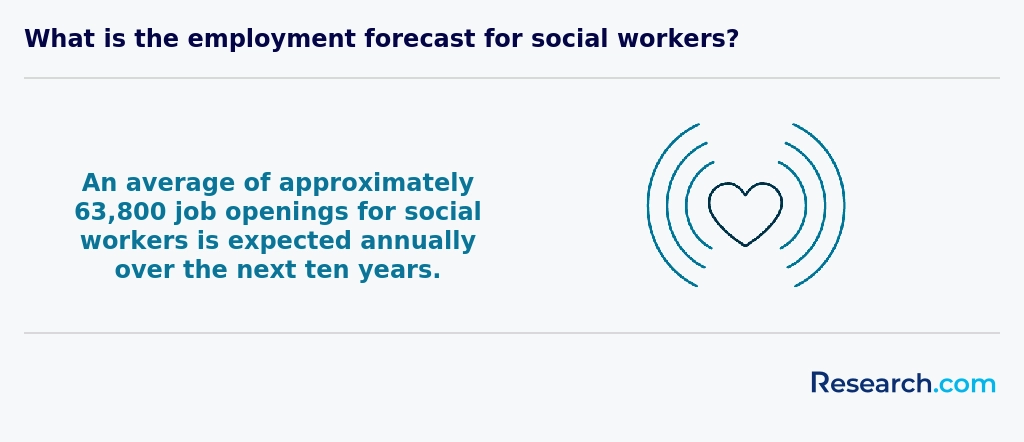
- What is the job market for social work degree in Seattle?
- Top Trending Social Work Rankings
- See What Experts Have To Say About Studying Social Work
What can I expect from social work degree in Seattle?
The average cost of pursuing a social work degree in Seattle often surprises many aspiring students. At the University of Washington, for example, in-state undergraduates pay approximately $11,745 annually. Graduate students enrolling in the Master of Social Work program face higher tuition, reflecting the program's advanced curriculum and the value of specialized training.
Graduates frequently recall balancing tuition fees with scholarships and financial aid tailored for social work students-resources made available because of the profession's critical demand. This financial support eases the burden and makes studying possible for those committed to making a community impact. Imagine a student juggling coursework and practicum hours at a busy local nonprofit, comforted by the knowledge that financial aid helps stretch every dollar.
Seattle's unique urban challenges require social workers who are not just ready academically but also financially prepared to invest in their education. The investment in tuition reflects not just knowledge but the lifelong connections and real-world experiences offered at Seattle's leading institutions, preparing graduates for meaningful careers in a city with complex social needs.
Where can I work with social work degree in Seattle?
Graduates with a social work degree from Seattle's top institutions often find themselves immersed in deeply impactful roles across diverse sectors. Imagine working in a bustling hospital environment like the University of Washington Medical Center, helping patients navigate the complex transition from hospital to home. This isn't just a job; it's a chance to transform vulnerability into hope.
Others step into roles at nonprofits such as the Seattle King County Coalition on Homelessness, where every case challenges them to creatively dismantle barriers faced by marginalized communities. These graduates describe the emotional rewards of seeing families regain stability and dignity firsthand.
For those drawn to education, Seattle Public Schools offer opportunities to serve students facing emotional and behavioral challenges, fostering safe environments that empower young learners. The steady support from state and federal programs reinforces the meaningful nature of this work.
Even government agencies, like the Washington State Department of Social and Health Services, provide arenas where social workers develop programs that reshape community wellbeing. Licensed clinical social workers embrace private practice, harnessing emerging mental health awareness to create personal healing journeys.
How much can I make with social work degree in Seattle?
Graduates from social work programs in Seattle often find themselves earning salaries that challenge common expectations about the profession. For instance, entry-level roles such as Child Welfare Specialists or Residential Counselors typically have mean annual wages around $59,190. These positions, frequently filled by recent graduates from universities like the University of Washington, offer meaningful client engagement while providing a solid financial start.
On the other hand, jobs like Community Organizers or Youth Workers reflect the broader scope of social work skills and command higher pay, averaging about $83,400 annually. Graduates with a Master of Social Work (MSW) degree can particularly appreciate this, as their specialized training opens doors to roles with salaries well above $65,000 and sometimes exceeding $90,000 in healthcare settings.
Seattle's social work students often share stories of the rewarding yet demanding balance between passion and paycheck, noting how wages here tend to reflect the city's higher cost of living. The data reveals that social work is not only a career of compassion but also one with significant earning potential in the Seattle area, especially when fueled by focused education and experience.
2027 Most Valuable Social Work Degree Programs Ranking in Seattle
How do we rank schools?
Investing in your education is a significant decision that can shape your future, and the Research.com team fully recognizes the responsibility involved in making informed choices. To assist prospective students in Seattle, we have carefully developed the "2027 Most Valuable Social Work Degree Programs Ranking in Seattle." Our dedication to quality, credibility, and accuracy is demonstrated through rigorous research and thorough analysis behind this ranking.
We utilized the following reputable data sources to ensure a comprehensive evaluation of social work degree programs:
By exploring this ranking, readers will gain valuable insights into the most valuable social work programs offered in Seattle, empowering them to make well-informed decisions about their education and career paths. For a detailed explanation of our approach, please visit our Research.com methodology page.


Key Findings
- Most social work jobs in Seattle require at least a Master of Social Work (MSW) from a program accredited by the Council on Social Work Education (CSWE).
- Annual tuition for social work degrees at public universities ranges from $10,000 to $15,000 for in-state students, while private universities charge between $30,000 and $45,000 per year.
- Entry-level social workers in Seattle earn between $50,000 and $60,000 annually, with experienced Licensed Clinical Social Workers (LCSWs) earning $75,000 to $90,000 per year.
- Employment for social workers in Seattle is expected to grow by about 10% over the next decade, exceeding the national average.
- Seattle universities offer strong internship and field placement programs, which are essential for licensure and gaining practical experience.
How long does it take to complete social work degree in Seattle?
Completing a social work degree in Seattle often takes more than just counting semesters-it's about balancing rigorous academics with meaningful fieldwork. At popular institutions like the University of Washington, bachelor's students typically invest four years, blending classroom lessons with about 400 hours of community engagement that transform theory into real-world impact. Graduates recall how those hours spent in local shelters or social programs shaped their passion profoundly.
For those pursuing a Master of Social Work, the timeline reflects personal circumstances and ambition. Some full-time MSW students finish in two years, while driven peers at Seattle University's accelerated programs complete their degrees in as little as 12 to 18 months, propelled by prior experience or a related bachelor's background.
Part-time MSW students who juggle family or jobs often stretch the journey to three or four years, embracing flexibility without sacrificing depth. Their gratitude often centers on how Seattle's evening classes and adaptable schedules allowed them to grow both professionally and personally at a sustainable pace.
Choosing the Right Social Work Program in Seattle, WA
When selecting a social work program in Seattle, WA, it's essential to consider several factors that can significantly impact your educational experience and future career prospects. One crucial aspect is Accreditation, ensuring the program is accredited by the Council on Social Work Education (CSWE), which is vital for licensure and recognition in the job market. Another key factor is the Degree Level, deciding between a Bachelor of Social Work (BSW) or a Master of Social Work (MSW), each leading to different career paths and opportunities. Program Focus is also critical, as different programs may emphasize clinical practice, community advocacy, or social justice, aligning with your passions and career goals. Field Experience, including hands-on internships, is invaluable in social work, providing practical experience and networking opportunities. Support Services, such as mentorship and career services, can make a significant difference in navigating the program and transitioning into the workforce. Flexibility, including online courses or evening classes, is essential for those balancing work and studies. Lastly, understanding the local Job Market Trends can help you choose a specialization that aligns with job opportunities, ensuring a smoother transition into your career. For more information on finding a valuable social work school in Washington, consider exploring rankings and reviews from reputable sources to make an informed decision.
What's the difference between online and on-campus social work degree?
Choosing between online and on-campus social work degrees in Seattle often reshapes expectations about learning and connection. Graduates from the University of Washington recall the energizing campus buzz, where face-to-face interactions with professors and nearby Seattle agencies gave their field placements a tangible, community-rooted feel. The structured schedule helped them balance academic rigor with immersion in local social work challenges.
Conversely, graduates from online programs such as Western Washington University share a different story: flexibility is their greatest asset. They describe juggling coursework between family and work commitments while feeling empowered by digital lectures and virtual discussions. Yet, arranging local fieldwork independently in Seattle's diverse social service landscape demanded initiative and resilience, qualities that sharpened their professional independence.
In essence, on-campus students often cherish the immediate mentorship and curated Seattle networks, while online learners find strength in self-driven adaptability and cost-conscious choices. This divergence goes beyond convenience-it's a reflection of distinct educational journeys within Seattle's social work community.
Navigating Licensure and Certification in Social Work
Graduating from a social work program is just the beginning of your professional journey. An essential next step is understanding the licensure and certification process, which not only validates your academic efforts but also opens doors to advanced career opportunities. In Washington, achieving credentials like the Licensed Clinical Social Worker (LCSW) is critical for those who wish to provide clinical services and lead therapeutic practices. The pathway typically involves completing supervised work experience, passing state-recognized exams, and adhering to ongoing continuing education requirements to maintain your license. As you deliberate on your educational investment, consider how the differences in credentialing can affect your professional trajectory and compensation. For a comparative insight into the financial outcomes of different paths, check out msw vs lcsw pay. By familiarizing yourself with these requirements early on, you ensure that your transition from student to licensed professional is both smooth and strategically aligned with your career goals.
What is the average cost of social work degree in Seattle?
The average cost of a social work degree in Seattle is often a determining factor for many prospective students. Data shows that in-state students typically face a median total cost of about $34,847, while out-of-state students may see nearly double that, around $67,864. These figures include tuition but often exclude living expenses, which can be notably high in Seattle's urban setting.
Graduates from renowned institutions like the University of Washington recall balancing academic pressures with the financial realities of pursuing social work degrees here. Even with these costs, many express a strong sense of fulfillment, knowing their education equips them to make meaningful community impacts. The Seattle social work degree tuition and fees can seem daunting, but students often find creative ways to manage through scholarships, part-time work, and financial aid.
Living costs add another layer to the expense puzzle. Seattle's rising housing and daily expenses mean students must budget for $15,000 to $20,000 annually beyond tuition. Yet, the investment feels worthwhile for those committed to social change, highlighted by stories from graduates at various Seattle colleges who emphasize personal growth alongside professional training.
For those evaluating their options, it helps to look beyond simple numbers and explore opportunities, such as attending a valuable social work school in Washington that offers strong support networks and financial aid. Understanding the balance between tuition, fees, and living costs is crucial when mapping out your path toward a social work degree in Seattle.

Licensure and Certification Requirements in Washington State
Becoming a licensed social worker in Washington State involves completing a CSWE-accredited program, fulfilling supervised practice hours, and passing the appropriate ASWB exam. Many candidates opt for Affordable Online Social Work Degree Programs to balance flexibility with rigorous training.
After earning a Bachelor or Master of Social Work, graduates register as social work interns with the Washington State Department of Health. For a Licensed Bachelor Social Worker (LBSW) credential, 3,000 hours of supervised practice under an LCSW-approved supervisor are required. Those pursuing a Licensed Social Worker (LSW) or Licensed Clinical Social Worker (LCSW) must complete 4,000 post-master’s supervised hours, including a minimum of 100 direct supervision hours.
Candidates then sit for the corresponding ASWB exam: the Bachelor’s exam for LBSW, the Master’s exam for LSW, and the Clinical exam for LCSW. Exam preparation typically includes review courses, study groups, and practice tests. Upon passing, applicants submit official transcripts, verification of supervised hours, and application fees to the Department of Health.
Licenses renew every two years, requiring 40 continuing education hours for LBSW/LSW and 60 hours for LCSW, with mandated ethics and clinical coursework. Maintaining licensure through ongoing professional development ensures compliance, enhances career prospects in public agencies, healthcare settings, or private practice, and demonstrates commitment to best practices in social work.
What financial aid is available to social work degree students in Seattle?
Many social work students in Seattle discover that navigating financial aid goes beyond the usual assumption of just loans and scholarships. Graduates from the University of Washington often share how completing the FAFSA unlocked crucial federal support like the Pell Grant, which for some covered thousands of dollars annually, softening the financial strain. This grant isn't just a number-it represents opportunities to focus more on fieldwork and less on worry.
State aid, such as the Washington College Grant, feels like a lifeline for local students attending Seattle University or other public institutions, bridging the gap between aspiration and affordability. Imagine being able to attend without the heavy shadow of debt looming, a reality for many who qualify.
Then there's the seldom-discussed power of private scholarships from organizations like the NASW Washington Chapter. Graduates often recount how early applications to such funds sparked a sense of validation, affirming their commitment to social welfare.
Beyond traditional aid, many find relief through employer tuition assistance or the Public Service Loan Forgiveness program, transforming years of public service into manageable financial futures. These avenues reveal that financial aid in Seattle is a mosaic, shaped by persistence and strategic use.
Licensing and Certification Requirements in Washington State
To practice social work professionally in Seattle and statewide, graduates must secure the appropriate credentials from the Washington State Department of Health and complete the Association of Social Work Boards (ASWB) examinations. Understanding these steps will help you transition smoothly from student to licensed practitioner. Pre-Licensure Education and Credentials • Bachelor’s Level: Graduates holding a BSW must register as a Social Service Worker (SSW) through Washington’s Health Professions Quality Assurance (HPQA) program. This credential allows supervised practice under an LMSW or LCSW. • Master’s Level: An MSW graduate applies for the Licensed Master Social Worker (LMSW) credential. Requirements include a CSWE-accredited MSW, passing the ASWB Master’s exam, and submission of official transcripts. Supervised Experience and ASWB Examination • LMSW to LCSW Pathway: To advance to the Licensed Clinical Social Worker (LCSW) designation, you must complete 3,000 hours of direct client practice over at least two years, under supervision by an LCSW supervisor approved by HPQA. • ASWB Clinical Exam: After meeting supervised practice requirements, candidates sit for the ASWB Clinical exam. Passing this national assessment is mandatory before full independent practice. Continuing Education and Renewal All social work licenses in Washington require renewal biennially. Licensees must complete at least 36 contact hours of continuing education, including ethics, to maintain professional standing. HPQA provides an online portal for tracking credits and submitting renewal applications. Next-Level Advancement For social workers aiming to lead research, teach at the university level, or influence policy, pursuing a Doctor of Social Work (DSW) can be transformative. Explore our anchorbest affordable online dsw programs to identify cost-effective options that align with your career goals in administration, academia, or clinical supervision.
What are the prerequisites for enrolling in social work degree program in Seattle?
Enrolling in a social work degree program in Seattle is more than ticking boxes; it's about proving your readiness to embrace a demanding, empathetic career. Many graduates from Seattle University and the University of Washington recall how the prerequisite of a minimum GPA-typically around 2.5 for a Bachelor of Social Work-felt like a baseline challenge that validated their academic commitment. But it's not just grades; submitting standardized test scores like the SAT or ACT may be optional now, reflecting a shift toward valuing personal resilience and motivation over test performance.
For those aiming for a Master of Social Work (MSW), the expectations intensify. Graduates often describe the importance of having official transcripts from regionally accredited schools and earning at least a 3.0 GPA to signal readiness for advanced study. Beyond numbers, letters of recommendation and a compelling statement of purpose create a narrative of dedication that makes admissions committees in Seattle recognize the applicant's true potential.
Many students also find that relevant volunteer work within Seattle's diverse communities adds tangible proof of their commitment, transforming applications from mere paper qualifications into heartfelt promises. This holistic approach in Seattle's programs echoes the real-world social challenges they prepare to confront.

Licensing and Certification Requirements in Washington
Before you can practice professionally in Seattle, you must:
- Earn a Master of Social Work (MSW) from a CSWE-accredited program
- Obtain an Associate Social Worker (ASW) credential by completing 1,500 supervised clinical hours and passing the ASWB Master’s exam
- Advance to Licensed Independent Clinical Social Worker (LICSW) status by logging 3,000 additional supervised hours and passing the ASWB Clinical exam
- Submit your licensure application and fees to the Washington State Department of Health
- Renew your license every two years with at least 36 continuing education hours
Consider accelerated tracks like 1 year msw programs online to meet educational prerequisites more quickly.
What courses are typically in social work degree programs in Seattle?
Social work degrees in Seattle typically immerse students in courses that challenge them to see beyond theory and into the real, often messy, lives they will impact. Graduates from the University of Washington's School of Social Work, for example, reflect on how the Introduction to Social Work course reshaped their understanding of the profession's ethical foundation and societal role, sparking a sense of purpose early on.
Courses like Human Behavior and the Social Environment bring to life the intricate interactions between individuals and their communities-students recall analyzing cases of homelessness in Seattle neighborhoods, deepening empathy for urban struggles. The class on Social Welfare Policy pushes students to critically assess local and national policies, turning abstract laws into meaningful tools for advocacy.
Hands-on learning through the Field Practicum is often described as transformative; students gain confidence navigating real agencies, often witnessing the resilience of Seattle's diverse populations. This practical engagement cements their clinical skills taught in Clinical Practice and Intervention Techniques, preparing them for immediate impact in sectors like mental health and child welfare.
Research Methods equips students to critically evaluate interventions, grounding their passion in evidence-based practice. In Seattle's dynamic social landscape, these courses collectively prepare graduates not just to enter the field, but to lead with insight and compassion.
What types of specializations are available in social work degree programs in Seattle?
Social work specializations in Seattle challenge students to engage deeply with the city's dynamic social landscape. Graduates from well-known programs like the University of Washington often reflect on how clinical social work tracks transform their ability to provide meaningful mental health support, directly impacting individuals grappling with complex emotional challenges within local communities.
Other students pursue child and family social work, finding fulfillment in advocating for youth and families caught in Seattle's evolving social service networks. This specialization resonates deeply given the city's focus on strengthening family welfare. Community outreach and social justice tracks push learners to question systemic inequalities, motivating many to become active policy advocates or organizers in Seattle's vibrant nonprofit sector.
Those drawn to gerontological social work describe their experiences at Seattle's colleges as eye-opening, highlighting how they support a growing senior population. Meanwhile, healthcare social work students navigating hospital environments value their ability to assist patients in comprehending complex treatment journeys.
With such diverse options, Seattle social work degree focus areas empower students to find personal meaning while addressing concrete community needs, encouraging prospective social workers to explore how different paths align with their ambitions or even to weigh the financial realities through comparisons like msw vs lcsw pay.
How do you choose the best social work degree in Seattle?
Choosing the best social work degree in Seattle means looking beyond rankings and brochures to the lived experiences of those who have walked the path before you. Graduates from well-known programs in Seattle often emphasize the value of CSWE accreditation, which guarantees rigorous training and is essential to qualify for licensure in Washington. Imagine engaging directly with Seattle's diverse communities during internships, a common highlight for students at local universities, where theory meets real-world impact.
Cost and flexibility in course delivery can make or break your educational journey. Many students recall juggling evening classes or online modules with demanding jobs, underscoring the importance of programs that adapt to your life's rhythms, especially when seeking affordable social work schools in Seattle. Some have found financial relief and academic growth by exploring specialized scholarships and considering public options.
Lastly, don't overlook career support-graduates speak of strong university networks opening doors to Seattle's expanding mental health and community service sectors. Those serious about social work careers often investigate programs aligned with these fields and resources like the best affordable online dsw programs to extend their qualifications in meaningful, cost-effective ways.
What career paths are available for social work degree students in Seattle?
Social work degree holders in Seattle find their careers unfolding in diverse, impactful ways. Graduates from the University of Washington or Seattle University often share how their roles in healthcare settings, such as mental health clinics or hospitals, allow them to provide crucial support for patients navigating emotional and systemic challenges. This hands-on experience aligns with the city's growing demand for behavioral health specialists and makes jobs for social work degree holders Seattle increasingly vital and rewarding.
Others gravitate towards child, family, and school social work, where graduates feel fulfilled assisting children facing abuse or educational hurdles, often employed by Seattle Public Schools or local child welfare agencies. For those drawn to leadership, community and social service management roles present opportunities to influence nonprofits that address homelessness and immigrant services, vital in Seattle's diverse urban landscape.
Graduates also delve into policy advocacy and university research, driven by Seattle's rich academic scene. Prospective students balancing costs might explore Affordable Online Social Work Degree Programs as a practical path to these rewarding careers.
What is the job market for social work degree in Seattle?
The social work job opportunities in Seattle are shaped by the city's expanding need for skilled professionals in healthcare, child welfare, and mental health. Graduates from prominent Seattle institutions often find themselves drawn to clinical roles requiring a Master of Social Work degree, where licensure opens doors to rewarding careers. Many express enthusiasm about working in diverse environments such as local hospitals, government agencies, and nonprofits, where their impact on individual lives and communities feels tangible and immediate.
Seattle social work degree employment outlook benefits from a growth rate exceeding the national average, driven by sustained funding in social services. Graduates report that while costs to earn a social work degree vary, especially between public and private universities, resources like scholarships and federal aid often lessen the financial burden. For those considering an associate degree in 6 months online, the path to entering the field quickly can be quite promising.
Frequently Asked Questions About social work
Social work degree students in Seattle can maximize their learning experience by engaging actively in field placements, which are essential for developing practical skills. The University of Washington's Information School notes that Seattle offers diverse agencies specializing in child welfare, mental health, and homelessness, allowing students to gain hands-on experience in varied settings.
Joining local professional groups such as the Washington State Chapter of the National Association of Social Workers helps students build networks and access mentoring opportunities. Additionally, Seattle's rich community resources and nonprofit organizations encourage students to participate in volunteer work, deepening their understanding of regional social issues.
Students should also utilize university career centers and attend workshops focused on social work licensure requirements, which in Washington State include clinical hours and passing a licensing exam. Staying updated on local policy changes through resources like the Seattle Office for Civil Rights can further enhance academic and professional growth.
Emerging niches within the social work field in Seattle reflect growing community needs and evolving professional opportunities. One key area is geriatric social work, driven by Seattle's rapidly aging population. According to the Seattle Office of Aging and Disability Services, the city expects a 30% increase in residents aged 65 and older by 2030, creating demand for specialized care and advocacy.
Another developing niche is trauma-informed social work, focusing on supporting individuals affected by violence, homelessness, and substance abuse. This approach is increasingly vital given Seattle's ongoing homelessness crisis, with over 23,000 people experiencing homelessness as reported by the 2023 King County Count.
Additionally, environmental social work is gaining traction, addressing the impacts of climate change on vulnerable populations. This niche aligns with Seattle's strong environmental initiatives and community resilience planning.
Preparing for the job market after completing a social work degree in Seattle involves strategic steps to increase employability. First, obtaining licensure such as the Licensed Social Worker (LSW) in Washington is essential; it validates professional skills and is often required by employers. According to the Washington State Department of Health, licensure requires passing the ASWB exam and completing supervised experience.
Networking is crucial. Seattle has a vibrant community of social services agencies, and joining local groups like the National Association of Social Workers (NASW) Washington Chapter can provide connections and job leads.
Internships and practicum experiences during your degree offer practical skills and can lead to job offers. The Seattle job market for social workers is projected to grow 12% from 2020 to 2030, according to the U.S. Bureau of Labor Statistics, reflecting strong demand.
Continuing education and specialization-such as in mental health or child welfare-can further enhance opportunities.
Employers in Seattle highly value social work graduates who demonstrate strong communication skills. Effective listening and clear expression are vital when working with diverse clients and multidisciplinary teams. According to the Washington State Department of Commerce, cultural competence is another top skill, given Seattle's diverse population, which includes many immigrants and refugees.
Critical thinking and problem-solving abilities are essential as social workers navigate complex cases involving mental health, housing, and family services. Additionally, proficiency in case management software is increasingly important due to digital record-keeping trends. The University of Washington's Tacoma Social Work Program emphasizes these skills in its curriculum to meet local workforce needs.
Finding internships relevant to a social work degree in Seattle involves connecting with local agencies, nonprofits, and healthcare organizations that focus on social services. Seattle offers numerous opportunities through institutions like the Washington State Department of Social and Health Services and organizations such as the Seattle Indian Health Board. According to the University of Washington's Evans School, many MSW students secure placements by accessing university-affiliated internship programs that collaborate with community partners.
Networking through professional groups such as the National Association of Social Workers (NASW) Washington Chapter can also be valuable. Websites like SocialService.com and Handshake list local internships specifically for social work students in Seattle. Early application and clear communication with supervisors improve chances of placement.
A social work degree significantly enhances career mobility and advancement opportunities in Seattle. Graduates with a Bachelor of Social Work (BSW) or Master of Social Work (MSW) are qualified for diverse roles in healthcare, education, and nonprofit sectors throughout the city. According to the U.S. Bureau of Labor Statistics, Seattle's employment of social workers is projected to grow 10% from 2022 to 2032, faster than the national average.
Holding an MSW often leads to higher-level positions, such as clinical social worker or program director, with median salaries in Seattle ranging from $65,000 to over $90,000 annually, per the Washington State Employment Security Department.
The degree's focus on practical skills and licensure preparation also supports upward mobility, as licensed social workers can access specialized roles requiring advanced credentials.
Studying for a social work degree in Seattle equips students with essential skills for interdisciplinary roles by emphasizing collaboration across multiple sectors. Programs often integrate coursework in psychology, public health, and education, reflecting the city's diverse and complex social services landscape. This approach allows students to understand and address client needs holistically.
Seattle's higher education institutions emphasize fieldwork placements in settings like hospitals, schools, and community agencies. These practical experiences foster teamwork with professionals from various fields, preparing graduates for real-world interdisciplinary collaboration.
According to the University of Washington School of Social Work, nearly 70% of graduates work in roles requiring coordination with other disciplines, highlighting the relevance of this interdisciplinary focus.
Choosing between a thesis and a non-thesis social work degree program in Seattle depends on your career goals and learning preferences. Thesis programs typically involve independent research and writing, preparing students for PhD studies or roles requiring strong research skills.
Non-thesis programs often focus on practical training and internships, appealing to those seeking direct entry into social work practice. According to the Council on Social Work Education, Seattle's MSW graduates commonly pursue clinical or community roles, making non-thesis paths popular locally.
Consider your strengths and long-term plans when deciding which format suits you best.
Students based in Seattle who wish to study social work abroad have several pathways through U.S. higher education institutions. Many Seattle universities with social work programs offer study-abroad partnerships or exchange programs with international universities. For example, the University of Washington's School of Social Work provides opportunities to engage in global social work practice through immersive field experiences in countries such as Tanzania and South Africa.
Seattle students can also consider accredited online social work degree programs with international components, allowing them to earn U.S.-recognized degrees while gaining global perspectives.
These international opportunities align with the Council on Social Work Education's standards, ensuring quality education whether domestic or abroad. According to the National Center for Education Statistics, about 10% of social work students nationwide participate in study-abroad programs, highlighting growing interest in cross-cultural learning.
Part-time job opportunities in Seattle that complement social work degree education typically focus on direct client interaction and community support. Positions such as caseworker assistants, outreach coordinators, and crisis hotline volunteers are common. These roles provide practical experience in counseling, resource referral, and crisis intervention, which are essential skills for social workers.
Seattle's numerous nonprofit organizations and social service agencies offer part-time roles that connect with vulnerable populations, including the homeless and at-risk youth. According to the Washington State Employment Security Department, social service jobs in Seattle are expected to grow by 12% through 2030, highlighting ample opportunities for students to gain relevant experience while studying.
Seattle offers extensive networking opportunities for social work students through its vibrant academic and professional communities. Universities such as the University of Washington host regular events, workshops, and career fairs connecting students with local agencies and employers in social services. According to the National Association of Social Workers, Washington State has a growing demand for social workers, increasing chances for internships and job placements.
Local chapters of professional organizations, including the Washington State Chapter of the National Association of Social Workers, provide students access to conferences and mentorship programs. Additionally, Seattle's nonprofit sector, which comprises over 3,000 organizations, facilitates volunteer and networking events for practical experience and connections.
Alumni networks play a crucial role for social work degree students in Seattle by providing valuable professional connections and mentorship opportunities. Students benefit from access to experienced graduates who often guide them through internship placements and job searches. According to the Council on Social Work Education, mentorship significantly improves early career success in social work fields.
Seattle's strong social work community leverages alumni networks to share local job openings in hospitals, schools, and nonprofit organizations. These connections help students navigate the competitive job market in King County, where social service agencies actively recruit from regional universities.
Additionally, alumni events and online platforms enable continuous learning and collaboration, supporting student growth and community engagement throughout their careers.
Customizing a social work degree program in Seattle involves selecting courses, practicum sites, and concentrations that align with your career goals. Many Seattle universities offer specializations such as mental health, child welfare, or community organization, allowing students to focus on areas in demand locally. For example, the Washington State Employment Security Department reports a steady growth in social work jobs requiring mental health expertise, making this specialization valuable.
Additionally, students can tailor their field placements through partnerships with local agencies, gaining hands-on experience suited to their interests. Elective courses in policy, advocacy, or healthcare social work further help shape your expertise. Researching program curriculum and local labor trends aids in making informed customization choices to enhance employability in the Seattle social work market.
Social work students in Seattle commonly face challenges related to balancing rigorous coursework with field placements. Agencies in the region often require extensive hands-on experience, which can be time-consuming alongside academic responsibilities. According to the University of Washington School of Social Work, many students report stress managing these dual demands.
Financial strain is also significant. Seattle's high cost of living affects students, especially those in unpaid internships or part-time work. The 2023 Washington Student Achievement Council highlighted that nearly 40% of social work students face difficulties affording housing and basic expenses during study.
Additionally, students must navigate complex social issues prevalent in Seattle, such as homelessness and substance use, which require emotional resilience and practical skill development. This exposure can be both challenging and rewarding in training future social workers.
With a social work degree in Seattle, graduates can pursue professional certifications that enhance their career opportunities and credibility. The most common certification is the Licensed Social Worker (LSW), which allows you to provide clinical services under supervision. Following this, many seek the Licensed Clinical Social Worker (LCSW) credential, which permits independent practice and therapy. According to the Washington State Department of Health, LCSW holders earn higher salaries and have broader employment options statewide.
Additionally, specialized certifications like Certified School Social Worker (CSSW) or certifications in substance abuse counseling are available. These credentials often require additional training or supervised experience but can significantly expand job prospects in Seattle's diverse social service sectors.
Writing a winning application for a social work program in Seattle begins with understanding the specific requirements of local universities, such as the University of Washington. Most programs require a personal statement demonstrating your commitment to social justice and community impact. Highlight relevant volunteer or work experience in social services, as these are especially valued in Seattle's diverse communities.
Seattle's social work market is growing, with a 12% projected job increase through 2031 according to the U.S. Bureau of Labor Statistics. Mentioning knowledge of regional social issues, like homelessness and mental health, adds strength to your application.
Strong letters of recommendation, preferably from social work professionals, further enhance your profile.
Social work careers in Seattle reflect broader global trends emphasizing cultural competence and social justice. According to the Council on Social Work Education, U.S. programs, including those in Seattle, increasingly incorporate international perspectives to prepare students for diverse populations.
Globally, social workers address issues such as poverty, mental health, and human rights, which align with opportunities in Seattle's multicultural communities. The U.S. Bureau of Labor Statistics projects 12% growth in social work jobs through 2031, with Seattle contributing notably due to its expanding healthcare and social services sectors.
Seattle's social work education often integrates global topics, preparing graduates for both local and international practice.
Gaining practical experience while studying for a social work degree in Seattle is essential for building professional skills. Many accredited programs require field internships, allowing students to work directly with local agencies. For example, institutions collaborate with organizations like Seattle's Department of Human Services and nonprofit groups to place students in real-world settings.
Students typically complete 900 to 1,200 hours of supervised practice, as recommended by the Council on Social Work Education (CSWE). This hands-on experience helps develop competencies in client advocacy, case management, and community outreach.
Seattle's diverse population offers opportunities to work with different groups, including veterans, immigrants, and youth. These placements often lead to networking and potential employment after graduation.
Choosing the right concentration within a social work degree program in Seattle involves assessing your career goals and local community needs. Seattle's social work programs often offer specializations such as clinical social work, child and family services, or substance abuse counseling. According to the Washington State Department of Social and Health Services, the demand for clinical social workers in King County is projected to grow by over 15% through 2030.
Consider your interests in population groups or issues, such as homelessness, elder care, or mental health, which are critical areas in Seattle. Reviewing program curriculum and available field placements can clarify which concentration aligns best with your aspirations.
Related Social Work Rankings for Nearby Cities
- 2027 Most Valuable Social Work Degree Programs Ranking in Berkeley
- 2027 Most Valuable Social Work Degree Programs Ranking in Fresno
- 2027 Most Valuable Social Work Degree Programs Ranking in Los Angeles
- 2027 Most Valuable Social Work Degree Programs Ranking in Denver
- 2027 Most Valuable Social Work Degree Programs Ranking in San Diego
- 2027 Most Valuable Social Work Degree Programs Ranking in Omaha
- 2027 Most Valuable Social Work Degree Programs Ranking in Minneapolis
- 2027 Most Valuable Social Work Degree Programs Ranking in Saint Paul
- 2027 Most Valuable Social Work Degree Programs Ranking in Duluth
- 2027 Most Valuable Social Work Degree Programs Ranking in Wichita
Top Trending Social Work Rankings
See What Experts Have To Say About Studying Social Work
Read our interview with Social Work experts

References
- Social Work News https://www.mysocialworknews.com/article/how-to-find-your-social-work-niche
- Social Worker (LCSW, MSW) Salary Guide By State https://socialworklicensemap.com/social-work-careers/social-work-salary/
- Global Perspectives in Social Work https://www.gu.se/en/study-in-gothenburg/exchange-student/courses/sw1118
- How To Become A Social Worker | Psychology.org https://www.psychology.org/social-work/how-to-become/
- Social Work https://al.edu.pl/en/studies/english-courses-for-erasmus-students/social-work
- The Evolution of Online Social Work Education https://www.socialworktoday.com/news/enews_0317_1.shtml
- 10 Careers for Social Work Majors https://www.umassglobal.edu/blog-news/careers-for-social-work-majors
- The Importance of Professional Networking in Social Work https://www.onlinemswprograms.com/resources/social-work-networking/
- Know more about thesis vs non- thesis: what is the difference? https://studyfans.com/en/blogs/816
- Social Work https://international.pwsztar.edu.pl/studying/faculty-of-administration-and-economics/social-work/