
2027 Best Social Work Degree Programs Ranking in Indianapolis

Co-Founder and Chief Data Scientist
Are you considering a social work degree in Indianapolis? This article presents the 2027 Best Social Work Degree Programs Ranking in Indianapolis, crafted by the Research.com team of data scientists.
Our goal is to help you make an informed decision by highlighting the programs truly worth your attention. Whether you're just starting or looking to advance your career, understanding your options is empowering.
Social work is a rewarding field that makes a real difference in communities. Explore the ranking to find programs that align with your passion and goals.
Key benefits of getting social work degree in Indianapolis
- Graduates with a social work degree in Indianapolis can expect strong earning potential, with jobs like Community Organizer and Youth Worker averaging $83,400 annually, while Child Welfare Specialists and Residential Counselors earn about $59,190 per year.
- A social work degree opens doors to diverse careers, from direct counseling to community advocacy, as seen in graduates from popular Indianapolis universities who engage in meaningful, impactful roles.
- Choosing an online social work degree offers flexibility and convenience, allowing students to balance studies with personal commitments while gaining the same respected qualifications as traditional students from well-known Indianapolis institutions.
- Key benefits of getting social work degree in Indianapolis
- What can I expect from social work degree in Indianapolis?
- Where can I work with social work degree in Indianapolis?
- How much can I make with social work degree in Indianapolis?
- 2027 Best Social Work Degree Programs Ranking in Indianapolis
- Key Findings
- How long does it take to complete social work degree in Indianapolis?
- Accreditation and Licensure Pathways in Indiana
- What's the difference between online and on-campus social work degree?
- Licensure and Certification Requirements
- What is the average cost of social work degree in Indianapolis?
- Most Affordable Options for Social Work Education in Indianapolis
- What financial aid is available to social work degree students in Indianapolis?
- Emerging Trends and Future Outlook in Social Work in Indianapolis, IN
- What are the prerequisites for enrolling in social work degree program in Indianapolis?
- Accreditation and Licensure Requirements
- What courses are typically in social work degree programs in Indianapolis?
- What types of specializations are available in social work degree programs in Indianapolis?
- How do you choose the best social work degree in Indianapolis?
- What career paths are available for social work degree students in Indianapolis?
- What is the job market for social work degree in Indianapolis?
- Top Trending Social Work Rankings
- See What Experts Have To Say About Studying Social Work
What can I expect from social work degree in Indianapolis?
The average cost of pursuing a social work degree in Indianapolis varies depending on the institution and program level. For example, students at popular universities in the area report that obtaining a Bachelor of Social Work (BSW) typically ranges from $25,000 to $40,000 for the full program. This investment covers tuition and essential fees over four years, often supplemented by financial aid or scholarships. Graduates emphasize that the hands-on fieldwork integrated into their studies adds significant practical value to their education, justifying the expense.
For those pursuing a Master of Social Work (MSW), the cost generally increases, ranging from $30,000 to $50,000 over two years. Many students appreciate that these programs in Indianapolis, known for strong ties to local agencies, incorporate clinical placements and direct practice opportunities, enhancing career readiness. This direct connection to community organizations such as hospitals and nonprofit groups enriches the learning experience, making the financial commitment feel worthwhile.
Some graduates reflect on the sense of accomplishment they felt when successfully navigating tuition costs while gaining relevant licensure preparation, a necessary step for employment in the growing social work sector in Indianapolis.
Where can I work with social work degree in Indianapolis?
Graduates with a social work degree in Indianapolis find diverse career paths across healthcare, public service, nonprofit, education, and private practice sectors. Many enter healthcare facilities such as hospitals and mental health clinics, providing critical support to patients and families. This is common in the Indianapolis-Carmel-Anderson metropolitan area, which employs thousands of social workers focused on medical and health services.
Public sector roles with local and state agencies, including the Indiana Department of Child Services, are prominent. Graduates often assist vulnerable groups like children in foster care and those facing homelessness, drawing on practical skills developed in social work programs at universities like IUPUI.
Nonprofit organizations such as Wheeler Mission offer roles in crisis intervention and resource coordination, allowing graduates to make a direct impact on social issues. Education-based opportunities exist as school social workers within Indianapolis Public Schools, supporting student mental health.
Private practice and counseling are growing fields, with licensed clinical social workers providing therapy after meeting clinical and licensing requirements, a path many graduates from Indianapolis colleges enthusiastically pursue.
How much can I make with social work degree in Indianapolis?
Graduates with a social work degree in Indianapolis can anticipate competitive salaries that reflect their education and chosen career path. For instance, social workers typically earn a mean annual wage of $68,800 in the area, according to the U.S. Bureau of Labor Statistics. Those pursuing child welfare specialist or residential counselor roles report mean salaries around $59,190 annually, offering stability for early-career professionals.
Community organizer and youth worker positions, often available to graduates from respected institutions like Indiana University-Purdue University Indianapolis (IUPUI), show even higher potential earnings, with average salaries near $83,400. This can be particularly motivating for students who desire engagement in community advocacy or youth services.
Indianapolis graduates frequently share that their education provided both theoretical knowledge and valuable field experience, enabling them to secure roles that pay above starting figures. With advanced degrees or licensure, salaries tend to increase, especially in clinical or supervisory roles.
These figures demonstrate a promising financial foundation, reflecting the strong demand and diverse opportunities available locally for social work degree holders.
2027 Best Social Work Degree Programs Ranking in Indianapolis
How do we rank schools?
Investing in your education is a significant decision that can shape your future, and the Research.com team recognizes the importance of making well-informed choices. To support individuals seeking social work degrees in Indianapolis, we have carefully developed the "2027 Best Social Work Degree Programs Ranking in Indianapolis." Our dedication to quality, credibility, and accuracy is demonstrated through thorough research and analysis.
We utilized the following reputable data sources to ensure a comprehensive evaluation of social work programs:
By consulting this ranking, readers will gain valuable insights into the premier social work degree programs available in Indianapolis, enabling them to make confident decisions regarding their educational journeys. For further information on how this ranking was created, please visit our Research.com methodology page.


Key Findings
- Annual in-state tuition for a bachelor's degree in social work at public universities in Indianapolis ranges from $9,000 to $12,000.
- Private colleges charge between $20,000 and $30,000 per year for social work programs, with graduate MSW programs costing $15,000 to $25,000 annually.
- Starting salaries for entry-level social workers average between $45,000 and $50,000 per year in Indianapolis.
- Experienced social workers can earn $60,000 to $70,000 annually, especially those with an MSW and clinical licensure.
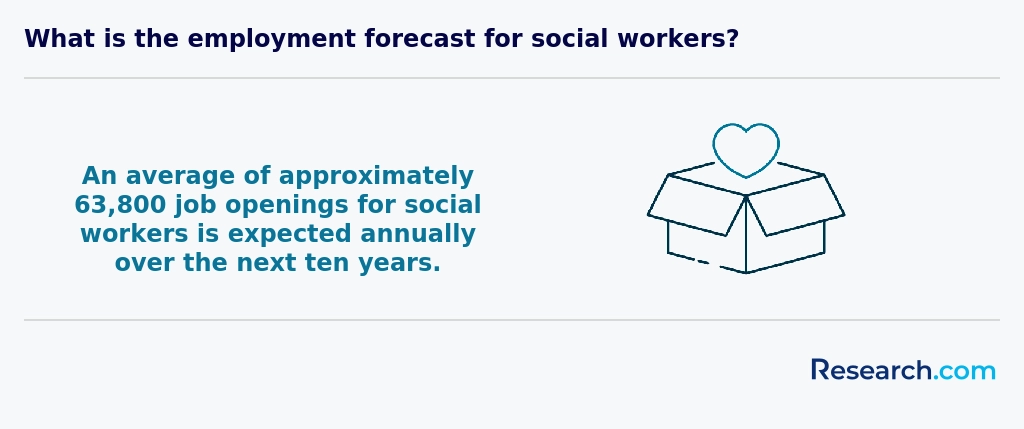
- Employment growth for social workers in Indianapolis is expected to match or slightly exceed the national growth rate of about 12% through 2030.
- Indiana requires social workers to complete an accredited MSW program and pass a national exam for clinical licensure.
How long does it take to complete social work degree in Indianapolis?
Completing a Bachelor of Social Work (BSW) in Indianapolis typically requires four years of full-time study, consistent with the norm at institutions like Indiana University-Purdue University Indianapolis (IUPUI). Graduates often recall a balanced mix of general education and specialized social work courses that prepare them for entry-level roles across healthcare and community settings.
A Master of Social Work (MSW) usually extends this timeline by two additional years. At universities such as Marian University in Indianapolis, students appreciate the flexibility of both full-time and part-time MSW options, though part-time study can stretch completion to three or more years. Graduates describe these programs as intensive but rewarding, with mandatory internships that provide hundreds of field experience hours, crucial for practical skill-building.
For those with prior non-social work degrees, certain Indianapolis MSW programs allow for advanced standing, reducing study duration to about one year full-time. Many students value this accelerated path as efficient and effective, allowing quicker entry into professional practice while still meeting national accreditation standards set by organizations like the Council on Social Work Education.
Accreditation and Licensure Pathways in Indiana
Pursuing a social work degree in Indianapolis requires understanding two separate but connected issues: whether the program is properly accredited and whether your degree meets Indiana’s licensure requirements. Employers and licensing boards often rely on accreditation as evidence that a program covers professional ethics, practice methods, field education, cultural responsiveness, and policy foundations.
All reputable programs should be accredited by the Council on Social Work Education (CSWE), which guarantees that the curriculum meets industry benchmarks for ethical practice, clinical competency, and cultural responsiveness. After graduation, Indiana candidates typically begin as Licensed Bachelor Social Workers (LBSW) by passing the ASWB Bachelor’s Exam and completing 1,800 supervised practice hours. Those aiming for clinical roles must earn a Master of Social Work (MSW), complete at least 3,000 supervised hours, and pass the ASWB Master’s Exam to become Licensed Clinical Social Workers (LCSW).
Key steps
- Verify CSWE accreditation on your university’s website and, when possible, through CSWE’s own program directory.
- Confirm which Indiana license your degree supports before you enroll.
- Register for the ASWB exam early to reserve your preferred testing dates.
- Document supervised hours carefully, including dates, setting, supervisor credentials, and scope of work.
- Ensure your supervisor holds the required active license for your intended pathway.
- Complete Indiana’s continuing education requirements-30 hours every two years-to maintain licensure.
Licensure can improve professional credibility and may open doors to advanced clinical positions in hospitals, schools, government agencies, behavioral health centers, and nonprofit organizations. Students comparing cost-effective pathways or online alternatives that meet CSWE standards can also review Research.com’s Most Affordable Online Social Work Degree Programs Ranking in Flagstaff, AZ, which highlights programs with online coursework, field practicum expectations, and licensure-oriented preparation.
What's the difference between online and on-campus social work degree?
Online social work degrees in Indianapolis offer flexible scheduling, ideal for students balancing jobs or families. Many choose this path to access accredited programs beyond Indiana, relying on asynchronous classes that fit diverse routines. For instance, graduates from Indianapolis often appreciate the ability to complete coursework on evenings or weekends, which allows steady progress without sacrificing work commitments.
Conversely, on-campus programs at institutions like Indiana University-Purdue University Indianapolis (IUPUI) deliver direct interaction with faculty and peers. These graduates frequently highlight the value of in-person discussions and spontaneous campus networking, which enhance learning and professional connections crucial for social work.
Cost is another differentiator. Indianapolis in-state students typically face around $9,400 annually for public campuses, while online programs might have comparable tuition but add fees for digital services. Additionally, on-campus attendees often consider housing and commuting expenses.
Both formats require supervised fieldwork. Online students secure internships locally in Indianapolis agencies, enabling practical skills despite remote learning. On-campus students benefit from university-facilitated placements that integrate classroom theory with community engagement.
Licensure and Certification Requirements
After earning a social work degree, graduates must follow Indiana’s licensure process before practicing independently or moving into clinical roles. Requirements vary by license level, so students should confirm the current rules with the Indiana Professional Licensing Agency (IPLA) and the relevant licensing board.
- Graduate from a CSWE-accredited Bachelor or Master of Social Work program.
- Complete supervised practice hours, such as 3,000 clinical hours for LCSW eligibility.
- Pass the appropriate ASWB exam, such as the Bachelor’s, Master’s or Clinical level.
- Apply and pay fees through the Indiana Professional Licensing Agency (IPLA).
- Fulfill continuing education requirements, including at least 30 hours every two years.
Students who want to move quickly into advanced practice may consider accelerated graduate options. Research.com’s guide to 1 year msw programs online can help applicants explore condensed MSW formats that combine intensive coursework with practicum requirements.
Before enrolling in any accelerated or online program, confirm CSWE accreditation, Indiana licensure alignment, field placement arrangements, supervision expectations, and whether the pace is realistic for your work and family responsibilities.
What is the average cost of social work degree in Indianapolis?
The average cost of a social work degree in Indianapolis varies depending on residency status and institution type. For in-state students, the median total cost is around $37,200, reflecting tuition and fees at public universities like Indiana University-Purdue University Indianapolis (IUPUI). Graduates from these programs often recall the balance of affordable tuition combined with hands-on field experiences that enriched their education without overwhelming financial burdens.
Out-of-state students face a median cost closer to $49,914, which aligns with tuition rates at private institutions such as Butler University. These graduates emphasize the value of networking opportunities and comprehensive resources available, which helped justify the higher investment despite increased expenses. This differentiation in cost highlights why prospective students should assess their residency status carefully when estimating expenses for an Indianapolis social work degree.
Beyond tuition, students often mention additional costs like books, background checks for field placements, and living expenses averaging $12,000 annually in Indianapolis. When planning for the average cost of social work degree in Indianapolis, budgeting for these factors is crucial to avoid unexpected financial strain.
For those searching for the most economical options, exploring scholarships and financial aid offered by schools is essential. Many graduates recommend researching the affordable social work school in Indiana to understand net costs better and secure funding opportunities that align with career goals.
Most Affordable Options for Social Work Education in Indianapolis
Affordable social work education in Indianapolis starts with comparing total cost, not tuition alone. Students should review tuition, mandatory fees, books, transportation, field placement expenses, and the amount of grant or scholarship aid they are likely to receive. A lower sticker price may not always be the lowest net cost if another school offers stronger aid or allows you to complete fieldwork near home or work.
Prospective students looking beyond Indianapolis can also compare statewide options through Research.com’s guide to an affordable social work school in Indiana. This can be useful if you are open to hybrid, commuter, or online formats that still meet accreditation and licensure expectations.
What to compare before choosing the cheapest program
- Accreditation: For social work, affordability should never come at the expense of recognized program quality or licensure eligibility.
- Net price: Compare the amount you will actually pay after scholarships, grants, employer aid, and federal aid.
- Field placement support: A program that helps secure local placements can save time and reduce professional risk.
- Format: Online or part-time study may reduce commuting costs, but you will still need supervised field experience.
- Time to completion: A longer program may lower semester-by-semester cost but increase total living and opportunity costs.
The most affordable option is usually the program that combines reasonable tuition, strong aid, CSWE-aligned preparation, flexible scheduling, and reliable placement support-not simply the school with the lowest advertised price.
What financial aid is available to social work degree students in Indianapolis?
Students pursuing social work degrees in Indianapolis benefit from a variety of financial aid options that significantly reduce education costs. At institutions like Indiana University-Purdue University Indianapolis (IUPUI), federal aid is a primary resource. Graduates often recall receiving the Pell Grant, which can cover up to $7,500 annually for eligible undergraduates, allowing them to focus more on studies than financial stress.
Many social work students also secure scholarships from local organizations such as the Indiana Chapter of the National Association of Social Workers (NASW Indiana). These awards, aimed specifically at social work majors, help alleviate tuition and fieldwork expenses, creating a safety net for committed students.
Graduate students pursuing an MSW talk positively about the Title IV-E Child Welfare Stipend Program, which supports tuition and living costs in exchange for future public child welfare service. Additionally, Indianapolis campuses offer work-study placements, giving students valuable experience while earning money, blending financial relief with practical skills.
Emerging Trends and Future Outlook in Social Work in Indianapolis, IN
Social work in Indianapolis is being shaped by rising demand for behavioral health support, community-based services, school and family intervention, healthcare navigation, and programs addressing housing, substance abuse, aging, and poverty. For students, this means the strongest programs are not only teaching traditional casework; they are also preparing graduates to work across systems and use technology responsibly.
Telehealth services and digital resource platforms have expanded access to mental health care and social services. These tools can help clients connect with providers, track referrals, and receive support when transportation, scheduling, or stigma create barriers. At the same time, social workers must be prepared to protect confidentiality, use technology ethically, and recognize when in-person support is necessary.
Indianapolis programs are also placing greater emphasis on interdisciplinary training. Graduates may work with nurses, physicians, school counselors, probation officers, nonprofit leaders, housing coordinators, and public agencies. Coursework and field placements that expose students to these teams can be especially valuable.
Students interested in advanced practice, teaching, leadership, or research may eventually consider doctoral study. Research.com’s guide to online phd social work programs can help readers compare advanced academic routes that build on MSW-level practice and research interests.
What this means for students
- Choose programs with strong field partnerships in healthcare, schools, behavioral health, child welfare, or nonprofits.
- Look for courses that address ethics, trauma-informed practice, policy, cultural responsiveness, and technology-supported service delivery.
- Ask how the program prepares students for licensure, supervised practice, and continuing education.
- Consider whether you want direct practice, clinical work, administration, advocacy, or research before selecting electives or concentrations.
The future outlook for social work in Indianapolis is strongest for graduates who can combine compassion with documentation skills, cultural competence, interdisciplinary collaboration, and a clear path toward licensure.
What are the prerequisites for enrolling in social work degree program in Indianapolis?
Enrolling in social work degree programs in Indianapolis, such as those at IUPUI or Marian University, typically requires a high school diploma or GED for bachelor's candidates, paired with a minimum GPA around 2.5 to 3.0. Graduates often recall balancing prerequisite courses like psychology, sociology, and English, which form the essential academic groundwork for their studies. Many programs have moved toward test-optional admissions, easing entry for those focused on relevant coursework and practical skills.
For Master of Social Work (MSW) applicants, institutions expect a bachelor's degree-preferably in social work or a related major-with a competitive GPA exceeding 3.0. Graduates frequently describe how their prior volunteer or professional experiences in social services strengthened their applications and prepared them emotionally and intellectually for advanced fieldwork. Recommended application materials often include letters of recommendation and personal statements, adding a personalized dimension to the admission process.
Background checks and immunization records are commonly required due to clinical placements, reassuring students about maintaining safe, ethical practice environments. This structured set of prerequisites ensures Indianapolis social work students are both academically prepared and practically equipped, adding confidence and resilience as they embark on their professional journeys.
Accreditation and Licensure Requirements
Accreditation is one of the most important checks when comparing social work programs. Choosing a CSWE-accredited program helps ensure that your degree is aligned with state and national expectations for social work education. In Indiana, the Council on Social Work Education (CSWE) is the sole accrediting body recognized by the U.S. Department of Education; graduation from a CSWE-accredited bachelor’s or master’s program is required to sit for the Association of Social Work Boards (ASWB) licensing exams.
After earning a BSW from an accredited school, graduates can prepare for entry-level licensure pathways such as the Licensed Social Worker (LSW) exam, which covers core areas including ethics, human behavior, policy, and foundational practice. Students who want clinical roles often pursue an MSW, sometimes with a focus such as clinical practice, child welfare, healthcare, or mental health.
Indiana requires at least 3,000 hours of post-graduate supervised experience and successful completion of the ASWB clinical exam for LCSW licensure. Because licensing rules can change, applicants should confirm the current requirements with the Indiana licensing board before enrolling, graduating, or applying for an exam.
Accreditation checklist for applicants
- Confirm that the program is CSWE-accredited or clearly explains its accreditation status.
- Ask whether the curriculum meets Indiana licensure preparation expectations.
- Review field placement requirements and available Indianapolis-area agency partners.
- Ask about graduate outcomes, exam preparation resources, and licensure advising.
- Compare affordability only after confirming that the program supports your intended license pathway.
Students balancing cost and credibility may also review Research.com’s guide to schools with cheap social work programs online, which focuses on affordable bachelor’s-level options. The key is to avoid programs that seem inexpensive but do not support licensure, field education, or recognized professional preparation.
Staying current with Indiana’s licensing board requirements is critical. Continuing education units (CEUs) are mandatory for biennial license renewal, and ethics updates are often stipulated. By choosing an accredited program and understanding the LSW/LCSW pathways early, students can reduce delays between graduation, supervised work, examination, and full professional practice.
What courses are typically in social work degree programs in Indianapolis?
Social work degree programs in Indianapolis commonly include a core curriculum designed to equip students with practical skills and theoretical knowledge essential for the field. Popular universities in the city structure their courses around nationally recognized standards, including classes like Introduction to Social Work, Human Behavior in the Social Environment, and Social Welfare Policy and Services. Graduates often reflect that courses such as Research Methods in Social Work and Community and Organizational Practice provide valuable tools for evidence-based decision-making and collaboration within diverse community structures.
Many students appreciate the emphasis on Ethics in Social Work, which prepares them to navigate complex real-world dilemmas sensitively and professionally. Alongside these, practical courses focused on Social Work Practice with Individuals and Families simulate scenarios where students engage directly with clients in settings like local hospitals or social service agencies.
Students at Indianapolis colleges frequently express how diversity and advocacy courses foster cultural competence, a vital skill given the city's varied demographic makeup. Fieldwork placements embedded within the programs offer hands-on experiences, allowing learners to confidently apply classroom knowledge in real-life Indianapolis environments.
What types of specializations are available in social work degree programs in Indianapolis?
Social work degree concentrations in Indianapolis typically include specialties such as Child and Family Welfare, focusing on child protection and family counseling; Mental Health and Substance Abuse, which prepares students to support individuals with mental illness and addiction; Healthcare Social Work, centered on assisting patients navigating health systems; School Social Work, addressing student well-being in educational settings; and Gerontology, dedicated to supporting aging populations. Graduates from institutions like Indiana University-Purdue University Indianapolis (IUPUI) often highlight the practical experience gained through these focused tracks, equipping them to respond emotionally and effectively to community needs.
These Indianapolis social work degree concentrations align well with regional challenges, enabling students to make meaningful impacts on issues like urban poverty and healthcare disparities. Many graduates express optimism about their readiness to advocate for vulnerable groups locally. Prospective students can explore tailored opportunities at universities and even consider advanced training through online phd social work programs to deepen their expertise.
How do you choose the best social work degree in Indianapolis?
Choosing the best social work degree in Indianapolis requires analyzing key factors such as accreditation, curriculum quality, and local relevance. Programs accredited by the Council on Social Work Education, like those at Indiana University-Purdue University Indianapolis (IUPUI), ensure nationally recognized standards that graduates repeatedly praise for preparing them well in practical settings.
Graduates from Indianapolis programs often highlight the value of specialized courses in areas like child welfare and clinical practice paired with internships at local agencies. This real-world experience builds confidence and competence, making the degree more than just theoretical. The city's vast urban environment offers diverse field placements, enriching student learning and networking opportunities.
Cost efficiency is crucial; Indianapolis public institutions average about $10,000 annually for in-state students, substantially below the national average. Prospective students can also explore schools with cheap social work programs online for flexible options that lighten financial burdens.
Employment outcomes and licensure pass rates from Indianapolis graduates confirm these programs' strong support systems and practical focus, enabling swift entry into social service careers. Such data-driven insights are important when selecting affordable social work degrees Indianapolis that align with personal and professional goals.
What career paths are available for social work degree students in Indianapolis?
Graduates with a social work degree in Indianapolis can pursue diverse career paths across healthcare, education, and community services. Many find roles as licensed clinical social workers (LCSWs) in hospitals like Indiana University Health or private mental health clinics, providing therapy and counseling. This practical pathway requires supervised clinical hours, which local universities facilitate through accredited programs, allowing students to gain hands-on experience. For instance, graduates from popular Indianapolis colleges often express satisfaction in helping patients navigate chronic illness and recovery planning.
Jobs with a social work degree in Indianapolis also extend to child welfare and school social work, supporting families with child protective services or assisting students with behavioral challenges in local school districts. Social workers in nonprofit agencies focus on advocacy and community development, working closely with underserved populations such as veterans and the homeless. These engaging roles highlight the city's robust social support environment. Prospective students balancing finances can explore expense-effective paths via programs highlighted in the Most Affordable Online Social Work Degree Programs Ranking in Flagstaff, AZ, ensuring career readiness within budget.
What is the job market for social work degree in Indianapolis?
The social work job outlook Indianapolis graduates face remains promising, supported by steady demand across healthcare, public agencies, and nonprofit sectors. Social workers with degrees from local universities benefit from connections to hospitals, child welfare agencies, and schools, which actively recruit from Indianapolis' academic programs. Graduates often share positive experiences about securing entry-level roles with starting salaries near $40,000, growing toward $70,000 for specialized clinical positions as they gain experience.
Cost of living advantages in Indianapolis make this career path financially viable, balancing average wages near $55,000 against tuition fees ranging from $8,000 to $25,000 annually for undergraduate and graduate programs. Social work students from well-known Indianapolis colleges report satisfaction in applying their skills through community advocacy and counseling internships. For students exploring their options, the city's dynamic social services sector offers ample opportunities, as reflected in the steady employment growth forecast. Those researching career alignment might consult the college majors list to confirm social work's relevance to their goals.
Indianapolis social work career opportunities flourish in contexts addressing poverty and substance abuse, providing graduates a meaningful work environment that encourages professional growth. This practical pathway appeals to many recent graduates seeking to impact the city positively while building rewarding careers.
Frequently Asked Questions About social work
Social work degree students in Indianapolis can enhance their learning by engaging directly with local community organizations. Indianapolis hosts numerous agencies focused on child welfare, mental health, and poverty alleviation, providing valuable internship opportunities required by most accredited programs.
Additionally, students should take advantage of networking events held by the Indiana Chapter of the National Association of Social Workers (NASW). This helps build professional connections and improve job prospects after graduation.
Given that Indiana has over 6,500 licensed social workers, per the Indiana Occupational Outlook Handbook, students can benefit from mentorship programs linking them with experienced practitioners.
Finally, utilizing resources at Indianapolis libraries and online continuing education platforms can deepen practical and theoretical knowledge throughout their studies.
The social work field is evolving with several emerging niches attracting increased interest from students and professionals alike. In Indianapolis, areas like geriatric social work are growing due to the city's expanding senior population, reflecting national trends reported by the U.S. Census Bureau. Specialized roles in trauma-informed care and substance abuse treatment are gaining prominence, driven by rising needs in mental health services.
Child welfare social work remains critical but now often incorporates family engagement strategies supported by Indiana University's research. Additionally, healthcare social work, particularly in hospitals and community clinics, is expanding as coordination between medical and social services improves.
After earning a social work degree in Indianapolis, preparing for the job market involves several key steps. First, securing licensure is crucial; Indiana requires social work professionals to pass the ASWB exam to become a Licensed Social Worker (LSW). This credential greatly enhances job prospects.
Networking plays an important role as well. Indianapolis hosts various social work associations and events where graduates can connect with potential employers in healthcare, schools, or government agencies. Volunteering or internships during studies often lead to job opportunities post-graduation.
The Indiana Department of Workforce Development reports that social workers in the state earn an average annual wage of around $55,000, with demand expected to grow by 12% through 2030, signaling steady employment opportunities.
Employers in Indianapolis highly value social work graduates who demonstrate strong communication skills. Clear and empathetic communication is essential for effective client interactions and collaboration with community organizations.
Critical thinking and problem-solving abilities are also top priorities. Social workers often face complex cases requiring thoughtful analysis and creative solutions. According to Indiana's Department of Workforce Development, these skills directly impact client outcomes and agency success.
Cultural competence is increasingly important in Indianapolis' diverse population. Employers seek graduates who respect different backgrounds and can provide inclusive support.
Lastly, organizational skills and familiarity with state regulations help graduates manage caseloads efficiently and stay compliant with Indiana social work laws.
Finding social work internships in Indianapolis involves targeting local organizations and leveraging resources offered by universities. Many accredited social work programs in Indianapolis, such as those affiliated with Indiana University-Purdue University Indianapolis (IUPUI), provide internship placement assistance to students. The city's social service agencies, including the Indianapolis Department of Child Services and non-profits like United Way of Central Indiana, frequently partner with educational institutions to offer practical training opportunities.
Students are encouraged to use campus career centers, which often maintain updated listings of internship programs. Networking with faculty members and attending local professional events through organizations like the Indiana Chapter of the National Association of Social Workers (NASW) can also expand internship prospects.
According to the U.S. Bureau of Labor Statistics, Indianapolis has a steadily growing demand for social workers, increasing internship availability. Preparing a strong resume and meeting program requirements can improve your chances of securing these valuable experiences.
Obtaining a social work degree in Indianapolis significantly enhances career mobility and advancement opportunities within the city's growing social services sector. According to the Bureau of Labor Statistics (BLS), the Indianapolis metropolitan area is expected to see a 10% increase in social worker positions from 2022 to 2032, higher than the national average. This growth opens pathways for graduates to advance into specialized fields like healthcare, child welfare, and mental health.
Employers in Indianapolis often prefer candidates with a Bachelor or Master of Social Work (BSW/MSW), as these degrees meet state licensure requirements. With licensure, social workers can gain higher-paying roles and leadership positions in agencies and nonprofits.
Additionally, social work degrees facilitate lateral moves into policy-making, advocacy, or administration, offering broad career flexibility. Local universities also partner with community organizations, providing practical experience that employers value highly.
Studying for a social work degree in Indianapolis offers students comprehensive training that emphasizes interdisciplinary collaboration. Local programs incorporate coursework and practicum experiences designed to engage with professionals in healthcare, education, and criminal justice sectors.
The integration of community agencies and hospitals in Indianapolis provides students with direct exposure to diverse client needs and team-based problem solving. According to the Indiana Department of Workforce Development, social workers in the region often work alongside medical staff, counselors, and law enforcement to address client issues holistically.
Practical training includes case management, conflict resolution, and cultural competency, essential for working in multidisciplinary teams. This approach prepares graduates to navigate complex social systems and deliver coordinated care effectively within Indianapolis' urban and suburban communities.
Choosing between a thesis and a non-thesis social work degree program in Indianapolis depends on your career goals and learning preferences. Thesis programs often appeal to students interested in research or pursuing a doctoral degree later. They require completing a research project and writing a detailed paper, which develops strong analytical skills.
Non-thesis programs focus more on practical skills and fieldwork, ideal for students aiming for immediate clinical or community practice roles. The Indiana University School of Social Work notes that most social workers in Indianapolis enter practice after earning a Master of Social Work without a thesis. According to the Bureau of Labor Statistics, the area expects 12% job growth through 2030, emphasizing practical experience.
Students based in Indianapolis who wish to study social work abroad have several pathways available through their home institutions. Many universities in Indianapolis with social work programs, such as Indiana University-Purdue University Indianapolis (IUPUI), offer study abroad opportunities or exchange agreements with partner schools in countries like the United Kingdom, Australia, and Canada. These programs often allow students to spend a semester or summer term gaining international experience while earning credits toward their degrees.
Studying abroad in social work provides exposure to diverse social policies and community practices, enhancing cultural competence-an essential skill for social workers in Indianapolis and beyond. According to the Council on Social Work Education (CSWE), international experience is increasingly valued in social work education.
Financial aid and scholarships may be available to support these programs, though students should consult their university's study abroad office for specific options. Additionally, licensing requirements vary by state, so students planning to return to Indiana for practice should ensure their international coursework meets local standards.
Part-time job opportunities in Indianapolis that complement social work degree education often involve direct community engagement and service roles. Positions such as case aide, family support worker, or behavioral health technician provide valuable hands-on experience. These jobs enhance skills in client communication, crisis intervention, and resource coordination.
Given Indianapolis' growing focus on mental health services-reflected in a 15% increase in local social assistance jobs by 2023 (Bureau of Labor Statistics)-students can benefit from working in hospitals, nonprofit organizations, or government agencies. Opportunities also exist in school districts to assist counselors, offering a practical understanding of youth social services.
Such roles not only build professional networks but also fulfill internship or practicum requirements for many Indiana universities offering BSW or MSW programs.
Social work students in Indianapolis benefit from a variety of networking opportunities through local universities and professional organizations. Institutions like Indiana University-Purdue University Indianapolis (IUPUI) host regular events, workshops, and career fairs that connect students with experienced practitioners and potential employers. The Indianapolis Chapter of the National Association of Social Workers (NASW) is also active, offering monthly meetings and conferences where students can build relationships and learn about job openings. According to NASW Indiana, over 1,200 social workers are members statewide, creating a strong regional network. These opportunities help students gain insight, mentorship, and internships crucial for career development.
Alumni networks play a vital role in supporting social work degree students in Indianapolis. These networks offer valuable connections to experienced professionals who can provide guidance on career paths and licensure requirements specific to Indiana.
Students gain access to job opportunities through alumni referrals, increasing their chances of employment in local agencies and hospitals. According to the National Association of Social Workers Indiana Chapter, about 60% of new graduates find positions through personal contacts, highlighting alumni influence.
Moreover, alumni frequently mentor students during field placements, helping them navigate practical challenges in social work settings across Indianapolis.
Engagement with alumni can also enhance continuing education and professional development options, keeping graduates informed about changes in state regulations and emerging community needs.
Customizing a social work degree program in Indianapolis typically involves selecting courses and field placements that align with your specific career goals. Many local universities offer concentrations such as clinical social work, community advocacy, or school social work. This allows students to focus on areas like mental health, child welfare, or gerontology.
Field internships in Indianapolis are essential for practical experience. Students can choose agencies or settings that match their interests, from hospitals to nonprofit organizations. According to the Indiana Body of Social Work Examiners, completing targeted practicum hours can improve job prospects within the state.
Additionally, some programs offer flexibility through online or part-time options, enabling working professionals to tailor their schedules. Choosing electives related to policy, administration, or research can further shape your expertise to fit long-term ambitions.
Social work students in Indianapolis commonly face several challenges related to balancing academic demands and practical experience. Many programs require extensive fieldwork in community agencies, which can create time-management difficulties alongside coursework.
Financial stress is another key issue. According to the Indiana Commission for Higher Education, many social work students rely on loans or part-time jobs, impacting their study time. Additionally, students often encounter emotionally demanding situations during internships due to Indianapolis's diverse urban population and prevalent social issues.
Access to mental health support and professional mentorship can vary among schools, influencing student success and retention rates in social work programs.
With a social work degree in Indianapolis, you can pursue several professional certifications that enhance career opportunities. The most common is the Licensed Social Worker (LSW) credential, which requires passing the Association of Social Work Boards (ASWB) exam. This license allows entry-level practice in many Indiana settings.
After gaining experience, you may pursue the Licensed Clinical Social Worker (LCSW), enabling independent clinical practice and therapy services. According to the Indiana Professional Licensing Agency, over 3,000 social workers held these licenses in 2023.
Specialty certificates in areas like school social work or gerontology are also available, providing focused expertise. These certifications improve job prospects in local schools and healthcare facilities.
To write a winning application for a social work program in Indianapolis, start by highlighting your commitment to community service and social justice. Schools like IUPUI emphasize practical experience, so include volunteer work or internships related to vulnerable populations in the city. Indianapolis has a growing need for social workers, with the Bureau of Labor Statistics projecting a 12% employment increase in the region by 2030, making clear motivation essential.
Carefully tailor your personal statement to reflect understanding of local social issues such as poverty and urban development. Strong letters of recommendation, preferably from professionals familiar with your social work potential, are crucial. Finally, ensure all academic records and test scores meet program-specific requirements to present a well-rounded application.
Social work is recognized globally as a vital profession addressing societal challenges, including poverty, inequality, and mental health. In the United States, including Indianapolis, social work education often aligns with standards set by the Council on Social Work Education (CSWE), which promotes competencies applicable worldwide. Careers in social work can lead to roles in healthcare, schools, and community organizations.
Globally, social workers collaborate through networks like the International Federation of Social Workers to share best practices. In Indianapolis, approximately 2,500 social workers are employed in various sectors, reflecting steady local demand reported by the Bureau of Labor Statistics (2023).
The global perspective emphasizes cultural sensitivity, ethics, and advocacy, principles embedded in US programs that prepare graduates for diverse populations.
Gaining practical experience is crucial when pursuing a social work degree in Indianapolis. Most accredited programs require students to complete supervised field placements or internships. These placements typically involve working with local agencies such as schools, hospitals, or nonprofit organizations. According to the Council on Social Work Education, students average 400 hours of fieldwork during their studies.
Indianapolis offers many opportunities through agencies like the Wheeler Mission and local healthcare providers. Students can also engage in community projects or volunteer programs to enhance their skills. These experiences provide real-world insight and improve job prospects after graduation.
Choosing the right concentration within a social work degree program in Indianapolis involves understanding your career goals and the community's needs. Specializations like clinical social work, healthcare, or child welfare offer different career paths. According to the Indiana Department of Workforce Development, demand is rising for social workers in mental health and substance abuse sectors, showing strong job prospects.
Consider programs that provide field internships in Indianapolis-area agencies, enhancing practical experience. Review curriculum options carefully and explore concentrations that align with your interests and local trends. Contacting academic advisors at Indianapolis schools can also provide tailored guidance based on your goals.
Related Social Work Rankings for Nearby Cities
- 2027 Best Social Work Degree Programs Ranking in Marion
- 2027 Best Social Work Degree Programs Ranking in Cincinnati
- 2027 Best Social Work Degree Programs Ranking in Louisville
- 2027 Best Social Work Degree Programs Ranking in Lexington
- 2027 Best Social Work Degree Programs Ranking in Chicago
- 2027 Best Social Work Degree Programs Ranking in Columbus
- 2027 Best Social Work Degree Programs Ranking in Aurora
- 2027 Best Social Work Degree Programs Ranking in Grand Rapids
- 2027 Best Social Work Degree Programs Ranking in Saint Louis
- 2027 Best Social Work Degree Programs Ranking in Detroit
Top Trending Social Work Rankings
See What Experts Have To Say About Studying Social Work
Read our interview with Social Work experts

References
- Best MSW Programs in Indiana - Social Work Education Center https://www.socialworkdegree.net/msw-programs/indiana/
- Interdisciplinary Collaboration in Social Work and the ASWB Exam https://agentsofchangeprep.com/blog/interdisciplinary-collaboration-in-social-work-and-the-aswb-exam/
- Social Work Degrees in Indiana | Become a Social Worker https://staging.socialwork.org/online-degrees/indiana/
- Online Bachelor's in Social Work | Indiana Wesleyan University https://www.indwes.edu/program/bs-social-work/
- The Importance of Professional Networking in Social Work https://www.onlinemswprograms.com/resources/social-work-networking/
- Social Work Internships https://www.stjude.org/education-training/professional-development/internships/social-work.html
- Social work certificates | edX https://www.edx.org/certificates/social-work-certificates
- How To Become A Social Worker | Psychology.org https://www.psychology.org/social-work/how-to-become/
- Know more about thesis vs non- thesis: what is the difference? https://studyfans.com/en/blogs/816
- 6 Ways Pacific Oaks College Prepares Social Workers To Support Children in the Real World - Voices Digital https://www.pacificoaks.edu/voices/from-the-magazine/6-ways-pacific-oaks-college-prepares-social-workers-to-support-children-in-the-real-world/


