
2027 Most Affordable Social Work Degree Programs Ranking in Garden City

Co-Founder and Chief Data Scientist
Choosing the right social work degree program is a big step toward a rewarding career helping others. For students in Garden City, this article offers a helpful guide to make that decision easier.
The 2027 Most Affordable Social Work Degree Programs Ranking in Garden City was carefully created by the Research.com team of data scientists. It highlights affordable programs that provide real value and quality education.
By exploring this ranking, you'll discover options that fit your budget and career goals while opening doors to meaningful work in social services.
Key benefits of getting social work degree in Garden City
- The average annual salary for social work-related jobs in Garden City is competitive, with Social Workers earning about $68,800 and Community Organizers getting around $83,400, providing financial stability and rewarding career options.
- Graduates from local universities often find diverse roles such as Child Welfare Specialists, Residential Counselors, or Youth Workers, allowing them to make a positive impact in various community settings.
- Completing a social work degree online offers flexibility and convenience, letting students balance studies and personal life while accessing quality education from established Garden City institutions.
- 2027 Most Affordable Social Work Degree Programs Ranking in Garden City
- What can I expect from social work degree in Garden City?
- Where can I work with social work degree in Garden City?
What can I expect from social work degree in Garden City?
The average cost for a social work degree in Garden City varies by institution but generally ranges between $15,000 and $40,000 per year for full-time study. Graduate students pursuing a Master of Social Work (MSW) typically face higher tuition fees, closer to the upper end of this range. Many graduates recall balancing the financial demands with part-time employment or scholarships offered through local colleges, which ease the burden.
Students from well-known Garden City universities often highlight how flexible scheduling options, such as evening classes and hybrid formats, made completing their degrees manageable alongside work or family commitments. For example, one graduate shared that attending part-time evening courses allowed a smoother transition into supervised internships at community agencies, making the investment feel worthwhile both financially and professionally.
Financial aid and assistantships are common, with programs providing guidance on licensure exam preparation costs and continuing education funding. Given the median salary for social workers in Nassau County is about $57,000 annually, many find that the program costs are balanced by expected future earnings and job growth in the region.
Where can I work with social work degree in Garden City?
Graduates with a social work degree from institutions in Garden City often secure positions in healthcare settings such as hospitals and mental health clinics, where they provide essential patient and family support. The U.S. Bureau of Labor Statistics identifies healthcare social workers as one of the fastest-growing professional groups, reflecting strong local demand. Many Garden City graduates from popular colleges describe rewarding experiences working in school districts, addressing emotional and behavioral challenges to help students thrive.
Additionally, government agencies near Garden City frequently hire social workers for roles involving child welfare, housing assistance, and support for veterans. Graduates report meaningful work helping underserved populations through agencies like the Kansas Department for Children and Families.
Nonprofit organizations focused on domestic violence, addiction recovery, and elderly care also offer diverse opportunities. Social work alumni often highlight the satisfaction of leading community outreach and case management programs. For those with advanced degrees and licensure, clinical roles in counseling centers allow for private therapy practice, made possible by Kansas's regulatory framework.
These varied career paths reflect Garden City's robust social support network and steady labor growth projected through 2030.
- A Bachelor of Social Work (BSW) typically takes four years, while a Master of Social Work (MSW) requires two additional years after the bachelor's degree.
- Tuition for social work programs in Garden City ranges from $7,000 to $15,000 per year at public colleges, with private schools often exceeding $20,000 annually.
- Entry-level social workers in the area earn about $45,000 per year, with experienced professionals earning $60,000 or more.
- The job market for social workers in Garden City is stable, with a projected 10% growth nationally over the next decade.
- Licensing requirements include education, supervised hours, and passing a standardized exam for becoming a Licensed Social Worker (LSW) or Licensed Clinical Social Worker (LCSW).
For those interested in pursuing a degree in social work, it's essential to explore all available options, including the cheapest social work programs in New York, to make informed decisions about their education and future career paths. This exploration can help prospective students understand the various facets of social work, from clinical practice to community organization, and how different programs can cater to their specific interests and goals. By researching thoroughly and considering factors such as program affordability, curriculum, and post-graduation opportunities, aspiring social workers can set themselves up for success in this rewarding and challenging field.
As the landscape of social work continues to evolve, staying informed about emerging trends and future opportunities is key to long-term career success in Garden City, NY. Rising demand for mental health services, technological integration in client management, and innovative community outreach methods are reshaping the field. Today’s social work professionals are not only expected to master traditional practices but also to adapt to shifts in policy, digital communication techniques, and interdisciplinary collaboration. For instance, many graduates are now leveraging online platforms and data analytics to better track client progress and streamline interventions. This digital shift is also influencing compensation patterns; consider checking out the detailed insights on social worker salary with a bachelor degree to understand current market trends. In addition, increased investment in community mental health initiatives and broader public health programs is opening new roles in both urban and suburban areas. Training programs are incorporating modules on trauma-informed care, crisis management, and culturally competent service delivery to meet the growing diverse needs of communities. This proactive approach not only aids in personal and professional development but also enhances a graduate's value in an increasingly competitive job market. By keeping an eye on these trends and continuously upskilling, social work graduates can position themselves as leaders in the field, ready to forge innovative paths and drive meaningful change in their communities.
The average cost of obtaining a social work degree in Garden City reflects a balance between accessibility and quality education. Median total tuition for social work programs hovers around $69,064, with in-state students typically paying closer to $49,110. Graduates from local institutions, such as those known for their social work offerings, often describe managing finances effectively despite these costs, appreciating the blend of affordable tuition and comprehensive program structure. The median out-of-state tuition aligns with the overall median, underscoring higher expenses for non-resident students.
Many students pursuing social work degrees in Garden City find that community colleges and state universities provide more affordable options, offering tuition rates well below national averages. These institutions attract students who value effective education while keeping debt manageable. Practical experiences shared by graduates highlight the rewarding nature of the program balanced with financial planning, especially when factoring in additional expenses such as materials and fees.
Prospective students interested in affordable social work programs Garden City 2027 can enhance value by exploring scholarship opportunities and financial aid, widely available to support varied economic backgrounds. Furthermore, students often couple their social work studies with coursework in related fields, as seen in affordable accredited substance abuse counseling programs online, to increase their career versatility and return on investment.

Understanding the licensure trajectory is essential for any social work graduate aiming to practice in New York. After completing a CSWE-accredited BSW or MSW program, aspiring social workers must register with the New York State Education Department (NYSED) Office of the Professions. The typical pathway involves: 1. Earning a Social Work License (LMSW): - Hold a master’s degree in social work from a CSWE-accredited institution. - Submit official transcripts and application to NYSED, along with the required fee. - Pass the Association of Social Work Boards (ASWB) Master’s exam, which tests core competencies in human behavior, ethics, and clinical practice. 2. Advancing to Clinical Licensure (LCSW): - Accumulate 3,000 hours of supervised clinical experience over at least two years under an NYSED-approved supervisor. - Successfully complete the ASWB Clinical exam, designed to evaluate expertise in psychotherapy, diagnosis, and treatment planning. - Maintain documentation of supervision, including logs of client contact hours and supervisor evaluations. 3. Continuing Education and Renewal: - Every three years, LCSWs and LMSWs must complete 36 continuing education (CE) credits, including ethics and child abuse identification courses. - Renew your license via the NYSED online portal before the expiration date to avoid penalties. For students seeking flexible, cost-effective ways to fulfill educational requirements and exam preparation, our Inexpensive Online Master’s in Social Work Degree Programs Ranking in the West can help you compare programs renowned for robust licensure support services and exam pass-rate outcomes. Proper planning of your educational and supervised practice experiences ensures a smooth transition from graduation to licensed practice, empowering you to make a meaningful impact on New York communities.
To practice as a social worker in New York, graduates must meet state licensure standards:
- Earn a CSWE-accredited bachelor’s (BSW) or master’s (MSW) degree. For those seeking a faster path to advanced licensure, consider an msw accelerated programs online.
- Apply for the Licensed Master Social Worker (LMSW): submit official transcripts, pass the ASWB Master’s exam and pay fees to the NY State Education Department (NYSED).
- Complete 3,000 hours of supervised clinical experience under an LMSW supervisor (approximately 2 years full-time).
- Apply for the Licensed Clinical Social Worker (LCSW): after supervised hours, pass the ASWB Clinical exam and file the LCSW application with NYSED.
- Renew licensure every 3 years by completing 36 continuing education credits, including a minimum of 3 ethics hours, to maintain active status.
To enroll in social work degree programs in Garden City, students must meet established prerequisites aligned with the Council on Social Work Education (CSWE) standards. For Bachelor of Social Work (BSW) degrees at institutions like Garden City Community College, applicants need a high school diploma or GED. Many graduates recall how completing courses in psychology or sociology before applying made their transition smoother and boosted their confidence in fieldwork assignments.
Prospective Master of Social Work (MSW) candidates at notable schools such as St. Catherine University usually hold a bachelor's degree from an accredited institution. While the degree can be in any field, having a BSW often reduces MSW coursework time. A minimum undergraduate GPA of 3.0, letters of recommendation, and a personal statement are typically required. Graduates frequently emphasize that relevant volunteer experience in local social service agencies enriched their understanding and motivated their academic journey.
Though GRE scores aren't commonly required, students are advised to verify each program's specific criteria. Overall, meeting these prerequisites prepares Garden City students for a rewarding social work career.
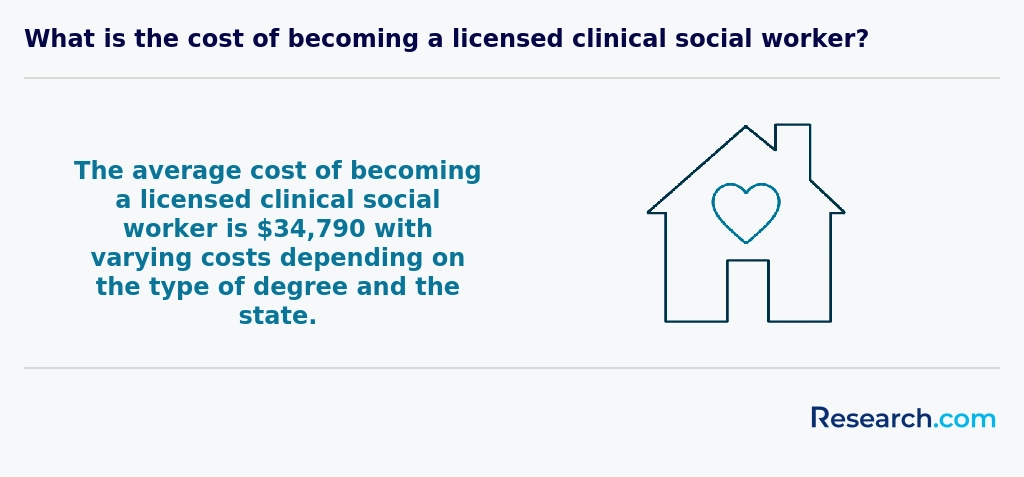
Investing in a Social Work degree is as much about future earning potential as it is about passion for service. By comparing typical tuition expenses against median salaries for roles like clinical social worker and community organizer, prospective students can calculate a realistic payback period. For instance, a two-year MSW program at a public institution in New York may average $20,000 per year in tuition, while salaries for licensed clinical social workers in Garden City hover around $104,000 annually. To explore detailed breakdowns of program expenses, including in-state versus out-of-state rates, visit our guide on msw degree cost. On average, BSW graduates recoup their undergraduate investment within 5 to 7 years, assuming full-time work at the median entry-level salary of $64,360. MSW holders often see a shorter payback timeline of 3 to 5 years, thanks to higher starting salaries and specialized roles in mental health and healthcare settings. Factoring in scholarship awards and federal aid-often averaging $6,000 per year-can further accelerate this timeline. To maximize return on investment, consider part-time field placements that pay stipends, employer tuition remission programs, and accelerated or joint-degree tracks. Networking through local non-profits and state agencies can also lead to signing bonuses or relocation assistance. By planning strategically around cost, debt forgiveness programs, and projected income, social work students in Garden City can ensure their dedication to community impact also yields long-term financial stability.
Social work degree programs in Garden City typically include foundational courses designed to build comprehensive expertise necessary for effective practice. Graduates from well-regarded local institutions often recall how courses like Human Behavior and the Social Environment helped them understand client dynamics within families and communities, directly applying these insights during their field placements.
Other core classes include Social Welfare Policy and Services, which dives into the structure and impact of U.S. social welfare systems, equipping students to navigate and influence policy contexts confidently. Social Work Practice courses focus on intervention techniques applicable to individuals, families, and groups-a critical skill emphasized by instructors at Garden City colleges.
Research methods courses, involving both qualitative and quantitative approaches, are regularly praised by graduates for empowering their evidence-based decision making. Additionally, extensive Field Education provides 400 to 900 hours of supervised, hands-on experience, enabling students to immerse themselves in community agencies and develop practical competence.
Specialized options such as Mental Health and Substance Abuse, Child Welfare and Family Services, and Gerontology offer targeted knowledge for addressing specific population needs, which many students find deeply motivating and relevant to their career goals in Garden City's diverse social landscape.
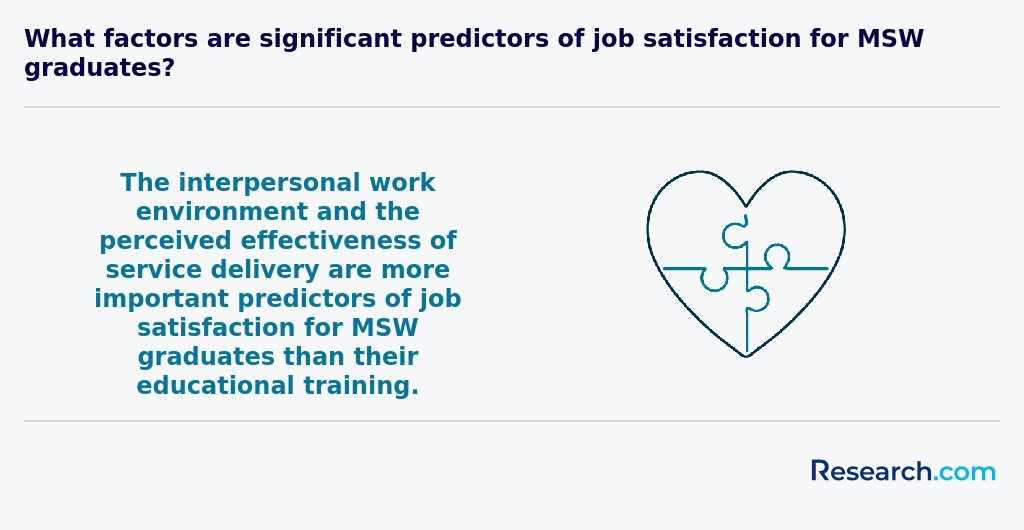
Choosing the best social work degree in Garden City requires evaluating accreditation, cost, and program flexibility. Prioritize CSWE-accredited programs, which graduates from well-known local colleges find essential for licensure and quality education. For example, students often appreciate how accredited programs offer clinical placements through partnerships with Garden City agencies, giving real-world experience that reinforces classroom learning.
Cost considerations are crucial. Graduates highlight that comparing tuition fees with available scholarships helps manage expenses, especially at institutions known for affordable social work degree programs Garden City residents frequent. In-state tuition can significantly reduce financial burden compared to out-of-state rates, aligning with national averages of about $10,000 annually for public universities.
Flexibility also matters to many working adults. Evening classes and online options allow students to balance life commitments, echoing experiences of recent graduates. Additionally, understanding the iowa lpc application process complements social work licensure goals for those pursuing clinical roles.
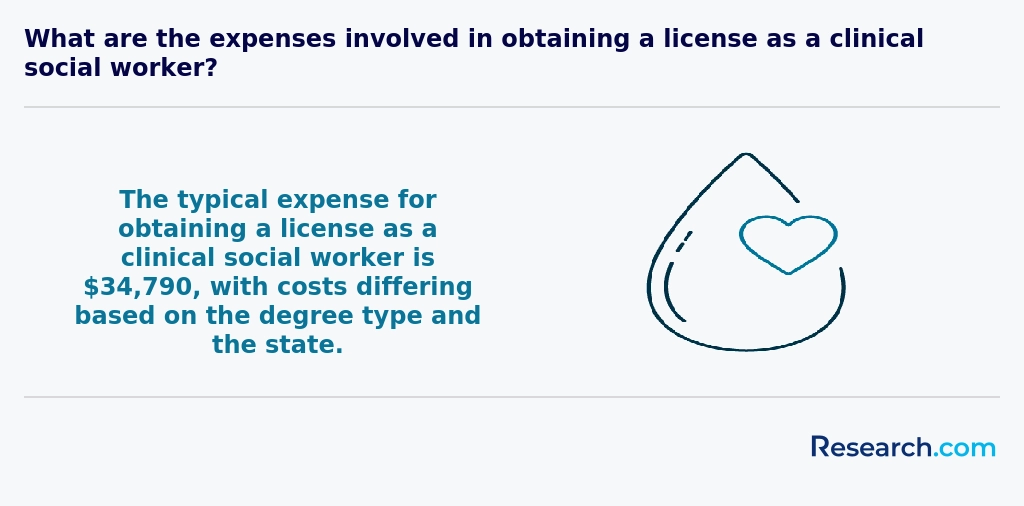
Graduates holding a social work degree in Garden City often pursue roles in child and family social work, medical social work, school social work, and mental health and substance abuse settings. Many find employment with child welfare agencies and local school districts, reflecting the community's emphasis on youth and family support. Those studying social work at popular Garden City colleges report fulfilling experiences working directly with diverse populations, benefiting from practical training that enhances job readiness.
Medical social workers in Garden City hospitals coordinate patient care and provide vital emotional support, aligning with nationwide data that 22% of social workers operate in healthcare. Government and nonprofit roles are also significant, offering opportunities for advocacy on homelessness and domestic violence. Such positions demand combining knowledge and compassion, often resulting in a deep sense of purpose among graduates.
Students interested in expanding their credentials can explore LPC programs South Carolina, complementing their social work degree to widen career prospects. Overall, social work career opportunities in Garden City reflect a growing demand supported by strong community networks and practical academic programs.

2027 Most Affordable Social Work Degree Programs Ranking in Garden City
Investing in your education is a significant decision that can shape your future, and the Research.com team is fully aware of the importance of making well-informed choices. To support prospective students in Garden City, we have carefully developed the "2027 Most Affordable Social Work Degree Programs Ranking in Garden City." Our dedication to quality, credibility, and accuracy is demonstrated through the thorough research and analysis behind this ranking.
We utilized the following reputable data sources to ensure a comprehensive evaluation of social work degree programs:
By exploring this ranking, readers will gain valuable insights into the most affordable and credible social work degree programs in Garden City, enabling them to make confident and informed decisions about their education. For more information on how this ranking was created, please visit our Research.com methodology page.

Frequently Asked Questions About social work
Social work degree students in Garden City can maximize their learning by engaging actively in field placements, which are a core component of accredited programs. These practical experiences allow students to apply classroom theory in real-world settings such as local hospitals, schools, or community agencies.
Participating in workshops and seminars offered by nearby institutions, including Garden City Community College, can also deepen understanding of social work issues relevant to the region.
Networking with local professionals and joining organizations like the National Association of Social Workers (NASW) Garden City chapter provides access to mentorship and career opportunities.
Utilizing resources from the University of Kansas' School of Social Welfare, known for research on Midwestern social work practices, can enhance academic knowledge.
Emerging niches within the social work field are shaping new career paths for students pursuing social work degrees in Garden City. One growing area is geriatric social work, addressing the needs of an aging population, which has increased by over 15% in Garden City since 2015, according to the U.S. Census Bureau. Another is healthcare social work, where professionals support patients navigating medical systems and mental health challenges.
Additionally, social workers focusing on environmental justice are gaining attention, responding to local issues like pollution and community health risks documented by the Environmental Protection Agency. School-based social work remains critical, especially with rising mental health concerns among youth in Garden City schools, per recent state education reports.
After completing a social work degree in Garden City, preparing for the job market involves several key steps. First, gaining relevant experience through internships or volunteer work is crucial, as local employers often value practical skills alongside academic credentials. Garden City's social services sector is growing, with a projected 10% increase in social worker jobs through 2028, according to the U.S. Bureau of Labor Statistics.
Networking is also important; joining local professional groups such as the National Association of Social Workers (NASW) Garden City chapter can provide valuable connections. Additionally, obtaining licensure specific to New York State enhances job prospects and earning potential.
Strong communication skills and knowledge of community resources in Garden City will further improve employability.
Employers in Garden City consistently prioritize strong communication skills in social work degree graduates. Being able to listen actively and express ideas clearly is essential when working with diverse client populations and multidisciplinary teams. According to the National Association of Social Workers, effective communication improves client outcomes significantly.
Critical thinking and problem-solving abilities are also highly valued. Graduates must analyze complex situations quickly and develop practical intervention plans. These skills support compliance with state and federal guidelines.
Cultural competence is particularly important in Garden City's diverse community. Employers expect social workers to demonstrate sensitivity to varied backgrounds, enhancing trust and effectiveness in service delivery.
Lastly, proficiency in case management and knowledge of community resources are crucial for successful social work practice locally.
Finding internships in Garden City relevant to a social work degree often begins with connecting to local organizations and agencies. Many schools in the area partner with hospitals, schools, and social service nonprofits to provide placement opportunities for students.
The New York State Office of Children and Family Services lists licensed providers in Garden City where social work internships may be available. Checking with this state database helps locate agencies actively engaged in social work practice.
Another useful step is contacting Garden City's community centers and mental health clinics directly. These institutions frequently seek interns to assist with case management and client outreach.
According to the National Association of Social Workers (NASW), securing an internship increases a social work student's job prospects by approximately 30%. Therefore, leveraging both academic and local resources is key.
Earning a social work degree in Garden City significantly enhances career mobility and advancement opportunities. According to the Bureau of Labor Statistics, employment for social workers nationwide is projected to grow 12% from 2022 to 2032, which reflects demand in local communities like Garden City. Holding a Bachelor's or Master's in Social Work often qualifies candidates for higher-level roles, including clinical social work and case management positions.
Locally, Garden City's expanding healthcare and social service sectors offer pathways to supervisory and specialized roles. Employers frequently prefer candidates with formal social work education due to accreditation standards and licensure requirements in New York State, facilitating promotions and salary increases. Networking through local professional organizations also supports career growth.
Studying for a social work degree in Garden City equips students with skills essential for interdisciplinary collaboration. Programs in the area emphasize teamwork across healthcare, education, and criminal justice sectors, reflecting local community needs. According to the National Association of Social Workers, nearly 60% of social workers in New York are involved in interdisciplinary teams, highlighting the importance of such training.
Courses often include case management, ethics, and communication, preparing graduates to work effectively with professionals like nurses, teachers, and law enforcement. Field placements in Garden City allow hands-on experience in diverse settings, enhancing practical coordination skills.
This approach ensures graduates are ready to address complex social issues through a combined, multi-professional effort.
When choosing between a thesis and a non-thesis social work degree program in Garden City, students should consider their career goals. A thesis program involves conducting original research, which is ideal for those interested in pursuing doctoral studies or research roles. Non-thesis programs often focus on practical skills and fieldwork, suiting students aiming for clinical practice or social service work immediately after graduation.
Local data from the Garden City Education Board shows that about 60% of social work graduates enter community-based roles, which often prefer non-thesis tracks. However, those planning to continue in academia may benefit from thesis experience.
Costs and program length can also influence decisions; thesis programs may take longer and sometimes involve additional expenses for research materials.
Students in Garden City interested in studying social work abroad have several pathways within the U.S. higher education system. Many universities offer study abroad programs in partnership with accredited institutions, allowing Garden City students to earn credits toward their social work degrees while experiencing international social welfare practices.
Options include short-term exchange programs, summer intensives, or semester-long opportunities in countries with strong social work education frameworks like the United Kingdom, Australia, or Canada. Such programs often focus on global social issues, policy, and intercultural competencies, which are valuable for careers in social work.
The Council on Social Work Education (CSWE) supports these international experiences as part of accredited program curricula, beneficial for students planning advanced degrees or licensure.
Part-time job opportunities in Garden City that complement social work degree education often involve roles in community outreach, counseling assistance, and nonprofit organizations. Students can find positions as case aides or support staff in local social service agencies, gaining hands-on experience with client interaction and administrative duties.
Many local hospitals and rehabilitation centers also offer part-time roles assisting social workers, which provide valuable exposure to healthcare social work. According to the U.S. Bureau of Labor Statistics, practical experience gained in such roles enhances employability upon graduation.
Additionally, Garden City's numerous nonprofit groups focused on youth and family services frequently seek part-time volunteers or interns, allowing students to develop crucial skills in advocacy and resource coordination.
Social work students in Garden City have access to multiple networking opportunities that can enhance their educational and professional growth. Local colleges offering social work programs often host career fairs and guest speaker events featuring experienced social workers from area agencies. These events allow students to connect directly with potential employers.
Additionally, Garden City is close to numerous social service organizations and non-profits where students can complete internships and build valuable contacts. The New York State Chapter of the National Association of Social Workers (NASW) provides networking meetings and workshops within the region.
According to NASW, participation in these activities significantly improves job placement chances for graduates in Garden City's social work sector.
Alumni networks play a significant role in supporting social work degree students in Garden City. These networks offer access to experienced professionals who provide mentorship, career advice, and job leads. According to the National Association of Social Workers, connections made through alumni groups can increase job placement rates by up to 15% for graduates in this field.
In Garden City, many social work programs actively maintain alumni directories and host networking events. These opportunities help students build relationships that extend beyond the classroom, facilitating referrals to internships and local social service agencies.
Strong alumni networks also keep students informed about industry trends and professional development chances, which is crucial in the evolving landscape of social work in the US.
Customizing your social work degree program in Garden City involves selecting courses and experiences that align closely with your career goals. Many local colleges offer concentration options such as clinical social work, community organization, or child welfare, allowing you to target your studies.
Internships and field placements are essential components where you can gain hands-on experience in settings like hospitals, schools, or nonprofit organizations around Garden City. These opportunities help you build relevant skills and professional networks.
Additionally, some programs provide elective courses in areas like substance abuse or mental health, enabling you to specialize further. Be sure to consult academic advisors about tailoring your curriculum to meet licensure requirements if you plan to become a Licensed Social Worker (LSW) in New York State.
Social work students in Garden City encounter several common challenges as they pursue their degrees. Balancing rigorous coursework with fieldwork placements often proves difficult. These placements require students to commit significant hours, sometimes conflicting with personal or job responsibilities. According to the National Association of Social Workers, field experience is critical but also a leading source of stress for students nationwide, including in Garden City.
Financial strain is another issue, as many Garden City students report concerns about tuition costs and living expenses. Additionally, coping with emotionally demanding subjects and exposure to clients' complex issues can impact mental health. Support services on campus aim to address these challenges, but access varies between institutions.
With a social work degree in Garden City, you can pursue several professional certifications to enhance your career prospects. The most recognized is the Licensed Master Social Worker (LMSW), which qualifies you for clinical and non-clinical roles across New York State, including Garden City. After gaining supervised experience, you can obtain the Licensed Clinical Social Worker (LCSW) credential, allowing independent clinical practice.
There are also specialty certifications like the Certified Advanced Alcohol and Substance Abuse Counselor (CASAC) for work in addiction services. These certifications require passing specific exams and meeting state guidelines as outlined by the New York State Education Department.
According to the Bureau of Labor Statistics, social workers with certifications earn higher median wages in Garden City, making these credentials valuable for career advancement.
To write a winning application for a social work program in Garden City, start by clearly demonstrating your commitment to helping communities. Admissions committees value applicants who show genuine passion and understanding of social issues. Include specific examples of volunteer work or internships related to social services.
Highlight your academic achievements, especially in courses like psychology, sociology, or human services, as these are relevant foundations. Garden City programs often require a minimum GPA around 3.0 for competitive applicants, so emphasize solid grades.
Update your resume to reflect any leadership or teamwork experiences. Writing a compelling personal statement that explains your motivation and career goals can distinguish you significantly. Check Garden City university websites for exact requirements and tailor your application accordingly.
Social work careers in the United States, including Garden City, are increasingly influenced by global perspectives focused on human rights, social justice, and cultural competence. The Council on Social Work Education (CSWE) encourages programs to integrate international content to prepare students for diverse populations. According to the U.S. Bureau of Labor Statistics, social work employment is projected to grow 12% from 2022 to 2032, reflecting broader global awareness of social issues.
In Garden City, local agencies collaborate with international organizations to address immigration and refugee support, reflecting a globalized approach within the community. This trend aligns with global social work values promoted by the International Federation of Social Workers (IFSW).
Understanding global social challenges enhances a social worker's ability to advocate effectively for vulnerable populations both locally and worldwide.
Gaining practical experience is essential when pursuing a social work degree in Garden City. Many local colleges integrate supervised field placements or internships into their curriculum, allowing students to work directly with community organizations. These placements often occur in settings like mental health clinics, schools, and social service agencies.
According to the Council on Social Work Education, accredited programs require a minimum of 400 hours of fieldwork. In Garden City, students frequently find opportunities through the city's Department of Social Services or affiliated nonprofits.
Participating in volunteer roles or part-time work alongside studies can also enhance hands-on skills and build professional networks essential for future employment in social work.
Choosing the right concentration within a social work degree program in Garden City involves assessing your career goals and interests. Common concentrations include clinical social work, child and family services, and community practice. Research local job market data: according to the Bureau of Labor Statistics, Garden City has a growing demand for clinical social workers, with a 12% projected growth through 2030.
Consider the program curriculum and available fieldwork placements, as practical experience is vital. Additionally, verify if the concentration aligns with licensure requirements in New York State for social workers. Consulting academic advisors and local professionals can provide valuable insights into the best fit for your ambitions.
- 2027 Most Affordable Social Work Degree Programs Ranking in Bronx
- 2027 Most Affordable Social Work Degree Programs Ranking in New York
- 2027 Most Affordable Social Work Degree Programs Ranking in New Brunswick
- 2027 Most Affordable Social Work Degree Programs Ranking in Philadelphia
- 2027 Most Affordable Social Work Degree Programs Ranking in Albany
- 2027 Most Affordable Social Work Degree Programs Ranking in Providence
- 2027 Most Affordable Social Work Degree Programs Ranking in Boston
- 2027 Most Affordable Social Work Degree Programs Ranking in Baltimore
- 2027 Most Affordable Social Work Degree Programs Ranking in Washington
- 2027 Most Affordable Social Work Degree Programs Ranking in Rochester
See What Experts Have To Say About Studying Social Work
Read our interview with Social Work experts

- Financial Aid Resources for California MSW Students https://www.californiasocialworkedu.org/financial-aid-resources-for-california-msw-students/
- Ethical challenges for social workers during Covid-19: A global perspective https://www.ifsw.org/ethical-challenges-for-social-workers-during-covid-19-a-global-perspective/
- Social work certificates | edX https://www.edx.org/certificates/social-work-certificates
- Social Work Salaries - How Much Do Social Workers Make? https://www.onlinemswprograms.com/careers/social-worker-salaries/
- Social Worker (LCSW, MSW) Salary Guide By State https://socialworklicensemap.com/social-work-careers/social-work-salary/
- Social Work | Good Universities Guide https://www.gooduniversitiesguide.com.au/field-of-studies/social-work
- Know more about thesis vs non- thesis: what is the difference? https://studyfans.com/en/blogs/816
- 5 Career Planning Steps for Success in Social Work https://www.twrecruitment.com.au/blog/2026/02/5-career-planning-steps-for-success-in-social-work
- Tripod Partners https://www.tripodpartners.com/career-advice/social-work/advancing-your-social-work-career-tips-for-promotion/
- How To Become A Social Worker | Psychology.org https://www.psychology.org/social-work/how-to-become/


