
2027 Most Affordable Social Work Degree Programs Ranking in Portland

Co-Founder and Chief Data Scientist
Choosing the right social work degree program in Portland can feel overwhelming. To help you navigate this important decision, the 2027 Most Affordable Social Work Degree Programs Ranking in Portland was created by the Research.com team of data scientists.
This ranking highlights affordable options that don't sacrifice quality, allowing you to focus on your passion for helping others without financial stress.
Reading this article will empower you to find programs that fit your goals and budget, making your journey toward a rewarding social work career clearer and more achievable.
Key benefits of getting social work degree in Portland
- Graduates with a social work degree in Portland can expect competitive salaries, such as $68,800 annually for Social Workers and up to $83,400 for Community Organizers, reflecting rewarding financial stability in meaningful careers.
- Career paths for social work graduates include roles like Child Welfare Specialists or Youth Workers, offering diverse opportunities to make a positive impact in local communities and grow professionally.
- Online social work degrees provide flexible learning options, allowing graduates to balance work and studies effectively while still earning respected qualifications from reputable Portland institutions.
- 2027 Most Affordable Social Work Degree Programs Ranking in Portland
- What can I expect from social work degree in Portland?
- Where can I work with social work degree in Portland?
What can I expect from social work degree in Portland?
The average cost of earning a social work degree in Portland varies depending on the level of study and institution. For example, graduates from Portland State University, a leading choice for social work education in the city, share that tuition for the Bachelor of Social Work program typically ranges between $8,000 and $12,000 per year for in-state students. Out-of-state tuition is higher, but many students find financial aid or scholarships to ease the burden.
Masters of Social Work students often spend about $15,000 to $25,000 annually. Many appreciate the flexible part-time or online options that allow them to balance work and study without overwhelming expenses. Graduates recall how affordable field placements and strong community ties at Portland universities made the investment feel worthwhile, as practical experience boosted their confidence and employability.
Students recommend exploring university financial aid offices early and taking advantage of internships offered through local agencies to reduce out-of-pocket costs while gaining valuable hands-on skills.
Where can I work with social work degree in Portland?
Graduates with a social work degree from Portland State University or other local colleges find varied career paths across the city's vibrant social services sector. Many secure positions within government agencies like Multnomah County's Department of Human Services, supporting programs that assist vulnerable populations such as children, seniors, and those experiencing homelessness. This hands-on experience often inspires a deep sense of purpose, as graduates witness the direct impact of their work.
Healthcare settings, including institutions like OHSU and Legacy Health, are popular among graduates who help patients navigate discharge plans and mental health needs. Alumni often share how rewarding it is to connect families with the resources they need during critical times, reinforcing their commitment to community well-being.
School-based roles provide opportunities to support students' emotional and social growth. Graduates working in Portland Public Schools report fulfilling moments helping youth overcome challenges through counseling and family engagement initiatives. Nonprofits focused on homelessness, domestic violence, and refugee support also hire locally, offering diverse roles that resonate with graduates passionate about direct community outreach.
Some graduates pursue private practice as licensed clinical social workers, creating flexible careers centered on individual and family therapy, reflecting Portland's growing mental health focus. These experiences highlight the rewarding flexibility and strong community ties available with a social work degree in Portland.
- Portland's social work programs are accredited by the Council on Social Work Education, ensuring they meet national standards for licensure.
- Annual tuition costs range from about $9,000 to $15,000 at public universities and $20,000 to $35,000 at private institutions.
- Entry-level social workers in Portland typically earn between $45,000 and $55,000 yearly, with median wages reaching over $70,000 as experience grows.
- Employment for social workers in Portland is expected to grow by 12% from 2022 to 2032, faster than average for all jobs.
- A supervised internship or practicum is required to complete a social work degree and is important for licensure and practical experience.
Building a successful career in social work extends beyond obtaining a degree-it also requires ongoing professional development and robust networking. As social work professionals build their careers in Portland, OR, engaging in mentorship programs, attending local conferences, and joining professional organizations can significantly enhance practical skills and open new career opportunities. For example, staying updated with current best practices and emerging trends in the field often leads to improved job performance and a stronger professional reputation. Moreover, actively networking can directly impact earnings; many professionals have observed that continuous skill development not only enriches their practice but can also result in better compensation, as evidenced by insights such as a social worker salary with a bachelor degree being a stepping stone to advanced career prospects. In Portland’s dynamic social work community, fostering connections through internships, collaborative projects, and specialized workshops can play a pivotal role in both personal growth and long-term career satisfaction.
When considering a social work degree in Portland, OR, one of the most crucial factors is finding a program that fits both your career aspirations and budget. To achieve this, it's essential to research and compare various programs, taking into account factors such as tuition costs, financial aid options, and specializations offered. For instance, students looking for an affordable social work school in Oregon can explore options like Portland State University, which offers a range of social work programs with varying specializations. By investing time in researching these factors, prospective students can make informed decisions about their education, ultimately leading to a fulfilling career in social work.
The average cost of obtaining a social work degree in Portland varies widely based on residency and the type of institution attended. For students pursuing an in-state education at popular schools like Portland State University, the median total cost is about $11,679, which makes it a feasible option for many local students. Graduates often share that managing this cost alongside living expenses felt challenging but achievable through effective budgeting and campus resources.
Out-of-state students or those attending private colleges in Portland typically face a higher median total cost near $45,534. These higher expenses can seem daunting initially, but many graduates highlight how scholarships, financial aid, and flexible enrollment options made the investment worthwhile. Choosing a program with strong financial support is key to managing the overall spend while pursuing your passion.
When estimating Portland social work degree tuition and fees, consider that additional costs include books, supplies, and mandatory internship fees. These can add several thousand dollars to yearly expenses. Many students recommend planning early for these costs, possibly through part-time work or grants offered by schools.
Prospective social work students in Portland looking for an affordable social work school in Oregon can explore options that balance quality with cost-effectiveness by reviewing public institutions and their financial aid packages carefully. Taking this approach helps make your educational journey rewarding and fiscally sustainable.
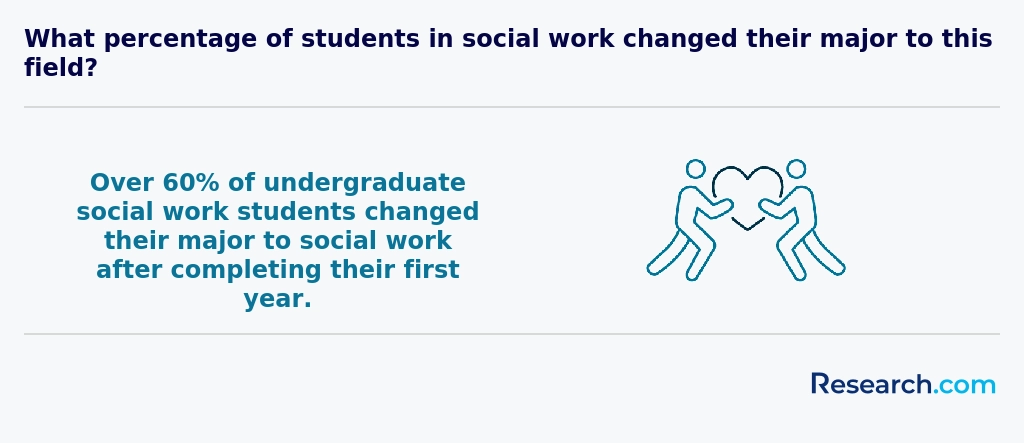
Portland offers a supportive environment for social work students, combining affordability, practical experience, and strong community engagement. Key advantages include:
- Affordably priced public and private programs with extensive financial aid opportunities
- Hands-on field practicum placements at local hospitals, schools, and nonprofit agencies
- Diverse specialization tracks-from clinical practice and child welfare to policy and advocacy
- High-demand job market with competitive starting salaries and clear career progression
- Flexible learning pathways, including part-time schedules and masters in social work online options
Understanding the return on investment (ROI) of a Social Work degree is crucial for making financially sound choices. On average, Portland graduates earn $64,360 annually, while median tuition for an MSW hovers around $55,000. Assuming a total program cost of $65,000 (including fees and living expenses) and an entry‐level salary of $56,680 as a Child Welfare Specialist, most students break even within 7–8 years, factoring in a 3% annual salary growth. Key ROI considerations: • Payback Period: – BSW graduates (4-year program): Estimated 9–10 years to recoup costs. – MSW graduates (additional 2 years): Estimated 6–7 years due to higher starting salaries in clinical roles. • Long-Term Earnings: – Clinical Social Workers often surpass $72,000 by year 10, reducing payback time to 5–6 years. – Community Organizers average $79,310, turning ROI positive in as few as 5 years. • Debt Management Strategies: – Leverage employer tuition assistance and state grants to lower upfront costs. – Enroll in income-driven repayment plans to manage loan payments during initial field placements. Comparative Insight: For out-of-state affordability benchmarks, explore the Cheapest Social Work Degree Programs Ranking in South Carolina, which highlights programs where ROI timelines dip to 4–5 years due to lower tuition rates and robust scholarship offerings. By analyzing these ROI metrics, prospective students can gauge how quickly their investment in a Portland social work program will translate into sustainable earnings and career growth.
To enroll in a social work degree in Portland, students typically need a high school diploma or equivalent for bachelor's programs like those offered at Portland State University. Many graduates recall how submitting a thoughtful personal statement about their passion for helping others greatly boosted their application. Including volunteer experience at local shelters or community centers also made a strong impression on admissions teams.
For Master of Social Work (MSW) programs, applicants must hold a bachelor's degree, often with foundational courses in psychology, sociology, or human development, which some Portland colleges require. Letters of recommendation from professors or professionals familiar with your dedication to social work are key. Graduates frequently mention that interviews helped showcase their empathy and readiness for fieldwork.
Expect background checks and sometimes drug screenings due to the hands-on nature of the field. These steps, though demanding, ensure safety and professionalism when working with vulnerable populations, a reality students at local colleges embrace with pride.
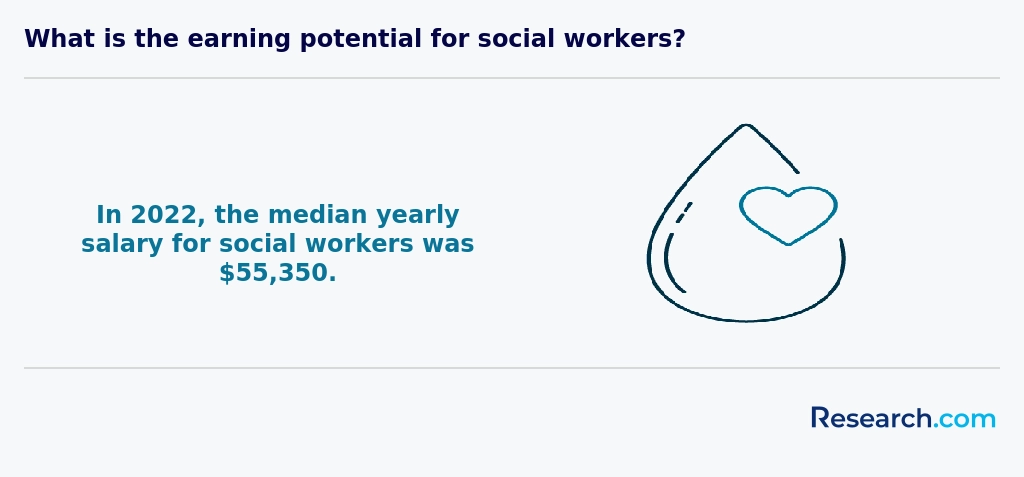
Understanding the true value of an affordable social work degree in Portland requires more than evaluating tuition; it means calculating how long it takes to recoup your investment through increased earnings. By comparing program costs, financial aid, and post‐graduation salaries, you can make an educated decision that balances affordability with long-term career benefits. Average Program Cost vs. Starting Salary • In-State Bachelor of Social Work (BSW): ~$40,000 total tuition • In-State Master of Social Work (MSW): ~$60,000 total tuition • Median Starting Salary for Portland Graduates: $50,000–$60,000 per year Break-Even Analysis • BSW graduates at $50,000/year can offset total tuition in under one year of work (assuming a 30% tax rate and average living expenses). • MSW graduates at $64,360/year typically recoup tuition in 1–1.5 years. Key ROI Metrics to Consider 1. Time to Recoup Costs: Estimate how many months of net income equal your total debt. 2. Salary Growth Curve: Look at five-year salary projections; MSW holders often see a 20–30% increase. 3. Loan Forgiveness Eligibility: Public Service Loan Forgiveness can reduce break-even time by up to 5 years. 4. Opportunity Cost: Factor in income lost during full-time study versus part-time or online options. Maximizing Your ROI • Apply for scholarships and state grants early to lower upfront costs. • Consider a human services online program for reduced fees and flexible scheduling. • Leverage field placement stipends or paid internships to offset living expenses. • Consult alumni salary surveys and LinkedIn profiles to validate projected earnings. By focusing on these ROI factors, prospective social work students in Portland can choose the most cost-effective programs that align with their financial goals and career aspirations.
To choose the best social work degree in Portland, start by prioritizing programs accredited by the Council on Social Work Education (CSWE), as this ensures eligibility for licensure in Oregon. Graduates from local universities often highlight how accreditation opened doors for clinical roles and confident career starts. Consider whether you want a Bachelor of Social Work or aim for an advanced Master of Social Work, popular in Portland for its thorough clinical training.
Cost is a key factor. Affordable social work colleges Portland offer in-state tuition rates around $9,000 annually, providing financial relief while maintaining quality education. Many students balance work and study by selecting programs with flexible schedules, including online options offered by community colleges or universities. For example, the human services online program allows working professionals to gain credentials without sacrificing job commitments.
Look closely at faculty expertise and local field placement opportunities. Portland's universities often collaborate with community agencies, giving you hands-on experience in healthcare and social services. Graduates express enthusiasm about these partnerships, which enhance their confidence and build strong professional networks essential for launching a career.
2027 Most Affordable Social Work Degree Programs Ranking in Portland
Investing in your education is a significant decision that can shape your future, and the Research.com team understands the importance of making informed choices. To assist prospective students in Portland, we have meticulously crafted the "2027 Most Affordable Social Work Degree Programs Ranking in Portland." Our commitment to quality, credibility, and accuracy is reflected in the extensive research and analysis conducted to compile this ranking.
We utilized the following reputable data sources to ensure a comprehensive evaluation of social work programs:
By exploring this ranking, readers will gain valuable insights into the most affordable and high-quality social work degree options available in Portland, empowering them to make well-informed decisions about their educational investments. For more details on our methodology, please visit our Research.com methodology page.


Frequently Asked Questions About social work
Social work degree students in Portland can maximize their learning experience by engaging actively in practicum placements, which are a mandatory component of accredited programs. These hands-on experiences allow students to work with diverse populations in community agencies, gaining practical skills essential for licensure and employment. According to the Council on Social Work Education, Oregon has seen a 12% increase in social work job openings from 2020 to 2023, highlighting strong local demand.
Students are also encouraged to participate in local professional groups such as the Oregon Chapter of the National Association of Social Workers, offering access to networking, mentorship, and continuing education. Leveraging Portland's broad social services landscape, including nonprofits and healthcare centers, enriches classroom learning with real-world contexts. Additionally, pursuing supplementary workshops on trauma-informed care and cultural competence can improve readiness to serve Portland's diverse communities effectively.
Emerging niches within the social work field reflect growing community needs, especially in urban areas like Portland. One expanding area is trauma-informed care, which addresses the effects of violence and adverse childhood experiences. This is increasingly important given Portland's work on improving mental health services. Additionally, social workers specializing in gerontology are in demand due to Oregon's aging population-projected to increase by 25% over the next decade according to the Portland State University Population Research Center.
Another niche is digital social work, where practitioners use technology to reach clients remotely, a trend accelerated by the COVID-19 pandemic. Environmental social work is also gaining attention, focusing on how environmental issues affect vulnerable communities in Portland. These evolving fields offer diverse career paths for students pursuing social work degrees.
Preparing for the job market after earning a social work degree in Portland involves strategic planning and practical experience. Many graduates begin by obtaining state licensure; Oregon requires passing the ASWB exam to become a Licensed Social Worker (LSW). This credential significantly improves job prospects.
Gaining hands-on experience through internships or volunteer work with local organizations like the Oregon Department of Human Services or community non-profits will help build relevant skills. Networking within Portland's social services community can open doors.
According to the Bureau of Labor Statistics, the Portland metro area's employment for social workers is expected to grow by 12% through 2031, showing strong demand in healthcare and child welfare sectors.
Continuing education and certifications in specialties such as mental health or substance abuse can further enhance employability and salary potential.
Employers hiring social work graduates in Portland prioritize strong communication skills. Graduates must effectively engage with diverse communities and clients facing complex challenges. According to the Oregon Employment Department, social workers in Portland also need cultural competency, given the city's diverse population.
Critical thinking and problem-solving abilities are essential, allowing professionals to develop tailored intervention plans. Additionally, knowledge of local social policies and resources helps graduates navigate Oregon's system of support services efficiently.
Portland's social work employers value ethical judgment and emotional resilience, as these traits support decision-making under pressure. Finally, proficiency with case management software and data tracking is increasingly important in delivering measurable client outcomes.
Finding internships in Portland related to a social work degree involves leveraging local resources and educational institutions. Many universities, such as Portland State University, have established partnerships with community organizations offering placements in healthcare, child welfare, and mental health services. The Oregon Department of Human Services and nonprofit agencies like the Oregon Food Bank also provide internship opportunities relevant to social work students.
Students should consult their school's career services and social work departments, which often maintain lists of approved internship sites. Additionally, attending local networking events and professional meetings organized by the National Association of Social Workers (NASW) Oregon chapter can help connect students with potential supervisors.
According to the Bureau of Labor Statistics, Oregon is expected to grow in social work roles by 12% through 2031, indicating increasing internship availability. Early application and clear communication about learning goals can improve chances of placement.
Obtaining a social work degree in Portland significantly enhances career mobility and advancement opportunities within the city's robust social services sector. According to the Bureau of Labor Statistics, Oregon's employment of social workers is projected to grow 15% from 2022 to 2032, outpacing the national average. This growth is driven by increasing demand for mental health services and elder care in Portland's diverse communities.
Graduates with a Bachelor or Master of Social Work (BSW/MSW) can access positions ranging from case management to clinical counseling. Licensure, such as the Licensed Clinical Social Worker (LCSW) credential, requires an MSW and supervised experience, both critical for advancement to higher-paying roles.
Portland's competitive social services job market values degrees from accredited institutions, translating educational credentials into higher earning potential and leadership roles in nonprofits, healthcare, and government agencies.
Studying for a social work degree in Portland equips students with skills to work effectively across disciplines, a crucial asset in today's integrated health and human services environments. Programs commonly emphasize collaboration with fields such as healthcare, education, and criminal justice. This interdisciplinary training helps graduates address complex client needs holistically.
Portland's social work programs also often include experiential learning through partnerships with local agencies, providing real-world settings where students engage with professionals from various sectors. According to the National Association of Social Workers (NASW) Oregon Chapter, this approach enhances teamwork and communication skills essential for interdisciplinary roles.
Furthermore, curricular requirements guided by the Council on Social Work Education (CSWE) ensure rigorous preparation in ethics, policy, and cultural competence, all vital for collaborating in diverse professional teams.
Choosing between a thesis and a non-thesis social work degree program in Portland depends largely on your career goals and learning preferences. Thesis programs typically require deep research and an original project, ideal for those considering further education, such as a PhD, or careers in academic research.
Non-thesis programs focus more on practical skills and fieldwork, often preferred by students aiming to enter direct social work practice quickly. In Portland, where social services are growing, practical experience can be highly valuable.
Data from the Council on Social Work Education indicates that about 40% of MSW students nationwide choose non-thesis tracks, reflecting a trend towards applied learning.
Consider also your available time and resources, as thesis programs often demand more time to complete compared to non-thesis tracks.
Students based in Portland interested in studying social work abroad have several pathways through US universities with established international programs. Many Oregon-based institutions maintain partnerships with universities overseas, allowing for exchange semesters or dual degrees. These options enable students to gain global perspectives crucial for social work in diverse cultural contexts.
Programs accredited by the Council on Social Work Education (CSWE) often include study-abroad opportunities in countries such as the United Kingdom, Australia, and parts of Europe. According to the Oregon State University Office of Global Opportunities, nearly 15% of their social work students engage in some form of international study, highlighting growing interest.
Additionally, students can explore internships abroad through organizations like the National Association of Social Workers (NASW), which supports international placements emphasizing practical experience alongside academic study. These experiences enhance cultural competence and professional development essential to social work practice.
Part-time job opportunities in Portland that complement social work degree education often involve roles in nonprofit organizations, community outreach programs, and healthcare facilities. Students can find positions as case management assistants or support staff in local agencies such as the Oregon Department of Human Services or nonprofits like Cascadia Behavioral Healthcare. These roles provide practical experience in client interaction and resource coordination, which are essential skills for social workers.
Data from the Portland Workforce Report (2023) highlights a growing demand for social service aides, with an expected 12% increase over five years. Volunteering or paid internships in homeless shelters or youth programs also offer valuable field exposure while accommodating academic schedules.
Social work students in Portland benefit from several strong networking opportunities that enhance their professional growth. Local universities such as Portland State University and University of Portland offer active student organizations and regular events for social work majors. These provide direct access to experienced practitioners and alumni in the field.
The Portland chapter of the National Association of Social Workers (NASW) hosts meetings and workshops throughout the year, connecting students to licensed social workers and potential employers. According to NASW Oregon, over 2,000 members attend these events annually.
Additionally, Portland's vibrant nonprofit sector frequently collaborates with universities, offering internships and community projects that help students build meaningful professional relationships.
Alumni networks play a crucial role for social work degree students in Portland by providing valuable professional connections. These networks often include graduates working in local agencies, nonprofits, and government organizations, offering students access to mentorship and job opportunities. According to the Council on Social Work Education, networking significantly improves employment outcomes in social work fields.
Portland's social work programs typically maintain active alumni groups that host events and share job leads. This support helps students transition from education to the workforce, which is essential in a competitive local job market.
Furthermore, alumni expertise helps students stay informed about evolving social policies and community needs specific to Portland, strengthening their practical knowledge and career readiness.
Customizing a social work degree program in Portland allows students to align their education with specific career goals. Many Oregon universities offer concentrations such as clinical social work, community organizing, or healthcare social work. These specializations help prepare students for targeted roles within the field. Students can often select electives that deepen expertise in areas like mental health, addiction, or child welfare.
Portland's urban and diverse environment also provides extensive internship opportunities, crucial for practical experience. Field placements are typically tailored to student interests, allowing work in various settings from hospitals to nonprofit agencies.
According to the Oregon State Board of Social Workers, practical experience paired with targeted coursework increases employability in Portland's social services sector by over 20%.
Social work students in Portland often face challenges related to balancing rigorous academic requirements with fieldwork placements. These placements demand significant time commitments, which can be difficult alongside part-time jobs or family responsibilities. According to a 2023 report by the Oregon Social Work Education Consortium, about 60% of students struggled to manage fieldwork hours effectively.
Financial stress is another common issue. Although Portland offers several affordable programs, many students report concerns about tuition costs and living expenses in an increasingly expensive urban area. The NASW Oregon Chapter highlights that student debt is a growing barrier for entering the profession.
Lastly, students sometimes encounter emotional strain when dealing with complex social issues during internships. Support services within academic institutions are vital to address this challenge and improve student well-being.
With a social work degree in Portland, graduates can pursue several professional certifications to enhance their career prospects. The most recognized certification is the Licensed Clinical Social Worker (LCSW), which allows for independent clinical practice in Oregon. To qualify, candidates must complete a Master of Social Work (MSW) from an accredited program, accumulate supervised clinical hours, and pass the Association of Social Work Boards (ASWB) clinical exam.
Other certifications include the Certified Advanced Social Work Case Manager (C-ASWCM) and Certified School Social Work Specialist (C-SSWS). These credentials demonstrate specialization and advanced expertise within social work fields. According to the Oregon Board of Licensed Social Workers, there are over 4,000 licensed social workers statewide, reflecting strong local demand.
Obtaining these licenses and certifications can expand employment opportunities within hospitals, schools, and community organizations across Portland.
Writing a winning application for a social work program in Portland requires clear demonstration of your commitment to the field and understanding of local community needs. Admissions committees value applicants who highlight relevant volunteer or work experience, especially within Portland's diverse social services sector.
Strong academic records paired with compelling personal statements that explain your motivation and future goals are essential. According to the Council on Social Work Education, programs in Oregon often seek candidates who connect their experiences to social justice and equity issues prevalent in the region.
Letters of recommendation from professionals familiar with your community engagement can enhance credibility. Additionally, ensure your application meets all deadlines and clearly follows each school's requirements to avoid administrative disqualification. Portland's social work programs typically receive many applications, so attention to detail is critical.
Social work as a profession holds significant importance worldwide, with common goals of social justice, human rights, and improving community well-being. In the United States, including Portland, social workers often engage with diverse populations and challenges, reflecting a broad global perspective on the profession.
Globally, social work practices share core values but adapt to local cultural, economic, and political contexts. The Council on Social Work Education (CSWE), which accredits U.S. programs, emphasizes global competencies in social work education, preparing graduates in Portland for international awareness.
Portland's social work programs integrate international perspectives, helping students understand issues like migration, poverty, and mental health from a worldwide lens. According to Portland State University, over 10% of their social work students focus on global social justice topics, reflecting growing interest.
Gaining practical experience while studying for a social work degree in Portland typically involves internships and field placements, which are required components of most accredited programs. These real-world opportunities allow students to work directly with clients under professional supervision in settings such as hospitals, schools, and community organizations.
Local universities often partner with area agencies, including Portland's Department of Human Services and nonprofit organizations, to facilitate student placements. According to the Council on Social Work Education, over 90% of social work programs include a minimum of 400 hours of fieldwork, supporting practical skill development.
Volunteering and part-time jobs in social services can also enhance experience, complementing academic course work. Resources like Portland State University's Career Center provide guidance on finding suitable roles that align with degree requirements.
Choosing the right concentration within a social work degree program in Portland involves assessing your career goals and local community needs. Portland offers concentrations such as clinical social work, community organizing, and child welfare, responding to the city's diverse populations. According to the Oregon Employment Department, mental health and social services jobs in Portland are expected to grow over 12% by 2030, indicating strong demand for clinical social work specialization. You should also consider internships and fieldwork placements available in Portland-area agencies, which vary by concentration and impact practical experience. Research accredited programs approved by the Council on Social Work Education to ensure quality training.
- 2027 Most Affordable Social Work Degree Programs Ranking in Seattle
- 2027 Most Affordable Social Work Degree Programs Ranking in Berkeley
- 2027 Most Affordable Social Work Degree Programs Ranking in Fresno
- 2027 Most Affordable Social Work Degree Programs Ranking in Los Angeles
- 2027 Most Affordable Social Work Degree Programs Ranking in San Diego
- 2027 Most Affordable Social Work Degree Programs Ranking in Denver
- 2027 Most Affordable Social Work Degree Programs Ranking in Omaha
- 2027 Most Affordable Social Work Degree Programs Ranking in Lubbock
- 2027 Most Affordable Social Work Degree Programs Ranking in Wichita
- 2027 Most Affordable Social Work Degree Programs Ranking in Minneapolis
See What Experts Have To Say About Studying Social Work
Read our interview with Social Work experts

- MSW Programs in Oregon - Portland, Campus & Online Master of Social Work https://www.masterofsocialwork.com/states/oregon/
- Social Work Salaries - How Much Do Social Workers Make? https://www.onlinemswprograms.com/careers/social-worker-salaries/
- Surviving your social work degree placement - Community Care https://www.communitycare.co.uk/content/news/surviving-your-social-work-degree-placement
- Preparing For A Career In Social Work: Tips For New Graduates https://www.tripodpartners.com/career-advice/social-work/preparing-for-a-career-in-social-work-tips-for-new-graduates/
- Global Perspectives in Social Work https://www.gu.se/en/study-in-gothenburg/exchange-student/courses/sw1118
- Global Definition of Social Work https://www.ifsw.org/what-is-social-work/global-definition-of-social-work/
- Social Worker (LCSW, MSW) Salary Guide By State https://socialworklicensemap.com/social-work-careers/social-work-salary/
- 5 CSWE-Accredited BSW Programs in Oregon: Complete Guide 2026 - Social Work Education Center https://www.socialworkdegree.net/bsw-degree/oregon/
- Web Exclusive https://www.socialworktoday.com/archive/exc_081823.shtml
- Social Work and Community Services https://multco.us/info/social-work-and-community-services


