
2027 Most Affordable Social Work Degree Programs Ranking in Fresno

Co-Founder and Chief Data Scientist
If you're considering a career in social work, choosing the right degree program in Fresno is an important step. This article introduces the 2027 Most Affordable Social Work Degree Programs Ranking in Fresno, created by the Research.com team of data scientists to guide you through your options.
By exploring this ranking, you'll gain valuable insights to make an informed choice about programs that fit your goals and budget. Earning a social work degree opens doors to meaningful work that positively impacts lives, making it a rewarding path worth pursuing.
Key benefits of getting social work degree in Fresno
- Salary for social work degree graduates: Graduates can expect competitive wages, such as $68,800 annually for Social Workers and up to $83,400 for Youth Workers and Community Organizers, reflecting strong earning potential in Fresno.
- Career paths: Social work degree holders from Fresno State often find rewarding roles in community organizing, child welfare, or residential counseling, offering meaningful ways to impact local lives.
- Online degree benefits: Earning a social work degree online from Fresno State provides flexibility to balance work and study, enabling faster career progress while maintaining personal commitments.
- 2027 Most Affordable Social Work Degree Programs Ranking in Fresno
- What can I expect from social work degree in Fresno?
- Where can I work with social work degree in Fresno?
What can I expect from social work degree in Fresno?
The average cost of pursuing a social work degree in Fresno tends to be more affordable compared to many other California regions, largely due to institutions like California State University, Fresno (Fresno State) and local community colleges. Graduates often recall balancing tuition fees with scholarship opportunities aimed specifically at public service students, which helped ease financial concerns. For example, some students found that the tuition at Fresno State for a Bachelor of Social Work stayed within reasonable limits, allowing them to focus more on gaining hands-on experience through internships rather than worrying excessively about debt.
Community colleges in Fresno also provide viable pathways with even lower tuition, typically appealing to those who may need a more flexible or cost-conscious route into social work. While costs vary, these programs emphasize practical training in familiar community settings, which students often describe as both inspiring and challenging.
It's important to recognize that affordability does not guarantee an easy path; students must navigate field placements and balancing work-life demands. Yet many graduates express a strong sense of fulfillment, knowing their education equips them to address real social issues in the Fresno area.
Where can I work with social work degree in Fresno?
Graduates from Fresno State and other local colleges often find diverse employment opportunities across Fresno's social work sectors. Many start their careers at the Fresno County Department of Social Services, where they engage directly in child welfare and family support, experiencing firsthand the impact of their work in the community. Such roles, while demanding, bring a strong sense of fulfillment and purpose.
Healthcare settings also attract social work degree holders, with positions in hospitals like Community Regional Medical Center offering the chance to assist patients navigating complex medical and mental health challenges. Graduates report appreciating the collaborative environment and meaningful connections formed with patients and medical teams.
In educational institutions, especially within Fresno Unified School District, social workers support students facing emotional hardships. Graduates express pride in contributing to safer schools and empowering youth, highlighting how their academic training at Fresno State prepared them for these challenges.
Nonprofits such as Central California Food Bank provide impactful roles engaging vulnerable populations, appealing to those passionate about social justice and community advocacy. While job stability varies, social workers with advanced degrees can also explore mental health clinics or government agencies, illustrating the broad spectrum of career paths available locally.
- Fresno State offers accredited social work programs with Bachelor's degrees costing between $6,000 and $8,000 per year for in-state students.
- Master's degrees in social work at Fresno State average $9,000 to $12,000 annually for residents, excluding additional fees and supplies.
- Social work employment in Fresno is projected to grow by about 10% over the next decade, reflecting steady demand in healthcare and community services.
- Starting salaries for social work graduates in Fresno range from $45,000 to $55,000, with experienced professionals earning around $70,000 or more annually.
- Licensure requires graduation from a CSWE-accredited program, passing exams, and completing supervised clinical experience available locally in Fresno.
A smart Social Work program decision compares cost, accreditation, field training, schedule fit, and career outcomes together. Tuition matters, but the least expensive option is not always the best value if it lacks strong advising, field placement support, or alignment with your career goals.
Start with total cost. Include tuition, technology fees, textbooks, transportation, housing, and any expenses connected to field placement. Then subtract grants, scholarships, and other aid to estimate your likely net price. Students comparing affordability across the state can also review cheapest social work school in california options to understand how Fresno programs compare with other California choices.
Next, compare opportunity. Ask whether the program offers specializations that match your goals, such as child welfare, behavioral health, community practice, clinical social work, administration, or aging services. Review where students complete field placements and whether local agencies regularly hire graduates.
Finally, connect the degree to your long-term plan. If you want independent clinical practice, confirm how the program supports MSW preparation, supervised experience, exam readiness, and California licensure steps. If you prefer community work or nonprofit leadership, look for program evaluation, policy, grant writing, and administrative training. The best choice is the program that fits your budget while positioning you for the work you actually want to do.
Fresno can be a cost-conscious option for students who want to study Social Work in California without paying the higher costs often associated with larger urban centers. The mean in-state tuition for a Master of Social Work (MSW) in Fresno hovers around $29,000, which is notably lower than many urban centers in the Golden State.
National comparisons are useful because tuition varies widely by region. Institutions in other regions often exceed $35,000 in tuition for similar programs, while some states may offer lower average MSW tuition. Students willing to relocate or study online may find additional affordable options outside California.
For example, students comparing regional affordability can review the Most Affordable Social Work Degree Programs Ranking in Tennessee, which highlights programs with strong value in another state. Comparing Fresno with programs elsewhere can clarify whether staying local, moving, or choosing an online program offers the best combination of cost, accreditation, field access, and career fit.
The right choice depends on more than tuition. Students should compare accreditation, licensure alignment, field placement availability, cost of living, employment networks, and whether they want to build a career in Fresno after graduation.
The average cost of obtaining a social work degree in Fresno presents a range influenced by institution type and residency status. Graduates from Fresno City College, known for its affordable social work programs, often reflect on the manageable expense of about $1,500 to $2,000 total for in-state students pursuing an Associate Degree. This affordability makes community colleges a practical starting point for those prioritizing cost in their educational journey. The median in-state total cost for social work degrees in Fresno is around $7,350, a figure that aligns well with these lower-cost options.
On the other hand, those studying at California State University, Fresno, typically experience higher tuition, especially in bachelor's and graduate programs. Bachelor's degree students who are residents expect annual costs around $5,700, accumulating to a median total cost near $37,216 for both residents and out-of-state students, emphasizing the premium placed on advanced credentials. Most Fresno social work graduates value these deeper educational experiences despite the steeper price because of the comprehensive training received.
Many students appreciate how the city supports affordable social work programs Fresno 2027, but it is important to balance tuition with living and educational expenses, which can add thousands. Exploring financial aid and scholarships can ease this burden significantly. Personal stories from Fresno State graduates reveal a rewarding sense of accomplishment once overcoming financial challenges. Additionally, those interested in related fields may find useful insights by exploring careers linked to social work, such as educational psychology roles, which share some educational pathways.

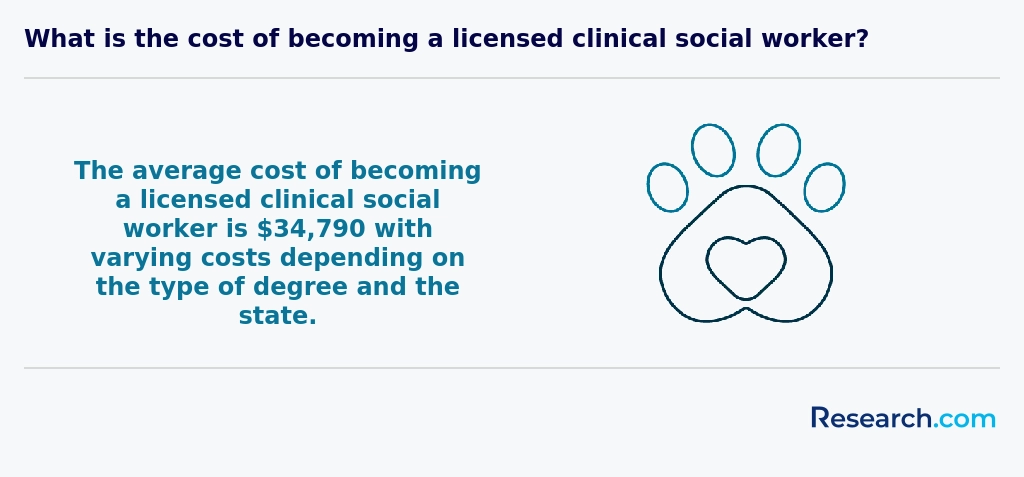
Return on investment for a Social Work degree in Fresno depends on the full cost of the program, the amount borrowed, the time needed to graduate, and the role a graduate enters. On average, graduates invest approximately $29,000 in tuition for a full-time MSW program, plus additional expenses such as textbooks, practicum fees, and living costs, bringing total debt to an estimated $34,000–$38,000.
Fresno salary benchmarks can help students estimate payback. Entry-level social workers earning a mean annual wage of $64,360 and graduates in roles like Community Organizer commanding up to $79,310 per year may be able to recoup their investment in just 3–5 years, depending on borrowing, repayment terms, benefits, and living expenses.
- Starting salary vs. total debt: A $64K starting salary against $35K debt can create a payback period under five years, especially when graduates use income-driven repayment plans or employer tuition assistance.
- Program duration and opportunity cost: Accelerated options may reduce time away from the workforce. Part-time options may take longer but allow students to keep earning income and borrow less.
- Specialization and advancement: Clinical Social Work and Administration tracks often lead to higher salaries. Graduates who pursue licensure (LCSW) typically see a 15–25% salary increase within two years of graduation.
- Delivery model: Online or hybrid formats may reduce commuting or relocation costs. Students comparing flexible options can review low cost online msw programs while confirming accreditation and field placement quality.
ROI should not be reduced to salary alone. Students should also consider job stability, benefits, loan burden, licensure costs, burnout risk, advancement potential, and whether the work aligns with their values and strengths.
Enrolling in a social work degree program in Fresno generally requires meeting a set of prerequisites that can vary slightly by institution but maintain a common foundation. For bachelor's programs at colleges such as Fresno City College or Fresno State University, applicants typically need a high school diploma or GED with a GPA around 2.5 to 3.0. Graduates often describe how preparing through prerequisite courses in English, psychology, and sociology helped them build confidence and academic readiness before fully committing to social work studies.
When pursuing a Master of Social Work (MSW), many Fresno graduates emphasize the importance of having a relevant bachelor's degree and maintaining a competitive GPA, often around 3.0. While some institutions may still request GRE scores, many now prioritize practical experience and dedication to social service, which Fresno students often gain through internships or volunteer work at local clinics and nonprofits. This hands-on engagement can be both rewarding and motivating, reinforcing why social work resonates on a personal level.
Letters of recommendation, personal statements, and occasionally interviews further help applicants articulate their passion and commitment. Fresno graduates frequently share how these elements provided an opportunity to convey their genuine interest and alignment with social work values beyond academic metrics.

After completing a CSWE-accredited Social Work degree, California law requires licensure to practice independently. Students planning for clinical or independent practice should understand the required steps before enrolling, because licensure depends on both education and supervised post-graduate experience.
- Degree requirement: Hold a Master of Social Work (MSW) from an accredited program.
- Supervised experience: Complete 3,000 hours of post-graduate supervised practice under a licensed clinical social worker.
- Examinations: Pass both the California Law and Ethics Exam and the ASWB Clinical Exam.
- Application process: Submit your licensure application and fees to the California Board of Behavioral Sciences.
Students should confirm current requirements with official licensing sources, since rules, forms, fees, and exam procedures can change. To align your education with these requirements, explore reputable msw programs and verify that any program you consider is properly accredited and appropriate for your intended California licensure path.
Students pursuing social work degrees in Fresno, particularly at institutions like California State University, Fresno, typically engage with courses that blend theory and practical skills. Graduates often recall how crucial the Introduction to Social Work course was in establishing a foundation, covering ethical responsibilities and the multifaceted roles social workers occupy, which deeply resonated with their desire to make a tangible community impact.
Courses such as Human Behavior and the Social Environment invite learners to consider complex psychological and social factors affecting individuals across lifespans, encouraging empathy through the study of real cases common in Fresno's diverse populations.
Many appreciate the focus on Social Welfare Policy and Services, where students critically evaluate policies shaping vulnerable groups, offering insight into advocacy roles graduates often face locally. Research Methods in Social Work equips students with tools to assess program effectiveness, instilling confidence to contribute to evidence-based decisions during fieldwork.
Field Practicums, often completed in Fresno-area hospitals or non-profits, offer hands-on experience that brings classroom concepts to life, fostering enthusiasm and a sense of readiness that graduates frequently describe as deeply rewarding.

Choosing the best social work degree in Fresno requires balancing several practical factors rather than assuming one path fits all. Graduates from reputable programs like California State University, Fresno often highlight the value of CSWE-accredited degrees that open doors to licensure and credible employment. However, accreditation alone doesn't guarantee the right fit. It's important to consider affordable social work degree programs Fresno offers, especially since tuition costs can vary widely and scholarships may change financial accessibility.
Many students emphasize the importance of hands-on fieldwork tied to Fresno's unique communities, such as internships that support farmworker families or urban youth. These experiences bring classroom theory into real-life contexts and shape professional confidence. Nonetheless, some argue that program reputation and faculty expertise equally influence career outcomes, making it wise to investigate both. For those aiming for clinical roles, researching local Master of Social Work programs and understanding differences through resources like LCSW worth it proves helpful in aligning degree choices with career goals.
Ultimately, prospective students should weigh curriculum content, costs, and community connections offered by the best social work schools in Fresno before deciding. Hearing from recent alumni about their challenges and rewards can provide relatable insight beyond marketing materials, ensuring informed decisions aligned with personal aspirations.
Graduates from Fresno State and local community colleges often find diverse social work career options in Fresno, ranging from healthcare to child and family services. Many start in hospitals or clinics, where they support patient discharge planning and mental health needs-a role enriched by Fresno County's growing population. Some graduates describe the emotional reward of helping individuals navigate complex health systems, which underscores the practical value of their degree.
Others pursue positions in child protective services or work with nonprofits focused on at-risk youth. Fresno's social work degree programs emphasize community engagement, preparing students for these roles where they contribute directly to family welfare and safety. Behavioral health and substance abuse counseling also attract degree holders, reflecting Fresno's increasing mental health initiatives.
Job opportunities with social work degree Fresno extend to advocacy around housing and immigrant support, fueled by the region's demographic diversity. Graduates often note the fulfillment found in such community-focused roles. Those seeking advanced positions may enhance prospects through licensure; for guidance, some consult resources like the licensed counselor application Nevada.

2027 Most Affordable Social Work Degree Programs Ranking in Fresno
Investing in your education is a significant decision that can shape your future, and the Research.com team understands the importance of making informed choices. To assist prospective students in Fresno, we have meticulously crafted the "2027 Most Affordable Social Work Degree Programs Ranking in Fresno." Our commitment to quality, credibility, and accuracy is reflected in the extensive research and analysis conducted to compile this ranking.
We utilized the following reputable data sources to ensure a comprehensive evaluation of social work programs:
By exploring this ranking, readers will gain valuable insights into the most affordable social work degree programs available in Fresno, helping them make well-informed educational decisions. For more details on our methodology, please visit our Research.com methodology page.


Frequently Asked Questions About social work
Social work degree students in Fresno can maximize their learning by combining academic coursework with practical fieldwork. Fresno State University, a prominent institution in the region, offers extensive internship opportunities that connect students with local agencies. Engaging in these placements allows students to apply classroom theories in real-world settings, enhancing their professional skills.
Students should also take advantage of workshops and seminars focused on Fresno's diverse communities, including agricultural workers and underserved populations, to better understand local social dynamics. Networking with professionals through local social work organizations, such as the Central California Chapter of the National Association of Social Workers, can provide mentorship and career guidance.
Maintaining strong academic performance and utilizing campus resources, like counseling centers and research libraries, further supports student success in this competitive field.
Emerging niches within the social work field reflect evolving community needs, especially in Fresno, where diverse populations face unique challenges. One growing area is geriatric social work, addressing the rising elderly population in Fresno County, which is expected to increase by over 20% by 2030, according to the California Department of Aging. Another expanding niche is medical social work, supporting patients navigating complex healthcare systems. Additionally, social work focused on immigration and refugee services is gaining importance due to Fresno's significant immigrant communities. Mental health social work continues to grow, particularly in schools and community centers, as awareness of behavioral health rises.
After earning a social work degree in Fresno, effective preparation for the job market is essential. Start by completing required field internships, which provide practical experience and important local networking opportunities. According to the California Board of Behavioral Sciences, most social work positions in Fresno require licensure, so graduates should plan to take the Licensed Clinical Social Worker (LCSW) exam after gaining supervised experience.
Engaging with local organizations such as Fresno County Department of Social Services can help expand connections. Additionally, monitor job listings on platforms like CalCareer to understand current demand and salary ranges, which average around $56,000 annually for social workers in Fresno. Continuing education and professional development also improve employability in the evolving social services sector.
Employers in Fresno value specific skills when hiring graduates with social work degrees. Strong communication abilities, both verbal and written, are essential for effectively interacting with diverse client populations and multidisciplinary teams. Fresno's growing population has increased demand for cultural competence, requiring social workers to understand and respect varied cultural backgrounds.
Critical thinking and problem-solving skills help graduates assess client needs and develop appropriate intervention plans. According to the California Employment Development Department, Fresno social workers are expected to demonstrate adaptability in dynamic social service environments.
Time management and organizational skills are also prioritized to handle caseloads efficiently. Additionally, knowledge of relevant laws and ethical standards ensures compliance and protects client rights.
Finding internships in Fresno relevant to a social work degree involves several strategic steps. First, students should contact local universities with social work programs, such as Fresno State, which often maintain partnerships with community agencies. Internship placements typically focus on nonprofit organizations, hospitals, schools, and government social services, where about 40% of local social workers gain practical experience, according to the California Employment Development Department.
Utilizing Fresno's network of agencies, like the Central California Alliance for Health and Social Services, can provide valuable internship opportunities. Additionally, students are advised to attend local career fairs, check university internship boards, and connect with professional social work associations for Fresno County.
Obtaining a social work degree in Fresno significantly enhances career mobility and advancement opportunities within the local job market. The Central Valley Workforce Development Board highlights a growing demand for social workers due to population growth and increased social service needs. Social work graduates in Fresno can pursue careers in healthcare, mental health services, schools, or child welfare agencies, where the Bureau of Labor Statistics projects a 12% job growth in California through 2031.
Employers in Fresno often require a Bachelor's or Master's in Social Work (BSW or MSW) for higher-level positions, including clinical and supervisory roles. Accredited degrees also prepare students for California licensure, which is essential for clinical practice and improves earning potential.
Studying for a social work degree in Fresno equips students with skills essential for interdisciplinary collaboration. Programs emphasize working alongside healthcare providers, educators, and law enforcement to address complex community needs. Fresno's diverse population offers students practical exposure to varied social issues, enhancing cultural competence. According to the California Board of Behavioral Sciences, local accredited programs integrate case management, policy, and behavioral health training.
Fresno social work curricula often include internships in hospitals, schools, and social service agencies, fostering real-world teamwork. These experiences prepare graduates to navigate multiple professional environments effectively. Such interdisciplinary training responds to Fresno's growing demand for holistic social services, as noted by the Fresno County Department of Public Health.
Choosing between a thesis and a non-thesis social work degree in Fresno depends largely on your career goals and learning preferences. A thesis program typically emphasizes research skills, requiring a substantial written project that contributes new knowledge to the field. This option suits students interested in academic careers or advanced research roles. Fresno State offers MSW programs with thesis options accredited by CSWE, supporting this pathway.
Alternatively, non-thesis programs focus more on practical training through internships and coursework. These may be better for those targeting immediate clinical or community practice careers. According to the California Board of Behavioral Sciences, Fresno's demand for licensed clinical social workers is growing, highlighting practice-oriented programs.
Additionally, consider time and cost: thesis tracks often take longer, given research demands, while non-thesis paths might be shorter and more flexible.
Students in Fresno interested in studying social work abroad have several options through exchange programs and partnerships offered by local universities. California State University, Fresno (Fresno State), which awards over 100 Bachelor of Social Work degrees annually, often supports study abroad opportunities in countries such as the United Kingdom and Australia, where social work curriculum aligns with U.S. standards.
Additionally, many institutions participate in the Council on Social Work Education's global initiatives, providing pathways for Fresno students to complete internships or courses internationally. Fresno students should consult their academic advisors early to explore scholarships and ensure course credits transfer back to their degree program.
Fresno offers various part-time job opportunities that can enhance social work degree education. Students often find roles as case aides or social work assistants in local nonprofit organizations, such as the Fresno County Department of Social Services. These positions provide hands-on experience with client intake and resource coordination, aligning closely with social work curricula.
Additionally, roles in community health centers offer exposure to mental health support and crisis intervention. According to the California Employment Development Department, Fresno has seen a steady demand for social work-related positions, with a 5% growth projected through 2026.
Volunteering or working part-time in schools and youth programs also helps build vital communication and advocacy skills necessary in the profession.
Social work students in Fresno benefit from multiple networking opportunities that enhance their educational and professional development. California State University, Fresno, offers active social work clubs where students can connect with peers and faculty. These groups often host guest speakers and organize community events, fostering local professional relationships.
The Central Valley Social Work Association also provides networking platforms, including workshops and annual conferences tailored to social work professionals and students in the region. Additionally, many Fresno-based healthcare and social service agencies collaborate with universities, offering internships that allow students to build practical connections in the field.
According to the Bureau of Labor Statistics, networking is vital in Fresno's growing social services sector, which is expected to expand by 12% through 2030. Engaging with local nonprofit organizations through volunteer opportunities also helps students build lasting professional ties.
Alumni networks offer significant advantages to social work degree students in Fresno. These networks create connections that can help students access internships and job placements in local agencies, increasing employment opportunities upon graduation. Fresno State's Social Work program, for example, boasts an active alumni community that frequently supports current students with mentoring and career advice.
Participation in alumni events also enhances professional development, providing insights into emerging social work practices specific to Fresno's diverse population. According to the Council on Social Work Education, such networks help reduce job search times by an average of 20% nationally, a benefit reflected in Fresno's competitive job market.
Moreover, alumni often collaborate on community projects, offering students real-world experience and expanding their practical skills in areas like child welfare or mental health services.
In Fresno, students pursuing social work degrees can tailor their programs through elective courses and specialized tracks offered by several accredited institutions. Customization options often include focusing on areas such as child welfare, mental health, or community organizing. Many programs incorporate field internships aligned with specific career goals, providing practical experience in local agencies.
The California Board of Behavioral Sciences indicates that Fresno's demand for licensed social workers is growing, making focused experience valuable. Additionally, some Fresno colleges offer part-time or online options, allowing working professionals to balance studies with job commitments. Students should consult academic advisors to align coursework with certification requirements and career aspirations.
Social work students in Fresno often face a range of challenges related to both academic and practical demands. Many juggle coursework with unpaid or low-paid internships, which are essential for licensure but can create financial stress. According to the California Board of Behavioral Sciences, social work students must complete hundreds of supervised hours, which can be difficult to balance alongside employment or family responsibilities.
Limited access to local field placements is another issue, especially with Fresno's high demand for social workers in child welfare and community health settings. This shortage sometimes delays students' progress.
Additionally, Fresno's diverse population requires cultural competence, posing a challenge for students to develop skills that address different community needs effectively.
With a social work degree, graduates in Fresno can pursue several professional certifications to advance their careers. The most recognized certification is the Licensed Clinical Social Worker (LCSW), which allows you to provide therapy and counseling services. To qualify, candidates must accumulate supervised clinical hours and pass a state exam administered by the California Board of Behavioral Sciences.
Another option is the Certified Social Work Case Manager (C-SWCM), focusing on case management skills useful in healthcare and social service settings. Additionally, the Academy of Certified Social Workers (ACSW) credential offered by the National Association of Social Workers (NASW) demonstrates professional excellence.
These certifications enhance job prospects in Fresno's social service agencies, where demand for qualified social workers is projected to grow by 10% through 2030, according to the Bureau of Labor Statistics and local employment data.
When applying for a social work program in Fresno, start by understanding the specific admission requirements of local institutions such as California State University, Fresno, which is known for its accredited social work degrees. Applicants should emphasize academic performance, particularly in social sciences and human services courses.
Write a clear, focused personal statement that outlines your commitment to social work and connects your experiences to community needs in Fresno, a city with diverse social challenges. Highlight any volunteer or work experience related to social services.
Letters of recommendation from professionals familiar with your dedication and skills in social work can strengthen your application significantly.
Be sure to submit all materials before deadlines and review your application carefully to avoid errors.
Social work careers in Fresno reflect broader global trends emphasizing cultural competence and social justice. Globally, social workers address complex issues like poverty, inequality, and mental health, which aligns with the U.S. focus on community-based support. According to the U.S. Bureau of Labor Statistics, social work is projected to grow 12% nationally from 2022 to 2032, with Fresno showing a steady demand due to its diverse population and social challenges.
Many social work programs in Fresno incorporate global perspectives through coursework on human rights and international policy. This prepares graduates to understand social issues beyond local contexts.
Additionally, Fresno's proximity to agricultural and immigrant communities highlights global migration's impact on social services, an area of increasing importance worldwide.
Gaining practical experience while studying for a social work degree in Fresno is essential for career readiness. Many local programs require internships or field placements as part of their curriculum, allowing students to work directly with community agencies. Fresno State, for example, partners with over 40 local organizations, providing students hands-on training in diverse settings such as schools, healthcare facilities, and non-profits.
These placements typically total 400 hours, aligning with Council on Social Work Education (CSWE) accreditation standards. Additionally, volunteering with Fresno's social service agencies or participating in community outreach events offers valuable experience outside the classroom. Students can also join professional groups like the California Association of Social Workers to network and attend workshops.
Choosing the right concentration within a social work degree program in Fresno depends on your career goals and the community's needs. Fresno has diverse populations, so many students focus on areas like child welfare, mental health, or substance abuse. According to the California Department of Social Services, Fresno County's child welfare caseload is among the highest in the state, highlighting the demand for specialists in that field.
Consider your interests and strengths when exploring concentrations. Look for programs that offer internships or partnerships with local Fresno agencies, which provide hands-on experience. Research the licensure requirements for your intended career path, as some specializations may require additional certifications.
Finally, review course offerings and faculty expertise at Fresno institutions to ensure the concentration aligns with current social work trends and local job market data provided by Fresno Workforce Development.
- 2027 Most Affordable Social Work Degree Programs Ranking in Berkeley
- 2027 Most Affordable Social Work Degree Programs Ranking in Los Angeles
- 2027 Most Affordable Social Work Degree Programs Ranking in San Diego
- 2027 Most Affordable Social Work Degree Programs Ranking in Portland
- 2027 Most Affordable Social Work Degree Programs Ranking in Seattle
- 2027 Most Affordable Social Work Degree Programs Ranking in Denver
- 2027 Most Affordable Social Work Degree Programs Ranking in Lubbock
- 2027 Most Affordable Social Work Degree Programs Ranking in Wichita
- 2027 Most Affordable Social Work Degree Programs Ranking in Omaha
- 2027 Most Affordable Social Work Degree Programs Ranking in San Antonio
See What Experts Have To Say About Studying Social Work
Read our interview with Social Work experts

- Social Work https://al.edu.pl/en/studies/english-courses-for-erasmus-students/social-work
- My social work journey: from experience to practice https://socialworkwithadults.blog.gov.uk/2023/09/26/my-social-work-journey-from-experience-to-practice/
- How To Become A Social Worker | Psychology.org https://www.psychology.org/social-work/how-to-become/
- Social Work, M.S.W. https://www.fresno.edu/graduate/program/social-work-msw
- Social Work Degrees https://socialworklicensemap.com/social-work-degrees/
- Global Definition of Social Work https://www.ifsw.org/what-is-social-work/global-definition-of-social-work/
- What qualifications do you need for a social work degree in the UK? https://www.stonebridge.uk.com/blog/distance-learning/what-qualifications-do-you-need-for-social-work-or/
- California Master of Social Work Degree Specializations https://www.californiasocialworkedu.org/california-master-of-social-work-degree-specializations/
- Social Work News https://www.mysocialworknews.com/article/how-to-find-your-social-work-niche
- Social work certificates | edX https://www.edx.org/certificates/social-work-certificates





