
2027 Most Affordable Social Work Degree Programs Ranking in Berkeley

Co-Founder and Chief Data Scientist
Exploring social work degree options in Berkeley can feel overwhelming, but finding an affordable program that fits your goals is crucial. This article introduces the 2027 Most Affordable Social Work Degree Programs Ranking in Berkeley, developed by the Research.com team of data scientists. It's designed to help you navigate your choices with confidence.
By reviewing this ranking, you'll discover quality programs that offer excellent value, ensuring your investment in education leads to meaningful impact. Pursuing social work opens doors to rewarding careers that make a difference in the community.
Key benefits of getting social work degree in Berkeley
- Social work graduates in Berkeley can expect competitive salaries, with roles like Social Worker earning a mean annual wage of $68,800 and Youth Worker positions around $83,400, offering financial stability and rewarding work.
- Career paths are diverse, including positions such as Child Welfare Specialist and Residential Counselor, allowing graduates from Berkeley colleges to find meaningful roles tailored to their passions and community impact.
- Online social work degrees offer flexibility and accessibility, enabling students to balance life and education while gaining the same valuable skills as traditional programs, making career advancement more achievable.
- 2027 Most Affordable Social Work Degree Programs Ranking in Berkeley
- What can I expect from social work degree in Berkeley?
- Where can I work with social work degree in Berkeley?
What can I expect from social work degree in Berkeley?
The average cost of pursuing a social work degree in Berkeley, particularly through the University of California, Berkeley's School of Social Welfare, reflects both the quality of education and the high cost of living in the Bay Area. Graduates often recall balancing tuition fees and living expenses, which can range from $40,000 to $60,000 per year when factoring in housing, books, and daily necessities in this vibrant city. Many students find support through scholarships and financial aid, which eases the financial load and allows them to focus on their meaningful work.
Those who have walked this path emphasize that the investment goes beyond the numbers. One graduate shared how the real-world internships within local hospitals and nonprofits enriched their learning despite tight budgets, turning financial challenges into valuable experiences. The immersive fieldwork opportunities and strong community connections at Berkeley's social work programs make the cost a worthwhile step toward a fulfilling career focused on social justice and impactful change.
Where can I work with social work degree in Berkeley?
Graduates from social work programs at Berkeley's renowned institutions often find themselves at the heart of impactful community efforts. Many step into roles within local government agencies like Alameda County Social Services, where they support vulnerable groups such as foster children or the elderly. One graduate shared how working in case management brought a deep sense of purpose by directly improving lives in the East Bay.
Nonprofit organizations in Berkeley, including the Berkeley Food & Housing Project, attract alumni eager to combine advocacy and hands-on client work. These settings offer fulfilling opportunities to address poverty and mental health challenges, creating meaningful connections with marginalized populations. The energy within these nonprofits resonates strongly with students from UC Berkeley's social work programs who value innovation and compassion.
Healthcare and educational institutions also offer diverse pathways. A graduate recalled the emotional reward of helping families through complex healthcare systems near UCSF Medical Center or supporting students in Berkeley Unified School District. Whether navigating legal aid or juvenile justice, Berkeley social work graduates carry a shared commitment to fostering resilience and transformation in their communities.
- Tuition for social work degrees in Berkeley ranges from $14,000 to $18,000 per year for in-state students, with out-of-state tuition often more than double.
- Additional costs include books, supplies, and Berkeley's relatively high living expenses.
- Entry-level social workers in Berkeley earn between $50,000 and $60,000 annually, with experienced professionals earning up to $90,000 depending on specialization.
- Field education through community placements is a key part of Berkeley social work programs, providing essential hands-on experience.
- Licensing for clinical social workers requires passing a state exam after obtaining a Master of Social Work (MSW) degree.
- Job demand in Berkeley is growing moderately, especially in health services, child welfare, and mental health sectors.
Berkeley’s social work programs not only deliver top-notch academics but also offer a vibrant student life and extensive campus support that can significantly enhance your overall educational experience. Many institutions provide dedicated career centers, student organizations, mentoring programs, and counseling services specifically tailored for social work students, ensuring you have the guidance and resources needed throughout your studies. These environments often foster close-knit communities that encourage peer-to-peer support and professional networking, which can be crucial when transitioning from classroom to career. Students have also reported benefiting from career fairs and alumni networking events that offer insights into diverse roles, including insights on hospital social worker salary trends and opportunities. Emphasizing collaborative learning, many programs integrate extracurricular activities such as volunteer outreach, social justice workshops, and wellness programs, which help nurture both personal and professional growth. This holistic approach not only enriches the academic journey but also equips future social workers with a balanced perspective on community engagement and self-care-a testament to Berkeley’s commitment to cultivating compassionate and well-rounded professionals.
Investing in a social work degree in Berkeley involves weighing program costs against potential earnings and career satisfaction. Key considerations include:
- Total program cost: $30,000–$50,000 for an MSW (tuition, fees, living).
- Average starting salary: $64,360 per year for social workers; $79,310 for community organizers.
- Payback period: About 2–3 years to recoup MSW tuition based on median wages.
- Cost-reduction strategies: scholarships, Title IV-E stipends, employer tuition reimbursement, Public Service Loan Forgiveness.
- For more budget-friendly MSW pathways, explore affordable online MSW options: msw programs
The average cost of a social work degree in Berkeley typically centers around $70,399, reflecting the overall expenses encountered by many students pursuing this path locally. Graduates from notable institutions such as the University of California, Berkeley, often recall balancing the substantial tuition fees with the rewarding experience of rigorous education and practical fieldwork. For in-state students, this cost is more manageable, often close to $16,347, making Berkeley an attractive option for those seeking affordable social work programs Berkeley 2027 and beyond.
Many social work graduates highlight that the initial financial investment is complemented by invaluable learning opportunities available within the vibrant Berkeley community. Though tuition and fees contribute significantly to the cost, additional living expenses and materials fees are factors students anticipate carefully. Some recall budgeting tightly to accommodate Berkeley's high cost of living, yet they felt fully supported by the rich academic and community resources.
For those starting with associate degrees at community colleges or private institutions, the costs can be lower, but the scope of study tends to be narrower. Alumni often emphasize the importance of investigating available financial support early in the process, as financial aid, scholarships, and work-study options can mitigate expenses. This practical approach offers reassurance to prospective students amidst concerns about affordability.
If you're exploring related fields or career options, it might help to look into health psychology research jobs, which some social work students consider as complementary pathways after graduation or during their studies.

Graduates of Social Work programs in Berkeley, CA, must pass the Association of Social Work Boards (ASWB) licensing exam to become Licensed Social Workers (LSW) or Licensed Clinical Social Workers (LCSW). California requires MSW candidates to complete at least 3,000 hours of supervised clinical practice before sitting for the clinical exam. Programs in Berkeley typically offer dedicated exam-preparation workshops, study groups, and faculty-led review sessions to support licensure success. Key licensure milestones and outcomes: • Supervised Practice Hours: MSW students complete field placements totaling 900–1,200 hours, then accrue an additional 1,800–2,100 post-graduate supervised hours. • ASWB Masters Exam Pass Rate: Berkeley programs report an average first-time pass rate of 82% on the ASWB Masters exam, outperforming the California state average of 75%. • Exam Fees and Renewal: The initial ASWB exam fee is approximately $230. LCSW licensure renewal every two years requires 36 hours of continuing education, with costs ranging from $150 to $300. Program support and financial planning: Many Berkeley institutions subsidize licensure fees through grants or departmental funding. Students are encouraged to compare the cost of msw program alongside anticipated licensure expenses to optimize their budget. Additionally, joining peer-led study groups and attending mock exam sessions can improve examination confidence and outcomes. By evaluating ASWB pass rates, supervised practice support, and ongoing education requirements, prospective students can choose a program that not only fits their financial and academic needs but also maximizes their chances of swift, cost-effective licensure.
Graduates of CSWE-accredited social work programs in California must navigate a clear licensure pathway overseen by the California Board of Behavioral Sciences (BBS). Your first step is to register as an Associate Clinical Social Worker (ASW) by submitting official transcripts, a background check, and the application fee. Once approved, you’ll need to complete 3,000 hours of supervised clinical experience-typically over two years-under a BBS-approved supervisor. This includes at least six hours of court-mandated child abuse reporting training and ongoing supervision logs that document client contact, clinical activities, and reflective practice. After fulfilling the ASW requirements, you become eligible to sit for two crucial exams: the California Law and Ethics Exam and the Association of Social Work Boards (ASWB) Clinical Examination. Passing both exams elevates you to Licensed Clinical Social Worker (LCSW) status, granting full clinical privileges. To maintain your LCSW license, the BBS requires 36 hours of continuing education units (CEUs) every two years, covering ethics, cultural competency, and clinical best practices. Staying current on BBS regulations, renewal deadlines, and evolving scope-of-practice guidelines helps ensure seamless career advancement. While understanding licensure nuances is vital, prospective students should also compare program affordability and outcomes across regions. For a broader perspective on cost-effective options, explore our Most Affordable Social Work Degree Programs Ranking in the Midwest, which highlights value-driven programs beyond California.
Enrolling in a social work degree program in Berkeley typically begins with foundational requirements that reflect both academic readiness and personal commitment. Graduates from programs at institutions like the University of California, Berkeley often recall the importance of possessing a high school diploma for Bachelor of Social Work (BSW) applicants, alongside completing essential general education courses in English, math, and social sciences. These requirements ensure students are well-prepared to engage critically with complex social issues.
For those aiming at a Master of Social Work (MSW), holding a bachelor's degree is a must, though it need not always be in social work. Many successful applicants highlight how coursework related to sociology, psychology, or human services equipped them with a strong foundation. A solid GPA, commonly around 3.0, often reflects the kind of academic dedication Berkeley programs seek.
Beyond academics, graduates frequently emphasize how submitting thoughtful letters of recommendation and personal statements helped express their passion and potential in social work. In addition, relevant volunteer or work experiences in community organizations enrich applications, bringing real-world context to one's motivation. Berkeley's programs value cultural competence deeply, which means experiences working with diverse populations can be a powerful asset during admission.

For students pursuing a Social Work degree in Berkeley, CA, financial assistance can be a crucial factor in making their educational dreams a reality. Fortunately, numerous scholarships and financial aid options are available to help alleviate the financial burden. Students can explore opportunities such as the cheapest social work schools in California, which can provide a more affordable pathway to achieving their Social Work degree. Additionally, many organizations offer scholarships specifically for Social Work students, such as the National Association of Social Workers (NASW) Foundation Scholarships, which can help cover tuition costs and other educational expenses. By taking advantage of these financial assistance opportunities, students can focus on their studies and pursue their passion for helping others without excessive financial stress.
Enrolling in a social work degree program in Berkeley means diving deep into courses that shape both your understanding and practical abilities. Graduates often reflect on how foundational classes like Introduction to Social Work opened their eyes to the profession's ethical core and historical roots, setting a solid base for what's ahead. At institutions like the University of California, Berkeley, courses such as Human Behavior in the Social Environment didn't just teach theory-they illuminated how psychological and social factors intertwine, helping students relate to clients' real-life challenges with empathy.
Many found Social Welfare Policy and Services especially empowering, as it equipped them to analyze policies critically and advocate effectively within the local community. The hands-on Field Practicum was often described as a transformative experience, where learning extended beyond textbooks into supervised practice, frequently requiring 400 or more hours-a challenge that graduates recall with pride. This mix of classroom insight and real-world application, particularly within Berkeley's socially aware context, nurtures confident professionals ready to make meaningful change.

Choosing the best social work degree in Berkeley means weighing accreditation, practical experience, and cost carefully. Graduates from well-known Berkeley colleges often recall how CSWE accreditation was essential to their licensure and professional credibility. They found that programs affiliated with local agencies offered vibrant field placements, giving them hands-on exposure to diverse communities right in their backyard. This practical training not only enriched their learning but also sparked meaningful connections that led to job opportunities.
Many students debate between a Bachelor or a Master's degree, understanding that an MSW unlocks more clinical roles and better salaries. For those uncertain about the GRE or seeking flexible study options, several turn to Master's in Social Work programs tailored to their needs. Meanwhile, managing tuition expenses is a reality; Berkeley's public universities offer more affordable social work degree programs Berkeley residents appreciate, although private colleges often charge premium rates.
At the heart of choosing is aligning programs with your personal goals and the community you wish to serve. Graduates speak warmly of faculty who mentor and challenge them, a critical aspect for anyone seeking the best social work colleges Berkeley 2027 can offer.
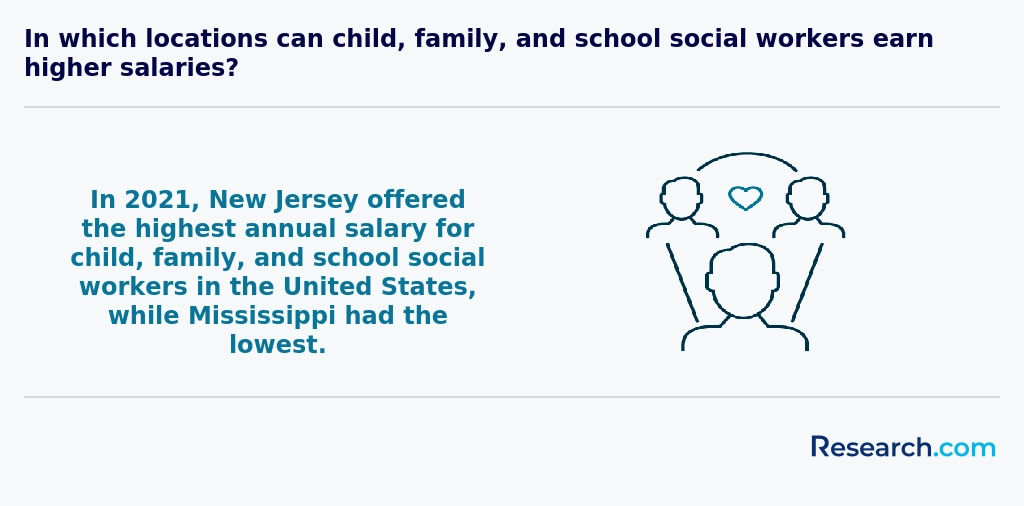
Graduates from social work programs at popular Berkeley institutions often discover a variety of meaningful career paths that reflect the city's rich social service landscape. Many find themselves drawn to roles in child and family services, where they support vulnerable children through foster care and adoption processes. Others are inspired to pursue school social work, collaborating closely with educators to nurture students' emotional growth in diverse and dynamic classrooms.
Berkeley social work degree job prospects also include healthcare social work, helping patients navigate the complexities of medical settings, and mental health counseling, fueled by the Bay Area's strong focus on community well-being. Community organizing and advocacy remain vital options as well, especially for those passionate about addressing systemic issues such as housing and poverty.
Graduates who aspire to clinical roles often pursue licensure and explore positions as Licensed Clinical Social Workers, responding to growing mental health needs. Additionally, Berkeley's proximity to government centers opens opportunities in policy development and social justice advocacy. For students curious about specific counseling roles, Christian counselor job opportunities also represent an emerging pathway within the social work spectrum.
Social work career options Berkeley graduates reflect a commitment to impactful, community-centered work, often motivated by personal growth and a genuine desire to help others thrive.

2027 Most Affordable Social Work Degree Programs Ranking in Berkeley
Investing in your education is a significant decision that can shape your future, and the Research.com team understands the importance of making informed choices. To assist prospective students in Berkeley, we have carefully developed the "2027 Most Affordable Social Work Degree Programs Ranking in Berkeley." Our dedication to quality, credibility, and accuracy is demonstrated through rigorous research and detailed analysis in compiling this ranking.
We utilized the following reputable data sources to ensure a thorough evaluation of social work degree programs:
By exploring this ranking, readers will gain valuable insights into the most affordable and high-quality social work degree programs in Berkeley, empowering them to make well-informed educational decisions. For more information about how this ranking was created, please visit our Research.com methodology page.

Frequently Asked Questions About social work
Social work degree students in Berkeley can maximize their learning by engaging deeply with field internships offered through local agencies. The University of California, Berkeley, provides connections to over 100 community organizations, allowing students to gain practical experience alongside academic knowledge.
Active participation in seminars and workshops hosted by the Berkeley Social Welfare program enhances theoretical understanding and critical thinking skills. These sessions often feature leading practitioners and researchers, enriching student perspectives on social justice and policy.
Networking within Berkeley's diverse social work community is vital. Joining student groups or professional associations such as the National Association of Social Workers' Berkeley chapter fosters mentorship and career opportunities.
Staying informed on local social issues, supported by resources from the Berkeley Public Library and city data, helps students apply their studies to real-world contexts effectively.
Emerging niches within the social work field in Berkeley reflect growing community needs and societal changes. One rapidly expanding area is geriatric social work, driven by California's aging population. The U.S. Census Bureau reports that nearly 15% of Berkeley's residents are over 65, increasing demand for professionals skilled in elder care, mental health support, and long-term planning.
Another important niche is environmental social work. Berkeley's strong sustainability culture encourages social workers to address climate change's impact on vulnerable groups, integrating ecological concerns into social services.
Additionally, social work focused on technology access and digital equity is gaining attention, aiming to bridge gaps for low-income and marginalized populations in the digital age.
After completing a social work degree in Berkeley, preparing for the job market involves several strategic steps. First, graduates should pursue licensure, such as the Licensed Clinical Social Worker (LCSW) credential, which is required for many clinical positions in California. This process includes completing supervised hours and passing the ASWB exam.
Networking is crucial in Berkeley's competitive social work environment. Joining local chapters of professional organizations like the National Association of Social Workers (NASW) can provide connections and job leads. According to the California Employment Development Department, social work jobs in the Bay Area are expected to grow by 10% through 2028, indicating steady demand.
Additionally, gaining experience through internships or volunteer work within Berkeley's diverse social services agencies can enhance practical skills and improve employability. Lastly, graduates should utilize university career centers and job fairs, which often feature employers from local nonprofits and government sectors.
Employers in Berkeley value social work graduates who demonstrate strong communication skills. The ability to listen actively and convey complex information clearly is essential for effective client advocacy and collaboration with healthcare or legal professionals.
Critical thinking and problem-solving skills rank high among sought-after competencies. Social workers must assess diverse client needs and devise personalized support plans to navigate challenging social environments.
Cultural competence and sensitivity are crucial due to Berkeley's diverse population. Familiarity with community resources and local regulations enhances a graduate's effectiveness in delivering equitable services.
According to the California Board of Behavioral Sciences, employers also prioritize ethical judgment and resilience, which are vital for managing high-stress cases responsibly.
Finding internships in Berkeley relevant to a social work degree involves connecting with local organizations, universities, and government agencies. The University of California, Berkeley's School of Social Welfare often partners with community agencies, offering students placement opportunities. Additionally, Berkeley's proximity to diverse populations increases chances to intern at nonprofits like Berkeley Food Network or the East Bay Community Law Center, which focus on social justice and support services.
Students should use UC Berkeley's dedicated internship portals and visit the Cal Alumni Association's networking events. According to the California Social Work Education Center, over 70% of social work students in the Bay Area secure internships through university-affiliated programs.
Applying early, preparing a tailored resume, and leveraging Berkeley's community resources enhances internship success.
A social work degree in Berkeley significantly enhances career mobility and advancement opportunities. Graduates gain essential skills required to meet California's licensing standards, which are crucial for roles in healthcare, schools, and government agencies. According to the California Board of Behavioral Sciences, licensed social workers in the state earn a median salary of approximately $67,000, with Berkeley professionals often exceeding this due to local demand.
Berkeley's extensive network of social service organizations provides internships and job placements, which are vital for career progression. Additionally, advanced degrees such as a Master of Social Work (MSW) increase eligibility for supervisory positions and specialized roles.
Professional growth is supported by ongoing education requirements and connections through local chapters of the National Association of Social Workers (NASW).
Studying for a social work degree in Berkeley equips students with skills essential for interdisciplinary roles by emphasizing collaboration across multiple fields. Programs in Berkeley, such as those at the University of California, integrate coursework that combines social policy, psychology, public health, and community development.
This approach prepares graduates to work alongside professionals from healthcare, education, law, and urban planning sectors. According to the Council on Social Work Education, Berkeley's programs incorporate field placements in diverse settings, enhancing practical interdisciplinary experience. Such training reflects the growing demand for social workers who understand complex social issues and can contribute to team-based solutions in varied environments.
When choosing between a thesis and a non-thesis social work degree program in Berkeley, consider your career goals first. A thesis option typically involves extensive research and prepares students for PhD programs or research-based careers. In contrast, non-thesis programs focus more on practical skills and fieldwork, ideal for those pursuing clinical or community practice roles.
Berkeley-area schools offering social work degrees may reflect this distinction in their curriculum. According to the California Social Work Education Center, nearly 60% of graduates enter clinical practice, favoring non-thesis tracks. On the other hand, thesis students often spend extra months completing their research projects, which may affect time and cost.
Ultimately, assess your interest in academic research versus applied social work when deciding between these options.
Students based in Berkeley seeking to study social work abroad have several pathways through US universities' international programs. Many institutions, including UC Berkeley, offer study abroad options that allow social work students to gain global perspectives while earning credits toward their degree. These programs typically partner with universities in countries such as the United Kingdom, Australia, and several European nations.
In addition, some Berkeley students may pursue exchange programs or internships abroad, emphasizing fieldwork in diverse social contexts. The Council on Social Work Education (CSWE) supports international collaborations, facilitating recognized accreditation for global learning experiences. According to Berkeley's Academic Guide, about 15% of social work students participate in such programs annually, enhancing their cultural competence and professional skills.
Students pursuing social work degrees in Berkeley have various part-time job options that effectively complement their education. Common roles include case management assistants, community outreach workers, and peer counselors. These positions offer practical experience in client interaction and resource coordination, essential skills for social work professionals.
Berkeley's local non-profits and social service agencies frequently seek part-time workers. According to the California Employment Development Department, social service jobs in Berkeley grew by 6% over the past five years, reflecting steady local demand.
Additionally, campus opportunities such as working with the University of California, Berkeley's student health or counseling centers provide valuable exposure to mental health services relevant to social work.
Social work students in Berkeley benefit from strong networking opportunities through the University of California, Berkeley's School of Social Welfare, one of the top-ranked programs nationally. The school hosts regular events, including guest lectures and workshops featuring prominent professionals, which facilitate connections with experienced practitioners and researchers.
A key resource for networking is the extensive alumni network, with graduates working in diverse fields across California, offering mentorship and internship prospects. Additionally, partnerships with local agencies and nonprofits provide students with real-world experience and professional contacts.
Berkeley's proximity to San Francisco and Silicon Valley also opens doors to interdisciplinary collaborations, enhancing career options beyond traditional social work roles.
Alumni networks provide valuable support for social work degree students in Berkeley by fostering professional connections and mentorship opportunities. Graduates from Berkeley's social work programs often join active local associations, which help current students access job leads and internships within the region's public agencies and nonprofits.
Research from the Council on Social Work Education highlights that strong alumni ties increase employment rates among new social workers by up to 20%. Berkeley's proximity to diverse communities further enhances networking benefits, allowing students to engage with experienced professionals addressing urban social challenges.
Moreover, alumni frequently contribute to workshops and seminars, sharing real-world insights tailored to California's social services landscape.
Customizing a social work degree program in Berkeley allows students to align their education with specific career goals. Many programs offer elective courses focusing on areas such as mental health, child welfare, or community development. This flexibility helps students develop expertise relevant to their interests.
Field placements are another key customization option. Berkeley's proximity to diverse social service agencies provides valuable hands-on experience in local community organizations or healthcare settings.
Additionally, students may pursue joint degrees or certificates, such as public health or nonprofit management, to broaden their skills. According to the California Board of Behavioral Sciences, these tailored paths can improve career prospects in the Bay Area's growing social work sector.
Social work students in Berkeley often face a range of challenges that can impact their academic success and well-being. One common issue is managing demanding coursework alongside field placements, which typically require 15 to 20 hours per week in community agencies. This balance can lead to stress and fatigue, especially since social work programs emphasize both theoretical knowledge and practical experience.
Another challenge is financial strain. Berkeley has a high cost of living, with average rents exceeding $2,000 per month, which can be burdensome for students relying on part-time jobs or financial aid. According to the California Board of Behavioral Sciences, social work students and interns frequently report difficulty securing adequate housing and covering expenses during their studies.
Additionally, the emotional toll of social work itself, including exposure to clients' trauma and systemic inequalities, poses mental health risks. Universities in the area provide counseling services, but stigma around seeking help remains a barrier for some students.
With a social work degree in Berkeley, you can pursue several key professional certifications that enhance career prospects. The most recognized is the Licensed Clinical Social Worker (LCSW) credential, which allows independent practice in mental health counseling. To qualify, candidates must complete a Master of Social Work (MSW) degree, followed by supervised clinical hours and a state exam. Berkeley graduates benefit from California's robust social work licensing system, overseen by the California Board of Behavioral Sciences.
Other certifications include Certified Advanced Alcohol and Drug Counselor (CAADC), which is valuable given California's focus on substance abuse treatment. Additionally, the National Association of Social Workers (NASW) offers credentials like the Certified Social Work Case Manager. These certifications are pivotal for careers in healthcare, schools, and social services throughout the Berkeley area.
To write a winning application for a social work program in Berkeley, start by highlighting your passion for community service and social justice, key values of Berkeley's programs. Clearly articulate your career goals and how the program aligns with them. Admissions committees expect strong academic records; the University of California, Berkeley Graduate School of Social Welfare, for example, looks for applicants with a minimum GPA of 3.0. Include detailed descriptions of relevant experience, such as volunteer work or internships, illustrating your commitment.
Additionally, write a compelling personal statement that reflects self-awareness and the ability to work with diverse populations. Strong recommendation letters from supervisors or professors who can vouch for your dedication and skills significantly strengthen your application. Finally, make sure to meet all deadlines and thoroughly proofread your materials to demonstrate professionalism and attention to detail.
Social work careers are increasingly viewed through a global lens, reflecting diverse cultural, economic, and political contexts. In the United States, including Berkeley, social workers often focus on community-based services, mental health, and policy advocacy. Globally, the profession addresses issues like poverty, human rights, and disaster relief, requiring cross-cultural competence.
According to the Council on Social Work Education, over 90% of US social work programs, including those in California, incorporate global perspectives into their curriculum to prepare students for international challenges.
For Berkeley students, understanding global social work expands career opportunities, especially in NGOs and government agencies with international focus.
Gaining practical experience while studying for a social work degree in Berkeley is vital for building relevant skills. Many universities, including the University of California, Berkeley, incorporate field education or practicum placements into their curriculum. These placements allow students to work directly with local social service agencies, schools, and community organizations under professional supervision.
Students can also benefit from volunteering or internships with Berkeley nonprofits focusing on mental health, homelessness, or child welfare. According to the Council on Social Work Education, over 1,200 hours of supervised fieldwork are typically required for Bachelor's or Master's level degrees. Engaging in these opportunities prepares students to meet California's licensing requirements post-graduation.
Choosing the right concentration within a social work degree program in Berkeley involves assessing your career goals and local community needs. Berkeley institutions often offer specializations such as clinical practice, policy advocacy, and community organizing. Consider focusing on areas with strong job growth; for example, aging services and mental health are in high demand, according to the Bureau of Labor Statistics.
Research programs accredited by the Council on Social Work Education (CSWE) to ensure quality education. Also, evaluate practicum opportunities since Berkeley's diverse population provides valuable hands-on experience.
Connecting with faculty and alumni can offer insight into emerging fields and local job placement rates.
- 2027 Most Affordable Social Work Degree Programs Ranking in Fresno
- 2027 Most Affordable Social Work Degree Programs Ranking in Los Angeles
- 2027 Most Affordable Social Work Degree Programs Ranking in San Diego
- 2027 Most Affordable Social Work Degree Programs Ranking in Portland
- 2027 Most Affordable Social Work Degree Programs Ranking in Seattle
- 2027 Most Affordable Social Work Degree Programs Ranking in Denver
- 2027 Most Affordable Social Work Degree Programs Ranking in Lubbock
- 2027 Most Affordable Social Work Degree Programs Ranking in Wichita
- 2027 Most Affordable Social Work Degree Programs Ranking in Omaha
- 2027 Most Affordable Social Work Degree Programs Ranking in Lawrence
See What Experts Have To Say About Studying Social Work
Read our interview with Social Work experts

- MSW Programs in San Francisco, San Jose, Berkeley (2026 Update) - Campus & Online Programs https://www.masterofsocialwork.com/states/california/san-francisco-bay-area
- 5 Career Planning Steps for Success in Social Work https://www.twrecruitment.com.au/blog/2026/02/5-career-planning-steps-for-success-in-social-work
- Social Worker (LCSW, MSW) Salary Guide By State https://socialworklicensemap.com/social-work-careers/social-work-salary/
- Global Perspectives in Social Work https://www.gu.se/en/study-in-gothenburg/exchange-student/courses/sw1118
- My social work journey: from experience to practice https://socialworkwithadults.blog.gov.uk/2023/09/26/my-social-work-journey-from-experience-to-practice/
- Guide to Careers in Social Work https://www.onlinemswprograms.com/careers/
- How To Become A Social Worker | Psychology.org https://www.psychology.org/social-work/how-to-become/
- Social Work Salary with Masters on the Rise https://newmanu.edu/nth-degree/social-work-salary-with-masters-on-the-rise
- Social work certificates | edX https://www.edx.org/certificates/social-work-certificates
- Social Work Internships https://www.stjude.org/education-training/professional-development/internships/social-work.html





