2027 Best Online Master's in Social Work Degree Programs Ranking in the Northeast

Co-Founder and Chief Data Scientist
Choosing the right online master's in social work program can be challenging, especially in the Northeast where options abound. This article presents the 2027 Best Online Master's in Social Work Degree Programs Ranking in the Northeast, created by the Research.com team of data scientists to guide you in making an informed decision.
Exploring this ranking helps you discover programs that align with your goals and lifestyle. Pursuing a social work degree opens doors to meaningful career paths that impact lives positively. Dive in to find the program that inspires you to make a difference.
Key benefits of getting online social work degree in the Northeast
- Graduates with a social work degree in the Northeast can expect competitive salaries, such as Clinical Social Workers earning around $68,800 annually and Policy Analysts making about $102,210 per year.
- A social work degree graduate from a well-known Northeast university often explores diverse career paths, including roles in schools, healthcare settings, and policy organizations, offering exciting opportunities to make a meaningful impact.
- Online social work degrees from respected Northeast colleges provide flexibility and accessibility, enabling students to balance work and life while gaining the same quality education as traditional programs.
- 2027 Best Online Master's in Social Work Degree Programs Ranking in the Northeast
- What can I expect from online social work degree in the Northeast?
- Where can I work with online social work degree in the Northeast?
What can I expect from online social work degree in the Northeast?
The average cost of pursuing an online social work degree in the Northeast can range widely, often reflecting the prestige and resources of the university you choose. Graduates from well-known programs at institutions in New York or Massachusetts recall balancing ambitious coursework with part-time jobs, finding that tuition typically falls between $25,000 and $50,000 for a full Master of Social Work program. This investment feels tangible when they describe late nights engaging in virtual discussions or preparing for local internships arranged through their schools.
Many students appreciate how universities in the Northeast provide not just rigorous academic challenges but also personalized support for securing in-person field placements nearby, which adds real-world depth without extra travel costs. These immersive experiences, often at local agencies, help students feel connected and motivated, fueling a sense of purpose alongside their academic journey.
Regional scholarships and financial aid tailored to Northeastern students often soften the financial load, making the dream of becoming a Licensed Clinical Social Worker more accessible. The mix of robust online learning combined with hands-on practice creates a uniquely rewarding path for those ready to embrace the future of social work.
Where can I work with online social work degree in the Northeast?
With an online social work degree in the Northeast, your career path feels like an open map filled with cities where your impact truly matters. Imagine joining healthcare teams in bustling hospitals or community health centers near renowned schools like Boston University or Columbia University, where graduates take pride in supporting patients through mental health counseling and care coordination.
Venturing into child welfare agencies across New Jersey or Pennsylvania, graduates find rewarding roles protecting vulnerable children, foster families, and adoption programs. Picture yourself making real change in these environments, inspired by stories from peers navigating these career paths.
School social work roles also shine bright, especially in Massachusetts or New York, where graduates embrace challenges like guiding students through emotional growth and family crises. The energy of working in educational institutions feels both demanding and deeply fulfilling.
Government agencies, nonprofits, and private practices across the region create a dynamic landscape for social workers eager to address homelessness, substance abuse, and aging populations. Graduates appreciate how diverse the opportunities are-each day offers a new chance to grow, connect, and make a difference.
- Tuition for online social work master's programs in the Northeast ranges from $15,000 to $35,000, varying by public or private status and in-state eligibility.
- Entry-level social workers earn between $50,000 and $60,000 annually, with mid-career salaries rising to $70,000-$80,000, especially in cities like New York, Boston, and Philadelphia.
- The job market in the Northeast is growing at about 12% through 2030, with high demand in clinical, mental health, and school social work.
- Accreditation by the Council on Social Work Education (CSWE) is necessary for licensure and professional practice across all Northeast states.
- Many online programs include local fieldwork to meet licensure requirements despite their online format.
- Financial aid options include federal loans and regional scholarships to help manage education costs.
Pursuing an online Master’s in Social Work in the Northeast isn’t just about coursework-it’s also about the robust support network that underpins student success. Leading programs recognize that distance learners need tailored services to thrive both academically and professionally. Key resources typically include: • Academic Advising and Tutoring: Dedicated advisors guide course selection, licensure prep, and time management strategies, while subject-matter tutors help reinforce critical concepts in human behavior, policy analysis, and research methods. • Field Placement Coordination: Online students receive personalized assistance in securing and supervising their 400+ practicum hours, ensuring meaningful community partnerships and compliance with CSWE standards. • 24/7 Technical Support: Reliable IT help desks and interactive orientation modules streamline access to learning platforms, digital libraries, and video conferencing tools, minimizing downtime and frustration. • Career Services and Networking: Virtual career fairs, resume workshops, and alumni mentoring connect students with regional employers in hospitals, schools, and nonprofits. Pro-active outreach can lead to early job referrals and post-graduation placement. • Wellness and Counseling: Recognizing the emotional demands of social work, many programs offer tele-counseling, peer support groups, and stress-management webinars to promote mental health and prevent burnout. When evaluating costs alongside available resources, prospective students may find added value by exploring our Most Affordable Social Work Degree Programs Ranking in New Orleans, LA, which highlights programs that balance affordability with comprehensive student support. By choosing a program with these services, online social work graduates in the Northeast can build skills, confidence, and professional networks essential for a thriving career.
Choosing a CSWE-accredited program is essential for eligibility to sit for licensure exams and meet Northeast state requirements. Look for schools recognized by the Council on Social Work Education to ensure your online degree is fully approved. Explore quality options like our msw online recommendations.
Key steps to licensure:
- Earn an MSW from a CSWE-accredited institution
- Complete state-mandated supervised practice hours (typically 2,000–4,000)
- Pass the Association of Social Work Boards (ASWB) exam relevant to your desired license level
- Submit application and background check to your state social work board
Meeting these requirements unlocks clinical, school and healthcare social work roles across the Northeast.
The average cost of pursuing an online social work degree in the Northeast typically centers around $45,000, reflecting both the quality and regional demand for advanced social work education. Graduates from popular universities in states such as New York and Massachusetts often share stories of balancing rigorous coursework with real-world impact, all while managing tuition that is somewhat higher than the national median due to the Northeast's competitive academic landscape.
For those seeking an affordable online master's in social work Northeast options exist that bring down the price to closer to $30,960 for in-state residents, making the dream of advancing in social work accessible without sacrificing quality. Imagine a graduate juggling online classes and field placements, inspired by the vibrant social needs of their communities, supported by a program that respects both their time and budget.
Out-of-state students can expect median costs near $36,288, a figure that still encourages many to explore flexible online formats from prestigious institutions. These programs often include additional fees, but scholarships and financial aid offer hopeful students valuable support as they embark on this transformative journey.
Curious prospective learners might find it helpful to explore the most popular social work degree choices to see how costs align with program strengths and student experiences, helping them select the path that best fits their career aspirations and financial plans.

Online MSW programs in the Northeast accredited by the Council on Social Work Education (CSWE) build licensure readiness into their core curricula. From day one, students engage with specialized modules aligned to the Association of Social Work Boards (ASWB) exam domains-human development, assessment, intervention, ethical practice, and policy. Typical components include:
- Live webinar workshops and recorded lectures on exam strategies and content reviews.
- Access to proprietary question banks, case study analyses, and timed mock exams.
- Integration of ethical decision‐making scenarios drawn from real‐world practice. State‐specific requirements vary across the Northeast. For instance, New York and Connecticut both mandate 3,000 supervised post‐MSW hours and passage of the ASWB clinical exam for LCSW licensure, whereas Massachusetts requires the same clinical exam plus a jurisprudence assessment. Leading programs publish cohort pass‐rate dashboards, offering transparency on average scores and areas needing improvement. Beyond test prep, universities provide one‐on‐one licensure advising:
- Guidance on completing supervision affidavits and verification forms.
- Support with licensure board applications and background check procedures.
- Networking events with licensed alumni to discuss strategies for securing quality supervision placements. Prospective students without a prior BSW may opt for accelerated bridge tracks or begin with the best affordable social work bachelor degree online, ensuring they fulfill foundational prerequisites and gain early exposure to clinical practice standards. This structured licensure pathway empowers graduates to confidently transition from online education to professional practice.
While this article focuses on online master’s programs, it’s important for prospective students to understand the foundational benefits of earning a bachelor’s degree in social work. An online Bachelor’s program not only provides essential academic preparation and introductory field experience but also opens doors to entry-level positions and diverse career opportunities. Students often find that the practical skills and theoretical grounding gained at the bachelor’s level serve as a springboard for advanced studies and professional growth. Additionally, many institutions offer robust support services-including career counseling, networking events, and mentorship programs-that help graduates transition smoothly into the workforce. For those interested in exploring these opportunities further, you might consider what can i do with bachelors online degree in social work. Ultimately, a solid undergraduate background can complement and enhance one’s prospects in the competitive field of social work, making it an excellent option for individuals preparing to advance their careers.
These programs usually seek a solid academic record, typically a GPA around 3.0, reflecting dedication and endurance. One graduate from a New York university shared how their volunteer hours at a local shelter enriched their application, showcasing the heartfelt commitment these schools look for beyond transcripts.
Letters of recommendation and thoughtful personal statements are your chance to tell your story, your why, something a graduate from a top Connecticut college recalls as key to unlocking doors. Some programs may even request GRE scores, a slight hurdle that many Northeastern applicants conquer with resolve.
Picture completing background checks and immunizations because these details ensure you're ready for real-world placements-where your passion meets practice in vibrant communities like those around Philadelphia or Providence.
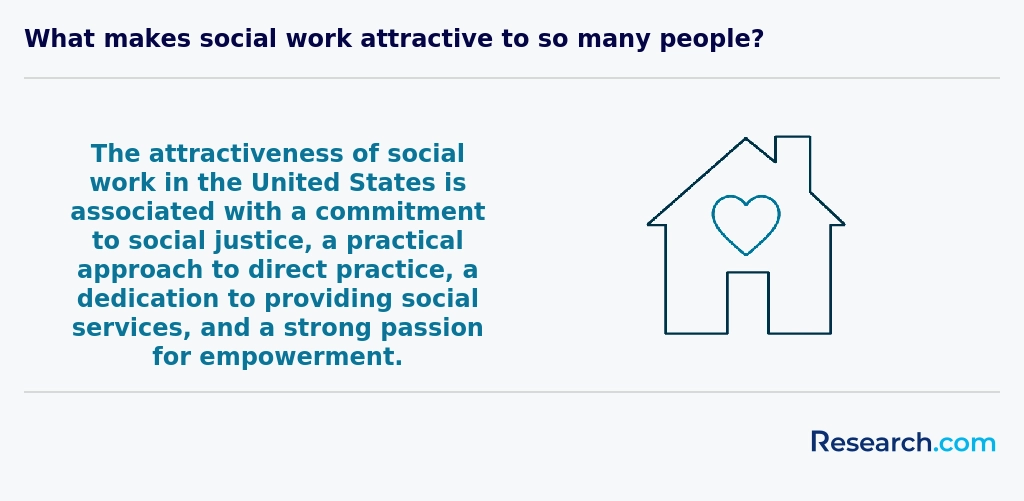
. Pursuing a career in social work can be a highly rewarding experience, offering numerous opportunities to make a positive impact on individuals and communities. For those interested in exploring the various aspects of social work, understanding the benefits of this career path is essential. One of the primary reasons to pursue a career in social work is the personal fulfillment that comes from helping others. Social workers play a critical role in addressing social issues, advocating for human rights, and providing support to vulnerable populations. The sense of purpose and satisfaction derived from this work is unparalleled, as evident in the stories of social work graduates who have gone on to make significant differences in their communities. Additionally, a career in social work offers flexibility and diversity, with numerous specializations available, such as clinical social work, community organization, and policy practice. To learn more about the most popular specializations, visit our page on the most popular social work degree programs, which can provide valuable insights into the various pathways available in this field. Furthermore, the job market for social workers is robust, with a high demand for skilled professionals in various settings, including healthcare, education, and government agencies. As the need for social services continues to grow, pursuing a career in social work not only offers personal rewards but also provides a sense of job security and opportunities for advancement.
Picture yourself navigating the vibrant social work scene of the Northeast, juggling your studies alongside a busy life. Choosing the best online social work degree Northeast means zeroing in on programs accredited by the Council on Social Work Education-these ensure your degree holds weight when it's time for licensure. Graduates from well-known public universities in New York and Massachusetts often share how in-state tuition made their journey more affordable without sacrificing quality.
Imagine the flexibility of asynchronous classes that fit around your schedule or accelerated paths for those with a Bachelor of Social Work. Many students rave about finding internships right in their communities, thanks to programs supporting local field placements-a crucial step toward building practical skills. Also, consider universities with stellar online student support and career services that feel like a personal compass toward your social work career.
For those curious about cost-effective routes, exploring the best affordable social work bachelor degree online can spark ideas on saving while advancing. Balancing costs, reputation, and real-world experience will set you on an exhilarating path to becoming a licensed social worker in the Northeast.
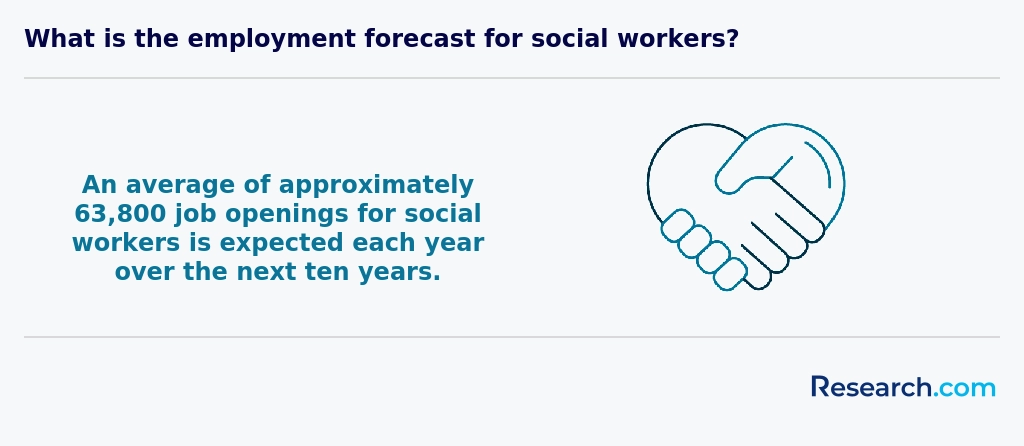
2027 Best Online Master's in Social Work Degree Programs Ranking in the Northeast
Investing in your education is a significant decision that can shape your professional and personal future, and the Research.com team understands the importance of making informed choices. To support prospective students interested in social work, we have carefully developed the "2027 Best Online Master's in Social Work Degree Programs Ranking in the Northeast." Our dedication to quality, credibility, and accuracy is demonstrated through thorough research and analysis in compiling this ranking.
We utilized the following reputable data sources to ensure a comprehensive evaluation of social work programs:
By reviewing this ranking, readers will gain valuable insights into the best online master's in social work programs in the Northeast, empowering them to make well-informed educational decisions. For more information about how this ranking was created, please visit our Research.com methodology page.



Frequently Asked Questions About social work
Online social work degree students in the Northeast can maximize their learning by engaging actively with virtual classes and discussion forums. Many programs accredited by the Council on Social Work Education offer interactive platforms that foster collaboration. It is also beneficial to seek local internships or field placements approved by their school, as hands-on experience is critical in social work education.
Students should take advantage of regional professional networks, such as the New England Network for Social Work and Research, to build connections and access job opportunities. According to the Bureau of Labor Statistics, employment for social workers in the Northeast is projected to grow by 8% through 2030, highlighting the importance of practical experience alongside online study.
The social work field in the Northeast is evolving with several emerging niches that attract online master's degree students. One growing area is geriatric social work, driven by the aging population in states like New York and Massachusetts, where nearly 15% of residents are over 65, according to the U.S. Census Bureau. Another niche gaining traction is healthcare social work, especially in urban centers where integrated care models require specialized skills.
Additionally, trauma-informed social work is becoming vital, addressing the needs of communities affected by opioid addiction, a persistent issue in parts of the Northeast. Child welfare and school social work also remain important, supported by state initiatives to improve youth services. These niches offer strong career prospects for graduates seeking to serve diverse local populations.
After earning an online social work degree in the Northeast, preparing for the job market involves targeted steps. Licensure is crucial; most states require passing the ASWB exam to become a Licensed Clinical Social Worker (LCSW). Understanding state-specific requirements, such as supervised hours, is vital.
Networking with local agencies and attending regional industry events can open doors. According to the Bureau of Labor Statistics, the Northeast shows steady social work employment growth, especially in mental health and child welfare sectors.
Additionally, gaining practical experience through internships or volunteer work enhances your resume and skills, increasing employability in competitive Northeast markets.
Employers in the Northeast value social work graduates who demonstrate strong communication skills, cultural competence, and critical thinking. These skills are essential for effectively supporting diverse populations, including urban and immigrant communities commonly found in this region. According to the National Association of Social Workers (NASW), nearly 65% of employers emphasize interpersonal abilities as key for success in social work roles.
Additionally, familiarity with local policy and healthcare systems is highly regarded. Social workers with knowledge of state-specific programs, such as Medicaid in New York and Massachusetts, are better prepared to navigate resources efficiently.
Lastly, employers prioritize graduates trained in evidence-based practices and technology use to improve client outcomes in a rapidly evolving field.
Finding internships in the Northeast for social work students involves leveraging both academic resources and local networks. Many online social work programs require or facilitate internships through partnerships with local agencies such as hospitals, schools, and nonprofit organizations. According to the National Association of Social Workers (NASW), states like New York and Massachusetts have over 15,000 social workers, creating diverse internship opportunities.
Students should connect with their university's field education office, which often assists in placing interns nearby. Additionally, exploring state-specific social work boards and local chapters of NASW can provide listings and networking events.
Online platforms like Handshake and Indeed also feature internship postings relevant to Northeast social work students.
Obtaining an online social work degree in the Northeast can significantly enhance career mobility and advancement opportunities. The region hosts numerous accredited programs that meet the requirements of the Council on Social Work Education (CSWE), which is essential for licensure in states like New York, Massachusetts, and Pennsylvania. According to the Bureau of Labor Statistics, social work employment in the Northeast is projected to grow by 7% through 2031, reflecting steady demand for qualified professionals.
Graduates with online degrees often benefit from flexible pathways to pursue state licensure, such as the Licensed Clinical Social Worker (LCSW) credential, which opens doors to clinical positions, supervisory roles, and specialized practice areas. Employers increasingly recognize CSWE-accredited online degrees, especially when combined with local fieldwork or internships.
The ability to study remotely also enables working professionals in the Northeast to upskill without relocating, supporting career advancement while maintaining existing employment. This flexibility is a decisive factor in expanding a social worker's role and salary potential in public agencies, healthcare organizations, and non-profits throughout the region.
Studying for a social work degree in the Northeast equips students with essential skills to work across varied professional settings. Programs emphasize collaboration with fields such as healthcare, education, and criminal justice, reflecting the region's diverse population needs.
Northeastern universities often integrate interdisciplinary coursework and field placements. This practical approach fosters adaptability and communication skills necessary for team-based environments.
According to the Council on Social Work Education, schools in this area report high rates of graduates employed in interdisciplinary roles within six months of completion. Such preparation aligns with regional healthcare policies promoting coordinated care models.
Overall, the strong focus on partnerships between social work and other sectors in the Northeast ensures readiness to address complex social challenges.
When choosing between a thesis and a non-thesis online social work degree in the Northeast, consider your career goals. Thesis programs often appeal to those interested in research, policy, or future doctoral study. They require completing original research, which can enhance critical thinking and analytical skills.
Non-thesis options typically focus on practical skills and fieldwork, preparing students for direct social work practice. These programs may include capstone projects or comprehensive exams instead. According to the Council on Social Work Education, many Northeast programs offer both paths, reflecting demand for versatile training.
Your decision should also factor in time and workload, as thesis tracks usually require more commitment. Financial aid policies and faculty expertise in your area of interest may further influence your choice.
Students based in the Northeast interested in studying social work abroad through online degrees have several options focused on global exposure while remaining enrolled in U.S. accredited programs. Many Northeast universities offering online Master of Social Work (MSW) degrees incorporate international field placements or virtual exchange programs, allowing students to gain experience with diverse populations. For example, schools in New York and Massachusetts frequently partner with agencies overseas for virtual internships.
According to the Council on Social Work Education, about 20% of accredited MSW programs in the Northeast include some form of international study or collaboration. These options enable students to acquire essential cross-cultural skills without leaving the region physically. This approach suits working professionals seeking flexible, globally minded education opportunities.
Students pursuing an online social work degree in the Northeast can find several part-time job opportunities that complement their academic work. Many agencies seek part-time case aides or support specialists to assist licensed social workers, providing practical experience. According to the Bureau of Labor Statistics, New York and Massachusetts report higher-than-average employment for social work roles.
Part-time roles in community health centers, nonprofit organizations, and schools enable students to develop client communication and assessment skills. Interning or working in local government social services departments also offers valuable exposure to policy and resource coordination.
These opportunities help build professional networks while balancing study commitments, essential for future licensure requirements in states like New Jersey and Connecticut.
Online social work students in the Northeast have access to diverse networking opportunities tailored to their region. Many accredited programs offer virtual events with local agencies, allowing students to connect with professionals across states like New York, Massachusetts, and Pennsylvania. The New England Chapter of the National Association of Social Workers (NASW) hosts regular online meetups and workshops, fostering peer and mentor relationships. Additionally, universities often partner with regional social service organizations for internships and field placements, providing practical networking experiences. According to NASW's 2023 membership report, the Northeast holds one of the largest professional social work communities in the U.S., expanding potential contacts for students.
Alumni networks offer valuable benefits for online social work degree students in the Northeast by providing professional connections and mentorship opportunities. Graduates can access a community of experienced social workers working in varied settings like healthcare, schools, and nonprofits, which supports career development. According to the National Association of Social Workers, networking significantly enhances job placement rates following graduation.
These connections often lead to internships, job referrals, and local workforce insights specific to Northeast regions such as New York and Massachusetts. Alumni events, both virtual and regional, allow for continuous skill-building and staying informed about regional licensure requirements, which vary across Northeastern states.
Moreover, alumni networks create a sense of belonging and peer support, which is critical for students managing demanding online programs while working in social services.
Online social work degree programs in the Northeast often allow significant customization to match your career goals. Many schools let students choose specialized tracks such as clinical social work, community organizing, or policy advocacy. For example, a 2023 report by the Council on Social Work Education notes that nearly 70% of accredited programs in this region offer electives tailored to specific social work fields.
You can also customize through practicum placements. Programs typically collaborate with local agencies in New York, Massachusetts, or Pennsylvania, enabling students to gain experience aligned with their interests. This hands-on learning is critical for licensure and employment.
Additionally, several universities provide flexible course schedules and concentrations emphasizing areas like mental health or child welfare, helping you build skills relevant to Northeast labor market demands.
Online social work students in the Northeast face several notable challenges. One key difficulty is securing accredited field placements, which are essential for licensure but limited due to high demand in densely populated urban areas like New York and Boston. According to the Council on Social Work Education, competition for quality internships can delay graduation timelines.
Additionally, many students struggle with balancing rigorous coursework and professional or family responsibilities, a common issue amplified by the intensive practicum hours required. Technical issues, including unstable internet connectivity in rural parts of the region, also hinder learning continuity.
Finally, students may experience a degree of social isolation, reducing peer interaction and networking opportunities compared to traditional programs, impacting professional development.
An online social work degree from accredited programs in the Northeast can open doors to various professional certifications. Graduates commonly pursue the Licensed Clinical Social Worker (LCSW) credential, which is essential for independent practice and requires meeting state-specific supervised experience hours and passing the Association of Social Work Boards (ASWB) clinical exam.
The Northeast states generally follow ASWB's standardized exams and have similar prerequisites, making certification attainable across state lines with proper licensure reciprocity.
Other recognized certifications include the Certified School Social Work Specialist (C-SSWS) and the Certified Advanced Alcohol and Drug Counselor (CAADC), expanding specialization opportunities.
According to the National Association of Social Workers (NASW), over 60% of licensed social workers in the Northeast hold at least one professional certification, underscoring its importance for career growth in this region.
When applying to an online social work program in the Northeast, focus on showcasing your commitment to the field and understanding of regional social issues. Admissions committees value applicants who demonstrate relevant experience, whether through volunteering or professional work.
Strong personal statements that clearly articulate career goals and reasons for choosing online study can make a significant difference. Including knowledge of local social challenges-such as urban poverty or opioid addiction-reflects awareness of the Northeast context.
Letters of recommendation from supervisors or professors familiar with your work in social services add credibility. Additionally, ensure your academic transcripts show a solid foundation in psychology, sociology, or related disciplines, as many programs require this.
The Council on Social Work Education reports that applicants with clear professional goals and relevant experience tend to have higher acceptance rates, especially in competitive Northeastern programs.
The global perspective on social work emphasizes the profession's role in addressing social injustices, poverty, and human rights worldwide. For students in the Northeast pursuing online social work degrees, it is important to understand that social workers often engage with diverse populations, both locally and internationally.
The Council on Social Work Education (CSWE) highlights that competencies gained through US-accredited programs prepare graduates to work in a global context, adapting to various cultural and social systems.
In the Northeast, states like New York and Massachusetts report growing demand for social workers with skills in global and multicultural issues, as indicated by the Bureau of Labor Statistics and local labor market analyses.
Understanding global perspectives deepens one's ability to promote community well-being and advocate for vulnerable groups broadly.
Gaining practical experience while studying for an online social work degree in the Northeast is essential for licensure and career readiness. Most accredited programs require students to complete supervised field placements, often arranged locally to accommodate remote learners. According to the Council on Social Work Education, approximately 1,200 social work programs in the U.S. incorporate these internships as a core component.
In the Northeast, students frequently partner with local agencies, hospitals, or community organizations to fulfill these hours. These placements offer hands-on experience in areas such as mental health, child welfare, and substance abuse services.
Some schools in the region provide virtual simulation tools alongside fieldwork to enrich practical skills. Checking state-specific licensing board requirements, like those in New York or Massachusetts, ensures students meet necessary clinical hours while studying online.
Choosing the right concentration within an online social work degree in the Northeast involves evaluating your career goals and regional workforce demands. Specializations like clinical social work, school social work, or healthcare social work each prepare students for distinct roles. According to the Bureau of Labor Statistics, clinical social workers in the Northeast earn median salaries around $60,000, reflecting local demand.
Examine state licensure requirements, as they vary across Northeast states and influence which concentrations are most practical for practice. For example, New York and Massachusetts emphasize clinical experience for Licensed Clinical Social Workers (LCSWs).
Research faculty expertise and practicum placement opportunities within programs, since strong regional networks support job placement. Finally, consider trending social issues in the Northeast, such as opioid addiction and urban poverty, which drive demand for specialized social work roles.
See What Experts Have To Say About Studying Social Work
Read our interview with Social Work experts

- 2025 Best Online Social Work Degrees https://www.onlineu.com/degrees/social-work
- Online MSW Programs with No GRE Required https://socialworklicensemap.com/social-work-degrees/online-msw-programs/social-work-programs-no-gre/
- Bachelor’s degrees in social work (BSW) online https://www.onlinemswprograms.com/online-social-work-degrees/bsw/
- Global Definition of Social Work https://www.ifsw.org/what-is-social-work/global-definition-of-social-work/
- Expected Social Work Salaries By Degree Level https://www.publichealthonline.org/social-work-salaries/
- Social work certificates | edX https://www.edx.org/certificates/social-work-certificates
- 1+ Social Worker Cover Letter Examples (with In-Depth Guidance) https://www.tealhq.com/cover-letter-examples/social-worker
- Master of Social Work https://online.une.edu/master-of-social-work/
- Top Online MSW Programs - Massachusetts (MA) https://www.onlinemastersdegrees.org/best-programs/social-work-msw/massachusetts-ma/
- Tripod Partners https://www.tripodpartners.com/career-advice/social-work/advancing-your-social-work-career-tips-for-promotion/