
2027 Best Social Work Degree Programs Ranking in New Orleans

Co-Founder and Chief Data Scientist
Choosing the right social work degree program in New Orleans can feel overwhelming. Our 2027 Best Social Work Degree Programs Ranking in New Orleans offers clear, data-driven guidance to simplify your decision.
This ranking, developed by the Research.com team of data scientists, helps you identify top programs worth considering. By exploring the article, you'll discover valuable insights on program quality, helping you plan a rewarding educational journey.
Pursuing a social work degree opens the door to meaningful career opportunities and the chance to make a real difference in your community. This article is designed to support your goals and inspire confidence in your choices.
Key benefits of getting social work degree in New Orleans
- Graduates with a social work degree in New Orleans can expect competitive salaries, such as Social Workers earning around $68,800 annually and Community Organizers making about $83,400 per year, providing financial stability and rewarding career prospects.
- Career paths are diverse, including roles like Residential Counselor or Youth Worker, allowing graduates from local schools to help communities in meaningful ways and grow professionally in several impactful fields.
- Online social work degrees offer flexibility and convenience, enabling students to balance studies with personal commitments while earning recognized credentials from respected universities in New Orleans.
- Key benefits of getting social work degree in New Orleans
- What can I expect from social work degree in New Orleans?
- Where can I work with social work degree in New Orleans?
- How much can I make with social work degree in New Orleans?
- 2027 Best Social Work Degree Programs Ranking in New Orleans
- Key Findings
- How long does it take to complete social work degree in New Orleans?
- Faculty and Mentorship Opportunities
- What's the difference between online and on-campus social work degree?
- Licensure and Accreditation for Social Workers in Louisiana
- What is the average cost of social work degree in New Orleans?
- Licensure Requirements
- What financial aid is available to social work degree students in New Orleans?
- Licensure and Certification Requirements in Louisiana
- What are the prerequisites for enrolling in social work degree program in New Orleans?
- Financial Considerations for Pursuing a Social Work Degree in New Orleans, LA
- What courses are typically in social work degree programs in New Orleans?
- What types of specializations are available in social work degree programs in New Orleans?
- How do you choose the best social work degree in New Orleans?
- What career paths are available for social work degree students in New Orleans?
- What is the job market for social work degree in New Orleans?
- Top Trending Social Work Rankings
- See What Experts Have To Say About Studying Social Work
What can I expect from social work degree in New Orleans?
When it comes to the cost of a social work degree in New Orleans, you can typically expect tuition to range around $10,000 to $15,000 per year at popular schools offering social work programs. For example, students at local universities find the pricing pretty reasonable compared to other big cities, which is a relief when balancing bills and studies. Graduates often mention that the investment feels worth it once they start their practicum placements-working hands-on in the community, whether it's at a local healthcare center or nonprofit tackling New Orleans' unique social challenges.
Many students also share how financial aid and scholarships tailored for social work majors really help ease the burden. Plus, the chance to connect with supportive faculty and tap into New Orleans' vibrant social work network makes the experience feel personal and motivating. All in all, it's a manageable cost that opens doors to meaningful, community-driven careers right in the heart of the city.
Where can I work with social work degree in New Orleans?
If you're studying social work in New Orleans, you've got a ton of great job options right in your backyard. Graduates from schools like Tulane University and the University of New Orleans often land roles in healthcare settings-think hospitals or community clinics-where they help patients figure out everything from treatments to support services. It's pretty rewarding to see the difference you make when working alongside medical teams.
Lots of grads also find themselves working with nonprofits, like New Orleans Mission or Catholic Charities. These spots are perfect if you're into counseling or helping families and individuals through tough times. One grad shared how fulfilling it was to support homeless people find resources and rebuild their lives.
Working for the city or state is another big path. Agencies like the Louisiana Department of Children and Family Services need social workers to protect kids and strengthen families. Many grads love the chance to make a real impact in the local community this way.
Schools are also a common place to work-helping students with mental health or keeping them connected to resources. Plus, some grads pursue private practice as licensed clinicians, offering therapy one-on-one. The demand for these services in New Orleans just keeps growing, making this a promising gig.
Overall, social work grads here have options that fit lots of passions, whether it's healthcare, community support, education, or private counseling.
How much can I make with social work degree in New Orleans?
If you earn a social work degree in New Orleans, you can expect to jump into some pretty solid roles with salaries that reflect your hard work. Graduates working as child welfare specialists or residential counselors typically pull in around $59,000 a year, which is great for starting out. Those who go for positions like community organizers or youth workers can earn even more, with mean salaries hitting about $83,400 annually. It's encouraging to hear from recent grads at local schools like the University of New Orleans-they find these numbers quite motivating as they build their careers.
Social work grads with a bit more experience or specialized training in counseling often land jobs paying closer to $68,800, the average for social workers in the area. Students often mention how earning an MSW or licensure helps boost their income, making the investment in education totally worth it. Plus, New Orleans' lower cost of living means your paycheck can stretch further while you're helping your community thrive.
2027 Best Social Work Degree Programs Ranking in New Orleans
How do we rank schools?
Investing in your education is a significant decision that can shape your future, and the Research.com team recognizes the importance of making well-informed choices. To support prospective students in New Orleans, we have carefully developed the "2027 Best Social Work Degree Programs Ranking in New Orleans." Our dedication to quality, credibility, and accuracy is demonstrated through rigorous research and analysis used to create this ranking.
We utilized the following reputable data sources to ensure a comprehensive evaluation of social work programs:
By exploring this ranking, readers will gain valuable insights into the best social work degree programs in New Orleans, enabling them to make confident and informed decisions about their educational future. For more details on how this ranking was created, please visit our Research.com methodology page.


Key Findings
- Annual tuition for social work degrees in New Orleans ranges from $9,000 to $15,000 at public universities and $20,000 to $30,000 at private institutions.
- Entry-level social workers in New Orleans earn about $40,000 per year, with salaries increasing to $60,000 or more after five to ten years of experience.
- Both Bachelor of Social Work (BSW) and Master of Social Work (MSW) programs are available and include accredited courses and supervised fieldwork for licensure in Louisiana.
- The job market for social workers in New Orleans is growing, especially in mental health, child welfare, and services for vulnerable groups.
- Internships and practicum placements through local agencies are important for gaining practical experience and fulfilling licensure requirements.
How long does it take to complete social work degree in New Orleans?
If you're thinking about studying social work in New Orleans, the time it takes really depends on which degree you choose. For example, many students at local universities like Loyola or Tulane find that a Bachelor of Social Work (BSW) typically takes about four years of full-time study. It's the usual pace, just like most colleges across the U.S., and gives you plenty of time to dive into the community and build strong connections.
Now, if you want to jump into leadership or clinical roles later, going for a Master of Social Work (MSW) is common. Most students in New Orleans tackle this in about two years if they're studying full-time. But plenty also take it part-time, stretching it to three years or more, depending on their work and life balance. Some graduates love the accelerated MSW options offered by certain schools here-it lets them finish in just one year if they already have a BSW, which is a real time-saver without cutting corners.
What most social work students will tell you is that those fieldwork hours really add up-anywhere from 400 to 900 supervised hours depending on your program. It's tough but rewarding, especially when you get to see the real impact of your work around New Orleans communities during practicum experiences.
Faculty and Mentorship Opportunities
One of the most significant advantages of pursuing a Social Work degree in New Orleans, LA, is the unparalleled access to experienced faculty who bring real-world insight to the classroom. Students benefit from educators who are not only experts in their fields but also dedicated mentors actively involved in community initiatives, research, and advocacy. This close-knit academic environment fosters ongoing support, enabling students to gain valuable feedback, network with professionals, and develop critical problem-solving skills essential for successful careers in social work. Faculty members frequently share their experiences and invite students to participate in practical projects and field research, bridging the gap between theory and practice. For instance, many programs collaborate with local organizations and even feature guest lectures from seasoned practitioners who have shaped social policies in the region. These mentorship opportunities not only build professional confidence but also open doors to roles in clinical settings, community outreach, and policy advocacy. Moreover, for students considering further academic advancement, there are numerous pathways to explore advanced research and specialized studies. Aspiring scholars interested in deepening their expertise can explore online doctoral programs in social work, which emphasize research-driven learning and innovative approaches to complex social issues. This environment ensures that graduates are well-equipped to lead and transform communities with empathy, integrity, and a commitment to social justice.
What's the difference between online and on-campus social work degree?
If you're weighing between an online or on-campus social work degree in New Orleans, one big difference is how you connect with people. Graduates from Tulane University love the face-to-face vibe-chatting with professors after class, hitting up campus events, and building a network right in the city. It feels more personal and hands-on, which really helps when you're training for a career about helping others.
On the flip side, online programs give you flexibility, perfect if you're juggling a job or family in NOLA. Students from regional schools appreciate being able to log in from home and save commuting time. But it takes self-motivation since all your interactions and networking happen through virtual meet-ups and online forums instead of face-to-face hangouts.
Both ways require a CSWE-accredited curriculum and real-world fieldwork within New Orleans social services, so you get solid experience no matter what. Prices can vary too-on-campus might have extra costs like transportation, while online tuition sometimes depends on your residency status.
Licensure and Accreditation for Social Workers in Louisiana
Licensure as a social worker in Louisiana requires completion of a CSWE-accredited program, supervised practice, and successful passage of the ASWB examination. First, ensure that your degree-whether a Bachelor of Social Work (BSW) or Master of Social Work (MSW)-comes from a program accredited by the Council on Social Work Education (CSWE). Accreditation not only validates the quality of curriculum but also is mandatory for state licensure. Prospective students seeking cost-effective options may explore the most affordable online colleges for social work degrees that meet CSWE standards while offering flexible learning formats. After graduation, aspiring licensed social workers must complete 4,000 hours of supervised clinical experience under an LCSW supervisor. This structured mentorship hones practical skills in assessment, intervention, and ethical decision-making. Candidates then register for the Association of Social Work Boards (ASWB) examination-typically the Master’s level exam for MSW graduates or the Bachelor’s level exam for BSW graduates-to demonstrate competency across domains such as human behavior, policy, and practice methods. Upon passing the ASWB exam, applicants submit licensure documentation to the Louisiana State Board of Social Work Examiners, including official transcripts, supervision logs, and application fees. Continuing education is required biennially to maintain an active license, ensuring professionals stay current with best practices and emerging research. Understanding these requirements early in your academic journey can streamline your path to becoming a licensed social worker in New Orleans and beyond.
What is the average cost of social work degree in New Orleans?
If you're wondering about the average cost of a social work degree in New Orleans, expect to spend around $23,918 for in-state total tuition and fees. That's a pretty fair deal compared to other parts of the country. Graduates from public universities like the University of New Orleans often share that their tuition felt manageable, especially when combined with scholarships and financial aid options that many schools offer.
Private schools in the area do tend to cost more-sometimes up to $36,555 in total-which some students find worth it because of the smaller class sizes or specialized programs. One graduate from a local private university mentioned how the resources and networking opportunities helped launch their social work career, making the investment feel worthwhile despite the higher price tag.
When you factor in additional costs like fees and supplies, typically around $1,200 per year, budgeting becomes essential. Many social work students in New Orleans find creative ways to cover these expenses, including grants and federal aid, to keep their journey financially steady.
For those seeking the cheapest social work school in Louisiana, New Orleans has options that mix affordability with quality education, making it a solid choice for anyone pondering the total tuition and fees for social work degree New Orleans programs.
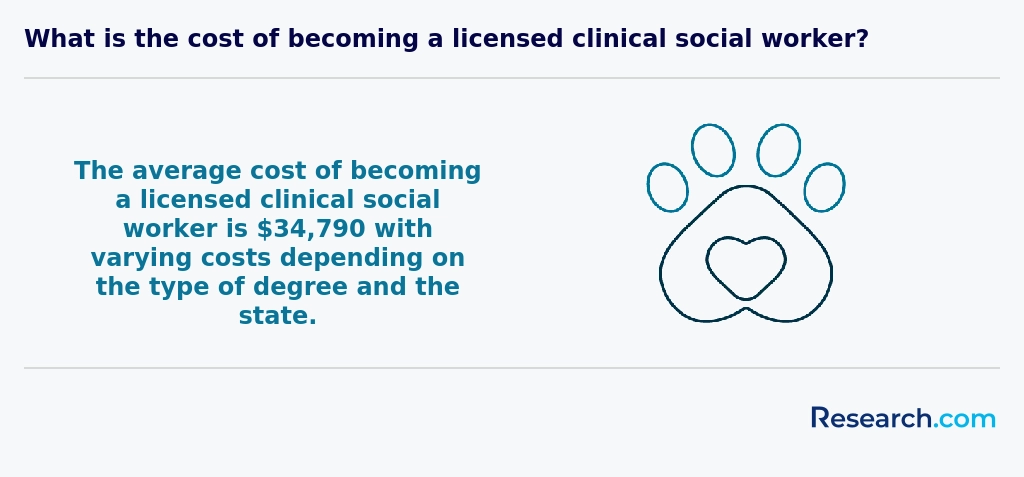
Licensure Requirements
Becoming a licensed social worker in Louisiana involves five key steps:
- Earn a CSWE-accredited MSW program.
- Complete 2,000–3,000 hours of supervised clinical practice under an LCSW or board-approved supervisor.
- Pass the ASWB Clinical exam (or Associate exam for LMSW licensure).
- Submit your application, official transcripts, exam results, and fee to the Louisiana State Board of Social Work Examiners.
- Renew your license every two years by completing 30 continuing education units.
For a faster MSW pathway that meets these prerequisites, consider fastest online msw programs to streamline your journey to licensure.
What financial aid is available to social work degree students in New Orleans?
If you're looking into a social work degree in New Orleans, you'll find a good mix of financial aid options that can really ease the money stress. Most students start by filling out the FAFSA-it's the gateway to federal help like Pell Grants, which can cover up to $7,395 a year and don't need to be paid back. Lots of local grads from Tulane and University of New Orleans have shared how these grants made a big difference for them.
On top of that, Louisiana offers the Go Grant, a state program that targets students with financial need, often giving extra support if you're already receiving a Pell Grant. Then, those universities often have their own scholarships-some based on merit, some on need-that past social work students rave about because they made their tuition much more manageable.
Many also tap into work-study jobs with local social service agencies, which not only help cover expenses but also give you real-world experience. For master's students, Grad PLUS loans are there if you need extra funding beyond other aid-many grads remember these loans helping them stay on track to finish.
Licensure and Certification Requirements in Louisiana
Becoming a licensed social worker in Louisiana involves a multi‐step process designed to ensure high standards of practice and client safety. First, graduates must complete a CSWE‐accredited BSW or MSW program and accumulate supervised fieldwork hours-typically 1,500 hours for Licensed Master Social Worker (LMSW) candidates or 3,000 hours for Licensed Clinical Social Worker (LCSW) applicants. Next, candidates must pass the appropriate Association of Social Work Boards (ASWB) exam: the Master’s level for LMSW or the Clinical level for LCSW. Exam registration is handled through the ASWB portal, and study resources often include practice tests, exam guides, and prep courses offered by university continuing education departments. After passing the ASWB exam, licensure applicants submit their verification of supervised experience to the Louisiana State Board of Social Work Examiners along with a licensure fee. Renewals occur biennially and require completion of at least 30 continuing education credits, including ethics, cultural competency, and clinical supervision topics. Many professionals also pursue specialty certifications-such as the Child Welfare or Substance Abuse endorsements-to enhance their expertise and marketability. For students balancing licensure goals with budget considerations, it’s wise to explore programs that offer strong exam pass rates and affordable tuition. Prospective applicants may also find value in reviewing our Inexpensive Social Work Degree Programs Ranking in Idaho, which highlights cost‐efficient pathways that still meet rigorous accreditation and exam‐prep standards.
What are the prerequisites for enrolling in social work degree program in New Orleans?
If you're thinking about diving into a social work degree here in New Orleans, you'll want to know what the schools expect before you start. For undergrad programs, like the Bachelor of Social Work, you'll need a high school diploma or something like a GED. Most places look for at least a 2.5 to 3.0 GPA, so keeping your grades steady in high school really pays off. Some grads from local universities say that while standardized tests like the SAT or ACT might be part of the process, many schools around here are getting more flexible with that.
For those eyeing a Master of Social Work, the game changes a bit. You'll need a bachelor's degree from an accredited school-not always in social work, but you might have to take some courses in psychology or sociology. Graduates mention how writing a strong personal statement and gathering solid letters of recommendation made a huge difference in their applications at New Orleans' popular colleges. Plus, having real volunteer or work experience in social services shows you're serious and ready for the journey.

Financial Considerations for Pursuing a Social Work Degree in New Orleans, LA
When considering a Social Work degree in New Orleans, LA, financial planning is essential. Prospective students should explore the costs associated with tuition, living expenses, and other fees. For those looking to minimize their expenses, researching the cheapest social work school in Louisiana can be a valuable step. Understanding these financial aspects can help students make informed decisions about their education and career paths. Key considerations include tuition rates, which can vary significantly between institutions, and the potential for financial aid, scholarships, and grants to offset these costs. Additionally, students should factor in the cost of living in New Orleans, as well as any additional expenses related to their program, such as books, supplies, and transportation to field placements. By carefully evaluating these financial considerations, aspiring social workers can better prepare themselves for the investments required to pursue their degree and subsequent career.
What courses are typically in social work degree programs in New Orleans?
If you're diving into social work studies in New Orleans, expect a mix of courses that really get you ready for the real world. Graduates from popular local places often talk about starting with classes like Human Behavior and the Social Environment, which helps you understand why people act the way they do. It's comforting to see those theories come alive when you volunteer or do projects around town.
You'll also tackle Social Welfare Policy and Services, where you learn how laws and programs impact folks in your own community. Social Work Practice is where things get hands-on-think counseling, advocacy, and case management skills you'll actually use working with clients.
Research Methods teaches you how to gather and analyze info, which can feel tricky but ends up being a total game-changer for making smart decisions. And the Field Practicum? That's where past students have found their passion, gaining real-world experience by working with agencies addressing things like disaster relief after Katrina, poverty, and health issues specific to New Orleans.
What types of specializations are available in social work degree programs in New Orleans?
If you're exploring social work specializations in New Orleans, you'll find some pretty meaningful options. A lot of grads from local universities talk about how clinical social work really hit home for them-helping people in hospitals and community centers through counseling is a common path. The city's unique history means there's a strong need for mental health support, and students appreciate learning skills that directly impact people recovering from tough times like Hurricane Katrina.
New Orleans social work degree concentration options also often include public welfare and community organizing. Imagine working with grassroots groups or nonprofits tackling homelessness and addiction in your own neighborhood-that hands-on connection excites many students here. Child and family welfare is another big one, with plenty of grads feeling proud about supporting adoption, foster care, and family counseling in the region.
Healthcare social work rounds out these focuses, where social workers team up with hospitals to help patients navigate tricky medical systems. For those wanting more advanced study, some students check out online doctoral programs in social work that let them deepen their knowledge without leaving New Orleans.
How do you choose the best social work degree in New Orleans?
When picking the best social work degree in New Orleans, start by checking if the program has CSWE accreditation. Graduates from Tulane University and the University of New Orleans often say this gave them confidence their education was recognized and helped with licensure later on. Also, consider tuition costs carefully-public schools usually offer more affordable social work degree New Orleans options, especially if you're a local student.
Look for programs that offer real-world fieldwork in places that matter to the city, like mental health clinics or disaster recovery agencies. Many grads speak highly of how these internships made their studies feel relevant and gave them hands-on experience working with the community.
If you need flexibility, some programs provide part-time or evening classes, which is a lifesaver for those balancing jobs or family. Plus, you might want to check out the most affordable online colleges for social work degrees if you prefer learning remotely but still want a quality education tied to local needs.
What career paths are available for social work degree students in New Orleans?
If you're thinking about social work careers in New Orleans, there's a bunch of paths waiting for you. Graduates from local schools often find themselves working in healthcare, helping patients navigate hospitals or clinics, which feels really rewarding when you see the difference you make. Others enjoy working with kids and families in school districts or child welfare agencies-great if you love being hands-on and making an impact on young lives. Mental health is another big area here, with plenty of chances to support folks struggling with substance abuse or emotional challenges, especially with the region's focus on tackling the opioid crisis.
Many grads also dive into non-profits or government roles, pushing for social justice and better policies. If you're looking for affordable ways to jump in, it's worth checking out programs like those featured in the Inexpensive Social Work Degree Programs Ranking in Idaho since tuition here is quite reasonable compared to other states. Lots of students from New Orleans universities mention feeling they're stepping into real-world roles right after graduation, which makes these social work degree job opportunities New Orleans offers truly exciting.
What is the job market for social work degree in New Orleans?
The social work job opportunities in New Orleans are looking pretty solid right now, especially if you're studying locally at schools like the University of New Orleans or Loyola University. Graduates often share how the city's diverse needs-from healthcare to community welfare-open many doors for social workers. Many find themselves working in hospitals, schools, or local agencies, helping vulnerable populations like kids and the elderly. Plus, with Louisiana's clear licensing pathways, including passing the ASWB exam, you'll feel ready and confident stepping into clinical roles.
The social work career outlook New Orleans offers is encouraging, with steady growth predicted over the next decade. Salaries usually range around $50,000 to $60,000, which can go higher if you specialize or get advanced licensure. For students thinking about cost, local universities keep tuition competitive, and those wanting to speed things up often look at fast track programs. It really feels like a community that supports and values social work-you're not just earning a degree, you're stepping into an important role.
Frequently Asked Questions About social work
Social work degree students in New Orleans can maximize their learning experience by actively engaging in local community organizations. New Orleans has a rich network of social services agencies addressing issues like poverty, mental health, and disaster recovery, providing practical internship opportunities. According to the Council on Social Work Education (CSWE), hands-on field education is essential for skill development, and local placements allow students to apply theory directly to the unique social context of the city.
Additionally, students should leverage partnerships between universities and local non-profits to gain diverse clinical experiences. Networking with professionals through conferences and workshops hosted in New Orleans can further deepen understanding and career prospects. Staying informed about state licensure requirements through the Louisiana State Board of Social Work Examiners ensures timely progression toward professional practice.
The social work field in New Orleans is evolving with several emerging niches attracting attention. One significant area is trauma-informed care, spurred by the city's high exposure to natural disasters and community violence. Social workers trained in this specialty help clients navigate post-disaster recovery and mental health challenges.
Another growing niche is health social work, which integrates behavioral health services with primary healthcare, a response to demands highlighted by the Health Resources & Services Administration. This approach is crucial in New Orleans due to its pronounced health disparities.
Additionally, geriatric social work is expanding, addressing the needs of the city's increasing elderly population. These specialties offer meaningful career paths for students pursuing social work degrees in New Orleans, supported by local universities and community agencies.
Graduates with a social work degree in New Orleans should focus on gaining practical experience through internships or practicum placements, which are often integrated into accredited programs. According to the Council on Social Work Education, field training enhances job readiness by applying classroom knowledge to real-world settings. Networking is vital in New Orleans' social service sector, where connections with local agencies such as the New Orleans Health Department or community nonprofits can open job opportunities.
Licensing is another key step. Louisiana requires social workers to obtain state licensure to practice professionally, with levels including Licensed Social Worker (LSW) and Licensed Certified Social Worker (LCSW). Preparing for these exams early can improve employment prospects.
Employers in New Orleans seek social work graduates with strong communication skills, essential for effectively working with diverse populations. According to the Louisiana Workforce Commission, the ability to demonstrate cultural competence is particularly valued due to the city's rich multicultural environment.
Critical thinking and problem-solving skills are also crucial as social workers must assess client needs and develop appropriate care plans. Additionally, employers emphasize the importance of emotional resilience and stress management, given the often challenging nature of the job.
Knowledge of state and federal social welfare policies is necessary, alongside proficiency in case management software.
Finding social work internships in New Orleans involves researching local organizations and institutions that partner with universities. Many social work programs require internships, so contacting your school's career services or social work department is essential. They often have established agreements with nonprofits, hospitals, and government agencies.
Local entities such as the New Orleans Health Department, Louisiana Department of Children and Family Services, and community centers frequently offer placement opportunities. According to the Bureau of Labor Statistics, New Orleans has a growing demand for social workers focused on health and family services, increasing internship availability.
Networking with professionals through events and social media platforms like LinkedIn can also help identify openings. Early application and flexibility improve chances of securing meaningful placements.
A social work degree significantly enhances career mobility and advancement opportunities in New Orleans. Graduates with a Bachelor of Social Work (BSW) or Master of Social Work (MSW) are in demand across various local sectors, including healthcare, education, and nonprofit organizations. According to the U.S. Bureau of Labor Statistics, Louisiana's social work employment is projected to grow by 10% from 2021 to 2031, reflecting steady demand.
In New Orleans, having an MSW often qualifies professionals for higher-level positions such as clinical social worker or program director, which offer increased salaries and leadership roles. Licensing requirements through the Louisiana State Board of Social Work Examiners also mandate accredited degrees, making formal education essential for career progression.
Furthermore, local agencies value field experience gained through accredited programs, facilitating networking and job placement. This combination of education and experience directly supports upward mobility within the city's social services sector.
Studying for a social work degree in New Orleans equips students with skills to work across multiple disciplines such as healthcare, education, and criminal justice. Local programs often emphasize community engagement and cultural competence, reflecting the city's diverse population and social challenges. This interdisciplinary approach prepares graduates to collaborate effectively with professionals from different fields.
According to the Council on Social Work Education (CSWE), many New Orleans programs integrate hands-on clinical experience with coursework in policy, ethics, and human behavior. This combination fosters versatile problem-solving skills needed in real-world settings.
Graduates often pursue roles addressing urban poverty, disaster recovery, and public health, where teamwork with various specialists is essential.
Choosing between a thesis and a non-thesis social work degree program in New Orleans largely depends on your career goals and learning preferences. A thesis option involves conducting original research, which is ideal if you plan to pursue a PhD or research-oriented roles. In contrast, a non-thesis track focuses more on practical skills, fieldwork, and coursework, better suited for direct practice or administrative careers in social work.
Local schools, including Tulane University and the University of New Orleans, offer both paths. According to the National Association of Social Workers, New Orleans has a growing need for clinical and community social workers, which can influence your choice based on job demands.
Consider your interest in research, time commitment, and long-term objectives when deciding between these options.
Students in New Orleans interested in studying social work abroad have several pathways through partnerships between local universities and international institutions. Tulane University, for example, offers study abroad programs in countries like South Africa and Ireland, which include social work internships approved for credit. These programs provide practical exposure alongside academic learning, essential for social work competencies.
Additionally, some online social work degree programs based in the US incorporate global perspectives and offer international field placements, accessible to New Orleans-based students.
The Council on Social Work Education (CSWE) supports accredited programs that may facilitate study abroad opportunities, ensuring students maintain eligibility for licensure in Louisiana.
In New Orleans, part-time job opportunities that complement social work degree education are abundant and diverse. Many students find roles in community health centers, where they assist social workers in case management and client support. These positions provide practical experience while students pursue their degrees. Additionally, local nonprofits focused on child welfare, homelessness, and substance abuse frequently offer part-time roles or internships. According to data from the Louisiana Workforce Commission, social service occupations in the New Orleans metropolitan area are expected to grow 8% through 2028, highlighting rising demand for such skills.
Volunteer positions at organizations like Covenant House or the Louisiana Public Health Institute also help students gain valuable hands-on experience. Jobs in school-based programs and counseling centers are available, allowing students to directly engage with at-risk youth. These part-time roles not only supplement academic learning but also build professional networks in the New Orleans social work community.
Social work students in New Orleans benefit from various networking opportunities provided by local universities and community organizations. Tulane University and the University of New Orleans both host events and workshops that connect students with experienced social workers and alumni. These gatherings often include guest speakers, career fairs, and panel discussions focused on regional social issues.
The Louisiana Chapter of the National Association of Social Workers (NASW) frequently organizes meet-ups and professional development sessions in New Orleans, helping students build relationships with practicing professionals. Additionally, local nonprofits such as the New Orleans Family Justice Center provide internships and volunteer opportunities, offering hands-on experience and valuable connections within the city's social service sector.
Alumni networks play a crucial role for social work degree students in New Orleans by providing valuable connections and professional support. Many local programs actively engage their alumni to mentor current students, which enhances career guidance and job placement. According to the Council on Social Work Education, nearly 70% of social work graduates find their first job through networking. In New Orleans, these networks often facilitate internships and volunteer opportunities within community organizations, strengthening practical experience.
Moreover, alumni events and online platforms help students stay informed about regional social work trends and policy changes, which is vital in a city with unique social challenges. Access to this network fosters a sense of community and shared professional responsibility important for success in social work fields.
Customizing a social work degree program in New Orleans involves selecting electives and specializations that align with specific career goals. Many accredited universities offer concentrations such as clinical social work, child and family welfare, or community development. In New Orleans, programs often emphasize trauma-informed care and disaster response, reflecting the region's unique needs.
Practical experience is vital; students can engage in internships within local agencies like the Louisiana Office of Juvenile Justice or nonprofits serving diverse communities. This hands-on learning helps build relevant skills and professional networks.
Additionally, flexible course formats, including online and part-time options, allow students to tailor their studies around work or personal commitments.
Social work students in New Orleans often face several challenges unique to the region's social and economic landscape. One major difficulty is managing field placements in high-demand environments, such as underserved neighborhoods with elevated poverty and violence rates. According to the Louisiana Department of Health, these conditions require students to develop strong resilience and cultural competence rapidly.
Another challenge is balancing academic workload with practical experience. Many students work part-time or support families, which can add stress during demanding internships. Additionally, navigating state licensure requirements, including over 900 supervised practice hours, adds complexity to their educational journey.
Limited funding and scholarships specific to social work programs in Louisiana also affect access and retention for some students. Despite these obstacles, programs in New Orleans maintain strong community ties, supporting student success through mentorship and local networks.
Graduates with a social work degree in New Orleans can pursue several professional certifications that enhance career prospects. The most common certification is the Licensed Master Social Worker (LMSW), which requires passing the Association of Social Work Boards (ASWB) exam.
The Licensed Clinical Social Worker (LCSW) credential is another key certification for those seeking clinical practice, involving additional supervised experience. Both licenses are recognized in Louisiana.
Specialty certifications, such as Certified School Social Work Specialist (C-SSWS) or certifications in substance abuse counseling, may also be pursued to focus on specific populations or issues.
According to the Louisiana State Board of Social Work Examiners, social work employment in New Orleans is projected to grow by 12% through 2030, demonstrating growing demand for certified professionals.
To write a winning application for a social work program in New Orleans, start by thoroughly researching local schools like Tulane University and the University of New Orleans. These programs often look for candidates with strong academic records and relevant volunteer or work experience.
Highlight your commitment to community service, especially within diverse New Orleans neighborhoods. According to the Louisiana Workforce Commission, social workers in the region focus on issues like poverty and mental health, so mentioning relevant experiences strengthens your application.
Write a clear, compelling personal statement that explains your motivation and career goals in social work. Be sure to tailor your essay specifically to the New Orleans context and the program's values.
Finally, secure strong letters of recommendation from professionals or educators familiar with your work ethic and dedication. Meeting application deadlines and submitting all required materials is essential to ensure your application is considered.
Social work is recognized worldwide as a vital profession addressing social challenges and promoting human well-being. Globally, social workers engage with diverse populations, addressing issues from poverty to mental health. In the United States, including New Orleans, the profession emphasizes evidence-based practice and cultural competence.
International organizations, such as the International Federation of Social Workers (IFSW), highlight the importance of ethical standards and advocacy in social work careers. In New Orleans, social work degree programs align with these global values while preparing students to meet local community needs.
According to the Bureau of Labor Statistics, social work jobs in Louisiana are projected to grow 12% by 2031, reflecting increasing demand. Graduates from New Orleans institutions can find opportunities in diverse settings, benefiting from global perspectives integrated into their education.
Gaining practical experience while studying for a social work degree in New Orleans is essential for career readiness. Most accredited programs in the city require field internships or practicum placements. These are usually arranged through partnerships with local agencies, such as the New Orleans Health Department or non-profits addressing homelessness and mental health.
Students often complete between 400 and 900 hours of supervised fieldwork, depending on their degree level. This hands-on experience helps build skills in client assessment, advocacy, and case management.
Local organizations also provide volunteer opportunities, enabling students to explore diverse populations and service settings early in their studies.
Choosing the right concentration within a social work degree program in New Orleans depends on your career goals and local community needs. The city faces unique challenges, including poverty and disaster recovery, which influence available specializations such as clinical social work, child and family services, and community organization.
Research the concentrations offered by accredited programs in New Orleans and consider ones that align with those local priorities. For example, clinical social work is vital due to high demand for mental health professionals in the region, supported by data from the Louisiana Department of Health.
Also evaluate internship opportunities and field placements available in New Orleans, as hands-on experience is essential. Look for programs connected with local hospitals, schools, or nonprofit agencies to gain practical skills and build networks.
Related Social Work Rankings for Nearby Cities
- 2027 Best Social Work Degree Programs Ranking in Baton Rouge
- 2027 Best Social Work Degree Programs Ranking in Jackson
- 2027 Best Social Work Degree Programs Ranking in Tuscaloosa
- 2027 Best Social Work Degree Programs Ranking in Houston
- 2027 Best Social Work Degree Programs Ranking in Tallahassee
- 2027 Best Social Work Degree Programs Ranking in Little Rock
- 2027 Best Social Work Degree Programs Ranking in Atlanta
- 2027 Best Social Work Degree Programs Ranking in Nashville
- 2027 Best Social Work Degree Programs Ranking in Springfield
- 2027 Best Social Work Degree Programs Ranking in Saint Louis
Top Trending Social Work Rankings
See What Experts Have To Say About Studying Social Work
Read our interview with Social Work experts

References
- Social Work Career Pathways https://socialworklicensemap.com/social-work-careers/pathways/
- 2022 Guide to Social Work Scholarships and Financial Aid https://www.onlinemswprograms.com/resources/scholarships-financial-aid-guide/
- What qualifications do you need for a social work degree in the UK? https://www.stonebridge.uk.com/blog/distance-learning/what-qualifications-do-you-need-for-social-work-or/
- Social Work https://www.wits.ac.za/course-finder/undergraduate/humanities/social-work/
- The Power of Finding Your Niche as a Social Worker https://www.credentialedapparel.com/blogs/news/the-power-of-finding-your-niche-as-a-social-worker
- Social Work https://international.pwsztar.edu.pl/studying/faculty-of-administration-and-economics/social-work/
- We love Covenant House New Orleans Social Workers! https://www.covenanthousenola.org/what-is-social-work/
- Social work certificates | edX https://www.edx.org/certificates/social-work-certificates
- 1+ Social Worker Cover Letter Examples (with In-Depth Guidance) https://www.tealhq.com/cover-letter-examples/social-worker
- Web Exclusive https://www.socialworktoday.com/archive/exc_081823.shtml


