
2027 Best Social Work Degree Programs Ranking in Atlanta

Co-Founder and Chief Data Scientist
Choosing the right social work degree program in Atlanta is a big step toward a meaningful career. This article introduces the 2027 Best Social Work Degree Programs Ranking in Atlanta, developed by the Research.com team of data scientists. It's designed to guide you through the best options based on thorough data analysis.
Exploring these programs can help you find the perfect fit to match your goals and passion for helping others. Earning a social work degree opens the door to rewarding opportunities and personal growth.
Reading this article will make your decision easier and more confident.
Key benefits of getting social work degree in Atlanta
- Graduates with a social work degree in Atlanta can expect competitive salaries, like Social Workers earning a mean annual wage of $68,800 and Community Organizers making around $83,400, offering a rewarding financial foundation for helping others.
- Career paths are diverse, ranging from Child Welfare Specialist roles with a $59,190 mean annual wage to Youth Worker positions, giving graduates from local universities exciting options to impact their communities.
- Completing a social work degree online in Atlanta offers flexibility and convenience, allowing graduates to balance work and study while gaining the same valuable skills as traditional programs, perfect for busy adults.
- Key benefits of getting social work degree in Atlanta
- What can I expect from social work degree in Atlanta?
- Where can I work with social work degree in Atlanta?
- How much can I make with social work degree in Atlanta?
- 2027 Best Social Work Degree Programs Ranking in Atlanta
- Key Findings
- How long does it take to complete social work degree in Atlanta?
- Licensure and Certification Requirements
- What's the difference between online and on-campus social work degree?
- Return on Investment: Weighing Cost Against Career Earnings
- What is the average cost of social work degree in Atlanta?
- Paying for Your Social Work Education in Atlanta, GA
- What financial aid is available to social work degree students in Atlanta?
- Advanced Degree Opportunities in Social Work
- What are the prerequisites for enrolling in social work degree program in Atlanta?
- Licensing Requirements in Georgia
- What courses are typically in social work degree programs in Atlanta?
- What types of specializations are available in social work degree programs in Atlanta?
- How do you choose the best social work degree in Atlanta?
- What career paths are available for social work degree students in Atlanta?
- What is the job market for social work degree in Atlanta?
- Top Trending Social Work Rankings
- See What Experts Have To Say About Studying Social Work
What can I expect from social work degree in Atlanta?
Social work degree costs in Atlanta vary, but students can generally expect to pay between $7,000 and $15,000 per year at public institutions like Georgia State University, where many report the investment feels justified given the strong job placement rates. Graduates often share how affordable tuition combined with financial aid options helped ease their worries about funding their education.
Private colleges and universities in Atlanta typically charge higher tuition-sometimes up to $25,000 annually-but offer flexible schedules with part-time and online classes that fit working professionals' needs. Scholarships and employer tuition reimbursement programs can significantly reduce out-of-pocket expenses, allowing students to focus on gaining hands-on experience through field placements.
Students emphasize the value of accredited programs meeting CSWE standards, which boost confidence in passing licensure exams and securing well-paying social work roles in Atlanta's growing job market. Investing in these programs often leads to rewarding careers serving diverse communities throughout the city.
Where can I work with social work degree in Atlanta?
Graduates from social work programs in Atlanta, such as those at Georgia State University or Clark Atlanta University, often find rewarding careers within healthcare settings like hospitals and clinics. Many share how working alongside medical teams to support patients through challenging times brings deep personal satisfaction. These roles involve helping individuals access resources and coordinate care, making a tangible impact on patients' recovery journeys.
Others have successfully pursued careers in education, particularly within Atlanta Public Schools, where school social workers address bullying, mental health, and family crises. Students from local colleges report feeling a strong connection to the community as they collaborate with teachers and parents to create safer, more supportive environments for youth.
Government agencies and nonprofits also provide rich employment opportunities. Graduates frequently describe the fulfillment of engaging in child welfare, adult protection, or homelessness outreach. Their work directly improves lives, offering essential services to vulnerable populations. Obtaining an LCSW credential expands possibilities further, especially in counseling and private practice.
How much can I make with social work degree in Atlanta?
Graduates with a social work degree from Atlanta institutions such as Georgia State University or Clark Atlanta University often find median annual wages align with local market trends. Roles like Social Worker typically offer mean annual salaries around $68,800, reflecting strong demand in the metro area.
Other common entry points include positions as Child Welfare Specialists and Residential Counselors, each averaging approximately $59,190 per year. These roles provide a solid income foundation early in your career, especially when paired with hands-on experience gained during internships and practicums at local agencies.
For graduates aiming higher, Community Organizer and Youth Worker positions stand out, with mean wages near $83,400. These roles often involve leadership in nonprofit or community-focused organizations, leveraging the skills nurtured through programs in Atlanta's vibrant social work schools.
Many graduates report that pursuing certification and specializing-such as focusing on clinical work or youth services-directly contributes to higher earnings. Staying active in professional development, combined with Atlanta's expanding social services sector, creates pathways for a rewarding salary and meaningful impact.
2027 Best Social Work Degree Programs Ranking in Atlanta
How do we rank schools?
Investing in your education is a significant decision that can shape your future, and the Research.com team understands the importance of making informed choices. To assist prospective students in Atlanta, we have meticulously crafted the "2027 Best Social Work Degree Programs Ranking in Atlanta." Our commitment to quality, credibility, and accuracy is reflected in the extensive research and analysis conducted to compile this ranking.
We utilized the following reputable data sources to ensure a comprehensive evaluation of social work programs:
By exploring this ranking, readers will gain valuable insights into the top social work degree programs in Atlanta, helping them make well-informed decisions about their educational journey. For more details on our methodology, please visit our Research.com methodology page.


Key Findings
- Bachelor of Social Work (BSW) tuition in Atlanta ranges from $15,000 to $25,000 per year at public universities, with private schools charging over $30,000 annually.
- Master of Social Work (MSW) programs cost between $25,000 and $50,000 or more depending on the school and length of the program.
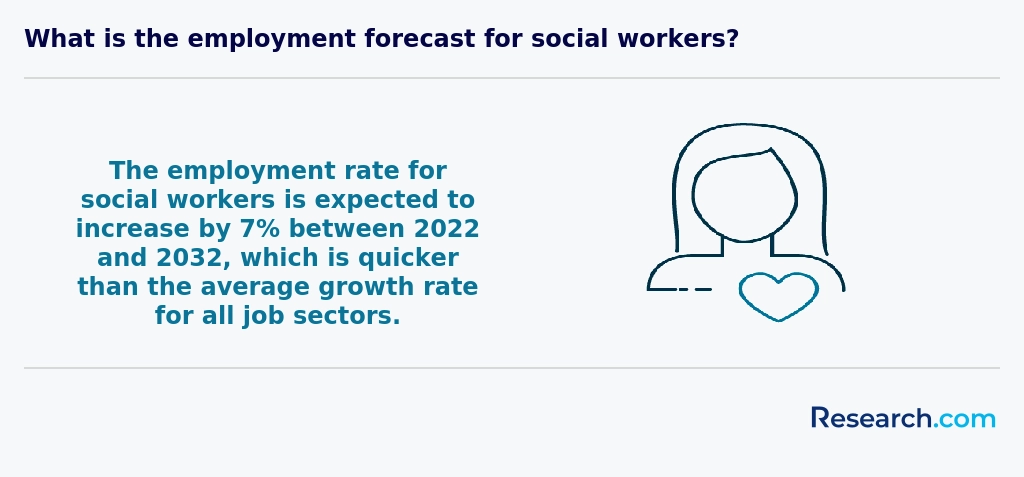
- The social work job market in Atlanta is growing at about 10% over the next decade, which is faster than the national average.
- Starting salaries in Atlanta average around $45,000 for BSW holders and $55,000 or more for those with an MSW.
- Licensing requires passing a national exam and completing an accredited MSW program, regulated by the Georgia Composite Board.
- Social work programs in Atlanta include mandatory field placements that count toward licensure and offer practical experience.
How long does it take to complete social work degree in Atlanta?
Completing a social work degree in Atlanta typically depends on the level of education and whether you study full-time or part-time. Many graduates from popular schools like Georgia State University find that earning a Bachelor of Social Work (BSW) full-time usually takes about four years. This timeframe includes essential hands-on internships, which build confidence in real-world community settings across the city.
For those pursuing a Master of Social Work (MSW), the timeline varies more. Full-time students often complete their MSW in two years, while accelerated programs allow graduates to finish in as little as one year. Part-time options extend this to three years or more, helping students balance work and family life-something many Atlanta-based learners value deeply.
Doctoral degrees require a longer commitment, generally three to five years beyond the MSW. Graduates aiming for research or advanced clinical roles appreciate how Atlanta's accredited programs align with state licensure, making the process clear and achievable.
Licensure and Certification Requirements
After completing a CSWE-accredited social work program in Atlanta, graduates must pursue state licensure to practice professionally. In Georgia, the first step is obtaining the Licensed Master Social Worker (LMSW) credential by passing the ASWB Foundation Exam and completing a minimum of 2,000 hours of supervised fieldwork under an LMSW or LCSW supervisor. Upon earning the LMSW, candidates who wish to provide clinical services must accumulate an additional 3,000 hours of post-master’s supervised experience and pass the ASWB Clinical Exam to qualify for the Licensed Clinical Social Worker (LCSW) designation. Key requirements and steps: • Degree Verification: Submit official transcripts confirming graduation from a CSWE-accredited Master of Social Work program. • Exam Application: Apply through the Georgia Composite Board of Professional Counselors, Social Workers, and Marriage & Family Therapists, paying the application fee (approx. $100) and scheduling the ASWB exam (approx. $260). • Supervised Experience: Document all supervised hours with signed logs; supervisors must hold valid LMSW or LCSW credentials in Georgia. • Background Check: Complete a state-approved criminal background check and submit fingerprints. • Continuing Education: Renew licensure every two years by fulfilling 30 hours of continuing education credits, including ethics and clinical practice updates. To optimize both time and cost, plan your supervised placements in Atlanta’s diverse settings-hospitals, schools, and community agencies-early in your program. For comparative insights on budget-friendly social work degrees nationwide, explore Inexpensive Social Work Degree Programs Ranking in Los Angeles, CA, which highlights affordable options and financial planning strategies.
What's the difference between online and on-campus social work degree?
Online and on-campus social work degrees in Atlanta differ mainly in learning style and flexibility. On-campus students, such as those attending Georgia State or Clark Atlanta, often appreciate face-to-face interactions with professors and peers, which fosters immediate feedback and strong community connections. They benefit from structured schedules and direct access to campus resources including libraries and counseling centers, plus hands-on field placements arranged by the school that deepen practical skills.
Graduates from online programs, like the University of Georgia's MSW, share that flexibility is a key advantage. They juggle coursework around jobs or family by accessing lectures anytime, eliminating daily commutes. Still, they complete local in-person internships, ensuring real-world experience within Atlanta's communities. While online tuition can be slightly lower, students should plan for extra costs related to technology fees and travel for fieldwork.
Both formats are fully accredited by CSWE and prepare students for Georgia licensure, so choosing depends on how you balance interaction, convenience, and budget in your social work journey.
Return on Investment: Weighing Cost Against Career Earnings
When evaluating the true value of a Social Work degree in Atlanta, it’s essential to compare upfront expenses against long-term earning potential. On average, bachelor’s tuition ranges from $24,000 to $40,000 for in-state students, while private institutions may charge up to $70,000. Graduates earn a median annual salary of $64,360, with specialized roles like Community Organizers commanding up to $79,310. By dividing total program cost by the difference between post-graduation salary and entry-level wages, most students recoup their investment within 5–7 years-a relatively short payback period compared to other helping professions. Online programs can significantly lower initial outlays without sacrificing accreditation or outcomes. For prospective students comparing costs across delivery formats, see how much does an online social work degree cost and explore budget-friendly alternatives. Factoring in financial aid, scholarships, and employer tuition assistance can further shorten the break-even timeline, allowing graduates to pursue licensure (LMSW or LCSW) while minimizing debt. Beyond salary, non-monetary returns-such as job satisfaction, community impact, and opportunities for leadership-add intangible value. Social workers report high levels of professional fulfillment, and career advancement into supervisory or policy roles often brings 20–30% salary increases. When combined with stable job growth of 7–12% through 2030, the compounded benefits underscore the strong ROI of a Social Work degree in Atlanta, making it both a financially sound and socially rewarding investment.
What is the average cost of social work degree in Atlanta?
The average cost of a social work degree in Atlanta varies, but typically the median total cost is around $42,900, while in-state students often pay close to $18,487. Graduates from Georgia State University, a popular choice for social work, frequently share how accessing in-state tuition helped them manage expenses more effectively, allowing them to focus more on their studies and fieldwork. The total expenses for social work programs Atlanta include not only tuition but also fees, books, and living costs, which can add up significantly.
Private institutions like Mercer University tend to have higher tuition rates, often exceeding $20,000 per year, which can stretch the budget for many students. However, some students appreciate the smaller class sizes and personalized resources available there, which enhance their learning experience. For those seeking affordable options, exploring the cheapest social work school in georgia can be a practical step toward reducing the overall financial burden.
Many students balance their budgets by applying for scholarships, assistantships, and financial aid, which are commonly offered by Atlanta's universities. By carefully planning and leveraging these supports, social work students find they can pursue their degrees without overwhelming debt, allowing them to enter the workforce with confidence and enthusiasm.

Paying for Your Social Work Education in Atlanta, GA
To pursue a Social Work degree in Atlanta, GA, understanding the financial aspects and available resources is crucial. One of the critical factors to consider is the cost of tuition, which can vary significantly between institutions. Prospective students should also explore the various financial aid options, including scholarships, grants, and loans, designed to support their educational journey. For instance, discovering the cheapest social work school in georgia can be a significant step in making informed decisions about where to enroll. Additionally, many programs offer assistantships and internships that not only provide financial support but also valuable hands-on experience in the field. By navigating these financial considerations and resources, students can better plan their path to becoming a social worker in Atlanta, GA.
What financial aid is available to social work degree students in Atlanta?
Students pursuing social work degrees in Atlanta often tap into federal aid through FAFSA, unlocking grants like the Pell Grant which offers up to $7,395 annually without repayment. Graduates from institutions such as Georgia State University have shared how this grant significantly eased their financial burden, allowing more focus on studies.
State programs including the HOPE Scholarship and HOPE Grant provide additional partial tuition assistance for eligible Georgia residents attending local schools like Clayton State University. These supports help make pursuing a Bachelor's or Master's in Social Work more attainable.
Professional associations, particularly the Georgia Chapter of NASW, offer scholarships ranging from $1,000 to $5,000 annually to students excelling academically and committed to public service. Many social work students find these awards encouraging and motivating as they pursue careers serving underserved populations.
Work-study programs linked to universities in Atlanta combine financial support with hands-on social services experience. This practical route not only reduces education costs but builds valuable resumes for graduates entering the field.
Additionally, loan forgiveness and tuition reimbursement programs from local nonprofits and employers support graduates working in high-need Atlanta communities, providing ongoing financial relief after graduation.
Advanced Degree Opportunities in Social Work
For many social work professionals, obtaining an advanced degree not only deepens expertise but also broadens career pathways in leadership, policy-making, and specialized clinical practice. Graduates who pursue advanced studies-such as a Master's followed by a doctoral degree-often report greater job satisfaction and enhanced abilities to drive systemic change in communities. These programs emphasize rigorous research, advanced fieldwork, and strategic skills that prepare professionals for high-impact roles in government, healthcare, and non-profit sectors. In particular, professionals interested in continuing their education might consider exploring opportunities like a doctor of social work program. This pathway offers the flexibility of online learning while maintaining the academic rigor necessary to tackle emerging social issues. By integrating advanced coursework with applied research, these programs help students stay ahead of industry trends, improve their leadership abilities, and ultimately position themselves as influential advocates in the field. Whether aiming to lead policy initiatives or foster innovations in community-based programs, advanced social work degrees are a pivotal investment in professional growth and societal impact.
What are the prerequisites for enrolling in social work degree program in Atlanta?
To enroll in a social work degree program in Atlanta, students must first meet clear academic requirements. For a Bachelor of Social Work (BSW), having a high school diploma with strong coursework in English, social sciences, and math is essential. Many local colleges expect a minimum GPA around 2.5 to 3.0, ensuring readiness for the challenges ahead. Graduates from Atlanta universities often share that this foundational preparation made complex topics more approachable.
Applicants aiming for a Master of Social Work (MSW) need a completed bachelor's degree-ideally in social work or related fields like psychology or sociology. If key courses like statistics or social welfare policy are missing, these can often be completed beforehand. Local programs, such as those at renowned Atlanta institutions, highlight how students with diverse academic backgrounds can thrive.
Hands-on experience is equally important. Volunteering or interning with organizations like the Georgia Department of Human Services provides valuable insight and strengthens applications. Successful alumni recall how such experiences deepened their passion and boosted confidence during studies.
Standardized tests may be required, though many schools have embraced test-optional policies, easing entry barriers. Keeping track of financial aid options is vital since annual tuition ranges from $8,000 to $15,000 for in-state students, offering hopeful students practical pathways to funding their education in Atlanta.
Licensing Requirements in Georgia
To practice as a licensed social worker in Atlanta, you’ll follow these key steps:
- Graduate from a CSWE-accredited BSW or MSW program.
- Apply to the Georgia Composite Board for the Licensed Social Worker (LSW) credential.
- Complete 2,000 hours of supervised practice under an LCSW supervisor.
- Pass the ASWB Master’s exam to obtain your LSW.
- Accumulate an additional 3,000 supervised clinical hours post-LSW.
- Pass the ASWB Clinical exam to earn your Licensed Clinical Social Worker (LCSW) credential.
- Renew every two years with at least 30 hours of approved continuing education.
For a streamlined path to your MSW and licensure prep, explore msw accelerated programs.
What courses are typically in social work degree programs in Atlanta?
Social work degree programs in Atlanta typically include courses designed to build both strong theoretical foundations and practical skills directly relevant to local communities. Graduates from universities like Georgia State University often highlight how foundational classes, such as Human Behavior in the Social Environment, helped them understand the diverse psychological and social factors affecting Atlanta's urban population.
Courses in Social Welfare Policy provide insight into the development and impact of local and national policies, equipping students to advocate effectively for underserved groups within the city. Ethics and professional practice classes emphasize cultural competence and ethical decision-making, which graduates find essential when working in Atlanta's multicultural neighborhoods.
Research Methods courses teach students how to analyze data and evaluate social programs, a skill highly valued in Atlanta's growing nonprofit and public health sectors. Practicum experiences are particularly impactful, with students gaining hands-on training at community organizations or hospitals-these real-world placements often serve as a gateway to local career opportunities.
Electives such as gerontology or mental health practice allow students to tailor their studies to regional needs, making their education feel immediately relevant and fulfilling.
What types of specializations are available in social work degree programs in Atlanta?
Social work degrees in Atlanta typically offer specializations tailored to real-world challenges. Graduates from well-known local colleges often highlight clinical social work, which equips them to provide therapy and mental health support, a path that requires licensure and extra fieldwork. Many students appreciate child and family social work for its focus on foster care and child welfare, reflecting a rewarding, hands-on experience connecting with vulnerable populations. Others choose school social work, helping students navigate behavioral and family challenges in educational environments. Healthcare social work is another key area, where students learn to assist patients within hospital systems and coordinate community resources. Gerontological social work, aimed at elderly care, is especially relevant as Atlanta's aging population grows. For those exploring options beyond these, programs often encourage combining these focus areas with broader career goals in social services. When researching programs, it's useful to consider financial aspects and opportunities that schools in Atlanta provide, especially if interested in advancing through a doctor of social work program.
Choosing among social work specializations in Atlanta depends on career aspirations and local community needs. Graduates report that practical experiences during their studies greatly boost confidence in their chosen focus, whether it's clinical practice or community-based roles. Atlanta social work degree focus areas reflect the city's diverse environment, encouraging students to engage directly with populations facing unique urban challenges. This targeted approach helps students develop specific skill sets while contributing meaningfully to their communities.
How do you choose the best social work degree in Atlanta?
To choose the best social work degree in Atlanta, start by confirming the program's accreditation by the Council on Social Work Education (CSWE), which ensures quality and licensure eligibility. Many graduates from popular Atlanta universities find that selecting programs with focused specializations, like child welfare or mental health, aligns their studies more closely to career goals and increases satisfaction during internships.
Consider how flexible the program options are. Graduates who juggled jobs appreciated schools offering part-time, evening, or online courses, which helped balance work and study effectively. Cost is also a crucial factor; exploring affordable social work schools Atlanta offers can ease financial pressure. In this regard, understanding how much does an online social work degree cost can provide valuable budgeting insights.
Look at graduation and job placement rates too. Alumni praising programs with strong local agency partnerships often highlight improved networking and career opportunities. Faculty expertise matters as well, as engaged instructors make learning more inspiring and practical for real-world challenges in Atlanta's vibrant social work community.

What career paths are available for social work degree students in Atlanta?
Graduates with a social work degree in Atlanta can pursue diverse career paths tailored to the city's vibrant sectors. Many find rewarding roles in community social work, collaborating with nonprofits and government agencies addressing housing, substance abuse, and child welfare. Others choose clinical social work, obtaining licensure such as the Licensed Clinical Social Worker (LCSW) to provide therapy and counseling, a path well supported by supervised clinical experiences embedded in Atlanta's leading university programs. Jobs for social work degree holders Atlanta also include school social work, where professionals support student mental health and academic success, often working within the Atlanta Public Schools system. Healthcare social work is another growing field, especially at institutions like Emory University and Grady Health System, where professionals assist patients managing trauma or chronic illness. Graduates frequently appreciate the practical, community-focused training they receive locally, positioning them to meet real-world challenges confidently. For those concerned about costs, exploring options like the Inexpensive Social Work Degree Programs Ranking in Los Angeles, CA can provide insights into affordable education alternatives outside Georgia.
What is the job market for social work degree in Atlanta?
The social work job opportunities in Atlanta are expanding steadily, driven by increasing demands in mental health, child welfare, and aging population services. Graduates from local universities and colleges, known for strong social work programs, often find diverse roles in hospitals, government agencies, and nonprofit organizations within the city. Many share how internships secured through their schools provided valuable hands-on experience, making their transition into paid positions smoother and more confident.
Atlanta's social work career outlook is especially positive for those who pursue clinical licensure, such as the Licensed Clinical Social Worker (LCSW) certification. Clinical social workers often earn higher salaries and access specialized roles, underscoring the benefit of further education beyond a Bachelor of Social Work (BSW). Tuition costs in Atlanta range widely, so exploring affordable public universities helps manage educational investment while positioning oneself for stable employment.
Students interested in quick pathways to careers might also benefit from exploring best 6 month certificate programs that pay well, which some graduates supplement alongside their social work degree to enhance practical skills and employability in this competitive market.
Frequently Asked Questions About social work
Social work degree students in Atlanta can maximize their learning by engaging deeply with both academic and practical experiences. The city offers access to diverse communities and numerous social service agencies, providing valuable fieldwork opportunities integral to most accredited programs. According to the Council on Social Work Education, hands-on internships significantly enhance skill development and job readiness.
Students should seek programs accredited by the CSWE, ensuring quality education aligned with national standards. Participating in local professional organizations like the Georgia Chapter of the National Association of Social Workers helps build networks and access workshops tailored to regional social issues.
Additionally, taking advantage of Atlanta's multiple research centers and attending public lectures on social welfare topics can complement classroom learning, expanding students' perspectives on urban social challenges.
Emerging niches in social work reflect evolving societal needs, especially in urban areas like Atlanta. One growing field is geriatric social work, as Atlanta's population aged 65 and older is projected to increase by over 30% by 2030, according to the U.S. Census Bureau. Professionals in this niche support elderly clients with healthcare navigation and social services.
Another expanding area is trauma-informed care, focusing on clients affected by violence or abuse, addressing mental health with sensitivity to their experiences. Additionally, healthcare social work within hospitals and clinics is in demand, partly driven by Atlanta's status as a healthcare hub.
Finally, technology-assisted social work is emerging, with social workers using telehealth to extend services remotely. These niches offer specialized career paths for Atlanta students pursuing social work degrees.
After completing a social work degree in Atlanta, preparing for the job market involves several strategic steps. Start by obtaining Georgia's Licensed Clinical Social Worker (LCSW) credential, as it's required for many clinical positions. Internships and fieldwork completed during your degree are valuable for networking and gaining practical experience.
Atlanta has a growing demand for social workers, with the Bureau of Labor Statistics projecting a 12% growth in employment for social workers in Georgia through 2031. Utilize local job boards and professional associations such as the Georgia chapter of the National Association of Social Workers to find opportunities.
Continuing education and specialization, such as focusing on child welfare or healthcare social work, can improve employability. Building strong communication and cultural competency skills is essential given Atlanta's diverse population. Being proactive in attending job fairs and workshops hosted by Atlanta universities can also give you an edge.
Employers in Atlanta seek social work graduates equipped with strong interpersonal and communication skills. These enable effective interaction with diverse populations in various settings such as schools, hospitals, and community agencies.
Critical thinking and problem-solving abilities are highly valued, as social workers often assess client needs and develop intervention plans. Knowledge of local laws and social policies also enhances a graduate's readiness for practice in Georgia.
According to the Georgia Department of Labor, emotional resilience and cultural competence are essential due to Atlanta's diverse communities and complex social challenges. Ethics and confidentiality remain foundational skills across all roles.
Finding internships in Atlanta relevant to a social work degree involves several effective strategies. First, explore partnerships between local universities and social service agencies; many Atlanta institutions offer direct internship placements through their social work programs. Organizations like the Georgia Department of Human Services and Atlanta-based nonprofits frequently provide internships that offer practical experience.
Additionally, online databases such as Handshake and Idealist list internships specifically in Atlanta's social work field. Contacting the Georgia Chapter of the National Association of Social Workers (NASW) can also provide internship resources and networking opportunities. According to the Bureau of Labor Statistics, Atlanta's demand for social workers is growing, making internships a valuable pathway for career entry.
In Atlanta, earning a social work degree significantly enhances career mobility and advancement. According to the Georgia Department of Labor, professionals with a Bachelor of Social Work (BSW) or Master of Social Work (MSW) often access a wider range of job opportunities in healthcare, education, and government agencies.
Employers value formal social work education because it equips graduates with skills in assessment, counseling, and case management, which are essential for career growth. An MSW, in particular, qualifies individuals for clinical licensure, enabling higher-level roles and salary increases.
With Atlanta's growing social services sector, degree holders experience steady job placement and upward movement, supported by local organizations such as the Georgia Chapter of the National Association of Social Workers.
Studying for a social work degree in Atlanta equips students with skills suited for interdisciplinary roles by emphasizing collaboration with professionals in healthcare, education, and criminal justice. Atlanta's universities incorporate practical fieldwork experiences in diverse community settings, fostering teamwork across various social services.
The curriculum often includes courses on policy, mental health, and family systems, which prepare students to engage effectively in multidisciplinary teams. According to the Georgia Board of Social Work, about 60% of licensed social workers in Atlanta work in settings requiring coordination with other professionals.
This approach reflects a broader trend in U.S. social work education focused on integrative practice.
When choosing between a thesis and a non-thesis social work degree program in Atlanta, consider your career goals first. Thesis programs usually emphasize research skills and are ideal for students planning to pursue a Ph.D. or careers in policy analysis and academia.
Non-thesis options focus on practical experience through internships and coursework, preparing students for immediate social work practice. In Atlanta, many social work programs are accredited by the Council on Social Work Education (CSWE), ensuring quality education regardless of the path.
Data from the Georgia Department of Labor shows a growing demand for licensed social workers in the Atlanta area, favoring practical skills gained in non-thesis programs for direct service roles.
Also, thesis tracks often require more time to complete, which can affect cost and scheduling. Review program details carefully to match them with your professional aspirations and lifestyle.
Students based in Atlanta who wish to study social work abroad have several options through US institutions offering global exchange programs or dual degree partnerships. Many Atlanta universities, such as Georgia State University, participate in study abroad programs enabling social work students to gain international field experience while earning credits toward their degrees.
These programs often focus on comparative social welfare systems and community development. According to the Council on Social Work Education, nearly 15% of accredited programs in the US include international study opportunities.
Additionally, some programs provide internships in countries with diverse social challenges, enhancing practical learning and cultural competence.
Students should consult their school's international office or social work department to explore specific partnerships and eligibility criteria.
In Atlanta, part-time job opportunities that complement social work degree education are diverse and practical. Many students find positions at local nonprofits such as the Atlanta Mission or Trees Atlanta, where they engage directly with community service initiatives. These roles enhance skills in case management, advocacy, and client communication.
Hospitals and healthcare centers also offer part-time roles like patient advocates or community health workers, relevant to social work careers. According to the Georgia Department of Labor, these jobs often provide flexible hours suitable for students pursuing degrees.
Additionally, school-based positions as teacher assistants or youth counselors in Atlanta public schools allow students to gain experience with child welfare and educational support services.
Social work students in Atlanta benefit from a variety of networking opportunities that enhance their education and career prospects. Local universities like Georgia State University and the University of Georgia offer student organizations such as the National Association of Social Workers (NASW) chapters. These groups host events, panel discussions, and workshops connecting students with experienced professionals.
The Atlanta metropolitan area, home to a large social services sector, provides access to internships and field placements with nonprofits, government agencies, and healthcare providers. According to the Georgia Department of Labor, the Atlanta region had over 3,500 social work-related jobs in 2023, encouraging strong professional networking.
Additionally, conferences held by the Georgia Chapter of NASW attract hundreds of practitioners and educators annually, facilitating face-to-face connections and mentorship opportunities for students. These resources support career development and community engagement within Atlanta's social work field.
Alumni networks play a significant role in supporting social work degree students in Atlanta by providing valuable professional connections. These networks often host local events and workshops where students can meet experienced social workers who graduated from their programs. According to the Council on Social Work Education, networking can increase job placement success by up to 20% for social work graduates nationwide.
In Atlanta, alumni connections often help students find internships and field placements essential for licensure. Many alumni also offer mentoring, guiding students through complex areas like child welfare and community health. This support helps students navigate Atlanta's diverse social service environment effectively.
Furthermore, some Atlanta-based social work programs maintain active online alumni communities, which facilitates ongoing career advice and resource sharing. This continuous access to professional relationships is a critical asset for students preparing to enter the challenging field of social work in Georgia.
Customizing a social work degree program in Atlanta allows students to align their education with specific career goals. Many universities in Atlanta offer specialization options such as clinical social work, community practice, or policy analysis. These tracks enable students to develop expertise relevant to their interests.
Field placements play a crucial role, offering hands-on experience in local agencies, hospitals, or nonprofit organizations. Atlanta's diverse communities provide varied settings for practical learning, enhancing cultural competence.
Students can also tailor electives to focus on areas like mental health, child welfare, or gerontology. This flexibility supports professional growth in targeted sectors.
According to the Georgia Board of Social Work, about 60% of graduates who specialize report higher employment rates within six months of graduation, highlighting the value of program customization.
Social work students in Atlanta often face challenges balancing rigorous coursework with field placements. According to the Georgia Board of Social Work, practical experience is a core requirement, which can create scheduling conflicts and increase stress levels during study. Additionally, financial strain is common; the average tuition for social work programs in Atlanta ranges from $8,000 to $20,000 per year, which may require students to seek employment while studying.
Students also encounter emotional challenges related to clinical work with vulnerable populations in urban settings. Programs emphasize cultural competence due to Atlanta's diverse demographics, requiring students to develop strong interpersonal skills rapidly. Navigating licensure requirements post-graduation adds further pressure, as maintaining updated knowledge of state policies and exams is critical for career entry.
With a social work degree in Atlanta, graduates can pursue several professional certifications to advance their careers. The most common credential is the Licensed Master Social Worker (LMSW), which allows individuals to practice clinical social work under supervision. After gaining experience, many choose to obtain the Licensed Clinical Social Worker (LCSW) certification, authorizing independent practice.
Additional certifications often pursued include Certified School Social Worker (C-SSW) and certifications in specialized areas like gerontology or substance abuse.
Georgia's State Board of Social Work requires passing the Association of Social Work Boards (ASWB) exam for licensure. According to Georgia's Department of Labor, social work jobs in Atlanta are projected to grow 12% through 2030, highlighting strong demand for certified professionals.
Writing a winning application for a social work program in Atlanta begins with thorough research. Applicants should clearly demonstrate their understanding of social issues relevant to the Atlanta area, such as poverty and urban development. Schools like Georgia State University emphasize community engagement and practical experience.
Highlighting volunteer work or internships in local social service agencies strengthens your application. According to the Council on Social Work Education, programs often look for evidence of commitment to social justice and cultural competence.
Personal statements must be concise and tailored, explaining your motivation for studying social work in Atlanta specifically. Including knowledge about Atlanta's diverse population and social challenges shows preparation and dedication. Lastly, strong letters of recommendation from professionals familiar with your work in the community can enhance your candidacy.
Social work as a profession carries significance worldwide, but perspectives can vary depending on cultural and structural differences. In the United States, including Atlanta, the focus is often on evidence-based practices addressing social justice, mental health, and community development. According to the National Association of Social Workers, approximately 700,000 licensed social workers serve in diverse roles across the country.
Globally, social work careers emphasize advocacy, human rights, and policy reform but may face differing levels of institutional support and certification standards.
For students in Atlanta, understanding these global perspectives can enrich their approach, especially as local programs incorporate international case studies and collaborative projects with agencies such as the World Health Organization. This prepares graduates for both domestic and cross-cultural challenges in social work.
Gaining practical experience while studying for a social work degree in Atlanta is essential for career readiness. Many accredited programs in the area require supervised field placements or internships. These opportunities allow students to work directly with diverse populations in settings such as hospitals, schools, and community agencies. According to the Georgia Board of Social Work, completing at least 900 hours of field experience is standard for licensure eligibility.
Students can also seek part-time roles or volunteer positions at local nonprofits like the Atlanta Mission or United Way. These provide valuable hands-on skills and networking advantages. Additionally, universities often have partnerships with local organizations to facilitate placements, ensuring students meet educational and professional standards.
Choosing the right concentration within a social work degree program in Atlanta involves considering your career goals and the community needs. Atlanta offers diverse options such as clinical social work, school social work, and macro social work focused on policy and advocacy.
According to the Georgia Board of Social Work, there is a growing demand for clinical social workers, fueled by the city's expanding healthcare and mental health services sectors. Graduates with a clinical focus often pursue licensure as Licensed Clinical Social Workers (LCSW).
Additionally, analyzing job growth projections by the U.S. Bureau of Labor Statistics shows that social workers specializing in child and family services remain in high demand locally.
Consider available internships and partnerships with Atlanta agencies, as hands-on experience can influence your concentration choice.
Related Social Work Rankings for Nearby Cities
- 2027 Best Social Work Degree Programs Ranking in Tuscaloosa
- 2027 Best Social Work Degree Programs Ranking in Nashville
- 2027 Best Social Work Degree Programs Ranking in Tallahassee
- 2027 Best Social Work Degree Programs Ranking in Lexington
- 2027 Best Social Work Degree Programs Ranking in Louisville
- 2027 Best Social Work Degree Programs Ranking in Jackson
- 2027 Best Social Work Degree Programs Ranking in Cincinnati
- 2027 Best Social Work Degree Programs Ranking in New Orleans
- 2027 Best Social Work Degree Programs Ranking in Indianapolis
- 2027 Best Social Work Degree Programs Ranking in Columbus
Top Trending Social Work Rankings
See What Experts Have To Say About Studying Social Work
Read our interview with Social Work experts

References
- 2022 Guide to Social Work Scholarships and Financial Aid https://www.onlinemswprograms.com/resources/scholarships-financial-aid-guide/
- Career stages | BASW https://basw.co.uk/careers/career-stages
- Social Work Networking Nights - National Association of Social Workers https://www.naswma.org/page/218
- Become a Social Worker in Georgia https://socialworklicensemap.com/social-work-licensure/become-a-social-worker-in-georgia/
- The Evolution of Online Social Work Education https://www.socialworktoday.com/news/enews_0317_1.shtml
- Social Work https://al.edu.pl/en/studies/english-courses-for-erasmus-students/social-work
- How To Become A Social Worker | Psychology.org https://www.psychology.org/social-work/how-to-become/
- Surviving your social work degree placement - Community Care https://www.communitycare.co.uk/content/news/surviving-your-social-work-degree-placement
- MSW Specializations: Clinical, Macro, Advanced Generalist Programs https://www.masterofsocialwork.com/resources/msw-specializations
- Social work certificates | edX https://www.edx.org/certificates/social-work-certificates


