2027 Most Valuable Online Bachelor's in Social Work Degree Programs Ranking in the Northeast

Co-Founder and Chief Data Scientist
Choosing the right online bachelor's degree in social work can shape your future and impact the lives of many. If you're in the Northeast and exploring your options, this article is made just for you.
We present the 2027 Most Valuable Online Bachelor's in Social Work Degree Programs Ranking in the Northeast, developed by the Research.com team of data scientists. This carefully crafted ranking helps you identify programs that offer the best value and quality.
Reading this guide will empower you to make informed decisions and take a confident step toward a rewarding career in social work.
Key benefits of getting online social work degree in the Northeast
- Salary: Graduates with a social work degree in the Northeast can earn competitive salaries, with Social Workers making a mean annual wage of $68,800 and Youth Workers earning up to $83,400, reflecting strong earning potential.
- Career Paths: Social work graduates from Northeastern universities often pursue roles such as Child Welfare Specialists or Community Organizers, enjoying diverse and rewarding career opportunities helping their communities.
- Online Degree Benefits: Earning a social work degree online from a reputable Northeast institution offers flexibility and convenience, making it easier to balance studies with work or family while still gaining quality education.
- 2027 Most Valuable Online Bachelor's in Social Work Degree Programs Ranking in the Northeast
- What can I expect from online social work degree in the Northeast?
- Where can I work with online social work degree in the Northeast?
What can I expect from online social work degree in the Northeast?
Online social work degrees in the Northeast typically cost between $15,000 and $35,000 for a Bachelor of Social Work (BSW) and $20,000 to $45,000 for a Master of Social Work (MSW), depending on the institution and residency status. Graduates from programs at well-regarded universities in states like New York and Massachusetts often report these costs but emphasize the value of flexible schedules and access to strong academic support.
One graduate from a prominent Massachusetts college described balancing coursework with family life, appreciating that tuition rates were reasonable compared to in-person equivalents. Another from a New York-based program found that the investment felt manageable thanks to the availability of federal aid and state-specific grants tailored for social work students. These students highlight how the tuition cost aligns with their career goals, especially given the solid preparation for licensure in the Northeast's competitive job market.
When budgeting, factor in additional expenses such as technology fees, materials, and local field placements. Many programs in the region offer virtual simulations, reducing travel costs and making licensure requirements easier to meet without leaving home.
Where can I work with online social work degree in the Northeast?
Graduates with an online social work degree in the Northeast often find themselves working in hospitals, outpatient clinics, and rehabilitation centers where they help patients navigate complex healthcare systems and connect with vital community resources. For example, those who studied through well-known schools like Boston University or Rutgers University have shared how their clinical placements in major healthcare facilities prepared them for these roles, boosting their confidence in fast-paced environments.
Many graduates also pursue child welfare careers, working for state agencies such as New York's Office of Children and Family Services. Here, having an LMSW license-often attainable through these online programs-is essential for providing protective services or managing foster care cases.
Others find rewarding paths in schools or community nonprofits, supporting students' mental health or helping adults facing housing instability. Graduates frequently mention the satisfaction of seeing direct impacts in neighborhoods around Philadelphia or Hartford, where nonprofit agencies thrive.
Finally, some choose private practice, using clinical licensure gained through programs at universities like Columbia to offer counseling, creating fulfilling, independent careers that bring personal connection and growth.
- Online social work degrees in the Northeast come from accredited universities that meet licensure standards.
- The total cost for an online bachelor's degree in social work ranges from $25,000 to $50,000, varying by institution type and residency.
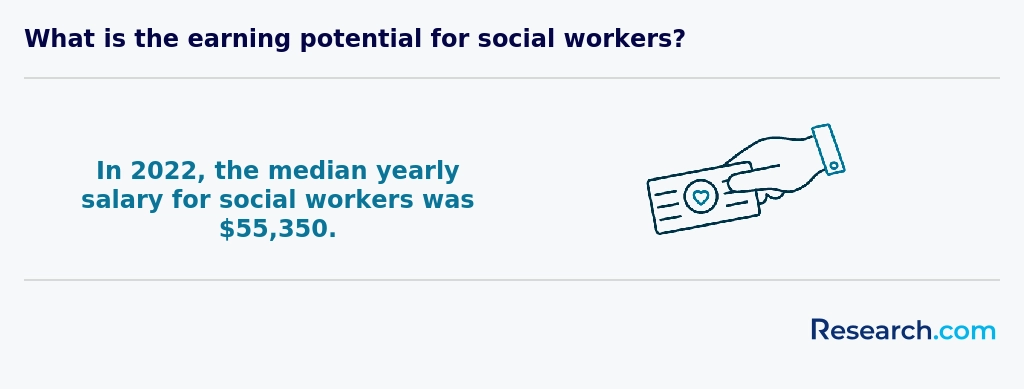
- Starting salaries for social work graduates in the Northeast range from $45,000 to $52,000 annually, with experienced social workers earning over $70,000.
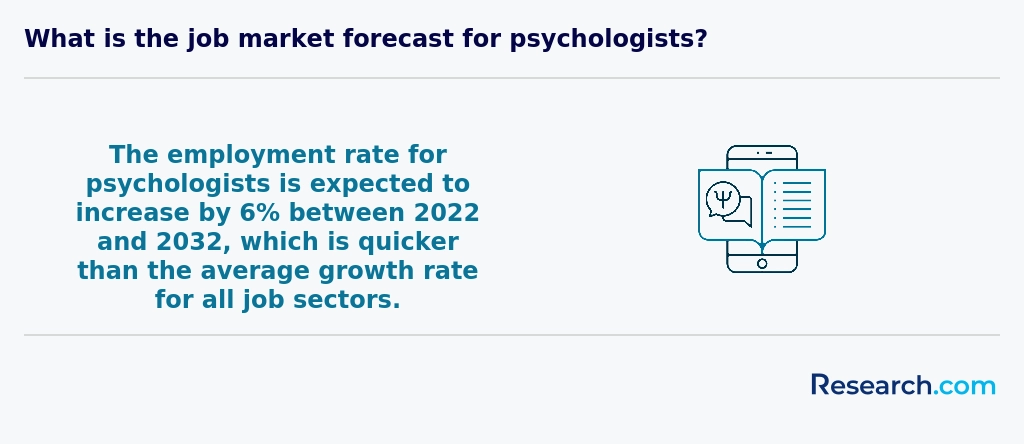
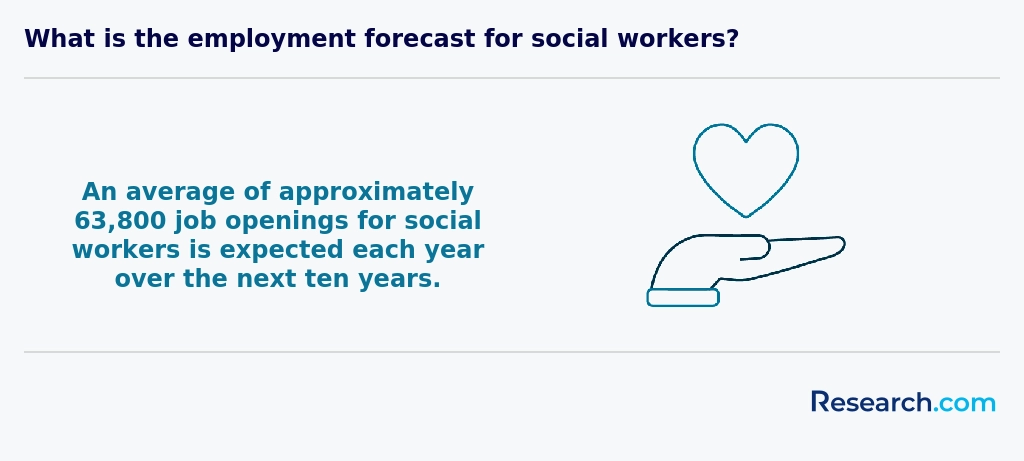
- Employment for social workers in the region is projected to grow about 10% through 2030, faster than the national average.
- Programs usually require local field placements or internships essential for licensure and practical experience.
- Licensing requirements differ by state, impacting program choice and post-graduation career options.
Becoming a licensed social worker in the Northeast ensures you can practice independently and access advanced roles. Requirements vary by state but generally include education, supervised experience, and passing the Association of Social Work Boards (ASWB) exam.
- Entry-level license (LSW/ASW): CSWE-accredited BSW, 400–1,000 supervised hours, ASWB bachelor’s exam
- Clinical license (LCSW): MSW degree, 2,000–3,000 supervised clinical hours, ASWB clinical exam
Check your state board for specific application procedures, timelines, and fees. For clinicians aiming to meet these requirements, accredited msw programs provide the education and credentials needed for LCSW eligibility.
Choosing an accredited online social work program in the Northeast is crucial for those who aspire to make a meaningful impact in their communities. Accreditation by the Council on Social Work Education (CSWE) not only ensures a high-quality curriculum but also prepares students for licensure exams and enhances their job prospects. Many graduates from accredited programs, such as those listed as a top online social work school in pennsylvania, often report feeling more confident in their abilities and more competitive in the job market. When selecting a program, it's essential to consider factors such as curriculum, specializations, field experience, flexibility, and support services to ensure that the program aligns with one's career aspirations and personal goals. By prioritizing accreditation and these key factors, prospective students can set themselves up for success in a rewarding career in social work.
The average total expenses for social work degree online Northeast students face hover around $39,360, whether in-state or out-of-state, making it a practical benchmark for budgeting. Graduates from well-known institutions in the region often share that this median cost aligns closely with their out-of-pocket tuition, excluding additional living or material expenses. For instance, students attending public universities in states like Massachusetts typically find in-state tuition affordable, with some paying slightly less than the average, while private colleges in New York can push costs above typical figures. This range reflects the varied tuition models but also the relative transparency available for planning ahead.
Cost-conscious students appreciate understanding that this average includes most mandatory fees, although extra expenses can arise from practicum or fieldwork which are essential parts of social work education. In real-life terms, a student balancing studies with family noted that while online tuition was predictable, supervising field experience sometimes added unexpected travel costs. Still, such students highlight that these challenges are outweighed by the flexibility and quality education offered, especially as programs frequently offer scholarships or financial aid targeted to social work disciplines.
When considering average online social work degree cost Northeast institutions, it's wise to closely review each program's fee structure and financial support options. Popular choices like the University of Massachusetts offer competitive rates and strong reputations, making them appealing to those seeking value. Prospective students should also explore resources such as CSWE and NCES databases for up-to-date tuition figures and keep in mind how local support services can ease expenses.
To move forward confidently with your social work career planning, you might also want to review pathways like how to become a neuropsychologist, which can broaden your professional scope after earning your degree.
For many social work graduates, understanding the steps toward licensure and certification is as essential as the academic curriculum itself. Earning an online degree in social work not only provides the theoretical background and practical skills needed, but it also sets the stage for successfully meeting state-specific licensure requirements. Typically, this process involves completing a set number of supervised fieldwork hours, passing a national examination, and fulfilling any additional state mandates. Prospective students should investigate the specific certification pathways in their chosen state, as these details often influence curriculum design and internship opportunities. Additionally, those considering advanced graduate studies might explore programs such as the best rated masters degrees in social work online, which frequently integrate licensure exam preparation and specialized coursework. By planning early and aligning your academic goals with licensure requirements, you can enhance your professional readiness and ensure a smoother transition into your social work career.
After completing an online Bachelor of Social Work (BSW), graduates must pursue state licensure to practice professionally. Most Northeastern states require applicants to: • Hold a CSWE-accredited BSW or MSW. • Pass the ASWB Bachelor’s (for BSW) or Master’s/Clinical (for MSW) examination. • Complete supervised practice hours, typically ranging from 1,000 to 3,000 hours over one to two years, depending on state regulations. For example, New York mandates 1,600 supervised hours and successful completion of the ASWB Bachelor’s exam for an LBSW credential, while Massachusetts requires 2,000 hours. Following BSW licensure, professionals often advance to an MSW program and aim for the Licensed Master Social Worker (LMSW) or Licensed Clinical Social Worker (LCSW) designation, which involves additional exam levels and 3,000 hours of post-master’s supervised clinical experience. To ensure affordability without sacrificing accreditation, students can compare cost-effective CSWE-accredited programs-explore our Low Cost Social Work Degree Programs Ranking in Iowa for insights on balancing quality and cost. Finally, maintaining licensure typically requires ongoing continuing education units (CEUs), with most jurisdictions mandating 20–30 CEUs every two years to stay current on best practices and ethical standards.
To enroll in an online social work degree in the Northeast, start by ensuring you have a high school diploma or GED. Many graduates from universities like Boston University or Rutgers recall how submitting strong transcripts-especially in psychology or social sciences-helped showcase their academic readiness. If you're transferring or entering a bachelor's completion program, gather your college transcripts to highlight relevant courses. This can often shorten your time to degree completion.
Expect to meet a minimum GPA requirement around 2.5 to 3.0, a standard at institutions such as the University of Connecticut's online program. Some schools might ask for essays expressing your passion for social work; former students often say these personal statements were key in reflecting their dedication and values aligned with the profession.
Practical experience matters too. Many admittees share how volunteer work or internships in social service agencies demonstrated their real-world understanding, strengthening their applications. This step is common in programs accredited by the Council on Social Work Education (CSWE) throughout the Northeast.

Earning a degree is only the first step toward practicing social work professionally; graduates must navigate state-specific licensure processes to secure credentials such as Licensed Social Worker (LSW) or Licensed Clinical Social Worker (LCSW). In the Northeast, each state board mandates passage of the Association of Social Work Boards (ASWB) exam, completion of supervised field hours, and adherence to continuing education requirements. 1. ASWB Examination • Bachelor’s-level graduates typically take the ASWB Bachelor’s exam to practice under supervision. • Master’s-level candidates must pass the ASWB Master’s clinical exam for advanced licensure. • Exam prep resources, including practice tests and study guides, are widely available online. 2. Supervised Experience • States require 2,000–4,000 hours of post-graduate supervised clinical work. • Supervision must be conducted by a board-approved LCSW or equivalent. • Internships completed during your BSW or MSW often count toward these hours. 3. State Board Applications • Submit official transcripts, exam scores, and verification of supervised hours. • Pay application and background check fees, which vary by state. • Track application status through each state’s licensing portal. 4. Continuing Education and Renewal • Licensed social workers in the Northeast must complete 20–30 hours of continuing education every renewal cycle (typically biennial). • Courses on ethics, clinical interventions, and cultural competence are popular options. • Failure to renew on time can result in fines or license suspension. 5. Advanced Credentials and Academic Roles • Practitioners aiming for supervisory or academic positions may pursue a doctoral degree. Many turn to a low cost online doctorate in social work to deepen their expertise and expand career opportunities. • Doctoral credentials also enhance eligibility for teaching at universities and leading research initiatives. Understanding and meeting licensure requirements ensures that online social work graduates can transition smoothly into professional roles across healthcare, education, and community services throughout the Northeast.
Online social work degrees in the Northeast typically include core courses essential for building a solid foundation. Expect to study human behavior and the social environment, which helps you understand how psychological and cultural factors affect individuals and communities. Graduates from well-known colleges in Boston and New York often share how this course clarified real-world challenges they faced during internships.
Another key course is social welfare policy and services, focusing on state-specific policies in the Northeast. For example, students at universities in Philadelphia highlight how learning local policies prepared them to advocate effectively for clients facing homelessness or immigration issues.
- Research methods blending qualitative and quantitative approaches, teaching how to evaluate social programs critically
- Practical social work with individuals, families, and groups, emphasizing real intervention skills
- Field internships supervised by licensed social workers, giving hands-on experience in urban settings
- Diversity and multicultural social work, addressing the region's varied populations
Electives allow you to specialize in areas like mental health or child welfare, tailoring your education to your career goals while navigating the unique urban social challenges of the Northeast.
Focus first on finding a CSWE-accredited program that complies with Northeast state licensure rules to ensure your degree is recognized where you live. Graduates from well-known colleges in the region often praise programs balancing rigorous academics with practical fieldwork, which is crucial since internships usually require local agency involvement. For instance, many appreciate how these programs handle placement logistics, allowing asynchronous online study while ensuring meaningful hands-on experience.
Next, consider tuition costs closely. Affordable social work programs Northeast vary widely-from public universities offering lower in-state rates to private colleges with higher fees but more scholarships. Graduates often suggest calculating total expenses, including materials and field placement travel, before committing. Exploring financial aid or assistantships can make a big difference in managing costs effectively.
Lastly, investigate career outcomes and flexibility. Graduates highlight programs connected to local employers or agencies, improving job prospects in healthcare, education, or community organizations. Some students find value in blended schedules that accommodate full-time work or family. If you want to understand related social service fields, check out the benefits of a criminology career benefits as an example of alternative public service paths.
Graduates with an online social work degree in the Northeast have diverse career opportunities directly aligned with regional needs. Many find roles as healthcare social workers in notable hospital networks across New York and Massachusetts, helping patients manage diagnoses and treatment plans. Others pursue child and family social work, supporting vulnerable populations through foster care and counseling, a path reinforced by steady demand from agencies like the New York State Office of Children and Family Services. Another growing option is substance abuse social work, especially in states such as Connecticut where funding for addiction programs has increased. School social work also attracts graduates eager to support youth mental health in local districts, a vital role emphasized by the National Association of Social Workers. For those weighing their options, exploring school psychology graduate programs can provide complementary expertise. These career opportunities for online social work degree Northeast are bolstered by practical training from well-regarded universities, ensuring graduates feel both confident and prepared as they enter the field.
2027 Most Valuable Online Bachelor's in Social Work Degree Programs Ranking in the Northeast
Investing in your education is a significant decision, and the Research.com team recognizes the importance of providing reliable information to support that choice. With this in mind, we have carefully developed the "2027 Most Valuable Online Bachelor's in Social Work Degree Programs Ranking in the Northeast." Our dedication to quality, credibility, and accuracy guided every step in assembling this ranking. We relied on multiple trusted data sources to ensure a thorough assessment of these programs:
By reviewing this ranking, readers will access essential insights to identify the most valuable online social work programs in the Northeast, empowering them to make well-informed educational decisions. For a detailed explanation of our approach, please visit our Research.com methodology page.


# 3 position
Thomas Edison State University
Bachelor of Social Services

Frequently Asked Questions About social work
Online social work degree students in the Northeast can maximize their learning by engaging actively with virtual resources and internships. Many accredited programs emphasize fieldwork, which is vital for hands-on experience. The Council on Social Work Education (CSWE) requires field placements, often available locally, allowing students to connect theory with practice.
Additionally, students should utilize the vast online libraries and databases provided by institutions. According to the National Association of Social Workers (NASW), networking through regional chapters in states like New York and Massachusetts can enrich professional growth.
Balancing study with local volunteer opportunities also deepens understanding of community-specific social issues.
The social work field is evolving with new specializations that address complex social challenges. In the Northeast, emerging niches include geriatric social work, driven by the region's aging population. According to the U.S. Census Bureau, states like New York and Massachusetts report significant growth in residents aged 65 and older, increasing the demand for specialists focusing on elderly care.
Another fast-growing area is healthcare social work, particularly within mental health and addiction services. The Substance Abuse and Mental Health Services Administration highlights rising behavioral health cases in the Northeast, creating opportunities for social workers skilled in integrated care.
The criminal justice system also offers emerging roles, involving rehabilitation and community reentry programs. These niches reflect nationwide trends documented by the National Association of Social Workers but are particularly relevant in states with large urban centers. Online social work degrees increasingly prepare students for these specialized roles through flexible curricula.
Graduates with an online social work degree in the Northeast can enhance their job prospects by obtaining licensure, such as the Licensed Social Worker (LSW) or Licensed Clinical Social Worker (LCSW), required in most states including New York and Massachusetts. Networking through regional professional associations like the New England Society for Clinical Social Work also supports career growth. Additionally, gaining internships or volunteer experience in local agencies is important, as employers often prioritize practical skills. According to the U.S. Bureau of Labor Statistics, social work employment in the Northeast is projected to grow by about 10% through 2031, underlining the demand for qualified professionals in this field.
Employers in the Northeast prioritize several key skills when hiring social work degree graduates. Strong communication abilities are essential, as social workers must effectively engage with diverse populations. Critical thinking and problem-solving skills help professionals address complex client needs and navigate local social service systems. Knowledge of cultural competency is especially important in the Northeast, which features diverse communities. Data from the Bureau of Labor Statistics shows employers value graduates who understand evidence-based practices and can apply ethical decision-making. Additionally, skills in crisis intervention and case management enhance employability in settings like hospitals and community agencies.
Finding internships in the Northeast for social work students requires targeted research and networking. Many universities partner with local agencies, hospitals, and non-profits to offer placements. The Council on Social Work Education (CSWE) mandates supervised fieldwork, so accredited programs often provide structured internship support.
Additionally, state agencies in New York, Massachusetts, and Pennsylvania frequently post openings for social work interns. Websites like Handshake and the National Association of Social Workers (NASW) chapters in the Northeast can list opportunities tailored to your region.
According to the Bureau of Labor Statistics, social work employment growth in the Northeast remains steady, increasing demand for internships and entry-level roles.
Obtaining an online social work degree in the Northeast significantly enhances career mobility and advancement opportunities. Accredited programs often meet state licensure requirements, which is essential for becoming a Licensed Social Worker (LSW) or Licensed Clinical Social Worker (LCSW). According to the National Association of Social Workers, Northeast states like New York and Massachusetts show consistent demand for licensed professionals, offering higher median salaries than in other regions.
Flexible online degrees allow working professionals to gain credentials without leaving their jobs, facilitating promotions or transitions into specialized roles such as healthcare or school social work. The Bureau of Labor Statistics projects a 12% job growth for social workers in the Northeast through 2030, indicating favorable career prospects.
Additionally, many programs provide networking opportunities and field placements within local agencies, further supporting career advancement across urban centers like Boston and Philadelphia.
Studying for a social work degree in the Northeast offers strong preparation for interdisciplinary roles by emphasizing collaboration across health, education, and legal sectors. Many online programs in this region integrate curriculum aligned with the Council on Social Work Education (CSWE) standards, which encourage teamwork skills vital to multidisciplinary environments.
The Northeast has some of the highest concentrations of healthcare facilities and social service agencies in the US, creating ample field placement opportunities. According to the Bureau of Labor Statistics, New York and Massachusetts employ over 40% of regional social workers, often in medical or school settings where interdisciplinary approaches are essential.
Courses commonly cover topics such as mental health, public policy, and community resources, building knowledge useful for working alongside professionals in nursing, education, and law enforcement. This comprehensive foundation equips graduates to function effectively on teams addressing complex client needs.
Choosing between a thesis and a non-thesis online social work degree in the Northeast involves considering your career goals and learning preferences. Thesis programs emphasize research skills, ideal for those aiming for clinical licensure or graduate studies. Non-thesis options focus on practical experience and coursework, often appealing to professionals seeking direct entry into social work roles.
Data from the Council on Social Work Education indicates that around 40% of social work students in the Northeast choose thesis tracks, reflecting the region's emphasis on academic research. Meanwhile, non-thesis programs provide flexibility for working adults balancing career and education.
Evaluate your long-term plans and your readiness for academic research when deciding which path fits best.
Students based in the Northeast interested in studying social work abroad have several pathways through online degree programs with international components. Many accredited schools in this region offer virtual courses that include global social work perspectives and sometimes provide optional study abroad experiences. For example, programs accredited by the Council on Social Work Education (CSWE) often emphasize cultural competency relevant to international contexts.
The University of New Hampshire and Syracuse University are known for integrating global social work issues into their curricula, enabling students to gain international knowledge without leaving home. Additionally, some institutions collaborate with foreign universities for exchange programs, though these opportunities remain limited and competitive.
According to the National Association of Social Workers (NASW), around 40% of social work students in the Northeast express interest in international practice, highlighting a growing demand for such programs. However, fully online degrees with direct study abroad options are still emerging in this field. Students should verify program accreditation and consult advisors regarding global learning opportunities.
In the Northeast, part-time job opportunities that complement social work degree education often include roles such as case aides, behavioral health technicians, and community outreach assistants. According to the Bureau of Labor Statistics (BLS), the demand for social and human service assistants in the region is expected to grow by 14% through 2032, indicating strong employment prospects.
Many students find part-time positions in local nonprofit organizations, healthcare facilities, and government agencies. These roles allow hands-on experience with client advocacy, crisis intervention, and support services crucial to social work practice. Positions in school counseling or juvenile justice programs can also provide valuable insights into youth services in states like New York and Massachusetts.
Balancing part-time work with online studies helps students apply theoretical knowledge in real-world settings while building essential professional networks in the Northeast social services field.
Online social work students in the Northeast benefit from diverse networking opportunities despite remote study formats. Many accredited programs partner with local agencies for virtual internships, enhancing professional connections. Organizations like the New England Chapter of the National Association of Social Workers (NASW) offer online events, workshops, and forums tailored to regional practitioners and students. According to NASW data, over 10,000 social workers in the Northeast engage in these activities annually, providing broad access to mentorship and job leads.
Additionally, universities often host virtual career fairs and alumni networking events, helping students connect with employers across New York, Massachusetts, and nearby states.
Alumni networks play a significant role in supporting online social work degree students in the Northeast. These networks provide valuable professional connections, facilitating job placement and internship opportunities within the region's diverse social service agencies. According to the National Association of Social Workers (NASW), nearly 70% of social workers in the Northeast find employment through networking, highlighting the practical benefits of active alumni communities.
In addition to career support, alumni groups often host workshops and webinars that keep current students updated on regional policy changes and best practices specific to Northeastern states. This continuous learning environment helps graduates remain competitive in licensure exams and meet continuing education requirements mandated by state boards.
Furthermore, alumni networks foster mentorship programs where experienced social workers guide students through challenges unique to the Northeast's urban and rural settings, improving graduate readiness and job retention rates.
Customizing an online social work degree program in the Northeast allows students to align education with specific career goals. Many universities offer elective courses focusing on areas like clinical social work, community organizing, or policy advocacy. This flexibility lets students develop expertise relevant to their interests.
Northeastern schools often provide field placement options near students' communities, offering practical experience in local agencies. This hands-on training is key for licensure and employment. Additionally, some programs include specializations in mental health or child welfare, which are in high demand in the region according to the Bureau of Labor Statistics.
Students should review each program's curriculum and practicum choices to tailor their studies effectively.
Online social work students in the Northeast often face challenges related to balancing rigorous coursework with professional and personal responsibilities. Given that many students are working adults, time management becomes critical. According to the Council on Social Work Education, approximately 40% of social work students nationwide are part-time, which reflects the Northeast trend as well.
Students may also experience limited access to local internships or practicum placements, essential components of accreditation by the Council on Social Work Education. Navigating these requirements online can be difficult, especially in densely populated urban areas like New York or Philadelphia, where competition for placements is high.
Technical issues and the need for reliable internet also pose barriers, as highlighted by recent surveys from the National Association of Social Workers. Finally, students sometimes report feeling isolated due to the lack of in-person interaction, which may impact skill-building in such a relational field.
Graduates with an online social work degree in the Northeast can pursue several professional certifications to advance their careers. The most common credential is the Licensed Social Worker (LSW), which is required to practice clinically in many states such as New York, Massachusetts, and New Jersey. Beyond this, the Licensed Clinical Social Worker (LCSW) certification allows for independent practice and is highly respected.
Other valuable certifications include the Certified School Social Work Specialist (C-SSWS) for those interested in educational settings. According to the National Association of Social Workers, demand for LCSWs in the Northeast is expected to grow by 12% through 2030. State-specific licensing requirements often involve supervised clinical experience and passing the ASWB exam.
To write a winning application for an online social work program in the Northeast, start by highlighting your passion for social justice and community impact. Admissions committees value clear statements of purpose that align your goals with the program's mission. Include relevant volunteer or work experience, especially in social services or healthcare, as this region's programs often prioritize practical knowledge.
Ensure your academic records reflect a solid foundation in psychology or sociology. Many Northeast schools, such as those in New York and Massachusetts, require a minimum GPA of 3.0. Strong letters of recommendation from professionals in the social work field enhance credibility. Also, tailor your resume to showcase leadership or advocacy roles relevant to underserved populations.
Finally, adhere strictly to application deadlines and submission guidelines. Refer to resources like the Council on Social Work Education for regional accreditation details to confirm program quality. Following these steps can increase your chances of acceptance in competitive Northeast online programs.
The global perspective on social work as a career reflects its growing importance in addressing complex social issues worldwide. In the United States, including the Northeast, social work education aligns with standards set by the Council on Social Work Education (CSWE), ensuring ethical and professional practice.
Social work professionals in the Northeast benefit from international collaboration, as many agencies incorporate global models of community support and mental health interventions. According to the Bureau of Labor Statistics, employment for social workers in the Northeast is projected to grow about 12% by 2031, reflecting increasing demand.
Growing multicultural awareness emphasizes cultural competence, essential in global social work practice. Programs often integrate comparative studies to prepare students for work beyond local boundaries.
Gaining practical experience is a vital part of earning an online social work degree in the Northeast. Most accredited programs incorporate field education or internships, which require students to complete supervised hours in real-world social work settings. These placements often occur at hospitals, community agencies, or government organizations within the student's local area, enabling hands-on learning despite remote coursework.
The Council on Social Work Education (CSWE) mandates a minimum of 400 field hours for bachelor's degrees, ensuring students develop essential skills. Northeastern states like New York and Massachusetts offer rich internship opportunities due to their extensive social service networks, benefiting online learners. According to the New York State Office of Children and Family Services, over 70% of social work students secure placements through university partnerships, highlighting the region's strong support for practical training.
Additionally, students can engage in virtual simulations and professional networking through online platforms, helping them build experience and connections. Academic advisors and career services at online institutions assist in aligning fieldwork with individual career goals, supporting successful practice integration.
Choosing the right concentration within an online social work degree program in the Northeast begins with assessing your career goals. Concentrations such as clinical social work, child and family welfare, or community development cater to different professional paths. According to the Council on Social Work Education, over 60% of social workers in the Northeast specialize in direct clinical practice, highlighting strong demand in this area.
Research state licensure requirements, as they vary across Northeast states like New York, Massachusetts, and Pennsylvania. Some concentrations may provide better preparation for clinical licensure exams. Additionally, consider program accreditation by the CSWE, ensuring recognized quality education tailored to region-specific social issues.
See What Experts Have To Say About Studying Social Work
Read our interview with Social Work experts

- Bachelor’s of Science in Social Work (Online Degree-Completion) (BSW) https://www.elms.edu/academics/online-ce/socialwork/
- MSW Programs in Massachusetts - Boston, Campus & Online Master of Social Work https://www.masterofsocialwork.com/states/massachusetts/
- Top Online MSW Programs - Massachusetts (MA) https://www.onlinemastersdegrees.org/best-programs/social-work-msw/massachusetts-ma/
- Affordable Online MSW Programs in New York [Cost Guide 2026] - New York Social Work Degrees https://newyorksocialwork.org/msw-programs/online/
- Master of Social Work https://online.une.edu/master-of-social-work/
- Social Work https://northeast.edu/degrees-and-programs/social-work
- Social Work https://www.ntcc.edu/socialwork
- Best Affordable Master's Degree In Social Work https://www.psychology.org/social-work/best-affordable-masters-programs/
- Global Perspectives in Social Work https://www.gu.se/en/study-in-gothenburg/exchange-student/courses/sw1118
- 2022 Guide to Social Work Scholarships and Financial Aid https://www.onlinemswprograms.com/resources/scholarships-financial-aid-guide/