
2027 Easiest Online Social Work Degree Programs Ranking in the South

Co-Founder and Chief Data Scientist
If you're considering a social work degree in the South, finding the right online program can be overwhelming. This article introduces the 2027 Easiest Online Social Work Degree Programs Ranking in the South, created by the Research.com team of data scientists. It's designed to help you make confident, informed decisions about which programs fit your needs.
Social work is a rewarding career that makes a real difference. By exploring these accessible programs, you're taking a positive step toward a meaningful future helping others. Let this guide simplify your journey.
Key benefits of getting online social work degree in the South
- Graduates with a social work degree in the South can expect attractive salaries, such as $68,800 annually for Social Workers and up to $83,400 for Community Organizers or Youth Workers, helping secure financial stability.
- Career paths are diverse, including roles like Child Welfare Specialist and Residential Counselor, offering fulfilling opportunities to make a real difference in communities across the region.
- Online social work degrees provide flexibility and accessibility, allowing students to balance studies with work or family life while gaining credentials from respected Southern universities.
- Key benefits of getting online social work degree in the South
- What can I expect from online social work degree in the South?
- Where can I work with online social work degree in the South?
- How much can I make with online social work degree in the South?
- 2027 Easiest Online Social Work Degree Programs Ranking in the South
- Key Findings
- How long does it take to complete online social work degree in the South?
- Emerging Trends and Future Outlook in Social Work
- What's the difference between online and on-campus social work degree?
- Licensure and Certification Requirements for Social Work Graduates in the South
- What is the average cost of online social work degree in the South?
- Licensure and Certification Requirements
- What financial aid is available to online social work degree students in the South?
- Accreditation and Licensing Requirements
- What are the prerequisites for enrolling in online social work degree program in the South?
- Why Choose an Online Social Work Program in the South
- What courses are typically in online social work degree programs in the South?
- What types of specializations are available in online social work degree programs in the South?
- How do you choose the best online social work degree in the South?
- What career paths are available for online social work degree students in the South?
- What is the job market for online social work degree in the South?
- Top Trending Social Work Rankings
- See What Experts Have To Say About Studying Social Work
What can I expect from online social work degree in the South?
The average cost of an online social work degree in the South typically ranges from $7,000 to $15,000 per year at public universities, especially for in-state students. For example, graduates from well-known programs at popular Southern institutions have shared how this range made their degrees affordable without sacrificing quality or accreditation.
Many of these students appreciated the flexibility of online coursework combined with local practicum hours, which allowed them to work while studying. One graduate from a Florida-based university emphasized how financial aid and scholarships specific to social work helped ease their tuition burden, making the investment feel attainable and worthwhile.
At schools in Texas and North Carolina, students often noted that the cost-effectiveness paired with regionally accredited programs ensured their eligibility for clinical licensure and boosted their career prospects. These practical experiences create a real connection between tuition dollars and future job opportunities in healthcare or community services across the South.
Where can I work with online social work degree in the South?
Graduates from online social work programs in the South often find rewarding job opportunities in child, family, and school social work. For instance, those studying at prominent Southern institutions like the University of North Carolina or the University of Texas report landing entry-level roles in large public school systems or child welfare agencies, where they help support children's well-being and assist families facing crises.
Many MSW graduates choose healthcare social work careers in cities such as Atlanta, Miami, and Houston. Working in hospitals or nursing homes, they assist patients coping with mental health challenges or chronic illnesses. Graduates have expressed enthusiasm over their ability to make a real impact in these settings, especially when serving underserved rural communities in states like Arkansas and Mississippi.
Other popular paths include mental health and substance abuse treatment programs. Graduates often secure roles counseling clients or managing cases in states like Florida, where social worker hiring has increased significantly. Government agencies and nonprofits also hire social workers to manage welfare and senior services, offering diverse, meaningful careers throughout the Southern region.
How much can I make with online social work degree in the South?
Graduates with an online social work degree in the South typically start with salaries around $37,000 to $45,000 if they hold a Bachelor of Social Work (BSW). Those advancing their education to a Master of Social Work (MSW) and gaining licensure often see median wages rise to $60,000 or more, aligning with Licensed Clinical Social Worker (LCSW) salaries of $60,000 to $70,000. For instance, graduates from popular Southern institutions like the University of Alabama or the University of Florida have reported these ranges, reflecting local job markets.
According to U.S. Bureau of Labor Statistics data, social workers in the South earn mean annual wages near $68,800, with roles like Child Welfare Specialists and Residential Counselors earning about $59,190, while Community Organizers and Youth Workers can make up to $83,400 annually. These figures demonstrate that specializing or targeting roles beyond entry level can substantially improve earnings.
Urban areas such as Atlanta or Dallas tend to offer higher pay, often closer to the upper end of these ranges, while rural Southern locations may provide lower starting salaries but sometimes offer extra benefits or incentives. Graduates often find confidence knowing their degrees lead to stable growth prospects, with employment expected to increase roughly 9% nationally through 2031.
2027 Easiest Online Social Work Degree Programs Ranking in the South
How do we rank schools?
Investing in your education is a significant decision that can shape your future, and the Research.com team understands the importance of making informed choices. To assist prospective students in the South, we have meticulously crafted the "2027 Easiest Online Social Work Degree Programs Ranking in the South." Our commitment to quality, credibility, and accuracy is reflected in the extensive research and analysis conducted to compile this ranking.
We utilized the following reputable data sources to ensure a comprehensive evaluation of online social work programs:
By exploring this ranking, readers will gain valuable insights into the easiest online social work degree programs in the South, helping them make informed decisions that align with their goals and circumstances. For more details on our methodology, please visit our Research.com methodology page.





# 18 position
Florida State College at Jacksonville
Bachelor of Human Services


Key Findings
- Tuition for online social work degrees in Southern public universities ranges from $8,000 to $20,000 per year, while private universities may charge over $25,000 annually.
- Entry-level salaries for social work graduates in the South typically range from $40,000 to $50,000, with experienced professionals earning $55,000 to $65,000.
- Employment growth for social workers in Southern states is projected at 10% to 15% over the next decade, faster than the average for all occupations.
- Online social work programs should be accredited by the Council on Social Work Education (CSWE) to ensure eligibility for licensure and employment.
- Many programs offer practicum and internships that meet state licensing requirements and allow students to gain hands-on experience without relocating.
How long does it take to complete online social work degree in the South?
Completing an online social work degree in the South typically takes about four years for a full-time Bachelor of Social Work (BSW) program. Many Southern universities offer flexible scheduling, so motivated students can accelerate their studies to finish in three years or less by enrolling in summer courses or a heavier credit load. Graduates often share how this flexibility helped them balance family and work with their studies.
For those pursuing a Master of Social Work (MSW) online, timelines vary between one and three years. Full-time students from institutions like the University of Southern Mississippi or the University of Alabama often complete their MSW in two years. Accelerated pathways, common in Southern schools, allow graduates with a BSW to finish in as little as 12 to 18 months, ideal for those eager to enter clinical practice sooner.
Part-time students typically stretch completion to three or four years, finding that this balance suits their professional and personal lives better. Hybrid programs with limited in-person practicum hours may slightly extend timelines but provide valuable hands-on experience without sacrificing flexibility.
Emerging Trends and Future Outlook in Social Work
As the landscape of social work continues to evolve, emerging trends and future outlook insights are vital for students and professionals looking to stay ahead. Recent advancements in technology, such as teletherapy and digital case management, are reshaping how social work services are delivered, making online programs increasingly attractive for their flexibility and innovative learning platforms. Moreover, there is a growing emphasis on cultural competency and trauma-informed care, both of which are becoming central to curricula in progressive online programs. For instance, many institutions are integrating modules that focus on virtual support groups and community outreach via digital platforms, aiming to prepare graduates for a dynamic workforce that leverages modern technology to address long-standing social issues. Additionally, prospective students might wonder how much is a social work degree, as understanding the cost in relation to evolving industry demands is a crucial factor when planning a career. The South, with its unique socio-economic challenges and diverse populations, continues to offer promising opportunities for graduates who are adaptable and tech-savvy. As demand grows for innovative solutions to complex social problems, staying updated on these emerging trends can significantly enhance one's career prospects and professional growth in the field of social work.
What's the difference between online and on-campus social work degree?
Online social work degrees in the South offer flexibility that fits busy lives, especially for those balancing family, work, or personal commitments. Graduates from programs at universities like the University of South Carolina share how completing lectures and assignments remotely saved hours of commuting and allowed them to tailor study sessions around their schedules.
In contrast, on-campus programs such as those at Florida State University provide rich, face-to-face interactions with faculty and peers, fostering a sense of community and immediate feedback. Many find this environment helps sharpen critical interpersonal skills through in-person workshops and group projects.
Both formats require fieldwork, but online students often secure placements in local community agencies-an advantage for those living in smaller Southern towns, ensuring real-world experience without relocating. Costs vary; in-state on-campus tuition generally ranges from $7,000 to $12,000 annually, while online programs sometimes offer lower fees but check for out-of-state pricing differences.
Choosing between online and in-person depends on your personal routine, learning style, and career goals, with several Southern institutions providing accredited options to get you licensed and working in social work.
Licensure and Certification Requirements for Social Work Graduates in the South
After earning your degree, obtaining licensure is essential to practice social work across the Southern states. Most states require separate credentials at the bachelor’s and master’s levels: a Licensed Bachelor Social Worker (LBSW) or equivalent for BSW graduates, and a Licensed Clinical Social Worker (LCSW) for MSW holders. Requirements typically include: • Education and supervised hours: - BSW graduates must complete 1,500–3,000 hours of post-degree supervised practice under a licensed social worker. - MSW graduates pursuing LCSW licensure must log 3,000–4,000 supervised clinical hours, often over two years. • Examination: - All candidates must pass the Association of Social Work Boards (ASWB) exam at the appropriate level (Bachelor’s or Clinical). Passing scores vary by state but generally align with national benchmarks. • State board application: - Submit official transcripts, exam scores, and supervised hours documentation to the state licensing board. Processing times range from 6 to 12 weeks. • Continuing education and renewal: - Licensed social workers must complete 20–40 hours of continuing education (CE) every renewal cycle (typically biennial). CE credits may include courses on ethics, cultural competence, and trauma-informed care. State reciprocity agreements allow licensed social workers to transfer credentials between Southern states with minimal additional requirements. For example, an LCSW in Georgia may apply for licensure by endorsement in Alabama or South Carolina by submitting verification of education, exam results, and continuing education records. Prospective social workers in Texas interested in comparing program costs can explore the Most Affordable Online Social Work Degree Programs Ranking in Texas to plan for tuition and certification fees. Understanding licensure pathways early ensures a smooth transition from graduation to professional practice and enhances career mobility across the South.
What is the average cost of online social work degree in the South?
The average cost of an online social work degree in the South is approximately $12,585 for in-state students, making it one of the more affordable social work degree programs in southern states. Graduates from popular universities such as those in Texas or Georgia often share that managing tuition at this level allowed them to focus more on gaining practical experience rather than worrying excessively about financial strain. This affordability is a key factor for many who choose public institutions known for competitive online programs.
When considering the overall expenses, it's important to factor in technology fees, textbooks, and practicum costs, which can add a few thousand dollars annually. However, many students report satisfaction knowing these costs remain manageable compared to out-of-state and private university rates. For example, a graduate from a recognized program valued the flexibility and cost savings, enabling a smoother balance of work, family, and education.
Out-of-state tuition averages around $41,973, which can be a significant difference, so staying in-state often offers financial relief. Those exploring affordable social work degree programs southern states should prioritize public universities that support in-state tuition and participate in federal and state aid programs.
For students aiming for advanced degrees, the total median cost remains competitive, and some have found great value at programs listed among the top online social work school in Texas. Such programs often combine moderate tuition with strong reputations and supportive faculty, providing an encouraging path toward career growth in social work.

Licensure and Certification Requirements
After earning an online social work degree in the South, graduates must navigate state licensure to practice legally and advance their careers. Each state board of social work sets its own requirements, but most share a common pathway: complete a Council on Social Work Education (CSWE)–accredited program, accrue supervised field hours, and pass the Association of Social Work Boards (ASWB) examination. For a Licensed Bachelor Social Worker (LBSW), candidates typically need 1,000–2,000 supervised hours; for a Licensed Master Social Worker (LMSW), 2,000–3,000 hours; and for clinical practice as a Licensed Clinical Social Worker (LCSW), 3,000–4,000 post-master’s supervised hours. In addition to state exams, many practitioners pursue specialty certifications-such as Certified School Social Work Specialist (C-SSWS) or Certified Advanced Alcohol and Drug Counselor (CAADC)-to demonstrate expertise and increase job prospects. Maintaining licensure requires ongoing continuing education (CE) ranging from 20 to 40 hours every renewal cycle, depending on state regulations. Typical CE topics include ethics, cultural competence, evidence-based interventions, and trauma-informed care. It’s also important to understand professional distinctions: social workers and psychologists hold different scopes of practice and educational requirements. For more on how these roles compare, see our guide on psychologist vs licensed clinical social worker. While clinical social workers focus on case management, advocacy, and brief therapy, psychologists often emphasize psychological assessment, long-term psychotherapy, and research. Before enrolling, always verify your target state’s licensing board website for the most current requirements. Proactive planning-such as aligning your online practicum placements with state criteria-ensures a seamless transition from graduation to licensure and empowers you to deliver high-quality care across Southern communities.
What financial aid is available to online social work degree students in the South?
Many social work students in the South successfully reduce their education expenses by first applying for federal aid through FAFSA. This step unlocks grants like the Pell Grant, which can cover up to $7,395 annually without the stress of repayment. For example, graduates from the University of South Carolina often rely on this basic but crucial support while supplementing with Direct Subsidized and Unsubsidized Loans that carry manageable interest rates below 5%.
State-level grants can make a significant difference too. Texas students often benefit from the Texas Educational Opportunity Grant, while those in Georgia find hope in the HOPE Scholarships awarded for strong academic performance. Checking these localized options early boosts funding chances considerably.
Institutional scholarships also play an essential role. Graduates from schools like the University of South Carolina highlight merit-based scholarships that eased their financial burdens and motivated their commitment to underserved communities. Similarly, professional organizations such as the NASW Foundation offer scholarships and fellowships specifically for social work students across Southern states.
Loan forgiveness programs provide a hopeful path after graduation. Programs like Public Service Loan Forgiveness reward continuous work in public service roles typical in social work, enabling graduates to breathe easier after a decade of qualifying employment and payments.
Accreditation and Licensing Requirements
Ensuring your online social work degree meets regional and national standards is vital for licensure and career credibility.
- Enroll in a CSWE-accredited program, a prerequisite for most state licenses.
- Complete required supervised practicum hours (typically 900–1,200) under qualified field instructors.
- Pass the relevant ASWB exam (e.g., LMSW or LCSW) as defined by your state board.
- Meet ongoing continuing education and renewal criteria to maintain your license.
Licensing rules vary across Southern states-review specific state boards and social worker education requirements before enrolling.
What are the prerequisites for enrolling in online social work degree program in the South?
To enroll in an online social work degree in the South, you'll first need a high school diploma or equivalent for bachelor's programs, often paired with a GPA around 2.5 to 3.0. Many Southern universities, such as those known for their social work programs, have adopted test-optional policies, easing the pressure of submitting SAT or ACT scores. Graduates recall how submitting personal statements and recommendation letters helped showcase their genuine passion and understanding of social work ethics, making their applications stand out.
If you're aiming for a Master of Social Work (MSW), expect to provide a bachelor's degree transcript with a minimum GPA around 3.0, preferably including social science courses. For example, students from popular Southern colleges find that having volunteer experience in local social services often boosts their candidacy. Schools may also require background checks and immunization proof, essential for field placements aligned with Council on Social Work Education standards.
Pragmatically, meeting these prerequisites upfront helps avoid costly delays or remedial classes, keeping your educational journey smooth and focused on impact-driven learning.
Why Choose an Online Social Work Program in the South
When considering an online Social Work program, it's essential to think about the benefits of studying in the South. One of the primary advantages is the opportunity to learn from experienced instructors who have worked with diverse populations and have a deep understanding of the region's unique social work challenges. For instance, students who enroll in an online Social Work program in Texas can benefit from the expertise of faculty members who have experience working with vulnerable populations, such as immigrants and refugees. To find the top online social work school in Texas, students should research accredited programs that offer specializations in areas like child welfare, mental health, and substance abuse. By choosing an online Social Work program in the South, students can gain a comprehensive education that prepares them for a rewarding career in social work, with the flexibility to balance their studies with other responsibilities.
What courses are typically in online social work degree programs in the South?
Typical online social work degree programs in the South include core courses that build a solid foundation for professional practice. Graduates from well-known southern schools often highlight classes like Social Work Practice, where they learned the hands-on skills needed to support clients facing real challenges such as housing instability or family crises.
Human Behavior in the Social Environment breaks down psychological and social influences, helping students understand why individuals or groups act the way they do in settings like rural towns or urban centers. Social Welfare Policy courses are equally practical, teaching future social workers how to navigate laws and programs that directly affect the communities served in southern states.
- Research Methods and Statistics equip students to assess community needs and measure program success, vital for advocating evidence-based changes.
- Specialized topics-like child and family welfare or aging populations-reflect the region's unique needs, including higher poverty rates.
Students often cite field internships with local agencies as invaluable, providing supervised, real-world experience that turns theory into confident practice, preparing them to make a meaningful impact where it's needed most.
What types of specializations are available in online social work degree programs in the South?
Online social work specializations in the South typically include clinical social work, community organization, and child welfare. Graduates from prominent Southern universities often recall how clinical social work prepared them for licensure and hands-on roles dealing with mental health and family challenges unique to the region. For example, they felt empowered working directly with clients facing substance abuse or family crises.
Another specialization, community and organizational social work, trains students to create and manage programs for vulnerable populations such as those living in rural poverty or with limited healthcare access. Graduates describe this path as rewarding because it allows them to influence social services within nonprofits and government agencies effectively, helping to address regional disparities.
Child welfare and family services specialization is highly relevant given the South's high child poverty rates. Many students from respected colleges felt deeply fulfilled advocating for foster care and adoption systems that strengthen family stability locally. Other options like gerontology and school social work also reflect the region's diverse needs. When considering costs, those wondering how much is a social work degree in the South will find programs generally range from $6,000 to $20,000 annually, making these focused degrees accessible for many.
How do you choose the best online social work degree in the South?
Start by verifying that the online program you choose in the South holds CSWE accreditation. Graduates from well-known universities in states like Texas and Georgia often share that this step was crucial for meeting licensure requirements. Many found licensure easier to navigate when their degree complied with their state's specific regulations, especially since states such as Florida and North Carolina require practicum hours completed locally.
Cost is another big factor. Affordable social work degrees Southern states offer range widely, so comparing tuition at public universities helps. For example, some students appreciated how in-state rates kept expenses manageable while still accessing quality education. Look for programs that balance affordability with strong online student support and flexible schedules, especially those providing asynchronous courses that match your lifestyle.
Faculty expertise matters too. Graduates from reputable programs often highlight mentors with real-world experience who helped connect coursework to practice. Checking graduation rates and talking to alumni can guide your decision. If you're unsure about career paths, resources explaining differences like a psychologist vs licensed clinical social worker can clarify your goals.

What career paths are available for online social work degree students in the South?
Graduates with an online social work degree in the South often find diverse career paths tailored to the region's needs. For instance, many pursue licensure as a Licensed Clinical Social Worker (LCSW), enabling them to provide mental health counseling and therapy in states like Texas and Georgia. This path requires completing an MSW program and supervised clinical hours, which students from popular Southern institutions willingly embrace, appreciating the hands-on experience they gain.
Other graduates focus on roles in child welfare services, managing foster care or adoption cases, or engage in school social work to support students dealing with emotional challenges. Social work students from universities well-known in the South often share rewarding stories about making a difference in these community-centered roles. These examples highlight opportunities that arise from regional social work job opportunities involving case management and outreach.
Healthcare social work is another thriving sector. Collaborating closely with medical teams, social workers in Southern metro areas assist patients facing complex health and insurance issues. Many online social work careers in the South branch into substance abuse programs or geriatric services, fields expanding alongside the region's growing population. Those interested in affordable education options may explore the Most Affordable Online Social Work Degree Programs Ranking in Texas, which helps reduce debt during training.
What is the job market for online social work degree in the South?
Demand for social workers in the South is growing steadily, especially for those with online social work degrees who want flexible learning options without relocating. Graduates from schools like the University of South Carolina or University of North Carolina often find opportunities in Texas, Florida, and Georgia, where healthcare and community services are expanding. Many social work graduates gain roles in hospitals, mental health clinics, or child welfare agencies, and online programs help them enter this vibrant job market promptly.
Social work degree employment opportunities Southern US are improving as agencies increase hiring to meet rising needs. Graduates report feeling optimistic about their prospects, particularly when pursuing master's degrees that lead to higher salaries and licensure. Online MSW programs often align with state requirements, allowing smooth transitions into professional roles. Many students utilize affordable online options and even consider a fast track degree to accelerate timelines and reduce debt.
Frequently Asked Questions About social work
Students pursuing online social work degrees in the South can enhance their learning by actively engaging with faculty through virtual office hours and discussion boards. Accredited programs, such as those recognized by the Council on Social Work Education (CSWE), ensure quality education aligning with regional licensing requirements. According to the Southern Association of Colleges and Schools Commission on Colleges (SACSCOC), students should verify accreditation to maximize career prospects. Additionally, participating in local internships or field placements within Southern communities provides practical experience and networking opportunities. Utilizing regional professional organizations, like the Southern Chapter of the National Association of Social Workers, supports development through events and resources.
The social work field is expanding, with emerging niches gaining importance, especially in the Southern U.S. One rapidly growing area is telebehavioral health, driven by increased internet access and demand for remote mental health services. According to the National Association of Social Workers, telehealth usage among Southern social workers rose by over 40% between 2020 and 2023.
Another niche is geriatric social work, vital in the South due to its large aging population. The U.S. Census Bureau reports that states like Florida and Georgia have some of the highest percentages of residents over 65, creating demand for specialized elder care.
Additionally, social workers focused on community disaster recovery are increasingly needed to support areas vulnerable to hurricanes and floods typical in the South.
Graduates with online social work degrees in the South should begin preparing for the job market by securing proper licensure, such as the Licensed Social Worker (LSW) or Licensed Clinical Social Worker (LCSW), required in most Southern states. Familiarity with state-specific regulations is essential for employment. Gaining practical experience through internships or volunteer work can enhance job prospects, as 67% of social workers in the region report employers value hands-on experience (Bureau of Labor Statistics, 2023).
Networking within local social work associations helps access job opportunities and professional development. Additionally, graduates should focus on developing skills in trauma-informed care and culturally competent practice, key areas of demand in Southern communities.
Employers in the South value social work graduates who demonstrate strong communication and interpersonal skills. These skills are essential for effective client advocacy and collaboration within diverse communities. According to the Southern Regional Education Board, cultural competence is especially crucial given the South's demographic diversity.
Clinical skills, including assessment and intervention techniques, are also highly sought after. Graduates with practical experience gained through internships or fieldwork tend to be preferred. Additionally, knowledge of state-specific policies and social welfare programs enhances employability in this region.
Problem-solving abilities and emotional resilience are important for managing the complex challenges faced by social workers in the South. Finally, employers appreciate candidates with proficiency in documentation and case management software, which streamline client services and reporting.
Finding internships relevant to a social work degree in the South involves several key steps. Students should start by contacting their college's career services or field education office, as many programs have established partnerships with local agencies. According to the Council on Social Work Education (CSWE), Southern universities often collaborate with state health departments, nonprofits, and community organizations to place interns.
Additionally, exploring internships through state social services departments in states like Georgia, North Carolina, and Texas can provide valuable hands-on experience. Websites such as USAJobs and state government portals often list social work internship opportunities specifically designed for students.
Networking with local social work professionals and joining regional chapters of the National Association of Social Workers (NASW) can also open doors. In 2023, NASW reported that over 60% of Southern social work students secured internships through professional connections.
Obtaining an online social work degree in the South can significantly enhance career mobility and advancement. The region has a growing demand for social workers, with states like Texas and Florida experiencing employment growth exceeding the national average, according to the U.S. Bureau of Labor Statistics.
Online degrees offer flexibility, allowing students to balance work and study, which is particularly beneficial for existing professionals seeking advancement.
Accredited programs often meet licensure requirements across Southern states, easing pathways to clinical and supervisory roles.
Additionally, employers in the South increasingly recognize online credentials, expanding job prospects and salary potential for graduates.
Studying for a social work degree online in the South equips students with skills to effectively collaborate across multiple disciplines. Southern programs often emphasize partnerships with healthcare, education, and criminal justice sectors, reflecting regional needs identified by the Southern Council on Social Work Education.
Students learn to navigate complex cases involving mental health, child welfare, and community development. According to the National Association of Social Workers, Southern social workers commonly engage with interdisciplinary teams in rural and urban settings alike.
Curricula include courses in policy, ethics, and communication, preparing graduates to lead and contribute in diverse professional environments.
Choosing between a thesis and a non-thesis social work degree program in the South depends on your career goals and learning preferences. A thesis option typically involves conducting original research, which is ideal if you plan to pursue a doctoral degree or a research-focused career. On the other hand, non-thesis programs emphasize practical skills and may include internships or comprehensive exams, appealing to those aiming for direct practice or administration roles.
According to the Council on Social Work Education (CSWE), Southern schools often offer both paths, but the non-thesis option is more popular among working professionals due to time flexibility. Consider how each aligns with your long-term plans and commitments.
Students in the South seeking to study social work abroad face unique challenges, especially when enrolled in online degree programs. Many accredited universities offer study abroad options through exchange partnerships, but these are limited for fully online social work degrees. According to the Council on Social Work Education, fewer than 15% of programs in the South provide direct international study opportunities within their online curricula.
However, some schools encourage virtual global learning experiences and international field placements, allowing students to gain cross-cultural skills remotely. Southern states like Florida and Texas have institutions with established global networks facilitating internship opportunities abroad. Students should verify accreditation and state licensure requirements before pursuing overseas study to ensure their education meets professional standards.
Part-time job opportunities in the South that complement online social work degree education often include roles as case management assistants, community outreach coordinators, or crisis hotline responders. These positions allow students to gain practical experience while managing flexible hours. According to the Bureau of Labor Statistics, Southern states like Texas, Florida, and Georgia have growing demand for social workers, which reflects in increased local nonprofit and healthcare roles. Additionally, many agencies seek bilingual candidates, a valuable asset in the diverse Southern population. Engaging in volunteer coordination or youth mentoring also supports building skills essential for future social work careers in the region.
Online social work students in the South have growing access to valuable networking opportunities despite the distance learning format. Many universities offer virtual events, webinars, and workshops focused on regional social work issues, facilitating connections with local professionals. Additionally, students can join Southern-based chapters of organizations like the National Association of Social Workers (NASW), which reported over 10,000 members in southern states as of 2023.
Field placement programs often connect students with local agencies, enabling in-person networking. Social media groups and online forums targeting Southern social workers also provide platforms for professional dialogue. These resources help students build regional contacts essential for career advancement in social work.
Alumni networks provide valuable support to online social work degree students in the South by fostering professional connections essential for career advancement. These networks often facilitate mentorship opportunities, helping students navigate licensure requirements unique to Southern states, such as Texas and Georgia. According to the Southern Association of Colleges and Schools, strong alumni engagement correlates with higher job placement rates within regional social service agencies.
Moreover, alumni groups frequently share updates on local job openings and continuing education events tailored to the social work sector. This is particularly important as social workers in the South must meet specific continuing education mandates to maintain licensure.
These networks also promote collaboration and peer support, which enhances practical skills and cultural competencies relevant to Southern communities. Overall, alumni associations act as bridges connecting students with long-term professional resources.
Customizing an online social work degree program in the South allows students to align education with personal career goals. Many Southern universities offer elective courses and specialized tracks such as clinical social work, child welfare, or mental health, enabling focused expertise. Additionally, some programs provide certificate options alongside the degree, enhancing professional credentials.
Fieldwork placements can often be tailored to local agencies or populations, supporting practical experience relevant to regional needs. According to the Southern Association of Social Work Schools, nearly 60% of online programs in the South emphasize flexible practicum options.
Students should also explore programs accredited by the Council on Social Work Education (CSWE), ensuring quality and eligibility for licensure. Scholarship and internship opportunities within Southern states further assist in customizing the educational journey to fit specific career paths.
Online social work students in the South often face several challenges unique to the region. Limited broadband access affects about 22% of rural Southern residents, according to the USDA, making stable internet connectivity difficult for some learners. This technological barrier can impact participation in live lectures and timely submission of assignments.
Additionally, balancing work, family commitments, and demanding fieldwork hours remains a significant hurdle. The Southern states have a higher proportion of working adults pursuing degrees part-time, which may extend program completion.
Limited local field placement options can also pose obstacles, as social work programs typically require supervised practical experience. Students sometimes must travel far for quality placements, adding time and cost burdens.
With an online social work degree, graduates in the South can pursue several professional certifications to enhance their careers. The most common is the Licensed Master Social Worker (LMSW), which certifies individuals to practice clinical social work under supervision. Many states also offer the Licensed Clinical Social Worker (LCSW) credential, allowing independent clinical practice. These licenses require passing the Association of Social Work Boards (ASWB) exams.
Additional certifications include the Certified School Social Work Specialist (C-SSWS) and credentials in areas like gerontology or substance abuse. According to the Southern Regional Education Board, demand for licensed social workers is growing, making certification critical for employment.
When applying to an online social work program in the South, start by carefully researching regionally accredited schools to ensure quality education and eligibility for licensure. Many Southern states require a CSWE-accredited degree for clinical social work licensure. Include a clear, well-organized personal statement that highlights your passion for social work and any relevant experience, such as volunteer work or internships.
Demonstrate an understanding of regional social issues like rural poverty or substance abuse, which are prevalent in Southern communities according to the Southern Economic Advancement Project. Strong letters of recommendation from professionals in social services can significantly boost your application.
Lastly, be sure to meet all deadlines and submit a polished application to improve your chances of acceptance.
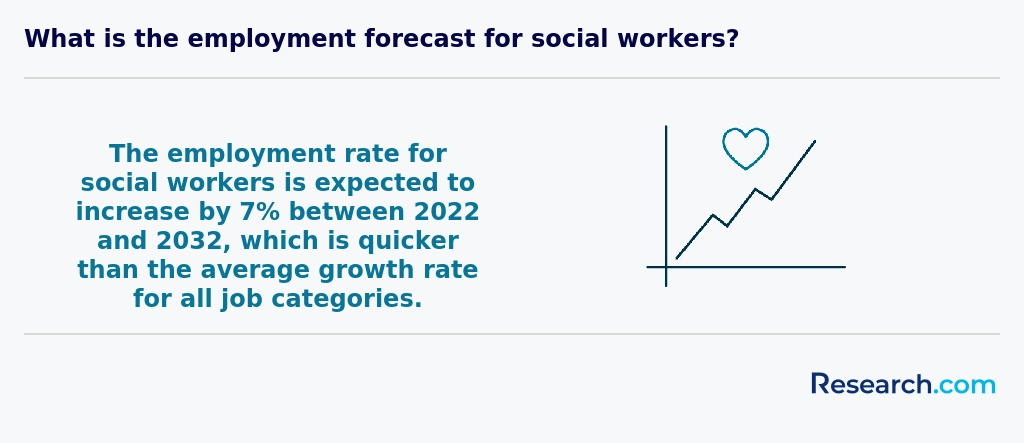
Social work is increasingly recognized as a vital profession worldwide, addressing social challenges such as poverty, inequality, and mental health. In the U.S., and specifically in the South, social work careers align with global trends emphasizing cultural competence and community engagement. According to the Bureau of Labor Statistics, employment of social workers is projected to grow 12% from 2022 to 2032, reflecting a strong demand both domestically and internationally.
Globally, social workers often collaborate across borders to improve social justice and human rights. Southern states, including Texas and Florida, have growing online social work programs that incorporate global perspectives, preparing students for diverse populations.
Programs accredited by the Council on Social Work Education integrate international social work standards, ensuring graduates can work in a variety of settings.
Gaining practical experience is essential while pursuing an online social work degree in the South. Most accredited programs require students to complete supervised field placements or internships, often arranged locally to accommodate online learners. These experiences allow students to apply classroom knowledge in real-world settings such as hospitals, schools, and community organizations.
According to the Council on Social Work Education, about 70% of Southern schools emphasize field education, ensuring students graduate with hands-on experience. Additionally, some universities partner with state agencies to provide diverse placement options relevant to Southern communities.
Students should communicate early with their program advisors to identify suitable local placements that fulfill state licensure requirements and provide meaningful skill development.
Choosing the right concentration within an online social work degree program in the South involves evaluating your career goals and regional needs. The South has a high demand for social workers in healthcare, child welfare, and mental health services, according to the Bureau of Labor Statistics. Specializing in clinical social work or child and family practice can improve job prospects. Consider programs accredited by the Council on Social Work Education, as accreditation ensures quality education and licensure eligibility. Additionally, review state licensure requirements in your Southern state, since some concentrations align better with local job markets and regulations.
Top Trending Social Work Rankings
See What Experts Have To Say About Studying Social Work
Read our interview with Social Work experts

References
- The Pros and Cons of Online MSW Programs – Should I Pursue an MSW Online? https://www.masterofsocialwork.com/resources/pros-and-cons-online-msw-programs
- Social Work Career Pathways https://socialworklicensemap.com/social-work-careers/pathways/
- How to Network Your Way into a Social Work Job or Practicum https://www.mswhelper.com/blog/how-to-network-your-way-into-a-social-work-job-or-practicum
- Best Affordable Master's Degree In Social Work https://www.psychology.org/social-work/best-affordable-masters-programs/
- 1+ Social Worker Cover Letter Examples (with In-Depth Guidance) https://www.tealhq.com/cover-letter-examples/social-worker
- Web Exclusive https://www.socialworktoday.com/archive/exc_081823.shtml
- 10 Careers for Social Work Majors https://www.umassglobal.edu/blog-news/careers-for-social-work-majors
- Social work certificates | edX https://www.edx.org/certificates/social-work-certificates
- Social Work https://scsu.edu/academics/programs/social-work.php
- 5 Career Planning Steps for Success in Social Work https://www.twrecruitment.com.au/blog/2026/02/5-career-planning-steps-for-success-in-social-work





