
2027 Most Popular Social Work Degree Programs Ranking in Tallahassee

Co-Founder and Chief Data Scientist
Choosing the right social work degree program in Tallahassee is an important step toward a fulfilling and impactful career. This article introduces the 2027 Most Popular Social Work Degree Programs Ranking in Tallahassee, developed by the Research.com team of data scientists. It's designed to help you make a well-informed decision about which programs are worth your consideration.
By exploring this ranking, you'll discover options that align with your goals and values. Pursuing a social work degree opens doors to meaningful opportunities and personal growth in a rewarding field.
Key benefits of getting social work degree in Tallahassee
- Graduates with a social work degree in Tallahassee can expect competitive salaries, such as $59,190 annually for Child Welfare Specialists and Residential Counselors, or up to $83,400 for Community Organizers and Youth Workers.
- Career paths are diverse, with many opportunities in public agencies, non-profits, and healthcare, as shown by Tallahassee social work alumni successfully working in community support and advocacy roles.
- Completing a social work degree online offers flexible scheduling and accessibility, allowing students in Tallahassee to balance education with personal commitments while gaining the same valuable skills as traditional programs.
- Key benefits of getting social work degree in Tallahassee
- What can I expect from social work degree in Tallahassee?
- Where can I work with social work degree in Tallahassee?
- How much can I make with social work degree in Tallahassee?
- 2027 Most Popular Social Work Degree Programs Ranking in Tallahassee
- Key Findings
- How long does it take to complete social work degree in Tallahassee?
- Student Support Services and Career Resources
- What's the difference between online and on-campus social work degree?
- Licensing and Certification in Florida
- What is the average cost of social work degree in Tallahassee?
- Living and Studying in Tallahassee: Embracing Community and Opportunity
- What financial aid is available to social work degree students in Tallahassee?
- Accreditation and Licensing Requirements for Social Work Programs
- What are the prerequisites for enrolling in social work degree program in Tallahassee?
- Choosing the Right Social Work Program in Tallahassee, FL
- What courses are typically in social work degree programs in Tallahassee?
- What types of specializations are available in social work degree programs in Tallahassee?
- How do you choose the best social work degree in Tallahassee?
- What career paths are available for social work degree students in Tallahassee?
- What is the job market for social work degree in Tallahassee?
- Top Trending Social Work Rankings
- See What Experts Have To Say About Studying Social Work
What can I expect from social work degree in Tallahassee?
The average cost of pursuing a social work degree in Tallahassee varies significantly depending on whether a student attends a public or private institution. Graduates from Florida State University, the most prominent local public university offering accredited social work programs, often highlight the affordability of in-state tuition. This lower tuition rate typically makes the Bachelor of Social Work (BSW) and Master of Social Work (MSW) degrees accessible without excessive financial strain.
Many students appreciate how reduced tuition combined with available scholarships and financial aid for social work studies helps ease the burden. For example, graduates recount feeling supported not only academically but also financially, which allowed them to focus fully on practical experiences such as internships in community agencies or healthcare settings throughout Tallahassee.
On the other hand, private colleges may have higher tuition fees, which can increase overall costs, yet some students find the additional investment justified by the smaller class sizes and specialized faculty attention. Overall, in-state public university tuition remains the most cost-effective route for social work education in Tallahassee.
Where can I work with social work degree in Tallahassee?
Graduates with a social work degree in Tallahassee find diverse career opportunities across government agencies, healthcare facilities, educational institutions, and nonprofit organizations. Many who studied at Florida State University or Florida A&M University share how their academic training directly prepared them for impactful roles at the Florida Department of Children and Families (DCF), where licensed social workers support child welfare and family programs.
Healthcare settings, such as Tallahassee Memorial HealthCare, commonly employ social workers who assist patients and families with discharge planning and emotional support. Graduates often express fulfillment working in these environments, noting the meaningful difference they make in people's lives during critical times.
Educational institutions also hire social workers to provide counseling and community outreach services, especially in student support roles. Alumni from Tallahassee's universities emphasize the rewarding nature of these positions in fostering student well-being and academic success.
Furthermore, local nonprofits-like the Big Bend Homeless Coalition-offer roles in advocacy and case management. Social work degree holders talk about the positive emotions derived from helping vulnerable populations and advancing social justice through these organizations.
How much can I make with social work degree in Tallahassee?
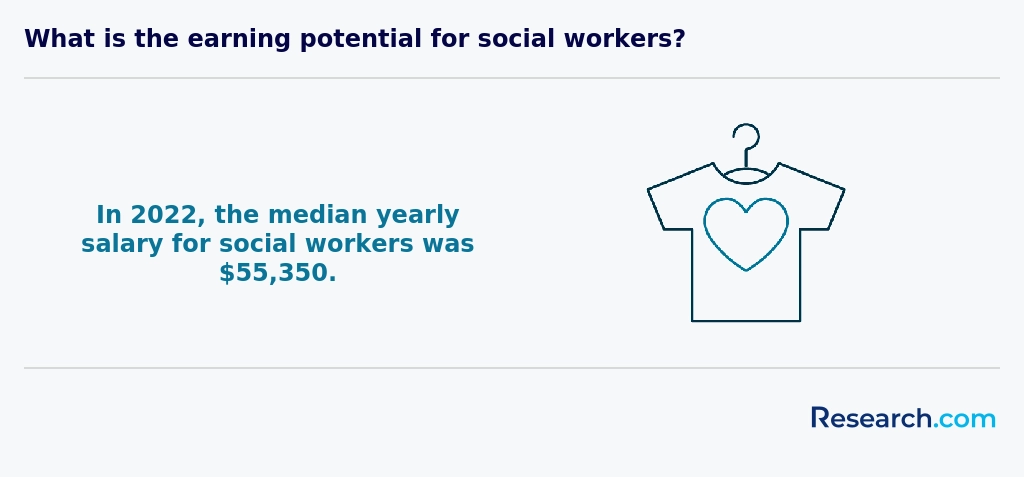
Graduates holding a social work degree in Tallahassee can anticipate competitive earnings that reflect both local demand and the level of education attained. For example, a typical social worker whose training might have included programs at Florida State University or Tallahassee State College can expect a mean annual wage of around $68,800, according to recent Bureau of Labor Statistics data. Entry into specialized roles like Child Welfare Specialist or Residential Counselor yields mean salaries near $59,190 annually, offering stable career pathways.
Those pursuing careers as Community Organizers or Youth Workers, positions often filled by social work graduates involved in community-focused programs, may see higher earning potentials with mean wages reaching approximately $83,400 yearly. These roles often provide fulfilling opportunities to impact local populations positively, enhancing graduates' motivation and professional satisfaction.
Graduates frequently share that their hands-on experiences during internships at Tallahassee-based social service agencies prepare them for the challenges of these roles, fostering confidence and a strong connection to the community. Earning a social work degree in Tallahassee thus not only leads to promising salaries but also to meaningful, impactful careers within the region.
2027 Most Popular Social Work Degree Programs Ranking in Tallahassee
How do we rank schools?
Investing in your education is a significant decision that can shape your future, and the Research.com team is keenly aware of the importance of making well-informed choices. To aid prospective students in Tallahassee, we have carefully developed the "2027 Most Popular Social Work Degree Programs Ranking in Tallahassee." Our dedication to quality, credibility, and accuracy is demonstrated through the thorough research and analysis behind this ranking.
We utilized the following reputable data sources to ensure a comprehensive and reliable evaluation of social work programs:
By consulting this ranking, readers will gain valuable insights into the most popular and reputable social work degree programs in Tallahassee, empowering them to make informed educational decisions. For more information on how this ranking was created, please visit our Research.com methodology page.


Key Findings
- Tallahassee offers accredited bachelor's and master's social work programs, including at Florida State University, meeting CSWE standards.
- In-state tuition at public universities ranges from $6,500 to $7,500 per year, while out-of-state tuition can exceed $20,000 annually.
- Total yearly costs for in-state students, including books and living expenses, average between $15,000 and $20,000.
- Median annual salaries for new social work graduates in Tallahassee range from $42,000 to $48,000, with experienced workers earning over $60,000.
- Job opportunities exist in schools, hospitals, government, and non-profits, with expected moderate growth in demand over the next decade.
- Florida requires passing the ASWB exam for LCSW licensure, and programs provide supervised fieldwork to meet these licensing needs.
How long does it take to complete social work degree in Tallahassee?
Completing a social work degree in Tallahassee typically aligns with standard academic timelines but offers flexibility to suit diverse student needs. For example, students attending Florida State University often complete their Bachelor of Social Work (BSW) in four years of full-time study, engaging deeply with coursework and fieldwork that build practical skills. Graduates frequently describe the hands-on experiences during their practicum as rewarding and instrumental in preparing them for real-world social work challenges.
Those pursuing a Master of Social Work (MSW) generally invest two years of full-time coursework beyond the bachelor's degree. However, some Tallahassee institutions offer an accelerated MSW program that can be completed in just one year by students who already hold a BSW or related degree. Many graduates appreciate the intensity and efficiency of this track, as it enables rapid advancement into professional roles.
Part-time options are widely available, accommodating students balancing work and study, though this may extend completion to three to five years. Many find this adaptable pacing vital for maintaining life balance while progressing toward their degree.
Student Support Services and Career Resources
Pursuing a social work degree in Tallahassee, FL comes with robust academic and professional support designed to ensure student success from day one through licensure. Most programs offer dedicated academic advisors who guide you through course selection, field placement coordination, and degree planning-helping you balance rigorous coursework with hands-on experience in community agencies. Career services offices at institutions like Florida State University and Tallahassee State College provide resume workshops, mock interviews, and employer networking events tailored to social work graduates. These resources help you explore local and national job markets, refine your professional brand, and connect with alumni working in schools, healthcare settings, and non-profits. To support your emotional well-being, many programs include free counseling sessions, peer mentoring circles, and student-run support groups focused on self-care, cultural competence, and work-life balance. Technology–enabled learning tools, such as virtual classrooms and online discussion boards, further enhance engagement for both on-campus and remote learners. Financial counseling offices assist in identifying scholarships, grants, and loan forgiveness programs-particularly valuable if you’re evaluating an affordable msw pathway. By leveraging these combined student support services and career development resources, social work students in Tallahassee are well-positioned to graduate with confidence, professional networks, and the practical skills needed for licensure and impactful practice.
What's the difference between online and on-campus social work degree?
On-campus social work degrees in Tallahassee, like those at Florida State University and Florida A&M University, provide students with direct, face-to-face engagement. Graduates recall how vibrant classroom discussions and hands-on group projects developed their communication and collaboration skills, essential in social work practice. These programs often involve structured schedules and close faculty interaction, creating a strong sense of community among peers and local agencies.
In contrast, online social work programs offer greater flexibility, ideal for students balancing work or family commitments. Many online learners appreciate accessing lectures at any time, allowing them to study without disrupting their daily lives. Graduates from these programs report feeling empowered by the ability to arrange local internships that maintain strong community ties, despite not being on campus physically.
Cost is another differentiator; online programs often reduce expenses related to commuting and housing, which can be significant in Tallahassee. Both formats require clinical fieldwork, but the delivery method shapes the student's interaction with faculty and peers, influencing their overall educational experience.
Licensing and Certification in Florida
Florida’s Board of Clinical Social Work requires specific credentials to practice:
- Licensed Bachelor Social Worker (LBSW)
- Complete a CSWE-accredited BSW program
- Pass the ASWB Bachelor’s exam
- Submit a background check and application fee
- Renew every two years with required continuing education
- Licensed Clinical Social Worker (LCSW)
- Earn an MSW from a CSWE-accredited program (consider msw accelerated programs)
- Complete 3,000 hours of supervised clinical practice
- Pass the ASWB Clinical exam
- Maintain licensure through biannual renewals and ongoing education
What is the average cost of social work degree in Tallahassee?
The average cost of a social work degree in Tallahassee is notably influenced by residency status and the choice between public and private institutions. At prominent public universities like Florida State University, in-state students typically incur a median total cost around $5,720 for completing their degree. This relatively affordable range makes pursuing a social work degree here accessible and appealing for local students. Graduates often recall balancing coursework with part-time employment and scholarship opportunities that helped ease financial pressures while gaining practical experience.
Out-of-state students face higher expenses, with median total costs near $31,476. This substantial difference underscores the importance of residency in budgeting for a social work education. Despite this, many out-of-state students choose Tallahassee for its strong social work programs and the supportive community fostered by renowned local institutions. The relatively manageable in-state tuition encourages many residents to view obtaining a social work degree as both feasible and rewarding.
Additional costs such as textbooks, materials, and field placement fees typically add $1,000 to $2,000 yearly. However, students frequently express optimism about financial aid, scholarships, and work-study options, which play a key role in making the overall investment worthwhile. For those interested in expanding their academic journey while connecting widely, the online psychology degrees ohio alumni network offers valuable resources.
Understanding Tallahassee social work degree tuition and fees helps prospective students prepare effectively for their educational path, ensuring they can focus on their passion for making a difference through social work.

Living and Studying in Tallahassee: Embracing Community and Opportunity
Living and studying in Tallahassee is about more than just earning a degree-it’s an immersive experience that blends academic rigor with a vibrant local culture. Students pursuing social work in this dynamic city not only benefit from top-tier educational programs but also enjoy close-knit communities, cultural events, and abundant volunteer opportunities that reinforce classroom learning with real-world impact. The local environment in Tallahassee supports social work students with accessible internships, community service projects, and professional networking events that help build the practical skills and industry connections vital for career success. For students balancing their studies with other life commitments, many institutions in the area offer flexible learning options, including programs like the affordable online bachelors program in social work, which makes it easier to integrate education with personal and professional responsibilities. Additionally, the city's affordable cost of living and supportive social networks create an ideal setting for personal growth and professional development. Students frequently highlight the value of community-driven learning experiences-whether through local nonprofit collaborations, campus clubs focused on social justice, or mentorship opportunities with seasoned professionals-as integral to their educational journey. Embracing Tallahassee’s unique blend of academic excellence and real-world engagement prepares future social workers to make a tangible difference in the community and beyond.
What financial aid is available to social work degree students in Tallahassee?
Social work students in Tallahassee benefit from a variety of financial aid opportunities tailored to ease the burden of tuition and related expenses. Many rely on federal aid through FAFSA, unlocking access to Pell Grants that can provide up to $7,395 annually without the need for repayment. Graduates from local institutions like Florida State University often recall how this foundational aid helped them focus on academic and fieldwork demands without overwhelming debt worries.
Florida's state-sponsored programs, including the Bright Futures Scholarship and the Florida Student Assistance Grant (FSAG), further reduce costs for eligible residents attending public universities. These awards recognize academic achievement or financial need, enabling students to pursue social work with greater confidence. Many students appreciate how university-specific scholarships, especially those offered by Florida State University's College of Social Work, specifically support those committed to community service, making advanced education more attainable.
Additionally, working professionals in Tallahassee frequently access employer tuition assistance or loan repayment programs, particularly in government and nonprofit sectors. Private scholarships from organizations like the National Association of Social Workers (NASW) offer further encouragement, empowering students to invest in their futures while feeling supported by their professional community.
Accreditation and Licensing Requirements for Social Work Programs
Ensuring your social work degree is accredited and aligned with Florida’s licensure standards is essential for a successful career. In Tallahassee, all reputable BSW and MSW programs must hold Council on Social Work Education (CSWE) accreditation, which guarantees that curricula meet national benchmarks for field practicum hours, ethical training, and evidence-based practice. Prospective students should verify accreditation status on the CSWE directory and confirm that the program’s field placement partners offer diverse settings-from healthcare clinics to school districts-that will prepare you for the state’s supervised experience requirement. To obtain licensure as a Licensed Master Social Worker (LMSW) or Licensed Clinical Social Worker (LCSW) in Florida, graduates must: • Complete the CSWE-accredited degree (BSW + MSW for clinical roles) • Accrue 2,000 hours of supervised clinical practice under an LCSW supervisor • Pass the Association of Social Work Boards (ASWB) exam at the master’s or clinical level Programs often provide dedicated licensure prep workshops, mock exams, and alumni mentors to help you meet these benchmarks. Before enrolling, review each school’s ASWB pass rates and post-graduation employment statistics to gauge licensure success and career outcomes. For students exploring affordable options nationwide, you may also find valuable comparisons in our Low Cost Social Work Degree Programs Ranking in Seattle, WA. Understanding accreditation and licensing early ensures you choose a program that not only educates but also empowers you to meet Florida’s professional standards with confidence.
What are the prerequisites for enrolling in social work degree program in Tallahassee?
Applicants seeking enrollment in social work degree programs in Tallahassee must first hold a high school diploma or its equivalent, establishing foundational skills for academic success. Graduates from Florida State University and Tallahassee State College recall that maintaining a minimum GPA of around 2.5 is essential for bachelor's programs, alongside completing prerequisite courses such as psychology, sociology, or biology. This preparation builds a strong academic base relevant to social work.
For those pursuing a Master of Social Work (MSW), most Tallahassee institutions require a bachelor's degree, ideally in social work or a related discipline, with an undergraduate GPA near 3.0. Graduates often emphasize the importance of completing courses in human behavior and research methods before applying. They also highlight that presenting practical experience-whether through internships or volunteer work with community organizations-is a crucial element that positively shapes admissions decisions.
Many students find that demonstrating commitment through letters of recommendation and personal statements strengthens their applications. While some graduate programs may ask for GRE scores, several Tallahassee schools are moving towards optional testing policies, easing the application process while maintaining high standards.

Choosing the Right Social Work Program in Tallahassee, FL
When selecting a social work degree program in Tallahassee, FL, several key factors should guide your decision to ensure it aligns with your career aspirations and personal interests. Ensuring the program is accredited by the Council on Social Work Education (CSWE) is essential, as it not only facilitates licensure but also enhances job prospects. For more information on accredited programs, you can visit a popular social work school to explore their curriculum and specializations. Looking for programs that emphasize hands-on training through fieldwork is also crucial, as graduates often highlight the importance of real-world experience in developing their skills. Additionally, investigating graduation rates and employment success can provide insight into the program's effectiveness, helping you make an informed decision about your educational path.
What courses are typically in social work degree programs in Tallahassee?
Social work degree programs in Tallahassee commonly feature a comprehensive curriculum that blends theoretical foundations with practical application. Students engage deeply with courses like Human Behavior in the Social Environment, which equips them to understand complex individual and societal dynamics through psychological and sociological perspectives. Graduates often describe how studying Social Welfare Policy and Services gave them clarity on how laws impact vulnerable populations, especially within Florida's diverse communities.
Core coursework also includes Research Methods and Statistics in Social Work, essential for evaluating programs and client outcomes critically. Many students from institutions such as Florida State University emphasize how this training empowered them to pursue evidence-based practice confidently. Applied learning is a highlight: Field Practicum and Internship placements provide hands-on experience in real-world settings like schools and healthcare centers, fostering essential interpersonal and professional skills.
Social Work Practice with Individuals and Families, alongside Community Organization and Social Policy, further prepare students to address individual and collective needs with cultural sensitivity and ethical rigor. Graduates often reflect on their practicum moments as transformative, fueling their passion to serve Tallahassee's communities effectively.
What types of specializations are available in social work degree programs in Tallahassee?
Students pursuing a social work degree specializations Tallahassee often engage in focused tracks tailored to diverse community needs. At institutions like Florida State University, graduates report rewarding field placements where clinical social work specialization allows them to offer counseling and therapy, addressing mental health concerns firsthand. Those choosing child and family social work find profound fulfillment working with foster care and adoption agencies, impacting vulnerable populations on a personal level.
Other Tallahassee social work program concentration options include school social work, where students collaborate with educators to support children's emotional well-being in classroom settings. Gerontological social work addresses the growing elderly population challenges in Florida, providing students with practical experience navigating healthcare and housing issues for older adults. Community and social policy specializations empower graduates to advocate for systemic change, combining passion with skills in policy analysis. Prospective students looking for affordable pathways may also explore affordable psychology degrees pennsylvania as a complementary reference for financial planning while considering their social work journey.
How do you choose the best social work degree in Tallahassee?
When choosing the best social work degree programs Tallahassee offers, prospective students should prioritize program accreditation, curriculum quality, and practical fieldwork opportunities. Graduates from popular institutions often highlight the value of hands-on internships with local agencies, which build confidence and community ties critical for success. For example, students balancing work and study appreciate part-time and evening classes that meet their complex schedules. Affordability is key, and many turn to affordable social work colleges Tallahassee to minimize debt while accessing strong social work education, especially through in-state tuition benefits and targeted scholarships.
It is crucial to select a program that supports licensure preparation, as this facilitates smoother transitions into clinical roles. Graduates frequently share how effective guidance for license exams enhanced their readiness for professional practice. Those interested in counseling pathways may also explore resources like illinois lpc internship hours to understand internship requirements relevant to licensure. By focusing on these elements, students can find a fulfilling social work degree program tailored to the Tallahassee community's unique landscape.
What career paths are available for social work degree students in Tallahassee?
Graduates with a social work degree in Tallahassee find a wide array of career paths reflecting the city's diverse social service landscape. Many begin as Child, Family, and School Social Workers, supporting youth through local schools and child welfare agencies. Others specialize in Mental Health and Substance Abuse services, addressing critical community needs with compassion and expertise. Healthcare Social Workers, especially those from popular programs like Florida State University, assist patients navigating complex medical systems, often providing comfort during difficult times. Community Outreach Coordinators leverage strong local networks to develop impactful programs combating homelessness and poverty.
Students sharing experiences from Tallahassee colleges highlight rewarding opportunities in policy analysis and advocacy, particularly within state government due to the city's role as Florida's capital. Those pursuing clinical routes enhance their credentials with licenses like the LCSW, gaining access to roles offering therapy and counseling. For graduates focused on elder care, exploring the geriatric social work salary reveals promising prospects within this specialized field. Such varied job opportunities for social work graduates Tallahassee truly reflects a thriving environment for professional growth.

What is the job market for social work degree in Tallahassee?
The social work job outlook Tallahassee shows strong potential for graduates who pursue degrees in the city's well-regarded programs. Graduates from popular social work schools in Tallahassee often find opportunities within government agencies, healthcare facilities, and non-profit organizations, where demand for qualified social workers addressing child welfare, mental health, and community support continues to rise. Many graduates express satisfaction with the practical experience they gain through local internships, which enhances their competitiveness in this growing job market.
Employment opportunities for social work graduates Tallahassee include roles in family support agencies and behavioral health centers, providing a range of settings where new professionals can apply their skills meaningfully. Typically, entry-level positions are accessible with a bachelor's degree, but earning a Master of Social Work increases career advancement and salary potential. Students often choose Tallahassee's institutions for their affordable tuition and strong connections to community organizations, which contributes to steady job placement rates. Individuals interested in exploring educational options can learn more about programs at a popular social work school.
Frequently Asked Questions About social work
Social work degree students in Tallahassee can maximize their learning by engaging actively with local community organizations and social service agencies. Tallahassee, home to Florida State University and Florida A&M University, offers diverse internship opportunities that enhance practical skills beyond the classroom.
Participating in field placements is crucial, as the Council on Social Work Education (CSWE) requires hands-on experience for accreditation. Students should also leverage Tallahassee's network of nonprofit groups providing services to vulnerable populations, including mental health and child welfare programs.
Joining student associations and attending workshops further deepens understanding of social work challenges in the region. Utilizing university career centers and seeking mentorship from experienced social workers in Tallahassee boosts professional growth and employment prospects.
The social work field continues to evolve, creating new opportunities for specialized practice. One emerging niche is gerontological social work, addressing the needs of Florida's growing elderly population. In Tallahassee, where residents aged 65 and older comprise nearly 16% of the population (U.S. Census Bureau, 2023), professionals trained in elder care are in demand.
Another growing area is mental health social work. With increasing awareness and reduced stigma nationwide, demand for services in schools, hospitals, and community centers is rising. According to the Florida Department of Children and Families, mental health services in the Tallahassee region have expanded by over 12% since 2020.
Finally, social workers focusing on substance abuse and recovery programs represent a significant niche. Florida's opioid epidemic has led to targeted initiatives, creating jobs for social workers trained in addiction counseling and harm reduction strategies.
After completing a social work degree in Tallahassee, preparing for the job market requires strategic steps focused on both professional development and local networking. Graduates should pursue licensure by passing the Florida Clinical Social Work License Examination, which is essential for clinical roles. Tallahassee, home to several social service agencies and the state capital, offers diverse opportunities, so connecting with local organizations early is beneficial.
Building practical experience through internships or volunteer work during studies enhances employability. Additionally, attending job fairs and joining the Florida Chapter of the National Association of Social Workers can provide networking advantages and access to job listings tailored to the region.
Continuing education and specialization, such as in child welfare or mental health, align well with Tallahassee's social service needs and improve career prospects. According to the U.S. Bureau of Labor Statistics, social worker employment in Florida is expected to grow 14% through 2030, supporting a positive job outlook for new graduates.
Employers hiring social work graduates in Tallahassee prioritize a mix of practical and interpersonal skills. Strong communication abilities are essential, as social workers often engage with diverse populations requiring empathy and clear dialogue. Critical thinking and problem-solving skills help graduates address complex client needs effectively.
Knowledge of local social service systems and policies is highly valued, given Florida's specific regulations in mental health and child welfare. According to the Florida Department of Children and Families, familiarity with state guidelines improves service quality.
Data from the U.S. Bureau of Labor Statistics indicates that emotional resilience and cultural competence are also key for success in Tallahassee's growing social work sector. Employers expect graduates to navigate ethical challenges sensitively while utilizing evidence-based approaches.
Finding internships in Tallahassee for social work students involves several strategic steps. First, many local universities, such as Florida State University and Florida A&M University, offer dedicated internship placement services through their social work departments. These services connect students with agencies across Tallahassee, including community health centers, child welfare agencies, and nonprofit organizations.
Additionally, students should explore partnerships Tallahassee has with organizations like the Big Bend Community Based Care, which manages foster care and family services. Networking events hosted by the National Association of Social Workers (NASW) Florida Chapter can also be valuable.
Since internships are often required for licensure, planning early and consulting academic advisors helps ensure placements meet educational standards.
A social work degree significantly enhances career mobility and advancement in Tallahassee by providing specialized knowledge and credentials required for various roles. According to the Florida Department of Economic Opportunity, social work occupations in the Tallahassee metropolitan area are expected to grow by 12% through 2030, reflecting strong demand.
Holding a Bachelor or Master of Social Work (BSW or MSW) enables graduates to qualify for licensed positions, which often come with higher salaries and leadership opportunities. Employers in public agencies, healthcare, and nonprofit organizations prioritize candidates with accredited degrees and state licensure.
Additionally, Tallahassee's role as Florida's capital offers access to government jobs where social workers can influence policy, further driving career advancement.
Studying for a social work degree in Tallahassee offers strong preparation for interdisciplinary roles by integrating diverse fields essential for effective practice. Programs typically combine coursework in psychology, sociology, and public health, enabling students to address complex social issues from multiple perspectives. Tallahassee's universities often emphasize collaboration with local healthcare providers, schools, and government agencies, fostering practical experience in team-based settings.
According to the Florida Department of Education, nearly 40% of social work graduates in Florida engage in roles requiring coordination across sectors within three years post-graduation. This trend is reflected in Tallahassee's programs, which prioritize skills in communication and policy understanding.
Such interdisciplinary training equips students to work effectively in healthcare, education, and community development, meeting regional needs in Florida's capital.
When choosing between a thesis and a non-thesis social work degree program in Tallahassee, it's important to consider your career goals. A thesis option typically suits students interested in research or pursuing a PhD. It involves conducting original research and writing a formal paper. This path strengthens analytical and writing skills, which can be invaluable for academic or policy-focused roles.
Conversely, non-thesis programs often emphasize practical experience and coursework. They are ideal for students aiming to enter or advance in clinical or community social work roles quickly.
According to the latest data from the Florida Board of Clinical Social Work, Tallahassee graduates who complete thesis programs have a slightly higher rate of entering research-based positions locally.
Students in Tallahassee seeking to study social work abroad have a range of options through exchange programs and study abroad partnerships typically offered by Florida State University and Florida A&M University. These institutions often collaborate with universities in countries such as the United Kingdom, Australia, and Canada, allowing social work students to earn credits internationally while gaining global perspectives.
Additionally, many accredited programs encourage internships or field placements overseas, which are vital for hands-on social work experience. According to the Council on Social Work Education, about 15% of U.S. social work programs include study abroad components, reflecting growing interest.
Financial aid and scholarships may be available specifically for international study, and students should consult campus advisors for tailored guidance on social work abroad opportunities.
Students pursuing social work degrees in Tallahassee can benefit from several part-time job opportunities that enhance practical experience. Positions such as case aide or community outreach worker within local nonprofits like the Capital Area Community Action Agency offer direct client interaction relevant to social work practice. Tallahassee's network of healthcare providers also employs social work interns to support mental health services, gaining exposure to clinical environments.
Additionally, part-time roles in schools, assisting counselors or supporting youth programs, provide valuable insights into child welfare systems. According to the Florida Department of Economic Opportunity, social service roles in Tallahassee are projected to grow 12% through 2030, emphasizing practical experience's importance in this region.
Social work students in Tallahassee benefit from a variety of networking opportunities that help build professional connections. Florida State University, one of the main institutions offering social work degrees, regularly hosts events such as career fairs, workshops, and guest lectures with local practitioners. These events provide direct interaction with experienced social workers and potential employers.
Organizations like the National Association of Social Workers (NASW) Florida Chapter have active local branches in Tallahassee, offering students a chance to join meetings, volunteer, and attend conferences. According to NASW Florida, participating in such groups can significantly enhance career prospects by expanding professional contacts in the region.
Additionally, internships and practicum placements in Tallahassee's social service agencies allow students to network on-site, often leading to job offers post-graduation. Access to local nonprofit organizations and government social services creates a dynamic environment for student engagement in the professional community.
Alumni networks in Tallahassee play a vital role for social work degree students by providing essential professional connections. Graduates from local programs often share job leads, internships, and mentorship opportunities, which can be invaluable in the competitive social work field. According to the National Association of Social Workers (NASW), networking significantly increases employment chances after graduation.
In Tallahassee, alumni groups frequently organize workshops and community events, allowing current students to gain real-world insights. These connections also help students navigate licensure requirements and stay updated with Florida's social work regulations and best practices.
Engaging with alumni often leads to long-term collaborations, which supports career advancement over time.
Customizing a social work degree program in Tallahassee involves selecting courses and fieldwork that align with your specific career goals. Many universities in the area, such as Florida State University, offer specializations in areas like child welfare, mental health, or substance abuse. These focus areas help tailor your education to local workforce needs, as Tallahassee has a growing demand for social workers in public health and juvenile justice sectors, according to Florida's Department of Children and Families.
Students can also choose between Bachelor's or Master's level programs, with options to complete internships at nearby agencies. This hands-on experience is essential for adapting skills to community requirements and increasing employability in Tallahassee's job market.
Social work students in Tallahassee often face challenges balancing rigorous academic requirements with field practicum hours mandated by the Council on Social Work Education (CSWE). Many students struggle to manage time effectively, as they must complete around 900 hours of supervised internship experience while attending classes.
Financial stress is another common issue. According to the National Association of Social Workers (NASW), students nationwide frequently report concerns about tuition costs and limited access to scholarships, which is also relevant for those studying in Tallahassee. Additionally, coping with emotionally demanding content concerning vulnerable populations can affect students' mental well-being.
Access to diverse practicum sites in Tallahassee sometimes limits exposure to varied social work fields, impacting students' practical experience. Local job market competition also adds pressure for social work graduates seeking employment in the region after completing their degrees.
With a social work degree in Tallahassee, graduates can pursue several professional certifications to enhance their career prospects. The most recognized credential is the Licensed Clinical Social Worker (LCSW), which allows for independent clinical practice across Florida. Additionally, many obtain the Certified Social Work Case Manager (C-SWCM) credential, focusing on care coordination and client advocacy. The National Association of Social Workers (NASW) also offers specialty certifications in areas like gerontology or school social work, which are valuable in Tallahassee's diverse service settings. These certifications require meeting education, supervised experience, and exam criteria, supporting advanced roles within the profession.
Writing a winning application for a social work program in Tallahassee requires careful preparation and understanding of local educational standards. Start by clearly articulating your commitment to social justice and community service, as these values are central to social work. Tallahassee institutions like Florida State University emphasize applicants' practical experience and dedication to underserved populations.
Highlight any volunteer work or internships related to social services, as these demonstrate real-world skills. Tailor your personal statement to reflect knowledge of social challenges specific to Tallahassee, such as poverty rates or homelessness. According to the Florida Department of Children and Families, strong community engagement is highly valued.
Additionally, maintain a competitive GPA, ideally above 3.0, and prepare for possible interviews by showcasing empathy and communication skills crucial for social work professionals.
Social work careers in the United States, including Tallahassee, increasingly reflect global trends emphasizing cultural competence and social justice. Social workers often engage with diverse populations and complex international issues like migration and human rights. According to the U.S. Bureau of Labor Statistics, employment of social workers is expected to grow 12% from 2022 to 2032, indicating rising demand.
In Tallahassee, local universities align their social work programs with global standards set by the Council on Social Work Education (CSWE), ensuring graduates are prepared for challenges both locally and internationally. Students gain skills valuable across diverse cultural contexts.
The global perspective encourages social workers to address systemic inequalities, a focus reflected in curricula and community projects in Tallahassee's academic institutions.
Gaining practical experience while pursuing a social work degree in Tallahassee is essential for skill development and professional readiness. Many programs incorporate field placements or internships as a core requirement, allowing students to work directly with local social service agencies. Organizations such as the Florida Department of Children and Families and Big Bend Community Based Care offer valuable opportunities for hands-on learning.
Students can also engage with Tallahassee non-profits or healthcare providers to gain exposure to diverse client populations. According to the Council on Social Work Education, supervised practicums typically require 400 to 900 hours, depending on the degree level.
Networking with local professionals and joining student social work organizations can enhance practical insights beyond the classroom.
Choosing the right concentration within a social work degree program in Tallahassee depends on your career goals and areas of interest. Local programs often offer specializations like clinical social work, community organization, or child and family welfare. Consider Tallahassee's workforce needs: the Florida Department of Economic Opportunity projects a 12% growth for social workers statewide by 2030, especially in healthcare and mental health sectors.
Research the curriculum and field placement opportunities each program provides. Engaging with agencies such as the Florida Department of Children and Families or Tallahassee Memorial HealthCare during internships can influence your specialization choice significantly.
Additionally, verify that your chosen program is accredited by the Council on Social Work Education (CSWE), which is crucial for licensure in Florida.
Related Social Work Rankings for Nearby Cities
- 2027 Most Popular Social Work Degree Programs Ranking in Atlanta
- 2027 Most Popular Social Work Degree Programs Ranking in New Orleans
- 2027 Most Popular Social Work Degree Programs Ranking in Jackson
- 2027 Most Popular Social Work Degree Programs Ranking in Miami
- 2027 Most Popular Social Work Degree Programs Ranking in Nashville
- 2027 Most Popular Social Work Degree Programs Ranking in Fayetteville
- 2027 Most Popular Social Work Degree Programs Ranking in Greensboro
- 2027 Most Popular Social Work Degree Programs Ranking in Raleigh
- 2027 Most Popular Social Work Degree Programs Ranking in Lexington
- 2027 Most Popular Social Work Degree Programs Ranking in Louisville
Top Trending Social Work Rankings
See What Experts Have To Say About Studying Social Work
Read our interview with Social Work experts

References
- Know more about thesis vs non- thesis: what is the difference? https://studyfans.com/en/blogs/816
- Comparing Social Service Degrees https://socialworklicensemap.com/social-work-resources/comparing-social-service-degrees/
- Tripod Partners https://www.tripodpartners.com/career-advice/social-work/advancing-your-social-work-career-tips-for-promotion/
- 10 Careers for Social Work Majors https://www.umassglobal.edu/blog-news/careers-for-social-work-majors
- The Importance of Professional Networking in Social Work https://www.onlinemswprograms.com/resources/social-work-networking/
- The Time is Right to Advance Your Career as a Social Worker https://onlinedegrees.keuka.edu/blog/advance-your-career-social-worker
- Global Definition of Social Work https://www.ifsw.org/what-is-social-work/global-definition-of-social-work/
- Web Exclusive https://www.socialworktoday.com/archive/exc_081823.shtml
- Top Skills Employers Look for in Qualified Social Workers Today - Vitalis https://www.vitalissocialcare.co.uk/career-development/top-skills-employers-look-for-in-social-workers-today/
- Practice & Networking Groups | AASW https://www.aasw.asn.au/about-aasw/practice-networking-groups/


