2027 Most Affordable Social Work Degree Programs Ranking in Seattle

Co-Founder and Chief Data Scientist
Are you considering a future in social work and wondering which degree programs in Seattle offer the best value? Our article presents the 2027 Most Affordable Social Work Degree Programs Ranking in Seattle, created by the Research.com team of data scientists. This ranking is designed to help you make an informed decision by highlighting affordable, quality options.
By exploring this guide, you'll discover programs that balance cost and education, making your dream career more achievable. Pursuing a social work degree can open doors to meaningful, rewarding work in your community.
Key benefits of getting social work degree in Seattle
- Social work degree graduates in Seattle can expect rewarding salaries such as $68,800 annually for Social Workers and up to $83,400 for Community Organizers and Youth Workers, reflecting strong financial benefits in the field.
- Graduates from Seattle's popular universities pursue diverse careers including Child Welfare Specialist, Residential Counselor, and Community Organizer, offering meaningful opportunities to impact the community.
- Completing a social work degree online from a Seattle-based college offers flexibility and convenience, allowing students to balance work and study, making education more accessible and tailored to individual needs.
- Key benefits of getting social work degree in Seattle
- What can I expect from social work degree in Seattle?
- Where can I work with social work degree in Seattle?
- How much can I make with social work degree in Seattle?
- 2027 Most Affordable Social Work Degree Programs Ranking in Seattle
- Key Findings
- How long does it take to complete social work degree in Seattle?
- Accreditation and Licensure Preparation
- What's the difference between online and on-campus social work degree?
- Licensing and Certification Requirements
- What is the average cost of social work degree in Seattle?
- Best Practices for Selecting Affordable Social Work Programs in Seattle
- What financial aid is available to social work degree students in Seattle?
- Fast-Track Your MSW: Accelerated Online Options
- What are the prerequisites for enrolling in social work degree program in Seattle?
- Comparing Seattle’s Affordability to Other Leading Social Work Programs
- What courses are typically in social work degree programs in Seattle?
- What types of specializations are available in social work degree programs in Seattle?
- How do you choose the best social work degree in Seattle?
- What career paths are available for social work degree students in Seattle?
- What is the job market for social work degree in Seattle?
- Top Trending Social Work Rankings
- See What Experts Have To Say About Studying Social Work
What can I expect from social work degree in Seattle?
When diving into a social work degree in Seattle, your wallet will feel the pulse of the city's academic landscape. At universities like the University of Washington, in-state tuition lands near a friendly range, inviting students to invest in their futures without the sting of exorbitant fees. Graduates often recall evenings spent crunching numbers with peers, weighing the cost against the rich field experiences tucked into every credit hour.
Out-of-state tuition, however, paints a different picture-with steeper price tags that remind many to pursue residency or financial aid options aggressively. Many Seattle-based students find relief through scholarships and grants woven into the fabric of local programs, easing the climb up the cost ladder.
One graduate's tale speaks of juggling part-time study and community placements, supported by affordable public school rates and flexible scheduling. This balance transforms education into an accessible adventure, allowing passion for social justice to flourish without financial overwhelm.
Where can I work with social work degree in Seattle?
Graduates from social work programs at Seattle's universities find themselves woven into the vibrant fabric of the city's care networks. Imagine stepping out of your classroom at the University of Washington with a Master of Social Work, then walking into a busy community health center where your skills directly calm the storm of a crisis or lift the weight from someone's shoulders.
Others dive into the dynamic world of government agencies like the Washington State Department of Social and Health Services, championing vulnerable children or elderly neighbors in need-work that feels deeply rewarding and grounded in real human stories. Non-profit agencies tackling Seattle's homelessness or youth challenges eagerly snap up graduates, who bring fresh ideas and fierce empathy to the front lines.
Some graduates find joy partnering with local schools, connecting families and educators to nurture emotional resilience in students who might otherwise slip through cracks. For those pursuing licensure, private practice opens possibilities to become trusted therapists and counselors, helping Seattleites navigate mental health with compassion and professional care.
How much can I make with social work degree in Seattle?
Graduates from social work programs at popular Seattle schools often find themselves stepping into roles like Child Welfare Specialists or Residential Counselors, both averaging around $59,190 annually. Imagine navigating the bustling community streets after class, energized by the knowledge that your work supporting vulnerable populations can earn you a solid wage right in your hometown.
Others dive into community organizing or youth work, where the mean annual wage jumps to about $83,400. Picture this: you're a fresh graduate from a Seattle program, collaborating at local nonprofits, feeling the buzz of impact and seeing a paycheck that reflects your dedication.
Social Workers themselves, a broad category with a mean wage near $68,800, benefit from Seattle's higher demand and living costs. Many grads share stories of landing jobs where clinical licensure or a Master's boosts their earnings closer to six figures, blending passion with a paycheck.
In the vibrant social fabric of Seattle, a social work degree opens doors not just to jobs but to meaningful livelihoods, where each dollar earned mirrors real-world change and personal growth.
2027 Most Affordable Social Work Degree Programs Ranking in Seattle
How do we rank schools?
Investing in your education is a significant decision that can shape your future, and the Research.com team understands the importance of making informed choices. To assist prospective students in Seattle, we have meticulously crafted the "2027 Most Affordable Social Work Degree Programs Ranking in Seattle." Our commitment to quality, credibility, and accuracy is reflected in the extensive research and analysis conducted to compile this ranking.
We utilized the following reputable data sources to ensure a comprehensive evaluation of social work degree programs:
By exploring this ranking, readers will gain valuable insights into the most affordable social work programs in Seattle, enabling them to make well-informed decisions about their educational investments. For a detailed explanation of our approach, please visit our Research.com methodology page.


Key Findings
- Several accredited universities in Seattle offer Bachelor of Social Work (BSW) and Master of Social Work (MSW) programs approved by the Council on Social Work Education (CSWE).
- In-state tuition for a bachelor's degree ranges from $7,000 to $12,000 per year at public universities, while private schools may charge over $30,000 annually.
- Graduate MSW programs typically cost between $15,000 and $35,000 per year, varying by school and enrollment status.
- Entry-level social workers in Seattle earn about $50,000 to $55,000 annually, with experienced professionals making over $75,000, especially in specialized fields.
- The Seattle job market for social workers is growing at 8% to 10% over the next decade, driven by demand from hospitals, nonprofits, government agencies, and schools.
- Licenses like Licensed Social Worker (LSW) and Licensed Independent Clinical Social Worker (LICSW) require an accredited degree, supervised hours, and passing state exams.
How long does it take to complete social work degree in Seattle?
Completing a social work degree in Seattle feels like embarking on a transformative journey through time itself. At the University of Washington or Seattle University, most undergraduates dive into a Bachelor of Social Work, usually unfolding over four years of classroom insights and heartfelt fieldwork-imagine evenings spent weaving theory with real-world stories from local nonprofits. Graduates often recall balancing late-night study sessions with community volunteering, a rhythm that stretches learning into a meaningful life experience.
For those eyeing deeper expertise, the Master of Social Work trims or extends the timeline: full-time students might wrap up in two intense years, while part-timers savor flexibility over three or more years. Accelerated options invite an immersive one-year plunge, perfect for those fueled by passion and prior BSW credits. Picture a Seattle graduate juggling work and study, feeling the rush of each practicum hour-up to 1,200-where classroom lessons turn tangible.
And then there are the doctoral explorers, committing three to five years, diving deep into research and reshaping social work futures right from the city's vibrant academic hubs. The experience is tough but rewarding, often sparking pride in shaping social change locally and beyond.
Accreditation and Licensure Preparation
Accreditation by the Council on Social Work Education (CSWE) is a critical hallmark of quality for any Social Work program in Seattle, WA, ensuring that curricula meet national standards and graduates are eligible for licensure. Washington State requires all clinical social workers to hold a Master of Social Work (MSW) from a CSWE-accredited institution and to pass the Association of Social Work Boards (ASWB) exam. Prospective students should verify each program’s CSWE status and review recent ASWB first-time pass rates, which often exceed 80% at top Seattle universities. Programs typically offer dedicated licensure preparation courses, including practice exams, study groups, and workshops on ethics, documentation, and diagnostic criteria. Many Seattle-based degrees also integrate licensure competencies directly into coursework-such as advanced clinical interventions and professional ethics-to streamline the transition from student to licensed practitioner. For those aiming to further distinguish themselves in academia or high-level clinical roles, consider exploring the most affordable online doctorate in social work, which can enhance leadership qualifications and open doors to teaching, research, and advanced policy advocacy. Ultimately, confirming program accreditation and leveraging built-in licensure supports are vital steps toward a successful and compliant social work career in Seattle.
What's the difference between online and on-campus social work degree?
Imagine sitting in a lively University of Washington classroom, exchanging ideas face-to-face with professors and peers, as local social welfare agencies buzz just around the corner. On-campus social work degrees in Seattle breathe life into theory-graduates cherish the hands-on fieldwork nestled in the city's diverse neighborhoods, where every community visit becomes a meaningful story. This tangible connection fuels networking and transforms abstract concepts into lived experience.
Now picture a graduate balancing a nine-to-five and family life, logging into online classes from a cozy Seattle apartment. The flexibility of online social work programs caters perfectly to this rhythm, offering virtual lectures and digital discussions that mold resilient, tech-savvy practitioners. Though the field placements require self-driven coordination, the city's strong internet and resource networks support these stars in the making, making it a dance of discipline and independence.
Licensing and Certification Requirements
In Washington state, social work graduates must obtain licensure to practice clinically or independently. Licensure ensures standardized training, protects clients, and opens doors to advanced career paths.
- Education: CSWE-accredited BSW required for LSW; MSW required for LICSW.
- Supervised experience: 3,000 post-MSW hours under an approved clinical supervisor for LICSW.
- Exam: Pass the ASWB LSW exam for basic practice or the ASWB Clinical exam for LICSW.
- Application: Submit official transcripts, exam scores, and fees to the Washington State Department of Health.
- Renewal: Complete 36 continuing education credits every two years to maintain active status.
To prepare efficiently and manage tuition costs, explore the cheapest online msw programs that align with WA licensure requirements.
What is the average cost of social work degree in Seattle?
The average cost of pursuing a social work degree in Seattle often dances between the practical and the aspirational. Graduates from University of Washington's social work programs recall balancing a tuition bill around $34,847 for in-state students, a figure that hums with the pulse of Seattle's urban rhythm. Out-of-state students experience the financial landscape differently, encountering median costs closer to $67,864, a challenge softened by the warmth of scholarship doors and part-time study options.
Seattle's social work learners, whether walking the halls of UW or attending Seattle University, often describe their journeys as investments in community impact laced with personal growth. The city's cost of living subtly shapes their budgets, making knowledge of the average cost of social work degree Seattle crucial in planning. Many find creative ways to weave financial aid into their story, bolstered by grants and work-study programs to ease the balancing act between passion and price.
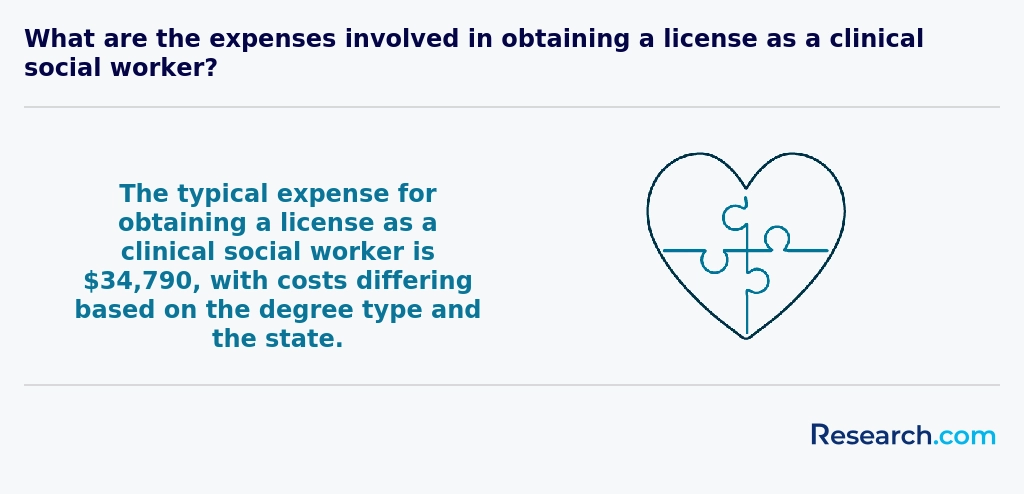
For those seeking affordable social work programs Seattle 2027 might spotlight, the path also includes hidden costs-books, licenses, and living expenses. Yet, the opportunity to thrive in settings rich with cultural diversity and professional support energizes students. If cost is a concern, checking out the cheapest social work school in Washington could be the first step toward an enlightening and budget-wise educational adventure.
Best Practices for Selecting Affordable Social Work Programs in Seattle
To make an informed decision when selecting an affordable social work program in Seattle, it's essential to consider several factors. One crucial aspect is the program's accreditation, ensuring it meets the standards set by the Council on Social Work Education (CSWE). Another key factor is the program's curriculum, which should blend theoretical knowledge with practical experience, preparing students for the complexities of social work. For those looking for the cheapest social work school in Washington, considering the cost of tuition, living expenses, and available financial aid is vital. The location of the program, whether in a urban or rural setting, can also impact the learning experience, with Seattle offering a unique blend of cultural diversity and community engagement opportunities. By evaluating these factors and prioritizing their individual needs, prospective students can find an affordable social work program in Seattle that aligns with their career goals and financial situation.
What financial aid is available to social work degree students in Seattle?
Imagine sitting in a University of Washington classroom, feeling the weight of tuition disappear as a Pell Grant slices through costs like a lighthouse in a fog of financial stress. Many Seattle social work students share this relief, having harnessed federal aid that lights the path with grants requiring no repayment and low-interest loans structured around their unique journeys.
A graduate from Seattle University recalls how the Washington College Grant painted a brighter future, covering much of her tuition thanks to state support geared specifically for residents. These scholarships dance alongside federal aid, making the dream of serving the community not just noble but financially attainable.
Then there are those who found unexpected allies in local foundations and the National Association of Social Workers, whose scholarships reward commitment beyond numbers-recognizing passion, service, and the drive to uplift others.
Seattle's employers and nonprofits, aware of the city's social fabric needs, often become patrons themselves, offering tuition reimbursement programs that transform jobs into stepping stones toward social impact careers.
Fast-Track Your MSW: Accelerated Online Options
For many aspiring social workers in Seattle seeking both efficiency and flexibility, accelerated online Master of Social Work programs have become a game changer. These programs are designed to help motivated students fast-track their education while maintaining high academic standards and comprehensive field placements. With a condensed curriculum that emphasizes real-world applications and early professional exposure, these programs enable you to begin your career sooner without compromising on quality outcomes. One key benefit of accelerated online MSW programs is their adaptability to individual schedules. Whether you’re working full-time or balancing family commitments, you can access coursework at your convenience while still engaging in interactive virtual class sessions and networking opportunities. Additionally, mature online platforms validate their courses through rigorous accreditation standards, ensuring that graduates are well-prepared for licensure and career advancement. Students considering this path can explore various program features, including intensive modules, practical case studies, and frequent feedback from experienced faculty. For further insights and program comparisons, many find it useful to review options like accelerated msw programs online, which offer detailed rankings, student testimonials, and cost analyses. Ultimately, accelerated online pathways provide a streamlined educational journey, blending academic rigor with real-world readiness-empowering you to make an immediate impact in your community as a highly skilled social work professional.
What are the prerequisites for enrolling in social work degree program in Seattle?
Embarking on a social work journey in Seattle means stepping into a world where academic readiness meets heartfelt commitment. Graduates from universities like the University of Washington recall how a solid high school diploma or GED was just the start, paired with a GPA hovering around 2.5 to open doors to the Bachelor of Social Work programs. Imagine walking into a classroom, ready because you've already wrestled through English essays and social science debates-foundations that spark empathy and critical thinking.
For those fueled by a passion deeper than the bachelor's level, the Master of Social Work programs beckon, typically reserved for those holding any bachelor's degree yet shining brightest with coursework in psychology or sociology. Local MSW students often share how their 3.0 GPA and volunteer experiences in community shelters became their passport, fleshing out applications with personal stories and letters supporting their drive.
Seattle's commitment to safe, ethical practice means background checks and health clearances become ritual rites of passage before plunging into community agencies or hospitals-a step that graduates say felt like a meaningful promise to those they will serve.
Comparing Seattle’s Affordability to Other Leading Social Work Programs
Seattle’s social work degree programs deliver high-quality training, but prospective students should weigh costs against other regions to maximize return on investment. For example, Seattle’s average in-state tuition for a Bachelor of Social Work hovers around $12,000 per year, with living expenses averaging $20,000–$25,000 annually. By contrast, Midwestern cities often offer lower overall costs without sacrificing accreditation or field placement opportunities. To explore a detailed breakdown of tuition, fees, and student outcomes in another affordable market, see our Affordable Social Work Degree Programs Ranking in Saint Louis, MO. Beyond tuition, factors such as cost of living, availability of paid internships, and state funding incentives can significantly impact net cost. Saint Louis, for instance, benefits from a lower housing index and robust state scholarship programs that reduce out-of-pocket expenses by up to 30%. When comparing Seattle’s dynamic job market-with average social worker salaries of $64,360-to Saint Louis’s emerging community outreach roles, students can identify which region aligns with both their budget and long-term career goals. By conducting a side-by-side analysis, aspiring social workers can confidently choose the program that balances affordability, quality, and professional growth.
What courses are typically in social work degree programs in Seattle?
Imagine diving into human behavior through courses at the University of Washington's School of Social Work, where graduates recall peeling back layers of psychological and sociological theories to understand the stories behind every person they meet. In Seattle, social welfare policy classes are not just lectures-they're lively debates on real laws shaping the city's neighborhoods, taught with fresh insights from local practitioners facing evolving social challenges daily.
Practice courses become a launchpad for empathy and action as students from Seattle University describe grappling with ethical dilemmas and building cultural competence while role-playing community interventions. These classes transform theory into heartfelt connection, preparing students for the vibrant diversity found in Seattle's metropolitan tapestry.
Research methods here equip aspiring social workers with the power to analyze local data-imagine interpreting statistics about homelessness and then crafting solutions tailored for Seattle's unique urban fabric. Field placements make all lessons tangible, placing students alongside nonprofits tackling real issues, turning anxiety into confidence and passion into real-world impact.
What types of specializations are available in social work degree programs in Seattle?
Diving into social work specializations in Seattle feels like stepping into a vibrant mosaic of purpose-driven paths. Imagine studying at a local university where graduates share tales of hands-on clinical social work-diagnosing and healing mental health struggles amid the city's pulse. Their practicum stories come alive, reflecting the demand for Licensed Clinical Social Workers who help communities reclaim balance. Another favorite among Seattle students is child and family social work, where collaboration with local agencies turns theory into heartfelt action, transforming vulnerable youth's lives. Seattle's unique demographics also inspire explorations in gerontology, blending eldercare advocacy with warm community connections, echoing the city's respect for its aging population.
Equally compelling are those passionate about community organization and social justice, mobilizing resources to dismantle systemic inequalities right in Seattle's neighborhoods, fueling hope and change. Seattle social work degree concentrations captivate students eager for authentic impact, often enhanced by flexible options like accelerated msw programs online, making their journey both dynamic and personal.
How do you choose the best social work degree in Seattle?
Choosing the best social work degree in Seattle is like mapping your unique journey through a vibrant city - you want a path that blends your passion, budget, and lifestyle into a seamless adventure. Graduates from University of Washington rave about the freedom of weekend intensives, which transforms busy city life into manageable study blocks, proving flexibility is not just a buzzword but a real campus rhythm. Meanwhile, students from Seattle University often speak of the energized mentorship and deep community ties that come with a private institution's focus, igniting a strong sense of belonging.
Financial reality hits hard, so hunting for affordable social work degree programs Seattle offers is crucial. Imagine the relief of discovering a balance between quality and cost, much like spotting a hidden café gem during a stroll. For those looking beyond the traditional two-year MSW, exploring options like the most affordable online doctorate in social work can open new doors without uprooting your life.
Don't forget the power of accreditation and internships; these are your city guides ensuring your professional journey stays on track. Hearing stories from alumni who landed roles with local nonprofits after hands-on placements can spark hope and motivation, reinforcing that finding the right program here is more than a degree-it's a stepping stone to a meaningful career.

What career paths are available for social work degree students in Seattle?
Graduates from social work programs at University of Washington or Seattle University often step into roles that feel more like heart-driven missions than mere jobs. Imagine a clinical social worker at a bustling Seattle hospital, using their Master's degree and LCSW licensure to untangle the emotional webs of patients facing chronic illnesses. Or consider the vibrant daily life of a child and family social worker, guiding children through tough crises in Seattle's school systems, their work rippling through communities like quiet revolutions. These careers aren't just professions; they're avenues to deeply influence the city's social fabric.
Students exploring social work career opportunities in Seattle often speak of the rewarding challenge of working in policy advocacy within nonprofit agencies, steering programs that shape public health and welfare. Some find purpose as gerontology specialists, addressing the unique needs of Seattle's aging population with empathy born from their academic training. The path from classroom to community feels seamless here, where local employers support licensing journeys and professional growth.
For those seeking financial feasibility while pursuing their passion, the Affordable Social Work Degree Programs Ranking in Saint Louis, MO highlights options beyond Seattle, adding perspective to cost versus career rewards in social work.
Jobs with a social work degree in Seattle reflect this city's mosaic of cultures and challenges, beckoning committed graduates ready to change lives with every case they embrace.
What is the job market for social work degree in Seattle?
The social work job outlook Seattle graduates face is vibrant and expanding, fueled by the city's deep-rooted commitment to mental health, child welfare, and elder care. Graduates from well-known institutions in Seattle often recount their smooth transitions into roles within hospitals, schools, and nonprofit agencies that tackle homelessness and domestic violence. These jobs aren't just work-they're community lifelines, where dedication meets real impact every day. Living in Seattle means navigating a higher cost of living, but social workers here enjoy wages that reflect that reality, often surpassing national averages. This dynamic market rewards passion and innovation in social services, making it an exciting place for fresh graduates to jump in.
What makes Seattle unique is the array of employment opportunities for social workers in Seattle with diverse settings-from child protective agencies to immigrant support nonprofits. Many graduates value the chance to blend their academic knowledge with hands-on work in culturally rich environments. For those seeking to earn and learn flexibly, Seattle's educational landscape includes options like accelerated online degree programs, which help balance cost and quality while opening doors to this growing field.
Frequently Asked Questions About social work
Social work degree students in Seattle can maximize their learning by engaging deeply with local community organizations. Seattle offers a variety of internship and practicum opportunities through agencies addressing homelessness, mental health, and child welfare. These real-world experiences are vital for applying classroom knowledge.
Students should also consider participating in study groups and networking events hosted by local chapters of the National Association of Social Workers (NASW). According to NASW Washington, members gain access to mentorship and professional development tailored to Seattle's social service landscape.
Seattle's universities, such as the University of Washington, provide access to research centers focusing on urban social issues, allowing students to connect theory with ongoing studies. Utilizing these resources enhances academic growth and career readiness.
Emerging niches in social work reflect the evolving needs of communities, especially in urban centers like Seattle. One growing area is healthcare social work, where professionals assist patients in navigating medical systems and managing chronic illnesses. With Seattle's aging population increasing, this niche is expected to expand significantly. Another important specialty is environmental justice social work, addressing the impact of climate change on vulnerable populations, a concern highlighted by local organizations such as the Washington Chapter of the National Association of Social Workers.
Additionally, digital and telehealth social work is accelerating, driven by technological advancements and the COVID-19 pandemic's lasting effects on service delivery. Social workers skilled in virtual communication are now in high demand. Furthermore, social work in the field of immigration and refugee services is critical in Seattle due to its diverse population. Professionals in this niche help families navigate legal and social support systems to promote integration and well-being.
Preparing for the job market after completing a social work degree in Seattle involves key strategic steps. First, gaining relevant experience through internships or practicum placements is essential, as employers highly value hands-on skills. Many Seattle-area universities require fieldwork, helping bridge theory and practice.
Networking within local organizations like the Washington Chapter of the National Association of Social Workers can open doors to job opportunities. According to the U.S. Bureau of Labor Statistics, Seattle has a growing demand for social workers, with a 12% projected job growth through 2031.
Obtaining licensure, such as the Licensed Social Worker (LSW) credential in Washington State, is mandatory for many positions and increases employability. Finally, developing strong communication and cultural competence enhances career prospects in this diverse city.
Employers in Seattle seeking social work degree graduates prioritize strong interpersonal and communication skills. These skills enable graduates to effectively engage with diverse populations across the city's multicultural communities. According to the Washington State Department of Social and Health Services, empathy and active listening are critical, as social workers often support individuals facing complex challenges such as homelessness and mental health issues.
In addition, Seattle employers value cultural competence, especially due to the city's growing immigrant and refugee populations. Graduates with knowledge of local resources and policy frameworks tend to have an advantage. Analytical thinking and problem-solving are also important, assisting social workers in developing tailored intervention plans.
Leadership and teamwork abilities are frequently sought, as many social workers collaborate with healthcare providers, educators, and government agencies to coordinate care and advocacy efforts.
Finding internships in Seattle relevant to a social work degree involves leveraging both academic and community resources. Most social work programs in the area require or highly encourage internships as part of their curriculum, which connect students with local agencies.
Seattle hosts numerous social service organizations, including YouthCare and the YMCA's Strong Communities program, that often provide internship opportunities for aspiring social workers. Students should consult their university's career services and field education offices, which maintain updated lists of internships and assist with placements.
The Washington State Department of Social and Health Services (DSHS) also offers internship possibilities and valuable experience in public social services. Utilizing online platforms like Handshake and Indeed can help identify openings specific to the Seattle area.
Networking through community events and professional groups like the Washington Chapter of the National Association of Social Workers (NASW) can improve chances of securing reputable internships.
In Seattle, earning a social work degree significantly enhances career mobility and advancement opportunities. According to the U.S. Bureau of Labor Statistics, the Seattle metropolitan area has a higher-than-average employment level for social workers, reflecting strong local demand.
Graduates with a Bachelor of Social Work (BSW) often start in entry-level positions but can advance by gaining experience or pursuing a Master of Social Work (MSW). An MSW is frequently required for clinical roles and leadership positions.
The Washington State Department of Social and Health Services emphasizes that licensure is vital for career progression, which a degree supports. Licensed social workers tend to earn higher salaries and have more job options.
Seattle's diverse population and wide range of social service organizations create a dynamic job market for degree holders. Local data from the Washington State Employment Security Department shows growth in social work jobs projected at 12% through 2030, indicating strong prospects for graduates.
Studying for a social work degree in Seattle equips students with skills essential for interdisciplinary collaboration. Programs often emphasize teamwork with professionals in healthcare, education, and criminal justice, reflecting the city's integrated approach to social services. Seattle's universities incorporate practical experiences through partnerships with local agencies such as the King County Department of Community and Human Services.
Courses include public health, policy analysis, and psychology, preparing graduates to communicate effectively across various fields. According to the University of Washington's School of Social Work, over 70% of recent graduates report working in interdisciplinary settings shortly after graduation.
This education model is crucial for addressing complex social issues prevalent in Seattle's diverse communities.
Choosing between a thesis and a non-thesis social work degree program in Seattle depends largely on your career goals and learning preferences. Thesis programs emphasize research and require students to complete an original study, which suits those interested in clinical work, policy development, or pursuing a PhD. Non-thesis tracks focus more on practical skills through coursework and fieldwork, ideal for students targeting immediate entry into social work practice.
According to the Council on Social Work Education, Seattle's accredited programs often offer both options, with thesis students dedicating an additional 6 to 12 months for research. Financial aid and program length may also vary between tracks, so consider these factors carefully.
Students based in Seattle who wish to study social work abroad have several pathways through US higher education programs that offer international learning opportunities. Many Seattle universities with Accredited Council on Social Work Education (CSWE) programs, such as the University of Washington, provide exchange programs or study abroad partnerships with institutions in countries like the UK, Australia, and Canada.
These programs often combine classroom learning with field placements abroad, enhancing global social work perspectives. According to the American Council on Education, nearly 10% of social work students in the US engage in international study components, supported by scholarships and grants.
Seattle-based students can also explore virtual global internships, which broaden access and reduce expenses while gaining crucial cross-cultural experience.
Part-time job opportunities in Seattle that complement social work degree education often involve direct engagement with vulnerable populations. Positions such as case aides or community outreach workers at local nonprofits provide practical experience aligned with social work principles.
Seattle hosts several organizations, including the Downtown Emergency Service Center and the Seattle Foundation, which frequently offer such roles. These jobs help students develop skills in client communication, resource coordination, and crisis intervention.
According to the Washington State Employment Security Department, social service roles in Seattle have grown by over 8% in recent years, reflecting increased demand for social work professionals.
Additionally, working as support staff in shelters or youth programs offers exposure to diverse social issues and enhances cultural competence, essential for future social workers.
Social work students in Seattle benefit from a variety of strong networking opportunities supported by local universities and professional organizations. The University of Washington's School of Social Work, for example, hosts annual career fairs and connects students with over 500 community agencies for internships and volunteer work, enriching real-world connections.
Moreover, Seattle is home to chapters of the National Association of Social Workers (NASW) offering regular events, workshops, and mentorship programs, which are key for expanding professional networks. According to NASW, members report a 35% increase in job opportunities through networking activities.
Community service initiatives and conferences in Seattle also bring students together with experienced practitioners, fostering valuable mentorship and collaboration.
Alumni networks play a crucial role for social work degree students in Seattle by offering valuable professional connections and mentorship opportunities. Graduates can rely on these networks to access job leads within the city's large social services sector, which employs over 15,000 social workers according to the U.S. Bureau of Labor Statistics (2023).
These networks often organize events, workshops, and online forums that help students build relationships with experienced professionals. This connection is especially important in Seattle, where community-based agencies and nonprofits prefer candidates with strong local ties.
Additionally, alumni can support students by sharing guidance on licensing processes specific to Washington State. Many social work programs report higher employment rates within six months for students actively engaging with alumni.
Customizing your social work degree program in Seattle allows you to align your education with specific career goals. Many local universities offer concentrations such as clinical social work, child and family services, or community development. Choosing electives and practicum placements within Seattle's diverse communities can deepen your expertise in areas like homelessness or substance abuse. Seattle's strong network of social service agencies provides opportunities for hands-on experience. Additionally, some programs offer part-time, online, or evening classes to fit working professionals' schedules. According to the Washington State Employment Security Department, specialized skills boost employability in the region's growing social work field.
Social work students in Seattle often face challenges balancing rigorous academic demands with fieldwork requirements. Many must complete hundreds of hours of supervised practical experience, which can be difficult alongside part-time jobs or family responsibilities.
Financial strain is another common issue. Despite Seattle's growing economy, tuition costs and living expenses are high. According to the Washington Student Achievement Council, the average annual cost for in-state students at public universities in Washington exceeds $12,000, excluding housing and materials.
Students also encounter emotional stress due to exposure to complex social issues during internships. Access to adequate mental health support remains critical for maintaining well-being throughout their studies.
With a social work degree in Seattle, you can pursue several professional certifications to advance your career. The most recognized credential is the Licensed Master Social Worker (LMSW), allowing you to practice under supervision across Washington state. After gaining experience, many professionals aim for the Licensed Independent Clinical Social Worker (LICSW), which permits independent clinical practice.
Additional certifications include the Certified Social Work Case Manager (C-SWCM) and the National Certified School Social Work Specialist (N-CSSWS), which can enhance job prospects in specialized roles. According to the Washington State Department of Health, social workers holding these licenses benefit from higher employability and a median annual wage above $70,000 in the Seattle area.
To write a winning application for a social work program in Seattle, start by researching local universities' admission requirements carefully, such as those at the University of Washington's School of Social Work. Highlight any relevant volunteer or paid experience, emphasizing work with diverse populations common in Seattle's urban environment. Seattle programs often value a demonstrated commitment to social justice and community service, so clearly articulate your motivation and goals.
Be sure to include strong letters of recommendation from supervisors or professors who can attest to your interpersonal skills and professionalism. According to NASW Washington Chapter, practical experience and cultural competence are vital.
Finally, write a clear, concise personal statement showing awareness of regional social issues and how you plan to contribute upon graduation.
Social work is recognized worldwide as a vital profession focused on improving individual and community well-being. Globally, the role of social workers varies according to cultural, economic, and legal contexts, but the core mission remains consistent: advocating for social justice and supporting vulnerable populations.
In the United States, including Seattle, social work education aligns with standards set by the Council on Social Work Education (CSWE), ensuring graduates are equipped for both local and international challenges.
Seattle, as a diverse and rapidly growing city, offers social work students opportunities to engage with multicultural populations, reflecting global social issues such as immigration and urban poverty. According to the Bureau of Labor Statistics, the demand for social workers in Washington state is expected to grow 13% from 2021 to 2031, reflecting a strong local and national need.
The international perspective enriches the profession by encouraging cultural competence and adaptive strategies, which are increasingly valuable for U.S.-trained social workers seeking to address global interconnected challenges.
Gaining practical experience while studying for a social work degree in Seattle is essential for preparing for a professional career. Many accredited programs require internships or field placements supervised by experienced social workers. These opportunities often take place in local hospitals, schools, community centers, or government agencies. According to the University of Washington School of Social Work, students complete at least 900 hours of supervised fieldwork to meet graduation requirements.
Students can also volunteer at nonprofit organizations such as the Downtown Emergency Service Center or YouthCare, both active in Seattle's social support network. These experiences offer real-world exposure and networking opportunities. Additionally, Seattle promotes partnerships between academic institutions and social service agencies, enhancing practical learning for students.
Choosing the right concentration within a social work degree program in Seattle depends largely on your career goals and interests. Social work programs often offer focuses such as clinical social work, policy and advocacy, or community organizing. According to the University of Washington's School of Social Work, clinical social work remains highly in demand in Seattle, partly due to strong healthcare and mental health services sectors in the region.
Consider the populations you want to serve-children, elderly, or marginalized groups-and explore which concentrations align with these areas. Research opportunities and practicum placements in Seattle-based agencies can also guide your choice. Reviewing job market trends, such as the Washington State Employment Security Department data, can help you identify where social workers are most needed locally.
Related Social Work Rankings for Nearby Cities
- 2027 Most Affordable Social Work Degree Programs Ranking in Portland
- 2027 Most Affordable Social Work Degree Programs Ranking in Berkeley
- 2027 Most Affordable Social Work Degree Programs Ranking in Fresno
- 2027 Most Affordable Social Work Degree Programs Ranking in Los Angeles
- 2027 Most Affordable Social Work Degree Programs Ranking in Denver
- 2027 Most Affordable Social Work Degree Programs Ranking in San Diego
- 2027 Most Affordable Social Work Degree Programs Ranking in Omaha
- 2027 Most Affordable Social Work Degree Programs Ranking in Minneapolis
- 2027 Most Affordable Social Work Degree Programs Ranking in Saint Paul
- 2027 Most Affordable Social Work Degree Programs Ranking in Duluth
Top Trending Social Work Rankings
See What Experts Have To Say About Studying Social Work
Read our interview with Social Work experts

References
- Social Work Scholarships https://socialworklicensemap.com/social-work-resources/social-work-scholarships/
- Web Exclusive https://www.socialworktoday.com/archive/exc_081823.shtml
- Practice & Networking Groups | AASW https://www.aasw.asn.au/about-aasw/practice-networking-groups/
- Social Work News https://www.mysocialworknews.com/article/how-to-find-your-social-work-niche
- The Best International Social Work Internships for Undergrads and Grads https://www.internhq.com/fields/social-work/
- Best Affordable Master's Degree In Social Work https://www.psychology.org/social-work/best-affordable-masters-programs/
- Grand Challenges for Social Work https://grandchallengesforsocialwork.org/
- Social Work Internships https://www.stjude.org/education-training/professional-development/internships/social-work.html
- Social Work Networking Nights - National Association of Social Workers https://www.naswma.org/page/218
- Global Perspectives in Social Work https://www.gu.se/en/study-in-gothenburg/exchange-student/courses/sw1118