2027 Most Popular Social Work Degree Programs Ranking in New Orleans

Co-Founder and Chief Data Scientist
Choosing the right social work degree program is an important step for students in New Orleans who want to make a positive impact in their communities. This article introduces the 2027 Most Popular Social Work Degree Programs Ranking in New Orleans, developed by the Research.com team of data scientists.
By exploring this ranking, you'll gain valuable insights to guide your decision and find programs that match your goals and values. Pursuing a social work degree opens doors to meaningful careers dedicated to helping others and creating lasting change.
Key benefits of getting social work degree in New Orleans
- Social work degree graduates in New Orleans can expect competitive salaries, with roles like Social Workers earning a mean annual wage of $68,800 and Community Organizers making around $83,400.
- Graduates from local universities often find diverse career paths in child welfare, residential counseling, and youth work, offering rewarding opportunities to make a real difference in the community.
- Completing a social work degree online provides flexibility and accessibility, allowing students to balance studies with personal commitments while gaining the skills needed to succeed in New Orleans' social services field.
- 2027 Most Popular Social Work Degree Programs Ranking in New Orleans
- What can I expect from social work degree in New Orleans?
- Where can I work with social work degree in New Orleans?
What can I expect from social work degree in New Orleans?
The average cost of obtaining a social work degree in New Orleans varies significantly depending on the institution. Graduates from public universities, such as the University of New Orleans, often benefit from more affordable in-state tuition rates, which greatly reduce financial strain for local students. In contrast, private colleges in the area tend to charge higher tuition fees, reflecting broader access to specialized resources and smaller class sizes. Many students share that the availability of scholarships and financial aid plays a crucial role in making these programs attainable, easing concerns about financing their education.
For example, graduates frequently describe balancing their rigorous coursework with hands-on field placements at local hospitals or community organizations, where real-world challenges like housing instability and poverty come into sharp focus. This blend of academic and practical experience not only enhances their learning but also fosters a strong sense of fulfillment and purpose. The financial investment in these programs is often seen as worthwhile by students motivated to make a tangible difference within New Orleans' diverse communities.
Where can I work with social work degree in New Orleans?
Graduates with a social work degree in New Orleans find rewarding employment opportunities across diverse sectors. Many alumni from institutions like the University of New Orleans pursue careers in healthcare settings such as Tulane Medical Center and Ochsner Health, where they assist patients coping with emotional and financial stress during treatment. The firsthand experience of helping vulnerable patients often inspires a deep sense of fulfillment.
Public agencies also provide robust career paths. Social work graduates frequently join the Louisiana Department of Children and Family Services or New Orleans' Office of Juvenile Justice, engaging in critical work like child protection and youth rehabilitation. These roles enable professionals to make meaningful community impacts and witness tangible improvements in vulnerable populations' lives.
Nonprofits are another prominent employer, with graduates involved in addiction counseling, homelessness prevention, and family support through organizations such as the East Jefferson General Hospital Foundation. Many social work students appreciate how these roles foster close community connections and promote positive change at a grassroots level.
Education sectors, including local public schools and universities, offer opportunities for counseling and crisis intervention, helping marginalized youth succeed academically and emotionally. Securing a Louisiana social work license further broadens career prospects in clinical and specialized roles throughout New Orleans.
- Annual tuition for social work degrees in New Orleans ranges from $8,000 to $15,000 at public schools and can exceed $20,000 at private institutions.
- Starting salaries for social work graduates average between $40,000 and $45,000 per year, increasing to $50,000-$60,000 with experience.
- Employment opportunities for social workers in the New Orleans metro area are expected to grow by about 10% over the next decade.
- Most social work programs in New Orleans are accredited by the Council on Social Work Education (CSWE), which is important for licensure and employment.
- Licensing requires passing a national exam and completing supervised practice hours, with an MSW generally needed for clinical social work roles.
When deciding on a social work program, it is essential to consider several factors that can significantly influence your educational journey and future career. One crucial step is to research the program's accreditation, ensuring it is recognized by the Council on Social Work Education (CSWE), as this can affect licensure and job opportunities. Another significant factor is the curriculum and specializations offered, as they should align with your career goals, whether in clinical social work, community organizing, or another area. Field experience is also vital, as hands-on training through internships or practicums can provide invaluable experience and prepare you for the challenges of the profession. Flexibility in program structure, such as part-time or online options, can also be important for those balancing other responsibilities. Additionally, the support services offered by the program, including academic advising and career counseling, can play a significant role in navigating your studies and transitioning into the workforce. For more information on popular social work programs, you can visit most popular social work schools to find the best fit for your aspirations and goals. By carefully evaluating these aspects, you can make an informed decision and set yourself up for success in your social work career.
Navigating a social work program can be challenging yet deeply rewarding, and adopting practical strategies can help you excel both academically and professionally. To start, consider setting clear goals for your studies and exploring various learning styles that suit your personal preferences; this might include joining study groups or seeking mentorship from experienced professionals in the field. Additionally, leveraging campus resources such as counseling services, academic advisories, and digital libraries can enhance your ability to manage course demands and stay updated with the latest research trends. It is also beneficial to gain exposure through internships and volunteer opportunities, as real-world experience enriches classroom learning and expands your professional network. For those exploring flexible learning paths or planning advanced studies, an option like phd social work online could be an attractive way to further elevate your credentials while accommodating other commitments. Remember to continuously seek out workshops, webinars, and professional development courses that help you build a strong foundation for lifelong success in social work.
The average social work degree cost in New Orleans reflects a median total expenditure of approximately $36,555, with in-state students typically paying around $23,918. Graduates from prominent local institutions often describe the investment as both significant and worthwhile, appreciating the hands-on experience and community connections fostered throughout their studies. These universities provide rigorous programs that equip students with essential skills for impactful social work careers.
For students evaluating the cost of social work programs in New Orleans, it is common to consider factors such as tuition, fees, and living expenses. Public universities generally offer lower tuition for residents, making the degree more accessible. Some graduates recall how balancing part-time study and employment helped manage costs while gaining practical experience. The availability of online or part-time MSW programs further assists students in tailoring their education to fit personal and financial circumstances.
Financial aid resources are also a crucial element in managing expenses. Many social work students leverage scholarships, grants, and state-specific aid, often encouraged by faculty advisors to explore opportunities through the Louisiana Office of Student Financial Assistance. Moreover, employers in the social services sector sometimes provide tuition reimbursement, easing the financial burden and motivating students to complete their degrees.
Prospective students can find detailed insights by exploring the most popular social work schools in New Orleans, which showcase program strengths, community engagement, and cost structures, helping them make informed decisions about pursuing their social work ambitions locally.
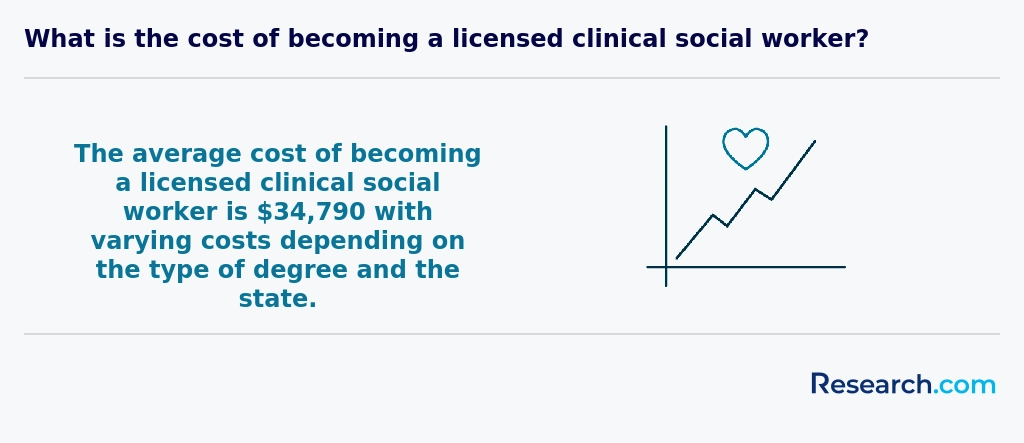
Obtaining state licensure is a critical milestone for social work graduates in New Orleans, LA, ensuring you meet professional standards and can practice independently. Most states, including Louisiana, require candidates to complete a CSWE-accredited program, pass the Association of Social Work Boards (ASWB) exam, and fulfill supervised practice hours-typically 2,000 to 3,000 hours for clinical licensure. After earning your BSW or MSW, you’ll register with the Louisiana State Board of Social Work Examiners, submit official transcripts, and provide verification of supervised experience. Preparation for the ASWB exam begins with understanding its structure: the bachelor’s level exam focuses on foundational practice, while the master’s and clinical exams cover advanced assessment, diagnosis, and intervention strategies. Many programs embed exam prep workshops into the curriculum, but you can further reinforce your knowledge through online review courses or study groups offered by professional associations. Beyond initial licensure, maintaining your credential involves completing continuing education units (CEUs) every two years-often 30 hours, including ethics and cultural competency topics. Planning for these requirements early can streamline your journey: researching CEU providers, budgeting for course fees, and aligning topics with your career goals. Understanding how much does it cost to get a social work degree will also help you anticipate both tuition and licensure-related expenses, from exam fees to supervision costs. By mapping out each step-from degree completion to exam registration, supervised practice, and ongoing education-you’ll safeguard your eligibility for roles such as Licensed Baccalaureate Social Worker (LBSW) or Licensed Clinical Social Worker (LCSW). This clarity not only bolsters your professional credibility but also positions you for leadership opportunities within New Orleans’ vibrant social services sector.
After graduating from a CSWE-accredited social work program, obtaining state licensure is the critical next step to practice in Louisiana. First, candidates must register as a Social Work Associate (LSWA) through the Louisiana State Board of Social Work Examiners and complete 3,000 hours of supervised experience under a qualified LCSW within two years. Next, applicants pass the Association of Social Work Boards (ASWB) examination at the bachelor’s or master’s level, depending on their degree. Passing scores are recognized nationwide, ensuring mobility for licensed social workers. Once licensed as a Licensed Master Social Worker (LMSW) or Licensed Clinical Social Worker (LCSW), professionals must fulfill 20 hours of continuing education annually, including specific ethics and cultural competency credits, to maintain active status. Renewal applications are submitted every two years, with the Board providing online portals and detailed guidelines at each cycle. For those interested in exploring how Louisiana’s licensure framework compares with neighboring states or seeking more budget-friendly program options, consider reviewing the Affordable Social Work Degree Programs Ranking in Connecticut to understand regional certification nuances and tuition savings opportunities. By meeting these licensure and CE requirements, graduates ensure compliance, enhance their credibility, and unlock advanced clinical and administrative roles throughout Louisiana’s diverse social service landscape.
To enroll in a social work degree program in New Orleans, prospective students must meet clear educational prerequisites that reflect both national standards and local academic expectations. For undergraduate programs like the Bachelor of Social Work (BSW) at institutions such as the University of New Orleans, applicants typically need a high school diploma or GED, alongside completion of core subjects including English, mathematics, and social sciences. Graduates recall how maintaining a competitive GPA, generally around 2.5 or higher, helped them gain admission and feel confident in their academic preparedness.
For graduate-level admission into Master of Social Work (MSW) programs, students must hold a bachelor's degree from an accredited institution. While a BSW is advantageous, many graduates from New Orleans colleges emphasized that a background in related fields like psychology often suffices, provided prerequisite coursework is completed. Applicants also prepare letters of recommendation and personal statements, sharing stories about their volunteer experiences that reveal their dedication to community support.
Additionally, New Orleans programs require background checks and sometimes drug testing before clinical placements, ensuring safety for vulnerable populations. Many students express relief and pride in successfully navigating these steps, viewing them as important milestones on their path to becoming trusted social work professionals.

To practice as a social worker in New Orleans, you must obtain state licensure through the Louisiana State Board of Social Work Examiners:
- Earn a CSWE-accredited BSW or MSW program (for clinical roles, complete an MSW; explore an affordable option with our msw degree)
- Pass the appropriate ASWB exam (Bachelor’s level for BSW; Master’s level for MSW)
- Complete 4,000 supervised clinical hours over a minimum of two years for LCSW candidates
- Submit a licensure application and fees to the Louisiana State Board
- Maintain licensure with 20 hours of continuing education annually, including ethics coursework
Meeting these requirements ensures you’re fully credentialed to support New Orleans communities with professional and ethical social work services.
Accreditation is the cornerstone when choosing the best social work degree programs New Orleans offers; graduates from CSWE-accredited institutions consistently report a strong sense of preparedness and confidence entering the workforce. Many students appreciate the practical, field-based placements that local programs provide, allowing them to engage directly with New Orleans's diverse communities and social service agencies. Degree level is another key consideration-those aiming for advanced clinical roles often pursue a Master of Social Work, which local universities tailor to meet regional workforce needs.
Affordability plays a vital role in decision-making. Students attending public universities in New Orleans frequently highlight how lower in-state tuition, averaging near $8,000 annually, eases financial pressure without compromising quality. For prospective students concerned about expenses, resources explaining how much does it cost to get a social work degree can be invaluable. Flexible program formats, such as evening and part-time classes, enable working students to balance commitments effectively, a feature praised by many recent graduates from local schools.
2027 Most Popular Social Work Degree Programs Ranking in New Orleans
Investing in your education is a significant decision that can shape your future, and the Research.com team understands the importance of making informed choices. To assist prospective students in New Orleans, we have meticulously created the "2027 Most Popular Social Work Degree Programs Ranking in New Orleans." Our commitment to quality, credibility, and accuracy is demonstrated through extensive research and careful analysis to compile this ranking. We utilized the following reputable data sources to ensure a comprehensive evaluation of social work programs:
By exploring this ranking, readers will gain valuable insights into the most popular social work degree programs offered in New Orleans, helping them make informed decisions about their educational journeys. For more details on our methodology, please visit our Research.com methodology page.


Frequently Asked Questions About social work
Social work degree students in New Orleans can maximize their learning experiences by engaging actively with field placements, which are a core part of accredited programs. The Louisiana Board of Social Work Examiners emphasizes the value of supervised internships to develop practical skills and professional connections within local communities.
New Orleans offers diverse social challenges, including disaster recovery and public health needs, providing rich environments for applied learning. Students should seek programs partnered with local agencies serving vulnerable populations to gain real-world insight.
Additionally, involvement in professional organizations such as the National Association of Social Workers Louisiana Chapter can offer networking and training opportunities.
According to the Bureau of Labor Statistics, social workers in Louisiana earned a median annual wage of $48,950 in 2022, highlighting the importance of strong practical preparation.
Emerging niches in social work reflect the evolving needs of communities, and New Orleans offers unique opportunities for specialization. One growing field is trauma-informed care, addressing the lasting effects of Hurricane Katrina and ongoing social challenges. Social workers are increasingly needed in behavioral health, focusing on mental health and substance use disorders.
Another important niche is community-based disaster response, which is vital in a city prone to natural disasters. Additionally, gerontology social work is expanding as New Orleans' senior population grows, requiring specialized support services.
According to the Bureau of Labor Statistics and local workforce reports, demand for social workers in these areas is expected to grow by 12% statewide through 2030.
After completing a social work degree in New Orleans, preparing for the job market involves several important steps. First, obtaining licensure is critical. Louisiana requires a Licensed Master Social Worker (LMSW) credential for many positions, which involves passing the Association of Social Work Boards (ASWB) exam.
Networking plays a key role; joining local organizations like the Louisiana Chapter of the National Association of Social Workers can provide connections and job leads. Gaining field experience through internships or volunteer work in community agencies increases employability.
Knowing that the Bureau of Labor Statistics projects a 12% growth in social work jobs nationally through 2031 supports optimism for new graduates seeking roles in healthcare, schools, or child welfare in the New Orleans area.
Employers hiring social work graduates in New Orleans prioritize strong communication skills. Social workers often interact with diverse clients, requiring clear and empathetic dialogue. According to the Louisiana Workforce Commission, interpersonal skills are critical, as 75% of local agencies emphasize relationship-building.
Problem-solving and critical thinking are also sought-after skills. Graduates must navigate complex social issues and develop effective intervention plans.
Cultural competence is especially important in New Orleans, where diverse communities require sensitivity to different backgrounds and traditions. The National Association of Social Workers highlights this as key for success.
Additionally, organizational skills and knowledge of local policies enhance a candidate's ability to manage caseloads efficiently.
Finding internships in New Orleans relevant to a social work degree involves connecting with local agencies and universities offering social work programs. Many social work students secure internships through partnerships between universities like Tulane and the University of New Orleans and community organizations. These internships often focus on areas such as child welfare, mental health, and housing services.
The Louisiana Department of Children & Family Services frequently lists internship opportunities specific to social work students. Additionally, nonprofit organizations such as the New Orleans Family Justice Center provide hands-on experiences essential for degree completion.
Networking at local social work conferences and utilizing university career centers can also enhance your internship search. The National Association of Social Workers Louisiana Chapter is a valuable resource for internship postings and professional guidance in the area.
A social work degree in New Orleans significantly enhances career mobility and advancement opportunities. Graduates with a Bachelor of Social Work (BSW) or Master of Social Work (MSW) are eligible for licensure, which is required by many employers in both public and private sectors. According to the Louisiana Workforce Commission, social workers in the New Orleans metropolitan area earn a median annual salary of around $51,000, with those holding advanced degrees often securing supervisory or specialized roles.
Holding an MSW allows professionals to pursue clinical licensure, expanding job prospects in mental health, healthcare, and school settings. The region's diverse population and social challenges create a consistent demand for skilled social workers, supporting career growth. Networking through local organizations, such as the Louisiana Chapter of the National Association of Social Workers, also plays a role in professional development and promotions.
Studying for a social work degree in New Orleans prepares students for interdisciplinary roles by emphasizing collaboration across health, mental health, education, and justice systems. Local programs align with national Council on Social Work Education (CSWE) standards, which stress teamwork skills essential for addressing complex community needs. New Orleans' diverse population and unique social challenges offer students real-world experience working alongside professionals from nursing, law enforcement, and public health.
Research from Tulane University shows that social workers in New Orleans often partner with other sectors to manage post-disaster recovery and mental health services, highlighting the importance of interdisciplinary training. This approach equips graduates to navigate and influence multiple systems effectively.
Choosing between a thesis and a non-thesis social work degree program in New Orleans depends largely on your career goals. A thesis option involves extensive research, making it ideal for students interested in academic, policy, or clinical research careers. It requires developing a formal research project, often preparing graduates for doctoral studies.
In contrast, a non-thesis program focuses on practical experience and coursework, suited for those aiming to enter professional practice directly. The Council on Social Work Education (CSWE) accredits both formats, ensuring quality training aligned with Louisiana's workforce needs.
Consider your interest in research versus practice and future plans before deciding.
Students based in New Orleans interested in studying social work abroad have several pathways to consider. Many universities in New Orleans, such as Tulane University, offer study abroad programs that allow social work majors to complete part of their coursework internationally while earning credit toward their degree. These programs often include partnerships with universities in countries like the United Kingdom, Australia, and Ireland, recognized for strong social work education.
Additionally, professional organizations such as the Council on Social Work Education (CSWE) support international exchanges and accredit programs that ensure global standards. Participation in such programs helps students gain valuable cross-cultural experience essential for social work practice.
New Orleans social work students can also explore government and private scholarships aimed at international study, easing financial barriers. According to the Louisiana Board of Regents, international study opportunities for social work are expanding, reflecting growing recognition of global social issues relevant to local practice.
Part-time job opportunities in New Orleans that complement social work degree education often involve direct community engagement. Roles such as case aides or social work assistants in local nonprofits provide practical experience with vulnerable populations. According to the Louisiana Workforce Commission, demand for social and human service assistants in the region is projected to grow 12% through 2028.
Other relevant positions include shelter coordinators at homeless outreach organizations and crisis hotline responders, which enhance communication and intervention skills. Healthcare support roles in hospitals or clinics also offer valuable exposure to social determinants of health.
These jobs enable students to apply classroom theory in real-world settings while building professional networks.
Social work students in New Orleans have access to various networking opportunities through local universities, professional associations, and community organizations. Tulane University and the University of New Orleans both offer active social work programs that connect students with internships and local agencies.
The Louisiana Chapter of the National Association of Social Workers (NASW) hosts events and workshops in New Orleans, helping students build professional relationships. Additionally, local nonprofits such as the Louisiana Children's Museum and the Urban League provide platforms for volunteer work and networking.
According to NASW Louisiana, over 70% of social workers in the state report benefits from these professional networks, which are key for career advancement and mentorship.
Alumni networks play a vital role in supporting social work degree students in New Orleans by providing valuable professional connections. These networks help students access local job opportunities in social services, a sector that employs over 3,000 professionals in the city according to the Louisiana Workforce Commission.
Through alumni events and mentorship programs, students gain insights into the challenges and trends specific to New Orleans communities. This guidance can be crucial for developing skills that meet local needs.
Additionally, alumni contacts often share internship and volunteer openings, enhancing practical experience essential for licensure and career advancement in social work.
Customizing your social work degree program in New Orleans starts with selecting a focus area that aligns with your career goals. Many local universities offer concentrations such as clinical social work, community organizing, or policy analysis. For example, Tulane University provides electives in trauma-informed care, which is vital due to the city's history with natural disasters and a diverse population.
Internships and field practicums are key for hands-on experience. Social work programs in New Orleans often partner with agencies addressing homelessness, mental health, and juvenile justice, allowing you to build relevant skills.
Additionally, consider part-time or online course options to balance work. According to the Council on Social Work Education, tailoring your studies with practicum choices and electives enhances employability in Louisiana's growing social services sector.
Social work students in New Orleans often face financial challenges due to the high cost of living combined with tuition expenses. According to the Louisiana Board of Regents, many students rely on federal loans or part-time jobs while studying. Balancing rigorous coursework and field placements is another common difficulty. Local agencies require significant hours of supervised practice, which can be time-consuming and stressful alongside academic responsibilities.
Additionally, students must prepare for licensure exams that demand a strong understanding of both state and federal social welfare policies. Exposure to complex community issues such as poverty and recovery from natural disasters further tests their resilience and professional readiness.
With a social work degree, graduates in New Orleans can pursue several professional certifications that boost their career prospects. The most recognized certification is the Licensed Master Social Worker (LMSW), which is required for many clinical and non-clinical positions. After gaining supervised experience, one can apply for the Licensed Clinical Social Worker (LCSW) credential, essential for independent clinical practice.
Other certifications include Certified Social Work Case Manager (C-SWCM) and certifications in areas like school social work or substance abuse counseling. According to the Louisiana State Board of Social Work Examiners, about 3,000 licensed social workers serve in the state, reflecting a growing demand for qualified professionals.
Writing a winning application for a social work program in New Orleans requires clear demonstration of your commitment to community service and understanding of local social issues. Highlight any volunteer or work experience related to mental health, child welfare, or nonprofit organizations, as these are important areas in the city. According to the National Association of Social Workers, programs value applicants showing cultural competence and awareness of New Orleans' diverse populations.
Strong personal statements that connect your goals to the unique challenges faced by the city's communities can help you stand out. Additionally, ensure your letters of recommendation come from professionals familiar with your skills in empathy and teamwork. Meeting all application deadlines and submitting transcripts promptly are essential for consideration by schools such as Tulane University and University of New Orleans.
Social work as a career holds significant global importance, with essential roles in health, education, and community development worldwide. In the United States, including New Orleans, social work education aligns with international standards set by organizations such as the International Federation of Social Workers. This ensures graduates are prepared to address diverse societal challenges.
Globally, social workers often focus on vulnerable populations, including refugees, children, and the elderly. In New Orleans, the demand for social workers reflects local needs shaped by natural disasters and economic disparities. According to the Bureau of Labor Statistics, social work employment in Louisiana is expected to grow 12% from 2020 to 2030, mirroring global trends of increasing demand.
Gaining practical experience is essential while studying for a social work degree in New Orleans. Most accredited programs require students to complete field placements or internships. These internships typically involve supervised work in local agencies such as hospitals, schools, or nonprofits.
New Orleans offers diverse settings for hands-on learning, reflecting the city's unique social challenges and cultural background. For example, organizations addressing hurricane recovery and community development often partner with universities to host students.
The Council on Social Work Education (CSWE) accredits programs that meet standards including practical experience. Students usually complete 400-900 hours of fieldwork before graduation.
Local universities like Tulane and Loyola provide extensive community engagement opportunities, helping students build professional networks and develop applied skills.
Choosing the right concentration within a social work degree program in New Orleans requires understanding your career goals and local community needs. New Orleans faces unique social challenges, including poverty and disaster recovery, influencing demand for specializations like clinical social work, community organizing, and school social work. According to the Louisiana Workforce Commission, healthcare social workers and mental health specialists are in growing demand locally.
Consider your interest in direct client services, policy work, or administration. Research available programs at institutions such as Tulane University and the University of New Orleans, which offer varied concentrations. Aligning your choice with regional employment trends improves job prospects after graduation.
- 2027 Most Popular Social Work Degree Programs Ranking in Jackson
- 2027 Most Popular Social Work Degree Programs Ranking in Houston
- 2027 Most Popular Social Work Degree Programs Ranking in Tallahassee
- 2027 Most Popular Social Work Degree Programs Ranking in Atlanta
- 2027 Most Popular Social Work Degree Programs Ranking in Nashville
- 2027 Most Popular Social Work Degree Programs Ranking in Springfield
- 2027 Most Popular Social Work Degree Programs Ranking in Saint Louis
- 2027 Most Popular Social Work Degree Programs Ranking in Louisville
- 2027 Most Popular Social Work Degree Programs Ranking in Lexington
- 2027 Most Popular Social Work Degree Programs Ranking in Miami
See What Experts Have To Say About Studying Social Work
Read our interview with Social Work experts

- Preparing For A Career In Social Work: Tips For New Graduates https://www.tripodpartners.com/career-advice/social-work/preparing-for-a-career-in-social-work-tips-for-new-graduates/
- Career stages | BASW https://basw.co.uk/careers/career-stages
- 1+ Social Worker Cover Letter Examples (with In-Depth Guidance) https://www.tealhq.com/cover-letter-examples/social-worker
- Ethical challenges for social workers during Covid-19: A global perspective https://www.ifsw.org/ethical-challenges-for-social-workers-during-covid-19-a-global-perspective/
- Online Social Work Degrees https://online.tulane.edu/social-work
- The Evolution of Online Social Work Education https://www.socialworktoday.com/news/enews_0317_1.shtml
- Social Work https://www.wits.ac.za/course-finder/undergraduate/humanities/social-work/
- 10 Careers for Social Work Majors https://www.umassglobal.edu/blog-news/careers-for-social-work-majors
- School of Social Work: Graduate Students https://financialaid.tulane.edu/graduate/social-work
- Social Worker (LCSW, MSW) Salary Guide By State https://socialworklicensemap.com/social-work-careers/social-work-salary/