
2027 Most Popular Social Work Degree Programs Ranking in Springfield

Co-Founder and Chief Data Scientist
Exploring social work degree options can feel overwhelming, especially with so many programs available in Springfield. This article presents the 2027 Most Popular Social Work Degree Programs Ranking in Springfield, carefully created by the Research.com team of data scientists.
It's designed to guide you towards programs that stand out for quality and relevance. Whether you're starting your educational journey or considering a career change, this ranking offers valuable insights to make confident choices.
Earning a social work degree opens doors to meaningful work that positively impacts communities, making the effort truly worthwhile.
Key benefits of getting social work degree in Springfield
- Graduates with a social work degree in Springfield can expect competitive salaries, such as Social Workers earning around $68,800 annually and Community Organizers or Youth Workers earning about $83,400, providing financial stability and rewarding career opportunities.
- Career paths vary widely, from Child Welfare Specialists to Residential Counselors, offering graduates the chance to impact communities positively while exploring roles that match their passions and strengths.
- Choosing an online social work degree offers flexibility for busy students in Springfield, allowing them to balance work and study while gaining the same valuable skills and credentials as traditional programs.
- Key benefits of getting social work degree in Springfield
- What can I expect from social work degree in Springfield?
- Where can I work with social work degree in Springfield?
- How much can I make with social work degree in Springfield?
- 2027 Most Popular Social Work Degree Programs Ranking in Springfield
- Key Findings
- How long does it take to complete social work degree in Springfield?
- Licensing and Certification in Missouri
- What's the difference between online and on-campus social work degree?
- Navigating Licensure and Certification in Social Work
- What is the average cost of social work degree in Springfield?
- Licensing and Certification Requirements in Missouri
- What financial aid is available to social work degree students in Springfield?
- Accreditation and Licensure Requirements
- What are the prerequisites for enrolling in social work degree program in Springfield?
- Choosing the Right Social Work Program in Springfield, MO
- What courses are typically in social work degree programs in Springfield?
- What types of specializations are available in social work degree programs in Springfield?
- How do you choose the best social work degree in Springfield?
- What career paths are available for social work degree students in Springfield?
- What is the job market for social work degree in Springfield?
- Top Trending Social Work Rankings
- See What Experts Have To Say About Studying Social Work
What can I expect from social work degree in Springfield?
The average cost of obtaining a social work degree in Springfield varies depending on the institution and level of study, but many students find it manageable due to flexible payment options and financial aid. For example, graduates from prominent local colleges report tuition ranging from approximately $7,000 to $15,000 per year for undergraduate programs. Master's programs may range higher, often between $12,000 and $25,000 annually, reflecting the advanced clinical training and specialized coursework provided.
Many students appreciate the availability of scholarships and grants tailored to social work disciplines at Springfield's accredited institutions, which significantly ease financial burdens. Graduates often describe a reassuring experience balancing work and study schedules thanks to flexible course offerings and evening classes. This adaptability, combined with practical field placements in local agencies, creates an engaging and supportive learning environment.
Overall, the cost reflects a strong investment in quality education aligned with regional needs, with students expressing confidence that their degree will open doors to stable, fulfilling careers in Springfield's growing social services sector.
Where can I work with social work degree in Springfield?
Graduates from social work programs at Springfield's leading institutions often find rewarding careers across multiple sectors that deeply impact the local community. Many begin their professional journeys within Springfield's government agencies, such as the Department of Health and Human Services, where they assist vulnerable populations through child welfare and public assistance programs. Alumni frequently share how meaningful it is to contribute directly to community wellbeing in these roles.
Healthcare settings like CoxHealth also attract social work graduates, offering opportunities to support patients facing mental health challenges and chronic illnesses. Students reflect positively on internships that prepare them for counseling and patient advocacy, emphasizing the emotional fulfillment derived from helping people navigate complex healthcare systems.
Education is another vital avenue, with local schools employing social workers to address students' behavioral and emotional needs. Graduates recall the satisfaction of fostering supportive learning environments, connecting families with essential resources. Additionally, nonprofit organizations such as the Ozarks Area Community Action Corporation provide diverse roles, from housing assistance to substance abuse counseling, allowing social work professionals to directly uplift Springfield's most vulnerable groups.
How much can I make with social work degree in Springfield?
Graduates with a social work degree in Springfield can anticipate competitive earnings reflective of their chosen roles. For instance, social workers typically earn a mean annual wage of around $68,800, according to recent data, making clinical social work positions especially appealing for those pursuing advanced degrees. Graduates from prominent Springfield institutions often begin their careers as child welfare specialists or residential counselors, roles that offer average annual wages near $59,190. These positions provide a solid foundation while delivering meaningful community impact.
Those exploring community organizing or youth worker positions can expect higher salaries, with mean annual wages approximately $83,400. This offers an exciting pathway for graduates seeking leadership and advocacy roles. Alumni frequently share how local internships and hands-on experiences offered by Springfield colleges have helped them secure these roles, combining practical skills with professional confidence.
Overall, Springfield's dynamic employment landscape enables social work graduates to earn from $40,000 entry-level salaries up to over $70,000 with licensing and experience, supporting both financial stability and career fulfillment.
2027 Most Popular Social Work Degree Programs Ranking in Springfield
How do we rank schools?
Investing in your education is a significant decision that can shape your future, and the Research.com team is deeply aware of the importance of making informed choices. To assist prospective students in Springfield, we have carefully created the "2027 Most Popular Social Work Degree Programs Ranking in Springfield." Our dedication to quality, credibility, and accuracy is evident in the thorough research and methodical analysis behind this ranking.
We utilized the following reputable data sources to ensure a comprehensive evaluation of social work programs:
By examining this ranking, readers will gain valuable insights into the most popular and high-quality social work degree programs available in Springfield, empowering them to make confident and well-informed educational decisions. For a detailed explanation of our process, please visit our Research.com methodology page.


Key Findings
- Social work degrees in Springfield include Bachelor of Social Work (BSW) and Master of Social Work (MSW) programs accredited by the Council on Social Work Education (CSWE).
- In-state undergraduate tuition ranges from $8,000 to $15,000 per year, while graduate MSW programs can cost up to $20,000 annually.
- The average starting salary for social work graduates in Springfield is about $43,000 per year, increasing to around $60,000 with experience.
- Employment for social workers in Springfield is expected to grow by approximately 10% over the next decade, outpacing the national average.
- Licensure requires completing an accredited degree and practical fieldwork or internships within local community organizations.
How long does it take to complete social work degree in Springfield?
Completing a social work degree in Springfield typically requires a commitment of about four years for a full-time Bachelor of Social Work (BSW) program. Graduates from well-regarded local institutions often share how the inclusion of field placements enhances their hands-on learning experience, making the time invested deeply rewarding. Some accelerated programs offer motivated students the chance to finish in three years, which appeals to those eager to enter the field sooner.
For those pursuing a Master of Social Work (MSW), the full-time pathway usually lasts two years. Local colleges offering part-time MSW options acknowledge students balancing work and study, often extending the timeline to three or more years. Graduates frequently express satisfaction with advanced standing options that reduce MSW duration to about one year for BSW holders, enabling a swift transition into advanced practice.
The practicum requirement, ranging from 900 to 1,200 hours, is a vital, immersive phase that students recall as both challenging and fulfilling, directly preparing them for licensure and a successful social work career in Springfield.
Licensing and Certification in Missouri
Social work graduates must obtain state licensure to practice professionally. Missouri offers two main credentials: the Licensed Social Worker (LSW) and the Licensed Clinical Social Worker (LCSW).
To secure and maintain your license:
- Graduate from a CSWE-accredited BSW (for LSW) or MSW (for LCSW) program
- Submit an application and fees to the Missouri Division of Professional Registration
- Complete supervised practice hours (2,000 for LSW; additional 1,000–2,000 clinical hours for LCSW)
- Pass the appropriate ASWB exam (bachelor’s level for LSW; clinical level for LCSW)
- Renew your license every two years with 30 hours of continuing education
For those aiming to fulfill MSW coursework requirements with flexibility, consider exploring accredited msw online programs.
What's the difference between online and on-campus social work degree?
Online and on-campus social work programs in Springfield both lead to accredited degrees essential for licensure but differ significantly in delivery and student experience. Graduates from local universities note that online programs offer unparalleled flexibility, allowing working adults or parents to manage coursework around professional and family commitments. These students appreciate the ability to access lectures and assignments remotely, though they must independently arrange local practicum placements-an experience that fosters resourcefulness.
Conversely, on-campus students benefit from immediate face-to-face interaction with faculty and peers, which many find invaluable for mastering complex theories and building professional networks within Springfield's social services community. Access to campus libraries, career services, and student organizations further enriches their learning environment.
Both formats require completion of supervised fieldwork, but on-campus programs commonly provide stronger institutional support in coordinating placements. Tuition costs remain competitive across options, with Springfield's public universities charging between $8,000 and $12,000 annually for residents, making either route a viable choice depending on personal circumstances.
Navigating Licensure and Certification in Social Work
For many aspiring social workers in Springfield, MO, earning a degree is just the first step on a rewarding journey. Equally important is understanding the licensure and certification process that enables you to practice legally and advance in your career. In Missouri, after graduating from an accredited program, graduates must typically complete a set number of supervised fieldwork hours, pass a comprehensive licensing exam, and fulfill continuing education requirements throughout their careers. These steps are designed to ensure that professionals possess not only the academic knowledge but also the necessary practical skills to support diverse communities. In addition, many graduates explore advanced certifications that can further specialize their expertise. For instance, by learning about emerging trends and the evolving demands of the profession, you can leverage additional credentials to open up new career opportunities. To learn more about the broader impacts of social work education and explore additional career insights, check out what can you do with a degree in social work. Whether you are just starting out or planning to take the next step, a clear roadmap for licensure and certification can empower you to meet industry standards and build a fulfilling career in social work.
What is the average cost of social work degree in Springfield?
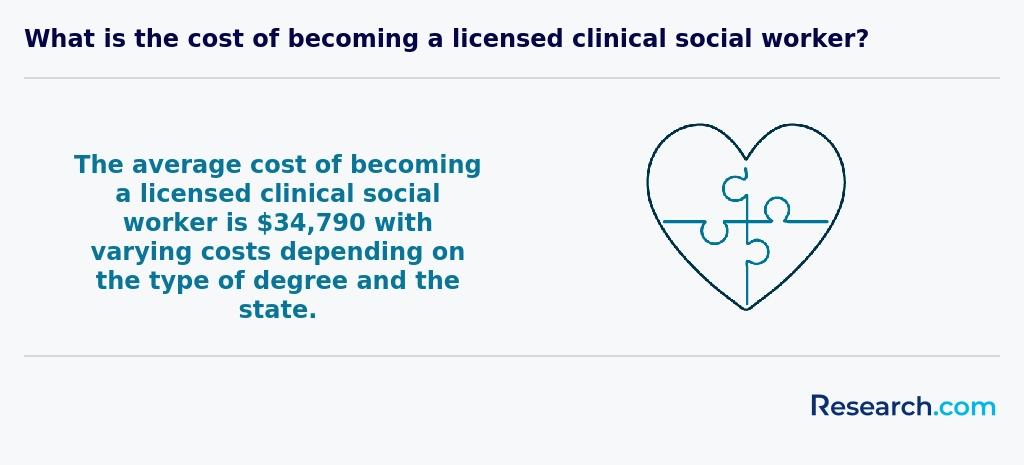
The average cost of obtaining a social work degree in Springfield is shaped significantly by residency status and the choice between public and private institutions. For in-state students enrolled in public universities, the typical total tuition expense for a bachelor's social work degree approximates $9,500. This figure aligns with data showing a median in-state total cost near that amount, reflecting Springfield's commitment to affordable education. Graduates from these programs often share how valuing their investment made achieving a rewarding career in social work feel both accessible and worthwhile.
Out-of-state students and those attending private colleges in Springfield face higher tuition costs, with median total expenses around $30,242. These costs can still translate into fulfilling educational experiences, especially when combined with scholarships or financial aid tailored to social work programs. Students frequently highlight how advisors and campus resources provide essential guidance through the financial aspects of their studies, helping them stay focused on their goals.
Springfield's social work degree tuition fees support a comprehensive education encompassing critical field placements and internships. While often unpaid, internships provide invaluable hands-on training that empowers learners to feel confident and prepared for real-world challenges. Many social work students find encouragement by connecting practical training with classroom learning, fostering a deep sense of purpose and community engagement.
Prospective students interested in specialized mental health training may also explore resources like Texas psychologist training, which can complement a social work background and broaden career pathways.
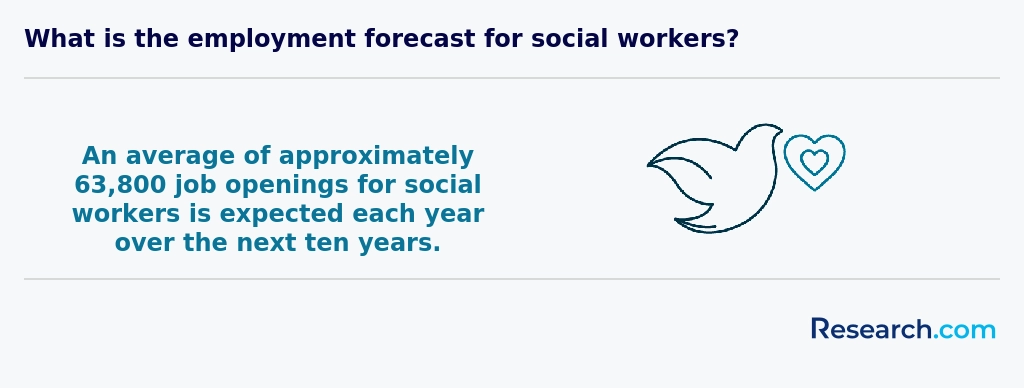
Licensing and Certification Requirements in Missouri
In Missouri, aspiring social workers must obtain state licensure to practice professionally. The Missouri Division of Professional Registration oversees two primary licenses: the Licensed Bachelor Social Worker (LBSW) and the Licensed Clinical Social Worker (LCSW). Educational and Supervision Requirements • LBSW: Requires a BSW from a CSWE‐accredited program. No additional supervised practice hours are needed, but graduates must pass the Association of Social Work Boards (ASWB) Bachelor’s Exam. • LCSW: Requires an MSW from a CSWE‐accredited program. Candidates must complete at least 3,000 hours of post‐graduate supervised clinical experience over a minimum of two years and pass the ASWB Clinical Exam. Many students pursue a cheap msw program to balance affordability with accreditation standards while accumulating required field hours. Application Process and Fees 1. Submit transcripts verifying CSWE accreditation. 2. Complete the online application portal and pay fees: $225 for LBSW or $300 for LCSW. 3. Schedule and pass the ASWB exam for the appropriate licensure level. 4. For LCSW, register a supervision plan with a board‐approved supervisor and log hours in Missouri’s supervision registry. Renewal and Continuing Education • Licenses must be renewed biennially. • Both LBSWs and LCSWs must complete 30 continuing education units (CEUs) per renewal cycle, including at least 3 hours in ethics. • CEUs can be earned through workshops, webinars, or accredited conferences offered by the Missouri Chapter of the National Association of Social Workers (NASW). By understanding these licensure steps-exam preparation, supervised practice, fee schedules, and CEU requirements-students in Springfield, MO, can confidently chart their path from graduation to licensed practitioner.
What financial aid is available to social work degree students in Springfield?
Social work students in Springfield benefit from a diverse range of financial aid options that significantly ease the burden of tuition costs. Graduates from the University of Illinois Springfield often describe how federal aid, accessed through FAFSA, was crucial in their academic journey. Grants like the Pell Grant, which can cover up to $7,395 annually without the need for repayment, are frequently a cornerstone of this financial support. Many also leverage Stafford Loans, appreciated for their manageable interest rates and repayment flexibility.
In addition to federal assistance, Illinois state grants, including the Monetary Award Program (MAP), provide valuable funding specifically for residents attending in-state schools. Prospective social workers have shared positive experiences receiving institutional scholarships at UIS, awarded for both merit and financial need, which helped them focus more on their studies.
Employer tuition reimbursement programs further amplify these opportunities, especially for those already engaged in social services locally. Lastly, professional avenues such as NASW scholarships and loan forgiveness options, including programs like Title IV-E, inspire many students by aligning financial aid with their career aspirations in Springfield's social work field.
Accreditation and Licensure Requirements
Choosing a CSWE-accredited program is essential for ensuring your degree meets state and national standards and qualifies you for licensure in Missouri. The Council on Social Work Education (CSWE) accreditation guarantees that your coursework-including field practicum hours-aligns with the requirements for the Licensed Master Social Worker (LMSW) and Licensed Clinical Social Worker (LCSW) credentials. In Missouri, graduates must complete at least 900 supervised hours post-degree before sitting for the Association of Social Work Boards (ASWB) exam to become an LMSW. To advance to LCSW status, you’ll need an additional 2,000 hours of clinical supervision and to pass the clinical level ASWB exam. For students prioritizing flexibility, consider online bachelor’s programs that hold CSWE accreditation. You can compare tuition, program format, and clinical placement support through our Affordable Online Bachelor's in Social Work Degree Programs Ranking in the South, helping you select a cost-effective path that meets licensure prerequisites. Be sure to verify that your chosen program includes a supervised practicum component approved by the Missouri Board for Social Work, as this hands-on experience is mandatory for fulfilling licensure supervision hours.
What are the prerequisites for enrolling in social work degree program in Springfield?
To enroll in a social work degree program in Springfield, candidates must meet specific academic and professional prerequisites that reflect both local standards and the demands of the field. For undergraduate Bachelor of Social Work (BSW) programs, applicants generally need a high school diploma with a GPA ranging from 2.5 to 3.0, coupled with coursework in psychology, sociology, or English. Graduates of Springfield's respected institutions often recall how this academic foundation prepared them meaningfully for the real-world challenges encountered during their practicums.
Admission to Master of Social Work (MSW) programs usually requires a completed bachelor's degree from an accredited university, not necessarily in social work but preferably within social sciences. Springfield graduate students describe submitting compelling personal statements and letters of recommendation, which helped highlight their passion and readiness for community service roles.
Background checks, immunization records, and volunteer or internship experiences in social service settings are routinely required by Springfield schools. These prerequisites ensure students are grounded in social work realities, sparking positive motivation among those who value hands-on learning and ethical practice.
Choosing the Right Social Work Program in Springfield, MO
When selecting a social work program in Springfield, MO, it's essential to consider various factors to ensure you find the best fit for your academic and career goals. One crucial aspect is the program's reputation and accreditation, as this can impact your future employment and licensure opportunities. Another vital consideration is the program's curriculum and specializations, such as in demand social work schools, which can prepare you for specific areas of practice like child welfare or mental health services. Additionally, looking into the program's field experience opportunities, career support services, and faculty expertise can provide valuable insights into the program's quality and potential for career advancement. By carefully evaluating these factors, you can make an informed decision and choose a social work program that aligns with your aspirations and sets you up for success in your future career.
What courses are typically in social work degree programs in Springfield?
Social work degree programs in Springfield typically include a comprehensive set of courses designed to equip students with both theoretical knowledge and practical skills. Graduates from popular local universities often reflect on how courses like Introduction to Social Work grounded them in the profession's core values and ethics, helping them understand their role in advocating for vulnerable populations.
Courses such as Human Behavior in the Social Environment provide deep insights into developmental psychology and social influences, which students frequently cite as crucial when assessing client needs in Springfield's diverse communities. Additionally, the Social Welfare Policy and Services course often resonates due to its focus on navigating and influencing local and national systems affecting clients' lives.
Many students find the Research Methods in Social Work class enriching, as it prepares them to evaluate evidence-based practices effectively. Meanwhile, the Direct Practice with Individuals and Families course offers hands-on clinical skills, often recalled fondly from supervised role-playing in campus settings.
Students praise the Social Work with Groups and Communities course for its relevance to Springfield's urban challenges, such as poverty and health disparities, enabling them to design impactful community programs. The mandatory Field Practicum is repeatedly described as a highlight, offering real-world experience in local agencies that instills confidence and commitment. This blend of coursework and applied learning makes Springfield's social work degrees especially well-tailored to meet both academic standards and the city's social service demands.

What types of specializations are available in social work degree programs in Springfield?
Social work degree specializations in Springfield provide students with focused expertise that meets the unique needs of the local community and workforce. Academic programs at prominent universities in Springfield offer concentrations such as Child and Family Welfare, where graduates actively contribute to the evolving foster care systems, responding to a 12% local increase in demand for these professionals. Other popular tracks include Mental Health and Substance Abuse, reflecting the rise in area substance abuse cases, and Healthcare Social Work, which equips students to support patients in rehabilitation centers and hospitals.
Students pursuing Springfield social work concentration options often choose School Social Work, addressing the growing investments in educational support services by local school districts. Gerontology is another vital specialization, preparing graduates to assist the expanding elderly population in Springfield. Graduates frequently share how these specializations enhance their confidence in providing targeted community care, underscoring practical learning applied through partnerships with area agencies.
Prospective students interested in further skill development may explore resources such as Texas social worker training programs to complement their academic pathway.
How do you choose the best social work degree in Springfield?
Choosing the best social work degree in Springfield involves evaluating program accreditation, cost, and flexibility tailored to your circumstances. Graduates from popular universities in Springfield often emphasize the importance of attending a CSWE-accredited program to ensure national recognition and facilitate licensure. For many, pursuing affordable social work degrees in Springfield means balancing tuition costs with available financial aid and program quality, particularly between public institutions and private colleges.
Location plays a critical role; local institutions enable students to engage in internships with community agencies easily, enriching their practical experience. Several students appreciate hybrid or online program options that accommodate work and family obligations while maintaining rigorous academic standards. Moreover, the choice of specialization should reflect career goals-for example, programs focusing on child welfare or substance abuse counseling resonate with Springfield's social landscape. Some graduates have found that programs featuring faculty active in local research and community initiatives offered invaluable mentorship.
For those pursuing clinical roles, obtaining a Master of Social Work degree is often necessary, with cost and program reputation being key considerations. Exploring support services and graduate licensure outcomes at Springfield schools can provide additional guidance. Additionally, prospective students interested in related fields may find resources such as school counseling rhode island useful for planning interdisciplinary careers.
What career paths are available for social work degree students in Springfield?
Graduates from social work programs at Springfield's prominent universities often find rewarding opportunities across diverse sectors. Many embark on social work careers in Springfield by focusing on child and family services, working with local agencies to support vulnerable populations through challenges such as abuse and adoption. Others find meaningful roles in healthcare settings, assisting patients as part of hospital teams that manage complex emotional and medical needs.
Springfield social work degree job opportunities also include positions in schools where social workers support student well-being and academic success, creating a direct positive impact on youth development. Additionally, graduates frequently engage in mental health and substance abuse programs, addressing urgent community needs with both compassion and expertise. Community and social services roles at nonprofits and government programs allow social workers to innovate outreach and support initiatives that strengthen Springfield neighborhoods.
Many graduates feel empowered by their education from local institutions, which help prepare them for licensure requirements similar to those outlined for psychologist licensure California professionals. This preparation enhances their career flexibility and growth within the social work field.

What is the job market for social work degree in Springfield?
The social work job outlook Springfield remains robust, with strong employment opportunities for graduates from local universities and colleges. Those holding a Bachelor of Social Work (BSW) degree find entry-level roles across healthcare facilities, schools, and non-profits. Graduates pursuing a Master of Social Work (MSW) and obtaining Licensed Clinical Social Worker (LCSW) certification often experience enhanced job prospects and higher earnings within the region's expanding social services sector.
Springfield's diverse population and public service infrastructure create a sustained demand for social workers, especially in mental health counseling and community outreach programs. Local graduates frequently share positive reflections on the hands-on experience gained through clinical placements in nearby hospitals and school districts, which greatly improves employability prospects.
Wages for social workers in Springfield typically surpass the national average, contributing to an encouraging career outlook for recent graduates. For those interested in combining social work with psychological principles, exploring sports psychology courses at Springfield institutions can open additional professional pathways in behavioral health and counseling.
Springfield social work employment opportunities continue to grow, fueled by government initiatives and community needs that support sustainable local social work careers.
Frequently Asked Questions About social work
Social work degree students in Springfield can maximize their learning by engaging actively in both classroom and community settings. Participating in local internships is essential, as Springfield offers various agencies focusing on healthcare, family services, and juvenile justice. These hands-on experiences are critical for skill development and networking.
Students should also utilize Springfield's university resources, such as counseling workshops and research libraries, which support evidence-based practice. According to the National Association of Social Workers, practical experience combined with academic knowledge improves job placement rates significantly.
Joining local social work organizations and attending seminars or conferences in Springfield helps students stay updated on regional social issues and policies affecting the community.
Emerging niches within the social work field offer new opportunities for professionals trained in Springfield. One growing area is geriatric social work, driven by the increasing population of older adults who require specialized care. According to the U.S. Bureau of Labor Statistics, demand for social workers focusing on elderly services is expected to rise by 17% nationally by 2030.
Another niche is telehealth social work, which expanded rapidly during the COVID-19 pandemic and continues to grow. Social workers use digital platforms to reach clients in remote or underserved areas, a valuable option in Springfield's rural communities.
Environmental social work is also gaining attention. This specialization addresses the social impacts of climate change and environmental degradation, linking community well-being with ecological health.
Finally, social workers focusing on addiction recovery services represent a critical niche, especially as Springfield sees rising needs for support related to the opioid crisis, a concern highlighted in recent state health reports.
Graduates with a social work degree in Springfield can improve their job prospects by gaining relevant field experience, such as internships or volunteer work at local agencies. The Council on Social Work Education (CSWE) requires accredited programs to include practical experience, which employers highly value.
Networking within Springfield's social services community is crucial. Joining professional organizations like the National Association of Social Workers (NASW) - Missouri Chapter can provide job leads and mentorship opportunities. According to the U.S. Bureau of Labor Statistics, social workers in Missouri have an average growth rate of 8% through 2030, indicating steady demand.
Finally, obtaining state licensure by passing the ASWB exam must be prioritized to enhance employability in Springfield's competitive market.
Employers in Springfield prioritize strong communication skills for social work degree graduates, as clear dialogue with clients and teams is essential. According to the National Association of Social Workers, about 72% of local agencies emphasize active listening and empathy. Problem-solving abilities are also highly valued, enabling social workers to navigate complex situations effectively.
Additionally, cultural competence is critical in Springfield's diverse communities, ensuring respectful and relevant support. Organizational skills matter too, as social workers manage caseloads and documentation. Proficiency in using digital case management tools has grown in importance, reflecting the modernization of social services locally.
Finding internships in Springfield for social work students involves leveraging local resources and universities. Springfield hosts several social service agencies, hospitals, and community centers that frequently offer internships tailored to social work.
Students should consult with academic advisors at institutions like Missouri State University, which has partnerships with local agencies. The Missouri Department of Social Services also provides listings of internship opportunities in the area.
Networking through professional groups such as the National Association of Social Workers (NASW) Missouri Chapter can help secure placements. On average, Springfield social work students complete 400+ hours of fieldwork, a requirement for licensure according to the Council on Social Work Education.
Using online platforms focused on internship listings can also be helpful, but confirm all placements meet educational standards for social work degrees.
Obtaining a social work degree in Springfield significantly enhances career mobility and advancement opportunities. According to the National Association of Social Workers (NASW), professionals with a Bachelor of Social Work (BSW) or Master of Social Work (MSW) degree are eligible for a wider range of positions across healthcare, education, and community services in the Springfield area.
In Springfield, demand for licensed social workers is projected to grow by 12% through 2030, as reported by the U.S. Bureau of Labor Statistics. Higher education credentials, especially MSW degrees, often lead to supervisory and clinical roles.
Licensure requirements in Missouri also require degree completion, making a social work degree essential for career advancement. Educational attainment correlates with increased salary potential and professional development.
Studying for a social work degree in Springfield offers students focused preparation for interdisciplinary roles by integrating coursework that covers psychology, public health, and education. Programs emphasize collaborative skills to work effectively with professionals across healthcare, law enforcement, and community services. According to the Council on Social Work Education, accredited Springfield programs often include field placements in diverse settings, providing real-world experience alongside nurses, therapists, and legal advocates.
This hands-on training enhances communication and problem-solving abilities crucial for interdisciplinary teams. Local employment data from the Bureau of Labor Statistics shows social workers in Springfield frequently engage in cross-sector partnerships to address complex social issues like homelessness and mental health, ensuring graduates are well-equipped for multifaceted roles.
Choosing between a thesis and a non-thesis social work degree program in Springfield depends largely on your career goals and learning preferences. Thesis programs emphasize research and typically appeal to those interested in academic or clinical research careers. Completing a thesis involves original research and writing, which can extend your program length.
Non-thesis options focus more on practical experience and coursework. These programs often include internships and prepare graduates for direct practice roles in social work agencies.
According to the Council on Social Work Education, students in Springfield's accredited programs report higher employment rates within six months when choosing non-thesis tracks, reflecting local agency needs.
Consider whether you prefer hands-on learning or research when making your decision.
Students based in Springfield who want to study social work abroad have several options through U.S. university partnerships and study abroad programs. Many accredited social work programs in the U.S. offer semester or year-long exchanges in countries with strong social welfare systems, such as the UK, Canada, and Australia. These programs allow students to earn credits toward their Bachelor or Master of Social Work degrees while gaining international field experience.
Springfield students can also consider short-term study abroad trips sponsored by local universities, which focus on global social issues and fieldwork. According to the Council on Social Work Education (CSWE), such international experiences are increasingly integrated into curriculum to enhance cultural competence, a skill valued by future employers. Springfield-based institutions often collaborate with sister schools abroad to provide these opportunities without disrupting degree progress.
Students pursuing social work degrees in Springfield can benefit from several part-time job opportunities that provide practical experience. Positions such as case aides or community outreach assistants at local nonprofits allow students to engage directly with clients and support social programs. These roles help develop communication and organizational skills vital for social work careers.
Springfield's agencies often offer part-time roles in shelters, youth centers, and health clinics, where students can observe and assist licensed social workers. According to the Springfield Department of Workforce Development, social service jobs in the area have grown by 8% in the past three years, emphasizing increasing opportunities.
Additionally, volunteering or working in school counseling programs offers exposure to youth social dynamics, enriching academic learning with real-world practice.
Social work students in Springfield have access to a variety of networking opportunities that can enhance their educational and professional growth. Local universities often collaborate with community agencies, offering students chances to attend conferences and workshops focused on social work practice and policy. According to the Springfield Social Services Bureau, nearly 70% of students participate in local internship programs that connect them with experienced professionals.
Additionally, organizations like the Springfield Chapter of the National Association of Social Workers provide regular meetings and events. These gatherings allow students to build relationships with practitioners, gain mentorship, and explore career paths within the city's robust social service sector.
Alumni networks offer valuable benefits to social work degree students in Springfield by providing connections to experienced professionals in the field. These networks often facilitate mentorship opportunities, helping current students navigate licensure requirements and job placement. According to the Council on Social Work Education, graduates with active alumni engagement report a 20% higher employment rate within six months of graduation.
In Springfield, social work alumni frequently collaborate with local agencies, increasing internship and volunteer openings for students. Access to these connections can also lead to information about specialized workshops and continuing education tailored to regional social challenges.
Engagement with alumni helps students build professional relationships essential for career advancement and community impact in the social work sector.
Customizing your social work degree program in Springfield begins with selecting a school that offers flexible curriculum options. Many local universities provide concentrations such as clinical social work, school social work, or community organization, allowing you to focus on your preferred career path.
Additionally, Springfield programs often include field practicum placements in diverse settings. You can tailor these experiences to work with specific populations like children, veterans, or the homeless, aligning education with career goals. According to the Illinois Department of Human Services, Springfield social workers are in growing demand, particularly in healthcare and public service sectors.
Elective courses and certificate opportunities in areas such as mental health or substance abuse further enhance your skills. Choosing part-time or online class options may also help you balance work and study effectively.
Social work students in Springfield commonly face challenges balancing rigorous academic requirements with hands-on fieldwork. Many programs demand extensive hours for internships, which can be difficult alongside part-time jobs or family obligations. According to the National Association of Social Workers, students often experience stress related to managing these commitments while maintaining strong academic performance.
Financial concerns are also significant. The cost of tuition and related expenses often require students to seek loans or scholarships, heightening financial pressure during their studies. Local surveys indicate that nearly 60% of Springfield social work students report financial stress impacting their academic focus.
Additionally, some students find the emotional demands of engaging with vulnerable populations challenging. Proper supervision and support are crucial to prevent burnout and ensure professional growth, as noted by social work educators in the Springfield area.
With a social work degree, Springfield students can pursue several key professional certifications that enhance career opportunities. The Licensed Master Social Worker (LMSW) is one of the most common certifications, allowing practice in clinical and community settings. Many Springfield graduates also aim for the Licensed Clinical Social Worker (LCSW), which requires additional supervised experience and opens doors to private practice.
Other certifications include the Certified Social Work Case Manager (C-SWCM) and the Advanced Certified Social Worker (ACSW). According to the National Association of Social Workers, these credentials boost employability in hospitals, schools, and government agencies in Springfield. Certification requirements vary by state but typically include passing the Association of Social Work Boards (ASWB) exam and completing continuing education.
Writing a winning application for a social work program in Springfield requires clear focus and preparation. Begin by researching accredited programs offered by local universities such as the University of Missouri-Springfield, which follows standards set by the Council on Social Work Education (CSWE).
Highlight relevant experience like volunteer work, internships, or jobs related to social services. Admissions committees value applicants who demonstrate commitment to community support and social justice issues. Springfield has a growing need for social workers due to an increase in local mental health and family services, making real-world experience especially important.
Strong personal statements explaining motivation for social work and career goals improve application strength. Finally, ensure all academic transcripts meet program requirements, and consider obtaining letters of recommendation from professionals familiar with your skills in social service contexts.
The global perspectives on a social work career emphasize the importance of cultural competence, ethical practice, and community engagement. Social workers worldwide address problems ranging from poverty to mental health, adapting their approaches to diverse social and political environments. In the US, including Springfield, the focus is on preparing graduates to work in increasingly multicultural settings and respond to global challenges such as migration and public health crises.
According to the Council on Social Work Education (CSWE), US social work programs maintain international standards reflecting these trends. Springfield's social work schools incorporate global perspectives to equip students for careers both locally and abroad.
Gaining practical experience while studying for a social work degree in Springfield is essential for building professional skills. Many local universities require field placements or internships as part of their curriculum, providing students with opportunities to work in community agencies, hospitals, and government organizations.
Springfield's proximity to diverse social service providers, such as the Springfield Department of Human Services and local nonprofit organizations, offers students a broad range of settings to apply classroom knowledge.
According to the National Association of Social Workers, approximately 70% of social work students in Missouri complete at least one internship during their studies, which significantly improves employment prospects upon graduation.
Students can also join volunteer programs or collaborate with campus social work clubs that connect them to real-world cases and advocacy projects.
Choosing the right concentration within a social work degree program in Springfield involves assessing your career goals and the population you want to serve. Common concentrations include clinical social work, school social work, and community organization. Clinical social work focuses on mental health treatment, while school social work centers around supporting students and families.
Look for programs accredited by the Council on Social Work Education (CSWE), as this ensures quality education and eligibility for licensure. In Springfield, clinical social workers earn a median wage of around $58,000 annually (Bureau of Labor Statistics, 2023), which may influence your decision.
Additionally, consider practical training opportunities, such as local internships or partnerships with Springfield healthcare and social service agencies. These experiences can guide your choice and strengthen your resume.
Related Social Work Rankings for Nearby Cities
- 2027 Most Popular Social Work Degree Programs Ranking in Lawrence
- 2027 Most Popular Social Work Degree Programs Ranking in Saint Louis
- 2027 Most Popular Social Work Degree Programs Ranking in Wichita
- 2027 Most Popular Social Work Degree Programs Ranking in Omaha
- 2027 Most Popular Social Work Degree Programs Ranking in Nashville
- 2027 Most Popular Social Work Degree Programs Ranking in Jackson
- 2027 Most Popular Social Work Degree Programs Ranking in Dubuque
- 2027 Most Popular Social Work Degree Programs Ranking in Aurora
- 2027 Most Popular Social Work Degree Programs Ranking in Louisville
- 2027 Most Popular Social Work Degree Programs Ranking in Indianapolis
Top Trending Social Work Rankings
See What Experts Have To Say About Studying Social Work
Read our interview with Social Work experts

References
- 1+ Social Worker Cover Letter Examples (with In-Depth Guidance) https://www.tealhq.com/cover-letter-examples/social-worker
- Social Work Salary with Masters on the Rise https://newmanu.edu/nth-degree/social-work-salary-with-masters-on-the-rise
- The Best International Social Work Internships for Undergrads and Grads https://www.internhq.com/fields/social-work/
- Know more about thesis vs non- thesis: what is the difference? https://studyfans.com/en/blogs/816
- Social Work Career Pathways https://socialworklicensemap.com/social-work-careers/pathways/
- Social Work Jobs and Salary Guide for Springfield, Illinois https://www.illinoissocialworkedu.org/careers-and-salaries/social-work-jobs-and-salaries-in-springfield/
- Career stages | BASW https://basw.co.uk/careers/career-stages
- Social Work https://springfield.edu/graduate-programs/social-work
- Social Work Education: Interdisciplinary teams a growing area of training https://www.socialworkblog.org/featured-articles/2018/04/social-work-education-interdisciplinary-teams-a-growing-area-of-training/
- Global Perspectives in Social Work https://www.gu.se/en/study-in-gothenburg/exchange-student/courses/sw1118


