
2027 Most Popular Social Work Degree Programs Ranking in Miami

Co-Founder and Chief Data Scientist
Choosing the right social work degree program is an important step for students in Miami passionate about making a difference. This article presents the 2027 Most Popular Social Work Degree Programs Ranking in Miami, developed by the Research.com team of data scientists. It offers clear, data-backed insights to guide your decision.
Reading this ranking can help you find programs that match your goals and values. Earning a social work degree opens doors to rewarding careers that positively impact communities. Let this guide support your journey toward a fulfilling future.
Key benefits of getting social work degree in Miami
- Salary benefits: Graduates with a social work degree can expect solid earnings, with roles like Social Workers earning a mean annual wage of $68,800 and Community Organizers approximately $83,400 in Miami. These figures highlight rewarding financial prospects in meaningful careers.
- Career paths: Miami social work graduates often pursue diverse roles, including Child Welfare Specialists and Residential Counselors, each offering both personal fulfillment and stable income. This diversity ensures you can find a path that fits your passion and goals.
- Online degree advantages: Earning a social work degree online in Miami offers flexibility to balance work and study, helping you advance your career without interrupting your life. This modern approach makes education more accessible and convenient while maintaining quality.
- 2027 Most Popular Social Work Degree Programs Ranking in Miami
- What can I expect from social work degree in Miami?
- Where can I work with social work degree in Miami?
What can I expect from social work degree in Miami?
On average, pursuing a social work degree in Miami aligns with the tuition rates of state universities, which means costs are generally more affordable for Florida residents. Graduates from programs at well-known institutions report that annual tuition for a Bachelor or Master of Social Work typically ranges from around $6,000 to $12,000 for in-state students. Out-of-state students may face higher fees, sometimes double that amount, but many find financial aid and scholarships readily available to help bridge the gap.
One common experience shared by social work graduates involves balancing part-time work or work-study alongside their studies to manage expenses. For example, students at popular Miami colleges appreciate the accessible financial aid offices and resources that ease the burden, making it possible to focus on the demanding practicum experiences required for hands-on learning.
With these financial supports and reasonable tuition rates, many find that the investment in a Miami social work degree pays off, opening doors into fields like child welfare and mental health where demand is growing.
Where can I work with social work degree in Miami?
Graduates from social work programs at Miami universities often find diverse job opportunities throughout the city's public, private, and nonprofit sectors. Many start their careers in healthcare settings like hospitals and clinics, providing mental health support and patient discharge planning. For example, alumni from local colleges describe feeling fulfilled helping patients navigate complex healthcare systems while connecting them to community resources.
Another common path is child welfare, where social workers join the Florida Department of Children and Families or nonprofits, aiding vulnerable children and families facing abuse or poverty. These roles typically require a Bachelor of Social Work, though those with a Master's degree find better salaries and advancement.
School social work is growing in Miami-Dade, with graduates supporting diverse students struggling with behavioral and family issues. Graduates from Miami-based programs appreciate how their training prepares them to address multicultural and multilingual challenges in schools.
Substance abuse counseling and behavioral health clinics offer strong demand for Licensed Clinical Social Workers, a path popular among those seeking clinical licenses. Aging services also provide rewarding opportunities, as graduates help seniors maintain quality of life through eldercare programs and community support.
- Annual tuition for social work degrees in Miami averages around $6,500 for in-state public university students and ranges from $20,000 to $30,000 at private institutions.
- Additional costs like fees, books, and supplies add several thousand dollars per year to the total expense.
- Entry-level social workers in Miami typically earn between $40,000 and $45,000 annually, with salaries increasing to $60,000 or more with experience or specialization.
- Employment for social workers in Miami is expected to grow by about 11% over the next decade, driven by demand in healthcare, child welfare, and mental health services.
- Accredited social work programs meet CSWE standards, preparing graduates for Florida licensure, which requires a degree, supervised fieldwork, and passing a state exam.
- Social work fields in Miami include healthcare, school social work, substance abuse, and community organization, with bilingual skills often providing an employment advantage.
When deciding on a social work program in Miami, FL, it's essential to consider several factors that align with your career goals and personal preferences. One crucial step is to research the most popular social work degree programs in the area, which can be found by exploring a popular social work degree ranking. This ranking can provide insights into the reputation, accreditation, and curriculum of various programs, helping you make an informed decision. Additionally, understanding the differences between online and on-campus programs, as well as the various specializations available, such as child and family social work or mental health social work, can further guide your choice. By weighing these factors and considering your own strengths and interests, you can select a social work program in Miami, FL, that not only meets your educational needs but also sets you on the path to a fulfilling career in social work.
As you explore your educational journey in social work within Miami, FL, it is important to supplement your research with additional resources that provide real-world insights and actionable guidance. This section highlights expert advice, practical strategies, and further reading that can help you refine your goals and prepare for a rewarding career. Begin by brainstorming your career aspirations and mapping them to the different specializations available, whether you are interested in child and family services, mental health, or community advocacy. Delve into success stories from alumni and industry professionals to gain a clear picture of how your education can translate into impactful work. Additionally, consider exploring flexible study options that align with your lifestyle and financial considerations. For example, if you are weighing affordability alongside quality, you might find value in our ranking of cheapest online bachelors programs in social work to compare cost-effective online study options. Furthermore, stay informed about emerging trends in social work, such as the integration of technology in community outreach, evolving licensure requirements, and innovative field placement models. Engaging with webinars, local workshops, and mentorship programs can also be instrumental in building your professional network early on. These supplementary steps not only reinforce the credibility of your chosen program but also set you on a clear path toward long-term career success in the dynamic field of social work.
The average cost of a social work degree in Miami varies based on residency status and program level, with a median total cost around $43,595. For many graduates from public universities like Florida International University, in-state tuition combined with fees and living expenses sums up to about $20,457. These students often describe feeling optimistic about balancing cost and quality, especially when they leverage state scholarships that ease financial stress.
Out-of-state students should prepare for higher expenses, often nearing the full median cost. Private institutions offering Master of Social Work programs in Miami can push tuition alone between $20,000 and $35,000 annually, which aligns with the national trends for graduate-level education. Many graduates recommend evaluating these costs alongside the potential for financial aid, as opportunities through federal and state programs are commonly available and can be decisive in managing debt.
Situations vary: some students benefit from part-time or online formats that help reduce yearly costs and allow income from jobs or internships. Others highlight the practical value of attending Miami's top-rated schools for their social work programs, noting that investing in a well-regarded degree can open doors regionally and nationally. Exploring options like the popular social work degree paths in Miami helps future students set realistic expectations for social work degree expenses in Miami 2027.
To practice social work in Miami, follow Florida’s licensure path:
- Graduate from a CSWE-accredited BSW or MSW program (explore msw accelerated programs for accelerated tracks).
- Complete 3,000 hours of supervised clinical practice in Florida (1,000 hours for LSW, plus an additional 2,000 hours and 100 hours of supervision for LCSW).
- Pass the ASWB licensing exam: Bachelors-level for LSW or Clinical-level for LCSW.
- Submit your application, fingerprint-based background check and required fees to the Florida Board of Clinical Social Work, Marriage & Family Therapy and Mental Health Counseling.
In Florida, obtaining the appropriate licensure is essential for practicing as a professional social worker. Graduates must first complete an accredited Bachelor of Social Work (BSW) or Master of Social Work (MSW) program, then apply for licensing through the Florida Board of Clinical Social Work, Marriage & Family Therapy, and Mental Health Counseling. For entry-level practitioners, the Licensed Bachelor Social Worker (LBSW) credential requires:
- A BSW from a CSWE-accredited school
- Submission of official transcripts and fingerprint background check
- Passing the ASWB Bachelor’s exam Those pursuing clinical roles must earn an MSW, accumulate at least 1,500 supervised clinical hours, and pass the ASWB Master’s (or Clinical) exam to achieve Licensed Clinical Social Worker (LCSW) status. Key steps include: 1. Educational Verification: Submit proof of graduation and coursework, including field practicum details. 2. Supervised Experience: Document supervised practice under an LCSW or qualified supervisor, typically over 2 years. 3. Examination: Register with ASWB, prepare with study materials, and schedule your exam at an approved testing center. 4. Application Fees and Renewal: Initial licensing fees range from $100 to $150; biennial renewal requires 30 hours of continuing education, including 3 hours in ethics. For students seeking flexible graduate options that align with both budget and licensure prerequisites, exploring msw online programs affordable can streamline the path to certification. Understanding these requirements early ensures you stay on track toward a rewarding social work career in Miami.
To enroll in a social work degree in Miami, start by ensuring you meet the basic academic prerequisites. For Bachelor of Social Work programs at popular schools like Florida International University, you'll need a high school diploma or GED, along with transcripts showing completion of core courses such as English and social sciences.
Graduates from Miami's well-known colleges often emphasize that meeting the minimum GPA requirement, usually between 2.5 and 3.0, helps keep your application competitive. If you're aiming for a Master of Social Work, holding a bachelor's degree is essential, and having a BSW can often shorten your study time.
Beyond academics, practical experience is key. Many successful applicants share how volunteering at local community centers or social service agencies in Miami's diverse neighborhoods boosted their applications. Also, expect to submit letters of recommendation, a personal statement, and complete background checks, which local programs require before field placements.
Understanding these prerequisites early helps you navigate the process confidently and positions you well to join Miami's vibrant social work community.
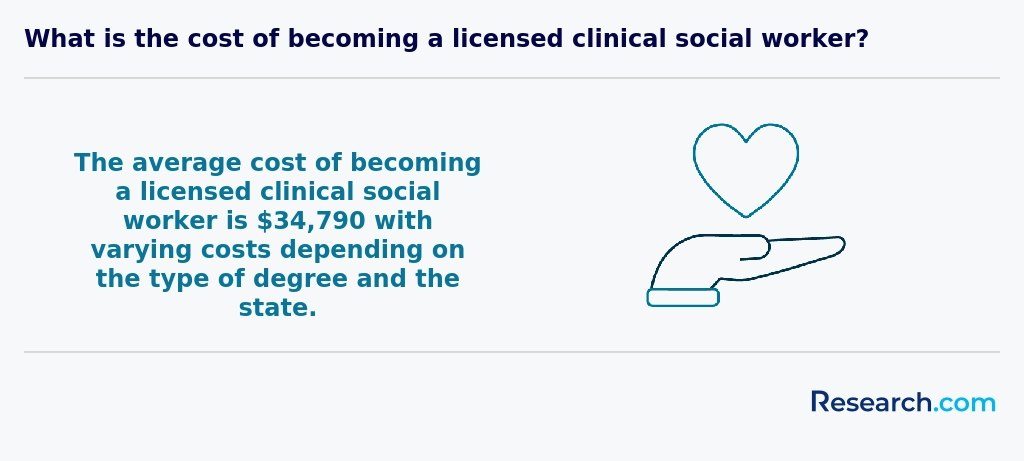
After earning your BSW or MSW, obtaining the appropriate license is essential to practicing social work in Miami, FL. In Florida, two primary credentials are required: • Licensed Bachelor Social Worker (LBSW): 1. Graduate from a CSWE-accredited BSW program. 2. Complete the Florida State Board’s online application and pay the fee. 3. Pass the ASWB Bachelor’s Level Exam within one year of application approval. 4. Receive supervision from a Licensed Clinical Social Worker (LCSW) for at least two years (minimum 3,000 hours) if you plan to pursue clinical practice. • Licensed Clinical Social Worker (LCSW): 1. Hold a CSWE-accredited MSW degree with 300 post-MSW supervised hours in your specialization. 2. Accumulate 3,000 hours of supervised clinical experience under an LCSW. 3. Apply through the Florida Department of Health and pass the ASWB Clinical Exam. Continuing Education and Renewal All Florida social work licenses must be renewed biennially. Licensees must complete at least 30 continuing education hours (CEUs) every two years, including 2 hours of domestic violence training. Many universities and professional bodies in Miami offer online and in-person CEU courses, covering ethics, cultural competence, and advanced clinical interventions. Reciprocity and Mobility If you move to another state or hold an out-of-state license, Florida accepts ASWB exam scores for reciprocity, though additional state requirements may apply. Likewise, LBSWs and LCSWs can seek reciprocity by meeting the target state’s supervision and educational prerequisites. Prospective students evaluating program costs and outcomes may also explore the Most Affordable Social Work Degree Programs Ranking in Hawaii to compare tuition rates and financial aid options.
Start by verifying accreditation with the Council on Social Work Education, as this ensures your degree meets standards for licensure and practice in Miami. Graduates from Florida International University (FIU) often highlight how the affordable tuition of about $6,600 per year for in-state students helped them pursue their goals without excessive debt. On the other hand, those attending the University of Miami appreciate the strong community connections despite higher costs near $50,000 annually, which came with opportunities for scholarships.
Consider your goal: a bachelor's degree offers entry-level access, but many social workers in Miami recommend pursuing a master's degree to open doors for clinical roles. Evaluating program flexibility is key-working students often choose institutions offering online or hybrid options, balancing fieldwork with personal commitments. For a practical choice, explore msw online programs affordable to manage time and costs effectively.
Real-life experiences often emphasize the value of field placements in Miami's diverse social services, providing on-the-ground learning crucial for job placement. When searching among the best social work degree programs Miami offers, prioritize those with strong practicum partnerships and high licensure pass rates to boost your career readiness.
2027 Most Popular Social Work Degree Programs Ranking in Miami
Investing in your education is a significant decision that can shape your future, and the Research.com team understands the importance of making informed choices. To assist prospective students in Miami, we have meticulously crafted the "2027 Most Popular Social Work Degree Programs Ranking in Miami." Our commitment to quality, credibility, and accuracy is reflected in the extensive research and analysis conducted to compile this ranking.
We utilized the following reputable data sources to ensure a comprehensive evaluation of social work programs:
By exploring this ranking, readers will gain valuable insights into the most popular and reputable social work degree programs in Miami, empowering them to make informed decisions about their educational futures. For more details on our methodology, please visit our Research.com methodology page.


Frequently Asked Questions About social work
Social work degree students in Miami can maximize their learning by engaging deeply with local community organizations. Miami's diverse population offers unique opportunities for practical experience in settings such as schools, healthcare centers, and nonprofit agencies. According to the Florida Department of Education, applied learning through internships and fieldwork significantly enhances student outcomes.
Additionally, students should leverage Miami's multicultural environment to develop cultural competence, which is essential in social work practice. Participating in workshops and seminars arranged by Florida International University or the University of Miami helps students stay informed about regional social issues.
Networking with professionals through local chapters of the National Association of Social Workers (NASW) also provides valuable mentorship and job placement prospects.
Emerging niches in social work are shaping the future of the field, especially in vibrant cities like Miami. One growing area is geriatric social work, reflecting the increasing aging population in Miami-Dade County. The U.S. Census Bureau reports that over 18% of Miami's residents are 65 or older, driving demand for professionals skilled in elder care and end-of-life support.
Another niche gaining attention is digital and telehealth social work. Advancements in technology now enable social workers to provide virtual counseling and support, expanding access to underserved communities. Miami's diverse and dispersed population benefits from these innovative service methods.
Additionally, social work in immigration and refugee services remains critical. Miami's role as a gateway city requires professionals trained to address complex cultural and legal challenges faced by immigrants.
After completing a social work degree in Miami, preparing for the job market involves several strategic steps. First, obtaining licensure is crucial; in Florida, this means passing the Licensed Clinical Social Worker (LCSW) exam, which enhances employment prospects in clinical roles. Practical experience gained through internships or practicum hours during your degree is highly valued by employers.
Networking within Miami's diverse community organizations can open doors to job opportunities. According to the Bureau of Labor Statistics, social work jobs in Florida are projected to grow by 16% through 2031, signaling strong demand.
Finally, consider joining professional groups such as the National Association of Social Workers (NASW) Florida chapter to access local resources and job listings.
Employers in Miami seek social work graduates with strong communication and interpersonal skills. These abilities are crucial for effectively engaging with diverse populations and addressing community needs. According to the Florida Department of Education, cultural competence is particularly important due to Miami's multicultural demographics.
Analytical skills are also highly valued. Graduates must be able to assess client situations and develop appropriate intervention plans. Many local agencies emphasize critical thinking combined with empathy to navigate complex social service systems.
Additionally, knowledge of state regulations and ethical standards is essential. Employers expect familiarity with Florida's social work licensure requirements and continual professional development. Leadership and teamwork skills enhance graduates' potential to contribute successfully within multidisciplinary teams in Miami's social service sector.
Finding internships in Miami related to a social work degree involves several strategic steps. Start by exploring local universities such as Florida International University and Barry University, both known for their accredited social work programs that often offer strong internship placement support.
The Florida Department of Children and Families and Miami-Dade County social services frequently provide internship opportunities for social work students. Networking through professional associations like the National Association of Social Workers (NASW) Florida chapter can also be beneficial. According to the U.S. Bureau of Labor Statistics, Florida expects a 13% growth in social work employment between 2020 and 2030, increasing internship availability.
Utilize online platforms such as Handshake and LinkedIn, focusing on Miami-based nonprofit organizations and healthcare providers. Early engagement with academic advisors often helps secure placements that meet degree requirements, ensuring valuable practical experience.
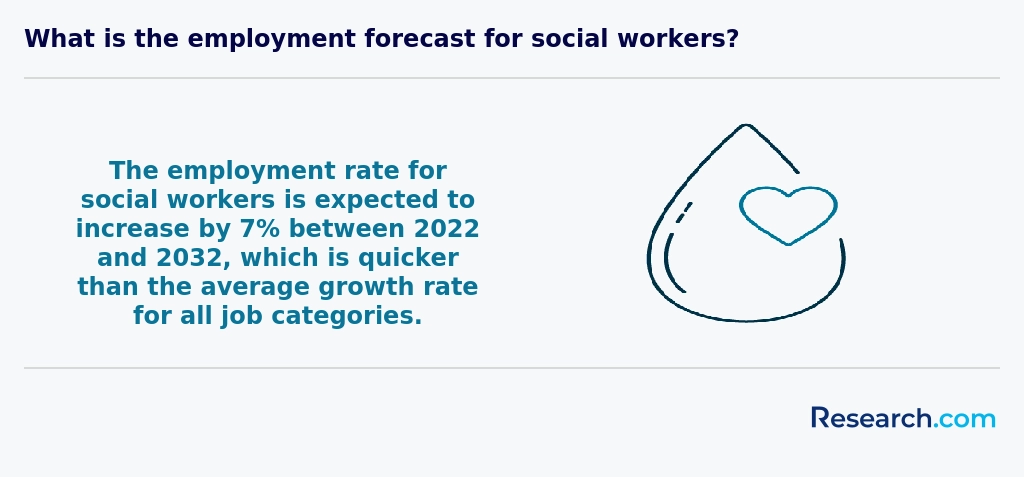
A social work degree in Miami significantly enhances career mobility and advancement opportunities. According to the U.S. Bureau of Labor Statistics, social workers in Florida, including Miami, are expected to see employment growth of 12% from 2022 to 2032, faster than the average for all occupations. This growth creates demand for qualified professionals, making a degree essential for entering and progressing within the field.
Employers in Miami prioritize candidates with accredited degrees, especially those holding a Master of Social Work (MSW), as state licensure requires specific educational credentials. Higher degrees often lead to leadership roles, clinical positions, and increased salary potential.
In Miami's diverse social service environment, degrees provide crucial knowledge in multicultural competence, enhancing career versatility. Networking through local universities and organizations also supports job placement and advancement.
Studying for a social work degree in Miami offers strong preparation for interdisciplinary roles due to the city's diverse population and multifaceted social challenges. Miami's programs typically emphasize collaboration with healthcare providers, educators, and legal professionals to address complex client needs. According to the University of Miami and Florida International University curricula, students engage in fieldwork across settings like hospitals, schools, and community agencies. This hands-on experience cultivates skills in teamwork, communication, and cultural competence essential for interdisciplinary work.
Furthermore, Miami's status as a multicultural hub enhances students' understanding of varied perspectives, preparing them for roles that require coordination across social services. Data from the Florida Board of Clinical Social Work suggests graduates are well-equipped for extensive collaboration in public and private sectors.
Choosing between a thesis and a non-thesis social work degree program in Miami depends on your career goals and academic interests. Thesis programs typically focus on research, requiring students to complete a substantial research project, which benefits those considering doctoral studies or research-intensive roles.
A non-thesis option usually emphasizes practical experience, with more coursework and fieldwork, suitable for students aiming to enter social work practice quickly. According to the Council on Social Work Education, Florida has one of the fastest-growing demands for licensed social workers, particularly in Miami, where culturally competent practice is highly valued.
Consider your preferences in research and workload, and your intended career path when deciding.
Students based in Miami interested in studying social work abroad have several options through US university partnerships and study abroad programs. Many Florida institutions, including those in Miami, offer semester- or year-long exchanges with universities in Canada, Europe, and Latin America, allowing students to gain international experience while earning credits toward their social work degrees. The Council on Social Work Education (CSWE) supports these programs by ensuring abroad curricula meet US accreditation standards.
According to the Florida Board of Clinical Social Work, there is increasing interest in global social work perspectives, making abroad study valuable for students seeking diverse practical skills. Miami's diverse community also encourages students to explore culturally sensitive practice through international placements.
Financial aid and scholarships specifically for study abroad can help reduce costs, often coordinated by the student's home institution.
Part-time job opportunities in Miami that complement social work degree education often involve hands-on experience with vulnerable populations. Roles such as case aides, community outreach workers, and support staff in local non-profits help students apply classroom knowledge in real-world settings. According to the Florida Department of Economic Opportunity, social service assistants in Miami earn an average hourly wage of $15.50, making these positions viable for students.
Internships at organizations like the Miami-Dade Homeless Trust provide valuable exposure to homelessness and housing issues, a major focus within Miami's social work community. Additionally, working as a crisis hotline counselor or mental health technician can enhance understanding of client support and crisis intervention methods.
These part-time roles not only improve practical skills but also expand professional networks, which are essential for future employment in social work fields. Miami's diverse population offers opportunities to engage with a variety of cultural backgrounds, broadening cultural competence crucial to effective social work.
Social work students in Miami benefit from a variety of networking opportunities that enhance their educational experience and career prospects. Universities such as the University of Miami and Florida International University host regular events, workshops, and guest lectures featuring local professionals. These events help students connect with experienced social workers and community organizations.
The Miami-Dade Chapter of the National Association of Social Workers (NASW) offers student memberships and networking mixers, promoting collaboration and mentorship. According to NASW Florida, over 2,000 social workers are active in the region, providing ample avenues for professional networking and internships.
Additionally, Miami's diverse population allows students to engage with multiple cultural and social service agencies, broadening their practical exposure and connections.
Alumni networks offer significant benefits to social work degree students in Miami by providing valuable professional connections. These networks connect current students with graduates working in various social service agencies across Miami-Dade County, enhancing job prospects after graduation.
Research indicates that Florida's social work alumni networks help students access internships and mentorships, vital for practical experience in the field (Florida Board of Clinical Social Work). Alumni can share insights on local mental health and community organizations, which often have high demand for social workers, with Miami showing a steady increase in social services jobs through 2027 (Bureau of Labor Statistics).
Engaging with alumni also supports career growth through workshops and networking events tailored to Miami's diverse population and its unique social challenges.
Customizing a social work degree program in Miami allows students to align education with their specific career ambitions. Many Miami-area schools offer concentrations such as clinical social work, community organizing, or policy advocacy, letting students focus on areas that match their goals. Elective courses and field placements are flexible tools students can use to gain practical experience in local settings, including Miami's diverse neighborhoods.
Internships and practicum opportunities in Miami agencies provide hands-on experience relevant to careers in healthcare, schools, or social services. According to the National Association of Social Workers, about 23% of Florida's social workers work in health care settings, highlighting opportunities in the region.
Additionally, some programs offer online or part-time options, helping students balance education with professional or personal responsibilities. This flexibility makes it easier to tailor studies toward licensure or specialized certification required in Florida.
Social work students in Miami encounter several challenges related to the city's unique social and economic landscape. Due to Miami's diverse population, students often need to develop strong bilingual skills, especially in Spanish, to effectively serve communities. According to the National Association of Social Workers (NASW), navigating cultural competence is critical for success in the region.
Another significant issue is balancing demanding coursework with field placements. Miami's social service agencies are often stretched thin, which can limit placement opportunities and complicate scheduling for students.
Financial concerns also weigh heavily. The average tuition for social work programs in Miami ranges from $10,000 to $25,000 per year, making student debt a common concern noted by educational reports from the Florida Department of Education.
With a social work degree in Miami, graduates can pursue several professional certifications to enhance their career opportunities. The most recognized certification is the Licensed Clinical Social Worker (LCSW), which allows individuals to provide mental health services independently. To qualify, candidates must have a master's degree in social work, complete supervised clinical hours, and pass the ASWB clinical exam.
Other certifications include the Certified School Social Work Specialist (C-SSWS), relevant for those working in educational settings. Additionally, credentials like the Certified Social Work Case Manager (C-SWCM) help professionals specialize in case management roles.
According to the Florida Board of Clinical Social Work, the Miami area saw a 7% increase in LCSW licenses from 2021 to 2023, reflecting growing demand in healthcare and community services.
Writing a winning application for a social work program in Miami requires careful preparation and clear communication of your passion for helping communities. Begin with a well-crafted personal statement that highlights your motivation and any relevant experience. Miami's diverse population emphasizes the importance of cultural competence, so demonstrate your understanding of local social issues, such as public health disparities reported by the Miami-Dade County Health Department.
Include strong letters of recommendation from professionals familiar with your commitment to social work. GPA and test scores matter, but programs also value volunteer or work experience, especially within Miami's social service organizations. Familiarize yourself with the Council on Social Work Education (CSWE) accreditation standards to tailor your application accordingly.
Social work careers are increasingly viewed through a global lens, emphasizing cultural competence and international collaboration. In the United States, including Miami, social workers often engage with diverse populations influenced by global migration and multicultural communities.
According to the U.S. Bureau of Labor Statistics, employment of social workers is expected to grow 12% from 2022 to 2032, reflecting rising global awareness of social issues. Miami's unique position as a cultural crossroads enhances the importance of understanding global perspectives in its social work education.
Programs accredited by the Council on Social Work Education (CSWE) incorporate global social justice themes, preparing graduates to address challenges locally and worldwide.
Gaining practical experience while studying for a social work degree in Miami is essential for career readiness. Most accredited programs require field internships, where students complete supervised hours in local agencies. Miami offers diverse settings, including hospitals, schools, and community centers, reflecting the city's multicultural population. The Council on Social Work Education (CSWE) mandates at least 400 fieldwork hours for bachelor's degrees and 900 hours for master's programs. Institutions like Florida International University and Barry University connect students with organizations addressing issues such as immigration and mental health, providing valuable hands-on training.
When choosing the right concentration within a social work degree program in Miami, begin by considering your career goals and interests. Miami offers diverse options such as clinical social work, child welfare, and community organizing. According to the Florida Department of Children and Families, child and family services remain high-demand sectors locally, making related concentrations practical.
Review programs accredited by the Council on Social Work Education (CSWE), as these meet national standards. Consider the local job market: healthcare and mental health services are growing fields in Miami-Dade County, per the Bureau of Labor Statistics.
Additionally, speak with advisors and professionals working in Miami's social services to align your focus with community needs and funding priorities.
- 2027 Most Popular Social Work Degree Programs Ranking in Tallahassee
- 2027 Most Popular Social Work Degree Programs Ranking in Atlanta
- 2027 Most Popular Social Work Degree Programs Ranking in Fayetteville
- 2027 Most Popular Social Work Degree Programs Ranking in New Orleans
- 2027 Most Popular Social Work Degree Programs Ranking in Raleigh
- 2027 Most Popular Social Work Degree Programs Ranking in Greensboro
- 2027 Most Popular Social Work Degree Programs Ranking in Jackson
- 2027 Most Popular Social Work Degree Programs Ranking in Nashville
- 2027 Most Popular Social Work Degree Programs Ranking in Lexington
- 2027 Most Popular Social Work Degree Programs Ranking in Louisville
See What Experts Have To Say About Studying Social Work
Read our interview with Social Work experts

- Social Work Career Pathways https://socialworklicensemap.com/social-work-careers/pathways/
- Social Work Networking Nights - National Association of Social Workers https://www.naswma.org/page/218
- How To Become A Social Worker | Psychology.org https://www.psychology.org/social-work/how-to-become/
- How Long Does It Take to Become a Social Worker? https://www.onlinemswprograms.com/careers/how-to-become-a-social-worker/how-long-does-it-take/
- Tripod Partners https://www.tripodpartners.com/career-advice/social-work/advancing-your-social-work-career-tips-for-promotion/
- Master of Social Work, M.S.W. – Florida Memorial University https://www.fmu.edu/academics/school-of-education/master-of-social-work-graduate-degree/
- Social Work Education: Interdisciplinary teams a growing area of training https://www.socialworkblog.org/featured-articles/2018/04/social-work-education-interdisciplinary-teams-a-growing-area-of-training/
- Grand Challenges for Social Work https://grandchallengesforsocialwork.org/
- Interdisciplinary Collaboration in Social Work and the ASWB Exam https://agentsofchangeprep.com/blog/interdisciplinary-collaboration-in-social-work-and-the-aswb-exam/
- Ethical challenges for social workers during Covid-19: A global perspective https://www.ifsw.org/ethical-challenges-for-social-workers-during-covid-19-a-global-perspective/


