2027 Social Work Degree Recruiter Preference Report: What Employers Value Most in New Graduates

Co-Founder and Chief Data Scientist
Social work hiring is shifting toward candidates who can document cases accurately, manage risk, and enter the field ready for supervised practice. The U.S. Bureau of Labor Statistics projects social worker employment to grow 6% from 2024 to 2034, with about 67,300 openings each year, so demand exists but screening remains selective.
This guide is for social work students, recent graduates, and career changers. You'll learn what recruiters value, which skills and tools matter, how GPA and certifications are weighed, and how to tailor resumes, prepare for interviews, and compete for entry-level offers.
Key Things to Know About Recruiter Preferences in the Social Work Industry
- Recruiters usually prioritize accredited social work education, supervised field placement, documentation ability, ethics, and client-facing judgment; BLS projects 6% employment growth for social workers from 2024 to 2034, signaling steady demand rather than automatic hiring.
- For entry-level roles, the strongest candidates show hands-on readiness: assessment notes, case plans, crisis response exposure, mandated reporting knowledge, HIPAA awareness, care coordination, and comfort with EHR, HMIS, child welfare, or case management systems.
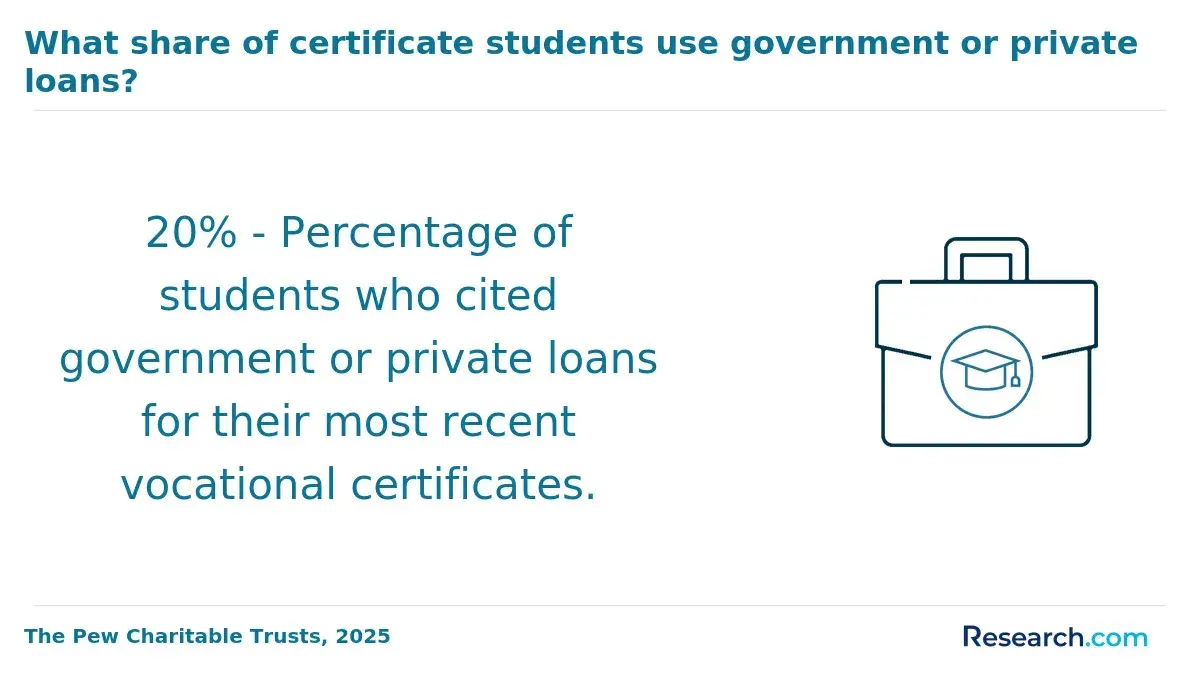
- Certifications are rarely a substitute for required licensure or a BSW/MSW, but targeted add-ons such as Mental Health First Aid, CPR, trauma-informed care, and mandated reporter training can improve screening strength when paired with internships or field practicum evidence.
- Key Things to Know About Recruiter Preferences in the Social Work Industry
- Do Social Work jobs require a degree?
- What are the top qualities employers look for in Social Work graduates today?
- Which technical skills are most requested by recruiters hiring Social Work degree graduates?
- Are specialized Social Work certifications necessary for landing entry-level roles?
- How heavily do recruiters weigh GPA and academic honors for Social Work roles?
- Where do top employers of Social Work professionals actively recruit new talent?
- What are the technical assessments or interview formats used for Social Work applicants?
- What red flags cause recruiters to reject Social Work job applicants during screening?
- How can Social Work degree graduates tailor their resumes and online profiles to pass recruiter screening?
- Top Trending Social Work Rankings
- See What Experts Have To Say About Studying Social Work
Do Social Work jobs require a degree?
Most true social work jobs require a social work degree, but the exact requirement depends on the role, employer, and state licensing rules. Recruiters draw a sharp line between "social worker" roles, which may be regulated, and broader human services roles, where related experience or certificates can sometimes open the door.
A Bachelor of Social Work is commonly expected for entry-level case management, child welfare, community services, discharge planning support, and nonprofit roles.
A Master of Social Work is typically required for clinical practice, therapy-oriented roles, independent licensure, and many hospital or behavioral health positions. State licensing boards may also restrict the use of titles such as licensed bachelor social worker, licensed master social worker, or licensed clinical social worker.
The table below summarizes how recruiters usually view degree and alternative pathways. Use it to decide whether you are aiming for a regulated social work title or a related support role that can help you gain experience first:
| Path | Typical recruiter view | Best fit | Main limitation |
| BSW from a CSWE-accredited program | Strong entry-level signal because it includes field education and social work competencies | Case manager, child welfare worker, community outreach, social services coordinator | May not qualify for clinical roles without an MSW and state licensure |
| MSW from a CSWE-accredited program | Preferred or required for clinical, hospital, behavioral health, and advanced practice roles | Clinical social work trainee, medical social work, school social work, behavioral health roles | Higher tuition and longer training timeline than many entry roles require |
| Human services, psychology, sociology, or counseling-related degree | Competitive for adjacent roles, but may be weaker for positions labeled social worker | Program assistant, residential counselor, community health worker, family support worker | May not meet state social work licensure requirements |
| Certificate-only route | Useful as a supplement, rarely enough for regulated social work jobs | Peer support, outreach, prevention education, administrative social service support | Cannot replace a degree where licensure or accreditation is required |
If your long-term goal is licensed practice, a social work degree is usually the smartest path. If you are still testing the field, an adjacent health or human services role can build exposure before committing to graduate school; some students compare healthcare pathways such as an online pharmacy degree when deciding whether they prefer clinical, medication, or psychosocial care careers.
Before applying, verify three things rather than assuming a degree alone is enough:
- Check whether the job title is regulated by your state licensing board.
- Confirm whether the employer requires a CSWE-accredited BSW or MSW.
- Match your application language to the posting's required population, setting, documentation system, and supervision model.
What are the top qualities employers look for in Social Work graduates today?
Recruiters hiring social work graduates look for evidence that a candidate can work safely, ethically, and consistently with vulnerable people. Soft skills matter, but employers do not want unsupported claims like "empathetic" or "organized"; they want examples from field placement, volunteer work, practicum logs, case simulations, or supervised client contact.
NACE employer research published in 2024 continued to identify communication, teamwork, problem-solving, and professionalism as core hiring attributes across new-graduate roles. In social work, those attributes are evaluated through a safety and ethics lens: can you listen accurately, document objectively, handle conflict, and follow mandated reporting rules?
The table below shows the qualities recruiters value most and the evidence that makes each one credible in an entry-level application:
| Employer-valued quality | What it means in social work hiring | Stronger evidence than a generic claim |
| Ethical judgment | Understands confidentiality, boundaries, informed consent, and duty to report | Coursework or field examples involving NASW Code of Ethics concepts, HIPAA, or mandated reporting |
| Client-centered communication | Can interview clients, de-escalate distress, and communicate with interdisciplinary teams | Role-play, practicum feedback, hotline volunteering, group facilitation, or case conference participation |
| Documentation discipline | Writes timely, objective, and useful notes that support continuity of care | Sample de-identified case notes, treatment plan exposure, HMIS or EHR experience |
| Cultural humility | Works respectfully across race, disability, language, income, gender identity, and family structure | Experience with diverse populations, interpreter coordination, community-based projects, DEI training |
| Reliability under pressure | Can follow procedures during crisis, high caseloads, or emotionally difficult situations | Examples from shelters, hospitals, schools, child welfare, behavioral health, or crisis lines |
To make these qualities visible, build your resume and interview stories around specific situations. A recruiter should be able to see who you served, what action you took, what policy or ethical standard guided you, and what changed because of your work.
- Replace "strong communication skills" with a field-placement example involving intake interviews, family meetings, or interdisciplinary care coordination.
- Replace "passionate about helping people" with measurable service exposure, such as caseload support, outreach contacts, referrals completed, or groups facilitated.
- Replace "knowledge of ethics" with concrete familiarity with confidentiality, boundaries, mandated reporting, safety planning, or informed consent.
Which technical skills are most requested by recruiters hiring Social Work degree graduates?
Technical skills in social work are not usually coding or engineering skills. Recruiters use the term to mean practice skills that reduce training time, lower compliance risk, and help agencies serve clients efficiently.
According to BLS wage data, the median annual pay for social workers was $61,330 in 2024. That figure includes multiple settings and experience levels, so entry-level offers may be lower; however, it shows why employers increasingly expect graduates to bring job-ready documentation, assessment, and coordination skills rather than only classroom knowledge.
The table below links the most requested practical skills to common entry-level roles. It helps you prioritize what to emphasize when applying to different social work settings:
| Skill | Where recruiters expect it | Why it matters in screening |
| Psychosocial assessment | Hospitals, behavioral health, family services, aging services | Shows you can gather relevant client history and identify needs without overstepping scope |
| Case planning and service coordination | Nonprofits, child welfare, housing programs, community agencies | Signals readiness to connect clients with benefits, providers, housing, transportation, and follow-up supports |
| Crisis response basics | Shelters, schools, behavioral health, domestic violence programs, emergency departments | Helps recruiters evaluate safety awareness, escalation judgment, and ability to follow protocols |
| Documentation and progress notes | Nearly all social service settings | Reduces compliance risk and supports billing, continuity of care, audits, and supervision |
| HIPAA, confidentiality, and mandated reporting | Healthcare, schools, child welfare, behavioral health, youth services | Protects clients and employers from legal and ethical violations |
| Benefits and resource navigation | Housing, aging, disability, family support, community health | Shows practical ability to help clients access Medicaid, SNAP, SSI, housing resources, or local services |
| Outcome tracking and basic reporting | Grant-funded nonprofits, public agencies, community programs | Supports program evaluation, funding compliance, and service quality improvement |
To strengthen your profile, map each job posting to three practice skills and one population. For example, a homeless services role may value HMIS documentation, housing navigation, motivational interviewing, and crisis de-escalation more than academic awards. A hospital role may prioritize discharge planning exposure, interdisciplinary communication, EHR familiarity, and knowledge of insurance barriers.
What tools or software must a Social Work degree graduate master to impress employers?
Software expectations vary by setting, but recruiters increasingly screen for digital confidence because documentation, referrals, telehealth, and compliance tracking are now central to entry-level work. You do not need to master every platform, but you should show that you can learn secure systems quickly and protect client information.
The table below summarizes the tool categories social work graduates are most likely to encounter. It is especially useful when deciding which software names to include on a resume:
| Tool category | Common examples or settings | Recruiter interpretation |
| Electronic health records | Epic, Oracle Health/Cerner, NextGen, eClinicalWorks, behavioral health EHRs | Useful for medical, behavioral health, and integrated care roles |
| Case management systems | Apricot, Penelope, Salesforce-based nonprofit systems, agency-specific databases | Signals readiness for referrals, service plans, contacts, and outcomes tracking |
| Homeless services databases | HMIS platforms used by local Continuums of Care | Important for housing, shelter, outreach, and supportive services roles |
| Child welfare systems | State CCWIS or agency case record systems | Relevant for child protective services, foster care, and family preservation roles |
| Productivity and collaboration tools | Microsoft Excel, Word, Outlook, Teams, Google Workspace, secure file systems | Expected for reports, scheduling, referral tracking, and team communication |
| Telehealth and virtual meeting tools | Zoom for Healthcare, Teams, secure agency portals | Helpful for hybrid service delivery, remote supervision, and client follow-up |
AI-assisted documentation and automated risk prompts are emerging in health and human services settings, but social work applicants should be careful. Recruiters value tech fluency, not careless use of generative AI with protected client information. If you mention AI tools, frame them around productivity, de-identified learning, and policy compliance.
A practical way to impress employers is to create a short "practice technology" line on your resume. Include systems you used in field placement, plus transferable tools such as Excel reporting, secure documentation, online scheduling, and telehealth support.
Students comparing other applied healthcare options, such as a LPN accelerated program, should note that social work technology is less procedure-based but often more documentation- and coordination-heavy.
Are specialized Social Work certifications necessary for landing entry-level roles?
Specialized certifications can help, but they are not usually the main gatekeeper for entry-level social work roles. Recruiters first check whether you meet the degree, accreditation, supervision, background check, and state licensure requirements. Certifications then act as supporting evidence that you are prepared for a specific population or setting.
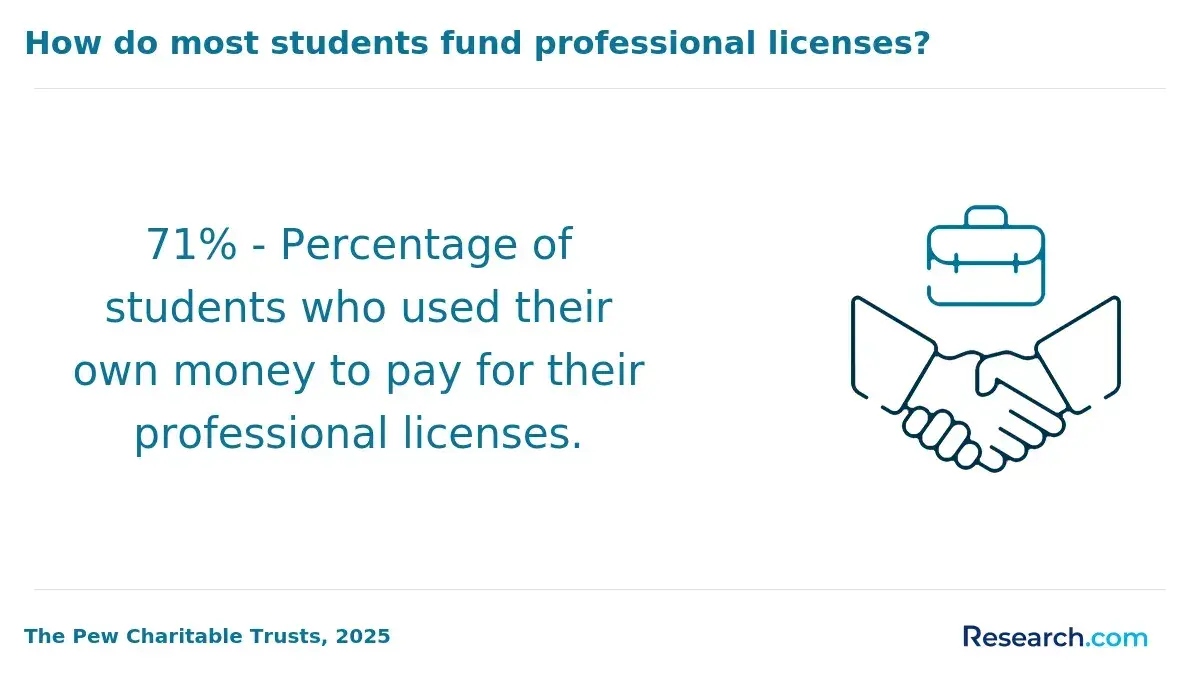
Licensure is different from certification. Licensure is a legal authorization governed by a state board; certification is usually a training credential offered by a professional organization, nonprofit, employer, or training provider. For many roles, a BSW or MSW plus eligibility for state licensure carries more weight than a long list of unrelated certificates.
The table below clarifies which credentials tend to matter most for entry-level applicants and when they are worth the cost:
| Credential type | Typical entry-level value | When it makes sense | Cost or ROI consideration |
| State BSW or MSW license | High when required or preferred by the employer | Roles using protected social work titles or requiring billable, supervised practice | ASWB bachelor's and master's exam fees are $230; state application and renewal fees vary |
| Mental Health First Aid | Moderate for behavioral health, schools, shelters, and outreach | You need evidence of crisis awareness but are not yet clinically licensed | Usually a low-cost signal compared with graduate credentials |
| CPR and basic first aid | Moderate in residential, school, crisis, youth, and community settings | The role involves onsite client contact or safety-sensitive environments | Often inexpensive and sometimes employer-required after hire |
| Trauma-informed care training | Moderate to high for child welfare, domestic violence, behavioral health, and schools | You work with clients affected by trauma, violence, grief, displacement, or abuse | Best ROI when linked to a target population, not listed as a standalone buzzword |
| Mandated reporter training | High in child, elder, disability, school, and healthcare settings | The employer needs assurance that you understand reporting duties | Often free or low cost, but requirements vary by state and employer |
Use this decision rule: if a certification is required in the job posting, prioritize it; if it is merely preferred, weigh its cost against the likelihood that it strengthens your target role. For example, Mental Health First Aid may be more valuable for a crisis outreach applicant than for a policy research assistant. A clinical specialization certificate is usually not necessary until you have the degree, supervision, and license level to use it responsibly.
How heavily do recruiters weigh GPA and academic honors for Social Work roles?
GPA matters less in social work recruiting than field performance, licensure eligibility, documentation ability, references, and fit with the client population. It still has value for competitive fellowships, hospital internships, government trainee programs, and MSW admissions, but many employers do not treat GPA as the deciding factor once minimum education requirements are met.
NACE employer research published in 2024 showed that GPA screening is no longer universal across new-graduate hiring. For social work graduates, this means a lower GPA can often be offset by strong practicum evaluations, relevant volunteer experience, and clear evidence of professional maturity.
The table below shows how recruiters commonly weigh academic signals compared with practical evidence. Use it to decide what belongs near the top of your resume:
| Candidate signal | Recruiter weight for entry-level social work | How to present it |
| Field placement or internship | Very high | List population served, setting, caseload exposure, documentation tasks, and supervision structure |
| Licensure eligibility | Very high when required | State "eligible for LBSW/LMSW application" only if accurate under your state rules |
| GPA | Moderate to low unless the employer or program asks for it | Include if strong, recent, or required; omit if it distracts from better evidence |
| Academic honors | Moderate | Use when they reinforce discipline, leadership, research, or service commitment |
| Capstone or research project | Moderate when relevant to the role | Connect the topic to a population, policy issue, intervention, or outcome measure |
| References from field supervisors | High | Choose supervisors who can speak to reliability, ethics, documentation, and client interaction |
If your GPA is not your strongest asset, do not apologize for it in the resume. Instead, lead with supervised experience and role-specific skills. In interviews, be prepared to explain briefly what improved over time, what you learned, and why your field performance is a better predictor of job readiness.
Where do top employers of Social Work professionals actively recruit new talent?
Top social work employers recruit where they can observe readiness, not just credentials. That is why field placements, university partnerships, state and county hiring portals, nonprofit networks, hospital systems, and professional association job boards often produce better results than mass-applying to generic listings.
BLS industry data shows that social workers are employed across individual and family services, government, healthcare, education, and residential care settings.
For applicants, this means the best recruitment channel depends heavily on whether you want direct service, clinical training, public benefits, child welfare, school support, housing, or healthcare coordination.
The table below compares common recruiting channels and the type of applicant each channel tends to favor:
| Recruitment channel | Employers commonly found there | Best-fit applicant |
| Field placement and practicum sites | Hospitals, nonprofits, schools, child welfare agencies, behavioral health clinics | Students who performed well under supervision and want a smoother transition to employment |
| University career centers | Local agencies, county departments, school partners, healthcare systems | Recent graduates who need entry-level roles aligned with their degree and fieldwork |
| County and state job portals | Child protective services, public assistance, corrections, aging services, disability services | Applicants comfortable with structured hiring, background checks, and civil service processes |
| Hospital and health system career pages | Medical social work, care management, behavioral health, discharge planning teams | BSW or MSW candidates with EHR, interdisciplinary teamwork, and healthcare exposure |
| Nonprofit and community agency networks | Housing, domestic violence, refugee services, youth programs, food security organizations | Candidates with community outreach, resource navigation, and grant-funded program experience |
| Professional associations and local NASW chapters | Social work agencies, policy groups, clinical organizations, training providers | Applicants building professional visibility and licensure-aware networking contacts |
To improve response rates, narrow your search by setting and population before applying. A resume built for school social work support should not look identical to one built for homelessness outreach or hospital discharge planning.
If you are comparing adjacent health and wellness paths, a kinesiology degree online may point toward rehabilitation, exercise science, or wellness roles rather than social services casework.
A focused outreach plan works better than broad, unfocused applications. Start with these steps:
- List five target settings, such as child welfare, housing, schools, behavioral health, or hospitals.
- Identify the systems, populations, and documentation tools used in each setting.
- Ask field supervisors, faculty, and alumni which agencies consistently hire new graduates.
- Apply through employer career pages when possible, then follow up with a tailored message to the recruiter or program manager.
- Track each application by role requirements, license language, documents submitted, and follow-up date.
What are the technical assessments or interview formats used for Social Work applicants?
Social work interviews are designed to test judgment, ethics, communication, and readiness for real client situations. Even when the process feels conversational, recruiters are often scoring your answers against competencies such as safety awareness, documentation, boundaries, cultural humility, and ability to accept supervision.
The table below summarizes common assessment formats and what each one is really measuring. Use it to prepare evidence-based examples rather than memorized answers:
| Assessment or interview format | What employers evaluate | Common entry-level setting |
| Behavioral interview | Past actions under stress, teamwork, conflict, and accountability | Nearly all settings |
| Case vignette | Risk recognition, ethical reasoning, service planning, and escalation judgment | Child welfare, behavioral health, hospitals, schools |
| Role-play | Client engagement, active listening, de-escalation, and boundaries | Crisis services, shelters, youth programs, behavioral health |
| Writing or documentation sample | Objectivity, clarity, grammar, confidentiality, and relevant detail selection | Healthcare, case management, government, grant-funded nonprofits |
| Panel interview | Fit with interdisciplinary teams and ability to communicate with multiple stakeholders | Hospitals, schools, public agencies, larger nonprofits |
| Background check and reference review | Safety, reliability, employment history, credential accuracy, and eligibility | Roles involving children, healthcare, home visits, or vulnerable adults |
Prepare for these formats by building a small interview bank of examples. Each example should show the client context without revealing confidential details, the action you took, the supervisor or policy you consulted, and the outcome or lesson learned:
- For case vignettes, talk through your reasoning: immediate safety, confidentiality limits, mandated reporting, available supports, documentation, and supervision.
- For role-plays, slow down and demonstrate empathy before problem-solving; recruiters listen for tone, boundaries, and nonjudgmental language.
- For writing samples, keep notes factual, concise, and objective; avoid diagnosis, assumptions, or emotional language outside your scope.
- For panel interviews, address each stakeholder's concern, such as client safety, agency policy, family dynamics, medical needs, or school requirements.
What red flags cause recruiters to reject Social Work job applicants during screening?
Recruiters reject social work applicants when they see risk: ethical risk, documentation risk, reliability risk, or mismatch with the role's population and setting. Many red flags are avoidable if you review your materials through the employer's compliance and client-safety lens.
The table below identifies common screening problems and why they matter. It is meant to help you audit your application before a recruiter does:
| Red flag | Why recruiters worry | Better signal |
| Generic resume with no target population | Suggests the candidate has not understood the agency's clients or services | Resume summary tailored to children, older adults, housing, behavioral health, schools, or healthcare |
| No field placement details | Makes it hard to judge readiness for supervised practice | Clear practicum description with setting, population, tasks, and documentation exposure |
| Overstated clinical claims | Raises scope-of-practice and ethics concerns | Accurate language such as "supported assessments under supervision" or "observed treatment planning" |
| Poor grammar or inconsistent formatting | Signals possible documentation quality problems | Clean formatting, consistent dates, and carefully edited bullet points |
| Unexplained employment gaps or short roles | Creates questions about reliability or job readiness | Brief context when appropriate, plus evidence of training, caregiving, school, or volunteer activity |
| Confidential client details in resume or interview | Shows weak privacy judgment | De-identified examples that protect names, locations, and identifiable facts |
| No evidence of technology use | Suggests slower onboarding for documentation-heavy roles | Relevant EHR, HMIS, case management, Excel, telehealth, or secure documentation experience |
The most damaging mistake is treating social work hiring like a purely values-based field. Recruiters do care about mission fit, but they also need proof that you can follow policy, document accurately, manage boundaries, and ask for supervision before a situation escalates.
How can Social Work degree graduates tailor their resumes and online profiles to pass recruiter screening?
A strong social work resume should pass both automated screening and human review. Applicant Tracking Systems look for role-specific keywords, while recruiters look for evidence that those keywords reflect real supervised experience.
Start by aligning your resume with the employer's setting. If the posting emphasizes case management, your resume should highlight assessment, service plans, referrals, follow-up, documentation, and community resources. If it emphasizes behavioral health, include crisis response exposure, safety planning awareness, psychoeducation, group support, and interdisciplinary communication where accurate.
Use this step-by-step audit before submitting an application:
- Copy the job posting into a separate document and highlight required degree, license, population, documentation system, and practice skills.
- Rewrite your resume summary so it names your target setting, such as child welfare, housing, healthcare, school support, or behavioral health.
- Move field placement, internship, or practicum experience above unrelated work if it is more relevant to the role.
- Add exact but truthful keywords from the posting, such as case management, psychosocial assessment, discharge planning, HMIS, mandated reporting, crisis intervention, or resource coordination.
- Quantify scope when possible, such as number of groups supported, outreach events staffed, referrals tracked, or clients assisted, without exaggerating responsibility.
- Remove protected client details, vague soft skills, unrelated coursework lists, and claims that exceed your license or supervision level.
- Use a simple format with standard headings, consistent dates, and text that can be parsed by ATS software.
Your online profile should reinforce the same message. A recruiter should see your degree, field setting, populations served, license status or eligibility, software exposure, and target role within a few seconds.
If you are applying to healthcare-related social work roles, it can also help to understand adjacent health administration career language; for example, reviewing health information management salary entry-level data can clarify why documentation, privacy, coding awareness, and EHR fluency are valued in medical settings.
Finally, tailor your interview preparation to the resume you submit. If your resume says "crisis intervention," be ready to explain what you were trained to do, what required supervisor involvement, and how you documented the situation. Recruiters trust candidates who know both their strengths and their scope.
Other Things You Should Know About Social Work
Yes, some employers hire graduates who are license-eligible or working under supervision, especially for case management and community roles. However, requirements vary by state, title, setting, and employer, so always check the job posting and licensing board rules.
Yes, many students begin applying during their final term, especially if field placement is ending and graduation is confirmed. Make your resume clear by listing your expected degree date, practicum setting, and any pending license steps.
It depends on the role. BSW graduates are often competitive for generalist case management and community roles, while MSW graduates are more competitive for clinical, healthcare, school, and advanced supervised practice positions.
Yes, if it is relevant and specific. Crisis line volunteering, shelter work, youth mentoring, hospital volunteering, food security programs, and community outreach can strengthen an application when you describe the population served, duties performed, and skills gained.
Top Trending Social Work Rankings
See What Experts Have To Say About Studying Social Work
Read our interview with Social Work experts

References
- Next Generation Social Workers and the Importance of Field Placement https://concerthealth.com/blog/fieldplacement
- Top Skills Employers Look for in Qualified Social Workers Today - Vitalis https://www.vitalissocialcare.co.uk/career-development/top-skills-employers-look-for-in-social-workers-today/
- What Do Employers Want to See from Soft-Skills Credentials? | MDRC https://www.mdrc.org/work/publications/what-do-employers-want-see-soft-skills-credentials
- The 3 Levels of Social Work: A Short Guide https://www.casebook.net/blog/the-3-levels-of-social-work-a-short-guide/
- High-demand social work careers in California: trends and opportunities https://socialwork.pacific.edu/blog/high-demand-social-work-careers-california-trends-and-opportunities
- Clinical Vs. Direct Services In Social Work | Psychology.org https://www.psychology.org/social-work/clinical-vs-direct-services-social-work/
- Internships and Practicums https://www.socialworklicensure.org/articles/social-work-internships//1000
- 10 Goals For Social Work Internships | St.Augustine https://www.staugustine.edu/2022/06/13/guide-to-social-work-internships/
- Education vs Experience: What Employers Value More https://undutchables.nl/about-us/blog/education-vs-experience-what-employers-value-more