2027 Social Work Degree Job Posting Analysis: Skills, Credentials, and Experience Employers Request Most Often

Co-Founder and Chief Data Scientist
Social work students face a practical question: which qualifications actually matter when employers screen applications? The U.S. Bureau of Labor Statistics projects social worker employment to grow 7% from 2023 to 2033, faster than the average for all occupations. That demand is shaped by healthcare access, behavioral health needs, aging populations, and child and family services.
This guide is for students, career changers, and early-career professionals who want to compare social work job posting expectations and choose the skills, credentials, experience, and certifications most likely to strengthen their applications.
Key Things You Should Know
- Employers most often look for a social work degree aligned with the role, supervised field experience, case management ability, documentation skills, crisis response judgment, and knowledge of community resources.
- Clinical roles usually require or prefer licensure, while many entry-level case management, outreach, and human services roles may accept a BSW or related bachelor's degree plus internship or direct-service experience.
- The BLS reports a May 2024 median annual wage of $61,330 for social workers, but pay and requirements vary substantially by specialization, employer type, state licensure rules, and whether the role involves clinical services.
- Which Industries Have the Highest Demand for Social Work Graduates?
- Which Job Titles Appear Most Frequently in Social Work Degree Job Postings?
Which Industries Have the Highest Demand for Social Work Graduates?
Social work graduates are hired across healthcare, government, education, behavioral health, and nonprofit settings. Demand is broad, but job postings differ sharply by population served, risk level, documentation burden, and licensure expectations.
The table below summarizes where social work degree candidates most often see relevant openings and what those employers tend to emphasize. Use it to decide whether your coursework, practicum, and certifications match the industry you want to enter.
| Industry or employer type | Common hiring focus | What postings often emphasize | Best fit for candidates who want |
| Healthcare systems and hospitals | Discharge planning, care coordination, behavioral health screening, patient advocacy | MSW preferred or required for many roles, documentation, interdisciplinary teamwork, knowledge of insurance and community referrals | Medical social work, integrated care, fast-paced case coordination |
| Mental health and substance use providers | Counseling support, crisis intervention, treatment planning, relapse prevention | Clinical licensure or license eligibility, trauma-informed care, risk assessment, motivational interviewing | Behavioral health, therapy track preparation, crisis services |
| Child, family, and school services | Child welfare, family support, student services, mandated reporting | Assessment, safety planning, family engagement, knowledge of local child protection procedures | Youth advocacy, family systems work, school-based support |
| Government and public agencies | Benefits navigation, protective services, public assistance, community programs | Policy knowledge, documentation accuracy, eligibility screening, caseload management | Stable public-sector roles and policy-adjacent practice |
| Nonprofit and community organizations | Outreach, housing support, reentry services, advocacy, resource coordination | Cultural humility, community partnerships, grant-funded program awareness, flexible direct-service experience | Community practice, social justice work, population-specific services |
| Long-term care and aging services | Care planning, family meetings, resident rights, elder support | Gerontology knowledge, Medicare and Medicaid familiarity, interdisciplinary communication | Work with older adults, healthcare coordination, family advocacy |
Healthcare-related settings often have more formal credential ladders because social workers collaborate with nurses, pharmacists, therapists, and physicians. Students comparing social work with other patient-care routes may also review an online pharmacy degree to understand how clinical education requirements differ across health professions.
The key decision is not simply "which industry is hiring?" but "which industry's expectations match my degree level and career goal?" A BSW candidate may be competitive for case aide, outreach, and human services roles, while an MSW candidate with license eligibility is better positioned for clinical, hospital, and behavioral health openings.
Which Job Titles Appear Most Frequently in Social Work Degree Job Postings?
Job titles in social work postings can be confusing because employers use different labels for similar work. A "case manager" at one organization may focus on housing referrals, while the same title in a hospital may require discharge planning, insurance coordination, and an MSW.
The following table groups frequent social work-related job titles by typical function. It can help you interpret postings more accurately instead of applying only to roles with "social worker" in the title.
| Job title family | Common titles in postings | Typical degree expectation | Common screening factors |
| Generalist social work and case services | Social Worker, Case Manager, Case Coordinator, Human Services Specialist | BSW, MSW, or related human services degree depending on role | Assessment, resource referral, documentation, client communication |
| Clinical and behavioral health | Clinical Social Worker, Therapist, Mental Health Clinician, Behavioral Health Specialist | MSW commonly expected; license or license eligibility often required | Diagnosis support, treatment plans, crisis response, supervised clinical hours |
| Medical and hospital social work | Medical Social Worker, Hospital Social Worker, Discharge Planner, Care Coordinator | MSW often preferred or required in hospitals | Care transitions, insurance knowledge, interdisciplinary communication |
| Child and family services | Child Welfare Specialist, Family Support Worker, Foster Care Case Manager, School Social Worker | BSW or MSW; school and clinical roles may require specialized credentials | Safety assessments, mandated reporting, family engagement |
| Community and program roles | Outreach Specialist, Community Navigator, Program Coordinator, Housing Specialist | Bachelor's degree often sufficient; MSW may help for leadership roles | Community resources, advocacy, data entry, client follow-up |
| Leadership and administration | Program Manager, Clinical Supervisor, Director of Social Services | MSW and experience commonly preferred; licensure may be required for clinical supervision | Staff supervision, compliance, outcomes reporting, budgeting |
The most important lesson is that title alone is not enough. Read the duties, populations served, required degree, licensure language, and supervision expectations before deciding whether a posting fits your background.
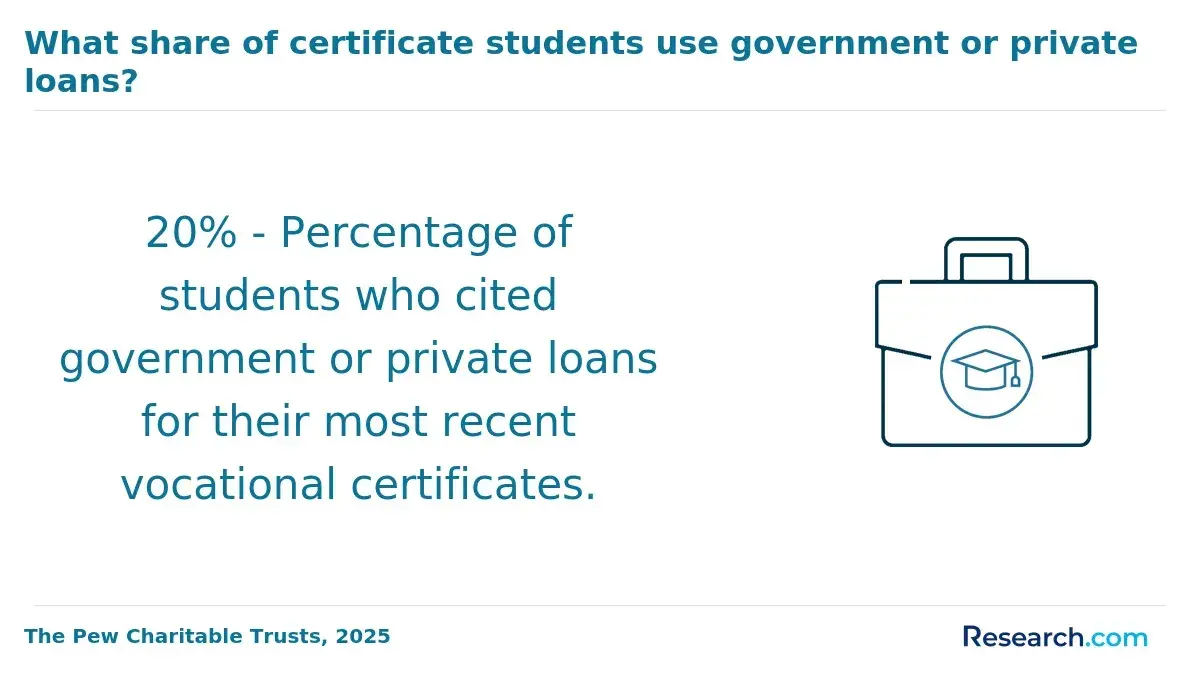
Employers usually evaluate social work candidates across three skill categories: client-facing practice skills, administrative and compliance skills, and interpersonal judgment. Strong candidates show evidence of all three, not just a degree.
The table below summarizes skills that appear repeatedly across social work degree job postings. The "why it matters" column explains how each skill affects employability and day-to-day performance.
| Skill category | Commonly requested skills | Why employers value it | How candidates can show evidence |
| Case management | Assessment, service planning, referral coordination, follow-up | Many roles require moving clients from intake to services while managing complex needs | Practicum logs, internship examples, caseload support experience |
| Documentation | Progress notes, treatment plans, case notes, compliance records | Accurate records support continuity of care, reimbursement, audits, and legal accountability | Experience with electronic records, writing samples if appropriate, supervisor references |
| Crisis response | De-escalation, safety planning, suicide risk awareness, mandated reporting | Employers need staff who can respond calmly when clients face immediate risk | Crisis training, supervised practice, role-specific examples from field placement |
| Communication | Active listening, motivational interviewing, client education, team communication | Social workers often translate complex systems into practical next steps for clients | Interview stories, client-facing roles, group facilitation experience |
| Cultural humility | Trauma-informed practice, anti-oppressive practice, language access awareness | Roles often serve communities affected by poverty, discrimination, disability, migration, or trauma | Coursework, community work, bilingual ability, population-specific experience |
| Systems navigation | Benefits, housing, healthcare referrals, school or court coordination | Clients often need help across multiple agencies, not just one service | Resource databases, community partnerships, benefits screening experience |
| Technology use | Electronic health records, case management systems, spreadsheets, telehealth tools | Employers expect timely digital documentation and secure communication | Software names on résumé, training certificates, examples of data tracking |
Technical skills matter, but social work hiring is rarely purely technical. A candidate who can document accurately but struggles with empathy, boundaries, or teamwork may be less competitive than a candidate who can combine compliance with strong professional judgment.
For résumé preparation, separate "practice skills" from "tools and documentation." This helps applicant tracking systems identify required keywords while also showing hiring managers that you understand the work beyond software checkboxes.
Experience requirements in social work postings depend heavily on risk level and autonomy. Entry-level roles may accept internships, volunteer service, or practicum hours, while clinical and supervisory roles often require years of post-degree experience and documented supervision.
The table below shows how experience expectations typically change by career level. Treat these as common patterns rather than universal rules because public agencies, hospitals, nonprofits, and private clinics may set different thresholds.
| Career level | Typical experience expectation | Common role examples | What employers want to see |
| Pre-entry and student | Volunteer work, service learning, internship, practicum, peer support exposure | Intern, social services assistant, outreach volunteer | Reliability, ethics, client boundaries, willingness to learn |
| Entry-level | Field placement or up to limited direct-service experience | Case aide, case manager, community navigator, intake coordinator | Basic assessment, documentation, resource referral, professional communication |
| Early-career | Prior caseload experience often preferred | Family services worker, hospital care coordinator, behavioral health case manager | Independent caseload management, crisis judgment, agency collaboration |
| Clinical track | Supervised clinical experience required for independent licensure | Therapist, clinical social worker, mental health clinician | Treatment planning, risk assessment, ethical practice, licensure progress |
| Advanced and supervisory | Several years of practice experience commonly expected | Clinical supervisor, program manager, director of social services | Staff supervision, compliance, quality improvement, program outcomes |
Education and experience are not substitutes in every setting. A BSW with strong field experience may be competitive for generalist roles, but it usually will not replace an MSW for clinical licensure-track roles. Conversely, an MSW without relevant practicum evidence may still struggle in postings that emphasize a specific population, such as youth in foster care, older adults, or substance use treatment.
The practical takeaway is to build experience before graduation. Field placements, crisis line volunteering, community outreach, residential programs, and benefits navigation roles can all help candidates turn classroom learning into credible application evidence.
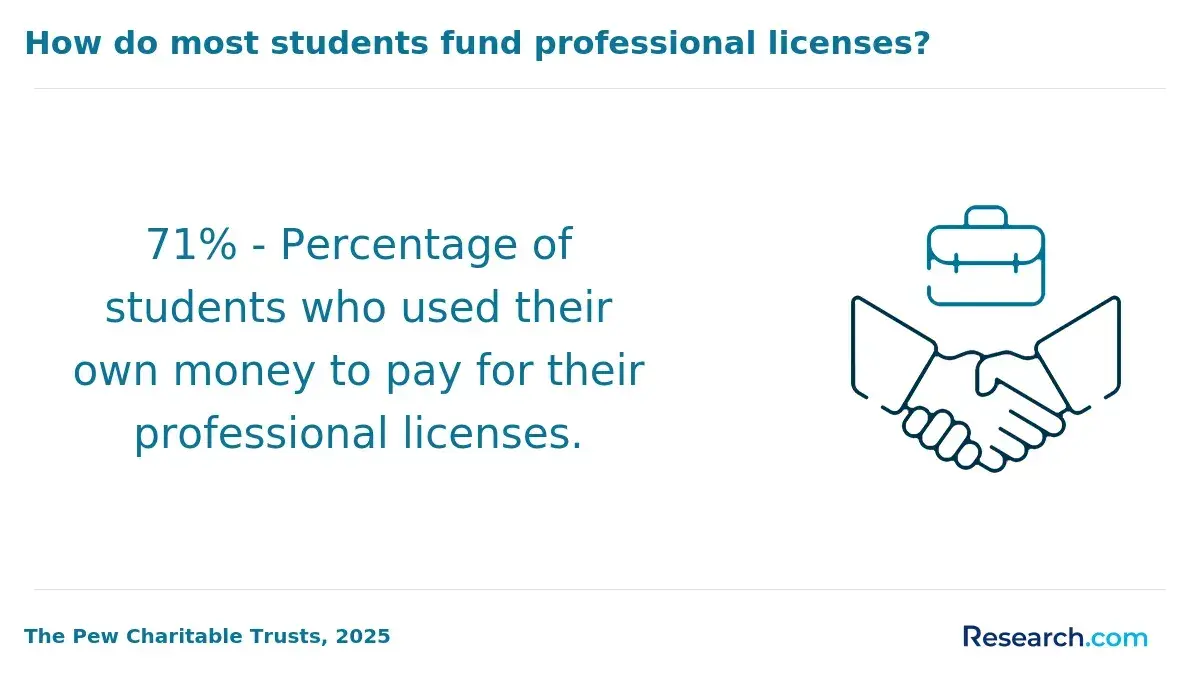
Certifications can help, but they are not all equally valuable. In social work postings, the most important credential is often state licensure or license eligibility; short certificates are most useful when they match the population, setting, or risk level of the job.
The table below separates credentials that may be required from those that usually function as competitive add-ons. Always check state rules and employer wording before paying for a credential.
| Certification or credential | How it appears in postings | Best fit | How to prioritize it |
| Licensed Bachelor Social Worker or state equivalent | Required or preferred in some states and public-service roles | BSW-level social work practice where state licensure exists | Prioritize if your state or target employer expects bachelor-level licensure |
| Licensed Master Social Worker or state equivalent | Often required for MSW roles before independent clinical licensure | MSW graduates entering supervised practice | High priority for clinical and advanced generalist roles |
| Licensed Clinical Social Worker or state equivalent | Required for independent clinical practice in many settings | Therapy, diagnosis-related work, private practice, clinical supervision | Essential if your goal is independent clinical practice |
| Basic Life Support or CPR | Commonly requested in healthcare, residential, and crisis settings | Hospitals, shelters, behavioral health facilities, school settings | Useful low-cost add-on when postings mention safety or facility-based care |
| Mandated reporter training | Often required for child, school, healthcare, and family services roles | Child welfare, education, family services, youth programs | Prioritize if working with minors or vulnerable adults |
| Trauma-informed care training | Frequently preferred across behavioral health and community roles | Crisis work, violence prevention, homelessness services, youth services | Valuable if paired with supervised experience, not as a standalone substitute |
| Motivational interviewing training | Preferred in substance use, care coordination, and behavior change roles | Substance use treatment, health coaching, reentry, chronic disease support | Strong differentiator when target postings mention behavior change |
Be cautious about collecting certificates without a strategy. A short online certificate rarely outweighs required licensure, accredited degree completion, or supervised field experience. The best certification is the one repeatedly named in postings for the role you want.
Employer expectations differ because social work is not one job. A school district, hospital, child welfare agency, private therapy practice, and housing nonprofit may all value social work training, but they screen candidates for different risks, tools, schedules, and credentials.
This comparison shows how expectations often shift by setting. Use it to tailor your résumé and interview examples instead of sending the same application to every employer.
| Setting | Credentials most emphasized | Skills most emphasized | Experience that helps most |
| Hospital or medical center | MSW, license eligibility, healthcare documentation familiarity | Discharge planning, care coordination, insurance navigation | Medical social work practicum, patient advocacy, interdisciplinary team exposure |
| Community nonprofit | BSW, MSW, or related degree depending on funding and role | Outreach, resource navigation, cultural humility, advocacy | Community organizing, housing support, benefits assistance |
| Behavioral health clinic | MSW and licensure pathway commonly emphasized | Assessment, treatment planning, crisis response, motivational interviewing | Supervised clinical practicum, crisis line work, substance use exposure |
| School or youth services | State-specific school social work credential may be required | Family engagement, student support, mandated reporting, collaboration with educators | Youth programs, school-based practicum, child welfare exposure |
| Government agency | Degree requirements tied to civil service classifications | Eligibility review, policy compliance, documentation, caseload management | Public benefits, protective services, administrative casework |
Geography also matters. States set licensure rules, rural areas may emphasize generalist flexibility, and large urban systems may separate roles into narrower specialties. Before choosing electives or certifications, compare postings in the state and city where you actually plan to work.
Social work also overlaps with adjacent health and wellness fields, but each field has different employer expectations. For example, a kinesiology degree online may align more naturally with exercise science, rehabilitation support, wellness, or fitness-related roles than with licensure-based social work practice.
Social work remains a human-centered profession, but technology is changing how employers describe daily work. The strongest candidates are not expected to be programmers; they are expected to use digital systems ethically, document clearly, protect client privacy, and adapt to hybrid service delivery.
The table below highlights emerging and increasingly visible skill areas in social work postings. These skills are most useful when combined with core practice judgment and ethical awareness.
| Emerging skill area | How it shows up in postings | Why it matters | Candidate advantage |
| Telehealth and virtual service delivery | Remote counseling support, virtual case management, hybrid client meetings | Many agencies now serve clients across in-person and digital channels | Shows flexibility and comfort maintaining rapport through secure platforms |
| Electronic health records and case platforms | EHR, HMIS, case management software, client databases | Documentation quality affects compliance, reimbursement, and care continuity | Reduces onboarding time and strengthens résumé keyword match |
| Data-informed practice | Outcome tracking, service utilization reports, program metrics | Funders and agencies increasingly expect evidence of program effectiveness | Helps candidates move toward program coordination or management |
| AI awareness and ethical technology use | Privacy, documentation support, workflow tools, responsible use policies | AI may assist administrative tasks, but client confidentiality and bias risks remain central | Signals judgment, not just technical curiosity |
| Integrated care collaboration | Behavioral health integration, care teams, warm handoffs | Clients often need coordinated medical, mental health, housing, and social supports | Fits healthcare and behavioral health postings especially well |
AI and automation are most likely to affect administrative work, scheduling, documentation support, and resource matching. They are less likely to replace the judgment required for crisis response, therapeutic relationships, ethical decision-making, mandated reporting, and advocacy.
A common mistake is ignoring technology because social work is "people work." A better approach is to learn the tools without losing the profession's core: empathy, boundaries, cultural humility, and ethical responsibility.
The most effective way to prepare for social work hiring is to reverse-engineer job postings before you graduate. Instead of asking whether your degree is "enough," compare your qualifications against the language employers repeatedly use for your target roles.
Use the steps below to turn job posting trends into a practical preparation plan. This process works for BSW students, MSW students, and career changers evaluating whether they need more experience, licensure, or specialized training.
- Collect 15 to 25 postings for the same role type and location, such as hospital social worker, child welfare case manager, or behavioral health clinician.
- Highlight repeated requirements separately from preferred qualifications, especially degree level, license status, population experience, software, and crisis-related skills.
- Create a skills inventory with three columns: already proven, partly developed, and missing or weak.
- Choose field placements, electives, volunteer roles, or part-time jobs that close the highest-priority gaps first.
- Rewrite your résumé using employer language, but only include skills you can support with a real example in an interview.
- Ask supervisors for feedback on documentation quality, boundaries, crisis judgment, and readiness for independent caseload work.
Several mistakes can weaken otherwise qualified applicants. These are worth avoiding because they show up repeatedly in hiring decisions, especially for early-career candidates.
- Assuming a social work degree alone is enough without showing field experience, documentation ability, and population-specific preparation.
- Applying to clinical roles without understanding licensure status, supervision requirements, or state-specific title restrictions.
- Listing broad values such as "helping people" without concrete examples of assessment, referral, crisis response, or advocacy.
- Buying unrelated certificates before checking whether target employers actually request them.
- Using one generic résumé for hospital, school, nonprofit, and behavioral health roles even though each setting screens for different evidence.
If you can only do one thing this month, audit current postings in your target city. That will give you more useful direction than guessing which elective, certificate, or volunteer opportunity might matter.
Job posting trends should guide your career path, but they should not be your only factor. A good social work path fits your preferred population, tolerance for crisis work, licensure plans, salary needs, supervision access, and long-term advancement goals.
The table below compares common social work pathways by the qualifications that tend to matter most. Use it to decide where to invest your next semester, practicum choice, or professional development effort.
| Career path | Best education priority | Most valuable experience | Strongest differentiator | Good fit if you want |
| Generalist case management | BSW or related bachelor's degree; MSW for advancement | Resource referral, intake, benefits navigation, community outreach | Strong documentation and local service knowledge | Direct service without necessarily pursuing therapy licensure |
| Clinical social work | MSW from an accredited program and state licensure pathway | Supervised clinical practicum, crisis assessment, treatment planning | License eligibility and strong supervision history | Therapy, diagnosis-related services, behavioral health practice |
| Medical social work | MSW often preferred or required | Hospital practicum, care transitions, patient advocacy | Healthcare documentation and interdisciplinary teamwork | Fast-paced patient care and discharge planning |
| Child welfare and family services | BSW or MSW depending on agency and role | Family engagement, safety planning, youth programs | Mandated reporting knowledge and trauma-informed practice | Work with children, families, courts, and protective systems |
| Macro practice and program leadership | MSW with policy, administration, or community practice focus | Program coordination, grant-funded services, outcome tracking | Data-informed practice and staff supervision experience | Systems change, nonprofit leadership, policy implementation |
Salary should be part of the decision, but it should be interpreted carefully. The BLS reports a May 2024 median annual wage of $61,330 for social workers; however, clinical specialization, employer type, overtime rules, region, and licensure can shift compensation. Use salary data as a planning benchmark, not a promise.
Students who are deciding between social work and adjacent healthcare administration paths may also compare role requirements and pay trajectories, such as health information management salary entry-level expectations. That comparison can clarify whether you prefer direct client advocacy or healthcare data, compliance, and records management.
A smart path choice starts with three questions: Do you want clinical licensure? Which population do you want to serve? How much crisis, documentation, and systems navigation do you want in your weekly work? Your answers should shape your degree level, practicum site, certifications, and first job search.
Social work job postings usually distinguish between minimum educational requirements and preferred credentials. The difference matters: a minimum requirement determines whether you are likely to pass initial screening, while a preferred credential can improve competitiveness but may not be mandatory.
This table compares common degree expectations by role type. Requirements vary by state, employer, funding source, and whether the position includes clinical diagnosis or psychotherapy.
| Credential level | Where it commonly fits | Typical posting language | Decision guidance |
| Associate degree or some college | Support roles, peer support-adjacent work, residential programs, social services assistant roles | Human services coursework preferred; experience may substitute for education | Useful for entry into the field, but advancement may require a bachelor's degree |
| Bachelor of Social Work | Case management, child welfare, community outreach, benefits navigation, generalist services | BSW required or preferred; related bachelor's degree may be accepted | Strong option for direct-service roles and a common path into MSW advanced standing programs |
| Related bachelor's degree | Human services, psychology, sociology, public health, criminal justice, education-related roles | Bachelor's in social work or related field | Can qualify for many nonclinical roles, but may not substitute for a BSW where social work accreditation is specified |
| Master of Social Work | Clinical social work, hospital social work, therapy roles, supervision, policy and leadership paths | MSW required or strongly preferred; accredited program often specified | Often necessary for clinical licensure and higher-responsibility roles |
| Doctoral degree | Research, university teaching, advanced policy, executive leadership | Rare in general postings; more common in academic or research roles | Best for specialized leadership, scholarship, or high-level research goals rather than typical entry-level practice |
Accreditation is a major factor. For students pursuing licensure, an MSW from a Council on Social Work Education-accredited program is commonly required by state boards. Always verify requirements with the licensing board in the state where you plan to practice.
Students comparing social work with other healthcare entry routes should note that credential ladders differ by profession. For example, an LPN accelerated program prepares students for nursing licensure pathways, while social work licensure is built around accredited social work education, supervised practice, and state board exams.
Other Things You Should Know About Social Work
Many direct-service roles accept a BSW or a related bachelor's degree, while clinical, hospital, therapy, and supervisory roles commonly require an MSW. Licensure-track roles often specify an accredited social work degree and state license eligibility.
They can be worth it if they match your target postings. CPR, mandated reporter training, trauma-informed care, and motivational interviewing can help in certain settings, but they should not replace field experience, accredited education, or licensure preparation.
Yes, some entry-level roles accept practicum, internship, volunteer, or related human services experience. However, candidates are stronger when they can show client interaction, documentation practice, resource referral, and professional boundaries.
Prioritize case management, documentation, crisis response, communication, cultural humility, and knowledge of community resources. If you are pursuing clinical or healthcare roles, add licensure planning, treatment documentation, risk assessment, and electronic record experience.
See What Experts Have To Say About Studying Social Work
Read our interview with Social Work experts

- Master The Top 10 Essential Skills For Social Workers In 2024 https://www.tripodpartners.com/career-advice/social-work/top-10-essential-skills-for-social-workers-in-2024/
- Social Worker Certifications: Best Credentials to Advance Your Career | Teal https://www.tealhq.com/career-paths/social-worker-certifications
- Social Work Career Pathways https://socialworklicensemap.com/social-work-careers/pathways/
- Children's Social Work Matters https://www.childrenssocialworkmatters.org/social-work-roles-career-progression
- Social Work https://www.ncss.gov.sg/careers/social-service-careers/roles-in-social-services/social-work/
- What are the Types, and Career Prospects of Social Workers https://www.planstreet.com/types-and-career-prospects-of-social-workers
- High-demand social work careers in California: trends and opportunities https://socialwork.pacific.edu/blog/high-demand-social-work-careers-california-trends-and-opportunities
- Career stages | BASW https://basw.co.uk/careers/career-stages
- Types of Social Workers: Exploring the Many Fields in Which They Serve https://www.umassglobal.edu/blog-news/types-of-social-workers
- Social Worker Career Pathways: From Entry-Level to Senior Roles - Social Work Agency | Portman Recruitment https://www.portmanrecruitment.com/ultimate-guide-to-social-work-careers/career-pathways/