2027 Most Popular Social Work Degree Programs Ranking in District of Columbia

Co-Founder and Chief Data Scientist
Choosing the right social work degree program in the District of Columbia can shape your future career and impact your community positively. This article introduces the 2027 Most Popular Social Work Degree Programs Ranking in District of Columbia, created by the Research.com team of data scientists to guide you in making an informed decision.
Exploring these rankings helps you discover trusted programs that align with your goals. Pursuing a social work degree opens doors to meaningful opportunities where you can truly make a difference.
Take a step closer to your aspirations with confidence and clarity.
Key benefits of getting social work degree in District of Columbia
- Social work degree graduates in District of Columbia can expect competitive salaries, such as Social Workers earning a mean annual wage of $68,800 and Community Organizers making around $83,400.
- Graduates often find diverse career paths including roles like Child Welfare Specialist or Residential Counselor, with strong local demand supporting rewarding and impactful work.
- Online social work degrees offer flexible schedules and accessibility, allowing students to balance work and study effectively while gaining credentials from respected universities in the District.
- Key benefits of getting social work degree in District of Columbia
- What can I expect from social work degree in District of Columbia?
- Where can I work with social work degree in District of Columbia?
- How much can I make with social work degree in District of Columbia?
- 2027 Most Popular Social Work Degree Programs Ranking in District of Columbia
- Key Findings
- How long does it take to complete social work degree in District of Columbia?
- Most Affordable Social Work Schools in District of Columbia
- What's the difference between online and on-campus social work degree?
- Accreditation and Licensure Requirements
- What is the average cost of social work degree in District of Columbia?
- Affordable Online and Hybrid Program Options
- What financial aid is available to social work degree students in District of Columbia?
- Licensure and Certification Requirements in District of Columbia
- What are the prerequisites for enrolling in social work degree program in District of Columbia?
- Advanced Degree Opportunities in Social Work
- What courses are typically in social work degree programs in District of Columbia?
- What types of specializations are available in social work degree programs in District of Columbia?
- How do you choose the best social work degree in District of Columbia?
- What career paths are available for social work degree students in District of Columbia?
- What is the job market for social work degree in District of Columbia?
- Related Social Work Rankings for Nearby States
- Top Trending Social Work Rankings
- See What Experts Have To Say About Studying Social Work
What can I expect from social work degree in District of Columbia?
The average cost of pursuing a social work degree in the District of Columbia varies notably, with public universities offering a more accessible price point compared to private institutions. Many graduates recall balancing tuition expenses with scholarships and financial aid tailored specifically for social work students, which considerably eased their financial burden. For example, those attending well-known public universities in DC often found in-state tuition more manageable, allowing them to focus more on fieldwork and experiential learning rather than financial stress.
Private colleges in DC tend to have higher tuition fees, but graduates frequently emphasize the value they received from smaller class sizes and personalized mentorship. These investments often translate into strong professional connections and hands-on practicum opportunities within federal agencies or local nonprofits.
Overall, students describe their financial challenges as part of a meaningful journey, underscoring the importance of exploring local and federal aid programs. This approach helps aspiring social workers in DC access quality education without compromising their dedication to community impact and career growth.
Where can I work with social work degree in District of Columbia?
Graduates from social work programs at institutions like Howard University and the University of the District of Columbia find meaningful roles across various sectors in D.C. Many quickly discover opportunities within the District's Department of Human Services, where they support children in foster care or assist homeless families, turning academic knowledge into real impact. This hands-on work often becomes deeply fulfilling as they witness tangible progress in vulnerable communities.
Others pursue careers in healthcare settings, such as local hospitals or community health centers, applying clinical skills to aid patients facing medical crises or mental health struggles. Their daily work requires empathy and resilience, qualities nurtured during their studies in D.C.'s urban environment.
Nonprofit organizations also attract social work graduates eager to tackle societal issues like homelessness or domestic violence. Here, the role can extend from direct client support to shaping policies, offering a broad, rewarding career path.
Social workers in educational institutions actively remove barriers for students, collaborating with families and community agencies, a role many find inspiring after witnessing the diverse challenges within D.C. schools firsthand.
Experienced graduates often advance into federal agencies, working with veterans or navigating complex assistance programs, where specialized knowledge and dedication are highly valued.
How much can I make with social work degree in District of Columbia?
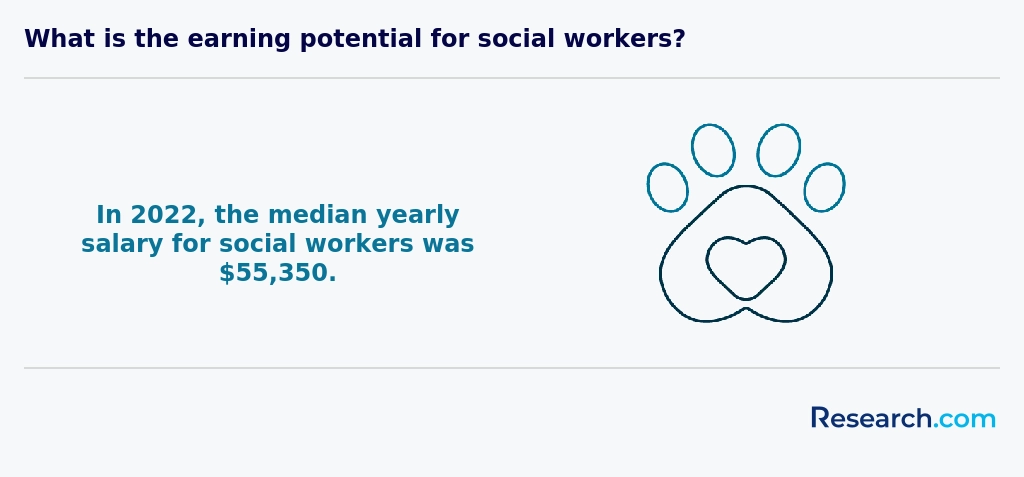
Graduates with social work degrees from institutions in the District of Columbia often find that their education translates into rewarding career opportunities with competitive salaries. For example, those working as social workers in the area earn a mean annual wage of about $68,800, according to recent data. This aligns well with the experiences of graduates from well-known local universities, who report starting with roles such as child welfare specialists and residential counselors making around $59,190 annually.
Community organizers and youth workers, often career paths pursued by social work graduates seeking impactful roles in D.C.'s vibrant nonprofit sector, typically earn higher wages near $83,400. Many alumni describe feeling fulfilled not just by their salaries but by the meaningful impact they have in their communities.
Graduates also recognize that these figures can grow substantially with advanced degrees and licensure, particularly when moving into clinical or specialized mental health roles, where salaries rise above the norm. The steady job growth in D.C. encourages students to invest in their education here, confident in both personal and financial growth prospects.
2027 Most Popular Social Work Degree Programs Ranking in District of Columbia
How do we rank schools?
Investing in your education is a significant decision that can shape your future, and the Research.com team understands the importance of making informed choices. To support prospective students in the District of Columbia, we have carefully developed the "2027 Most Popular Social Work Degree Programs Ranking in District of Columbia." Our dedication to quality, credibility, and accuracy is evident in the thorough research and analysis behind this ranking.
We utilized the following reputable data sources to ensure a comprehensive evaluation of social work programs:
By consulting this ranking, readers will gain valuable insights into the most popular social work degree programs in the District of Columbia, empowering them to make well-informed educational decisions. For more information about our methodology, please visit our Research.com methodology page.


Key Findings
- Social work degrees in D.C. are offered at the bachelor's (BSW) and master's (MSW) levels, with the MSW required for clinical licensure.
- In-state tuition for a bachelor's degree at public institutions averages about $9,000 per year, while private schools can charge over $25,000 annually.
- Master's programs typically cost between $20,000 and $40,000 per year, depending on the school and program length.
- Social workers in D.C. earn a median annual salary of around $70,000, with entry-level salaries ranging from $50,000 to $60,000.
- Licensure requires completing an accredited MSW program and passing the ASWB exam, which opens up higher-paying and clinical job opportunities.
How long does it take to complete social work degree in District of Columbia?
Completing a social work degree in the District of Columbia varies depending on your chosen path and schedule. Graduates from well-known local institutions often share how a full-time Bachelor of Social Work (BSW) typically takes about four years, mirroring many undergraduate programs nationwide. This timeline allows students to immerse themselves fully, balancing coursework and meaningful internships around D.C.'s dynamic community agencies.
For those pursuing a Master of Social Work (MSW), the journey usually spans two years on a full-time basis. Many part-time students, juggling employment or family obligations, extend this timeline to three years or more, appreciating the program's flexibility without sacrificing quality. Some accelerated MSW options, available to those holding a BSW, can be completed in just one year, offering an intense but rewarding path.
Doctoral candidates engaging in advanced research or clinical practice typically spend three to five years beyond the master's degree. Graduates often emphasize the impact of D.C.'s accredited programs, which combine rigorous academic standards with real-world opportunities, fostering both confidence and professional readiness.
Most Affordable Social Work Schools in District of Columbia
To pursue a degree in social work without accumulating significant debt, it's essential to explore affordable options. The District of Columbia is home to several institutions that offer competitive tuition rates without compromising on the quality of education. Prospective students can visit affordable social work schools in district of columbia to find detailed information on these programs, including their curriculum, faculty expertise, and career support services. By choosing an affordable social work program, students can focus on their studies and eventual career in social work, knowing they have made a financially prudent decision. This approach enables graduates to enter the workforce with less debt, allowing them to pursue their passions in social work without the burden of hefty student loans.
What's the difference between online and on-campus social work degree?
Choosing between online and on-campus social work degrees in the District of Columbia often boils down to how you envision your learning journey. Graduates from local universities frequently share how online programs offered them the freedom to juggle day jobs and family life, using video lectures and discussion boards to stay connected. This flexibility was a game changer, especially when commuting in DC's busy environment felt overwhelming.
On the other hand, those who attended schools like the University of the District of Columbia on-campus highlight the value of face-to-face discussions and spontaneous networking moments with peers and professors. These interactions helped them build meaningful professional relationships vital in DC's social work community.
Both paths require field placements, but while on-campus students often accessed nearby internships arranged by their schools, online students appreciated the opportunity to secure placements close to home, ensuring relevant hands-on experience.
Cost is another consideration. DC residents note that local public universities typically offer competitive tuition-around $10,000 annually-making both formats accessible without sacrificing quality.
Accreditation and Licensure Requirements
Ensure your program meets D.C. standards and prepares you for licensure:
- CSWE accreditation confirms rigorous BSW and MSW curricula recognized by the D.C. Board of Social Work.
- Complete supervised field practicum hours (often 400 for BSW, 900 for MSW); consider an online msw that aligns with CSWE criteria and offers flexible scheduling.
- Pass the ASWB licensing exam at the Bachelor’s or Clinical level approved by D.C. Health Professional Licensing Administration.
- Submit official transcripts, exam scores, and affidavits of supervised practice to the D.C. Board.
- Maintain licensure through biennial renewal, typically requiring 30 hours of continuing education.
What is the average cost of social work degree in District of Columbia?
The average cost of a social work degree in District of Columbia reflects both the commitment and value of pursuing this profession in an urban environment rich with opportunity. Graduates who studied at well-known universities in D.C. often recount the investment of around $27,700 for in-state students, while out-of-state students may face costs nearing $49,300 for the entirety of their degree. These figures encompass tuition, fees, and additional expenses, highlighting the real financial landscape behind social work education here.
Beyond numbers, many students recall how the depth and quality of the programs-such as those offered at prominent D.C. schools-make the cost feel worthwhile. With hands-on fieldwork that immerses students in diverse communities, the learning experience becomes vivid and deeply rewarding, connecting classroom concepts to actual social challenges.
When considering the average cost of social work degree in District of Columbia, it's important to remember that institutions in the city generally charge tuition that can be higher than the national average, yet prospective students find ways to manage costs through scholarships, grants, and federal aid. Exploring options early can make a significant difference, as many graduates attest to reduced financial pressures once these supports are secured.
For those seeking comprehensive information on affordable options, there are excellent resources highlighting affordable social work schools in district of columbia that can guide you toward balancing quality education and cost effectively.
Affordable Online and Hybrid Program Options
Students balancing work, family, and study commitments often seek cost-effective pathways to a Social Work degree. Affordable online and hybrid programs can reduce tuition and living expenses while maintaining academic rigor. Many prospective undergraduates explore the cheap online bachelors in social work degree as a starting point for evaluating accredited, budget-friendly curricula. Key advantages of online and hybrid formats:
- Flexible Scheduling: Asynchronous lectures and weekend intensives allow part-time enrollment without sacrificing income.
- Lower Overhead Costs: Virtual classrooms eliminate campus fees, commuting, and housing expenses, potentially saving thousands per year.
- Accelerated Pathways: Some programs offer accelerated terms or credit for prior learning, shortening time to completion by up to one year. Choosing the right program requires verifying CSWE accreditation to ensure eligibility for licensure in the District of Columbia. Compare per-credit tuition rates, technology fees, and field placement support when evaluating options. Prospective students should also confirm that online practicums meet local licensing board requirements for supervised hours. By prioritizing affordability alongside accreditation and student support services, future social workers can launch their careers debt-consciously and focus on making an impact in communities across Washington, D.C.
What financial aid is available to social work degree students in District of Columbia?
Students pursuing social work degrees in the District of Columbia often find relief through a range of financial aid options tailored to their unique needs. Federal aid, accessed via FAFSA, stands out as a crucial starting point-grants like the Pell Grant and Federal Direct Loans provide essential support without overwhelming debt. Graduates from universities such as The Catholic University of America and Howard University frequently recall how these resources helped ease their financial stress during studies.
Scholarships play a meaningful role too. Many local and national organizations, including the National Association of Social Workers, offer scholarships that recognize dedication to the field. At institutions like the University of the District of Columbia, merit-based scholarships reward academic excellence, making tuition more manageable.
Graduate students often share how assistantships and fellowships not only reduce tuition but also enrich their experience through teaching or research roles. For example, those balancing work and study in D.C. appreciate the tuition reimbursement programs offered by local employers, which transform their educational journey into a rewarding, achievable goal.
D.C.'s financial aid landscape may feel complex, but with persistence and knowledge, it opens pathways to meaningful social work careers.
Licensure and Certification Requirements in District of Columbia
Pursuing a Social Work degree in the District of Columbia is just the first step toward professional practice; licensure ensures you meet state standards and can advance your career. In D.C., social workers follow a tiered system managed by the Board of Social Work: 1. Licensed Bachelor Social Worker (LBSW) - Eligibility: Bachelor’s degree in social work from a CSWE-accredited program - Exam: ASWB Bachelor’s exam - Renewal: Every two years, 20 continuing education (CE) hours required 2. Licensed Graduate Social Worker (LGSW) - Eligibility: Master of Social Work (MSW) degree - Exam: ASWB Master’s exam - Supervised Experience: 3,000 post-MSW hours under an LCSW supervisor - Renewal: Biennial renewal with 30 CE hours 3. Licensed Clinical Social Worker (LCSW) - Eligibility: MSW degree plus LGSW status and 6,000 supervised clinical hours - Exam: ASWB Clinical exam - Renewal: Every two years, 40 CE hours required Key tips for licensure success:
- Begin tracking supervised hours early; use a detailed log signed by your supervisor.
- Enroll in preparatory workshops and mock exams offered by local universities.
- Stay informed about D.C.’s biennial renewal deadlines to avoid late penalties. For cost-conscious students comparing programs in other regions, check out our Cheapest Social Work Degree Programs Ranking in Nebraska to explore alternative pathways. Continuous professional development not only satisfies CE requirements but also positions you for leadership roles in policy advocacy, clinical settings, and community organizations throughout the nation.
What are the prerequisites for enrolling in social work degree program in District of Columbia?
Enrolling in a social work degree program in the District of Columbia involves clear academic and experiential expectations. Graduates from well-known local institutions often recall that having a high school diploma or GED was just the start for BSW applicants, along with submitting SAT or ACT scores unless the school offered test-optional paths. This flexibility has helped many ease into their studies without feeling overwhelmed by standard testing pressures.
For those advancing to MSW programs, having a bachelor's degree is essential-though not always in social work itself. Many successful students describe how prior coursework in psychology and sociology provided a helpful foundation, preparing them for the deeper focus on human behavior and community dynamics in graduate school.
Beyond academics, real-world social work experience is highly valued. Whether volunteering at community centers or interning at social service agencies in D.C., students share that hands-on exposure was critical not only for their applications but also for developing empathy and confidence. Letters of recommendation and personal essays also play a key role, allowing candidates to express their genuine commitment to helping others.

Advanced Degree Opportunities in Social Work
For many professionals aiming to expand their expertise and leadership potential, pursuing an advanced degree in social work can be a transformative step. Beyond the foundational knowledge gained in bachelor’s and master’s programs, doctoral studies provide in-depth research opportunities, refined clinical skills, and strategic insights into policy formulation that are essential in today’s complex social environment. Advanced degree paths, including PhD and clinical doctorate programs, are designed to nurture critical thinking, innovative practices, and a robust understanding of social systems-key attributes valued by employers and communities alike. For those interested in flexible and accessible options, exploring options such as an cheap online doctorate in social work may offer a practical route to balancing work, research, and advanced study. With a strong emphasis on integrating research with real-world applications, these programs not only fortify professional credibility but also empower graduates to influence systemic change in both local and global contexts. As the social work field continues to evolve, leveraging advanced degrees can be a strategic investment in one’s career, opening doors to leadership roles, innovative research projects, and opportunities to contribute to policy developments that drive social progress.
What courses are typically in social work degree programs in District of Columbia?
Social work degrees in the District of Columbia consistently offer a rich blend of courses designed to prepare students for the unique challenges of urban social work. Graduates from well-regarded programs at institutions like Howard University or The Catholic University of America often reflect on how foundational classes such as Human Behavior in the Social Environment helped them deeply understand the complex social dynamics of D.C.'s diverse communities.
Courses like Social Welfare Policy and Services bring policy advocacy to the forefront, encouraging students to analyze local and federal legislation that directly impacts vulnerable populations. Many find that engaging with current D.C. policy issues during their studies makes their learning feel immediately relevant and empowering.
- Introduction to Social Work Practice focusing on intervention strategies is crucial training for real-world case management.
- Research Methods courses sharpen analytical skills vital for evidence-based practice in nonprofit or government settings.
- Hands-on Field Practicums within D.C.-based agencies turn theoretical knowledge into practical experience, a highlight students fondly recall.
Advanced electives in clinical social work or mental health allow further specialization, reflecting the city's demand for skilled social workers in various sectors. These comprehensive curricula support students in feeling confident and competent as they step into impactful careers.
What types of specializations are available in social work degree programs in District of Columbia?
Social work degree specializations in District of Columbia offer meaningful paths shaped by the city's unique social fabric. Many graduates from well-regarded programs at universities like Howard University or The Catholic University of America share how Clinical Social Work ignited their passion for mental health, allowing them to engage deeply in counseling within D.C.'s hospitals and community centers. This focus reflects the pressing local need for licensed clinical social workers, driven by expansive behavioral health initiatives.
Others are drawn to Child and Family Welfare, responding to urban challenges by supporting vulnerable populations such as foster youth and families facing reunification. Across these programs, Healthcare Social Work attracts students eager to coordinate patient care within D.C.'s dynamic healthcare environment, emphasizing assistance for chronic illness management. Social Justice and Policy Advocacy also resonates strongly, especially for graduates committed to dismantling systemic inequities and influencing public policies in areas like homelessness and racial disparities. Choosing your specialization thoughtfully will align your goals with the best social work focus areas District of Columbia offers, supported by educational paths that prepare you to make a real impact.
For those considering further advancement, institutions here also highlight affordable options, including exploring a cheap online doctorate in social work to deepen expertise and leadership in these critical areas.
How do you choose the best social work degree in District of Columbia?
Choosing the best social work degree programs in District of Columbia means focusing on accreditation, program flexibility, and real-world experience. Many graduates from local colleges emphasize how essential CSWE accreditation was for their licensure and career progress. They also recall balancing evening and part-time classes to manage work and family. For instance, programs in DC often provide abundant practicum placements through nearby government agencies and nonprofits, enriching student learning with hands-on community impact.
Cost can influence your choice, but discovering affordable social work schools in DC that combine quality education with scholarships or financial aid can ease the burden. Some former students found success by selecting programs with strong faculty expertise in policy advocacy or mental health, fitting their passion and career vision perfectly.
For those exploring options beyond traditional campus settings, consider a cheap online bachelors in social work degree which offers flexibility without sacrificing accreditation or community connections.

What career paths are available for social work degree students in District of Columbia?
Graduates with a social work degree in District of Columbia find diverse career opportunities that reflect the city's unique social fabric and institutional landscape. Many pursue clinical social work, providing counseling and therapy for mental health and substance abuse, a path enriched by D.C.'s urban environment and strong healthcare networks. Those from popular universities often speak of their rewarding experiences working with individuals in crisis, drawing on comprehensive training and hands-on learning.
Government roles are another common choice, where social workers engage in policy, case management, and program development. This avenue suits those passionate about systemic change and supporting vulnerable groups like veterans and children. Data shows these positions offer competitive wages, making them viable long-term careers. Social work career opportunities in District of Columbia also extend into nonprofits, where graduates contribute to advocacy and community outreach, driven by mission-focused work that fosters deep personal satisfaction.
Educational settings provide yet another dynamic career path. School social workers are in demand to support student wellness and navigate complex challenges such as abuse or neglect, reinforcing the critical role social work occupies in educational communities. For students weighing the cost of study, exploring financial aid options is wise. Visiting the Cheapest Social Work Degree Programs Ranking in Nebraska offers insight into managing tuition expenses effectively. District of Columbia social work degree job prospects blend meaningful impact with growth, inspiring many to embrace this calling.
What is the job market for social work degree in District of Columbia?
The social work job outlook District of Columbia offers promising opportunities, particularly for graduates from well-regarded local universities known for their social work programs. Many graduates find themselves drawn to the city's dynamic landscape of government agencies, non-profits, and healthcare providers, where their skills in mental health counseling, child welfare, and community outreach are in high demand. These roles often provide strong union support and comprehensive benefits, giving graduates a reassuring sense of job security.
Graduates frequently share how their education at D.C. institutions prepared them for licensure and practical challenges, especially in passing the ASWB exam required in the area. Employment opportunities for social work graduates DC extend across diverse sectors, reflecting the city's investment in public welfare and mental health initiatives. While tuition can be significant, students often explore financial aid options to manage costs, highlighting the availability of scholarships and loan forgiveness programs tailored to social workers.
Those exploring further education might consider an accelerated bachelor's degree online accredited, which can streamline entry into this rewarding career in D.C.'s vibrant social work community.
Frequently Asked Questions About social work
Students pursuing social work degrees in the District of Columbia can enhance their learning by engaging deeply with the city's diverse communities. The DC area offers numerous field placement opportunities through local government agencies and nonprofits, which are essential for hands-on experience. According to the Council on Social Work Education, practical internships often lead to better job readiness.
Networking is crucial; students should attend conferences hosted by organizations like the National Association of Social Workers' DC chapter. Additionally, taking advantage of workshops on topics such as policy advocacy and mental health can broaden skill sets.
Finally, balancing academic coursework with these real-world experiences can significantly enrich the educational journey in social work.
Emerging niches within the social work field reflect evolving societal needs and new opportunities for specialized practice. In the District of Columbia, social workers increasingly focus on health equity, addressing disparities in mental health and chronic disease management among diverse urban populations. The District's emphasis on public health creates opportunities in behavioral health integration within primary care settings.
Another growing area is telehealth social work, accelerated by pandemic-related changes, allowing professionals to serve clients remotely, expanding access in underserved communities.
Specialization in criminal justice social work is also rising, as DC invests in reforming systems impacting vulnerable populations.
Finally, environmental justice social work is gaining attention, connecting climate change impacts with community well-being.
Graduates with social work degrees in the District of Columbia should begin preparing for the job market by obtaining required licensure. In D.C., becoming a Licensed Social Worker (LSW) is essential for many entry-level roles and requires passing the ASWB exam. Gaining practical experience through internships or practicums, often integrated into degree programs, significantly benefits job readiness.
Networking is another crucial step, with many opportunities available through local organizations like the D.C. chapter of the National Association of Social Workers. According to the U.S. Bureau of Labor Statistics, social work jobs in D.C. are expected to grow 12% by 2031, reflecting steady demand.
Developing skills in areas such as trauma-informed care and policy advocacy can increase employability in government agencies and nonprofits prevalent in the region.
Employers in District of Columbia prioritize a combination of interpersonal and technical skills when hiring social work degree graduates. Strong communication skills are essential, as social workers must effectively interact with diverse populations and collaborate with agencies. Problem-solving and critical thinking abilities are equally important for addressing complex client needs. According to the National Association of Social Workers (NASW), cultural competence is especially valued in this diverse urban area.
Knowledge of local social policies and legal guidelines is crucial, as D.C. has unique regulatory environments. Additionally, proficiency in case management and documentation is highly sought after by employers. These skills help graduates succeed in various social service roles within the District's robust nonprofit and government sectors.
Finding internships in the District of Columbia for social work students involves leveraging local resources and educational institutions. Many universities with social work programs maintain partnerships with nonprofits and government agencies throughout DC. Common internship sites include organizations like the DC Department of Human Services and community-based mental health centers. Students should also explore opportunities through the Council on Social Work Education (CSWE) accredited programs, which often require and assist with placements.
Networking plays a vital role; attending local social work professional events and joining groups such as the District of Columbia Chapter of the National Association of Social Workers can open doors. The area offers diverse internship options, reflecting DC's focus on social justice and policy work, making practical experience both impactful and relevant.
A social work degree in the District of Columbia significantly enhances career mobility and advancement opportunities. The DC government and numerous nonprofit organizations prioritize candidates with accredited degrees, especially those holding a Bachelor of Social Work (BSW) or Master of Social Work (MSW). According to the U.S. Bureau of Labor Statistics, social workers in DC earn a median wage above the national average, reflecting the region's demand for qualified professionals.
Additionally, obtaining a social work degree is essential for licensure in DC, such as the Licensed Social Worker (LSW) or Licensed Clinical Social Worker (LCSW). Licensure expands eligibility for higher-level roles, including clinical and administrative positions. Employers in health care, education, and child welfare sectors particularly value these credentials.
Local data from the DC Department of Employment Services highlights consistent job growth in social work fields, with an expected 10% increase by 2030. This growth underlines how a social work degree can be critical for long-term career sustainability and upward mobility within the District's competitive social services market.
Studying for a social work degree in the District of Columbia uniquely prepares students for interdisciplinary roles by emphasizing collaboration across health, education, and legal systems. Local programs often integrate practical training through internships with government agencies and nonprofits, fostering skills in navigating complex community needs. According to the Council on Social Work Education, D.C.-based programs align with national competencies that encourage teamwork with professionals from diverse fields.
Additionally, the District's diverse population and policy-driven environment expose students to real-world challenges that require multifaceted approaches. This experience boosts graduates' abilities to address social issues holistically, increasing their versatility in various professional settings.
When choosing between a thesis and a non-thesis social work degree program in the District of Columbia, consider your career goals and learning preferences. Thesis programs typically focus on research, requiring students to design and complete a substantial research project. This path suits those interested in academic careers or advanced research roles. Non-thesis programs often emphasize practical skills and coursework, preparing students for direct social work practice.
In DC, social work programs accredited by the Council on Social Work Education (CSWE) often offer both options. According to CSWE data, approximately 40% of Master of Social Work students nationwide choose thesis tracks, but many local programs encourage non-thesis options due to the region's practical workforce needs.
Students should also evaluate faculty expertise, program flexibility, and time commitments when deciding. Consulting program advisors and reviewing the latest District labor statistics on social work employment may help inform your decision.
Students based in District of Columbia interested in studying social work abroad have several options through exchange programs and partnerships offered by local universities. Many D.C. schools with accredited social work programs, such as George Washington University and Howard University, participate in international study abroad initiatives. These programs often allow students to complete part of their Bachelor or Master of Social Work degrees overseas, gaining valuable global perspectives on social welfare systems.
According to the Council on Social Work Education, about 15% of U.S. social work programs incorporate international experiences, which can enhance cultural competence-an important skill in the District's diverse social landscape. Students should also explore internships or field placements abroad approved by their home institution to meet degree requirements.
Financial aid and scholarships may be available to D.C. students for study abroad, often through university international offices or government programs like Gilman Scholarships, specifically supporting students with financial need seeking global study experiences.
In the District of Columbia, part-time jobs that complement social work degree education often involve direct community engagement and client support. Common roles include case aide positions in local government agencies, nonprofit organizations, and healthcare facilities. These jobs provide hands-on experience working with vulnerable populations, which is essential for developing practical skills in social work.
Employment in social service administrative support or as a mental health technician can enhance understanding of client needs and organizational operations. According to the DC Department of Employment Services, social service roles in this region are expected to grow by 7% through 2030, reflecting increasing demand.
Additionally, working with youth programs or crisis intervention hotlines offers valuable exposure to counseling and advocacy. These opportunities are well-suited for students seeking to apply academic knowledge while balancing coursework.
Social work students in the District of Columbia benefit from a rich array of networking opportunities due to the area's concentration of governmental agencies, nonprofits, and professional associations. The DC chapter of the National Association of Social Workers (NASW) regularly hosts events, workshops, and conferences that allow students to meet experienced professionals and access mentorship programs. Many universities also facilitate connections through internships with organizations like the DC Department of Human Services and local community centers.
Moreover, students can engage with policy advocacy groups and attend panels featuring leaders in social welfare. These activities help build professional relationships essential for career advancement in social work within the capital region.
Alumni networks in the District of Columbia play a crucial role for social work degree students by providing valuable professional connections. These networks often include graduates working in local agencies, government, and nonprofit organizations, where many social workers find employment. According to the Council on Social Work Education, strong alumni ties can increase internship and job placement opportunities for current students.
In D.C., where social work focuses on diverse populations and policy-driven roles, alumni connections help students navigate the competitive job market. They also offer mentorship, career guidance, and access to continuing education resources, enhancing students' career readiness and professional growth.
In the District of Columbia, social work degree programs offer various ways to tailor your education to align with specific career goals. Many universities provide concentrations or specializations, such as clinical social work, policy advocacy, or community organization, allowing students to focus on areas that match their interests.
Field placements are another key customization element. By choosing internships within local government agencies, non-profits, or healthcare settings, students can gain practical experience relevant to their intended career path. According to the Council on Social Work Education (CSWE), accredited programs in D.C. emphasize these hands-on opportunities.
Additionally, flexible scheduling options, including part-time and online courses, support working professionals aiming to advance in roles such as social service management or clinical counseling. Utilizing these program features enhances the applicability of the degree to diverse social work sectors within the District.
Social work students in the District of Columbia face several notable challenges during their studies. One primary difficulty is securing quality internship placements, as many agencies in DC have high demand but limited openings. This competition can delay fieldwork requirements essential for graduation and licensure.
Additionally, the high cost of living in DC adds financial pressure on students who often balance work, study, and unpaid internships. According to the DC Office of the State Superintendent of Education, the average rental cost is over $2,000 per month, impacting many social work students directly.
Students also encounter the emotional strain linked to working with vulnerable populations. The intensity of cases often leads to burnout and stress, emphasizing the need for strong support networks and effective self-care strategies. These challenges require persistence and careful planning to navigate successfully.
With a social work degree in the District of Columbia, you can pursue several professional certifications to enhance your career. The most common certification is becoming a Licensed Clinical Social Worker (LCSW), which requires passing an exam and completing supervised clinical hours. This credential allows social workers to provide therapy and counseling services.
Other certifications include Certified Social Work Case Manager (C-SWCM) and Certified School Social Work Specialist (C-SSWS). These can expand your job opportunities in specialized fields. According to the DC Board of Social Work, these certifications adhere to national standards set by the Association of Social Work Boards (ASWB).
To write a winning application for a social work program in the District of Columbia, start by clearly demonstrating your passion for helping communities. Admissions committees value candidates who show commitment to social justice and local issues. Highlight any volunteer or work experience related to social services, as this strengthens your application.
Include a well-crafted personal statement that explains your motivation and career goals within social work. Be specific about why you chose programs in D.C., referencing the city's unique population diversity and social challenges.
Ensure your academic records meet the required GPA, typically around 3.0 or higher for competitive programs accredited by CSWE (Council on Social Work Education).
Strong letters of recommendation from professionals familiar with your dedication to social work can enhance your application. Finally, meet all deadlines and submit any required standardized test scores, like the GRE, if requested by the program.
Social work is recognized globally as a vital profession dedicated to improving individual and community well-being. In the United States, including the District of Columbia, social workers focus on issues such as mental health, child welfare, and social justice. The Council on Social Work Education (CSWE) accredits many programs nationwide, ensuring that education meets high national standards recognized internationally.
Globally, social work careers emphasize cultural competence, human rights, and advocacy, all of which align with U.S. practices. According to the District of Columbia Department of Employment Services, social work employment is expected to grow by over 10% through 2030, reflecting increasing demand for qualified professionals. This matches global trends wherein social workers support vulnerable populations amid social challenges.
District residents pursuing social work degrees benefit from diverse, practical learning opportunities and strong community partnerships, preparing them for both local and international social work roles.
Students pursuing a social work degree in the District of Columbia benefit from numerous practical experience opportunities integrated into their academic programs. Field education is a core component, usually requiring at least 400 hours of supervised internships at local agencies such as hospitals, schools, and nonprofit organizations. These placements enable students to apply classroom knowledge to real-world settings while building professional networks.
Many universities in DC collaborate with the Department of Behavioral Health and community service centers, offering internships that focus on mental health, child welfare, and homelessness. According to the Council on Social Work Education, practical training significantly improves job readiness for graduates in this region.
Choosing the right concentration within a social work degree program in the District of Columbia depends on your career goals and community needs. Many programs offer specializations such as clinical social work, community organization, or policy advocacy. The District's diverse population increases demand for expertise in areas like urban family services and mental health.
It is important to consider local employment trends: the DC Department of Employment Services reports that healthcare and social assistance sectors expect steady job growth through 2030. Look for concentrations with strong internship opportunities in District agencies or nonprofits, as these can provide valuable hands-on experience.
Additionally, verify that your program aligns with licensure requirements set by the DC Board of Social Work, particularly if you plan to pursue clinical practice. Accreditation by the Council on Social Work Education (CSWE) is also crucial for ensuring program quality and eligibility for financial aid.
Related Social Work Rankings for Nearby States
- 2027 Most Popular Social Work Degree Programs Ranking in Oregon
- 2027 Most Popular Social Work Degree Programs Ranking in Idaho
- 2027 Most Popular Social Work Degree Programs Ranking in California
- 2027 Most Popular Social Work Degree Programs Ranking in Arizona
- 2027 Most Popular Social Work Degree Programs Ranking in Colorado
- 2027 Most Popular Social Work Degree Programs Ranking in Nebraska
- 2027 Most Popular Social Work Degree Programs Ranking in Kansas
- 2027 Most Popular Social Work Degree Programs Ranking in Oklahoma
- 2027 Most Popular Social Work Degree Programs Ranking in Minnesota
- 2027 Most Popular Social Work Degree Programs Ranking in Iowa
Top Trending Social Work Rankings
See What Experts Have To Say About Studying Social Work
Read our interview with Social Work experts

References
- Social Work Career Pathways https://socialworklicensemap.com/social-work-careers/pathways/
- 10 Careers You Can Pursue With a Bachelor's in Social Work https://www.umassglobal.edu/blog-news/careers-for-social-work-majors
- Guide to Careers in Social Work https://www.onlinemswprograms.com/careers/
- New Bill Creates Free Social Work Master's At UDC https://dcist.com/story/23/11/08/dc-council-passes-bill-free-msw-program-udc/
- Web Exclusive https://www.socialworktoday.com/archive/exc_081823.shtml
- How to become a social worker https://basw.co.uk/careers/how-become-social-worker
- My social work journey: from experience to practice https://socialworkwithadults.blog.gov.uk/2023/09/26/my-social-work-journey-from-experience-to-practice/
- Interdisciplinary Collaboration in Social Work and the ASWB Exam https://agentsofchangeprep.com/blog/interdisciplinary-collaboration-in-social-work-and-the-aswb-exam/
- Study Social Work Abroad | Go Overseas https://www.gooverseas.com/study-abroad/social-work
- MSW Programs in District of Columbia (Washington DC) - Campus & Online Master of Social Work https://www.masterofsocialwork.com/states/district-of-columbia/