2027 Fastest Online Social Work Degree Programs Ranking in Massachusetts

Co-Founder and Chief Data Scientist
Choosing the right social work degree program can shape your future career and impact your community. For students in Massachusetts, finding fast and reliable options is key to starting your journey without delay.
This article features the 2027 Fastest Online Social Work Degree Programs Ranking in Massachusetts, created by the Research.com team of data scientists. It's designed to help you make an informed choice by highlighting programs worth considering based on speed and quality.
Explore the possibilities and take a confident step toward earning your social work degree. Your path to meaningful work begins here.
Key benefits of getting online social work degree in Massachusetts
- Salary: Graduates with a social work degree in Massachusetts can expect competitive salaries, such as Social Workers earning a mean annual wage of $68,800 and Community Organizers around $83,400. These figures highlight strong financial potential in fulfilling, service-oriented careers.
- Career Paths: A social work graduate from a well-known Massachusetts university may pursue roles like Child Welfare Specialist or Residential Counselor, with salaries near $59,190, providing diverse options to make a meaningful impact. These paths offer both stability and personal growth.
- Online Degree Benefits: Earning a social work degree online from a respected Massachusetts institution offers flexibility to balance work and life while gaining the same valuable skills as traditional programs. This approach encourages positive work-life harmony and accelerated career entry.
- 2027 Fastest Online Social Work Degree Programs Ranking in Massachusetts
- What can I expect from online social work degree in Massachusetts?
- Where can I work with online social work degree in Massachusetts?
What can I expect from online social work degree in Massachusetts?
Determining the average cost of an online social work degree in Massachusetts involves several factors, including the institution chosen and the degree level-Bachelor of Social Work (BSW) or Master of Social Work (MSW). Graduates from well-known universities report paying anywhere from $15,000 to $40,000 for their online MSW programs, which aligns with mid-tier tuition rates in the region. The variation largely depends on residency status, credit load, and availability of financial aid.
Students frequently recount the relief of employer tuition assistance or federal aid, which can substantially ease financial pressure. One graduate shared how balancing a full-time job with studies made affordable online programs invaluable in maintaining both income and progress toward licensure. However, some note that hidden costs, like field placement expenses or technology fees, may increase the total investment beyond tuition alone.
For example, students enrolled in Massachusetts State University's online program often benefit from flexible payment plans, yet they emphasize careful budgeting to avoid surprises. These practical concerns underscore why prospective students should thoroughly research specific programs and financial aid options before committing.
Where can I work with online social work degree in Massachusetts?
Graduates with an online social work degree in Massachusetts often find a wide range of fulfilling career paths across healthcare, education, public agencies, nonprofits, and the private sector. For example, alumni from schools like Boston University and UMass Amherst report working in hospitals such as Massachusetts General Hospital, providing direct patient support, case management, and counseling. These roles usually require an MSW and state licensure, underscoring the importance of meeting local credentialing standards.
Others choose to work in school environments, where they help students navigate mental health challenges and family issues-a sector growing rapidly according to the Massachusetts Department of Elementary and Secondary Education. Graduates often mention the rewarding nature of supporting youth in schools across districts.
Public agencies like the Department of Children and Families and elder care services offer structured career opportunities addressing vital community needs. Nonprofits dealing with homelessness and domestic violence also attract many social workers, providing a sense of purpose and impact aligned with their values.
Some graduates opt for private counseling or employee assistance programs, enjoying more autonomy while leveraging their clinical skills. Massachusetts' relatively high social work salaries, around $76,000 on average, reflect the demand but vary depending on specialization and experience. The path forward typically requires persistence with licensure and supervised hours but often leads to deeply satisfying work.
- Massachusetts offers CSWE-accredited online Bachelor of Social Work (BSW) and Master of Social Work (MSW) programs essential for licensure.
- The cost for an online BSW ranges from $15,000 to $35,000, while MSW tuition typically falls between $25,000 and $50,000.
- Employment growth for social workers in Massachusetts is projected between 7% and 12% over the next decade, depending on specialization.
- Starting salaries for entry-level social workers average around $48,000, with median salaries reaching approximately $68,000 as experience and education increase.
- Licensed clinical social workers (LCSWs) in the state often earn more than $75,000 annually as they advance in their careers.
- Licensure requires a CSWE-accredited degree, supervised clinical hours, and passing the ASWB exam, with online programs supporting these requirements.
Online social work programs must hold CSWE accreditation to qualify for licensure in Massachusetts. After graduation, you’ll need to:
- Earn a CSWE-accredited BSW or MSW
- Complete at least 3,000 hours of supervised clinical practice for an LICSW
- Pass the ASWB licensing exam at the LMSW or clinical level
- Submit your application and official transcripts to the Massachusetts Board of Registration of Social Workers
Meeting these steps ensures you can legally practice and advance in your career. For a detailed roadmap, see how to become a social worker.
When selecting an online social work program, ensuring Council on Social Work Education (CSWE) accreditation is essential for eligibility to sit for licensure exams in Massachusetts. CSWE-accredited programs meet rigorous national standards, preparing graduates for the Licensed Social Worker (LSW) and Licensed Independent Clinical Social Worker (LICSW) credentials. Massachusetts requires an MSW from a CSWE-accredited institution to qualify for the LSW exam. After passing, candidates must complete 3,000 hours of supervised post-master’s clinical practice before applying for the LICSW exam, which tests advanced clinical knowledge, ethics, and state regulations. Applicants should verify that field education components align with the Massachusetts Board of Registration of Social Workers’ requirements, including documentation of supervised hours and approved clinical settings. Many online programs partner with local agencies across the state to facilitate placements; confirm these partnerships during your admissions process. Additionally, graduates interested in specialized practice-such as school social work or healthcare settings-should review state-specific endorsements and continuing education mandates. Understanding the distinctions between social work and psychology can clarify your licensure pathway; for a deeper comparison, see our article on social work and psychology. Staying informed about accreditation, supervised practice, and examination requirements will streamline your journey from enrollment to licensed professional, ensuring you meet all regulatory expectations in Massachusetts.
The average cost of an online social work degree in Massachusetts is notably influenced by whether a student attends a public or private institution and their residency status. Data show that in-state students often face total tuition costs nearing $71,500, while the median total cost across the state stands at approximately $51,425. These figures reflect the substantial investment required, especially considering the state's reputation for high academic standards and living expenses. Graduate students pursuing a Master of Social Work (MSW) or a Bachelor of Social Work (BSW) at institutions like Boston College or the University of Massachusetts can expect these costs, which are higher than many other regions but come with the promise of a strong educational foundation and professional readiness.
Graduates from these programs often speak positively about the value they received despite the cost, highlighting their ability to secure fulfilling careers in social service sectors. However, the financial burden can feel challenging, particularly when factoring in additional fees for the mandatory supervised practicum, which is essential for licensure in Massachusetts. These program components, integral to practical training, add to the overall expense and require careful financial planning.
Prospective students should explore all available financial aid avenues, including scholarships and state grants, as well as federal loans. Those interested in more affordable pathways might visit resources offering the cheapest social work programs in Massachusetts to compare options. Understanding the average cost of online social work degree Massachusetts offerings helps set realistic expectations and supports informed decision-making in this rewarding but demanding field.
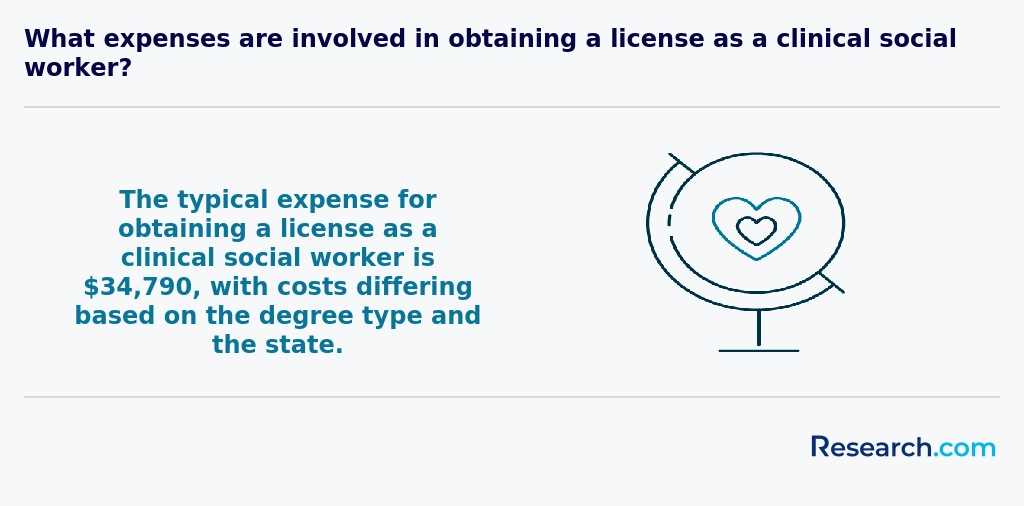
When considering an online social work program in Massachusetts, one of the crucial factors to evaluate is the cost. Prospective students should research not only the tuition fees but also any additional expenses such as textbooks, software, and potential travel costs for field placements. For those looking to minimize their expenses, exploring the cheapest social work programs in Massachusetts can be a practical first step. Understanding the total cost of attendance helps students plan their finances effectively and make informed decisions about their educational investment. Many institutions offer financial aid, scholarships, and payment plans to help make online social work degrees more accessible. By carefully considering these cost factors and exploring available financial assistance options, students can choose an online social work program that fits their budget and supports their career goals in social work.
Graduates of online social work degree programs in Massachusetts are entering a dynamic and expanding job market. The demand for qualified social workers is robust across various sectors, including healthcare, education, mental health services, and public welfare agencies. With a strong emphasis on community support and preventive care, employers are increasingly valuing the diverse skill set that online graduates bring to the table. In Massachusetts, social work professionals have multiple avenues for career advancement. Many graduates find rewarding opportunities as child welfare specialists, school social workers, clinical social workers, or even roles in community organizing. This versatility is supported by data-driven insights and personal success stories from industry professionals who emphasize that networking and targeted professional development are key to career progression. Furthermore, the interplay between social work and counseling has become more significant as employers seek candidates who can address not only social and community issues but also provide critical mental health support. For more nuanced insights into these roles, consider exploring the counseling vs social work key differences to understand how these paths compare and complement each other. As the job market continues to evolve, graduates armed with a solid educational foundation and hands-on experience are well-positioned to take advantage of a wide range of opportunities. Ongoing professional education, certifications, and specializations further enhance employability, ensuring that social work professionals remain adaptable and competitive in today’s complex employment landscape.
Enrolling in an online social work degree in Massachusetts typically starts with earning a high school diploma for bachelor's programs or a completed accredited bachelor's degree for MSW applicants. Many graduates of the University of Massachusetts Boston recall that having a strong undergraduate GPA-usually around 3.0-is emphasized, reflecting the program's competitive standards. However, some students find encouragement when conditional acceptance allows them to prove their capability despite a lower GPA.
Applicants often report that submitting GRE scores is a common hurdle, though recent trends at colleges like Boston University show some waiver options, especially for experienced professionals. Personal statements play a critical role; graduates share that these essays offer a chance to demonstrate genuine passion and understanding of social work principles beyond mere academics.
- Field placement readiness means background checks are non-negotiable given the vulnerable populations involved.
- Comfort with digital communication tools is essential, as all coursework is online.
- Some programs require interviews to assess interpersonal skills and commitment, adding a personal dimension to the technical application process.
These prerequisites balance academic rigor with personal qualities, recognizing that preparedness extends beyond grades to real-world readiness and dedication.

Understanding the financial commitment required for an online social work degree in Massachusetts is essential for prospective students. Tuition rates for accredited online Master of Social Work (MSW) programs typically range from $500 to $1,200 per credit, with total program costs averaging between $30,000 and $60,000. Bachelor’s programs can cost between $300 and $800 per credit, yielding a total tuition of $24,000 to $48,000, depending on residency status and institutional fees. For instance, Boston University’s online MSW charges approximately $1,116 per credit, while state schools may offer lower in-state rates around $350 per credit. To offset tuition expenses, many students leverage a combination of federal and institutional financial aid: • Complete the FAFSA early each year to qualify for federal grants (Pell Grant, TEACH Grant) and subsidized loans. • Research school-specific scholarships-such as the Massachusetts Social Work Education Trust Fund Award-which can provide up to $5,000 annually toward tuition. • Explore employer tuition reimbursement programs, especially for state or nonprofit social service agencies that invest in staff development. • Consider private scholarships from organizations like the Council on Social Work Education or the National Association of Social Workers Foundation. In addition to grants and scholarships, low-interest federal student loans and income-driven repayment plans can make borrowing more manageable. Students may also qualify for work-study placements within their field education hours to gain practical experience while reducing net costs. Finally, for a comparative look at affordable programs in a neighboring state, check out our Low Cost Social Work Degree Programs Ranking in Florida, which highlights budget-friendly online and on-campus options.
When choosing the best online social work degree Massachusetts offers, accreditation is non-negotiable. Graduates from CSWE-accredited programs at well-known institutions have often praised the seamless transition from coursework to fulfilling licensure requirements in Massachusetts, highlighting how essential this accreditation is for career success. Beyond that, students reflect on how programs tailored to clinical practice or community work let them pursue paths that truly resonate with their passions.
Cost considerations naturally play a role, but graduates frequently share how affordable social work programs Massachusetts universities provide, coupled with financial aid options, made their education feasible without sacrificing quality. Flexibility is also crucial; online courses with asynchronous formats allow working students to balance studies with personal commitments, while some appreciate occasional live sessions or in-person residencies that deepen their understanding through real-world interaction.
Many found that programs with strong faculty and robust student support helped them feel connected and confident, especially when preparing for the LSW or LICSW exams. Exploring social work and psychology distinctions within a program helped some refine their career focus, emphasizing the importance of curricula aligned with individual goals.
2027 Fastest Online Social Work Degree Programs Ranking in Massachusetts
Investing in your education is a significant decision that can shape your professional future, and the Research.com team is fully aware of its importance. To support prospective students in Massachusetts, we have carefully developed the "2027 Fastest Online Social Work Degree Programs Ranking." Our dedication to quality, credibility, and accuracy is demonstrated through thorough research and analysis underpinning this ranking.
We utilized the following reputable data sources to ensure a comprehensive evaluation of social work programs:
By exploring this ranking, readers will gain valuable insights into the fastest online social work degree programs available in Massachusetts, enabling them to make well-informed educational choices. For more information on how this ranking was created, please visit our Research.com methodology page.


Frequently Asked Questions About social work
Online social work degree students in Massachusetts can maximize their learning experience by actively engaging with their coursework and field placements. The Massachusetts Board of Registration of Social Workers requires supervised clinical hours for licensure, so students should seek quality internships or practicum opportunities to gain practical skills.
Using campus resources like virtual libraries and tutoring services helps reinforce academic concepts. Participating in study groups or online discussion forums encourages collaboration and deeper understanding. Massachusetts has a growing demand for social workers, with the state expecting a 10% employment growth by 2030 according to the Bureau of Labor Statistics, making real-world experience vital.
Time management and self-discipline are key for success in an online format, as is maintaining communication with instructors for feedback and guidance.
Emerging niches within the social work field reflect changing societal needs and growing areas of focus. In Massachusetts, specialized social work roles in gerontology are expanding, addressing the state's aging population. The U.S. Bureau of Labor Statistics projects a 12% growth in healthcare social workers by 2030, and many in Massachusetts pursue advanced practice to serve older adults.
Another niche gaining traction is behavioral health integration, where social workers collaborate with medical professionals in primary care settings to provide mental health services. This approach is increasingly common in Massachusetts hospitals and community clinics.
Environmental social work is also emerging, focusing on communities affected by climate change and environmental injustices. Though still niche, organizations in Boston and surrounding areas are beginning to hire social workers for these roles.
These areas represent promising paths for online social work degree graduates in Massachusetts, combining traditional skills with specialized knowledge.
Preparing for the job market after completing an online social work degree in Massachusetts involves several key steps. Graduates should seek licensure through the Massachusetts Board of Registration of Social Workers, which requires passing the ASWB exam. This credential significantly improves employment prospects.
Additionally, gaining practical experience through internships or volunteer roles strengthens your resume. Networking with professionals via state social work associations like the Massachusetts Chapter of the National Association of Social Workers can open doors to job opportunities.
The demand for licensed social workers in Massachusetts is projected to grow by 12% from 2020 to 2030, according to the U.S. Bureau of Labor Statistics, reflecting a healthy job market for graduates.
Employers in Massachusetts highly value social work graduates who possess strong communication and interpersonal skills. According to the Massachusetts Department of Labor, the ability to engage diverse populations effectively is crucial due to the state's cultural variety.
Critical thinking and problem-solving are also top priorities. Social workers need to assess complex client situations and develop appropriate intervention plans. In 2023, nearly 70% of social work job listings in Massachusetts highlighted these skills as essential.
Additionally, familiarity with state-specific regulations and ethical standards is important. Knowledge of Massachusetts' behavioral health policies helps graduates perform confidently in clinical and community settings.
Technical proficiency, especially in electronic health records and data management, is increasingly demanded as social work integrates more with digital tools.
Finding social work internships in Massachusetts involves a combination of academic resources and state-specific organizations. Many accredited online social work programs in Massachusetts require field education, which can help place students in local agencies. The Massachusetts Chapter of the National Association of Social Workers (NASW MA) offers internship listings and networking opportunities relevant to social work students.
State government sites like the Massachusetts Department of Public Health and Department of Children and Families also provide internship openings. Universities often partner with hospitals, schools, and community nonprofits for practicum placements. Utilizing Massachusetts' extensive healthcare and social service sectors can increase internship options aligned with licensing requirements.
Obtaining an online social work degree in Massachusetts can significantly enhance career mobility and advancement. The state's Department of Higher Education recognizes accredited online programs, allowing graduates to meet licensure requirements essential for clinical and non-clinical positions.
According to the Massachusetts Board of Registration of Social Workers, candidates with a Master of Social Work (MSW) degree from accredited programs can pursue Licensed Independent Clinical Social Worker (LICSW) status, expanding job prospects in healthcare, schools, and community agencies.
Data from the U.S. Bureau of Labor Statistics indicates that Massachusetts offers a higher-than-average median wage for social workers, approximately $70,000 annually, partly due to demand for qualified professionals with proper credentials.
Online degrees provide flexible access to education for working adults, facilitating continuous career development without geographic constraints, which is vital in a competitive job market.
Studying for a social work degree in Massachusetts equips students with skills essential for interdisciplinary collaboration. Programs often integrate courses covering healthcare, education, and criminal justice systems, reflecting the state's holistic approach to social services. According to the Massachusetts Department of Higher Education, many online programs emphasize teamwork across disciplines to address complex community needs. This prepares graduates to work seamlessly with professionals like nurses, educators, and law enforcement officers.
Massachusetts also requires social work education to meet Council on Social Work Education (CSWE) accreditation standards, ensuring graduates possess competencies in communication and ethical decision-making-both crucial in interdisciplinary roles.
Choosing between a thesis and a non-thesis social work degree in Massachusetts depends on your career goals and learning preferences. Thesis programs typically require original research, ideal for students considering doctoral studies or roles in social work research and policy development. Non-thesis options focus more on practical skills and fieldwork, suitable for those aiming to enter clinical practice or administration quickly.
According to the Council on Social Work Education, Massachusetts schools offer both tracks, often with similar credit requirements but different final projects. Consider your timeline and interest in research when deciding your path.
Students based in Massachusetts interested in studying social work abroad while pursuing online degrees have limited direct options due to accreditation requirements. Most U.S. social work programs accredited by the Council on Social Work Education (CSWE) emphasize domestic standards, which affects international study credits. However, many online programs in Massachusetts offer international field placements or global social work courses to supplement learning.
Additionally, students can explore study abroad partnerships through their universities, often available during specific semesters or summers. These experiences typically involve countries with established social work frameworks, allowing practical exposure while maintaining CSWE accreditation.
According to the Massachusetts Board of Registration of Social Workers, ensuring that foreign study aligns with licensure requirements is critical for future practice in the state.
Students pursuing online social work degrees in Massachusetts can benefit from part-time jobs that provide relevant experience and enhance their skills. Positions such as behavioral health technicians, case manager assistants, or community outreach workers are common options. These roles often offer flexible hours, which is ideal for balancing studies.
Massachusetts' Department of Elementary and Secondary Education also offers opportunities as teacher aides, supporting students with social or emotional challenges. According to the Bureau of Labor Statistics (2023), Massachusetts has a higher employment concentration in social work-related fields, making these jobs more accessible for students.
Part-time work in non-profit organizations or healthcare settings further complements academic learning by exposing students to real-world client interactions and administrative duties.
Online social work students in Massachusetts benefit from a variety of networking opportunities designed to complement their virtual learning. Many accredited programs encourage involvement with the Massachusetts Chapter of the National Association of Social Workers (NASW-MA), which connects students with professionals and hosts local events and webinars. Additionally, students can participate in virtual conferences and workshops that focus on state-specific social work challenges and policies.
The state is home to several community organizations and advocacy groups that welcome student involvement, providing real-world networking and volunteer chances. Universities often facilitate online networking platforms and mentorship programs to link students with alumni and local professionals. According to NASW-MA, these connections enhance career prospects and professional growth in the Bay State.
Alumni networks play a crucial role for students enrolled in online social work degree programs in Massachusetts. These networks provide valuable connections that can help with internships, job placement, and professional mentorship during and after graduation. According to the Massachusetts Board of Registration of Social Workers, professional connections often influence hiring decisions in the state's social work sector.
For online students, access to alumni groups can bridge the gap created by remote learning by offering networking events and online forums. This community support fosters career growth and helps students navigate the local social work landscape effectively.
Furthermore, alumni often share insights on licensing requirements specific to Massachusetts, increasing students' preparedness for the Licensed Social Worker (LSW) exam. Engaging with former graduates also encourages lifelong learning and access to continuing education opportunities recommended by Massachusetts social work associations.
Online social work degree programs in Massachusetts often allow students to tailor their studies through electives and specialized tracks. Common areas of focus include clinical social work, community organizing, and policy analysis. This flexibility helps match coursework with specific career goals.
Students can also customize practicum experiences to gain hands-on skills in settings like hospitals, schools, or government agencies, which is critical for Massachusetts licensing requirements.
Moreover, programs frequently offer accelerated tracks, part-time options, and opportunities for interdisciplinary learning, enabling working professionals to balance education with career demands. These customizable features enhance career readiness in this growing field.
Online social work students in Massachusetts face several challenges that can impact their academic progress. One major difficulty is securing local field placements, which are required for licensure. Massachusetts has strict regulations for social work internships, leading to competition among students for limited spots, according to the Massachusetts Board of Registration of Social Workers.
Another challenge involves balancing coursework with personal and professional responsibilities. Many students are working professionals or caregivers, making time management critical. Technical issues with online platforms and limited in-person support can also hinder learning experiences.
Additionally, adapting to remote communication affects the development of interpersonal skills essential in social work practice. These challenges require strong self-discipline and accessible institutional support for successful program completion.
With an online social work degree in Massachusetts, graduates can pursue several professional certifications to enhance their credentials. The primary certification is the Licensed Social Worker (LSW), which requires passing the ASWB Foundation exam and meeting state-specific education and supervised experience criteria. Many graduates then aim for the Licensed Certified Social Worker (LCSW) credential, which allows for independent clinical practice.
Other certifications include the Certified Advanced Social Worker (CASW) and specialty credentials in areas like school social work or clinical supervision. According to the Massachusetts Board of Registration of Social Workers, holding such licenses improves job prospects and potential salary in the state.
Writing a winning application for an online social work program in Massachusetts begins with strong academic credentials. Most programs require a bachelor's degree with a competitive GPA, often above 3.0. Highlight relevant volunteer or work experience, especially in Massachusetts social service agencies, which enhances your profile.
Be sure to prepare a clear, focused personal statement. Explain why you want to pursue social work in Massachusetts, referencing local social challenges or populations you wish to serve. According to the Massachusetts Board of Social Work, understanding state-specific licensing requirements adds value to your application.
Gather strong letters of recommendation from professionals familiar with your interpersonal skills and dedication. Finally, meet all deadlines carefully and ensure your application is complete and well-edited to reflect professionalism.
The global perspective on social work emphasizes its vital role in addressing social injustices, human rights, and community well-being. Although practices vary worldwide, social work professionals share core values of advocacy, empowerment, and cultural competence. In Massachusetts, online social work degree programs prepare students to meet these global ethics while focusing on local needs, including specific state regulations and diverse populations.
According to the U.S. Bureau of Labor Statistics, Massachusetts has a higher-than-average employment level for social workers compared to national data, reflecting strong demand in healthcare and social services. The Council on Social Work Education highlights increasing emphasis on global awareness in accredited curricula, helping graduates adapt to international standards and challenges in a connected world.
Gaining practical experience while studying for an online social work degree in Massachusetts is essential for licensure and career readiness. Many accredited online programs require students to complete supervised field placements or internships in approved social service agencies across the state.
Students can arrange these placements locally, working with hospitals, schools, or community organizations, which allows them to apply classroom knowledge to real-world settings. The Massachusetts Board of Registration of Social Workers mandates a minimum number of supervised hours-typically around 1,000-for clinical licensure, emphasizing the importance of hands-on training.
Additionally, some universities provide dedicated field coordinators who help match students with suitable agencies, ensuring compliance with state regulations. Utilizing local resources and state partners enhances professional networking and practical skill development.
Choosing the right concentration within an online social work degree program in Massachusetts requires understanding your career goals and the state's social work landscape. Massachusetts has a strong demand for clinical social workers, especially in mental health and substance abuse treatment, according to the Bureau of Labor Statistics (2023).
Look for concentrations that align with these needs, such as clinical social work or healthcare social work. Consider your interest in populations served, like children, elderly, or underserved communities, which are prioritized across Massachusetts.
Accreditation matters too: programs accredited by the Council on Social Work Education (CSWE) are preferred for licensure in Massachusetts. Checking graduate licensure pass rates and internship opportunities in local agencies can guide your decision effectively.
- 2027 Fastest Online Social Work Degree Programs Ranking in Maine
- 2027 Fastest Online Social Work Degree Programs Ranking in Pennsylvania
- 2027 Fastest Online Social Work Degree Programs Ranking in Ohio
- 2027 Fastest Online Social Work Degree Programs Ranking in Kentucky
- 2027 Fastest Online Social Work Degree Programs Ranking in Tennessee
- 2027 Fastest Online Social Work Degree Programs Ranking in Florida
- 2027 Fastest Online Social Work Degree Programs Ranking in Alabama
- 2027 Fastest Online Social Work Degree Programs Ranking in Missouri
- 2027 Fastest Online Social Work Degree Programs Ranking in Arkansas
- 2027 Fastest Online Social Work Degree Programs Ranking in Iowa
See What Experts Have To Say About Studying Social Work
Read our interview with Social Work experts

- Expected Social Work Salaries By Degree Level https://www.publichealthonline.org/social-work-salaries/
- 585 Institutions offering Social Work Courses Abroad https://www.hotcoursesabroad.com/study/training-degrees/international/social-work-courses/cgory/l19-3/sin/ct/programs.html
- Social Work Careers https://socialworklicensemap.com/social-work-careers/
- How to Become a School Social Worker https://www.onlinemswprograms.com/careers/how-to-become-a-school-social-worker/
- Tripod Partners https://www.tripodpartners.com/career-advice/social-work/advancing-your-social-work-career-tips-for-promotion/
- 5 Career Planning Steps for Success in Social Work https://www.twrecruitment.com.au/blog/2026/02/5-career-planning-steps-for-success-in-social-work
- 2025 Best Online Social Work Degrees https://www.onlineu.com/degrees/social-work
- Bachelor’s of Science in Social Work (Online Degree-Completion) (BSW) https://www.elms.edu/academics/online-ce/socialwork/
- Top Skills Employers Look for in Qualified Social Workers Today - Vitalis https://www.vitalissocialcare.co.uk/career-development/top-skills-employers-look-for-in-social-workers-today/
- Social Work Networking Nights - National Association of Social Workers https://www.naswma.org/page/218