
2027 Fastest Online Social Work Degree Programs Ranking in Ohio

Co-Founder and Chief Data Scientist
Choosing the right social work degree program can feel overwhelming, especially with so many options available online. This article introduces the 2027 Fastest Online Social Work Degree Programs Ranking in Ohio, meticulously created by the Research.com team of data scientists to guide students in making informed decisions.
By exploring this ranking, you'll discover programs that combine quality education with flexible learning, helping you advance your career quickly and effectively. Earning a social work degree opens doors to meaningful work that positively impacts lives while offering personal growth and satisfaction.
Key benefits of getting online social work degree in Ohio
- Graduates with a social work degree in Ohio can expect strong earning potential, with roles like Social Workers earning a mean annual wage of $68,800 and Community Organizers around $83,400, reflecting rewarding career prospects.
- Career paths from Ohio universities include roles such as Child Welfare Specialists and Youth Workers, offering diverse opportunities to make a real difference in communities while enjoying stable salaries.
- Online social work degrees offer flexibility, allowing students to balance studies with work or family, as seen with graduates from Ohio's online programs who appreciate gaining credentials without relocating or sacrificing income.
- 2027 Fastest Online Social Work Degree Programs Ranking in Ohio
- What can I expect from online social work degree in Ohio?
- Where can I work with online social work degree in Ohio?
What can I expect from online social work degree in Ohio?
Crunching numbers for an online social work degree in Ohio feels a bit like piecing together a puzzle crafted by the Buckeye State itself. Public universities tend to be the trusty, budget-friendly companions on this journey, where tuition often hovers around $8,000 to $12,000 per year for in-state students. Graduates from Ohio's well-regarded institutions often recall how this affordability allowed them to focus less on financial stress and more on mastering complex social welfare policies or diving into local internships that made theory come alive.
Private colleges, by contrast, paint a more vibrant but pricer picture, asking anywhere from $20,000 to $35,000 annually. Yet many find that the extra investment opens doors to accelerated programs and enhanced support systems designed for busy adults balancing work, family, and passion. Financial aid and scholarships tailored to social work aspirants add brushstrokes of relief to this canvas, making the dream of helping Ohio families and communities more attainable.
Imagine logging into your coursework at a beloved Ohio university late at night, the glow of the screen reflecting the hope and purpose that powered your investment-a journey where numbers meet mission.
Where can I work with online social work degree in Ohio?
Graduates holding an online social work degree from Ohio's trusted programs like Ohio State University or Kent State often find themselves woven into the heartbeats of communities-helping families navigate hospital corridors or standing beside students grappling with school challenges. Imagine a graduate working in a Cleveland hospital, crafting discharge plans that gently thread patients back into supportive networks, or one employed in Cincinnati's schools, turning around the bleak days of a struggling teenager with empathy and resources.
Ohio's social workers also leap into action within government agencies, investigating child welfare cases or shaping policies that protect vulnerable adults. Many alumni celebrate stepping into nonprofit roles, rallying around causes like veterans' aid or domestic violence prevention, making each day a mission of meaningful change.
For those venturing into private practice, Ohio's licensure pathways open doors to therapeutic spaces where experienced social workers provide healing conversations and consultancy. Graduates often describe these roles as deeply fulfilling, blending their academic journey with real-world impact across the Buckeye State.
- Ohio offers online and hybrid Bachelor of Social Work (BSW) and Master of Social Work (MSW) programs that meet state licensing requirements.
- In-state tuition for a BSW at public universities ranges from $8,000 to $12,000 per year, while online MSW programs cost between $10,000 and $25,000 total.
- Social workers in Ohio earn an average salary of about $52,000 annually, with entry-level positions starting near $41,000 and experienced workers earning up to $75,000.
- Demand for social workers in Ohio is growing due to an aging population and expanded healthcare services, with needs across hospitals, schools, and government agencies.
- CSWE accreditation is required for Ohio social work licensure, and the state requires supervised clinical experience for advanced licenses like the LISW.
Prospective students applying to online social work degree programs in Ohio must fulfill a series of academic and administrative criteria to ensure readiness for rigorous coursework and field training. Admission standards vary by institution but generally include the following components:
- Educational Prerequisites: A regionally accredited bachelor’s degree (for MSW applicants) with a minimum cumulative GPA of 3.0. Some programs offer advanced standing for BSW graduates, waiving foundational coursework.
- Required Coursework: Completion of undergraduate courses in human behavior and the social environment, statistics, and introductory social welfare policy. Transcripts should document these prerequisites.
- Supporting Documents: Official transcripts, a resume detailing professional or volunteer experience, two to three letters of recommendation (academic and/or professional), and a personal statement outlining career goals and commitment to social justice.
- Background Check & Health Compliance: Clearance of a criminal background check and proof of immunizations, especially for field placement eligibility in clinical or community settings.
- Application Deadlines: Fall and spring cohorts are common; deadlines typically fall six to eight weeks before term start. Rolling admissions may apply-early submission is encouraged to secure field placement slots.
For many aspiring social workers, understanding licensure and certification is as crucial as choosing the right program. Accreditation from bodies like the Council on Social Work Education (CSWE) is only the beginning. After earning a degree, graduates must navigate state-specific licensing requirements-ranging from supervised clinical hours to passing comprehensive exams-to practice legally and confidently. For example, many professionals explore differences in compensation and career benefits when comparing licensure options, such as the distinction between an MSW and a Licensed Clinical Social Worker. In fact, evaluating msw vs lcsw pay can shed valuable light on long-term career advancement and salary potential. Additionally, prospective students and current practitioners alike should regularly consult state boards of social work to stay updated on evolving licensure regulations and continuing education requirements that ensure both legal compliance and professional growth. This process not only reinforces trust with clients and employers but also solidifies the graduate’s standing as a knowledgeable and committed social work professional.
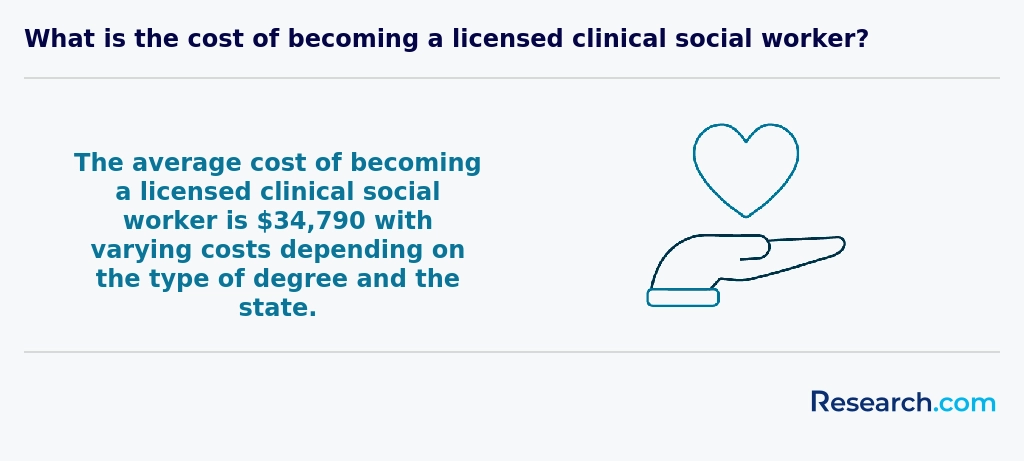
The average cost of an online social work degree in Ohio weaves together numbers that feel more like stepping stones than walls. For in-state students, the journey typically centers around a median total cost of about $31,692, a figure that graduates from Ohio universities often describe as an investment in future impact and purpose. This cost can feel manageable, especially when compared to out-of-state options, where the median balloons to around $32,547, reflecting the premium placed on the wider state-of-origin experience.
Many students who have pursued their Ohio online social work degree tuition fees tell stories of balancing budgets while embracing the flexibility of virtual classrooms. At places like Ohio University, graduates recall the estimated total tuition hovering near $30,000 for completing a bachelor's program, making it a compelling choice for those wanting a mix of affordability and academic prestige. Kent State students pursuing their online Master of Social Work often find their programs priced around $15,000 annually, a manageable cost that supports dreams of making real change in communities.
These financial figures rarely stand alone. Graduates share how federal Pell Grants, student loans, and targeted scholarships lighten the load, transforming numbers into achievable goals. If you're exploring pathways to becoming a licensed social worker, consider how your story aligns with those who have chosen an affordable social work school in Ohio, where the cost is not just a barrier but a gateway to your next chapter.

Social work graduates aiming to practice in Ohio must secure state licensure. Follow these steps:
- Graduate from a CSWE-accredited degree program (BSW for LSW; MSW for LISW).
- Accumulate supervised practice hours (2,000 hours under an LISW for LSW; 3,000 hours post-LSW for LISW).
- Submit application and fees to the Ohio Counselor, Social Worker & Marriage and Family Therapist Board.
- Pass the appropriate ASWB examination (Bachelor’s exam for LSW; Clinical exam for LISW).
- Complete 30 hours of continuing education every two years to renew licensure.
Many students pursue msw accelerated programs to streamline graduate education and supervised practice.
Prospective students considering an online social work degree in Ohio must meet specific admission requirements and prerequisites to ensure alignment with Council on Social Work Education (CSWE) accreditation standards and program rigor. Most bachelor’s (BSW) and master’s programs (MSW) require: • A minimum GPA of 2.5–3.0 on a 4.0 scale in prior undergraduate coursework, with stronger applicants often exceeding a 3.2 GPA. • Official transcripts demonstrating completion of a bachelor's degree from a regionally accredited institution; some MSW programs offer advanced standing for those holding a BSW from a CSWE-accredited program. • Submission of a personal statement outlining career goals, practice interests, and commitment to social justice, typically 500–1,000 words. • Two to three professional or academic references, ideally including a field instructor or supervisor who can attest to interpersonal skills and ethical practice. • A resume or curriculum vitae highlighting relevant volunteer, internship, or work experience in human services, mental health, or community outreach. Technical prerequisites often include reliable internet access, a computer capable of video conferencing for virtual field placement supervision, and basic proficiency with learning management systems. Some programs may require a background check, proof of immunizations for in-person field placements, and completion of introductory statistics or research methods courses. For students exploring doctoral pathways or specialized practice tracks, it’s useful to compare DSW options by reviewing Research.com’s overview of the cheapest dsw programs, which can inform choices about cost-effective advanced credentials. Prospective applicants should verify deadlines-typically between January and May for fall enrollment-and consult academic advisors for guidance on fulfilling any additional state licensure or practicum hour requirements.
Imagine yourself at Ohio State University, clicking through your online application, your high school diploma or GED carefully uploaded, your GPA shining around that 2.5 mark-just enough to join the vibrant community of future social workers. Many graduates recall that initial step-submitting essays that whispered their passion for change and letters from mentors who believed in their heart for service. Some even breezed through without standardized test scores, thanks to test-optional policies embracing wider access.
Fast forward to Miami University, where the path to a Master of Social Work demands a bachelor's degree with a GPA near 3.0, ideally in social work or kindred fields like psychology. Alumni share how those personal statements weren't just words but heartfelt pledges to better society, complemented by glowing professional references that opened doors to hands-on fieldwork experiences. The supervised practical placements Ohio insists on transform theory into life-changing impact, often requiring applicants to have volunteer hours under their belts.
These steps, though challenging, spark excitement and readiness, nurturing students eager to serve Ohio's diverse communities with empathy and expertise.
To further support their educational and career pursuits, aspiring social workers in Ohio can explore various resources that complement their online degree programs. For instance, learning about the most affordable options can be instrumental in making informed decisions. Those interested can visit an affordable social work school in ohio to understand the financial aspects better. Additionally, many professional organizations and governmental agencies provide valuable information on licensure requirements, job market trends, and continuing education opportunities. Engaging with these resources can enhance the overall learning experience and prepare students for successful careers in social work.
Imagine juggling a full-time job, family, and the desire to become a Licensed Social Worker in Ohio-all while hunting for the best online social work degree Ohio offers. Graduates from popular Ohio universities often share how crucial CSWE accreditation was in making their licensure dreams real, allowing them to navigate local agency placements smoothly. These programs don't just throw theory at you; they weave Ohio's unique social fabric into practicum opportunities, ensuring a grounded, community-focused experience.
Picture yourself balancing asynchronous classes that flex around your busy life, but still getting that essential hands-on practicum near home. Cost will swirl like a puzzle too-public versus private, in-state rates, and hidden fees-and many turn to affordable social work programs Ohio online to avoid debt while not sacrificing quality. Some even delve into a treasure trove of resources, like career counseling and tech support, offered by institutions known for strong faculty ties to Ohio's social work landscape.
One savvy graduate mentioned how exploring accelerated pathways felt like a rocket boost-but only when paired with solid student support. If you're chasing the best path, check out the cheapest dsw programs for smart financial moves while staying rooted in Ohio's community needs.
2027 Fastest Online Social Work Degree Programs Ranking in Ohio
Investing in your education is a significant decision that can shape your future, and the Research.com team understands the importance of making informed choices. To support aspiring social workers in Ohio, we have carefully developed the "2027 Fastest Online Social Work Degree Programs Ranking in Ohio." Our dedication to quality, credibility, and accuracy is demonstrated through rigorous research and analysis conducted to produce this ranking.
We utilized the following reputable data sources to ensure a thorough evaluation of social work programs:
By exploring this ranking, readers will gain valuable insights into the fastest online social work degree programs in Ohio, enabling them to make well-informed decisions about their educational journey. For more information on how the ranking was created, please visit our Research.com methodology page.


# 3 position
The Ohio State University at Columbus
Master of Social Work Advanced Standing Alternative Program


Frequently Asked Questions About social work
Online social work degree students in Ohio can maximize their learning experience by actively engaging with their coursework and classmates through virtual platforms. Ohio students benefit from programs accredited by the Council on Social Work Education (CSWE), ensuring high academic standards relevant to state licensure requirements.
Seeking internships or field placements within Ohio agencies is essential for hands-on experience. According to the Ohio Department of Job and Family Services, social work jobs in Ohio are expected to grow by 10% through 2030, emphasizing practical skills.
Utilizing university resources such as online libraries and academic advising can also enhance learning. Joining Ohio-based professional social work organizations, like the Ohio Chapter of the National Association of Social Workers, helps build networks and access continuing education.
Emerging niches in the social work field reflect evolving societal needs. In Ohio, areas like telehealth social work are rapidly growing, driven by advancements in technology and increased demand for remote mental health services. According to the Ohio Department of Job and Family Services, digital social work roles expanded by over 20% between 2020 and 2023.
Another notable niche is geriatric social work, addressing the state's aging population. Ohio's senior demographic is projected to grow 12% by 2030, increasing the need for specialized care coordination and advocacy.
Additionally, substance abuse social work remains critical, with Ohio experiencing ongoing efforts to tackle opioid addiction through enhanced community programs and support. Specialized training in trauma-informed care is also gaining importance across all social work disciplines.
After completing an online social work degree in Ohio, preparing for the job market involves several important steps. First, obtaining licensure through the Ohio Counselor, Social Worker, and Marriage and Family Therapist Board is essential. The Licensed Social Worker (LSW) credential is a common starting point for graduates.
Networking is also key; joining professional groups like the National Association of Social Workers Ohio Chapter can offer local job leads and mentoring opportunities. Ohio's Bureau of Labor Statistics reports a steady growth rate of 10% for social workers statewide through 2031, indicating a positive employment outlook.
Internships or field placements completed during your degree can often lead to job offers or valuable references. Tailoring your resume to highlight specific skills demanded in Ohio, such as knowledge of Medicaid and child welfare services, increases employability.
Keeping skills current through continuing education credits is necessary to maintain licensure and stay competitive within Ohio's evolving social service sectors.
Employers in Ohio highly value social work graduates who demonstrate strong communication skills, as these enable effective interaction with clients from diverse backgrounds. Critical thinking and problem-solving abilities are also key, allowing social workers to assess complex situations and develop appropriate support plans.
Additionally, Ohio social service agencies emphasize cultural competence and empathy, which foster trust and understanding in client relationships. According to the Ohio Department of Job and Family Services, graduates with proficiency in crisis intervention and conflict resolution stand out in the job market.
Organizational skills and the ability to work both independently and within multidisciplinary teams are frequently highlighted as essential. Knowledge of local laws and ethical standards related to social work further enhances employability in Ohio.
Finding internships in Ohio relevant to a social work degree involves several strategic steps. Start by contacting your online program's field education office, which often maintains partnerships with local agencies. Ohio's social work internships commonly take place within community health centers, child welfare agencies, or mental health organizations.
The Ohio Department of Job and Family Services provides resources and listings for social services internships statewide. According to the National Association of Social Workers, Ohio requires social work students to complete supervised fieldwork, typically 400 hours, which directs many students toward accredited placements.
Networking with local social work chapters and organizations like the Ohio Chapter of NASW can also open doors to internships. Additionally, searching through OhioMeansJobs, the state's official labor exchange, can reveal current internship openings relevant to social work.
An online social work degree in Ohio significantly enhances career mobility and advancement opportunities within the state's growing social services sector. According to the Ohio Department of Job and Family Services, employment for social workers is projected to grow by 11% through 2030, faster than the average for all occupations. An accredited online Bachelor or Master of Social Work (BSW or MSW) degree meets state licensure requirements, enabling graduates to pursue credentials such as the Licensed Social Worker (LSW) or Licensed Independent Social Worker (LISW). These licenses improve eligibility for higher-paying roles in healthcare, child welfare, and mental health agencies.
Online degrees also offer flexibility for working professionals, allowing them to gain advanced skills without interrupting their careers. The ability to obtain field practicum placements within local Ohio communities through remote programs further supports real-world experience and networking. Consequently, completing an online social work degree in Ohio positions graduates to meet employer demands and secure promotions in both public and private sectors.
Studying for a social work degree in Ohio equips students to participate effectively in interdisciplinary roles by emphasizing collaboration with various professionals such as healthcare providers, educators, and law enforcement. Ohio's accredited programs follow guidelines set by the Council on Social Work Education (CSWE), which ensures curriculum integration of interdisciplinary skills.
Students gain practical experience through field placements in diverse community settings, promoting teamwork across sectors. According to the Ohio Department of Job and Family Services, social workers frequently coordinate with multiple agencies, highlighting the importance of interdisciplinary knowledge.
This holistic training prepares graduates to address complex social issues comprehensively, a critical asset in Ohio's evolving social support landscape.
When choosing between a thesis and a non-thesis social work degree program in Ohio, students should consider their career goals and learning preferences. Thesis programs typically emphasize research skills and are suited for those interested in pursuing doctoral studies or research-focused roles. Non-thesis programs focus more on practical experience and fieldwork, preparing students for direct social work practice.
Ohio's Council on Social Work Education notes that about 65% of online social work students prefer non-thesis options due to their flexibility and applied approach. Additionally, licensing boards in Ohio require completion of supervised fieldwork, which both paths support. Understanding these differences helps tailor education to professional objectives.
Students based in Ohio seeking to study social work abroad have several pathways, primarily through online programs with international components or study-abroad partnerships. Many Ohio universities offer accredited online social work degrees approved by the Council on Social Work Education (CSWE), some of which include options for global field placements or international practicum experiences.
The Ohio Department of Higher Education notes that collaborations with foreign universities can enhance practical exposure, although these opportunities are often limited and competitive.
For those wanting a truly international academic experience, enrolling in an Ohio-based online program with flexible schedules enables completion of coursework remotely while arranging short-term study or internships abroad during breaks.
It's important to ensure any international study aligns with Ohio's licensing requirements, as the state requires specific practicum hours and supervision to qualify for social work licensure.
Students pursuing online social work degrees in Ohio can benefit from several part-time job options that provide practical experience. Roles such as case aides, behavioral health technicians, and support staff in local social service agencies allow students to apply classroom knowledge directly. According to the Ohio Department of Job and Family Services, these entry-level positions often require minimal prior experience, making them accessible for students.
Working part-time in these roles helps build skills in client interaction, crisis management, and documentation, which are critical for social workers. Additionally, Ohio's aging population and growing focus on mental health services increase demand in community-based organizations, expanding available opportunities for hands-on learning.
Online social work students in Ohio benefit from a variety of networking opportunities that complement their virtual learning. Many Ohio universities offering online social work degrees encourage active participation in local chapters of professional organizations such as the National Association of Social Workers (NASW) Ohio Chapter. This offers students access to events, workshops, and regional conferences relevant to social work in Ohio.
Additionally, students can engage with field placements and internships required for licensure, often arranged through partnerships between universities and local agencies. These placements provide valuable in-person networking despite online coursework.
Some programs offer virtual forums and alumni networks that connect students with experienced social workers across the state. These platforms help build professional relationships and provide mentorship opportunities crucial for career development in Ohio's social work field.
Alumni networks play a significant role for students pursuing online social work degrees in Ohio. These networks offer access to experienced professionals who can provide mentoring and career advice. Given Ohio's growing demand for social workers-increasing by 12% from 2021 to 2031 according to the U.S. Bureau of Labor Statistics-these connections are valuable for job placement and internships.
Through alumni events and online groups, students can learn about local job openings and continuing education opportunities specific to Ohio's social service agencies. Networking also fosters professional growth, helping graduates stay informed about state licensing requirements overseen by the Ohio Counselor, Social Worker, and Marriage and Family Therapist Board.
Overall, strong alumni networks create a supportive community that enhances career development in an evolving social work landscape.
Customizing an online social work degree program in Ohio allows students to align their education with specific career goals. Many Ohio universities offer elective courses focusing on areas such as clinical practice, child welfare, or community organization. Selecting these electives helps tailor expertise toward preferred social work fields.
Additionally, practicum placements in Ohio agencies enable students to gain hands-on experience relevant to local needs. The Council on Social Work Education reports that accredited Ohio programs emphasize fieldwork, which is crucial for licensure in the state.
Some schools also provide accelerated or part-time options, letting students balance work and study. This flexibility supports professionals aiming to advance without interruption. Researching institutions recognized by the Ohio Counselor, Social Worker, and Marriage and Family Therapist Board ensures eligibility for licensure after graduation.
Online social work students in Ohio often face challenges related to balancing coursework with personal and professional responsibilities. Many students are working adults who must manage their studies alongside jobs and family duties, which can increase stress and time pressure.
Another challenge is securing quality field placements within Ohio's diverse communities. The Ohio Department of Job and Family Services reports increased demand for social workers, intensifying competition for internships and practicum opportunities required for licensure.
Limited in-person interaction in online programs can also affect networking and skill-building. Students may find fewer chances to engage directly with peers and faculty compared to traditional settings, impacting professional development.
Finally, affordability remains a concern as tuition costs and fees vary widely across Ohio institutions offering online social work degrees, potentially limiting access for some applicants.
With an online social work degree in Ohio, graduates can pursue licensure as a Licensed Social Worker (LSW) or Licensed Independent Social Worker (LISW) through the Ohio Counselor, Social Worker, and Marriage & Family Therapist Board. The LSW credential allows entry-level practice under supervision, while the LISW requires additional experience and permits independent practice. Ohio also recognizes specialized certifications such as Certified Alcohol and Drug Counselor (CADC) for those focusing on addiction treatment.
These certifications enhance job prospects and qualify professionals for roles in healthcare, schools, and community agencies. According to the Ohio Department of Job and Family Services, employment for social workers is projected to grow 13% through 2030, reflecting ongoing demand across the state.
Writing a winning application for an online social work program in Ohio requires careful preparation and attention to key elements. Start by thoroughly researching programs accredited by the Council on Social Work Education (CSWE), as Ohio mandates such accreditation for licensure eligibility.
Highlight your passion for social work and relevant experiences, including volunteer work or employment in related fields. Including clear, concise personal statements that connect your goals with the program's strengths strengthens your application.
Ohio's demand for licensed social workers is growing, with the Bureau of Labor Statistics projecting a 13% employment increase by 2032, emphasizing the value of a strong application. Also, ensure your letters of recommendation come from professionals familiar with your skills and commitment.
Finally, meet all prerequisites, such as holding a bachelor's degree if applying for a master's program, and pay attention to deadlines to avoid disqualification.
Social work is recognized globally as a vital profession addressing human well-being and social justice. In the United States, including Ohio, social workers engage with diverse populations, reflecting international standards set by organizations like the International Federation of Social Workers (IFSW). This global perspective stresses cultural competence and ethical practice.
Ohio offers various accredited online social work degrees that meet Council on Social Work Education (CSWE) standards, ensuring graduates are prepared for both local and international challenges. According to the Ohio Department of Job and Family Services, Ohio's social workers support a range of needs, from child welfare to mental health, paralleling global efforts to improve social functioning.
Understanding these worldwide frameworks helps Ohio students see their career as part of a global movement committed to social change and equity.
Gaining practical experience is essential when pursuing an online social work degree in Ohio. Most accredited programs require students to complete supervised field placements or internships, even if the coursework is online. These experiences provide hands-on learning in real-world social services settings.
Ohio's universities coordinate with local agencies, such as hospitals, schools, and nonprofit organizations, to place students in environments where they can practice skills under professional supervision. According to the Ohio Department of Higher Education, fieldwork typically involves 400 to 900 hours depending on the degree level.
Online students should communicate early with their program advisors to identify suitable local placements, ensuring compliance with licensing requirements set by the Ohio Counselor, Social Worker & Marriage and Family Therapist Board.
Choosing the right concentration within an online social work degree program in Ohio involves evaluating your career goals and the local job market. Ohio's aging population and increasing mental health awareness have driven demand for social workers specializing in gerontology and behavioral health, according to the Ohio Department of Job and Family Services. Consider specialties like clinical social work, school social work, or community organization based on where you want to work. Review accredited programs through the Council on Social Work Education to ensure quality education. Also, look for concentrations that offer relevant field placements or internships, as practical experience is essential for licensure and employment in Ohio.
- 2027 Fastest Online Social Work Degree Programs Ranking in Kentucky
- 2027 Fastest Online Social Work Degree Programs Ranking in Pennsylvania
- 2027 Fastest Online Social Work Degree Programs Ranking in Tennessee
- 2027 Fastest Online Social Work Degree Programs Ranking in Missouri
- 2027 Fastest Online Social Work Degree Programs Ranking in Alabama
- 2027 Fastest Online Social Work Degree Programs Ranking in Arkansas
- 2027 Fastest Online Social Work Degree Programs Ranking in Iowa
- 2027 Fastest Online Social Work Degree Programs Ranking in Florida
- 2027 Fastest Online Social Work Degree Programs Ranking in Massachusetts
- 2027 Fastest Online Social Work Degree Programs Ranking in Texas
See What Experts Have To Say About Studying Social Work
Read our interview with Social Work experts

- The Pros and Cons of Online MSW Programs – Should I Pursue an MSW Online? https://www.masterofsocialwork.com/resources/pros-and-cons-online-msw-programs
- Become a Social Worker in Ohio https://socialworklicensemap.com/social-work-licensure/become-a-social-worker-in-ohio/
- Interdisciplinary Collaboration in Social Work and the ASWB Exam https://agentsofchangeprep.com/blog/interdisciplinary-collaboration-in-social-work-and-the-aswb-exam/
- Online Social Work Major | SUNY Plattsburgh https://www.plattsburgh.edu/programs/social-work-major-online.html
- How to Overcome the Top Challenges Social Workers Face https://www.pacificoaks.edu/voices/social-work/social-work-challenges/
- Online MSW Programs in Ohio: In-State and Out-of-State https://www.onlinemswprograms.com/states/ohio-msw-online/
- Social work certificates | edX https://www.edx.org/certificates/social-work-certificates
- Global Standards for Social Work Education and Training https://www.ifsw.org/global-standards-for-social-work-education-and-training/
- Know more about thesis vs non- thesis: what is the difference? https://studyfans.com/en/blogs/816
- Global Perspectives in Social Work https://www.gu.se/en/study-in-gothenburg/exchange-student/courses/sw1118


