2027 Most Affordable Online Social Work Degree Programs Ranking in the Northeast

Co-Founder and Chief Data Scientist
Choosing the right social work degree program can feel overwhelming, especially when considering cost and quality. To support students in the Northeast, this article presents the 2027 Most Affordable Online Social Work Degree Programs Ranking in the Northeast. Developed by the Research.com team of data scientists, this ranking offers clear, data-driven insights to help you make an informed decision.
Exploring affordable options makes pursuing a social work degree both achievable and rewarding. Social work opens doors to meaningful careers that make a real difference in communities. Let this guide inspire your educational journey and help you find a program that fits your goals and budget.
Key benefits of getting online social work degree in the Northeast
- Graduates with a social work degree in the Northeast often find rewarding salaries, such as Social Workers earning a mean annual wage of $68,800 and Community Organizers earning $83,400, offering strong financial stability in meaningful careers.
- Potential career paths include Child Welfare Specialist, Residential Counselor, and Youth Worker, all roles that provide fulfilling opportunities to support communities, as demonstrated by graduates from universities like Boston University.
- Online social work degrees, like those offered by the University of Pennsylvania, offer flexible schedules and access to quality education, making it easier to balance work and life while advancing your career without relocating.
- Key benefits of getting online social work degree in the Northeast
- What can I expect from online social work degree in the Northeast?
- Where can I work with online social work degree in the Northeast?
- How much can I make with online social work degree in the Northeast?
- 2027 Most Affordable Online Social Work Degree Programs Ranking in the Northeast
- Key Findings
- How long does it take to complete online social work degree in the Northeast?
- Importance of Researching Accredited Programs in Social Work Education
- What's the difference between online and on-campus social work degree?
- Tips for Success in Online Social Work Programs
- What is the average cost of online social work degree in the Northeast?
- Accreditation and Licensure Requirements
- What financial aid is available to online social work degree students in the Northeast?
- Licensing and Certification Requirements for Online Social Work Graduates in the Northeast
- What are the prerequisites for enrolling in online social work degree program in the Northeast?
- How to Apply: Admission Process and Tips for Online Social Work Programs
- What courses are typically in online social work degree programs in the Northeast?
- What types of specializations are available in online social work degree programs in the Northeast?
- How do you choose the best online social work degree in the Northeast?
- What career paths are available for online social work degree students in the Northeast?
- What is the job market for online social work degree in the Northeast?
- Top Trending Social Work Rankings
- See What Experts Have To Say About Studying Social Work
What can I expect from online social work degree in the Northeast?
The average cost of an online social work degree in the Northeast varies but generally ranges between $15,000 and $35,000 per year for Bachelor's and Master's programs at well-known institutions such as those in New York and Massachusetts. Graduates from regional universities often share that while tuition may feel like a significant investment, financial aid options and scholarships tailored for those committed to working in underserved areas can ease the burden considerably.
Many students benefit from programs that clearly outline total expenses early on, including fees for field practicum placements arranged locally. These practical experiences, a core requirement in places like Pennsylvania and New Jersey, add great value beyond tuition by providing hands-on training and boosting confidence in professional settings.
Graduates consistently note that choosing CSWE-accredited online programs ensures smooth eligibility for licensure without unexpected costs or delays. This careful planning strengthens their resolve, knowing that the price paid directly correlates with quality education and a measurable career advantage in Northeast's competitive job market.
Where can I work with online social work degree in the Northeast?
Graduates with an online social work degree in the Northeast often find rewarding careers in healthcare settings, such as hospitals in New York or Massachusetts, where they provide patient support and counseling. Many students from well-known programs like those at Boston University report hands-on experience that prepares them for these critical roles.
School systems are another common path. Social workers help students navigate emotional or family challenges-a role graduates from Rutgers University often highlight as deeply fulfilling. Licensure obtained through these online programs opens doors to positions within city school districts like New York City Public Schools.
Government agencies in urban hubs such as Philadelphia or Boston employ social workers in child welfare and public health. Earning a Licensed Clinical Social Worker (LCSW) credential via online MSW programs can significantly expand these opportunities, as graduates frequently share success stories about impacting families and communities directly.
Nonprofits focusing on mental health and housing also value candidates with clinical experience gained through fieldwork, a staple of online social work degrees offered in the region. Private practice remains accessible for those completing licensure, allowing licensed social workers to independently provide therapy and case management in diverse Northeast communities.
How much can I make with online social work degree in the Northeast?
Graduates with an online social work degree in the Northeast can expect to earn competitive salaries tied directly to their specific job roles and level of education. For example, social workers typically earn a mean annual wage of about $68,800, with higher salaries in clinical or specialized fields. Graduates from well-known institutions like Boston University and Rutgers University often start with salaries around $60,000 to $70,000, reflecting regional demand and program reputation.
Some roles offer notable salary differences. Child Welfare Specialists and Residential Counselors earn roughly $59,190 annually, making these solid entry points for new graduates. On the other hand, Community Organizers and Youth Workers command higher wages near $83,400, demonstrating the value of focused expertise in community engagement or youth services.
Graduates who pursue licensure, such as the Licensed Clinical Social Worker credential, typically see salary boosts of 15-20%. This financial incentive aligns with advancing credentials and practical experience, pushing income above the regional averages. These figures resonate with many graduates who balance work and online study, knowing their efforts pay off in the Northeast's robust job market.
2027 Most Affordable Online Social Work Degree Programs Ranking in the Northeast
How do we rank schools?
Investing in your education is a significant decision that can shape your future, and the Research.com team understands the importance of making informed choices. To assist prospective students in the Northeast, we have meticulously developed the "2027 Most Affordable Online Social Work Degree Programs Ranking in the Northeast." Our commitment to quality, credibility, and accuracy is evident in the thorough research and careful analysis behind this ranking. We utilized the following reputable data sources to ensure a comprehensive evaluation of social work programs:
By exploring this ranking, readers will gain valuable insights into affordable and credible online social work degree options in the Northeast, empowering them to make informed decisions about their educational paths. For more information on how this ranking was created, please visit our Research.com methodology page.



Key Findings
- Tuition for online social work degrees in the Northeast ranges from $8,000 to $15,000 per year at public institutions for in-state students, while private or out-of-state rates can exceed $20,000 annually.
- Entry-level social workers in this region earn between $48,000 and $55,000 annually, with experienced professionals making $65,000 to $75,000 or more.
- The job market is growing at about 9% through 2031, driven by demand in aging populations and social services, especially in states like New York, Pennsylvania, and Massachusetts.
- Most reputable online programs are accredited by the Council on Social Work Education (CSWE), which is necessary for licensure eligibility in Northeast states.
- Online degrees allow flexibility for local field placements, helping students build regional connections and improve job opportunities after graduation.
How long does it take to complete online social work degree in the Northeast?
Completing an online social work degree in the Northeast typically takes about four years for a Bachelor of Social Work (BSW) when studying full-time. Many graduates from well-known institutions such as the University of New Hampshire or Rutgers University share how balancing part-time study extended their timeline to five or six years, allowing them to manage work and family responsibilities without stress.
Master of Social Work (MSW) students often finish in two years full-time, but if you already hold a BSW, advanced standing programs at places like Simmons University or Boston University can fast-track your degree to just one year. Graduates appreciate this flexibility, especially when juggling career demands.
Remember, your completion time depends on factors like curriculum requirements, field practicum hours, and your study pace. Many students find that setting a clear schedule early, leveraging transfer credits, and taking advantage of online program flexibility make the journey manageable and rewarding.
Importance of Researching Accredited Programs in Social Work Education
When considering an online social work degree, it is essential to research accredited programs to ensure a quality education that meets national standards. Accreditation by the Council on Social Work Education (CSWE) is a pivotal factor, as it reassures students that they are receiving an education that prepares them for licensure and a successful career in social work. By exploring accredited programs, prospective students can gain insights into the curriculum, faculty expertise, and field placement opportunities that contribute to a comprehensive social work education. For those interested in learning more about top-ranked social work programs, visiting popular social work schools can provide valuable information on institutions that offer excellent educational experiences, ultimately leading to a fulfilling career in social work.
What's the difference between online and on-campus social work degree?
Choosing between an online and an on-campus social work degree in the Northeast hinges on your lifestyle and learning preferences. Graduates from schools like Boston University report that online programs offer unmatched flexibility, letting them juggle coursework with family or jobs while still meeting rigorous standards set by the Council on Social Work Education (CSWE).
In contrast, students attending on-campus programs at institutions such as Rutgers University value direct interaction with professors and peers, benefiting from hands-on workshops and easy access to campus resources. This face-to-face environment nurtures strong networks and tangible learning experiences, which some find essential for building confidence before entering the field.
Cost is another practical factor. On-campus tuition typically runs between $10,000 and $20,000 per year, as noted by the National Association of Social Workers (NASW), with additional housing and commuting expenses. Online students often save on these but must manage local field placements independently-something graduates recall occasionally extending their program timeline.
Consider your daily commitments: if attending physical classes is challenging, online study offers a manageable path. If you thrive on in-person engagement and campus life, on-campus programs remain a strong choice in the Northeast.
Tips for Success in Online Social Work Programs
Succeeding in an online social work program involves more than just attending lectures and passing exams-it requires proactive planning, effective time management, and building a supportive network. To help you excel throughout your course, consider setting a structured daily schedule that balances coursework, field experience, and personal commitments. Establish clear academic goals and break them into manageable tasks so that you can track your progress and celebrate small victories along the way. Leverage all available resources, such as virtual tutoring, academic advising, and online discussion boards, to enhance your understanding of complex social work theories and practical applications. Connecting with peers through study groups or online forums can provide valuable insights into navigating challenges and sharing real-world experiences. Additionally, explore how a bachelors online degree in social work benefits can set you up for a successful career by combining academic excellence with practical skills. Finally, be sure to seek out mentorship opportunities from instructors and professionals already working in the field. Their advice can offer crucial perspective on balancing work and study, as well as navigating the job market upon graduation. By incorporating these strategies, you can optimize your online learning experience and lay a strong foundation for a rewarding career in social work.
What is the average cost of online social work degree in the Northeast?
The average cost of an online social work degree in the Northeast typically centers around a median total of $42,180, with in-state students often paying closer to $34,800 and out-of-state attenders around $37,824. These figures provide a clear budget framework for those exploring affordable social work degree programs Northeast, making it easier to plan expenses realistically.
Graduates from well-known universities in the region frequently share how managing tuition alongside living costs prompted them to seek in-state enrollment to maximize savings. For instance, they appreciated public institutions' rates, which tend to be significantly lower than private schools where full master's programs can exceed $40,000. Online students often highlight how balancing work and study while keeping an eye on the total financial commitment reduces stress and increases confidence in their investment.
Many social work students recommend comparing costs not only based on tuition but also factoring in technology fees and practicum requirements, which can add thousands yearly. To make an informed choice, it's helpful to consult resources like popular social work schools in the Northeast, which list programs that blend affordability with strong accreditation and flexible schedules.
When planning, consider that scholarships, employer tuition reimbursement, and financial aid opportunities often tip the balance toward programs that feel manageable and rewarding. These options make pursuing an online social work degree in this region a practical and achievable goal for many.
Accreditation and Licensure Requirements
Choosing a CSWE-accredited program ensures your online degree meets state standards for licensure in the Northeast.
- Qualify to sit for the ASWB licensing exam after graduation.
- Complete 900–1,200 hours of supervised fieldwork required by most states.
- Review state-specific steps and reciprocity agreements to maintain licensure across borders.
For advanced credentials, explore our msw degree options accredited by CSWE to streamline your licensure journey.
What financial aid is available to online social work degree students in the Northeast?
When pursuing an online social work degree in the Northeast, securing financial aid can feel overwhelming, but there are clear, practical steps to ease the burden. Most students begin with the FAFSA to tap into federal aid-Pell Grants offer up to $7,395 annually and don't require repayment, which many graduates from schools like the University of Pennsylvania found invaluable in covering tuition costs ranging between $10,000 and $20,000 a year.
Next, look into state-specific programs. For instance, New York's Tuition Assistance Program (TAP) can provide up to $5,665 annually for residents enrolled in accredited social work programs such as those at SUNY schools. Massachusetts and Pennsylvania also offer similar grants, which many online students at Boston University or Temple University have successfully combined with federal aid to lighten expenses.
Don't overlook employer tuition assistance, especially if you work at social service agencies common in the region. Several alumni of nearby institutions shared how employer support helped them fund their bachelor's or master's degrees without retrenching finances.
Lastly, competitive national scholarships from organizations like NASW or CSWE can add crucial funds. Graduates often recommend exploring these resources early to maximize overall financial aid.
Licensing and Certification Requirements for Online Social Work Graduates in the Northeast
After completing a CSWE-accredited online social work degree, graduates must obtain state licensure to practice professionally. In most Northeastern states-such as Massachusetts, New York, Connecticut and Rhode Island-this involves passing the Association of Social Work Boards (ASWB) exam at the bachelor’s (LSW/BSW) or master’s (LMSW/MSW) level, followed by a period of supervised clinical hours (often 2,000–3,000 hours) under a licensed supervisor. Candidates should verify state-specific requirements: for example, New York mandates 3,000 supervised hours for the LMSW, while Massachusetts requires 900 hours for the LSW and 2,000 hours for the LCSW. Preparation for the ASWB exam typically includes review courses that cover core domains-ethical practice, human development, and clinical interventions. Graduates often join study groups or online workshops to ensure success on the exam, and many employers offer reimbursement for licensure fees as part of career development benefits. Continuing education is also required to maintain licensure; most states demand 20–30 CE credits every two years, covering topics like cultural competency, evidence-based practice, and trauma-informed care. For students balancing cost and quality on the path to licensure, exploring a cheapest social work degree online can reduce educational debt while still meeting CSWE accreditation standards. By understanding these requirements early, prospective social workers in the Northeast can strategically plan their education, supervised experience and exam preparation to launch a successful and compliant career.
What are the prerequisites for enrolling in online social work degree program in the Northeast?
To enroll in an online social work degree program in the Northeast, start by securing the right educational background. For bachelor's programs, most schools like Boston University and Rutgers require a high school diploma or equivalent. Master's programs expect a completed bachelor's degree, usually with a GPA of at least 2.5 to 3.0. Graduates often share how meeting these GPA requirements upfront gave them confidence when applying.
Next, prepare key documents: letters of recommendation, a personal statement, and a resume reflecting your volunteer or work experience. Many MSW hopefuls at Fordham University find that these materials offer a chance to showcase their passion for social work and readiness to engage in community challenges.
Remember that fieldwork is non-negotiable. Even for online students, New York University stresses completing in-person practicum placements locally, which means coordinating internships early to fit your schedule and area.
Lastly, some schools may request background checks or immunization records, ensuring your ability to safely enter client environments. Taking these steps systematically can turn what feels overwhelming into an achievable, exciting journey toward a social work career.

How to Apply: Admission Process and Tips for Online Social Work Programs
Navigating the admission process for an online social work degree program in the Northeast can be straightforward with the right preparation. First, identify application deadlines for each school-most programs have fall and spring start dates, but submit materials at least six to eight weeks in advance. Typical requirements include: • Official transcripts from all previously attended institutions; • A minimum GPA (often 2.5–3.0) and proof of CSWE-accredited coursework if applying for advanced standing; • Two to three letters of recommendation from academic or professional contacts who can attest to your commitment to social work; • A well-crafted personal statement that highlights your passion for social justice, relevant volunteer or work experience, and career goals; • A current résumé detailing fieldwork, internships, or community service. To strengthen your application, consider these tips: • Tailor your personal statement by referencing specific curriculum strengths or faculty research in the Northeast. • Highlight leadership roles in volunteer organizations and quantify impact (e.g., “Organized weekly support groups for 25+ at-risk youth”). • Request recommendations at least one month before deadlines, providing recommenders with clear guidelines on submission. • Prepare for any required interviews by practicing common questions about your motivation, ethical decision-making, and conflict resolution skills. Finally, compare regional affordability and program focus by exploring related rankings-many candidates find it useful to review the Cheapest Social Work Degree Programs Ranking in Hawaii for cost-effective alternatives in diverse settings. By planning ahead and presenting a cohesive application package, you’ll maximize your chances of admission into a program that aligns with both your passion and your budget.
What courses are typically in online social work degree programs in the Northeast?
Online social work degree programs in the Northeast typically include courses essential for building a strong foundation in both theory and practice. Graduates from well-known regional colleges often highlight courses like Introduction to Social Work, which covers the history and ethics crucial for understanding the profession's role in society.
Courses such as Human Behavior and the Social Environment help students grasp how psychological and social factors affect individuals and communities-a key skill when working in diverse urban areas like Boston or Philadelphia.
Social Welfare Policy classes often emphasize policies specific to Northeast states, which many graduates find valuable when navigating local government systems. Students also engage in Research Methods in Social Work, learning how to critically analyze data to support evidence-based practice.
Practical skills come from courses like Practice with Individuals, Families, and Groups and a crucial Field Practicum or Internship, offering supervised hands-on experience that many alumni say boosted their confidence entering the workforce.
Elective options allow for specialization in areas such as substance abuse or gerontology, helping students tailor their learning to meet the high demand for social workers in Northeast urban centers.
What types of specializations are available in online social work degree programs in the Northeast?
Online social work degree programs in the Northeast typically offer specializations that align with regional demands and student career goals. Graduates from well-known colleges in this area often choose tracks like Mental Health and Substance Abuse, which equips them to help communities struggling with behavioral health challenges. Another popular focus is Child and Family Welfare, essential for students aiming to engage with vulnerable families and child protection agencies.
Students also frequently pursue Gerontology, responding to the Northeast's aging population by preparing to support older adults. Healthcare Social Work is a common specialization for those interested in working in hospital systems, providing patient advocacy and care coordination. School Social Work serves students dedicated to supporting youth in educational environments, managing crises, and promoting family involvement.
For practical guidance on starting your journey, many social work graduates from Northeastern universities recommend exploring online options due to their flexibility and relevance to local licensure requirements. Consider checking details on bachelors online degree in social work benefits to plan your educational path wisely. These varied social work degree focus areas Northeast make programs an ideal fit for students ready to make a meaningful impact.
How do you choose the best online social work degree in the Northeast?
Start by confirming the program is CSWE-accredited, which is essential for licensure and employment in the Northeast. Graduates from top accredited social work programs Northeast often praise their schools for meeting rigorous standards and improving their job prospects. Next, assess how the program handles clinical fieldwork-many successful students from Northeastern universities emphasize the importance of accessible, local internships that fulfill state licensure requirements without complicating their schedules.
Cost is also a key factor. Comparing tuition rates, especially considering in-state versus out-of-state fees, can reveal more affordable choices. Some graduates recommend exploring public universities to find the best affordable online social work degree Northeast without compromising quality. Also, investigate program flexibility and support services; students balancing family and work appreciate schools that offer strong academic advising and career counseling.
For those keen on financial savings, you might want to explore the cheapest social work degree online options available. This practical step-by-step approach helps ensure your degree fits both your lifestyle and professional goals.

What career paths are available for online social work degree students in the Northeast?
Graduates with an online social work degree in the Northeast find diverse career paths across various settings. Many who studied at well-known programs in New York or Massachusetts quickly move into roles such as clinical social workers, providing therapy at hospitals or private practices. Others work as school social workers, guiding students through challenges that affect their learning and mental health. With social work job opportunities in Northeast US being strong, some graduates choose healthcare social work, helping families in hospice or navigating emotional stresses linked to medical care. Child welfare social work is another common path, especially for those focused on protecting children and supporting family stability through government agencies.
Graduates often share how their degrees from prominent institutions enabled them to pursue certifications like Licensed Clinical Social Worker (LCSW) to enhance career options and salaries. For students concerned about costs, comparing programs and consulting the Cheapest Social Work Degree Programs Ranking in Hawaii can offer perspective on affordable pathways. Embracing these career options ensures both meaningful impact and job security after graduation.
What is the job market for online social work degree in the Northeast?
The job market for social work graduates in the Northeast remains strong, with steady growth projected through the next decade. Graduates from online programs at well-known institutions like Boston University or Rutgers University often find roles in diverse settings such as child welfare agencies and healthcare facilities. These graduates report positive outcomes, frequently securing positions quickly due to the region's high demand for qualified social workers. This robust market makes pursuing an online social work degree in the Northeast a practical choice for those seeking stable employment.
Salary prospects also support this optimism. Social workers in metropolitan areas around New York, New Jersey, and Massachusetts typically earn above the national average, with mean wages around $69,000 annually. This financial outlook, combined with flexible online studies, appeals to many working professionals eager to upskill while managing life commitments.
For students concerned about education costs, affordable programs in the Northeast usually range from $10,000 to $20,000 per year for in-state tuition. Those weighing options might explore the easiest associates degree to get online as a stepping stone before committing to a bachelor's or master's degree. Overall, the region's focus on mental health and aging populations ensures consistent demand for social work graduates, matching well with practical career plans.
Frequently Asked Questions About social work
Students pursuing online social work degrees in the Northeast can enhance their learning by actively engaging with their program's virtual community. Participating in discussion boards and group projects improves critical thinking and networking skills, essential for social work careers. Many accredited programs require field placements or internships within the region, offering valuable hands-on experience aligned with local social service needs.
Accessing state-specific resources, such as the Massachusetts Chapter of the National Association of Social Workers, helps students understand regional policies and trends. According to the Council on Social Work Education, nearly 60% of social work students in the Northeast successfully integrate fieldwork and coursework when using such resources.
Staying current with licensing requirements in Northeast states is critical. For example, New York and New Jersey have distinct Continuing Education Unit mandates that online students should monitor throughout their studies to ensure smooth licensure post-graduation.
Emerging niches within the social work field reflect changing societal needs and offer new career paths for students earning online degrees in the Northeast. One notable area is geriatric social work, responding to the region's growing elderly population. According to AARP, New England states rank among the highest nationwide in residents aged 65 and older, increasing demand for specialized care. Another fast-growing niche is behavioral health, where professionals support individuals facing mental health and substance use challenges. Additionally, healthcare social work expands as hospitals integrate multidisciplinary care teams. These niches highlight opportunities for graduates to address vital community needs through targeted expertise.
After completing an online social work degree in the Northeast, preparing for the job market involves several key steps to increase employability. First, graduates should pursue state licensure, such as the Licensed Social Worker (LSW) or Licensed Clinical Social Worker (LCSW), which is often required for practice in states like New York and Massachusetts. Licensure typically requires supervised clinical hours and passing a national exam offered by the Association of Social Work Boards (ASWB).
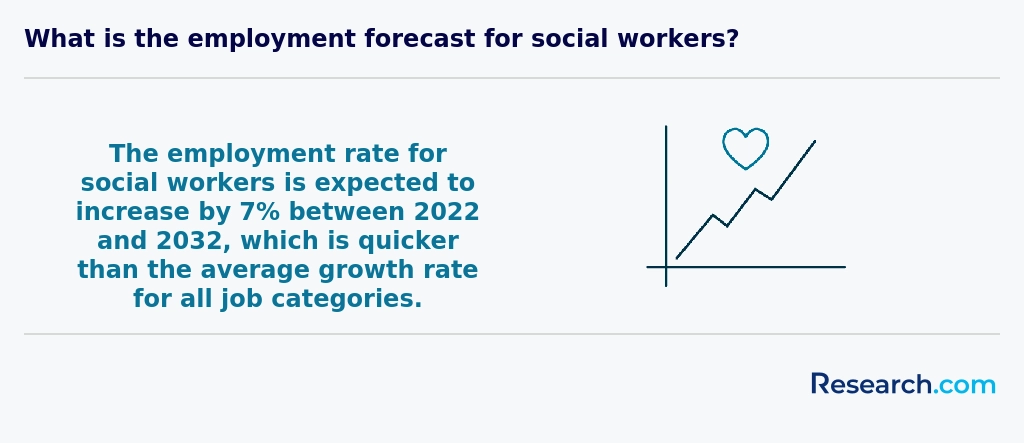
Networking through local social work associations, such as the New York State Society for Clinical Social Work, can provide valuable job leads and professional mentorship. According to the U.S. Bureau of Labor Statistics, social work employment in the Northeast is expected to grow by approximately 8% from 2022 to 2032, indicating steady demand.
Finally, graduates should highlight any field internships completed during their degree, as practical experience is highly valued by employers in healthcare, schools, and community organizations across the region.
Employers in the Northeast prioritize strong communication skills for social work graduates, emphasizing the ability to engage effectively with diverse populations. Critical thinking and problem-solving are also essential, as professionals often face complex social issues requiring innovative approaches. According to the National Association of Social Workers (NASW), cultural competence is particularly important in this region due to its demographic diversity. Additionally, proficiency in digital tools for case management and remote client interaction has become vital, reflecting trends in online service delivery. Knowledge of state-specific regulations and ethical standards is another key skill, ensuring compliance and effective advocacy within Northeastern communities.
Finding internships in the Northeast for social work students involves leveraging local resources and university partnerships. Many accredited online social work programs connect students with agencies in states like New York, Massachusetts, and Pennsylvania, where demand for social workers is growing. According to the Bureau of Labor Statistics, these states offer some of the highest employment levels for social workers in the US.
Students should explore state and local government websites, nonprofit organizations, and healthcare providers offering social services. The National Association of Social Workers (NASW) chapters in the Northeast also post internship opportunities. Additionally, contacting university career centers can uncover exclusive placements aligned with your online program.
Networking through professional platforms such as LinkedIn or local social work forums can further increase chances of finding relevant internships. Early application and clear communication about your educational goals help secure valuable practical experience needed for licensure in the region.
Online social work degrees have become key tools for career mobility and advancement in the Northeast. The region offers diverse social service agencies, healthcare facilities, and government programs where credentialed social workers are in demand. According to the Bureau of Labor Statistics (BLS) as of 2023, New York and Massachusetts alone employ over 40% of the Northeast's licensed social workers, highlighting strong opportunities.
These degrees allow professionals to gain necessary licensure qualifications like the Licensed Clinical Social Worker (LCSW), which is essential for higher-level clinical roles. Graduates often report salary increases of 10-20% when achieving advanced degrees online, due to flexible study options that enable continued work experience alongside education.
The flexibility of online programs also supports working adults in meeting state-specific continuing education requirements. This aids in sustaining licensure and accessing leadership roles within social services in the Northeast, where competition is increasing.
Studying for a social work degree in the Northeast often emphasizes interdisciplinary collaboration, preparing graduates to work effectively with professionals from healthcare, education, and criminal justice fields. Regional programs integrate coursework on policy, mental health, and community resources, reflecting the complex social environments common in urban and rural parts of the Northeast.
Many accredited online social work programs in this region align with standards set by the Council on Social Work Education (CSWE), ensuring students gain both theoretical knowledge and practical skills for cross-sector roles. According to the Bureau of Labor Statistics, social workers in the Northeast earn a median wage higher than the national average, partly due to these expanded interdisciplinary competencies.
Additionally, partnerships between universities and local agencies offer students opportunities for real-world experience, enhancing collaboration skills vital for roles in hospitals, schools, and government agencies.
Choosing between a thesis and a non-thesis online social work degree in the Northeast depends on your career goals and learning preferences. A thesis program typically suits students aiming for research, policy work, or doctoral studies. It requires creating an original research project under faculty guidance. Non-thesis tracks focus more on practical skills and coursework, ideal for those pursuing clinical practice or immediate workforce entry.
Many accredited Northeastern universities offer both options to accommodate diverse student needs. According to the Council on Social Work Education, programs in this region report a growing preference for non-thesis paths, reflecting the demand for licensed clinical social workers. Tuition often varies between tracks, with thesis programs sometimes requiring additional time and resources.
Students in the Northeast seeking to study social work abroad through online degree programs have several pathways available. Many universities in this region offer partnerships or exchange programs with international institutions, allowing students to gain global perspectives while completing coursework remotely. For example, some accredited schools provide virtual internships or fieldwork experiences coordinated with agencies overseas.
According to the Council on Social Work Education (CSWE), approximately 15% of accredited Northeast programs incorporate international components. This integration supports the development of cultural competence, a critical skill for social workers.
Additionally, students can choose fully online degrees with international case studies and comparative social policies. These options make global social work education accessible without relocating.
Part-time job opportunities that complement social work degree education in the Northeast often include roles such as community outreach worker, case manager assistant, and mental health aide. These positions provide hands-on experience relevant to social work while accommodating flexible schedules.
The U.S. Bureau of Labor Statistics reports that states like New York, Massachusetts, and Pennsylvania have some of the highest demand for social workers, increasing opportunities for part-time roles. Internships or volunteer positions at local non-profits and health clinics also offer valuable exposure.
Many employers in the region prefer candidates with some field exposure, making part-time roles critical for skill development during online studies.
Online social work students in the Northeast benefit from numerous networking opportunities despite the virtual format. Many universities in the region, such as Rutgers University and the University of Massachusetts, organize virtual meetups, webinars, and discussion forums that connect students with faculty and alumni. These events help students build professional relationships relevant to social work careers.
Additionally, the New England Social Work Education Consortium offers regional conferences and workshops that welcome online students. These provide valuable chances to engage with practitioners and peers. According to the National Association of Social Workers (NASW) Northeast chapter, networking through local chapters can significantly enhance career prospects.
Alumni networks play a crucial role in supporting online social work degree students in the Northeast. These networks provide access to professional connections that are especially valuable in a competitive job market. According to the National Association of Social Workers, the Northeast has one of the highest densities of social workers in the country, making networking vital for career advancement.
Through alumni events and online platforms, students can connect with experienced professionals for mentorship and job referrals. Alumni connections also often share insights about regional licensing requirements and job opportunities, which can differ across states like New York, Massachusetts, and Pennsylvania.
In addition, some universities in the Northeast have structured mentorship programs linking online students with alumni, fostering both personal and professional growth. This support helps graduates transition smoothly into social work roles in healthcare, education, or community services.
Online social work degree programs in the Northeast often offer flexible curricula, allowing students to tailor courses to specific career goals. Many schools provide concentrations such as clinical social work, child and family services, or community organization. Choosing electives aligned with your interests helps you develop relevant skills.
Field placements or internships can also be customized by selecting agencies that reflect desired practice areas. States like New York and Massachusetts require supervised fieldwork, which can often be completed locally, aiding practical experience in familiar communities.
Accredited programs by the Council on Social Work Education ensure quality and alignment with professional standards, which supports diverse career pathways.
Online social work students in the Northeast often face challenges related to balancing their academic, professional, and personal responsibilities. Many students juggle full-time jobs while completing fieldwork hours required by the Council on Social Work Education (CSWE), a nationally recognized accrediting body. According to the National Association of Social Workers (NASW), field placements can be difficult to arrange due to competition and limited local opportunities.
Technology access and reliable internet connectivity are critical, especially in rural parts of the Northeast. While most institutions provide virtual support, some students report difficulties engaging in interactive online coursework. Additionally, adapting to online learning requires strong self-discipline and time management skills, which can be demanding for students new to virtual education.
Financial constraints also pose a challenge. The average tuition for accredited social work programs in the Northeast ranges widely, with many students relying on loans or employer assistance. Navigating these financial options while maintaining academic progress remains a common hurdle.
With an online social work degree, graduates in the Northeast can pursue several professional certifications to enhance their careers. The most common credential is the Licensed Social Worker (LSW), which allows entry-level practice and typically requires passing the Association of Social Work Boards (ASWB) exam. Further advancement often leads to the Licensed Clinical Social Worker (LCSW) license, enabling clinical practice and requiring additional supervised hours.
Other certifications include the Certified School Social Work Specialist (C-SSWS) for those interested in educational settings and the Certified Social Work Case Manager (C-SWCM) for specialization in case management. Statistics from the National Association of Social Workers indicate that over 60% of Northeast social workers hold an LCSW or higher, reflecting the region's emphasis on licensure.
Applying to an online social work program in the Northeast requires a clear, well-structured application that highlights your relevant experience and commitment to the field. Begin by thoroughly researching programs accredited by the Council on Social Work Education (CSWE), as this ensures quality and regional recognition.
Emphasize any volunteer or work experience in social services, especially within Northeast communities, where needs vary widely. According to the National Association of Social Workers, programs often seek applicants who demonstrate cultural competence and adaptability.
Personal statements should be concise and focused, explaining why you chose social work and how an online degree fits your career goals. Also, be sure to obtain strong letters of recommendation from supervisors or professors familiar with your dedication to social work practice.
Social work is a globally recognized profession devoted to improving individual and community well-being. While practices vary internationally, the core goal remains consistent: advocating for social justice and supporting vulnerable populations. For students in the Northeast considering online social work degrees, understanding these global values enriches their professional outlook.
In the United States, social work education aligns with the standards of the Council on Social Work Education (CSWE). Many programs in the Northeast incorporate a global perspective through courses on cultural competence and international social policies. According to the National Association of Social Workers (NASW), more than 70% of social workers engage with diverse populations, highlighting the importance of a broad worldview.
Internationally, social work practices address varied challenges such as poverty, migration, and human rights. These themes increasingly influence curriculum design in Northeastern universities, preparing students for roles that require adaptability and cultural sensitivity. Institutions like the University of Pennsylvania and Boston University integrate these perspectives, reflecting a growing demand for globally aware professionals in the US workforce.
Gaining practical experience while studying for an online social work degree in the Northeast often involves completing supervised field placements or internships. These are typically required by the Council on Social Work Education (CSWE) to ensure students meet certification standards. Many online programs partner with local agencies, hospitals, or schools in states like New York, Massachusetts, and Pennsylvania to facilitate hands-on learning near the student's location.
The Northeastern region offers diverse community settings, which helps students gain exposure to a variety of populations and social issues. According to the National Association of Social Workers (NASW), approximately 63% of social workers in this region engage in clinical or mental health services, emphasizing the importance of clinical fieldwork experience.
Additionally, some programs provide virtual simulations and workshops to supplement in-person practice, adapting to students' schedules. State licensing boards often require a minimum number of supervised hours, typically around 900 to 1,200, which can be fulfilled during these placements.
Choosing the right concentration within an online social work degree program in the Northeast requires careful consideration of your career goals and local needs. Common concentrations include clinical social work, community development, and policy advocacy.
Research from the National Association of Social Workers notes that clinical social work remains in high demand in Northeast states, particularly in urban centers like New York and Boston. If you aim to work directly with clients, this focus may suit you best.
Alternatively, concentrations in child welfare or healthcare social work align well with state-funded programs prevalent in the region. The Bureau of Labor Statistics projects a 12% job growth in these areas nationally through 2031, with Northeast states following similar trends.
Finally, evaluate each program's curriculum and field placement opportunities to ensure they provide practical experience relevant to your chosen concentration.
Top Trending Social Work Rankings
See What Experts Have To Say About Studying Social Work
Read our interview with Social Work experts

References
- Bachelor’s degrees in social work (BSW) online https://www.onlinemswprograms.com/online-social-work-degrees/bsw/
- How to Overcome the Top Challenges Social Workers Face https://www.pacificoaks.edu/voices/social-work/social-work-challenges/
- Eye-Catching Social Work Resume Objective Examples (2025 Guide) https://www.visualcv.com/social-work-resume-objectives/
- BA in Social Work https://www.umassglobal.edu/academic-programs/ba-social-work
- Tripod Partners https://www.tripodpartners.com/career-advice/social-work/advancing-your-social-work-career-tips-for-promotion/
- Master of Social Work https://online.une.edu/master-of-social-work/
- Social Work Education: Interdisciplinary teams a growing area of training https://www.socialworkblog.org/featured-articles/2018/04/social-work-education-interdisciplinary-teams-a-growing-area-of-training/
- Social Work https://northeast.edu/degrees-and-programs/social-work
- Become a Social Worker in Massachusetts https://socialworklicensemap.com/social-work-licensure/become-a-social-worker-in-massachusetts/
- The Best International Social Work Internships for Undergrads and Grads https://www.internhq.com/fields/social-work/