
2027 Best Social Work Degree Programs Ranking in South Dakota

Co-Founder and Chief Data Scientist
Choosing the right social work degree program in South Dakota is an important step toward a rewarding career in helping others. This article features the 2027 Best Social Work Degree Programs Ranking in South Dakota, developed by the Research.com team of data scientists to guide you through the best educational options available.
By exploring this ranking, you can confidently find programs that match your goals and values. Earning a social work degree opens doors to meaningful opportunities, making a positive impact in your community and beyond.
Key benefits of getting social work degree in South Dakota
- Graduates with a social work degree in South Dakota can expect strong earning potential, with roles like Social Workers earning a mean annual wage of $68,800 and Community Organizers earning around $83,400 per year.
- Career paths are diverse, ranging from roles such as Child Welfare Specialists to Youth Workers, offering opportunities to make a meaningful impact in communities across South Dakota.
- Online social work degrees provide flexibility, allowing students to balance studies with personal commitments while benefiting from quality education offered by institutions like the University of South Dakota.
- 2027 Best Social Work Degree Programs Ranking in South Dakota
- What can I expect from social work degree in South Dakota?
- Where can I work with social work degree in South Dakota?
What can I expect from social work degree in South Dakota?
Students pursuing social work degrees in South Dakota typically find that the average cost balances quality education with affordability. At institutions like South Dakota State University and the University of South Dakota, tuition for a Bachelor of Social Work or Master of Social Work program generally ranges from $8,000 to $12,000 per year for in-state students. Graduates often emphasize how this investment opens doors to meaningful careers focused on helping communities, especially with hands-on fieldwork integrated into the curriculum.
Many students appreciate the opportunity to engage in supervised internships across healthcare settings, schools, and social service agencies throughout South Dakota. These experiences transform classroom learning into real-world impact, enriching personal growth and professional skills. Students say that knowing their tuition supports such practical training motivates them to persevere and excel.
Choosing social work in South Dakota means entering a rewarding field with a thoughtful balance of cost and exceptional practical experience, cultivated by programs that understand the unique needs of both rural and urban populations.
Where can I work with social work degree in South Dakota?
Graduates with a social work degree from South Dakota's well-regarded programs like those at the University of South Dakota and Dakota State University find inspiring career opportunities throughout the state. Many step confidently into roles within healthcare settings such as Sanford Health and Avera Health, where they provide compassionate support to patients and families navigating medical challenges. Imagine helping someone recover not just physically but emotionally, connecting them with the resources that make a real difference.
Others find rewarding paths in public welfare agencies, working closely with families and children through government programs aimed at protection and support. Social work students often describe the profound fulfillment in safeguarding a child's future, knowing their efforts spark lasting change in communities.
School social work careers are another vibrant avenue, where graduates collaborate with educators to foster nurturing environments for students facing behavioral or emotional challenges. Nonprofit roles also call to many, offering chances to combat homelessness or assist veterans, where each day's work contributes to brighter, hopeful futures for those served.
- In-state undergraduate tuition for social work programs in South Dakota ranges from $8,000 to $10,000 per year.
- Graduate social work programs, such as the MSW, cost between $10,000 and $15,000 annually for in-state students.
- Starting salaries for social work graduates in South Dakota typically range from $38,000 to $42,000 per year.
- Experienced social workers with advanced qualifications can earn $50,000 to $65,000 or more annually.
- The job market in South Dakota supports steady growth, especially in healthcare, child welfare, mental health, and aging support.
- Accreditation by the Council on Social Work Education (CSWE) is essential for licensure and professional recognition in the state.
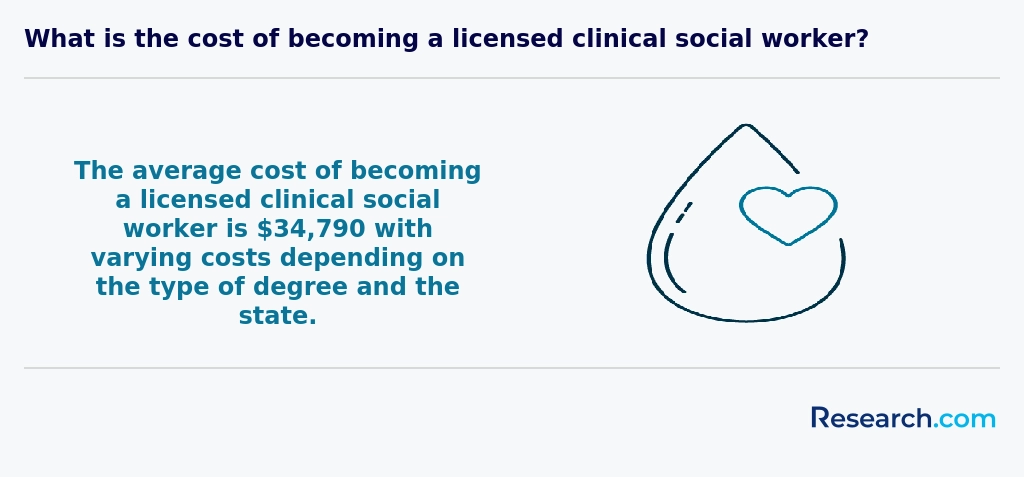
The average cost of a social work degree in South Dakota reflects a practical balance between quality education and affordability. The median in-state total cost for social work students is approximately $9,432, making South Dakota an inviting place for those who want to pursue a career in social work without overwhelming financial burden. Graduates from the University of South Dakota, the state's leading social work program provider, often share how the manageable tuition fees allowed them to focus fully on their studies and fieldwork, building connections that continue to support their careers.
Beyond tuition, students are encouraged to anticipate typical expenses such as fees, books, and living costs, all of which vary but remain reasonable compared to national averages. For example, private institutions like Augustana University may have higher tuition, but many students find financial aid helps bridge that gap, keeping their dreams within reach. Many of those pursuing social work find that budgeting carefully and seeking scholarships make all the difference in taking confident steps toward their goals.
For South Dakota residents exploring options for affordable education, understanding South Dakota social work degree expenses opens doors to a future in helping communities thrive. With dedication, it's possible to manage costs effectively while building a strong foundation in social work. Prospective students looking to accelerate their careers might also explore 6 month certificate programs high paying jobs as supplementary pathways.
Enrolling in a social work degree program in South Dakota starts with a commitment to making a positive impact on your community. For undergraduate students aiming for a Bachelor of Social Work at popular institutions like South Dakota State University, completing high school with a solid GPA-typically around 2.5 to 3.0-opens the door to this rewarding path. Graduates often share how preparing a heartfelt personal statement helped them express their passion for social justice and service, making their applications stand out.
At the graduate level, pursuing a Master of Social Work requires a bachelor's degree, ideally accompanied by experience in human services. Many MSW candidates from local colleges recall how their volunteer work shaped their understanding and boosted their acceptance chances. While GRE scores can be required, some programs in the region appreciate real-world experience just as much, recognizing dedication beyond test results.
These thoughtfully designed prerequisites ensure you are ready not only academically but emotionally to embrace the meaningful journey of a social worker in South Dakota's supportive educational environment.

Choosing the best accredited social work programs South Dakota has to offer means focusing on quality and fit. Many graduates from South Dakota State University and the University of South Dakota share how their programs' CSWE accreditation gave them confidence in the rigorous, respected education they received. These schools combine strong curriculum with meaningful practicum experiences, helping students connect theory to impactful community work. Imagine yourself gaining hands-on skills through internships at trusted local agencies, preparing you to make a real difference.
Affordable social work degrees South Dakota provides can ease financial stress while maintaining high standards. Understanding tuition and financial aid options is key-don't hesitate to explore your choices thoroughly. Graduates often say this balance helped them commit fully to their studies without overwhelming debt.
Flexibility is another bright spot. Many students appreciate programs that offer online or hybrid formats to juggle family and work demands. If you're curious about costs beyond tuition, check out how much does an online phd cost for insights that might inspire your educational journey.

2027 Best Social Work Degree Programs Ranking in South Dakota
Investing in your education is a significant decision that can shape your future, and the Research.com team understands the importance of making informed choices. To assist prospective students in South Dakota, we have meticulously developed the "2027 Best Social Work Degree Programs Ranking in South Dakota." Our commitment to quality, credibility, and accuracy is reflected in the thorough research and analysis undertaken to compile this ranking.
We utilized the following reputable data sources to ensure a comprehensive evaluation of social work programs:
By exploring this ranking, readers will gain valuable insights into the best social work degree programs available in South Dakota, helping them make well-informed decisions regarding their educational and professional futures. For more information on our data collection and ranking process, please visit our Research.com methodology page.


# 4 position
Oglala Lakota College
Bachelor of Science in Social Work

Frequently Asked Questions About social work
Social work degree students in South Dakota can maximize their learning experience by engaging deeply with both academic coursework and practical fieldwork. Accredited programs, such as those approved by the Council on Social Work Education (CSWE), emphasize hands-on internships, which are crucial for gaining real-world skills. South Dakota offers diverse practicum sites in rural and urban settings, allowing students to understand different community needs effectively.
Additionally, students should take advantage of opportunities to participate in local social services agencies, tribal social work programs, and professional organizations like the South Dakota Chapter of the National Association of Social Workers (NASW). Networking through these channels can enhance learning and career prospects. According to the Bureau of Labor Statistics, social workers in South Dakota have a favorable job outlook, making applied experience even more valuable.
Emerging niches within the social work field in South Dakota reflect broader national trends and local needs. One significant area is rural mental health, driven by the state's largely rural population. Social workers specializing here often address challenges related to limited healthcare access and substance abuse, which are critical issues in South Dakota communities.
Another growing niche is geriatric social work. As South Dakota's senior population increases, the demand for professionals skilled in elder care, including navigating healthcare systems and advocating for aging adults, rises accordingly. Data from the South Dakota Department of Social Services highlights this growing need.
Finally, social work in cultural competency and tribal services is expanding, aligned with the state's substantial Native American population. This niche requires understanding tribal law, cultural sensitivity, and addressing disparities affecting Indigenous communities.
After earning a social work degree in South Dakota, preparing for the job market involves several key steps. First, applying for licensure through the South Dakota Board of Social Work Examiners is essential. The Licensed Social Worker (LSW) credential is commonly required for entry-level roles. Candidates must pass the Association of Social Work Boards (ASWB) exam and complete supervised fieldwork.
Networking with local agencies and joining the South Dakota Chapter of the National Association of Social Workers (NASW) can expand job opportunities. According to the U.S. Bureau of Labor Statistics, South Dakota's social work employment is projected to grow steadily, especially in healthcare and child welfare sectors.
Finally, gaining experience through internships or volunteer work within state programs helps build practical skills and increase marketability. Continuous education and specialization also enhance career prospects.
Employers in South Dakota consistently prioritize several key skills when hiring social work degree graduates. Strong communication abilities are essential, enabling graduates to effectively engage with clients from diverse backgrounds. Critical thinking and problem-solving skills help social workers navigate complex situations and develop practical solutions. Additionally, cultural competence is vital in South Dakota's varied communities, including Native American populations. According to the National Association of Social Workers, employers also seek graduates who demonstrate empathy, ethical decision-making, and proficiency in case management software. These competencies prepare social workers to meet the demands of roles in healthcare, child welfare, and mental health services across the state.
Finding internships related to a social work degree in South Dakota involves several key steps. Students should begin by exploring partnerships between their university programs and local agencies, as many South Dakota colleges have established connections with hospitals, schools, or social service organizations. The South Dakota Department of Social Services often posts internship opportunities on their website, which can provide hands-on experience in public assistance programs.
Additionally, professional associations like the South Dakota NASW chapter offer resources and networking to help students secure placements. According to the Bureau of Labor Statistics, internships improve job prospects for social workers by enhancing practical skills. Contacting campus career centers early is essential to identify openings and meet eligibility criteria.
A social work degree in South Dakota significantly enhances career mobility and advancement opportunities within the state. According to the U.S. Bureau of Labor Statistics, South Dakota's demand for social workers is expected to grow by 11% from 2022 to 2032, faster than the national average. This growth creates increased job openings across healthcare, child welfare, and community services.
Holding a Bachelor of Social Work (BSW) can qualify graduates for entry-level roles, while a Master of Social Work (MSW) is often required for clinical positions and leadership roles. Licensure through the South Dakota Board of Social Work Examiners typically requires an MSW, enabling access to higher-paying positions.
Graduates who invest in advanced social work education tend to experience enhanced job stability and greater responsibility, contributing to career growth within the state's expanding social services sector.
Studying for a social work degree in South Dakota equips students with skills essential for interdisciplinary collaboration. Programs emphasize practical training, where students work alongside professionals from healthcare, education, and law enforcement sectors. This hands-on experience reflects the integrated approach required in social work roles.
South Dakota universities, such as the University of South Dakota, incorporate courses on policy analysis, behavioral science, and community engagement, fostering a broad understanding of social issues. According to the Council on Social Work Education, about 70% of graduates find employment in settings demanding teamwork across disciplines.
This interdisciplinary focus helps students adapt to diverse environments and effectively meet client needs through collaborative strategies.
Choosing between a thesis and a non-thesis social work degree program in South Dakota depends on your career goals and learning preferences. A thesis program typically requires original research, appealing to students interested in academic or research careers. This pathway strengthens skills in data analysis and critical thinking. Non-thesis programs focus more on practical experience, such as internships, which may be preferable for those seeking direct social work practice after graduation.
In South Dakota, universities frequently tailor their social work programs to meet licensure requirements by the South Dakota Department of Social Services. According to the Bureau of Labor Statistics, social work roles in the state grow steadily, emphasizing hands-on experience. Understanding these distinctions supports informed decision-making.
Students in South Dakota seeking to study social work abroad have several pathways through partnerships established by their home institutions. Many universities in South Dakota offering social work degrees participate in exchange programs with schools in Canada, the United Kingdom, and Australia, where social work curricula align with US accreditation standards.
Additionally, the Council on Social Work Education (CSWE) encourages curricula that support study abroad experiences, helping students gain global perspectives on social welfare issues. South Dakota State University and the University of South Dakota, the state's main providers of social work education, periodically offer faculty-led study tours or practicums abroad.
Financial aid and scholarships for international study may be available, but students should verify eligibility through their institution's study abroad office. The Bureau of Labor Statistics projects a growth rate of 12% for social workers nationwide, which can be enriched by international experience.
In South Dakota, part-time job opportunities that complement social work degree education often focus on community engagement and direct client interaction. Positions such as behavioral health aides, case management assistants, or youth outreach workers are common. These roles provide practical experience, enhance communication skills, and deepen understanding of social services systems.
According to the South Dakota Department of Labor and Regulation, employment for social work-related occupations is projected to grow by 9% through 2030, highlighting a demand for skilled workers. Working part-time in nonprofit organizations or government agencies allows students to apply classroom knowledge in real-world settings while building professional networks.
Many community mental health centers and social service agencies across the state offer flexible part-time roles suitable for students balancing studies. In addition, volunteering or part-time work in elder care or substance abuse support programs can enrich a student's resume and practical insight.
Social work students in South Dakota have access to several valuable networking opportunities that support career development. Many universities offering social work degrees encourage participation in statewide professional organizations like the South Dakota Chapter of the National Association of Social Workers (NASW). This group provides students with access to conferences, workshops, and mentorship programs.
Additionally, local agencies and community organizations frequently partner with educational institutions to offer internships and practical experiences. These connections help students build professional relationships and gain hands-on experience.
Events hosted by the South Dakota Department of Social Services also serve as networking platforms, bringing together students, professionals, and employers in the social work field.
Alumni networks play a vital role for social work degree students in South Dakota by providing connections to experienced professionals across the state. These networks facilitate mentorship opportunities, helping current students navigate licensure requirements governed by the South Dakota Board of Social Work Examiners. Networking can also enhance job placement, as 72% of social work graduates in South Dakota find employment through alumni contacts, according to data from the National Association of Social Workers.
Additionally, alumni often share local industry insights and continuing education resources tailored to South Dakota's social service environments. This support strengthens students' practical understanding and career prospects.
Customizing a social work degree program in South Dakota involves selecting electives and field placements that align with your career goals. Many universities in South Dakota offer Bachelor's and Master's programs with flexible coursework options. For example, focusing on areas such as child welfare, mental health, or aging populations can tailor your education to specific social work fields.
Field experience is vital. South Dakota universities typically require internships with local agencies, allowing practical application of skills in settings relevant to your interests. According to the South Dakota Department of Labor, social work roles will grow by 11% through 2030, emphasizing diverse specializations.
Additionally, some programs offer online learning or part-time study to accommodate working students.
Social work students in South Dakota often face unique challenges related to rural settings and limited resources. Many programs require extensive fieldwork, but finding diverse practicum opportunities can be difficult outside urban areas. According to the South Dakota Department of Social Services, the state has a workforce shortage, which adds pressure on students to prepare thoroughly for high-demand roles.
Financial constraints also impact students, as South Dakota's average social work student debt remains a concern, with limited state-specific scholarships available. Additionally, balancing coursework with field placements and personal responsibilities can be demanding.
Finally, exposure to the state's specific social issues, such as rural poverty and Native American community needs, requires culturally competent training to serve effectively.
With a social work degree in South Dakota, graduates can pursue several professional certifications to advance their careers. The most common credential is the Licensed Social Worker (LSW), which requires passing the Association of Social Work Boards (ASWB) exam. After gaining supervised experience, social workers may seek the Licensed Independent Social Worker (LISW) status, allowing for clinical practice.
The South Dakota Board of Social Work Examiners oversees licensure and ensures compliance with state standards. Certified Social Work Case Manager (C-SWCM) and Certified School Social Work Specialist (C-SSWS) are other options for specialization.
A 2023 report from the National Association of Social Workers notes that 70% of South Dakota social workers hold some form of licensure.
Writing a strong application for a social work program in South Dakota begins with understanding the requirements of local universities such as the University of South Dakota and South Dakota State University. Applicants should emphasize their commitment to community service and experience working with diverse populations, which are valued traits in the field. Including clear, specific examples in the personal statement strengthens the application.
South Dakota's social work programs often seek candidates demonstrating knowledge of rural issues, given that many communities in the state are rural. Highlighting relevant volunteer work or professional experience in such settings can be advantageous. Academic records should reflect strong performance in psychology, sociology, and related courses.
Letters of recommendation from professionals familiar with an applicant's dedication and skills enhance credibility. Finally, staying informed through resources like the South Dakota Board of Social Work Examiners ensures you meet all educational prerequisites, increasing your chance of acceptance.
Social work is recognized globally as a vital profession that addresses social injustice, inequality, and human well-being. In the United States, including South Dakota, social workers are trained to meet diverse community needs, reflecting values embraced worldwide such as human rights and cultural competence.
According to the U.S. Bureau of Labor Statistics, employment for social workers is projected to grow 12% from 2022 to 2032, with opportunities expanding due to increasing mental health and substance abuse services. South Dakota, while rural, aligns with national trends, offering careers focused on child welfare, healthcare, and elder care sectors.
Globally, social work emphasizes holistic, client-centered approaches, and South Dakota social work programs often incorporate these frameworks. This international outlook prepares graduates to engage flexibly within various cultural and policy contexts, enhancing their career mobility and community impact.
Gaining practical experience is essential when pursuing a social work degree in South Dakota. Most accredited programs require students to complete supervised field placements or internships. These opportunities allow students to work directly with clients and community organizations, providing real-world exposure and skill development.
State universities and colleges often partner with hospitals, schools, and government agencies to facilitate these placements. The South Dakota Board of Social Work Examiners mandates a minimum of 1,000 hours of supervised practice for licensure, which many degree programs integrate into their curriculum.
Additionally, volunteering with local nonprofits can enhance learning and professional networks. According to the National Association of Social Workers South Dakota Chapter, over 70% of students find internships through university connections or community partnerships.
Choosing the right concentration within a social work degree program in South Dakota depends on your career goals and local community needs. South Dakota has a growing demand for social workers in healthcare, child welfare, and rural community development, as noted by the Bureau of Labor Statistics and the South Dakota Department of Labor.
Popular concentrations include clinical social work, focusing on mental health treatment, and school social work, which supports students and families. Understanding state licensing requirements is crucial; clinical social work often requires a Master of Social Work with specialized clinical courses and supervised experience.
Additionally, consider programs offering field placements in South Dakota settings to gain relevant experience.
- 2027 Best Social Work Degree Programs Ranking in Minnesota
- 2027 Best Social Work Degree Programs Ranking in Iowa
- 2027 Best Social Work Degree Programs Ranking in Colorado
- 2027 Best Social Work Degree Programs Ranking in Kansas
- 2027 Best Social Work Degree Programs Ranking in Missouri
- 2027 Best Social Work Degree Programs Ranking in Illinois
- 2027 Best Social Work Degree Programs Ranking in Indiana
- 2027 Best Social Work Degree Programs Ranking in Arkansas
- 2027 Best Social Work Degree Programs Ranking in Kentucky
- 2027 Best Social Work Degree Programs Ranking in Louisiana
See What Experts Have To Say About Studying Social Work
Read our interview with Social Work experts

- Know more about thesis vs non- thesis: what is the difference? https://studyfans.com/en/blogs/816
- Interdisciplinary Collaboration in Social Work and the ASWB Exam https://agentsofchangeprep.com/blog/interdisciplinary-collaboration-in-social-work-and-the-aswb-exam/
- How to Overcome the Top Challenges Social Workers Face https://www.pacificoaks.edu/voices/social-work/social-work-challenges/
- Social Work https://international.pwsztar.edu.pl/studying/faculty-of-administration-and-economics/social-work/
- Social Work Degrees https://socialworklicensemap.com/social-work-degrees/
- Study Social Work Abroad | Go Overseas https://www.gooverseas.com/study-abroad/social-work
- Social Work Salary with Masters on the Rise https://newmanu.edu/nth-degree/social-work-salary-with-masters-on-the-rise
- The Best International Social Work Internships for Undergrads and Grads https://www.internhq.com/fields/social-work/
- South Dakota Legislature https://sdlegislature.gov/Rules/Administrative/20:59
- Surviving your social work degree placement - Community Care https://www.communitycare.co.uk/content/news/surviving-your-social-work-degree-placement


