
2027 Best Social Work Degree Programs Ranking in Minnesota

Co-Founder and Chief Data Scientist
Choosing the right social work degree program is an important step toward making a positive impact in your community. This article presents the 2027 Best Social Work Degree Programs Ranking in Minnesota, created by the Research.com team of data scientists to help you make an informed choice.
By exploring this ranking, you'll discover programs that align with your goals and values. Pursuing a social work degree opens doors to meaningful careers that truly make a difference, empowering you to support those in need.
Let this guide inspire and assist you on your educational journey.
Key benefits of getting social work degree in Minnesota
- Graduates with a social work degree in Minnesota can expect rewarding salaries, such as $68,800 annually for Social Workers and up to $83,400 for Community Organizers or Youth Workers, offering financial stability and career growth.
- Career paths are diverse, with opportunities in child welfare, residential counseling, community organizing, and more, inspired by success stories from universities like the University of Minnesota.
- Online social work degrees provide flexibility and accessibility, allowing students to study at their own pace while still achieving credentials recognized by employers, a benefit highlighted by graduates of Minnesota State University's online programs.
- 2027 Best Social Work Degree Programs Ranking in Minnesota
- What can I expect from social work degree in Minnesota?
- Where can I work with social work degree in Minnesota?
What can I expect from social work degree in Minnesota?
When diving into a social work degree in Minnesota, the financial investment typically ranges widely depending on the institution and program format. For instance, graduates from the University of Minnesota Twin Cities or Metropolitan State University often recall juggling tuition costs that average between $10,000 to $20,000 per year for in-state students. This investment becomes an exciting gateway to field practicums in bustling community agencies or quiet rural clinics, where practical learning truly shines.
Many students embrace internships with enthusiasm, gaining hands-on skills while networking with local social service providers. The blend of classroom theory and real-world experience often feels deeply rewarding, helping students build confidence as they prepare for licensure in Minnesota's diverse social work landscape. Even part-time and online program options offer flexible pricing that attracts curious learners eager to balance education with life's adventures.
With this solid foundation, graduates often describe a sense of accomplishment and readiness to make a meaningful impact, fueled by affordable access to quality education tailored to Minnesota's unique communities.
Where can I work with social work degree in Minnesota?
Graduates from social work programs at schools like the University of Minnesota or St. Catherine University discover a variety of exciting paths waiting in Minnesota. Imagine stepping into a busy hospital, where licensed social workers help patients navigate life-changing diagnoses-offering counseling and connecting families to vital services. This hands-on experience is common for many, energizing their passion to make a difference.
Others dive into child welfare, working with the Department of Human Services to support foster kids and protect vulnerable families. It's a role filled with meaningful challenges, where every intervention saves and shapes young lives, fostering a deep sense of purpose.
Social work graduates also thrive in schools, government agencies, and nonprofits, supporting mental health, aging communities, or homelessness. Licensed clinical social workers, in particular, pursue independent therapy careers, unlocking opportunities in private practice.
The adventure of social work in Minnesota means connecting with real people, in real places, every day-transforming communities and growing alongside them.
- Social work degrees in Minnesota include Bachelor of Social Work (BSW) and Master of Social Work (MSW), with programs accredited by the Council on Social Work Education (CSWE) required for licensure.
- In-state tuition for BSW programs at public universities ranges from $10,000 to $20,000 per year, while private schools charge between $20,000 and $35,000 annually.
- MSW programs typically cost between $15,000 and $30,000 per year for in-state students.
- Entry-level social workers earn around $45,000 annually, while mid-career professionals earn between $60,000 and $70,000 depending on experience and specialty.
- Licensure requires completing a CSWE-accredited degree, supervised clinical experience, and passing the ASWB exam, enabling legal practice across Minnesota.
As you near the end of your research into social work degree programs, it’s essential to prepare for the transition from academic life to a thriving professional career. This section offers practical tips for navigating the application process, securing invaluable internships, and building a network that supports your long-term goals in social work. Start by refining your personal statement and gathering strong letters of recommendation; these documents play a crucial role in distinguishing your application amid competitive candidate pools. Additionally, consider connecting with current professionals and alumni who can provide insider insights into the demands of the field and how to excel in both studies and practice. Engaging with mentors and utilizing university career services can further help you to transition smoothly into roles such as case management, community outreach, or clinical social work. For those exploring diverse employment opportunities and flexible learning options, you may also want to research career options with online bachelors degrees in social work to find pathways that align with your lifestyle and professional ambitions. Finally, continuously update your resume with new skills gained from coursework and field placements, and remain proactive about attending workshops and networking events geared towards social work professionals in Minnesota.
Exploring the average cost of a social work degree in Minnesota reveals a journey full of careful planning and hopeful anticipation. Graduates from well-known institutions like the University of Minnesota often share how, despite the challenges, the investment feels worthwhile for the rich opportunities that follow. On average, the median in-state total cost of earning this degree is about $14,610, which captures tuition, fees, and basic supplies over the course of study. This figure helps to frame financial expectations in a way that feels tangible to students weighing their options.
Meanwhile, the median total cost including out-of-state tuition averages around $32,162, reflecting the higher expense for those coming from beyond Minnesota. This contrast paints a realistic picture and encourages students to explore residency options or local programs. Many social work students recall applying for scholarships and grants, tapping into support recommended by the National Association of Social Workers, which eases the financial path and adds excitement to pursuing their dreams.
Practical experiences shared by graduates at popular Minnesota colleges highlight the importance of considering living expenses and additional fees alongside tuition, emphasizing an adventurous spirit to budgeting and resourcefulness. For students curious about comparing costs, checking listings of the cheapest social work programs in Minnesota sparks enthusiasm and opens doors to affordable education without compromising quality.
Understanding Minnesota social work degree tuition and fees deepens as each student maps their unique educational expedition, combining costs, aid, and passion for making a lasting community impact.
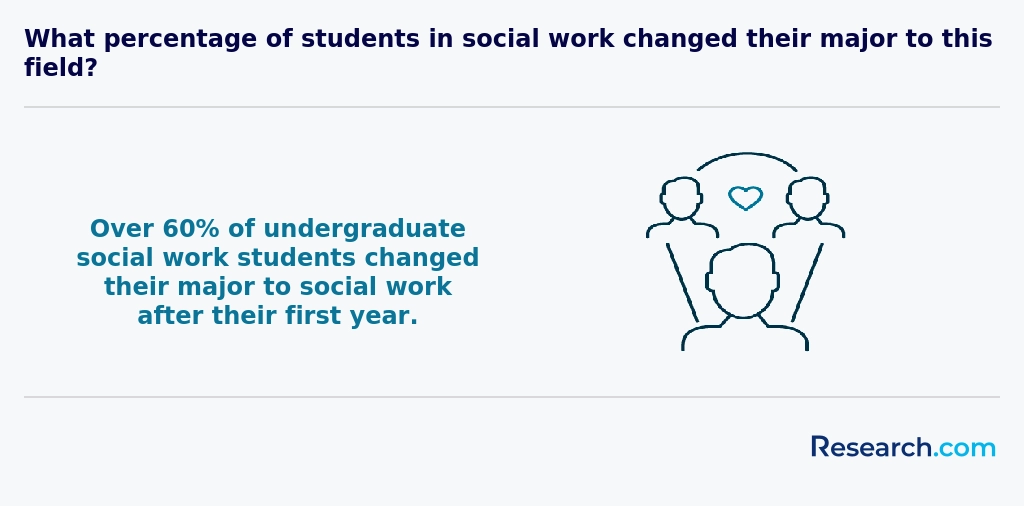
When considering a Social Work degree in Minnesota, one of the key factors to think about is affordability. The cost of tuition, fees, and living expenses can be significant, but there are also numerous financial aid options available to help make a Social Work education more accessible. For those looking to minimize their expenses, exploring the cheapest social work programs in Minnesota can be a wise decision. Many institutions in Minnesota offer competitive pricing for their Social Work programs, and some even provide special discounts for students with specific backgrounds or career goals. Additionally, scholarships, grants, and loan forgiveness programs can further reduce the financial burden of pursuing a Social Work degree. By carefully weighing the costs and benefits, prospective students can make informed decisions about their educational investments and set themselves up for success in their future careers as social workers.
In Minnesota, graduates must obtain professional licensure to practice as social workers, ensuring they meet the state’s rigorous standards for competency and ethics. The Minnesota Board of Social Work oversees two primary credentials: the Licensed Bachelor Social Worker (LBSW) and the Licensed Independent Clinical Social Worker (LICSW). To qualify for the LBSW, candidates must hold a CSWE‐accredited Bachelor of Social Work degree, submit official transcripts, and pass the Association of Social Work Boards (ASWB) Bachelor’s exam. For clinical practice, the LICSW requires a CSWE‐accredited Master of Social Work, completion of 2,000 supervised clinical hours post-graduation, and a passing score on the ASWB Clinical exam. Both licenses necessitate a clear background check and ongoing continuing education-30 credits every two years-to maintain good standing. Understanding the timeline and cost of licensure can help prospective social workers plan their careers effectively. Application fees for the ASWB exams range from $230 to $260, while Board application fees average $125. Supervision for clinical hours often carries additional expenses, whether through agency stipends or private supervisors, so budgeting for these requirements is essential. Many graduates leverage employer-sponsored supervision or connect with mentors in field placements to reduce out‐of‐pocket costs. Websites like the Minnesota Board of Social Work offer detailed guidelines and application packets to streamline the process, enhancing transparency and reducing barriers to entry. Aspiring social workers who value affordability and flexibility might also explore online degree options beyond Minnesota’s borders. For example, students comparing program costs and licensure pathways can review Low Cost Online Social Work Degree Programs Ranking in Missouri to identify budget-friendly alternatives that align with licensure prerequisites and career goals.
Diving into social work studies in Minnesota, you'll find that getting started means meeting certain practical prerequisites that spark your journey. For those eyeing a Bachelor of Social Work at renowned schools like the University of Minnesota or Metropolitan State University, having a high school diploma with a decent GPA-usually around 2.5 to 3.0-is key. Imagine a graduate recalling how their background in psychology and sociology classes lit their passion and gave them a head start in application readiness.
If your sights are set on a Master of Social Work, the expectations deepen. Graduates from top programs across Minnesota share how holding a bachelor's degree, often in related social sciences, combined with a sturdy GPA of 3.0 or above, opened doors for them. Volunteering with local social service agencies before applying added not only experience but confidence, making the process feel like an exciting step toward meaningful work.
Schools in Minnesota may also value personal statements and recommendations, glimpses into your unique story and motivation. Picture how one graduate's heartfelt essay about community work made their application truly stand out amidst others.

Graduates of CSWE-accredited programs must meet Minnesota’s licensure requirements to practice social work. Key steps include:
- Earn a CSWE-accredited Bachelor of Social Work (BSW) for generalist roles or pursue an online msw to qualify for clinical practice.
- Complete supervised practice: BSW holders need 1,000 hours; MSW graduates aiming for LICSW require 3,000 post-degree hours under board-approved supervision.
- Pass the appropriate ASWB exam: the Bachelor’s exam for BSW licensure or the Clinical exam for LICSW.
- Submit your application, fees, official transcripts and background check to the Minnesota Board of Social Work.
- Maintain licensure with 36 continuing education hours every two years and adherence to the Board’s ethical standards.
Choosing the best social work degree programs Minnesota offers means diving into more than just courses-it's about the whole experience. Graduates from popular universities often share how CSWE accreditation gave them confidence their education met national standards, a must-have for licensure and growing in the field. Imagine balancing classes with hands-on placements in Minnesota's vibrant communities, where you can turn concepts into real impact alongside local agencies.
Exploring whether a Bachelor or Master of Social Work fits your dreams is key. Many appreciate that a BSW opens doors to entry-level roles, while an MSW leads to advanced clinical opportunities. In that adventure, some students find great value in programs offering flexible online or part-time pathways, especially when they discover low cost online social work degree options that ease financial worries without sacrificing quality.
Finding affordable social work degrees in Minnesota feels like striking gold, especially when considering tuition ranges from $10,000 at public schools to higher prices at private colleges. Graduates rave about programs that blend strong career support with thriving internship networks, leading to rewarding jobs where they feel genuinely fulfilled. Choosing wisely here means stepping confidently toward a future of meaningful social change.

2027 Best Social Work Degree Programs Ranking in Minnesota
Investing in your education is a significant decision that can shape your future, and the Research.com team understands the importance of making informed choices. To assist prospective students in Minnesota, we have meticulously crafted the "2027 Best Social Work Degree Programs Ranking in Minnesota." Our commitment to quality, credibility, and accuracy is demonstrated through the comprehensive research and analysis conducted to compile this ranking.
We utilized the following reputable data sources to ensure a thorough evaluation of social work programs:
By exploring this ranking, readers will gain valuable insights into the best social work degree programs available in Minnesota, empowering them to make informed decisions about their educational paths. For more details on our methodology, please visit our Research.com methodology page.


# 15 position
Capella University
Doctor of Social Work



Frequently Asked Questions About social work
Social work degree students in Minnesota can maximize their learning experience by actively engaging in field practica, which are often mandated by programs accredited by the Council on Social Work Education (CSWE). These hands-on opportunities allow students to apply classroom knowledge in real community settings, enhancing practical skills crucial for social work careers.
Students should also take advantage of Minnesota's diverse social service organizations for internships, including those focusing on indigenous communities or urban issues in Minneapolis and St. Paul. Networking through local professional associations like the Minnesota Chapter of the National Association of Social Workers can provide valuable mentorship and job placement assistance.
Additionally, leveraging university resources such as research centers focused on social justice and public policy can deepen theoretical understanding and expose students to innovative social work practices.
Emerging niches within the social work field in Minnesota reflect evolving societal needs and increased specialization. One key area is gerontological social work, driven by Minnesota's growing aging population; the Minnesota Department of Health projects that by 2030, nearly one in four residents will be aged 65 or older.
Another expanding niche is clinical social work in behavioral health, responding to rising mental health concerns statewide. The Minnesota Department of Human Services highlights a significant demand for licensed clinical social workers (LCSWs) in this sector.
Additionally, social work focused on rural healthcare is growing, addressing access challenges in less populated areas. Social workers supporting child welfare and community-based trauma-informed care continue to be crucial as well.
Preparing for the job market after completing a social work degree in Minnesota involves several strategic steps. First, obtaining licensure is essential; Minnesota requires social workers to be licensed through the Minnesota Board of Social Work, with different levels such as the Licensed Graduate Social Worker (LGSW) or Licensed Independent Clinical Social Worker (LICSW).
Practical experience gained through internships during your degree is highly valuable. Minnesota employers often look for candidates with hands-on experience in community organizations or healthcare settings.
Networking is another key factor. Joining professional groups like the Minnesota Chapter of the National Association of Social Workers (NASW) can open doors to job opportunities and mentorship.
According to the U.S. Bureau of Labor Statistics, Minnesota's social work field is projected to grow by 13% between 2020 and 2030, which is promising for new graduates.
Employers seeking social work degree graduates in Minnesota prioritize a blend of interpersonal and practical skills. Key among these is strong communication ability, essential for effectively engaging with clients from diverse backgrounds. Minnesota's social services emphasize cultural competence due to the state's diverse population, including Native American communities.
Critical thinking and problem-solving skills are highly valued, as social workers must assess complex situations to develop appropriate care plans. According to the Minnesota Department of Employment and Economic Development (DEED), adaptability and stress management are also important, given the emotionally demanding nature of the work.
Finally, proficiency in documentation and understanding of legal and ethical standards in social work are commonly required by Minnesota employers. Training in evidence-based interventions is increasingly emphasized in the state's programs to ensure effective client outcomes.
Finding internships in Minnesota relevant to a social work degree involves several strategic steps. Students should start by consulting their university's career services and social work departments, as many schools maintain partnerships with local agencies and nonprofits. According to the Minnesota Board of Social Work, approved internships are required for licensure and typically include placements in healthcare, child welfare, or mental health settings.
Interning with organizations like Lutheran Social Service of Minnesota or Hennepin County Human Services can provide practical experience. Additionally, professional networks such as the Minnesota Chapter of the National Association of Social Workers (NASW) frequently list internship opportunities.
Using platforms like Handshake or university portals also helps locate available positions statewide. Early application and active networking are essential, as qualified internship slots can fill quickly.
In Minnesota, earning a social work degree plays a crucial role in career mobility and advancement. The Minnesota Board of Social Work mandates a Bachelor's or Master's degree in social work for licensure, which is essential for professional practice and higher-level positions. According to the U.S. Bureau of Labor Statistics (2023), social workers in Minnesota earn a median annual wage of around $60,000, reflecting growth opportunities tied to education.
Advanced degrees open doors to leadership roles, clinical positions, and specialized fields such as healthcare or school social work. Graduates with a Master of Social Work (MSW) also qualify for clinical licensure, expanding career options significantly.
Furthermore, Minnesota's strong network of nonprofit organizations, hospitals, and public agencies favors candidates with accredited social work degrees, supporting job stability and advancement.
Studying for a social work degree in Minnesota equips students with skills essential for interdisciplinary collaboration. Programs emphasize working alongside professionals from healthcare, education, and criminal justice sectors to address complex community needs. According to the Minnesota Board of Social Work, many curricula integrate field placements in diverse settings, fostering practical experience in team-based environments.
Students learn evidence-based practices and communication strategies to coordinate care effectively. Minnesota's focus on cultural competence also prepares graduates to work with varied populations collaboratively. The Council on Social Work Education highlights that accredited Minnesota programs meet rigorous standards, ensuring graduates are ready for integrated roles in multidisciplinary teams.
Choosing between a thesis and a non-thesis social work degree program in Minnesota depends on your career goals and learning preferences. Thesis programs often appeal to those interested in research, policy development, or pursuing a PhD later. These programs require independent research and writing under faculty guidance, which can enhance critical thinking and academic skills.
Non-thesis programs typically emphasize practical skills through internships and coursework. This path suits students aiming for direct practice roles in social work agencies or nonprofits. According to the Minnesota Board of Social Work, the state priorities align with applied practice, making non-thesis options popular.
Both formats meet accreditation standards by the Council on Social Work Education (CSWE). Review individual university curricula, field placement opportunities, and faculty expertise in Minnesota to decide which best fits your professional objectives.
Students based in Minnesota who aim to study social work abroad have several practical options through exchange programs and partnerships managed by local universities. Institutions such as the University of Minnesota offer study abroad opportunities that allow social work students to gain international experience while earning credits toward their degrees.
These programs often include placements or fieldwork in countries with established social work frameworks, enhancing a student's global perspective. According to the Council on Social Work Education (CSWE), international exposure is valued for developing cultural competence-a crucial social work skill.
Additionally, Minnesota students can explore accredited online social work degrees with international components or dual-degree options that facilitate overseas study or research. While Minnesota itself does not directly offer foreign campuses, collaboration with global universities remains a key pathway.
Prospective students are encouraged to consult university international offices for updated opportunities and eligibility, especially as program availability can vary each academic year.
In Minnesota, part-time jobs that align well with social work degree studies include positions such as case aides, community outreach assistants, and crisis hotline responders. These roles provide practical experience in helping vulnerable populations and developing communication skills. According to the Minnesota Department of Employment and Economic Development, social work support roles are expected to grow by about 12% between 2022 and 2032, reflecting increased demand in human services.
Additionally, working with local nonprofit organizations or public health departments offers valuable insight into social programs and policy implementation. Students can often find flexible part-time opportunities through agencies focused on child welfare, mental health, or elder care.
Gaining hands-on experience early not only enhances classroom learning but also improves employment prospects after graduation, as Minnesota emphasizes practical skills for social workers in its licensing requirements.
Social work students in Minnesota have access to a variety of networking opportunities that support career development. Many universities with social work programs encourage membership in professional organizations like the Minnesota Chapter of the National Association of Social Workers (NASW-MN). This chapter offers local events, workshops, and conferences tailored for students and professionals.
Internships and practicum experiences arranged through Minnesota schools often connect students with local agencies and community partners, expanding their professional contacts. Additionally, statewide social work events provide chances to meet practitioners from health, education, and social services sectors.
According to NASW-MN, students who engage in these networks typically experience better job placement after graduation.
Alumni networks play a significant role for social work degree students in Minnesota by offering valuable professional connections. Graduates often gain access to mentorship from experienced social workers who understand the local community and job market. This is especially important in Minnesota, where networks like the Minnesota Social Service Association help connect new professionals with established practitioners.
These networks also provide information on job openings and internships, which can be vital given the state's ongoing demand for licensed social workers. According to the Minnesota Department of Employment and Economic Development, social work is one of the growing professions in the state.
Furthermore, alumni can support students' professional development through workshops and continuing education opportunities, enhancing their readiness for licensure and practice.
In Minnesota, students can tailor their social work degrees by selecting electives and concentrations that align with their career goals. Many programs offer specialized tracks such as child welfare, mental health, or gerontology. These focus areas help prepare students for specific professional roles in various social service agencies.
Field placements are a core component, allowing students to gain practical experience in settings that interest them, such as hospitals, schools, or community organizations. According to the Minnesota Board of Social Work, completing a supervised internship with at least 900 hours is required for licensure.
Additionally, some universities provide options for part-time, online, or hybrid formats, offering flexibility for working professionals. This lets students balance education with current job demands while progressing toward degrees and licenses recognized statewide.
Social work students in Minnesota often face multiple challenges during their studies. A significant hurdle is managing field internships, which require a substantial time commitment alongside coursework. According to the Minnesota Board of Social Work, students must complete at least 900 supervised hours for licensure, often balancing this with part-time jobs or family responsibilities.
Financial strain is another concern. Tuition for social work programs at Minnesota public universities averages around $10,000 per year for in-state students, which can be burdensome without scholarships or financial aid. Additionally, the emotional demands of social work education, including exposure to trauma and vulnerable populations during placements, can impact student well-being.
Finally, navigating licensing requirements specific to Minnesota is complex. Students must understand state-specific exams and continuing education mandates, which may delay entry into the profession if not planned carefully.
With a social work degree in Minnesota, graduates can pursue several professional certifications to advance their careers. The most common credential is the Licensed Social Worker (LSW), which allows entry-level practice under supervision. After gaining experience, many choose to obtain the Licensed Independent Clinical Social Worker (LICSW) license, enabling them to provide clinical services independently.
Other available certifications include the Certified Alcohol and Drug Counselor (CADC) for specialization in substance abuse treatment. The Minnesota Board of Social Work oversees licensure requirements, ensuring professionals meet state standards.
According to the Minnesota Department of Health, social workers with advanced licenses often see higher employment rates and greater earning potential statewide.
When applying for a social work program in Minnesota, a strong application highlights your passion for helping others and your understanding of social work's responsibilities. Start with a clear, well-organized personal statement explaining your motivation and relevant experiences. Minnesota values fieldwork, so emphasize any volunteer or job experience in social services.
Applicants should ensure their academic records meet program expectations; GPA averages for competitive applicants often exceed 3.0. Including letters of recommendation from professionals familiar with your skills can strengthen your profile.
Many Minnesota programs also require applicants to discuss cultural competence, reflecting the state's diverse population. Referencing resources like the Minnesota Board of Social Work can provide useful insights into licensing and standards.
Social work careers in Minnesota reflect a growing global recognition of the profession's importance. Globally, social workers address social justice, human rights, and community development, aligning closely with U.S. academic and professional standards. The Council on Social Work Education (CSWE) ensures Minnesota programs meet rigorous criteria, preparing students to work locally and abroad.
Internationally, there is an emphasis on culturally competent practice, which Minnesota programs incorporate to prepare graduates for diverse populations. According to the Minnesota Department of Employment and Economic Development, social work roles in the state are projected to grow by 10% from 2020 to 2030, consistent with broader U.S. trends.
The global social work community values continuous education and advocacy, traits cultivated by Minnesota's accredited degrees that align with international bodies like the International Federation of Social Workers.
Gaining practical experience while studying for a social work degree in Minnesota is essential for building skills and meeting licensing requirements. Most accredited programs include supervised field placements, commonly lasting several hundred hours, where students work directly with clients under professional guidance. These practicums often partner with local agencies such as schools, hospitals, and nonprofit organizations. According to the Minnesota Board of Social Work, candidates must complete at least 1,000 hours of supervised field experience for licensure as a Licensed Social Worker (LSW). Additionally, Minnesota State Universities and the University of Minnesota engage students with community-based projects to strengthen hands-on learning.
Choosing the right concentration within a social work degree program in Minnesota depends on your career goals and interests. Minnesota offers diverse specializations such as clinical social work, child welfare, gerontology, and community organizing. According to the Minnesota Board of Social Work, clinical social work typically requires advanced licensure and focuses on therapy and mental health treatment.
Consider Minnesota's growing need for social workers in elder care and mental health due to its aging population and increased awareness of behavioral health issues, as reported by the Minnesota Department of Health. Research local job markets and licensure requirements to align your concentration with demand.
Exploring faculty expertise and field placement opportunities at Minnesota universities can also guide your decision.
- 2027 Best Social Work Degree Programs Ranking in Iowa
- 2027 Best Social Work Degree Programs Ranking in Illinois
- 2027 Best Social Work Degree Programs Ranking in Missouri
- 2027 Best Social Work Degree Programs Ranking in Kansas
- 2027 Best Social Work Degree Programs Ranking in Indiana
- 2027 Best Social Work Degree Programs Ranking in Colorado
- 2027 Best Social Work Degree Programs Ranking in Kentucky
- 2027 Best Social Work Degree Programs Ranking in Arkansas
- 2027 Best Social Work Degree Programs Ranking in Louisiana
- 2027 Best Social Work Degree Programs Ranking in Alabama
See What Experts Have To Say About Studying Social Work
Read our interview with Social Work experts

- Career stages | BASW https://basw.co.uk/careers/career-stages
- LCSW, MSW, and More: Social Work Degree Career Guide https://socialworklicensemap.com/social-work-careers/
- 10 Careers for Social Work Majors https://www.umassglobal.edu/blog-news/careers-for-social-work-majors
- How To Become A Social Worker https://www.psychology.org/social-work/how-to-become/
- Clinical Social Work at Children’s Minnesota https://www.childrensmn.org/blog/clinical-social-work-childrens-minnesota/
- Global Definition of Social Work https://www.ifsw.org/what-is-social-work/global-definition-of-social-work/
- Social Work (Pre) https://www.century.edu/programs/social-work-pre/
- 1+ Social Worker Cover Letter Examples (with In-Depth Guidance) https://www.tealhq.com/cover-letter-examples/social-worker
- Preparing For A Career In Social Work: Tips For New Graduates https://www.tripodpartners.com/career-advice/social-work/preparing-for-a-career-in-social-work-tips-for-new-graduates/
- The Evolution of Online Social Work Education https://www.socialworktoday.com/news/enews_0317_1.shtml


