
2027 Best Social Work Degree Programs Ranking in Ohio

Co-Founder and Chief Data Scientist
Choosing the right social work degree program in Ohio is an important step toward a fulfilling career. This article presents the 2027 Best Social Work Degree Programs Ranking in Ohio, carefully developed by the Research.com team of data scientists. It's designed to guide you in making an informed decision about which programs stand out for quality and value.
Whether you're starting fresh or looking to advance, a social work degree opens doors to meaningful work that truly impacts lives. Reading this ranking can help you find the program that fits your goals and inspires your passion for helping others.
Key benefits of getting social work degree in Ohio
- Graduates with a social work degree in Ohio can expect competitive salaries, with roles like Social Worker earning about $68,800 annually and Community Organizers making up to $83,400 per year, reflecting rewarding financial opportunities.
- A social work degree opens doors to diverse careers such as Child Welfare Specialist, Residential Counselor, or Youth Worker, allowing you to find a role that aligns with your passion for helping others in your community.
- Choosing an online social work degree offers flexibility to balance work and study, as seen with graduates from Ohio State University's online program who benefit from learning at their own pace while gaining valuable credentials.
- Key benefits of getting social work degree in Ohio
- What can I expect from social work degree in Ohio?
- Where can I work with social work degree in Ohio?
- How much can I make with social work degree in Ohio?
- 2027 Best Social Work Degree Programs Ranking in Ohio
- Key Findings
- How long does it take to complete social work degree in Ohio?
- Advanced Social Work Education: Exploring Doctoral Programs
- What's the difference between online and on-campus social work degree?
- Licensing Requirements in Ohio
- What is the average cost of social work degree in Ohio?
- Licensing and Credentialing
- What financial aid is available to social work degree students in Ohio?
- Licensing Requirements for Social Work Practice in Ohio
- What are the prerequisites for enrolling in social work degree program in Ohio?
- Planning Your Social Work Education in Ohio: Choosing the Most Affordable Program
- What courses are typically in social work degree programs in Ohio?
- What types of specializations are available in social work degree programs in Ohio?
- How do you choose the best social work degree in Ohio?
- What career paths are available for social work degree students in Ohio?
- What is the job market for social work degree in Ohio?
- Related Social Work Rankings for Nearby States
- Top Trending Social Work Rankings
- See What Experts Have To Say About Studying Social Work
What can I expect from social work degree in Ohio?
The average cost of a social work degree in Ohio can vary quite a bit depending on the school and degree level. For example, students at popular schools like Ohio State University or University of Cincinnati often find that tuition for a Bachelor of Social Work (BSW) hovers around $10,000 to $15,000 per year for in-state students. Some graduates mention that this investment feels totally worth it considering the quality of the hands-on experience they get through field practicums in local hospitals and community centers.
Master's programs (MSW) usually cost a bit more-typically between $15,000 and $25,000 per year-but many students say the specialized clinics and close mentorship during these years make the cost feel justified. Plus, with scholarships and grants available through Ohio's social work organizations and state programs, many students find relief from the financial pressure, allowing them to focus more on their passion for helping others.
Where can I work with social work degree in Ohio?
If you're getting a social work degree in Ohio, you can expect to find jobs all over the place. Graduates from big names like Ohio State University or Kent State often end up working in hospitals or clinics, helping patients and families figure out next steps after a diagnosis or hospital stay. It's pretty rewarding seeing someone get the support they need to recover or manage their health better.
Lots of grads also head into schools, whether it's a public middle school or a private high school. Here, they help kids deal with bullying, family stress, or learning struggles-basically being the go-to person who makes school less overwhelming and more welcoming.
Then there are the government jobs, like with child welfare or adult protective services. It's busy work, but knowing you're helping vulnerable people like kids or seniors stay safe is pretty motivating. Plus, many Ohio social work programs set you up well for these roles.
And some graduates love going the private practice route, becoming licensed clinical social workers who see clients one-on-one. It's a flexible way to work and really connect deeply with people's stories. Whatever you choose, the Ohio social work scene has plenty of options that feel meaningful and doable.
How much can I make with social work degree in Ohio?
If you're thinking about a social work degree in Ohio, you're probably wondering, "How much can I actually make?" Graduates working as social workers in Ohio usually see salaries around $45,000 to $60,000 a year, but that can go up. For example, the average social worker in the U.S. earns about $68,800 annually, and Ohio's urban areas like Columbus or Cleveland often offer better pay due to higher demand.
Those who land jobs as Child Welfare Specialists or Residential Counselors often make around $59,190 yearly, which is a solid start after graduating from schools like Ohio State or Kent State. Some grads find their stride as Community Organizers or Youth Workers, with salaries near $83,400-pretty impressive, right?
Graduates often share that earning your Licensed Independent Social Worker (LISW) license can bump your salary to $60,000 or more, especially if you're working in healthcare or private practice. It's encouraging to hear from alumni who say sticking with certifications and gaining experience seriously pays off over time-both in job satisfaction and paycheck!
2027 Best Social Work Degree Programs Ranking in Ohio
How do we rank schools?
Investing in your education is a significant decision that can shape your future, and the Research.com team understands the importance of making informed choices. To assist prospective students, we have meticulously crafted the "2027 Best Social Work Degree Programs Ranking in Ohio." Our commitment to quality, credibility, and accuracy is reflected in the extensive research and analysis conducted to compile this ranking.
We utilized the following reputable data sources to ensure a comprehensive evaluation of social work programs:
By exploring this ranking, readers will gain valuable insights into the best social work degree programs in Ohio, empowering them to make well-informed decisions about their educational journeys. For more details on our methodology, please visit our Research.com methodology page.


Key Findings
- Ohio offers CSWE-accredited Bachelor of Social Work (BSW) and Master of Social Work (MSW) programs important for licensure and job opportunities.
- In-state tuition for public bachelor's programs ranges from $10,000 to $15,000 per year, while private schools charge $25,000 to $40,000 annually.
- MSW tuition in Ohio costs between $12,000 and $20,000 at public universities, and over $30,000 at private institutions.
- Entry-level social workers in Ohio earn about $40,000 to $45,000 yearly; experienced MSW holders can make $55,000 to $65,000, with senior roles reaching $70,000 or more.
- The social work job market in Ohio is expected to grow by 12% from 2022 to 2032, driven by demand in healthcare, child welfare, and schools.
- Licensure requires graduation from a CSWE-accredited program and passing the ASWB exam, with clear pathways to advanced clinical roles at the MSW level.
How long does it take to complete social work degree in Ohio?
If you're thinking about studying social work in Ohio, the time it takes really depends on the path you choose. For most people starting fresh, a traditional Bachelor of Social Work (BSW) takes about four years. Graduates from Ohio State University or the University of Cincinnati often mention how those years are packed with both classroom learning and hands-on experience, which makes them feel ready and confident stepping into real-world social work roles.
If you already have a bachelor's in another field, you're in luck-Ohio schools usually offer accelerated BSW programs that wrap up in around two years. Many grads love this route because it fast-tracks their career without skimping on quality.
Planning to go further? The Master of Social Work (MSW) usually takes two years unless you've got a CSWE-accredited BSW-that can cut it down to one year, which is a huge time-saver. Also, part-time and online options are common in Ohio, so you can mix study with work or family life, though it might stretch your timeline a bit.
Advanced Social Work Education: Exploring Doctoral Programs
As the field of social work continues to evolve, many professionals are looking beyond bachelor's and master's degrees to pursue doctoral studies that can open doors to academic, policy-making, and high-level research opportunities. A doctoral program in social work not only deepens theoretical knowledge but also hones leadership and advanced research skills necessary for influencing systemic change. With an emphasis on innovative methodologies and evidence-based practices, these programs prepare graduates to address complex social challenges on a broader scale. For those balancing professional commitments and a desire to advance their expertise, online options have become increasingly attractive. Aspiring candidates can explore opportunities such as a social work phd online, which offers the flexibility of remote learning without sacrificing academic rigor. These programs often include specialized coursework in policy analysis, organizational leadership, and advanced research techniques, ensuring that graduates are well-equipped to contribute effectively to both practice and scholarship. Moreover, doctoral students benefit from collaborative projects with experienced faculty and participation in multi-disciplinary research initiatives. This network-building, paired with hands-on experience in real-world issues, can be instrumental in shaping a career that bridges academic theory and practical application in the social work landscape. By critically evaluating contemporary challenges and fostering innovative solutions, doctoral graduates position themselves as pivotal change-makers within their communities and beyond.
What's the difference between online and on-campus social work degree?
If you're thinking about studying social work in Ohio, the big question is usually: online or on-campus? Online programs give you tons of flexibility-perfect if you're juggling a job or family. You can do your classes from home or wherever, which many students find super convenient. For example, people who've gone through Ohio's online Bachelor or Master of Social Work programs often mention how freeing it is to set their own pace while still getting the same quality education, thanks to CSWE accreditation.
On the flip side, on-campus programs at places like Ohio State University or the University of Cincinnati offer that classic college vibe. Graduates talk about the value of face-to-face time with professors and peers, plus all the hands-on experiences through local community partnerships and internships. Many love the energy of in-person discussions and easy access to campus resources like libraries and counseling.
Either way, field internships-required no matter the mode-get you out there applying what you learn in real social work settings under supervision, making Ohio's programs solid prep for your career.
Licensing Requirements in Ohio
Becoming a licensed social worker in Ohio involves meeting specific education, exam, and supervised practice standards:
- Education: Graduate from a CSWE-accredited BSW program to qualify for the Licensed Social Worker (LSW) exam or an MSW for the Licensed Independent Social Worker (LISW). Consider accelerated paths like 1 year msw programs online to fast-track credentials.
- Supervised Experience: Accumulate 1,500 supervised hours post-BSW for LSW. To advance to LISW, complete an additional 2,000 clinical hours under approved supervision.
- Examination: Pass the ASWB Bachelor’s exam for LSW or the Clinical exam for LISW.
- Board Application: Submit official transcripts, exam results, and supervision logs to the Ohio Counselor, Social Worker, and Marriage and Family Therapist Board for final licensure approval.
What is the average cost of social work degree in Ohio?
If you're thinking about getting a social work degree in Ohio, the average cost is something you'll definitely want to understand upfront. On average, the total cost for completing a social work degree in Ohio lands around $43,000. This includes tuition and other associated fees. For in-state students, it's considerably lower-usually closer to $13,000 for tuition alone-making it way more affordable if you live in Ohio.
Many students at well-known programs, like those at Ohio State University or Kent State, mention how budgeting becomes easier once they factor in these numbers. They point out that while tuition is a big piece, don't forget extra expenses for books, supplies, and living costs, which can add a couple thousand dollars each year. Still, the excitement of starting a rewarding social work career often outweighs the financial side.
Out-of-state students planning to study social work in Ohio might face higher tuition fees, sometimes two to three times the in-state rates, so it's worth checking if you qualify for any in-state residency options.
For those looking to explore tuition options at the most affordable social work schools in ohio, plenty of resources can help you find programs that fit your budget while delivering quality education.
When you put everything together, the average cost social work degree Ohio students face is manageable with proper planning and the availability of scholarships and financial aid that many graduates recommend exploring early.
Licensing and Credentialing
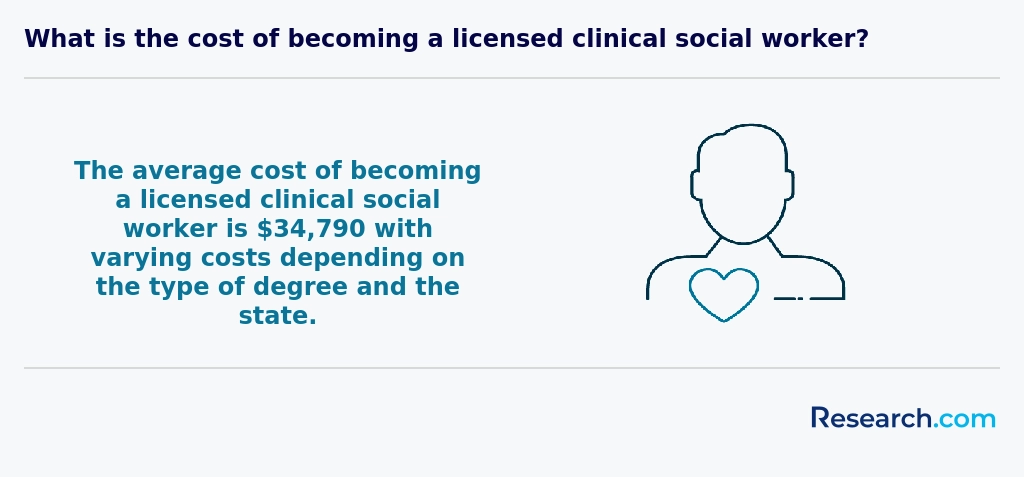
Becoming a licensed social worker in Ohio is essential for practice and professional advancement. Ohio’s Board of Social Work Examiners oversees two primary credentials: • Licensed Social Worker (LSW): – Requirements: Hold a CSWE-accredited bachelor’s degree in social work (BSW) or equivalent coursework. – Supervised Experience: Complete 3,000 hours of supervised practice under an LSW or LICSW within at least two years. – Examination: Pass the ASWB Bachelor’s level exam. • Licensed Independent Social Worker (LISW): – Requirements: Earn a Master of Social Work (MSW) from a CSWE-accredited program. – Supervised Experience: Accumulate 3,000 hours of clinical supervision over no fewer than two years under an LISW. – Examination: Pass the ASWB Clinical level exam. Key steps to streamline licensure: 1. Verify accreditation of your program; for accessible degree options, consider the best affordable online bachelor's degree in social work to fulfill BSW requirements. 2. Document supervised hours meticulously in the online licensure portal. 3. Prepare for the ASWB exam with targeted review courses and sample practice tests. 4. Complete any additional jurisprudence requirements specific to Ohio. Maintaining licensure requires 30 continuing education hours every two years, including at least 3 ethics hours. Regular renewal ensures adherence to Ohio’s professional standards and demonstrates ongoing commitment to quality practice.
What financial aid is available to social work degree students in Ohio?
If you're studying social work in Ohio, you'll find plenty of financial aid options to help ease the cost. Many grads from places like Ohio State University or Kent State swear by the FAFSA as the first step-it unlocks access to Pell Grants, which can cover up to $7,395 a year! That's a huge relief when tuition runs between $10,000 and $15,000 annually at Ohio's public universities.
State aid also plays a big role. The Ohio College Opportunity Grant supports students from low- to moderate-income families, making it easier to focus on classes instead of bills. Plus, there are scholarships like the Ohio War Orphans and National Guard Scholarships, which some social work students have used to cover books and fees.
Many social work grads note how employer tuition assistance made a real difference, especially those working at social service agencies or healthcare orgs. And don't forget work-study jobs or internships-they not only help pay the bills but also give you hands-on experience, which is priceless for a future social worker.
Licensing Requirements for Social Work Practice in Ohio
To legally practice social work in Ohio, graduates must secure state licensure through the Ohio Counselor, Social Worker, and Marriage & Family Therapist Board. Entry‐level practitioners begin by obtaining the Licensed Social Worker (LSW) credential. Eligibility requires graduation from a CSWE-accredited Bachelor of Social Work (BSW) or Master of Social Work (MSW) program, successful completion of the Association of Social Work Boards (ASWB) Bachelor’s examination, and submission of the online application with fee payment and transcripts. After earning the LSW, professionals may advance to the Licensed Independent Social Worker (LISW) designation. Candidates must hold an MSW, accrue at least two years (3,000 hours) of supervised post-master’s clinical experience, and pass the ASWB Master’s or Clinical level exam. Supervision must follow Ohio’s rules for face-to-face oversight by an LISW-S, PCC-S, or MFT-S, ensuring that new clinicians receive rigorous feedback on case conceptualization, ethical practice, and intervention techniques. Licenses in Ohio expire biennially on the licensee’s birthday and require completion of 30 continuing education units (CEUs), including three ethics hours, to renew. Social workers relocating to Ohio can apply for licensure by endorsement if in good standing elsewhere; they must document equivalent education, supervised hours, and exam scores. For students comparing program affordability and licensure pathways, it can be helpful to explore out-of-state options such as the Cheapest Social Work Degree Programs Ranking in Alabama, which may offer competitive tuition and seamless credit transfer agreements.
What are the prerequisites for enrolling in social work degree program in Ohio?
If you're aiming to start a social work degree in Ohio, it helps to know what's expected before you jump in. For a Bachelor of Social Work (BSW), most schools like Ohio State or Kent State want you to have finished high school or have a GED. They care about solid grades in English, math, and social sciences because these subjects build the critical thinking skills you'll need.
Many grads remember having to send in test scores, although some schools are now chill about this and don't require them. You'll likely write a personal statement about why social work matters to you and might even do an interview, which can feel a bit nerve-wracking but also a chance to share your passion.
For the Master of Social Work (MSW), things get a bit more serious-make sure you have a bachelor's degree first, not necessarily in social work but with courses like psychology or sociology under your belt. Popular Ohio programs also want your transcripts, a resume showing any volunteering, some recommendation letters, and a solid personal statement.
- Official transcripts showing GPA (many programs expect at least a 3.0 GPA)
- Resume or curriculum vitae outlining relevant volunteer or work experience in social services
- Letters of recommendation from academic or professional sources
- Personal statement demonstrating career goals and motivation for social work
Some programs might even ask for background checks or immunization records because you'll be working hands-on during your field placements. It might sound like a lot, but many students say that preparation made their journey smoother and helped them feel ready to dive into real-world social work in their Ohio communities.
Planning Your Social Work Education in Ohio: Choosing the Most Affordable Program
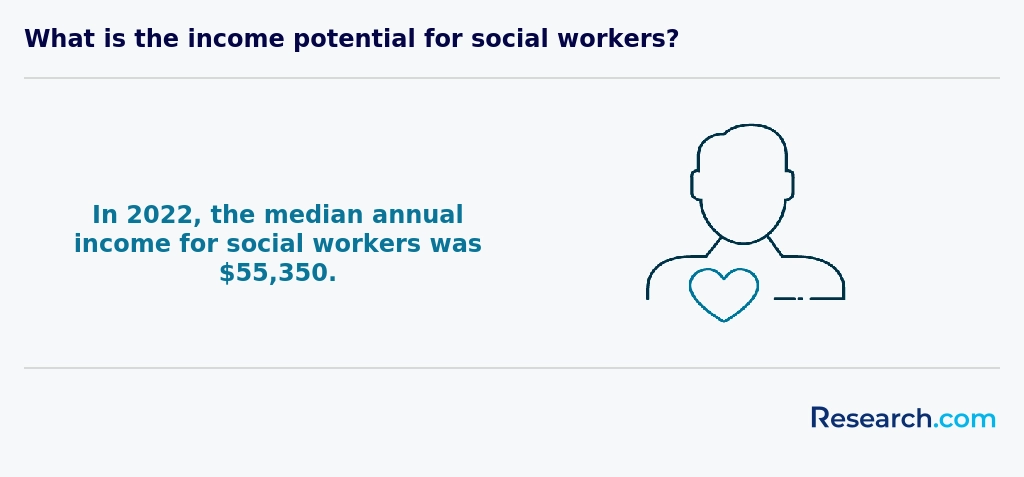
When planning your social work education in Ohio, one of the most crucial considerations is the cost of the program. Prospective students often face significant financial constraints, and navigating the array of affordable options can be overwhelming. To make an informed decision, it's essential to research and compare the costs of different programs. For instance, students can explore the most affordable social work schools in ohio, which provide a comprehensive overview of the tuition fees, financial aid options, and scholarship opportunities available. By carefully evaluating these factors, students can make a well-informed decision that aligns with their financial realities and career aspirations, ultimately empowering them to pursue a rewarding career in social work without being burdened by excessive debt.
What courses are typically in social work degree programs in Ohio?
If you're diving into a social work degree in Ohio, expect to jump right into courses that really get you thinking about people and communities. Students at popular Ohio schools like Ohio State or Kent State often mention how classes like human behavior in the social environment helped them understand why people act the way they do, not just on a personal level but within families and communities too.
Another course you'll hear about is social welfare policy and services-this one breaks down how government programs support folks in need, which totally clicked for many grads when they saw the impact in real-life case studies. You'll also get hands-on with social work practice methods; think role-playing counseling sessions or exploring crisis intervention strategies that you'll actually use in the field.
Most students say the practicum is a game changer-spending hundreds of hours in real health clinics or community centers in Ohio, like those connected to Cleveland State, really brings everything from class to life and builds mad confidence for future work.
What types of specializations are available in social work degree programs in Ohio?
If you're checking out social work degree specializations Ohio universities have plenty to offer. You'll see clinical social work popping up a lot, especially for students at big schools where grads talk about how rewarding it is to help people through therapy and counseling. Ohio requires an MSW with clinical courses to become a Licensed Independent Social Worker, so it's definitely a popular focus.
School social work is another big deal for those who want to support kids and families right inside their schools. Graduates from some of Ohio's well-known colleges often share how meaningful it feels to make a difference during tough times at school by addressing behavior and family challenges.
Healthcare social work gets a lot of attention, too, especially with Ohio's aging population. Students learn how to assist patients in hospitals or rehab centers, which many find super fulfilling. Then there's the community and mental health track that dives into social justice issues-helping the homeless or battling substance abuse in Ohio's urban and rural spots.
For anyone wanting to study flexibly, some alumni recommend exploring options like the social work phd online programs too. These specializations truly reflect the diverse ways you can make an impact in Ohio.
How do you choose the best social work degree in Ohio?
Choosing the best social work degree programs Ohio offers means looking closely at a few key things. Accreditation is a big one-graduates from Ohio State University or Kent State often talk about how their CSWE-accredited degrees gave them a leg up, especially when it came to licensing. Online options like those from the University of Cincinnati really help if you need flexibility but still want a quality program.
Cost is another factor to keep in mind. For example, public universities usually have tuition around $11,000 a year for residents, while private schools can be way higher. One grad shared how they found a perfect balance by going for the best affordable online bachelor's degree in social work, which worked great for their budget and schedule.
Finally, think about which program readies you best for Ohio's Licensed Social Worker exams and which offer strong internships. Programs connected to local agencies often give hands-on experience that really boosts confidence and job chances right after graduation.

What career paths are available for social work degree students in Ohio?
If you're diving into a social work degree in Ohio, you've got some awesome career paths ahead. Graduates from popular schools like Ohio State University or Case Western Reserve often find themselves working as child, family, and school social workers-helping kids thrive in tough situations or teaming up with schools to make a real difference. Others take the healthcare route, assisting patients in hospitals or clinics across Ohio, guiding them through tough times with genuine care.
Ohio social work degree job outlook is bright, with roles in mental health and substance abuse offering rewarding chances to support people facing serious challenges. Community social workers also shine by running programs and advocating for policies that benefit vulnerable groups. With the state's aging population, gerontological social workers are in demand, helping seniors stay safe and connected.
Many graduates talk about how hands-on learning at universities prepares them well. If you want to know more about affordable options to start your journey, check out the Cheapest Social Work Degree Programs Ranking in Alabama. It's a useful resource that some Ohio students found helpful for comparison while planning their path.
What is the job market for social work degree in Ohio?
If you're wondering about the social work job market Ohio offers, it's actually looking pretty strong. Graduates from popular colleges here often find opportunities waiting in places like hospitals, schools, and government agencies. Many social work grads share stories about landing roles in child welfare or mental health clinics soon after finishing their degrees, which feels like a real boost when starting out.
Ohio's growing demand for social workers is fueled by an aging population and increased focus on mental health - meaning there's a steady need for skilled professionals. Salaries aren't bad either, with a median around $56,000, especially for clinical social workers. Plus, studying at well-known Ohio schools makes it easier to connect with local employers.
For students concerned about cost, knowing the average tuition for a Bachelor of Social Work is about $10,000 annually at public universities is helpful. Some graduates recommend checking out options like the quickest associate's degree online to start your career path faster. Overall, Ohio social work career opportunities feel bright and welcoming for new grads ready to make a difference.
Frequently Asked Questions About social work
Social work degree students in Ohio can maximize their learning experience by engaging actively in field placements, which are a critical part of most accredited programs. The Ohio Association of Social Workers highlights that hands-on experience allows students to apply classroom theories in real-world settings, boosting practical skills.
Students should seek programs accredited by the Council on Social Work Education (CSWE), ensuring a curriculum that meets national standards and prepares them for Ohio's licensing exams. Networking through local social work organizations and attending state conferences can also enhance learning by exposing students to current issues and professional mentorship.
Additionally, taking advantage of Ohio's varied social service agencies can provide exposure to diverse populations and challenges, essential for building competent social workers.
The social work field in Ohio is evolving with several emerging niches gaining prominence. One notable area is gerontological social work, driven by Ohio's large aging population. According to the U.S. Census Bureau, over 17% of Ohioans are age 65 or older, increasing demand for specialists in elder care and support services.
Another growing niche is trauma-informed social work, addressing needs related to mental health and substance abuse. Ohio's rising opioid crisis has amplified the need for professionals skilled in addiction recovery and trauma counseling.
Additionally, medical social work is expanding as hospitals and healthcare systems integrate social workers to assist with patient discharge planning and chronic illness management. These trends are well-documented by the Ohio Department of Job and Family Services.
After completing a social work degree in Ohio, preparing for the job market involves several strategic steps. First, obtaining licensure is essential. Ohio requires social workers to pass the Association of Social Work Boards (ASWB) exam for Licensed Social Worker (LSW) or Licensed Independent Social Worker (LISW) credentials, depending on career goals.
Gaining practical experience through internships or supervised clinical hours is critical. Ohio law mandates 3,000 supervised hours for LISW licensure, ensuring readiness for advanced practice.
Networking is important-joining organizations like the Ohio Chapter of the National Association of Social Workers (NASW Ohio) can provide valuable job leads and professional development.
Additionally, Ohio's social work employment is projected to grow by 12% from 2020 to 2030, faster than average, according to the U.S. Bureau of Labor Statistics. This growth indicates strong job prospects for qualified candidates.
Employers in Ohio seek social work graduates with strong communication skills to effectively interact with diverse populations. According to the Ohio Department of Job and Family Services, active listening and empathy are essential for building trust with clients. Analytical skills are important, as social workers must assess needs and develop appropriate intervention plans.
Graduates are also expected to demonstrate ethical decision-making, adhering to the National Association of Social Workers (NASW) Code of Ethics. Ohio employers value cultural competence, given the state's varied communities. Additionally, proficiency in case management software is increasingly requested, reflecting the digitalization of social services across Ohio agencies.
Finding internships in Ohio relevant to a social work degree involves several strategic steps. Most accredited social work programs in Ohio require field education, which includes internships coordinated by the school's placement office. Students should start by contacting their university's social work department for guidance on established partnerships with local agencies.
Additional resources include the Ohio Department of Job and Family Services, which often posts internship opportunities within child welfare and community services. Ohio's robust network of hospitals, nonprofit organizations, and government agencies also offer internships that provide practical experience.
According to the Council on Social Work Education (CSWE), over 1,500 social work students in Ohio complete internships annually, highlighting the importance of early planning. Networking at local social work conferences and joining the Ohio chapter of the National Association of Social Workers (NASW) can also open doors to internship placements.
Earning a social work degree in Ohio significantly enhances career mobility and advancement opportunities within the state's growing social service sector. According to the Bureau of Labor Statistics, Ohio expects a 10% growth in social work jobs from 2022 to 2032, which is faster than the national average. A degree, especially a Bachelor or Master of Social Work, is often required for licensed positions, allowing graduates to qualify for roles such as clinical social workers, case managers, or healthcare social workers.
Licensure through the Ohio Counselor, Social Worker, and Marriage & Family Therapist Board depends on holding a degree from a Council on Social Work Education (CSWE) accredited program. Advanced degrees can open doors to supervisory and specialized roles, increasing earning potential and professional responsibility. Employers in Ohio's public and private sectors highly value the credentials and training gained through accredited social work degrees, boosting graduates' career prospects.
Studying for a social work degree in Ohio equips students with skills to collaborate effectively across various professional fields. Programs emphasize interdisciplinary approaches by integrating courses in psychology, public health, criminal justice, and education. This prepares graduates to work alongside healthcare providers, educators, and law enforcement.
Ohio's universities align their curricula with standards set by the Council on Social Work Education (CSWE), ensuring students gain competencies in teamwork and problem-solving within diverse systems.
Field placements, which are required in Ohio social work programs, often involve settings such as hospitals, schools, and community agencies, enhancing practical interdisciplinary experience.
According to the Ohio Department of Higher Education, graduates frequently enter roles requiring coordination across health and human services, confirming the value of this preparation.
Choosing between a thesis and a non-thesis social work degree program in Ohio depends on your career goals and learning preferences. Thesis programs focus on research, preparing students for doctoral studies or roles requiring strong analytical skills. Non-thesis options emphasize practical experience through internships or fieldwork, which suits those aiming for direct social work practice.
Ohio universities typically offer both paths in their Master of Social Work (MSW) programs. According to the Ohio Board of Regents, the demand for licensed social workers grew by 8% from 2018 to 2023, highlighting the importance of practical skills.
Consider faculty expertise, program length, and field placement opportunities when making your choice.
Students in Ohio interested in studying social work abroad have several pathways through their home institutions' exchange programs. Many Ohio universities with accredited social work programs, such as Ohio State University and University of Cincinnati, offer partnerships with universities overseas. These programs allow students to take courses or complete field placements in countries like the United Kingdom, Australia, or Germany. According to the Council on Social Work Education, approximately 20% of Bachelor of Social Work students nationally participate in study abroad or international internships, providing valuable global perspectives.
Ohio's higher education institutions often assist students in navigating credit transfers aligned with the Council on Social Work Education's accreditation standards. Additionally, some programs offer summer or semester-long abroad options specifically tailored for social work majors. These international experiences can enhance cultural competence, a key skill emphasized by the National Association of Social Workers, which is critical for practice in increasingly diverse communities across Ohio and beyond.
Part-time job opportunities in Ohio that complement social work degree education include roles in nonprofit organizations, community outreach programs, and healthcare facilities. Positions such as case management aides or behavioral health assistants offer hands-on experience interacting with vulnerable populations, enhancing practical skills.
Ohio's Department of Job and Family Services often hires part-time workers to support child welfare and family assistance services, providing valuable exposure to state social work systems. Additionally, many social service agencies in urban areas like Cleveland and Columbus frequently seek volunteers or part-time staff for client support roles.
According to the Ohio Job Outlook, social work fields expect steady growth, making part-time roles an important step for experience and networking.
Social work students in Ohio benefit from several strong networking opportunities that can boost their careers. Many universities with social work programs, such as Ohio State University and University of Cincinnati, host events connecting students with alumni and local professionals. The Ohio chapter of the National Association of Social Workers (NASW-Ohio) provides students access to statewide conferences, workshops, and special interest groups, fostering valuable professional relationships. Internships and field placements, often required by accredited programs, also allow direct networking with agencies across the state. According to NASW-Ohio, these connections significantly enhance job prospects within Ohio's social services sector.
Alumni networks play a crucial role for social work degree students in Ohio by providing valuable professional connections. These networks often include graduates working in the state's diverse social service agencies, offering current students mentorship and guidance. According to the Ohio Council on Social Work Education, many programs report alumni involvement increases internship opportunities by up to 30%.
Such connections also support job placement after graduation, especially in competitive metropolitan areas like Columbus and Cleveland. Networking events and online platforms maintained by universities help students stay informed about openings and best practices in Ohio's social work community. This ongoing relationship enhances both educational and career development pathways for students.
To customize your social work degree program in Ohio, start by choosing a specialized focus area. Many Ohio schools offer concentrations such as clinical social work, child welfare, or healthcare social work. This helps align your education with specific career paths.
Consider programs accredited by the Council on Social Work Education (CSWE) to ensure quality curriculum recognized by employers. Ohio's Bachelor of Social Work (BSW) and Master of Social Work (MSW) programs often include elective courses that allow tailoring studies to interests like policy advocacy or mental health.
Field placements are another personalization tool. Ohio universities typically collaborate with local agencies, enabling students to gain hands-on experience relevant to their desired sector.
Social work students in Ohio commonly face challenges related to balancing rigorous academic coursework with extensive field practicum requirements. Practical experience is essential, but many students report difficulty securing placements that align with their career goals, especially as agencies often have limited capacity.
Financial strain is another issue; Ohio's social work programs, while comparatively affordable, still require significant investment. According to the National Association of Social Workers (NASW) Ohio Chapter, students frequently rely on scholarships or part-time jobs to cover tuition and living expenses.
Mental health challenges also affect many students, as social work training exposes them to emotionally taxing subjects such as trauma and poverty.
With a social work degree in Ohio, you can pursue various professional certifications that enhance career opportunities and credibility. The most recognized credential is the Licensed Social Worker (LSW), which requires passing the Association of Social Work Boards (ASWB) bachelor's-level exam. This license permits you to practice under supervision and is often a stepping stone for advanced certifications.
After obtaining LSW, many seek the Licensed Independent Social Worker (LISW) credential. LISW qualifies you for clinical practice and private supervision roles. Ohio also offers the Licensed Advanced Independent Social Worker (LISW-S) for those focusing on clinical specialties.
These certifications are governed by the Ohio Counselor, Social Worker, and Marriage and Family Therapist Board, ensuring consistent standards statewide. According to the board's latest reports, over 12,000 social work licenses are active in Ohio, reflecting a robust professional community.
Writing a winning application for a social work program in Ohio starts with thorough research of the schools and their specific requirements. Ohio has over 20 accredited social work programs, including well-known options like Ohio State University and Cleveland State University, both offering Bachelor's and Master's degrees approved by the Council on Social Work Education (CSWE).
Applicants should highlight relevant experiences, such as volunteering or employment in social services, demonstrating commitment to community impact. Ohio's employers value practical experience alongside academic success.
Strong personal statements are crucial; focus on your motivation for social work and understanding of community needs in Ohio, backed by examples. Including any experience working with Ohio's diverse populations may strengthen your case.
Additionally, maintain a competitive GPA-many programs require at least a 3.0-and prepare for any required standardized tests or interviews.
Social work careers are increasingly viewed through a global lens, reflecting the growing need for culturally competent professionals. In the United States, including Ohio, social workers often engage with diverse populations and global issues like migration and human rights. The National Association of Social Workers (NASW) highlights that Ohio's workforce is part of a broader international community addressing social justice worldwide.
According to the U.S. Bureau of Labor Statistics, Ohio employs over 9,000 social workers, many of whom contribute to programs with global relevance, such as refugee resettlement. Educational programs emphasize global perspectives, preparing students to understand international policies and frameworks from organizations like the United Nations.
This global awareness enriches social work education in Ohio, enabling graduates to apply universal best practices alongside local knowledge.
Gaining practical experience while studying for a social work degree in Ohio is essential for career readiness. Most accredited programs require field placements or internships, which typically last between 400 and 600 hours. These internships are often completed at local agencies, hospitals, schools, or community organizations, providing real-world exposure.
The Ohio Department of Higher Education and the Council on Social Work Education (CSWE) set clear standards for these practical experiences. Additionally, many Ohio universities partner with entities like the Ohio Association of Social Workers to facilitate placements.
Students can also seek volunteer opportunities or part-time roles in related organizations to complement their fieldwork. These experiences enhance skills and networking within Ohio's social services sector.
Choosing the right concentration within a social work degree program in Ohio involves evaluating your career goals and the state's demand for social work specialties. Ohio's workforce data from the Bureau of Labor Statistics highlights strong growth in health care, child welfare, and mental health services. Concentrations like clinical social work or school social work align with these areas.
Consider the coursework and fieldwork opportunities each concentration offers. Ohio universities often collaborate with local agencies, providing practical experience essential for licensure requirements.
Research state licensing boards to ensure your concentration meets Ohio's clinical or macro social work standards. This helps in planning your professional path effectively.
Related Social Work Rankings for Nearby States
- 2027 Best Social Work Degree Programs Ranking in Indiana
- 2027 Best Social Work Degree Programs Ranking in Kentucky
- 2027 Best Social Work Degree Programs Ranking in Illinois
- 2027 Best Social Work Degree Programs Ranking in Missouri
- 2027 Best Social Work Degree Programs Ranking in Maryland
- 2027 Best Social Work Degree Programs Ranking in South Carolina
- 2027 Best Social Work Degree Programs Ranking in Georgia
- 2027 Best Social Work Degree Programs Ranking in Alabama
- 2027 Best Social Work Degree Programs Ranking in Arkansas
- 2027 Best Social Work Degree Programs Ranking in Iowa
Top Trending Social Work Rankings
See What Experts Have To Say About Studying Social Work
Read our interview with Social Work experts

References
- The Power of Finding Your Niche as a Social Worker https://www.credentialedapparel.com/blogs/news/the-power-of-finding-your-niche-as-a-social-worker
- Top Skills Employers Look for in Qualified Social Workers Today - Vitalis https://www.vitalissocialcare.co.uk/career-development/top-skills-employers-look-for-in-social-workers-today/
- Social Work Education: Interdisciplinary teams a growing area of training https://www.socialworkblog.org/featured-articles/2018/04/social-work-education-interdisciplinary-teams-a-growing-area-of-training/
- 5 Career Planning Steps for Success in Social Work https://www.twrecruitment.com.au/blog/2026/02/5-career-planning-steps-for-success-in-social-work
- How to Overcome the Top Challenges Social Workers Face https://www.pacificoaks.edu/voices/social-work/social-work-challenges/
- Career stages | BASW https://basw.co.uk/careers/career-stages
- How To Become A Social Worker | Psychology.org https://www.psychology.org/social-work/how-to-become/
- Social Work https://www.capital.edu/academics/social-work/
- Guide to Careers in Social Work https://www.onlinemswprograms.com/careers/
- MSW Programs in Ohio https://socialworklicensemap.com/social-work-degrees/master-of-social-work-programs/msw-programs-ohio/


