
2027 Most Affordable Social Work Degree Programs Ranking in the Midwest

Co-Founder and Chief Data Scientist
Choosing the right social work degree program in the Midwest can be overwhelming, but it doesn't have to be. This article introduces the 2027 Most Affordable Social Work Degree Programs Ranking in the Midwest, created by the Research.com team of data scientists to help you find quality programs that fit your budget.
By exploring this ranking, you'll gain valuable insights to make an informed decision about your education path. Earning a social work degree opens doors to rewarding careers that make a difference in communities. This guide supports your journey toward a meaningful future.
Key benefits of getting social work degree in the Midwest
- Social work degree graduates in the Midwest can expect competitive salaries, with roles like Social Worker earning a mean annual wage of $68,800 and Community Organizers making about $83,400 annually, offering financial stability.
- Career paths for social work graduates often include positions such as Child Welfare Specialist or Residential Counselor, demonstrating diverse opportunities to make a real difference in communities across the region.
- Online social work degrees from Midwest universities provide flexibility, allowing students to balance work and study while gaining the same respected credentials as traditional programs, opening doors without relocating.
- Key benefits of getting social work degree in the Midwest
- What can I expect from social work degree in the Midwest?
- Where can I work with social work degree in the Midwest?
- How much can I make with social work degree in the Midwest?
- 2027 Most Affordable Social Work Degree Programs Ranking in the Midwest
- Key Findings
- How long does it take to complete social work degree in the Midwest?
- How to Apply to Social Work Degree Programs in the Midwest
- What's the difference between online and on-campus social work degree?
- Alternative Formats for Social Work Degrees
- What is the average cost of social work degree in the Midwest?
- Licensure and Certification Requirements
- What financial aid is available to social work degree students in the Midwest?
- Return on Investment of Social Work Degrees in the Midwest
- What are the prerequisites for enrolling in social work degree program in the Midwest?
- Tips for Success in Your Social Work Program
- What courses are typically in social work degree programs in the Midwest?
- What types of specializations are available in social work degree programs in the Midwest?
- How do you choose the best social work degree in the Midwest?
- What career paths are available for social work degree students in the Midwest?
- What is the job market for social work degree in the Midwest?
- Top Trending Social Work Rankings
- See What Experts Have To Say About Studying Social Work
What can I expect from social work degree in the Midwest?
The average cost of earning a social work degree in the Midwest often surprises those expecting coastal prices. Graduates from well-regarded programs at universities like the University of Michigan or Ohio State University frequently share how their tuition and living expenses were manageable, allowing them to focus deeply on their studies rather than financial strain. Many find that the lower cost of living typical of Midwestern cities significantly offsets tuition fees, meaning their hard work in classes and field placements doesn't come at the price of overwhelming debt.
One graduate recalls balancing coursework with fieldwork at a local community center without the anxiety of spiraling expenses common elsewhere. This affordability fosters a more positive, focused learning environment where students can engage meaningfully with complex social challenges unique to the region, such as rural poverty or urban addiction. It's not just about money saved-it's about gaining a degree amidst supportive communities and realistic financial expectations that encourage perseverance and long-term career commitment.
While exact tuition varies by institution, many students in the Midwest graduate paying notably less than peers in other parts of the country, within a range that reflects a median annual wage of $50,000 to $60,000 for social workers locally. This balance between education cost and future earnings enhances their confidence about investing in social work as a lifelong vocation.
Where can I work with social work degree in the Midwest?
Graduates from social work programs at institutions like the University of Chicago or Michigan State University quickly discover the Midwest is far more than a backdrop-it's a dynamic landscape of opportunity. Far from limiting themselves to traditional paths, many find themselves in bustling hospitals in Chicago or Indianapolis, navigating mental health cases that demand both compassion and resilience. Others step into school districts across Ohio or Michigan, where their work with students facing trauma sparks positive change and renewed hope.
Consider those who embrace child welfare roles within county agencies in Wisconsin or Minnesota, confronting challenges that transform families and communities. Social work graduates also thrive in local nonprofits tackling homelessness or substance abuse-real places where their efforts mean lives touched, often deeply and personally. The rising demand for Licensed Clinical Social Workers adds another dimension, allowing practitioners in the Midwest to establish private practices that blend professional independence with tangible mental health impact.
These career paths are not mere jobs; they are conduits for meaningful human connection, shaped by the uniquely varied social fabric of the Midwest.
How much can I make with social work degree in the Midwest?
Graduates with a social work degree from respected Midwest institutions like the University of Chicago or the University of Michigan often find themselves stepping into roles with meaningful, yet varied earnings. For instance, child welfare specialists typically earn around $59,190 annually, a figure that challenges the stereotype of social work as low-paying. Community organizers and youth workers, vital to shaping local policy and supporting young people, have even higher mean wages-about $83,400-highlighting opportunities beyond traditional clinical roles.
A recent graduate placing their passion into practice as a residential counselor can expect an average yearly salary near $59,190, underscoring the diversity within social work careers. Social workers more broadly earn around $68,800, reflecting both the emotional rewards and financial realities of this profession across the Midwest.
These numbers remind prospective students that social work in the Midwest isn't just impactful; it can be economically viable, especially in metropolitan hubs where specialized skills and licenses can push earnings even higher. This reality invites you to envision not only the difference you can make but also the sustainable lifestyle possible after graduation.
2027 Most Affordable Social Work Degree Programs Ranking in the Midwest
How do we rank schools?
Investing in your education is a significant decision that can greatly impact your future, and the Research.com team recognizes the importance of providing trustworthy information to guide that choice. To support students exploring social work degree programs in the Midwest, we have carefully developed the "2027 Most Affordable Social Work Degree Programs Ranking in the Midwest." Our dedication to quality, credibility, and accuracy is demonstrated through thorough research and stringent data analysis.
We utilized the following reputable data sources to ensure a comprehensive evaluation of social work programs:
By reviewing this ranking, readers will obtain valuable insights into affordable social work degree options in the Midwest, empowering them to make informed and confident educational decisions. For a detailed explanation of our ranking process, please visit our Research.com methodology page.


# 5 position
Oglala Lakota College
Bachelor of Science in Social Work


# 10 position
Capella University
Doctor of Social Work


# 15 position
Ohio University-Zanesville Campus
Bachelor of Social Work


# 17 position
Ohio University-Southern Campus
Bachelor of Science in Social Work

# 18 position
Ohio University-Eastern Campus
Bachelor of Social Work

# 19 position
Ohio University-Lancaster Campus
Bachelor of Social Work


Key Findings
- Tuition for social work programs in Midwest public universities ranges from $8,000 to $15,000 per year for in-state students, while private schools charge between $20,000 and $35,000 annually.
- Bachelor of Social Work (BSW) and Master of Social Work (MSW) degrees are common, with the MSW required for clinical roles and programs accredited by the Council on Social Work Education (CSWE).
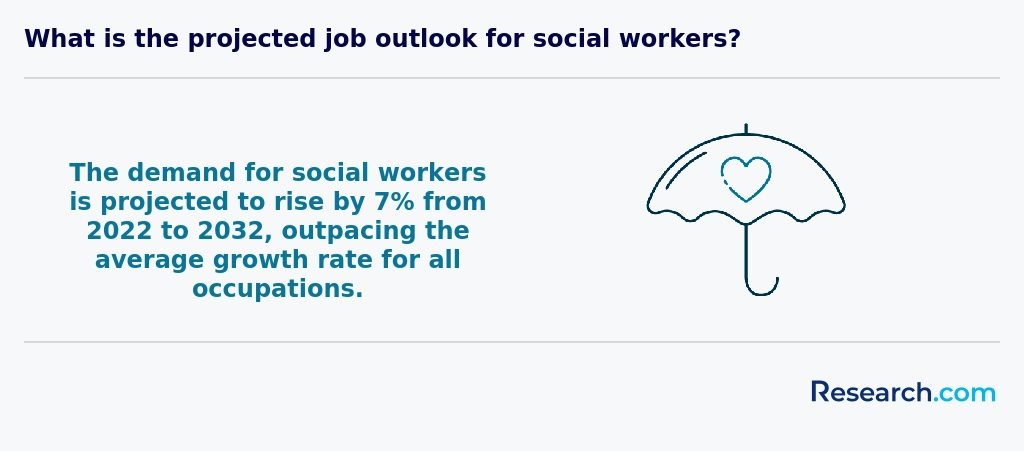
- Social work job growth in the Midwest is expected to increase by 7% to 12% from 2022 to 2032, driven by healthcare and mental health service needs.
- Entry-level social workers earn between $40,000 and $50,000 annually, with experienced MSW holders making $60,000 to $70,000, especially in cities like Chicago and Minneapolis.
- Licensure typically requires graduating from an accredited program, passing exams, and completing supervised hours, with credentials like Licensed Social Worker (LSW) and Licensed Clinical Social Worker (LCSW) common in the Midwest.
How long does it take to complete social work degree in the Midwest?
Completing a social work degree in the Midwest often challenges students to rethink their expectations about time and growth. At institutions like the University of Illinois or Ohio State, full-time Bachelor of Social Work students typically invest four years, a period filled with rigorous coursework and meaningful field placements that feel both demanding and rewarding. Graduates often describe their time as transformative, fueled by the balance between academic theory and hands-on experience in local communities.
For Master of Social Work seekers, the journey can be as quick as one intense year or extend to two years of full-time study. Some accelerated MSW tracks push students to their limits but reward them with a swift transition into professional social work. Part-time students, juggling jobs and family, stretch their studies across three to six years, often reflecting on the resilience and support they gained along the way.
This timeline isn't just about hours spent in class; it's about building the empathy and skills needed to make a real impact. Midwest programs, whether at the University of Minnesota or other schools, also integrate 900-1,200 hours of supervised practice, anchoring education in real lives and communities, making every moment count beyond mere completion dates.
How to Apply to Social Work Degree Programs in the Midwest
Preparing a strong application for Social Work degree programs in the Midwest involves understanding key deadlines, required materials, and strategic tips to stand out: • Application Deadlines and Timelines – Fall admission: typical deadlines range from November 1 to January 15. – Spring admission: deadlines often fall between August 1 and October 15. – Check each university’s graduate admissions portal for exact dates and rolling admissions windows. • Required Materials – Official transcripts from all post-secondary institutions. – A compelling statement of purpose outlining your passion for social justice and community impact. – Two to three academic or professional letters of recommendation that attest to your interpersonal skills and leadership potential. – Updated resume or CV highlighting relevant volunteer work, internships, and research experience. – GRE scores (if required) or evidence of academic readiness for MSW or BSW coursework. • Application Tips – Tailor your statement of purpose to reflect specific Midwest community needs-mention urban challenges in Chicago or rural outreach in Iowa to demonstrate fit. – Showcase hands-on experiences: internships at local nonprofits, church outreach programs, or policy advocacy projects strengthen your profile. – Request recommendations early and provide recommenders with a clear summary of your goals and achievements. – Proofread meticulously and have a mentor or peer review your essays for clarity and impact. • After Admission: Next Steps – Upon acceptance, attend virtual or in-person orientation sessions to connect with faculty advisors and cohort peers. – Plan your course load: balance foundational courses like “Human Behavior and the Social Environment” with field practicum placements. – Explore funding options-many programs offer graduate assistantships or stipends tied to research projects. For students aiming to extend their credentials beyond an MSW, consider pursuing a low-cost doctorate in social work online to open doors to leadership, policy development, and academic careers.
What's the difference between online and on-campus social work degree?
The difference between online and on-campus social work degrees in the Midwest goes beyond where you sit to attend class. Graduates from universities like the University of Michigan or the University of Iowa often recall how on-campus life immersed them in spontaneous hallway conversations and real-time networking with professors and peers-moments that sparked insights impossible to replicate online. In contrast, students from Midwestern online programs praise the freedom to balance family or jobs while pursuing their Bachelor or Master of Social Work without relocating or commuting.
Both paths demand supervised field placements, yet the experience diverges: on-campus students frequently tap into university-established partnerships for internships, while online learners navigate fieldwork in their own communities, offering a deeply personal connection to local social issues. Tuition for on-campus programs typically ranges from $8,000 to $15,000 annually for in-state students, while online options may offer comparable or sometimes more affordable pricing, especially for those outside the state. The question isn't just convenience versus tradition-it's how each pathway shapes your journey into social work's demanding yet rewarding world.
Alternative Formats for Social Work Degrees
For students who are looking for flexibility in their educational pursuits, online and part-time social work degree programs are viable options. These alternative formats cater to individuals who may have work or family commitments, allowing them to balance their responsibilities while pursuing their passion for social work. When considering these options, it's essential to weigh the benefits of flexibility against the potential drawbacks, such as reduced face-to-face interaction with instructors and peers. However, many institutions, such as those offering the fastest online social work degree in Missouri, have implemented innovative strategies to foster a sense of community and connection among online students. By leveraging technology and creative program design, these institutions provide students with a comprehensive and engaging educational experience that prepares them for successful careers in social work.
What is the average cost of social work degree in the Midwest?
The average cost of a social work degree in the Midwest can be surprisingly manageable for those who carefully consider their options. Graduates from well-regarded Midwest institutions like the University of Illinois or Ohio State University often reflect on the financial balance they struck by attending a public university as in-state students, where the median total cost of completing their degree hovered around $14,988. This figure starkly contrasts with the much steeper $41,234 that out-of-state students might face, making residency status a critical factor in budgeting for a social work education.
Many aspiring social workers searching for an affordable social work degree tuition Midwest find themselves weighing private colleges that charge between $25,000 and $38,000 annually against public alternatives. These price differences reflect not only the institution's reputation but also the resources and networking opportunities available to students, which can be vital for launching a social work career. Yet, the investment often feels justified when graduates recall hands-on field placements and the invaluable mentorship they received in these programs.
Those pursuing a Master of Social Work often encounter a broader cost range, with total program expenses reaching beyond $30,000, especially for out-of-state or private university students. Beyond tuition, additional expenditures such as books, supplies, and licensure fees can add up to $4,000 annually, underscoring the importance of considering the full picture rather than just sticker price. For students seeking more flexible pathways, options like the fastest online social work degree in Missouri can offer significant time and cost savings while delivering quality education tailored to their life circumstances.

Licensure and Certification Requirements
Graduates in the Midwest must secure state licensure to practice social work independently.
- Earn a CSWE-accredited BSW or MSW degree. If you don’t hold a BSW, explore 1 year msw programs online no bsw to meet requirements efficiently.
- Complete supervised clinical hours (typically 2,000–4,000) under a licensed supervisor.
- Pass the appropriate ASWB exam (Associate, Master’s or Clinical level) for your target credential.
- Submit your application to the state board, including official transcripts, exam scores and licensure fees.
- Maintain licensure through continuing education (usually 20–30 hours per renewal cycle) to stay current with best practices.
What financial aid is available to social work degree students in the Midwest?
Financial aid for social work degrees in the Midwest often feels like a maze, yet it unlocks real possibilities. Graduates from institutions like the University of Minnesota recall the relief of Pell Grants, which can cover up to $7,395 annually and don't need repayment, radically easing their financial stress. Others at Indiana University highlight how combining Federal Direct Loans with state-specific awards-such as Illinois's MAP Grant averaging $4,000-helped bridge the gap between aspiration and affordability.
These forms of aid are more than numbers-they represent freedom to focus on demanding coursework and community work. One graduate described the confidence gained from targeted scholarships offered by Midwest universities, which reward academic merit and dedication to underserved populations with several thousand dollars each year.
Loan forgiveness programs, like the Public Service Loan Forgiveness (PSLF), resonate deeply with those driven by social justice, promising debt relief after a decade of public service. This transforms long-term commitment to social work careers into tangible, sustained hope, not just an ideal.
For many balancing work and study, employer tuition assistance emerges as a practical lifeline, empowering them to advance without sacrificing stability. Together, these supports form a network making social work degrees in the Midwest not just attainable, but deeply worthwhile.
Return on Investment of Social Work Degrees in the Midwest
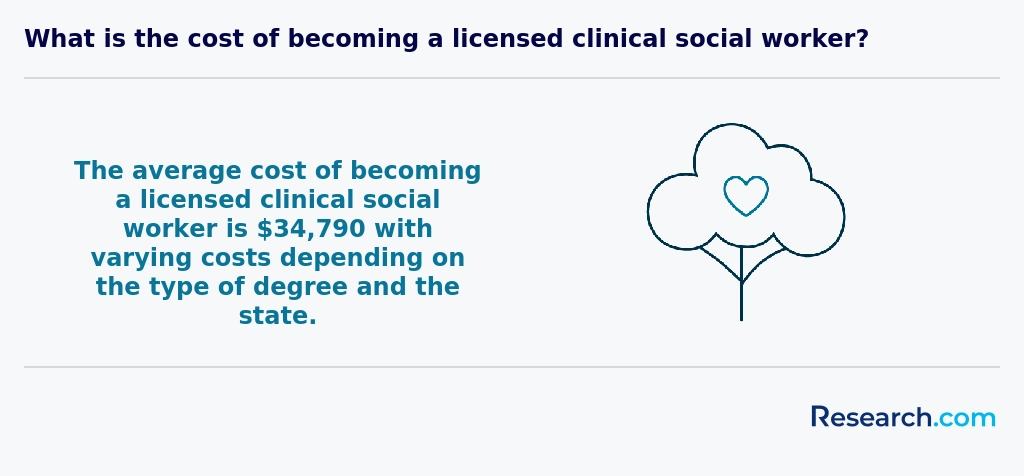
Pursuing a social work degree in the Midwest demands careful consideration of long-term value, balancing tuition costs, living expenses, and post-graduation earnings. On average, graduates incur $34,790 in program-related debt but report starting salaries near $50,000–$60,000, leading to a typical debt-to-earnings ratio of 0.6–0.7 within five years. Public in-state programs often yield the strongest ROI, with institutions like the University of Illinois offering in-state tuition under $12,000 annually and median graduate salaries above $62,000, resulting in payback periods of under seven years. Key factors improving ROI:
- Accelerated MSW tracks reduce total credits and living expenses.
- Employer-sponsored tuition assistance and loan forgiveness programs for public service can cut debt by up to 50%.
- Campus-based community partnerships enhance field placement opportunities, increasing job offers and starting salaries. For prospective students comparing regional costs, it’s useful to explore options beyond the Midwest as well. For instance, review our Inexpensive Social Work Degree Programs Ranking in Philadelphia, PA to see how program affordability and post-grad outcomes align in different markets. By analyzing tuition fees alongside graduate salary data and funding opportunities, learners can select programs that maximize both their impact on communities and their financial security.
What are the prerequisites for enrolling in social work degree program in the Midwest?
Meeting the prerequisites for social work degrees in the Midwest is more than a checklist-it's an invitation to reflect on your readiness to serve others. Graduates from respected institutions like the University of Michigan or the University of Illinois often recall how their 2.5+ GPA and SAT or ACT scores were just the starting point. These academic measures, combined with personal statements, allow admissions committees to glimpse your passion beyond the numbers.
For those pursuing the MSW, the path demands deeper commitment. Graduates frequently mention how completing essential courses like statistics and psychology changed their perspective, while logging 200+ volunteer hours immersed them in real-world challenges. This hands-on experience, common at places such as Ohio State University, sharpens empathy and resilience-qualities no test score can capture.
- Official transcripts from previous educational institutions
- A minimum GPA, often 3.0 or higher for MSW applicants
- Letters of recommendation, usually from academic or professional references
- Statement of purpose or personal essay
- Background checks and immunization records may be requested due to field placement requirements
These demanding prerequisites feel less like barriers and more like gateways, ensuring every student entering Midwest social work programs truly embodies the spirit to advocate and uplift communities.
Tips for Success in Your Social Work Program
Embarking on a social work degree journey can be both exciting and challenging. To help you thrive, consider these proven strategies for success: First, build a structured study routine that aligns with your coursework and field placements. Regularly seek feedback from professors and peers to refine your skills and gain diverse perspectives on complex social issues. Next, leverage networking opportunities by joining professional associations and engaging in local community initiatives, as these connections often open doors to internships and future job prospects. Additionally, explore innovative online resources and tools-such as reviews of the most affordable msw programs-to enhance your understanding of the evolving landscape of social work education. Finally, balance academic responsibilities with self-care practices, ensuring that your passion for social justice is supported by a healthy mind and body. These success tips not only optimize your learning experience but also prepare you for a fulfilling career dedicated to positive community impact.
What courses are typically in social work degree programs in the Midwest?
Midwest social work degree programs challenge you to engage deeply with both theory and practice, starting with core courses like Introduction to Social Work and Social Welfare, which roots students in the realities of social challenges unique to Midwestern communities. Graduates from universities such as the University of Michigan and the University of Illinois often recall how courses like Human Behavior in the Social Environment helped them see clients not just as cases, but as complex individuals shaped by history and context.
Social Policy Analysis courses push students to question existing systems, encouraging critical thinking about welfare policies that impact families in Chicago, Detroit, or smaller rural towns. In classrooms and field practicums, students learn firsthand how social work practice intersects with real lives, whether supporting families facing economic hardships or individuals recovering from substance abuse.
Advanced electives in clinical social work or community organizing reflect the diverse career paths students envision. The practical Field Practicum, emphasized across Midwest programs, allows students to transform academic lessons into confident action during supervised internships.
What types of specializations are available in social work degree programs in the Midwest?
Midwest social work degree specializations challenge you to think beyond typical clinical roles, extending into dynamic fields shaped by the region's unique social landscape. Graduates from popular universities frequently emphasize Clinical Social Work, where they engage deeply with mental health counseling in community settings facing rising substance abuse issues. Others find their passion in Child and Family Social Work, addressing delicate situations like foster care and family trauma right in their hometowns. School Social Work graduates describe rewarding days collaborating with educators to support students facing emotional and academic struggles.
Healthcare and Gerontological Social Work specializations reflect the Midwest's growing elderly population and regional healthcare demands, experiences that students witness firsthand during field placements. Community Organization and Policy students actively craft advocacy projects that impact local social justice, often feeling a profound connection to neighborhood transformation. These distinct pathways within social work career paths in the midwest inspire many to explore how they can make tangible, meaningful changes.
For those considering affordability alongside specialization, explore the most affordable msw programs that still offer robust, practical experiences tailored to the Midwest context.
How do you choose the best social work degree in the Midwest?
Choosing the best social work degree in the Midwest means looking beyond surface factors like tuition or location. Graduates from the University of Wisconsin often share how program flexibility-offering hybrid and online MSW options-allowed them to balance work and study, a critical element many overlook. Instead of just chasing the cheapest options, consider affordability alongside accreditation and real-world experience. For example, Ohio State University's strong community partnerships provide field placements that deeply shape students' confidence and skills, making a true difference during job searches.
Many students at popular Midwest colleges find that programs with solid CSWE accreditation not only ease licensure but also reflect a commitment to quality education. Regional factors matter: urban and rural internship opportunities offer contrasting but equally valuable perspectives. If cost is a major concern, explore financial support cautiously to avoid surprises. For those seeking a pathway without breaking the bank, some pursue a low-cost doctorate in social work online, balancing advancement with budget.
Tapping into alumni outcomes-licensure pass rates and employment stats from Illinois or Minnesota boards-helps sharpen your choice. Remember, the best social work programs in the Midwest are those that empower you through practical experience, accredited credentials, and personal growth, not just a diploma.
What career paths are available for social work degree students in the Midwest?
Graduates pursuing social work careers in the Midwest often find themselves stepping into roles that deeply influence community well-being and individual lives. Whether entering clinical social work to provide therapy in a hospital or becoming a school social worker supporting students' emotional needs, the impact is immediate and personal. Graduates from universities like the University of Michigan recount the rewarding challenge of linking families with resources that stabilize children's environments, illustrating how Midwest social work job opportunities extend beyond traditional boundaries.
In this region, social work transcends paperwork-it connects with real-world struggles, from healthcare navigation to managing substance abuse in urban neighborhoods. Graduates frequently share stories of helping patients in hospitals or organizing community programs in Illinois and Ohio, where social service infrastructures thrive. Those invested in affordable education often explore options like the Inexpensive Social Work Degree Programs Ranking in Philadelphia, PA. Such pathways power their drive to make meaningful change, proving that a Midwest social work degree is a gateway to diverse, impactful career paths.
What is the job market for social work degree in the Midwest?
The social work job opportunities Midwest graduates encounter reflect a dynamic landscape where meaningful impact meets steady demand. Graduates from well-regarded institutions like the University of Michigan and the University of Illinois often recount their transition into roles in hospitals or government agencies eager to fill clinical social worker positions. These roles tap into growing needs in mental health and child welfare, allowing social workers to build fulfilling careers intertwined with community betterment.
Despite salaries averaging between $50,000 and $65,000, many recent graduates emphasize the value of benefits like loan forgiveness programs, especially in rural areas where they can serve underserved populations. The Midwest's reasonable tuition costs at public universities make pursuing a social work degree accessible, encouraging students to weigh practical investment against lifelong career purpose.
Those exploring a Midwest social work career outlook also consider licensing hurdles, yet they find these challenges manageable with strong university support. Many reflect on their programs, such as those found in Minnesota or Ohio, for providing clear guidance on meeting licensure requirements. For students seeking flexible pathways, best accelerated bachelor's degree programs offer a compelling option to expedite entry into the field.
Frequently Asked Questions About social work
Social work degree students in the Midwest can enhance their education by actively engaging in field placements, which are federally required components of accredited programs. These placements provide real-world experience in diverse settings such as schools, hospitals, and community centers. According to the Council on Social Work Education (CSWE), over 85% of Midwest social work programs emphasize hands-on internships.
Students should also take advantage of regional professional organizations like the Midwest Chapter of the National Association of Social Workers (NASW), which offers networking and continuing education opportunities. Additionally, pursuing dual degrees or certificates in areas like mental health or public administration can broaden career options.
Finally, leveraging campus resources, including academic advising and research opportunities related to Midwest populations, supports academic and professional growth.
Emerging niches within the social work field in the Midwest reflect broader national trends shaped by evolving community needs. One growing area is geriatric social work, as the Midwest's aging population increases demand for professionals specializing in elder care and support. According to the U.S. Census Bureau, states like Illinois and Michigan have seen a rise in residents aged 65 and older, driving this demand.
Additionally, rural mental health social work is expanding due to limited access to healthcare in many Midwestern rural areas. Professionals in this niche focus on bridging gaps in service delivery.
Another notable niche involves social work in addiction recovery, responding to the opioid crisis impacting several Midwest states, including Ohio and Indiana. These specialties offer promising career paths for current and prospective social workers.
Preparing for the job market after earning a social work degree in the Midwest involves several strategic steps. Most states in the region require licensure, such as the Licensed Social Worker (LSW) or Licensed Clinical Social Worker (LCSW), which typically necessitate passing the Association of Social Work Boards (ASWB) exam. Graduates should gain practical experience through internships or practicum placements during their studies, as this is highly valued by employers.
Networking with local agencies and attending Midwest-focused social work conferences can increase job opportunities. According to the U.S. Bureau of Labor Statistics, social work jobs in the Midwest are expected to grow about 12% from 2022 to 2032, driven by demand in healthcare and child welfare.
Employers in the Midwest prioritize several key skills in social work degree graduates. Strong communication skills are essential, as social workers must effectively interact with clients and community organizations. Critical thinking and problem-solving abilities help professionals address complex social issues with practical solutions. Cultural competence is increasingly valued, with employers seeking graduates who understand diverse populations common in Midwest communities.
According to the National Association of Social Workers (NASW) Midwest chapter, approximately 70% of employers emphasize proficiency in case management and documentation. Additionally, knowledge of local social service systems and collaboration abilities are crucial to success in this region's social work jobs.
Finding internships in the Midwest relevant to a social work degree involves several strategic steps. Begin by exploring partnerships your university maintains with local agencies, hospitals, and community organizations, as many programs require or recommend internships connected to accredited schools.
The Council on Social Work Education (CSWE) highlights that over 80% of social work programs in the Midwest facilitate internship placements through their networks. Popular fields for internships include child welfare, mental health, and substance abuse services, especially in urban centers like Chicago, Minneapolis, and St. Louis.
Additionally, using regional job boards or state government websites, such as those for Illinois or Ohio social services departments, can uncover internship opportunities. Contacting state social work associations can also provide leads on internships and training events.
Early outreach and networking with professionals through social work conferences or local chapters often improve chances of securing competitive internships. Many internships in the Midwest offer stipends, but availability varies by organization and funding, so inquire early about financial support.
Obtaining a social work degree in the Midwest significantly enhances career mobility and advancement opportunities in the region's expanding human services sector. A degree from an accredited program, particularly one recognized by the Council on Social Work Education (CSWE), is often required for licensure and professional practice.
Midwest states, including Ohio, Illinois, and Minnesota, report growing demand for social workers, with a projected employment increase of about 12% through 2030 according to the U.S. Bureau of Labor Statistics. Holding a degree can open doors to specialized roles in healthcare, child welfare, and community services.
Additionally, the credential improves earning potential and eligibility for leadership positions within agencies, nonprofits, and government organizations. Continuing education and advanced degrees further support upward career trajectories in this field.
Studying for a social work degree in the Midwest offers students a strong foundation for interdisciplinary roles by emphasizing collaboration across fields like healthcare, education, and criminal justice. Many Midwestern programs partner with local agencies to provide hands-on experience, helping students develop practical skills essential for teamwork in diverse settings.
According to the Council on Social Work Education, Midwestern schools often integrate courses in psychology, public health, and social policy, which broadens students' perspectives on client needs.
This approach equips graduates to effectively communicate and coordinate with professionals in various disciplines, enhancing their ability to address complex social issues.
When choosing between a thesis and a non-thesis social work degree program in the Midwest, consider your career goals carefully. Thesis programs focus on research, ideal for students planning to pursue a PhD or roles involving policy analysis and academic work. Non-thesis options often emphasize practical experience through internships, which suits those aiming for direct practice or clinical roles.
The Council on Social Work Education (CSWE) accredits most Midwest programs, ensuring standardized curriculum quality. According to CSWE, about 60% of Midwest social work graduates enter practice settings, highlighting the value of applied experience.
Cost and time commitment also matter: thesis tracks may require extra semesters for research and writing.
Students based in the Midwest have several opportunities to pursue social work studies abroad through partnerships and exchange programs offered by their home institutions. Many universities in states like Illinois, Ohio, and Michigan maintain affiliations with schools in countries such as Canada, the United Kingdom, and Australia.
These programs often allow students to earn credit toward their Bachelor or Master of Social Work degrees while gaining international experience. The Council on Social Work Education (CSWE) supports study abroad as a way to expand cultural competency, a critical skill in social work practice.
Midwestern schools may also offer semester-long or summer programs designed specifically for social work majors, with options to engage in field practicums overseas. Cost and funding vary, so students are encouraged to consult their university's study abroad office and financial aid resources for updated information.
Students pursuing social work degrees in the Midwest can find valuable part-time job opportunities that complement their education. Roles such as case aides, community outreach assistants, and crisis hotline volunteers allow students to develop essential skills while earning income. According to the National Association of Social Workers (NASW), gaining hands-on experience in local nonprofit agencies and healthcare facilities is highly recommended.
In states like Illinois and Ohio, many students work part-time in school social work support or eldercare services, which provide exposure to diverse client needs. The U.S. Bureau of Labor Statistics notes a steady demand for social service aides in the Midwest, with job growth projected at 11% from 2022 to 2032.
These positions not only enhance practical knowledge but also strengthen resumes for future licensure and employment within social work fields.
Social work students in the Midwest benefit from a variety of networking opportunities tied to regional professional organizations and academic partnerships. The Midwest Association of Schools of Social Work (MWASSW) regularly hosts conferences and workshops that bring students, educators, and practitioners together for collaboration and professional growth.
Many universities in states like Illinois, Ohio, and Minnesota offer connections to local agencies, allowing students to participate in internships and community projects. According to the Council on Social Work Education (CSWE), 65% of accredited Midwest programs maintain active field placement networks that aid student employment prospects.
Students also connect through state chapters of the National Association of Social Workers (NASW), which provide mentorship and career events designed to strengthen professional ties across the region.
Alumni networks play a crucial role in supporting social work degree students in the Midwest by providing valuable professional connections. These networks often help students access internships, job openings, and mentorship opportunities, which are essential in the highly relational field of social work. According to the Council on Social Work Education, over 70% of social work graduates find employment through networking and referrals.
Midwestern schools like the University of Illinois and Ohio State University maintain active alumni groups that organize events and online platforms to facilitate student engagement. These connections also contribute to career advancement and provide guidance on licensure requirements specific to Midwestern states.
Customizing a social work degree program in the Midwest allows students to align education with their specific career goals. Many Midwest universities offer concentrations such as child welfare, mental health, or gerontology, enabling specialization within the broad social work field. Elective courses give flexibility to focus on areas like policy advocacy or community organizing.
Field internships are a crucial customizable component. Students can choose placements based on interests, whether working with youth, veterans, or healthcare settings. According to the Council on Social Work Education, about 80% of Midwest programs require practicum experiences, which help tailor real-world skills.
Additionally, several schools offer online and part-time options, making it easier to balance work and study commitments while focusing on individual career paths.
Social work students in the Midwest often encounter several key challenges during their studies. One major issue is accessibility, as rural areas may have fewer accredited programs, requiring some students to travel long distances or rely on online courses. According to the Council on Social Work Education, Midwest programs tend to face limited faculty resources, which can affect class sizes and availability of specialized courses.
Financial concerns are also notable. Many students report difficulties balancing tuition costs and living expenses, especially given that the median social worker salary in the region is modest compared to other professions.
Additionally, social work students often confront emotional challenges. Field placements in communities dealing with poverty or opioid addiction, common in parts of the Midwest, can contribute to stress and burnout. Effective support systems within schools are crucial to help students manage these pressures.
Graduates with a social work degree in the Midwest often pursue professional certifications to advance their careers. The most common credential is the Licensed Social Worker (LSW), which requires passing a state licensing exam and meeting supervised work hours. In states like Illinois and Ohio, completing a Bachelor of Social Work (BSW) allows eligibility for the LSW exam.
For further specialization, many choose to obtain the Licensed Clinical Social Worker (LCSW) certification. This credential enables practitioners to provide therapy and requires a Master of Social Work (MSW) plus 2-3 years of clinical supervision. According to the National Association of Social Workers, the Midwest shows steady demand for LCSWs, reflecting regional mental health service needs.
Writing a winning application for a social work program in the Midwest requires clarity, focus, and strong evidence of your commitment to the field. Highlight your understanding of social work's role in addressing community needs, especially in urban and rural Midwestern settings. Programs often look for applicants with relevant volunteer or work experience, so be sure to detail your activities in social services or related areas.
Emphasize your academic readiness by showcasing your GPA and any relevant coursework. According to the Council on Social Work Education, competitive applicants to Midwestern programs typically have GPAs above 3.0. Additionally, express your career goals clearly, linking them to social issues prevalent in states like Illinois, Ohio, and Minnesota. Personal statements should reflect empathy and professionalism, key traits for effective social workers.
A social work career in the United States, including the Midwest, reflects global values emphasizing social justice, human rights, and community support. According to the Council on Social Work Education (CSWE), U.S. programs integrate global perspectives by addressing diverse populations and international policy impacts.
Many Midwestern universities incorporate comparative studies, exposing students to global social issues like immigration and poverty. This prepares graduates to navigate cultural differences in local and global contexts. In 2022, the Bureau of Labor Statistics noted a 13% national growth in social work jobs, reflecting rising demand influenced by worldwide social challenges.
Professional organizations encourage cross-border collaboration, highlighting the interconnectedness of social work practice globally and locally.
Gaining practical experience while studying for a social work degree in the Midwest is essential for career readiness. Most programs require students to complete field placements or internships, which provide hands-on experience in agencies such as hospitals, schools, or community organizations.
Universities often partner with local social service providers in states like Illinois, Ohio, and Michigan to facilitate these opportunities. According to the Council on Social Work Education, field education makes up about 15% of total program hours, emphasizing real-world skill development.
Additionally, volunteering or part-time work in nonprofit organizations can supplement academic learning and expand professional networks.
Choosing the right concentration in a social work degree program in the Midwest depends on your career goals and interests. Common concentrations include clinical social work, school social work, and community organization. The clinical track often leads to licensure as a Licensed Clinical Social Worker (LCSW), which is in high demand across Midwestern states like Illinois and Michigan.
Consider labor market trends: the U.S. Bureau of Labor Statistics reports that social workers in the Midwest are experiencing steady job growth, especially in healthcare and mental health sectors. Programs accredited by the Council on Social Work Education (CSWE) ensure quality education and eligibility for licensure exams.
Networking with local agencies or speaking with career counselors can help you understand which concentration aligns best with regional needs. Additionally, some Midwestern universities emphasize rural social work, addressing unique challenges in less populated areas.
Top Trending Social Work Rankings
See What Experts Have To Say About Studying Social Work
Read our interview with Social Work experts

References
- Social Work Internships https://www.stjude.org/education-training/professional-development/internships/social-work.html
- The Power of Finding Your Niche as a Social Worker https://www.credentialedapparel.com/blogs/news/the-power-of-finding-your-niche-as-a-social-worker
- Social Work Careers https://socialworklicensemap.com/social-work-careers/
- How to Overcome the Top Challenges Social Workers Face https://www.pacificoaks.edu/voices/social-work/social-work-challenges/
- MSW Specializations: Clinical, Macro, Advanced Generalist Programs https://www.masterofsocialwork.com/resources/msw-specializations
- 5 Career Planning Steps for Success in Social Work https://www.twrecruitment.com.au/blog/2026/02/5-career-planning-steps-for-success-in-social-work
- The Evolution of Online Social Work Education https://www.socialworktoday.com/news/enews_0317_1.shtml
- What qualifications do you need for a social work degree in the UK? https://www.stonebridge.uk.com/blog/distance-learning/what-qualifications-do-you-need-for-social-work-or/
- How Long Does It Take to Become a Social Worker? https://www.onlinemswprograms.com/careers/how-to-become-a-social-worker/how-long-does-it-take/
- Preparing For A Career In Social Work: Tips For New Graduates https://www.tripodpartners.com/career-advice/social-work/preparing-for-a-career-in-social-work-tips-for-new-graduates/





