
2027 Best Social Work Degree Programs Ranking in Michigan

Co-Founder and Chief Data Scientist
Choosing the right social work degree program in Michigan can shape your future career and personal growth. This article introduces the 2027 Best Social Work Degree Programs Ranking in Michigan, developed by the Research.com team of data scientists to guide you toward informed decisions.
Discover programs that align with your goals, whether you're aiming to support communities or advance social justice. Reading this ranking helps you find quality education options that prepare you to make a real difference.
Embark on your social work journey equipped with knowledge and confidence.
Key benefits of getting social work degree in Michigan
- Graduates with a social work degree in Michigan can earn an average annual wage of $68,800 as social workers, while roles like community organizer or youth worker offer salaries around $83,400, reflecting strong earning potential.
- Career paths include working as a child welfare specialist, residential counselor, or community organizer, providing diverse opportunities to make a meaningful impact in various social service settings.
- Completing a social work degree online from a Michigan university offers flexibility and convenience, allowing students to balance work or family while gaining accredited skills that open doors to rewarding careers.
- Key benefits of getting social work degree in Michigan
- What can I expect from social work degree in Michigan?
- Where can I work with social work degree in Michigan?
- How much can I make with social work degree in Michigan?
- 2027 Best Social Work Degree Programs Ranking in Michigan
- Key Findings
- How long does it take to complete social work degree in Michigan?
- Choosing an Affordable Social Work Program in Michigan
- What's the difference between online and on-campus social work degree?
- Licensure Requirements for Social Workers in Michigan
- What is the average cost of social work degree in Michigan?
- Licensure Requirements in Michigan
- What financial aid is available to social work degree students in Michigan?
- Licensure and Certification: Becoming a Licensed Social Worker in Michigan
- What are the prerequisites for enrolling in social work degree program in Michigan?
- Continuing Your Social Work Education
- What courses are typically in social work degree programs in Michigan?
- What types of specializations are available in social work degree programs in Michigan?
- How do you choose the best social work degree in Michigan?
- What career paths are available for social work degree students in Michigan?
- What is the job market for social work degree in Michigan?
- Related Social Work Rankings for Nearby States
- Top Trending Social Work Rankings
- See What Experts Have To Say About Studying Social Work
What can I expect from social work degree in Michigan?
The average cost of pursuing a social work degree in Michigan often challenges assumptions about affordability and value. Graduates from public universities report annual tuition fees typically ranging from $10,000 to $20,000 for in-state students, making these programs accessible for many. For example, a student balancing part-time work and studies at a well-known Michigan public university found this price range reasonable given the robust field practicum opportunities embedded in the curriculum.
Conversely, private colleges may present higher tuition fees, yet graduates emphasize the value of smaller class sizes and specialized support networks that enhance their learning experience. One graduate recalls feeling deeply supported during intense practicum placements at a private institution, attributing their confidence and competence to this environment despite the steeper costs.
Financial aid, scholarships, and state grants regularly come through for aspirants, underscoring that financial barriers often perceived as insurmountable can be met with strategic planning and resourcefulness within Michigan's social work education landscape.
Where can I work with social work degree in Michigan?
Many graduates from social work programs at institutions like the University of Michigan and Wayne State University find themselves drawn to Michigan's public social services system. Imagine working with the Michigan Department of Health and Human Services, where your effort directly supports families in crisis and safeguards vulnerable children-an emotionally rewarding path many alumni describe as both challenging and fulfilling.
Others discover profound purpose in hospitals such as the Henry Ford Health System, helping patients navigate difficult medical journeys, providing comfort where it's desperately needed. These roles often demand resilience but deliver a deep sense of impact that social work graduates cherish.
Some graduates highlight their time in school social work settings, working within Detroit or Grand Rapids public schools to provide counsel and crisis intervention, witnessing real-time transformations in students' lives. The energy felt in these roles connects them closely to community growth and youthful potential.
Licensed clinical social workers from Michigan colleges often pursue private practice, offering therapy that fosters hope and healing in intimate, one-on-one settings-turning their MSW degrees into tools for long-term change.
How much can I make with social work degree in Michigan?
Graduates from social work programs at institutions like the University of Michigan and Wayne State University often find themselves stepping into roles such as Child Welfare Specialists or Residential Counselors with mean annual wages around $59,000. This salary, while modest compared to some fields, reflects a purposeful choice to impact communities deeply. For those who advance into positions such as Community Organizers or Youth Workers, salaries can rise significantly, averaging $83,400 annually-a figure that often surprises students who underestimated the financial rewards of social work careers in Michigan.
Yet, salary is just one part of the story. Many graduates appreciate that their education opens doors to meaningful work, supported by steady paychecks and growing opportunities. For example, a licensed clinical social worker in Detroit might start near $55,000 but climb to $75,000 with experience, balancing urban living costs with a rewarding career. These figures challenge the belief that social work is always underpaid and reveal a steady upward path correlated with credentials and dedication.
2027 Best Social Work Degree Programs Ranking in Michigan
How do we rank schools?
Investing in your education is a significant decision that can shape your future, and the Research.com team understands the importance of making informed choices. To assist prospective students, we have meticulously crafted the "2027 Best Social Work Degree Programs Ranking in Michigan." Our commitment to quality, credibility, and accuracy is reflected in the extensive research and analysis conducted to compile this ranking.
We utilized the following reputable data sources to ensure a comprehensive evaluation of social work programs:
By exploring this ranking, readers will gain valuable insights into the top social work degree programs in Michigan, empowering them to make well-informed decisions about their educational journey. For more details on how this ranking was created, please visit our Research.com methodology page.


Key Findings
- Annual tuition for social work degrees in Michigan ranges from $12,000 to $18,000 at public universities and $20,000 to $30,000 at private schools.
- Students should budget for additional costs such as fees, books, and living expenses beyond tuition.
- The average starting salary for social work graduates in Michigan is about $45,000 per year.
- Experienced social workers in Michigan can earn around $65,000 or more, especially in clinical or healthcare roles.
- Michigan's social work job market is growing, with significant opportunities in Detroit, Grand Rapids, and Ann Arbor.
- Demand for social workers is driven by factors like an aging population and increased mental health services.
How long does it take to complete social work degree in Michigan?
Completing a social work degree in Michigan often challenges expectations about time and commitment. Graduates from the University of Michigan and Wayne State University frequently reflect on how their Bachelor of Social Work (BSW) journeys spanned roughly four years of full-time study-consistent with many across the nation-but the real test came afterward. Many felt surprised by the further investment required for a Master of Social Work (MSW), typically an additional two years full-time, though some accelerated programs allowed completion in just one year if you already hold a BSW.
Imagine balancing coursework alongside family and work while enrolled part-time at Eastern Michigan University, where the MSW program stretches from three to four years. This slower pace offers flexibility but demands sustained dedication over time. Graduates describe a rewarding, if elongated, path that deepens both expertise and emotional resilience.
Beyond academics, post-graduation supervised clinical hours add layers of experience and months-sometimes years-before full licensure. This extended timeline shapes not only careers but personal growth, making Michigan's social work journey a profound investment in one's future.
Choosing an Affordable Social Work Program in Michigan
When considering a social work degree in Michigan, one crucial factor to consider is the affordability of the program. With rising tuition costs, it's essential for prospective students to evaluate the financial implications of their educational choices. For those seeking an affordable social work school in Michigan, several options are available, offering a balance between quality education and financial accessibility. By researching and comparing these programs, students can make informed decisions that align with their financial situations and career aspirations, ultimately enhancing their prospects in the competitive job market.
What's the difference between online and on-campus social work degree?
Choosing between online and on-campus social work degrees in Michigan often reveals more than just a difference in location-it challenges how you envision your learning journey. Graduates from Wayne State University reflect on the vibrant campus energy, where spontaneous hallway conversations and immediate access to faculty spark deeper connections and motivation. Meanwhile, alumni of online programs cherish the freedom to balance studies with family or work, attending live sessions from their own homes anywhere in this expansive state.
The core practical component-field placements-anchors both paths in reality, requiring hands-on experience locally. Yet, online learners must navigate the additional step of arranging these crucial internships independently, honing self-direction. Tuition differences are subtle; public universities like the University of Michigan offer similar rates for residents whether online or in-person, but online students often lighten costs by bypassing housing and commuting.
Ultimately, the choice exposes not just logistical preferences but a fundamental contrast between immersive campus culture and adaptable, self-managed learning, both crafting skilled social workers prepared for Michigan's diverse communities.
Licensure Requirements for Social Workers in Michigan
Becoming a licensed social worker in Michigan involves a series of regulated steps designed to ensure competency, ethical practice, and public safety. First, candidates must graduate from a Council on Social Work Education (CSWE)–accredited program, which grants eligibility for the Michigan Department of Licensing and Regulatory Affairs (LARA). Next, applicants pursue one of two primary credentials: • Licensed Bachelor Social Worker (LBSW): Requires a BSW, completion of 3,000 supervised practice hours post-graduation, and passing the ASWB Bachelor’s exam. • Licensed Master Social Worker (LMSW) and Licensed Independent Social Worker (LISW): Requires an MSW, 3,000 supervised hours for LMSW, plus an additional 4,000 hours and advanced practice experience for LISW, along with passing the respective ASWB clinical exam. Application fees range from $75 to $120, and ASWB exam fees typically add $230. Renewal occurs every two years, mandating 40 hours of continuing education (CE), including ethics and Michigan-specific statutes. Approved CE providers include NASW-Michigan and select universities. Understanding cost-effective pathways can help prospective social workers manage expenses. For example, you can compare tuition rates and find budget-friendly options in neighboring states by exploring the Cheapest Social Work Degree Programs Ranking in Washington. Finally, maintaining licensure requires adherence to the NASW Code of Ethics and timely fee submissions via LARA’s online portal. By fulfilling these requirements, Michigan social workers secure credibility, higher earning potential, and the ability to practice across diverse settings.
What is the average cost of social work degree in Michigan?
The average cost of a social work degree in Michigan challenges many assumptions about affordability in higher education. For those pursuing this path, the median in-state total cost hovers around $16,240, a figure that feels more approachable when you consider graduates' stories-many from institutions like the University of Michigan or Wayne State University-who celebrate the value of receiving quality education without the overwhelming debt often feared.
Out-of-state students face a different reality, with the median total cost reaching approximately $41,952. This stark contrast makes it clear how residency status deeply influences the financial journey of social work students. Yet, these figures don't capture the full picture of balancing educational investment with the sense of purpose and excitement that drives students toward careers in social work.
Understanding Michigan social work degree tuition and fees involves recognizing that many students find creative ways to mitigate expenses. Scholarships and employer tuition reimbursement programs often provide critical support, enabling students to focus on their studies rather than financial strain. Graduate experiences at schools like Michigan State University illustrate this well: even though the price tag is higher, the commitment to social impact sustains motivation.
For prospective students weighing options, exploring an affordable social work school in Michigan can reveal unconventional paths to fulfilling a career while maintaining manageable costs. This pragmatic approach, supported by financial aid resources, invites reflection on what truly defines the value of a social work degree beyond just numbers.
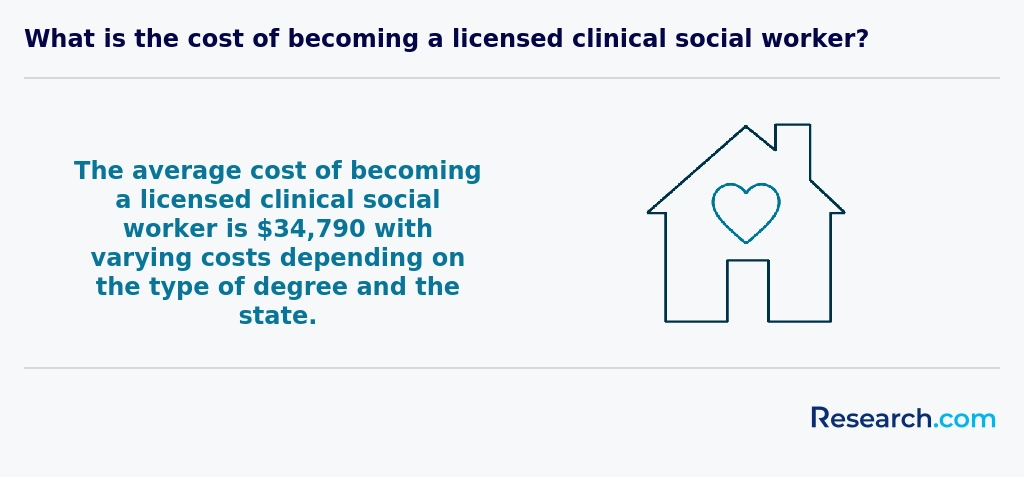
Licensure Requirements in Michigan
To practice social work in Michigan, candidates must meet education, exam, and supervised experience criteria:
- Licensed Bachelor Social Worker (LBSW): Earn a CSWE-accredited BSW and pass the ASWB Bachelor’s exam.
- Licensed Master Social Worker (LMSW): Earn a CSWE-accredited MSW and pass the ASWB Master’s exam.
- Licensed Clinical Social Worker (LCSW): Complete an MSW, log 3,000 post-MSW supervised hours, and pass the ASWB Clinical exam.
- Renewal: Apply every two years and complete 30 continuing education hours.
- Tip: Consider msw accelerated programs to fast-track your LMSW licensure requirements.
What financial aid is available to social work degree students in Michigan?
Financial aid for social work students in Michigan extends far beyond the typical narrative of loans and grants. Many graduates from the University of Michigan and Wayne State University recall how federal Pell Grants, averaging around $4,000, transformed their ability to focus on studies rather than financial stress. These grants, combined with low-interest federal student loans, create a foundational safety net.
State-specific programs like the Michigan Competitive Scholarship and the Tuition Incentive Program offer targeted support, especially for in-state and low-income students beginning at community colleges. Imagine starting your social work journey with a tuition break that rewards both merit and need-it is a hopeful step many have experienced firsthand.
Graduate students often find unexpected relief through assistantships that provide stipends or tuition waivers in exchange for meaningful research or teaching roles. Federal work-study also enables students to gain practical social service experience while earning income, blending passion with purpose.
Professional organizations such as the NASW Michigan Chapter extend scholarships to those committed to public service, highlighting that community dedication is recognized and rewarded in ways that resonate deeply with social work values.
Licensure and Certification: Becoming a Licensed Social Worker in Michigan
In Michigan, earning a social work license is a vital step toward professional practice. After completing a Council on Social Work Education (CSWE)–accredited BSW or MSW program, graduates must secure one of three primary licenses through the Michigan Department of Licensing and Regulatory Affairs (LARA): the Limited Licensed Social Work Practitioner (LLSWP), the Licensed Master Social Worker (LMSW), or the Licensed Clinical Social Worker (LCSW). To minimize educational expenses while meeting academic prerequisites, many students explore the cheapest way to get a bachelor’s in social work, ensuring both quality and affordability. Education and Supervised Experience • LLSWP: Available to BSW graduates, requires no supervised hours but restricts practice scope under LMSW or LCSW supervision. • LMSW: Requires an MSW degree and no post-graduate hours; allows independent practice in non-clinical settings. • LCSW: Requires an MSW plus 3,000 approved supervised clinical hours over at least two years, under an LCSW supervisor. Examination Requirements All candidates must pass the Association of Social Work Boards (ASWB) exam corresponding to their desired license level. Preparation courses and practice exams, often offered by professional associations, boost pass rates. Renewal and Continuing Education Licenses are renewable every two years, with a requirement of 30 continuing education hours for LMSWs and LCSWs, including ethics, clinical practice, and cultural competence. Approved providers include universities, the Michigan Chapter of NASW, and accredited training firms. Maintaining active membership in the National Association of Social Workers (NASW) Michigan Chapter and attending annual conferences or local workshops can streamline licensure upkeep, expand professional networks, and enhance career prospects.
What are the prerequisites for enrolling in social work degree program in Michigan?
Enrolling in a social work degree program in Michigan demands more than just academic credentials-it calls for genuine dedication and self-reflection. Graduates from universities like the University of Michigan and Wayne State often recall how their journey began with meeting specific prerequisites, such as maintaining at least a 2.5 GPA for Bachelor of Social Work programs and submitting SAT scores, although some schools have grown flexible on testing requirements. These formal benchmarks ensure incoming students possess the foundational skills necessary for the emotional and intellectual challenges ahead.
At the graduate level, MSW hopefuls recognize the value of their undergraduate experiences, especially if they pursued psychology or sociology. Many Michigan institutions expect a minimum 3.0 GPA and encourage submitting heartfelt statements of purpose alongside professional or volunteer experience. One student's story stands out-a volunteer in Detroit's community programs who found that these experiences shifted their perspective on social justice and deepened their commitment to advocacy.
This blend of academic readiness and real-world exposure creates a powerful foundation, reminding prospective students in Michigan that successful social work education intertwines knowledge with authentic human connection and resilience.
Continuing Your Social Work Education
Many graduates find that earning a bachelor’s or master’s degree is just the beginning of a lifelong journey in social work. Continuing your education not only deepens your expertise but also enhances career advancement opportunities. For instance, pursuing doctoral studies, such as online social work phd programs, can open doors to advanced clinical practice, academic careers, or high-level administrative roles. As the field evolves with new research and innovative practices, advanced degrees empower professionals to lead change, influence policy, and drive community impact. Programs often offer specialization tracks, research opportunities, and hands-on projects that align with emerging trends in mental health, social justice, and community organization. By investing in continued education, social work professionals not only enhance their skill set but also maintain a competitive edge in a dynamic job market. This pathway encourages a commitment to lifelong learning, ensuring that you remain at the forefront of best practices and industry advancements throughout your career.
What courses are typically in social work degree programs in Michigan?
Social work degrees in Michigan immerse students in courses deeply connected to the state's unique social fabric and challenges. Graduates from universities like the University of Michigan and Wayne State often recall how Introduction to Social Work grounded them in ethics and Michigan's specific policies, sparking a strong sense of professional purpose early on.
Core classes such as Human Behavior and the Social Environment bring theory to life by encouraging students to reflect on the diverse communities they see daily in Detroit or Grand Rapids. This course pushes you beyond textbook knowledge, challenging assumptions about cultural differences and privilege.
Many graduates describe Field Practicum experiences as transformative, providing eye-opening encounters in local hospitals or nonprofit organizations where classroom theory meets the realities of Michigan's social issues. These placements foster confidence and compassion, showing the impact social workers can truly have.
The blend of Social Welfare Policy and Research Methods helps students critically evaluate and influence Michigan's evolving public welfare landscape, creating a foundation for advocacy that feels both urgent and achievable.
What types of specializations are available in social work degree programs in Michigan?
Social work degrees in Michigan challenge students to choose from diverse specializations that reflect the state's unique social fabric. Graduates from universities like the University of Michigan and Wayne State often share how clinical social work training empowered them to support individuals battling mental health issues with real compassion and confidence. This specialization isn't just academic; it prepares students for the critical Licensed Clinical Social Worker (LCSW) credential required in Michigan's complex healthcare environment, transforming theoretical knowledge into life-changing practice.
Exploring Michigan social work degree focus areas reveals vital concentrations like child and family social work, where graduates describe the emotional fulfillment of advocating for urban youth in Detroit's foster care system. Community organization and social policy specialization further expands horizons, equipping students to fight systemic poverty or influence healthcare reform, which resonates deeply amid Michigan's ongoing challenges.
Others find purpose in gerontology, preparing to meet the needs of Michigan's aging population. Supplementing these are options such as school social work, healthcare social work, and addiction counseling. For those curious about academic advancement, graduates often note the value of online social work phd programs as a flexible path toward deeper expertise and impact.
How do you choose the best social work degree in Michigan?
Choosing the best social work degree in Michigan requires more than scanning tuition fees or program length. Think about accreditation first-graduates from Wayne State University often emphasize how CSWE accreditation opened doors for their LMSW licensure, smoothing their path into clinical roles. But it's not just about credentials; consider the program's structure. Many find that the hybrid models at Michigan State University fit well with balancing work and family, transforming what could be a stressful experience into an empowering journey.
Graduation rates and real-world experience matter too. Those who completed strong field education internships have shared how these hands-on opportunities helped them build confidence and network in Michigan's social work community. When juggling costs, remember that affordable social work degrees Michigan include scholarships and financial aid that often go unnoticed. Students curious about starting their path economically might explore the cheapest way to get a bachelor's in social work, merging value with quality.

What career paths are available for social work degree students in Michigan?
Graduates from social work programs at universities like the University of Michigan or Wayne State often find themselves immersed in diverse social settings, shaping their careers around meaningful impacts. Social work careers in Michigan extend beyond typical expectations; some graduates specialize as child and family social workers, guiding vulnerable children and families through complex systems, while others become healthcare social workers, supporting patients dealing with chronic illnesses in Detroit's bustling hospitals. The role of school social workers also stands out-helping students cope with emotional and behavioral challenges is a profoundly rewarding path embraced by many from local colleges.
Job opportunities for Michigan social work graduates reflect the state's deep need for community advocates and counselors. Mental health and substance abuse social work is vital in addressing the growing crises, with graduates from institutions like Grand Valley State University finding fulfillment providing rehabilitation services. Many also choose community outreach, navigating policy advocacy that reshapes lives on a systemic level. For those weighing education costs, the Cheapest Social Work Degree Programs Ranking in Washington offers data worth considering when comparing affordability.
What is the job market for social work degree in Michigan?
The social work job outlook Michigan graduates encounter reveals a landscape rich with opportunity yet demanding adaptability. Graduates from renowned institutions such as the University of Michigan and Wayne State University often share stories of securing roles in government agencies and community health centers soon after finishing their degrees. These roles tap into the state's growing need for mental health and addiction services, reflecting a dynamic shift rather than stagnation in the field.
While the median annual wage hovers around $62,000, slightly below the national average, many find that engagement in specialized areas in healthcare and school settings significantly enhances earning potential and job satisfaction. Those pursuing a master's degree find doors opening that bring not only stability but meaningful work impacting vulnerable populations across Detroit and smaller rural towns alike.
Students and graduates also wrestle with tuition costs-bachelor's degrees can range from $10,000 to $14,000 annually at Michigan public colleges. Yet, the investment often feels justified when connecting with the true value of social work careers, especially when paired with healthcare certifications that pay well.
Michigan social work career opportunities are deeply tied to strong licensure pathways and a supportive network eager to address complex social issues, challenging the notion that social work is a stagnant profession.
Frequently Asked Questions About social work
Social work degree students in Michigan can maximize their learning experience by actively engaging in field placements, which are essential for practical skill development. Michigan universities often partner with local agencies, allowing students to gain valuable hands-on experience in diverse community settings. According to the University of Michigan School of Social Work, over 90% of their students complete internships that enhance real-world understanding.
Students should also participate in relevant workshops, networking events, and join organizations such as the Michigan Chapter of the National Association of Social Workers. Staying informed about state-specific social policies improves contextual knowledge, as Michigan's social service system has unique challenges and resources. Utilizing campus resources like tutoring and faculty mentorship can further support academic success.
Emerging niches in the social work field in Michigan reflect evolving community needs and policy changes. One key area is specialty work with the aging population. Michigan's senior demographic is growing rapidly, driving demand for social workers trained in gerontology and elder care services. Another expanding niche is behavioral health, focusing on mental health disorders and substance abuse, amplified by the statewide opioid crisis.
Child welfare continues to be critical, with social workers addressing family stabilization and foster care challenges. Additionally, advancements in healthcare integration have created roles for social workers in medical settings, improving patient outcomes.
These niches offer diverse career paths for social work graduates targeting Michigan's unique social landscape.
Preparing for the job market after earning a social work degree in Michigan involves a combination of education, practical experience, and networking. Graduates should pursue licensure, such as the Licensed Social Worker (LSW) credential, required by the Michigan Board of Social Work for many entry-level positions. This requires passing the ASWB exam, which tests knowledge in core social work competencies.
Gaining supervised field experience during and after school is vital. Michigan's demand for social workers is growing, especially in healthcare, child welfare, and mental health services, according to the Michigan Department of Labor and Economic Opportunity.
Building professional connections through internships, local social work chapters, and career fairs in Michigan can increase job opportunities. Additionally, staying informed about regional labor market trends helps graduates target high-demand sectors where salaries average around $55,000 per year.
Employers in Michigan seek several key skills when hiring social work degree graduates. Strong communication skills are essential, as social workers must effectively interact with clients, families, and community partners. Critical thinking and problem-solving abilities are also highly valued to address complex social issues.
Additionally, cultural competence is important due to Michigan's diverse population, enabling social workers to provide appropriate support to varied groups. According to the Michigan Department of Licensing and Regulatory Affairs, adaptability and ethical decision-making rank among top employer priorities.
Knowledge of state-specific laws and community resources also enhances job readiness for social workers in Michigan.
Finding internships in Michigan for social work students involves several effective strategies. Many universities with accredited social work programs, such as the University of Michigan or Wayne State University, have partnerships with local agencies offering field placements required by the Council on Social Work Education (CSWE).
Students can also explore internships through Michigan's Department of Health and Human Services, which frequently offers positions in child welfare, mental health, and community services. The Michigan Social Work Education Center (MiSWEC) supports students by providing resources and connections to internship opportunities across the state.
Networking with local nonprofits, hospitals, and community centers is another key approach. Websites like Handshake or university career services often list available internships. According to the National Association of Social Workers Michigan Chapter, gaining varied field experience significantly improves job prospects post-graduation.
A social work degree significantly enhances career mobility and advancement opportunities within Michigan's social service sector. According to the Michigan Department of Labor, the state expects a 12% growth in social worker jobs through 2030, highlighting increased demand for qualified professionals. A Bachelor of Social Work (BSW) is typically required for entry-level roles, while a Master of Social Work (MSW) opens doors to clinical positions and leadership roles.
Holding an MSW also supports licensure as a Licensed Master Social Worker (LMSW) or Licensed Clinical Social Worker (LCSW), which are often necessary for higher-paying and specialized positions. Employers value these credentials, and advancing education can lead to roles in healthcare, schools, and government agencies. In Michigan, social workers earn an average annual wage above the national median, driven by the state's emphasis on mental health and community services, per U.S. Bureau of Labor Statistics data.
Studying for a social work degree in Michigan equips students with skills essential for interdisciplinary collaboration. Michigan's accredited programs integrate coursework in psychology, sociology, and health sciences, reflecting the diverse needs of communities. According to the Council on Social Work Education (CSWE), many Michigan institutions emphasize teamwork with professionals in healthcare, education, and criminal justice fields.
Field placements in Michigan often involve partnerships with hospitals, schools, and community agencies, allowing students to engage directly in interdisciplinary teams. This practical experience fosters communication skills necessary for working alongside varied experts. Additionally, Michigan's increasing focus on behavioral health addresses complex social issues requiring cross-sector approaches.
Data from the Michigan Department of Health and Human Services shows a growing demand for social workers who can navigate multiple systems, highlighting the importance of interdisciplinary training in the state's educational programs.
When choosing between a thesis and a non-thesis social work degree program in Michigan, consider your career goals carefully. Thesis programs typically suit students interested in research, academia, or advanced clinical roles, as they involve original research and a formal written thesis.
Non-thesis options, more common in Michigan social work schools, focus on practical skills and fieldwork, appealing to those aiming for immediate practice in clinical or community settings. According to the Council on Social Work Education, many Michigan MSW programs offer both formats, with non-thesis pathways often allowing faster completion.
Cost, time commitment, and interest in research should also influence your choice.
Students based in Michigan seeking to study social work abroad have several pathways to consider. Many Michigan universities with accredited social work programs, such as the University of Michigan and Wayne State University, offer exchange programs or study abroad options in partnership with schools in Canada, the UK, and other countries. These programs allow students to earn credits that transfer back to their home institution, assisting in degree completion.
Additionally, Michigan students can participate in international internships or field placements coordinated through their schools. The Council on Social Work Education (CSWE) provides guidance on ensuring global programs meet national accreditation standards. According to the Michigan Department of Licensing and Regulatory Affairs, gaining international experience can enrich cultural competence, a critical skill for social workers in diverse communities.
Financial aid and scholarships may be available specifically for study abroad, often through university programs or external foundations focused on social work education.
Students pursuing social work degrees in Michigan can benefit greatly from part-time jobs that offer relevant experience alongside classroom learning. Positions such as mental health aides, case management assistants, and community outreach workers provide practical exposure to social services.
According to the Michigan Department of Health and Human Services, openings for these roles are expected to grow by 12% through 2030, reflecting a strong demand for workforce skills. These jobs help students understand client interaction, documentation, and resource coordination, essential for social work practice.
Additionally, working in nonprofit organizations or local government offices familiarizes students with state-specific social policies, enhancing their professional readiness.
Social work students in Michigan benefit from diverse networking opportunities through university-sponsored events and statewide organizations. Schools like the University of Michigan and Wayne State University often host career fairs and guest speaker sessions featuring professionals from Michigan's social services sector.
The Michigan Chapter of the National Association of Social Workers (NASW-MI) provides valuable access to local events, workshops, and conferences, fostering connections with practicing social workers across the state. Membership offers opportunities to meet mentors and potential employers.
Community agencies and field placements in cities like Detroit and Grand Rapids also help students build professional networks by working directly with practitioners in real-world settings, enhancing job prospects upon graduation.
Alumni networks play a crucial role in supporting social work degree students in Michigan. Graduates often gain access to mentorship opportunities, which help guide current students through career choices and professional growth. Michigan's social work programs benefit from strong alumni connections that facilitate internships and job placements within local agencies, including healthcare, schools, and non-profits.
According to the Michigan Social Work Education Consortium, more than 70% of social work graduates find their first job through alumni referrals or networking events. These networks also provide a platform for sharing resources, workshops, and continuing education tailored to Michigan's unique social service landscape. Engaging with alumni improves not just career prospects but also practical understanding of community needs in the state.
Customizing your social work degree in Michigan begins with selecting a program that offers flexible coursework and specialization options. Many universities in Michigan provide concentrations such as clinical social work, child welfare, or community development, allowing you to tailor your studies to your career goals.
Field placements are a critical component of social work education and can be chosen to match your interests, whether in healthcare, schools, or government agencies. According to the Council on Social Work Education, Michigan programs frequently partner with local organizations, providing diverse practicum opportunities.
Additionally, some Michigan universities offer hybrid or online courses, giving working professionals more control over their schedules while pursuing a Master of Social Work (MSW) or Bachelor's degree. This flexibility supports career advancement in various sectors across the state.
Social work students in Michigan often face significant challenges balancing academic demands with field placements, which are essential for practical experience. The Michigan Social Work Education Center highlights that securing quality internships can be competitive, especially in urban areas like Detroit and Grand Rapids. Additionally, financial strain is common; the average tuition for public universities in Michigan is approximately $14,000 per year for in-state students, creating concerns about student debt.
Students also report navigating emotional stress due to exposure to difficult social issues, such as poverty and substance abuse, prevalent in the state. Limited access to mental health resources on some campuses adds to this burden, according to the Michigan College Health Association. These factors combine to create a challenging but critical educational environment for aspiring social workers in Michigan.
With a social work degree in Michigan, you can pursue several professional certifications to enhance your career. The most common certification is the Licensed Master Social Worker (LMSW), which requires passing the Association of Social Work Boards (ASWB) Master exam. The LMSW allows practice under supervision and is often a stepping stone to clinical licensure.
For independent clinical practice, the Licensed Independent Social Worker (LISW) license is essential. It requires an LMSW, at least two years of supervised clinical experience, and passing the ASWB Clinical exam. According to Michigan Department of Licensing and Regulatory Affairs, in 2023, over 4,000 social workers held LISW licenses statewide.
Additional credentials like Certified School Social Worker (CSSW) are also available for those focusing on educational settings. These certifications demonstrate specialized skills and improve employment opportunities across Michigan's social service landscape.
To write a winning application for a social work program in Michigan, start by researching state-accredited schools that offer Bachelor or Master of Social Work degrees. Highlight your understanding of Michigan's diverse communities and social challenges. Many programs, like those accredited by the Council on Social Work Education (CSWE), require a personal statement explaining your motivation to pursue social work. Use clear examples from your experience or community involvement to demonstrate empathy and commitment.
Include all required documents carefully, such as transcripts, letters of recommendation, and proof of relevant volunteer or work experience. Michigan employers value hands-on experience, so detailing internships or community service helps your application.
According to the Michigan Department of Licensing and Regulatory Affairs, the demand for licensed social workers is expected to grow by 13% through 2030, underscoring competitive program admissions. Emphasize your career goals aligned with local needs like child welfare or mental health services.
Social work as a career holds significant global importance due to its focus on improving individual and community well-being. While this field varies internationally, the core mission remains consistent: addressing social injustices and supporting vulnerable populations. In the United States, including Michigan, the demand for qualified social workers continues to rise. According to the U.S. Bureau of Labor Statistics, Michigan expects a 10% growth in social work jobs through 2031, reflecting the increasing need for mental health and child welfare services.
Globally, social work integrates cultural competence and ethical standards endorsed by organizations like the International Federation of Social Workers. In Michigan, accredited programs emphasize these global perspectives, preparing graduates for diverse challenges locally and worldwide. Understanding such international frameworks enriches the practice of social work and equips students to engage in effective, culturally aware interventions both in Michigan and abroad.
Gaining practical experience while studying for a social work degree in Michigan is essential for preparing to enter the workforce. Most accredited programs require students to complete supervised field placements or internships, which typically occur in hospitals, schools, community organizations, or government agencies across Michigan.
Students can benefit from these hands-on learning opportunities, often totaling 400 to 900 hours, depending on the degree level and program. These placements allow direct work with diverse populations, enhancing skills in assessment, intervention, and case management.
The Michigan Chapter of the National Association of Social Workers (NASW-MI) offers additional networking and volunteer opportunities that complement academic training, increasing exposure to local social issues.
Choosing the right concentration within a social work degree program in Michigan involves understanding your career goals and the needs of the communities you want to serve. Michigan's social work programs commonly offer concentrations such as clinical social work, child welfare, gerontology, and community organization. Each focus prepares students for different roles, from counseling individuals to managing social service agencies.
Prospective students should consider Michigan's workforce trends. According to the Bureau of Labor Statistics, demand for social workers in Michigan is expected to grow by 9% through 2030, especially in healthcare and child protection sectors. This data can guide your choice toward high-need fields.
Visiting program websites and speaking with academic advisors can provide specific insights about practicum opportunities and licensure preparation related to each concentration.
Related Social Work Rankings for Nearby States
- 2027 Best Social Work Degree Programs Ranking in Indiana
- 2027 Best Social Work Degree Programs Ranking in Illinois
- 2027 Best Social Work Degree Programs Ranking in Minnesota
- 2027 Best Social Work Degree Programs Ranking in Kentucky
- 2027 Best Social Work Degree Programs Ranking in Iowa
- 2027 Best Social Work Degree Programs Ranking in Missouri
- 2027 Best Social Work Degree Programs Ranking in Maryland
- 2027 Best Social Work Degree Programs Ranking in Connecticut
- 2027 Best Social Work Degree Programs Ranking in Massachusetts
- 2027 Best Social Work Degree Programs Ranking in South Carolina
Top Trending Social Work Rankings
See What Experts Have To Say About Studying Social Work
Read our interview with Social Work experts

References
- Career Opportunities | NMU Social Work https://nmu.edu/socialwork/career-opportunities
- The Best International Social Work Internships for Undergrads and Grads https://www.internhq.com/fields/social-work/
- Top Skills Employers Look for in Qualified Social Workers Today - Vitalis https://www.vitalissocialcare.co.uk/career-development/top-skills-employers-look-for-in-social-workers-today/
- Know more about thesis vs non- thesis: what is the difference? https://studyfans.com/en/blogs/816
- Is an Online Master’s in Social Work (MSW) Degree Worth it? https://socialworklicensemap.com/social-work-degrees/online-msw-programs/is-an-online-masters-in-social-work-msw-degree-worth-it/
- How To Become A Social Worker | Psychology.org https://www.psychology.org/social-work/how-to-become/
- Why Network? https://www.naswnc.org/
- How to Network Your Way into a Social Work Job or Practicum https://www.mswhelper.com/blog/how-to-network-your-way-into-a-social-work-job-or-practicum
- Preparing For A Career In Social Work: Tips For New Graduates https://www.tripodpartners.com/career-advice/social-work/preparing-for-a-career-in-social-work-tips-for-new-graduates/
- The Power of Finding Your Niche as a Social Worker https://www.credentialedapparel.com/blogs/news/the-power-of-finding-your-niche-as-a-social-worker


