
2027 Most Valuable Social Work Degree Programs Ranking in Fayetteville

Co-Founder and Chief Data Scientist
Choosing the right social work degree program can shape your future in meaningful ways. This article introduces the 2027 Most Valuable Social Work Degree Programs Ranking in Fayetteville, created by the Research.com team of data scientists. It's designed to help you make an informed decision by highlighting programs that offer real value.
With a social work degree, you're stepping towards a rewarding career that truly makes a difference in people's lives. Exploring this ranking will give you confidence in selecting a program that fits your goals and aspirations.
Key benefits of getting social work degree in Fayetteville
- Graduates with a social work degree in Fayetteville can expect competitive salaries, such as $68,800 for Social Workers and up to $83,400 for Youth Workers and Community Organizers, offering financial stability while making a difference.
- Career paths include roles like Child Welfare Specialist, Residential Counselor, and Community Organizer, providing diverse opportunities to impact the local community positively.
- Online social work degrees offer flexibility for busy students, allowing them to balance work and study while accessing quality education from well-known Fayetteville institutions.
- Key benefits of getting social work degree in Fayetteville
- What can I expect from social work degree in Fayetteville?
- Where can I work with social work degree in Fayetteville?
- How much can I make with social work degree in Fayetteville?
- 2027 Most Valuable Social Work Degree Programs Ranking in Fayetteville
- Key Findings
- How long does it take to complete social work degree in Fayetteville?
- Additional Resources for Aspiring Social Workers
- What's the difference between online and on-campus social work degree?
- Licensing Requirements in North Carolina
- What is the average cost of social work degree in Fayetteville?
- Licensure and Certification Guide: Steps to Professional Recognition
- What financial aid is available to social work degree students in Fayetteville?
- Faculty Expertise and Accreditation
- What are the prerequisites for enrolling in social work degree program in Fayetteville?
- Return on Investment for Social Work Degrees in Fayetteville, NC
- What courses are typically in social work degree programs in Fayetteville?
- What types of specializations are available in social work degree programs in Fayetteville?
- How do you choose the best social work degree in Fayetteville?
- What career paths are available for social work degree students in Fayetteville?
- What is the job market for social work degree in Fayetteville?
- Top Trending Social Work Rankings
- See What Experts Have To Say About Studying Social Work
What can I expect from social work degree in Fayetteville?
The average cost of pursuing a social work degree in Fayetteville varies mainly between public and private institutions. Graduates from nearby universities often recall that in-state tuition at public schools tends to be more affordable, usually ranging from $7,000 to $12,000 per year. This makes the Bachelor of Social Work degree a financially accessible path for many local students passionate about making a difference.
Private colleges, on the other hand, may charge upwards of $20,000 annually but often provide extensive scholarships and financial aid packages tailored specifically for social work students. Many graduates found that applying for these scholarships-not just at the university but also through local Fayetteville organizations-helped ease the financial load.
Students highlight how investing in their education, especially with those supportive internships embedded in the programs, gave them invaluable hands-on experience. This balance of affordability and quality education in Fayetteville's social work programs creates a hopeful environment for future social workers to thrive without overwhelming debt.
Where can I work with social work degree in Fayetteville?
With a social work degree earned right here in Fayetteville, you can find rewarding careers across various sectors that genuinely make a difference. Many graduates from the University of Arkansas, a hub for social work education, step into roles within local government agencies like the Department of Social Services, where they serve vulnerable families and youth. It's inspiring to see how these roles offer the chance to protect and uplift entire communities.
Healthcare settings are another vibrant path. Graduates often join teams at Baptist Health Fayetteville or Washington Regional Medical Center, providing crucial patient support, counseling, and discharge planning. Imagine being the trusted advocate that helps a patient transition smoothly back home-these moments create a deep sense of fulfillment.
Nonprofits in Fayetteville also welcome social workers eager to tackle homelessness or support substance abuse recovery. These environments allow graduates from Fayetteville's colleges to design impactful programs and empower individuals facing tough challenges. The hands-on experience gained here builds both skills and compassion.
Lastly, schools and the University of Arkansas employ social workers who nurture student well-being through counseling and crisis intervention. Graduates frequently share how these roles create lasting bonds and uplift the next generation, making professional life meaningful every day.
How much can I make with social work degree in Fayetteville?
Graduates with social work degrees from Fayetteville institutions often step into rewarding roles with salaries that reflect their dedication and growing expertise. For example, those entering the field as Social Workers can expect mean annual wages around $68,800, a figure that resonates well with local opportunities and the region's cost of living. Community Organizers and Youth Workers typically earn higher, with average salaries near $83,400, reflecting their vital impact on community programs and youth development.
Many Fayetteville graduates recall starting in roles like Child Welfare Specialist or Residential Counselor, where the mean wage hovers around $59,190 annually. These positions offer invaluable hands-on experience, laying a strong foundation for career growth and increasing salaries over time.
Choosing to study social work locally means not only accessing competitive wages but also connecting with agencies that value skilled professionals. It's inspiring to hear from recent graduates who found their passion deepening as they helped transform Fayetteville's communities while earning a stable income.
2027 Most Valuable Social Work Degree Programs Ranking in Fayetteville
How do we rank schools?
Investing in your education is a significant decision that can shape your future, and the Research.com team understands the importance of making informed choices. To assist prospective students in Fayetteville, we have meticulously crafted the "2027 Most Valuable Social Work Degree Programs Ranking in Fayetteville." Our commitment to quality, credibility, and accuracy is reflected in the extensive research and analysis conducted to compile this ranking.
We utilized the following reputable data sources to ensure a comprehensive evaluation of social work degree programs:
By exploring this ranking, readers will gain valuable insights into the most valuable social work degree programs available in Fayetteville, helping them make informed decisions about their educational paths. For more details on our methodology, please visit our Research.com methodology page.


Key Findings
- Fayetteville offers accredited social work programs that meet the Council on Social Work Education (CSWE) standards.
- Tuition costs range from $8,000 to $15,000 per year for in-state students and $15,000 to $25,000 for out-of-state students, excluding additional fees.
- Entry-level social work jobs in Fayetteville pay between $40,000 and $48,000 annually.
- Experienced social workers can earn between $55,000 and $65,000 per year, with higher salaries for those holding LCSW licensure.
- Employment for social workers in Fayetteville is expected to grow by about 12% through 2031.
How long does it take to complete social work degree in Fayetteville?
In Fayetteville, completing a social work degree is a journey filled with growth and meaningful experience. Most students at well-known local universities finish their Bachelor of Social Work (BSW) in about four years. This timeline offers the perfect balance of foundational knowledge and hands-on fieldwork, allowing students to gradually build confidence and practical skills.
Many graduates fondly recall how their studies, combining ethics and community engagement, fit into their lives on campus and beyond. For those who already have a bachelor's degree and pursue a Master of Social Work (MSW), the typical completion time is around two years. Fayetteville's MSW programs emphasize internships, which many alumni describe as transformative, shaping their professional identities.
Students juggling part-time commitments often extend their studies-six years for BSW and up to four for MSW-but they find the flexibility rewarding, enabling them to work while learning. Accelerated MSW programs, frequently lasting just one year for eligible BSW holders, also empower many to achieve their goals swiftly without sacrificing depth.
Additional Resources for Aspiring Social Workers
For those interested in learning more about social work education and career paths, exploring resources on valuable social work schools in north carolina can provide valuable insights into the best programs and specializations available, helping aspiring social workers make informed decisions about their educational and professional journeys. This can include information on program accreditation, curriculum, field experience opportunities, and faculty expertise, all of which are crucial factors in choosing the right social work program. Moreover, understanding the various specializations within social work, such as clinical social work, school social work, and community organization, can help prospective students align their educational pursuits with their career aspirations and make a meaningful impact in their chosen field.
What's the difference between online and on-campus social work degree?
Choosing between online and on-campus social work degrees in Fayetteville means weighing flexibility against face-to-face connection. Graduates from the University of Arkansas often recall how online programs let them manage studies alongside family or jobs, using video lectures and virtual discussions to learn without the stress of commuting. This option suits those who value convenience and need to balance many responsibilities.
Conversely, on-campus students at local colleges experience the vibrant energy of in-person classes and direct mentorship from experienced professors. Hands-on internships with community agencies in Fayetteville are a hallmark here, offering immersive learning that fosters strong professional networks and lasting friendships.
Both paths require real-world fieldwork, ensuring practical skills that employers respect. While online degrees may reduce housing and commuting costs, many Fayetteville institutions price these programs comparably due to their quality. Ultimately, your choice rests on how you thrive-whether in a structured campus environment or the flexible rhythm of online learning.
Licensing Requirements in North Carolina
Earning your degree is just the first step toward professional practice in North Carolina. Most social work roles require state licensure, which involves education, examination, supervised experience, and ongoing learning.
- LBSW: Complete a CSWE-accredited BSW, pass the ASWB Bachelors exam, and submit an application to the NC Social Work Certification and Licensure Board.
- LCSW: Earn a msw degree, accumulate at least 3,000 supervised clinical hours, pass the ASWB Clinical exam, and apply for your clinical license.
- Renewal & Continuing Education: Renew every two years by completing a minimum of 40 hours of approved continuing education, including ethics and clinical practice.
What is the average cost of social work degree in Fayetteville?
When exploring the average social work degree cost Fayetteville offers, it's encouraging to find that local students often benefit from significantly reduced tuition rates. For instance, graduates from well-known institutions like the University of Arkansas experience median in-state total costs around $4,353, which is notably affordable compared to out-of-state expenses or national averages. Out-of-state students typically encounter median total costs near $20,174, still manageable when paired with scholarships or part-time work opportunities. Many Fayetteville graduates share how this financial balance made it possible for them to focus on their passion for social work without overwhelming debt.
Beyond tuition, Fayetteville students prepare to cover essentials such as books, background checks, and living costs. These fees add up but remain moderate thanks to the city's reasonable cost of living. Those pursuing a social work degree here find that understanding the total cost early on helps them budget effectively and seek financial aid where available. The cost of social work programs in Fayetteville is often offset by assistantships and scholarships that recognize the commitment students show to serving communities.
Choosing a program also means weighing options about degree level and institution type. Fayetteville students keen on social work should examine different paths and even explore related fields, such as types of psychology degrees, which sometimes complement social work education and career opportunities.
Licensure and Certification Guide: Steps to Professional Recognition
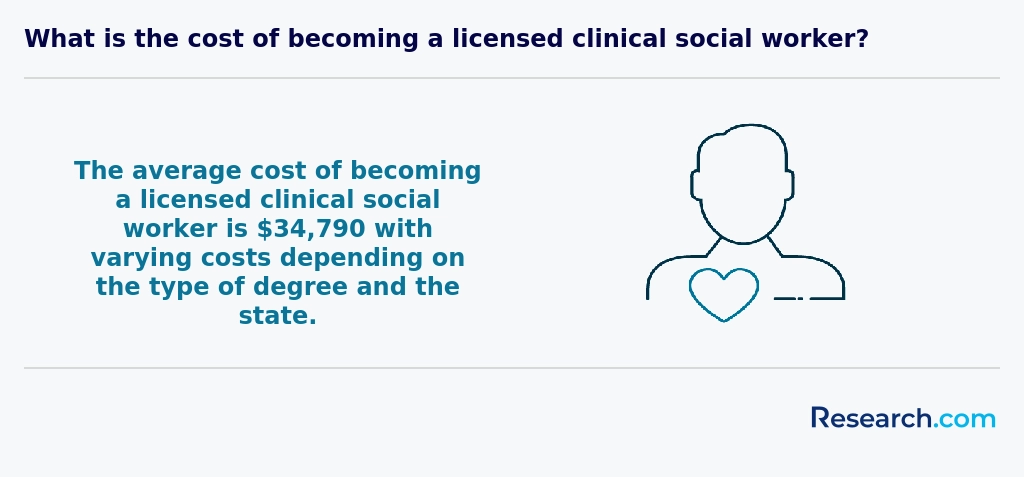
Gaining licensure is a critical milestone that transforms your academic achievements into practical, career-ready credentials. Aspiring social workers in Fayetteville, NC, must navigate a multi-step process that often begins during your degree program and extends into field experience, exam preparation, and continual professional development. First, ensure your chosen program is accredited by the Council on Social Work Education (CSWE), as this significantly eases the licensing process by meeting state standards. Coursework combined with structured field practicums not only builds your expertise but can also serve as a foundation for a successful licensing exam. Once you complete your academic and field requirements, the next step is to prepare for licensing examinations. Many programs offer dedicated exam review sessions that cover state-specific educational requirements, legal and ethical considerations, and case study analyses. It is also recommended to engage in study groups or mentorship programs provided by local agencies, where seasoned professionals share insights on transitioning from student to licensed practitioner. For those exploring advanced pathways, understanding the commitment, including financial aspects, is crucial-learn more about how much does it cost to become a child and family social worker. After successfully completing your exams, obtaining licensure opens the door to a host of career opportunities in clinical social work, community organization, and beyond. Moreover, many employers value continuing education and professional certifications, which further enhance your ability to serve diverse populations effectively. Regularly reviewing state regulations and engaging in professional workshops can keep you updated on best practices, ensuring that your service remains both compliant and impactful throughout your career.
What financial aid is available to social work degree students in Fayetteville?
When pursuing a social work degree in Fayetteville, many students find that financial aid can significantly ease the journey. Graduates from the University of Arkansas often share how accessing federal aid through FAFSA unlocked grants like the Federal Pell Grant and FSEOG, which required no repayment and lifted immediate financial burdens.
Beyond federal help, Arkansas residents benefit from state programs such as the Arkansas Academic Challenge Scholarship-a powerful resource that has enabled numerous Fayetteville social work students to lower tuition costs by rewarding their hard work.
Institutional scholarships at universities here also play a key role. Many students recount how merit-based awards and need-based scholarships opened doors to more enriching educational experiences without overwhelming debt. Professional organizations like the National Association of Social Workers further inspire with scholarships and fellowships that recognize dedication to the field.
For those pursuing an MSW, assistantships offer a rewarding path, providing tuition remission and stipends in exchange for teaching or research, mirroring real-life work environments and deepening engagement with social work practice.
Faculty Expertise and Accreditation
Understanding the credentials of faculty and the accreditation status of a program is crucial when choosing a Social Work degree in Fayetteville, NC. Accredited by the Council on Social Work Education (CSWE), programs at Fayetteville State University, Methodist University, and UNC Pembroke ensure that coursework meets rigorous national standards for both theory and practice. Faculty members typically hold advanced degrees, publish in peer-reviewed journals, and maintain active licensure, bringing real-world insights into the classroom. Prospective students benefit from low student-to-faculty ratios-often under 20:1-which facilitate personalized mentorship and robust academic support. Many instructors also lead cutting-edge research on topics like trauma-informed care, community resilience, and policy advocacy, offering undergraduates opportunities to assist with studies that shape local practice. This research involvement not only deepens learning but also enhances résumés for licensure and graduate school applications. Additionally, students interested in broadening their perspective may compare social work to a bachelor’s degree in human services online, which often shares accredited standards and experienced faculty. By prioritizing programs with accredited status and esteemed faculty, you can trust that your education will be both reputable and transformative.
What are the prerequisites for enrolling in social work degree program in Fayetteville?
To start your social work journey in Fayetteville, you'll need a high school diploma or its equivalent, along with a solid GPA-usually around 2.5 to 3.0. Admissions teams at institutions like the University of Arkansas at Fayetteville look for academic readiness proven through transcripts and standardized test scores. One graduate recalls how completing prerequisite courses such as sociology and psychology gave her the confidence she needed to thrive once enrolled.
If you're eyeing advanced degrees, like the Master of Social Work, expect to present a bachelor's degree with at least a 3.0 GPA, preferably in social work or a related area. Fayetteville programs highly value hands-on experience, so volunteering or working in local social service agencies can make your application shine. Graduates often share how meaningful internships opened doors and deepened their passion for the field.
Be prepared to complete background checks and show immunization records due to fieldwork requirements. Also, a personal statement expressing your motivation and future goals can help highlight your commitment to making a difference in Fayetteville's communities.

Return on Investment for Social Work Degrees in Fayetteville, NC
Assessing the return on investment (ROI) for a social work degree in Fayetteville, NC, is essential for students looking to balance educational costs against future earning potential. On average, tuition for a Bachelor of Social Work (BSW) at local institutions ranges from $10,000 to $20,000 per year for in-state students, while a Master of Social Work (MSW) program typically costs between $15,000 and $30,000 annually. Considering the mean starting salary of $42,000 for entry-level social workers and $64,360 for licensed clinicians in Fayetteville, graduates can expect to recoup their BSW investment within four to six years, assuming consistent full-time employment. Beyond salary, the projected 7% job growth in social work translates to increased earning capacity over time, with mid-career professionals often seeing salaries rise above $70,000. When calculating net ROI, factor in internship stipends, licensure bonuses, and employer tuition assistance, which can shorten payback periods by up to two years. Additionally, graduates pursuing specialized roles-such as clinical therapy or substance abuse counseling-may benefit from higher median wages, accelerating the ROI for advanced degrees. For students prioritizing affordability without sacrificing quality, comparing programs across states can uncover hidden value. For instance, exploring the Low Cost Social Work Degree Programs Ranking in Maryland offers insights into budget-friendly alternatives that still maintain rigorous accreditation standards and strong placement rates. By strategically selecting a program based on both cost and career outcomes, prospective social workers can maximize their financial investment and position themselves for long-term professional success.
What courses are typically in social work degree programs in Fayetteville?
When studying social work in Fayetteville, you'll dive into courses designed to build a strong, practical foundation for real-world impact. Core classes include Introduction to Social Work Practice, where you learn about ethics and values that guide every decision you'll make helping others. Many graduates recall how this course shaped their understanding of the profession's responsibility to the community.
Courses on Human Behavior and the Social Environment give you insight into the psychological and social factors affecting clients, a crucial skill when working with diverse Fayetteville populations. Social Welfare Policy and Services classes, common at local colleges, help you navigate the complex networks of U.S. social programs-essential knowledge for advocating effectively.
Research Methods equips you with tools to assess programs critically and implement evidence-based solutions, a favorite among students who want their work to create lasting change. Finally, the Field Practicum places you in agencies across Fayetteville or nearby areas, offering firsthand experience that transforms theory into confident practice.
Many programs also offer electives tied to local needs, such as veteran affairs and child welfare, reflecting Fayetteville's unique community. This tailored approach helps you connect deeply with the people you'll serve, fueling a rewarding career.

What types of specializations are available in social work degree programs in Fayetteville?
Social work degrees in Fayetteville often include specializations that align closely with community needs and personal career goals. Graduates from popular programs at local universities find themselves deeply fulfilled working in areas like child and family social work, where they support vulnerable youth in schools and foster care. Many recount how their hands-on experiences made concepts come alive, turning classroom theory into real impact.
Other students choose clinical social work, focusing on mental health therapies after earning their Master of Social Work, appreciating how Fayetteville's programs emphasize supervised clinical hours. Those drawn to healthcare social work help patients navigate hospital systems, enhancing well-being-a specialization growing in importance in this city. The school social work field also thrives here, connecting families and educators; students often learn strategies aligned with school social work california models, adapting them locally.
For students interested in aging populations, gerontological social work prepares them to serve Fayetteville's senior citizens, providing essential support around health and housing. Exploring social work specializations in Fayetteville reveals how these focused paths build meaningful, community-centered careers.
How do you choose the best social work degree in Fayetteville?
Choosing the best social work degree in Fayetteville starts with ensuring the program holds CSWE accreditation, a key factor mentioned by many successful graduates from the University of Arkansas at Fayetteville. They often share how accreditation gave them confidence that their education met national standards, preparing them well for licensure. Affordability is another pivotal consideration; Fayetteville's affordable social work degrees Fayetteville 2027 often fall within public university tuition ranges, making a degree accessible without overwhelming debt. Graduates frequently highlight the value of practicum placements with local agencies like Arkansas's Division of Children and Family Services-these real-world experiences sharpen skills and build meaningful connections.
Flexibility matters too, especially for those balancing work or family. Students who pursued part-time or online classes found it easier to stay on track without sacrificing personal commitments. Lastly, looking into graduation and job placement rates helps identify programs that genuinely support students' futures. For a broader perspective on choosing programs in neighboring fields, many compare options by viewing the highest ranked georgia psychology degrees to understand educational quality benchmarks across disciplines.
What career paths are available for social work degree students in Fayetteville?
Graduates with a social work degree in Fayetteville discover diverse career paths tailored to their passion for helping others. Many find meaningful work as licensed clinical social workers, providing mental health support in local hospitals or private practices. Others thrive in child, family, and school social work, especially within Fayetteville's public school systems, where they collaborate with teachers and law enforcement to support vulnerable youth. Healthcare social work opportunities also abound, aiding patients in discharge planning and navigating complex medical and social services.
Those drawn to advocacy and leadership often embrace roles in government or nonprofit organizations, engaging in community organizing and program development to champion social justice initiatives. Fayetteville's social work degree students from popular colleges feel empowered knowing they can create real impact locally. Exploring jobs with a social work degree Fayetteville reveals vibrant options that match various interests and strengths, encouraging students to find their unique path.
Many graduates recommend pairing your social work degree with knowledge about other fields and even exploring a bachelor's degree in psychology jobs to broaden your skill set and career prospects.

What is the job market for social work degree in Fayetteville?
The social work degree job market Fayetteville offers is vibrant and encouraging for new graduates. Those earning their degrees from popular schools like the University of Arkansas find that the city's growing healthcare and community services sectors create solid opportunities. Many graduates have quickly stepped into roles at public agencies, healthcare facilities, and nonprofits, where their skills directly impact families and individuals in need. The local demand is fueled by Fayetteville's expanding population and consistent need for licensed social workers, especially in areas like child welfare and mental health.
Graduates often reflect on how their education prepared them to navigate diverse environments-from school systems to government programs-boosting their confidence and ability to help communities thrive. Salaries in Fayetteville align well with Arkansas state averages, making it a practical choice considering the lower cost of living. If you want a comprehensive understanding of your future prospects, exploring the macro social work job outlook is a smart step to guide your career planning.
Fayetteville social work career outlook remains promising for anyone passionate about making a difference locally while enjoying steady employment prospects.
Frequently Asked Questions About social work
Social work degree students in Fayetteville can maximize their learning experience by combining academic coursework with practical fieldwork. Engaging in internships at local agencies such as Family Service of the Fayetteville Area or the Cumberland County Department of Social Services provides essential hands-on experience. The University of Arkansas at Fayetteville offers accredited programs aligned with the Council on Social Work Education (CSWE) standards, ensuring quality education.
Joining student organizations like the National Association of Social Workers (NASW) chapter helps build professional networks. Fayetteville's diverse community offers opportunities to work with varied populations, enhancing cultural competence.
Access to local workshops, seminars, and mentorship programs further supports skill development.
Emerging niches within the social work field reflect evolving societal needs and offer new career opportunities in Fayetteville. One key area is geriatric social work, given the city's growing senior population, which aligns with U.S. Census data projecting a 20% increase in residents aged 65 and older by 2030.
Another expanding specialty is behavioral health, focusing on mental health and substance abuse treatment. The Substance Abuse and Mental Health Services Administration (SAMHSA) reports rising demand for qualified social workers in Fayetteville due to increased awareness and funding for these issues.
Additionally, technology-focused social work roles, such as telehealth case management, are gaining traction as remote services become more common nationwide.
After completing a social work degree in Fayetteville, preparing for the job market requires focused steps. Start by obtaining licensure, such as the Licensed Social Worker (LSW) or Licensed Clinical Social Worker (LCSW), which are essential for many roles in North Carolina. Fayetteville's social services agencies and healthcare providers often prioritize candidates with these credentials.
Gain experience through internships or volunteer opportunities in the area to build practical skills and local professional connections. According to the U.S. Bureau of Labor Statistics, social work jobs in North Carolina are projected to grow by 15% from 2021 to 2031, reflecting solid demand in Fayetteville.
Networking with local organizations like the Cumberland County Department of Social Services can improve job prospects. Additionally, staying current with continuing education helps maintain licensure and enhances employability.
Employers in Fayetteville seeking social work graduates emphasize strong communication skills as essential. Effective verbal and written communication enables professionals to engage well with clients and multidisciplinary teams. Critical thinking and problem-solving abilities are also highly valued, as social workers often navigate complex cases requiring sound judgment.
Knowledge of local social service systems and cultural competence are important due to Fayetteville's diverse population. According to the U.S. Bureau of Labor Statistics, empathy and active listening significantly improve client outcomes, a key expectation from employers in this field.
Administrative skills, such as documentation and case management, are increasingly necessary with growing digital record-keeping in Fayetteville agencies.
Finding internships in Fayetteville relevant to a social work degree involves exploring several key resources. Start by contacting local universities offering social work programs, such as the University of Arkansas at Fayetteville, which often coordinate field placements with community agencies. The Arkansas Department of Human Services is a major employer in the region and offers internship opportunities in child welfare and social services.
Local nonprofits like the Fayetteville Family YMCA and Ozark Guidance Center also provide practical experience. Utilize online job boards and university career centers for updated postings. According to the National Association of Social Workers, internships are essential for licensure and professional growth, making early and proactive engagement vital.
In Fayetteville, earning a social work degree significantly enhances career mobility and advancement opportunities. The U.S. Bureau of Labor Statistics projects a 10% national growth rate for social workers through 2031, with local demand fueled by Fayetteville's expanded health, education, and social service sectors.
Holding a Bachelor of Social Work (BSW) enables entry-level positions in agencies, while a Master of Social Work (MSW) is often required for clinical roles and leadership positions. The North Carolina Social Work Certification and Licensure Board emphasizes the MSW credential for licensed clinical social workers (LCSW), a key step for higher wages and supervisory roles.
According to the North Carolina Department of Commerce, Fayetteville's social work salary averages surpass the state median, reinforcing degree value. Employers in Fayetteville actively seek graduates with accredited degrees, reinforcing career progression for degree holders.
Studying for a social work degree in Fayetteville offers focused preparation for interdisciplinary roles by emphasizing collaboration with healthcare, education, and legal professionals. Local programs integrate practical training with community organizations and medical centers, reflecting Fayetteville's diverse population and its needs. According to the University of Arkansas' School of Social Work, students receive hands-on experience in multidisciplinary teams, essential for addressing complex social issues.
Curricula often include courses on family therapy, substance abuse, and policy analysis, linking social work principles with allied fields. Fayetteville's emphasis on applied research also encourages students to understand systems-level impacts, enhancing their ability to work across disciplines effectively.
When choosing between a thesis and a non-thesis social work degree program in Fayetteville, students should consider their career goals and learning preferences. Thesis programs typically focus on research and prepare students for doctoral studies or roles in academia. Non-thesis options emphasize practical skills for direct social work practice, which may appeal to those seeking immediate entry into the workforce.
In Fayetteville, some universities offer both paths, allowing flexibility. According to the Council on Social Work Education, about 30% of Master of Social Work graduates engage in research-oriented roles, making the thesis route valuable for those interests. Fayetteville's growing social services sector also often prioritizes applied skills, favoring non-thesis graduates.
Students should evaluate faculty expertise, program length, and internship opportunities when deciding, ensuring the choice aligns with professional aspirations and local employment trends.
Students based in Fayetteville seeking to study social work abroad have several pathways through U.S. higher education systems. Many universities offer exchange programs or study abroad opportunities linked to their social work departments, often in collaboration with institutions worldwide. These options allow students to earn credit toward their degrees while gaining international field experience.
Fayetteville State University, for example, promotes partnerships that support global learning experiences in social work. Such programs typically require students to meet academic standards and sometimes language proficiency.
Additionally, students can explore internships or research projects abroad through organizations accredited by the Council on Social Work Education (CSWE), ensuring their international experience aligns with U.S. licensing requirements.
The U.S. Department of Education data indicates social work as a field with growing global relevance, encouraging Fayetteville students to consider international exposure for a broader perspective.
Fayetteville offers several part-time job opportunities that complement social work degree education, providing practical experience alongside academic learning. Positions in local nonprofits, such as community outreach coordinators or case aides, help build skills in client interaction and resource management.
Schools and childcare centers often seek support staff for roles assisting children with special needs, aligning well with social work training.
Additionally, healthcare facilities in Fayetteville may offer part-time work as mental health technician assistants, giving insight into patient care and counseling environments.
The Bureau of Labor Statistics notes that gaining such experience is valuable for social work licensure and employment in Arkansas's growing human services sector.
Social work students in Fayetteville benefit from several robust networking opportunities that enhance their educational experience. The University of Arkansas at Fayetteville offers connections through its School of Social Work, providing access to local agencies and community events. Students can engage with the Arkansas Chapter of the National Association of Social Workers (NASW), which organizes regular meetings and workshops fostering professional relationships.
Local social service organizations, such as the Washington County Department of Social Services, frequently collaborate with university programs for internships and volunteer placements, helping students build practical connections. These opportunities are crucial for career development in Fayetteville's growing social work sector, where building a professional network can lead to job prospects and mentorship.
Alumni networks offer significant advantages for social work degree students in Fayetteville. Graduates from local programs often maintain strong connections through these networks, providing current students with access to mentorship and career guidance.
Networking opportunities can lead to internships and job placements in Fayetteville's social service agencies, which is important because the city has a growing need for social workers in public health and community services, according to the North Carolina Department of Health and Human Services.
Additionally, alumni often share insights about licensure requirements and professional development, which helps students navigate early career challenges.
Such connections can increase employment prospects, with Fayetteville seeing steady demand for qualified social workers in recent years.
Customizing your social work degree in Fayetteville allows you to align your education with specific career goals. Many local institutions offer flexible course options, such as electives focused on clinical social work, child welfare, or community organizing. Additionally, programs often provide internship placements within Fayetteville's diverse social service agencies, helping students gain practical experience suited to their interests.
Students can also pursue specialized certificates alongside their degree, for example in substance abuse or mental health, to enhance job prospects. According to the Council on Social Work Education, tailoring your curriculum improves readiness for licensure and positions in Fayetteville's growing healthcare and nonprofit sectors.
Social work students in Fayetteville often face several common challenges throughout their education. Balancing rigorous coursework with field placements is a significant hurdle, as practical training requires many hours in community agencies. According to the National Association of Social Workers, effective time management is crucial to handle these demands.
Financial strain is also a concern, with many students relying on loans or part-time jobs to cover tuition and living expenses. Fayetteville's cost of living is moderate, but expenses can add up quickly during unpaid internships.
Additionally, students may encounter emotional stress due to exposure to vulnerable populations during fieldwork. Support services at Fayetteville institutions emphasize mental health resources to help students manage these pressures effectively.
With a social work degree in Fayetteville, graduates can pursue several professional certifications to enhance their career prospects. The most common certification is the Licensed Master Social Worker (LMSW), which requires a master's degree and passing a national exam administered by the Association of Social Work Boards (ASWB). This credential allows social workers to provide clinical services under supervision.
Another advanced certification is the Licensed Clinical Social Worker (LCSW), which requires additional supervised clinical hours and permits independent practice. This is highly valued for roles in therapy and counseling.
Other options include certifications in school social work and clinical supervision, useful in Fayetteville's diverse social service environment, as reported by the North Carolina Social Work Certification and Licensure Board.
To write a winning application for a social work program in Fayetteville, start by thoroughly researching local schools, such as the University of Arkansas's social work program. Highlight your commitment to helping vulnerable populations, a key value in Fayetteville's community services sector.
Focus on a clear, personal statement that explains your motivation for social work. Include any relevant volunteer or work experience, demonstrating practical skills and empathy. Fayetteville programs often seek applicants who show cultural awareness and adaptability, important traits for diverse client needs.
Ensure your letters of recommendation come from professionals familiar with your abilities in social service or education. Finally, maintain a strong academic record, as Fayetteville programs typically require a minimum GPA of 3.0 for competitive admissions, according to the University of Arkansas admissions guidelines.
Social work is a globally recognized profession focused on improving individual and community well-being. For students in Fayetteville pursuing social work degrees, understanding international perspectives broadens awareness of diverse social issues and policies. According to the National Association of Social Workers (NASW), U.S. social work education emphasizes both clinical practice and social justice, aligning with global trends that address inequality and human rights.
Globally, social workers collaborate on challenges like migration, poverty, and health disparities. The Council on Social Work Education (CSWE) reports that American programs increasingly include global content in their curricula, preparing graduates for roles in varied cultural contexts.
In Fayetteville, the growth of military and veteran populations adds a unique local dimension, linking U.S. social work practice with international humanitarian principles. This connection demonstrates how social work careers can impact global and local communities simultaneously.
Gaining practical experience while studying for a social work degree in Fayetteville is vital for career readiness. Most accredited programs require field placements or internships, giving students real-world exposure to social work environments. Fayetteville students often partner with local agencies such as the Cumberland County Department of Social Services, the Fayetteville Urban Ministry, and mental health clinics.
These placements help students develop skills in case management, counseling, and community outreach. According to the Council on Social Work Education, hands-on experience is critical for licensure eligibility. Additionally, Fayetteville's community colleges and universities offer service-learning projects that complement classroom knowledge and enhance professional networks.
Choosing the right concentration within a social work degree program in Fayetteville depends on your career goals and local community needs. Many programs offer specializations such as clinical social work, child and family services, or school social work. According to the National Association of Social Workers, Fayetteville has growing demand for social workers in healthcare and veteran support due to the presence of Fort Bragg.
Consider concentrations that align with your interests and the employment opportunities nearby. Research Fayetteville's job market through sources like the Bureau of Labor Statistics and local social service agencies. It is also helpful to review program curricula to ensure they offer relevant practicum placements in the region.
Related Social Work Rankings for Nearby Cities
- 2027 Most Valuable Social Work Degree Programs Ranking in Raleigh
- 2027 Most Valuable Social Work Degree Programs Ranking in Greensboro
- 2027 Most Valuable Social Work Degree Programs Ranking in Charlotte
- 2027 Most Valuable Social Work Degree Programs Ranking in Washington
- 2027 Most Valuable Social Work Degree Programs Ranking in Baltimore
- 2027 Most Valuable Social Work Degree Programs Ranking in Atlanta
- 2027 Most Valuable Social Work Degree Programs Ranking in Lexington
- 2027 Most Valuable Social Work Degree Programs Ranking in Philadelphia
- 2027 Most Valuable Social Work Degree Programs Ranking in Columbus
- 2027 Most Valuable Social Work Degree Programs Ranking in Cincinnati
Top Trending Social Work Rankings
See What Experts Have To Say About Studying Social Work
Read our interview with Social Work experts

References
- Social work certificates | edX https://www.edx.org/certificates/social-work-certificates
- Is an Online Master’s in Social Work (MSW) Degree Worth it? https://socialworklicensemap.com/social-work-degrees/online-msw-programs/is-an-online-masters-in-social-work-msw-degree-worth-it/
- Know more about thesis vs non- thesis: what is the difference? https://studyfans.com/en/blogs/816
- The Time is Right to Advance Your Career as a Social Worker https://onlinedegrees.keuka.edu/blog/advance-your-career-social-worker
- The Best International Social Work Internships for Undergrads and Grads https://www.internhq.com/fields/social-work/
- The Importance of Professional Networking in Social Work https://www.onlinemswprograms.com/resources/social-work-networking/
- How To Become A Social Worker | Psychology.org https://www.psychology.org/social-work/how-to-become/
- How to become a social worker https://basw.co.uk/careers/how-become-social-worker
- Tripod Partners https://www.tripodpartners.com/career-advice/social-work/advancing-your-social-work-career-tips-for-promotion/
- 5 Career Planning Steps for Success in Social Work https://www.twrecruitment.com.au/blog/2026/02/5-career-planning-steps-for-success-in-social-work


