
2027 Most Valuable Social Work Degree Programs Ranking in Greensboro

Co-Founder and Chief Data Scientist
Choosing the right social work degree program can shape your future and impact the community around you. This article introduces the 2027 Most Valuable Social Work Degree Programs Ranking in Greensboro, crafted by the Research.com team of data scientists to help you discover programs that truly stand out.
By exploring this ranking, you'll gain insight into quality programs that combine education with real-world value. Whether you dream of making a difference or advancing your career, this guide supports your journey with trustworthy information.
Taking the next step toward a meaningful social work degree has never been clearer.
Key benefits of getting social work degree in Greensboro
- Graduates with a social work degree in Greensboro can expect rewarding salaries, such as $68,800 annually for social workers and up to $83,400 for community organizers and youth workers, providing financial stability while making a positive impact.
- Career paths are diverse, ranging from child welfare specialists to residential counselors, allowing graduates from local schools like the University of North Carolina at Greensboro to find fulfilling roles that suit their passion for helping others.
- Online social work degrees offer flexible schedules and accessibility, helping busy students in Greensboro balance work and study effectively while earning a respected credential from institutions such as UNC Greensboro's online programs.
- Key benefits of getting social work degree in Greensboro
- What can I expect from social work degree in Greensboro?
- Where can I work with social work degree in Greensboro?
- How much can I make with social work degree in Greensboro?
- 2027 Most Valuable Social Work Degree Programs Ranking in Greensboro
- Key Findings
- How long does it take to complete social work degree in Greensboro?
- Why Choosing a Valuable Social Work School Matters
- What's the difference between online and on-campus social work degree?
- Licensure Requirements in North Carolina
- What is the average cost of social work degree in Greensboro?
- Understanding the Role of Child and Family Social Workers
- What financial aid is available to social work degree students in Greensboro?
- Licensing and Certification Requirements in North Carolina
- What are the prerequisites for enrolling in social work degree program in Greensboro?
- Licensing and Certification Requirements in North Carolina
- What courses are typically in social work degree programs in Greensboro?
- What types of specializations are available in social work degree programs in Greensboro?
- How do you choose the best social work degree in Greensboro?
- What career paths are available for social work degree students in Greensboro?
- What is the job market for social work degree in Greensboro?
- Top Trending Social Work Rankings
- See What Experts Have To Say About Studying Social Work
What can I expect from social work degree in Greensboro?
Picture yourself walking through the University of North Carolina at Greensboro's campus, where affordability meets ambition. The average cost of earning a social work degree here is surprisingly manageable-especially for in-state students. Public institutions like UNCG offer tuition rates that won't make your wallet cringe, allowing you to focus more on community impact than student debt. Graduates often recall how scholarships and assistantships played vital roles, softening the financial journey while enriching their hands-on experience.
Imagine combining classroom theory with real-world challenges without the pressure of sky-high fees. Those internships at local nonprofits or hospitals not only build skills but also cultivate a sense of belonging that makes every dollar spent feel like an investment in a brighter future. In Greensboro, social work students don't just pay for education-they buy into a network of support and opportunities tailored to uplift both themselves and the communities they serve.
Where can I work with social work degree in Greensboro?
Graduates from social work programs at the University of North Carolina at Greensboro and North Carolina A&T find themselves woven into the vibrant social fabric of the city, stepping into roles that feel like living stories of change. Picture a new graduate navigating the bustling halls of Cone Health, guiding patients through mental health challenges or helping plan their smooth return home. Another might thrive in Guilford County Schools, offering steady support to students wrestling with real-life storms beyond the classroom walls.
Some alumni describe their work within local nonprofits as deeply rewarding-counseling survivors of domestic violence or building youth programs that spark hope amid hardship. Public agencies like North Carolina's Department of Health and Human Services become arenas for graduates to champion child welfare or family support, where each day brings fresh chances to empower someone's life. The air here buzzes with possibility for LCSWs too, flourishing in private practices or counseling centers, fueled by Greensboro's growing mental health focus. This city doesn't just offer jobs; it offers meaningful chapters for social work careers.
How much can I make with social work degree in Greensboro?
Graduates of social work programs in Greensboro often find their efforts rewarded with salaries that reflect both their compassion and qualifications. For instance, those stepping out of local institutions like the University of North Carolina at Greensboro with a Bachelor's degree can expect to step into roles such as Child Welfare Specialists or Residential Counselors, averaging about $59,190 annually. These positions tap into essential community needs and offer fulfilling, stable pay.
Moving beyond the bachelor's, many graduates pursue roles like Community Organizers or Youth Workers, with salaries climbing to around $83,400 per year. Picture a recent graduate coordinating neighborhood programs or youth initiatives, energized by the difference their work makes and energized by a paycheck that respects their dedication.
Social Workers with advanced degrees often find varied paths within Greensboro's thriving healthcare and social service sectors, securing mean wages near $68,800. Imagine the satisfaction of applying clinical knowledge learned right here in Greensboro, turning challenges into impactful victories while earning a solid income that grows alongside professional experience.
2027 Most Valuable Social Work Degree Programs Ranking in Greensboro
How do we rank schools?
Investing in your education is a significant decision that can shape your future, and the Research.com team understands the importance of making informed choices. To assist prospective students in Greensboro, we have meticulously crafted the "2027 Most Valuable Social Work Degree Programs Ranking in Greensboro." Our commitment to quality, credibility, and accuracy is reflected in the extensive research and analysis conducted to compile this ranking.
We utilized the following reputable data sources to ensure a comprehensive evaluation of social work programs:
By exploring this ranking, readers will gain valuable insights into the most valuable social work degree programs available in Greensboro, helping them to make informed decisions about their educational and professional future. For more details on our methodology, please visit our Research.com methodology page.


Key Findings
- Social work degree costs in Greensboro range from $6,000 to $12,000 per year for in-state students, with out-of-state tuition reaching up to $20,000 annually.
- Starting salaries for social workers in Greensboro average between $40,000 and $45,000 per year, below the national average.
- After 5 to 10 years of experience, social workers can earn around $60,000 annually in the Greensboro area.
- Employment for social workers in the Piedmont Triad, including Greensboro, is expected to grow by 10 to 12 percent through 2030.
- Accredited BSW or MSW programs are required for licensure, along with supervised clinical hours to achieve Licensed Clinical Social Worker status.
- Many programs offer part-time and online classes, with financial aid and local scholarships available for social work students.
How long does it take to complete social work degree in Greensboro?
Imagine walking across the University of North Carolina at Greensboro's campus, where eager social work graduates recall their journey of four full years spent earning a Bachelor of Social Work. The rhythm of classes, hands-on practicum hours, and campus life blended into a transformative experience, typical of Greensboro's BSW timeline. For those who dove deeper, the Master of Social Work awaited-usually two more years of intense study and soul-searching growth. A few took the advanced standing MSW route, shaving that time to just one year by leveraging previous BSW coursework, accelerating their path into professional practice.
Yet, not every story is a sprint. Some students balanced jobs and family, opting for part-time study that stretched their journey over three or four years-turning each lesson into a carefully savored chapter. The unique interplay of full-time devotion, university program structures, and the vital field practicum breathed life into each timeline. Greensboro's social work students often speak of how these varied paths shaped them, making every timeline feel uniquely theirs.
Why Choosing a Valuable Social Work School Matters
When considering a career in social work, selecting the right educational institution is crucial for both academic and professional success. Prospective students in Greensboro, NC, should look for schools that offer comprehensive programs, experienced faculty, and a strong focus on practical experience. For instance, attending a valuable social work school in North Carolina can provide students with the skills and knowledge necessary to excel in their future careers. By choosing a reputable and valuable social work program, students can ensure they receive a high-quality education that prepares them for the demands of the field, ultimately leading to more fulfilling and successful careers in social work.
What's the difference between online and on-campus social work degree?
Stepping into an on-campus social work program in Greensboro, like at the University of North Carolina at Greensboro, feels like joining a bustling community where learning spills beyond textbooks. Graduates remember lively discussions in classrooms, quick coffee chats with professors, and hands-on internships just a short drive away at local agencies. The daily rhythms of campus life forge not only knowledge but lasting connections, grounding students in real-world social work woven into the city's fabric.
On the flip side, online social work degrees offer a different kind of freedom. Imagine carving out study hours between work shifts or family dinners, turning any quiet corner into your classroom. Graduates appreciate this flexibility, especially when juggling life's unpredictability. Yet, they still dive into practicum hours within Greensboro's neighborhoods, weaving virtual learning with tangible, local experience. It's a blend of independence and community that redefines traditional education for today's multitaskers.
Licensure Requirements in North Carolina
Aspiring social workers in Greensboro must obtain state licensure to practice clinically. Key steps include:
- Earn a CSWE-accredited BSW or msw degree and meet all program prerequisites
- Complete a minimum of 3,000 supervised clinical hours post-MSW under a licensed supervisor
- Pass the Association of Social Work Boards (ASWB) Clinical Exam
- Submit an application, official transcripts and fee to the NC Board of Social Work Examiners
- Maintain licensure with 40 continuing education hours every two years
What is the average cost of social work degree in Greensboro?
Pursuing a social work degree in Greensboro carries a median in-state total cost of about $7,237, a figure that resonates deeply with many students walking the vibrant halls of the University of North Carolina at Greensboro. Graduates often reminisce about balancing tight budgets while embracing the enriching experiences that the city and university offer. The blend of affordable tuition and real-world clinical placements make the journey feel like an investment in something far greater than just a diploma.
Imagine a social work student navigating the challenges of coursework alongside hands-on community engagement-these moments are priceless, yet the costs behind the textbooks, transportation to field placements, and administrative fees quietly stack up. For students looking beyond public schools, private institutions can lead the path with costs soaring anywhere from $15,000 to $30,000 annually, a range that demands creative financial strategizing.
Those exploring Greensboro social work degree tuition and fees find themselves weighing the emotional payoff against the financial expenditure. Many appreciate that the moderate expense at public universities allows them to focus more on impactful learning rather than mounting debts. Plus, resources like the Council on Social Work Education offer scholarships that lighten the load for those committed to this rewarding field.
Choosing a valuable social work school in North Carolina in Greensboro opens doors to both community connection and personal growth, all while navigating the tangible realities of college costs in this welcoming city.
Understanding the Role of Child and Family Social Workers
Child and family social work is a vital specialization that focuses on supporting vulnerable children and families through comprehensive care, intervention, and advocacy. This section delves into the core responsibilities, required skills, and professional pathways within this field. Professionals in this area routinely work with at-risk youth, provide crisis intervention, and connect families with vital community resources. They also collaborate with schools, healthcare providers, and legal agencies to ensure that children’s rights and welfare are safeguarded. Aspiring professionals looking for in-depth insights can refer to our detailed child and family social worker definition, which outlines the competencies and training necessary to excel in this rewarding branch of social work. Emphasizing empathy, resilience, and strong communication skills, child and family social workers are dedicated to creating safer environments and promoting sustainable positive change. Their work not only improves individual lives but also contributes to a healthier, more inclusive community, making it a compelling career path for those driven by a passion for social justice and community support.
What financial aid is available to social work degree students in Greensboro?
Imagine walking the halls of the University of North Carolina at Greensboro, your mind buzzing with case studies and community plans, while clutching a scholarship letter that feels like a golden ticket. Many social work students there have tapped into federal Pell Grants, which can cover up to $7,395 a year-money that transforms dreamers into doers with less financial weight on their shoulders.
Others recount balancing studies with federal work-study gigs, hands deep in grassroots programs right in Greensboro, earning while forging career connections in real-time. State-funded scholarships from the North Carolina Community College System have opened doors for those starting their journey locally, fueling ambitions without the burden of debt.
Graduates often smile recalling institutional aid at UNCG-a merit scholarship that sweetened the challenge of rigorous coursework. Local organizations like NCSSWA sprinkle targeted scholarships like stepping stones, inviting students to specialize in school social work, making each dollar feel invested in their future impact.
- Federal Pell Grants up to $7,395 annually
- Federal student loans with favorable rates
- State scholarships and grants via North Carolina Community College System
- Local scholarships from organizations like NCSSWA
- Work-study programs available on campuses
- Institutional scholarships from Greensboro-area universities such as UNCG
Licensing and Certification Requirements in North Carolina
Prospective social workers in Greensboro must understand North Carolina’s licensure process to practice legally and advance their careers. After earning a CSWE-accredited degree, candidates pursue one of two primary credentials: • Licensed Baccalaureate Social Worker (LBSW): – Hold a BSW from a CSWE-accredited program – Pass the Association of Social Work Boards (ASWB) Bachelor’s exam – Complete a state-level background check and pay the $50 application fee • Licensed Clinical Social Worker (LCSW): – Earn an MSW from a CSWE-accredited institution – Accrue 3,000 supervised clinical practice hours (minimum two years) – Pass the ASWB Clinical exam – Submit proof of supervised experience, official transcripts, and a $75 licensure fee Continuing Education and Renewal – All North Carolina social workers must complete 40 continuing education hours every two years, including ethics and clinical practice topics. – Renewal applications, due biennially, require a $50 fee and documentation of completed CE credits. Practical Tips for Exam Preparation – Join study groups hosted by UNCG’s Career Services or local NASW chapters – Utilize official ASWB practice tests and flashcards – Schedule your exam well in advance to secure preferred testing dates By mapping out licensure steps early, students can seamlessly transition from classroom theory to professional practice. For cost-conscious applicants exploring value beyond Greensboro, our Cheapest Social Work Degree Programs Ranking in Alabama offers insights into affordable pathways.
What are the prerequisites for enrolling in social work degree program in Greensboro?
Imagine stepping onto the vibrant campuses of Greensboro's top social work programs, where the first gateway is more than a mere formality-it's a ritual of readiness. Here, enrolling means you've already crossed the threshold of a high school diploma or GED, holding in your hands the key to a world where empathy and intellect meet. Graduates often reflect on submitting those official transcripts and test scores-some found the SAT optional, a breeze in a journey fueled by passion rather than just numbers.
For those diving deeper toward a Master of Social Work at Greensboro's acclaimed institutions, the dance of prerequisites grows more nuanced. Picture providing not only a bachelor's degree but also the glow of a 3.0 GPA or higher, like proof of your academic heartbeat. Many recall weaving in stories of volunteer hours-hours spent in schools, shelters, or community centers-transforming theory into heartfelt practice.
Whispers from alumni highlight the treasure of CSWE accreditation, a beacon ensuring your diploma truly opens doors across North Carolina and beyond, giving you confidence not just to learn, but to lead.

Licensing and Certification Requirements in North Carolina
Obtaining licensure in North Carolina is a pivotal step for any social work graduate. The North Carolina Board of Social Work Examiners offers two primary credentials: the Licensed Clinical Social Worker (LCSW) and the Licensed Bachelor Social Worker (LBSW). To qualify for the LBSW exam, you must: • Hold a CSWE-accredited Bachelor of Social Work (BSW) • Complete a minimum of 900 hours of supervised practicum • Pass the ASWB Bachelor’s examination For the LCSW, requirements include: • A Master of Social Work (MSW) from a CSWE-accredited program • At least 3,000 hours of supervised clinical experience over a two-year period • Successful completion of the ASWB Clinical examination Continuing education is mandatory to maintain both licenses. LBSWs must earn 6 contact hours annually, while LCSWs require 24 hours every two years, including 3 hours of ethics training. Early planning for these requirements can streamline your path to practice; many students strengthen their foundation through a bachelor's degree human services online, which offers targeted coursework in ethics, counseling techniques, and community engagement. Understanding these steps ensures you’re ready to support North Carolina’s diverse populations with confidence and credibility.
What courses are typically in social work degree programs in Greensboro?
Diving into a social work degree in Greensboro means stepping into a curriculum that feels like a toolkit for real-world impact. At local colleges, graduates often recall how Introduction to Social Work painted a vivid picture of the profession's heart, exploring ethics and history like stories passed down through generations of helpers. Imagine sitting in a classroom where Human Behavior and the Social Environment transforms abstract psychological theories into living, breathing communities you'll serve tomorrow.
Courses such as Social Welfare Policy connect textbook policy to the streets of Greensboro - graduates describe passionate debates about how local housing or mental health initiatives shape lives they've already glimpsed in internships. Research Methods in Social Work offers more than charts; it's a gateway to understanding people's stories through data, preparing students for evidence-based transformation.
Practicality shines in Social Work Practice and the vital Field Practicum, where students embed themselves in places like the Greensboro Housing Authority. Graduates feel this hands-on work as an awakening, turning classroom lessons into confident, compassionate care.
What types of specializations are available in social work degree programs in Greensboro?
Greensboro's social work degree specializations feel like pathways through a vibrant cityscape, each offering a unique vantage point. Imagine diving into Clinical Social Work, where graduates from local universities find themselves equipped to untangle the complexity of mental health with skill and compassion. Nearby, Child and Family Welfare programs weave community and classroom experiences into a tapestry of real-world care-students often connect theory with hands-on work through partnerships that illuminate the child and family social worker definition.
Picture healthcare social workers navigating bustling North Carolina medical centers, where graduates support patients through recovery stories that inspire resilience. Meanwhile, School Social Work prepares advocates dedicated to nurturing the social-emotional well-being of students in Greensboro's classrooms. The rising emphasis on Gerontology reflects the city's changing rhythm, with social workers stepping up to address aging with empathy and innovation. These Greensboro social work program concentrations cultivate nimble changemakers ready to thrive across sectors and craft meaningful futures.
How do you choose the best social work degree in Greensboro?
Choosing the right social work degree in Greensboro feels like crafting your personal roadmap to impact and empowerment. Graduates from local institutions often share how the University of North Carolina at Greensboro's flexible MSW programs transformed their lives, balancing weekend classes and field placements at nearby community centers. When hunting for the best fit, accreditation by the Council on Social Work Education is your first compass-without it, even the brightest ambitions can drift astray.
Affordability is no less crucial. Many find solace in public university tuition rates or scholarships that lighten financial pressures, making affordable social work programs Greensboro truly reachable. Imagine juggling coursework while interning at a hospital, gaining hands-on experience that textbooks simply can't replicate. Don't overlook part-time options or innovative online degrees; some students flourish in a bachelor's degree human services online setting, unlocking education on their own rhythm.
Finally, delve into programs deeply rooted in the community, offering rich field placements and mentors invested in your future. These real-world connections transform classroom theory into heart-driven practice, shaping social workers who don't just work in Greensboro but truly belong to it.

What career paths are available for social work degree students in Greensboro?
Graduates stepping out of Greensboro's beloved universities with a social work degree find themselves at the crossroads of dynamic career paths that pulse with community impact. Imagine joining public agencies where your day blends advocacy and action, or weaving into healthcare settings, helping patients untangle complex life challenges with compassion. For those drawn to education, collaborating with schools to bolster children's safety and academic success offers a uniquely rewarding journey, underscoring the growing demand for professionals well-versed in school social work in Greensboro. These job opportunities with social work degree Greensboro also lead into nonprofit leadership and community organizing, where graduates craft innovative programs tackling homelessness and substance abuse, turning empathy into empowerment.
Some graduates reflect on their hands-on experiences navigating integrated care models in local clinics, translating classroom theory into heartfelt human connection. Others highlight the financial accessibility of programs at renowned institutions, often comparing national tuition rates with more affordable local options outlined in the Cheapest Social Work Degree Programs Ranking in Alabama.
What is the job market for social work degree in Greensboro?
Graduates from social work programs in Greensboro find themselves stepping into a vibrant, evolving job market where their degrees open doors across healthcare, child welfare, and mental health sectors. At local universities and colleges well-known for their social work curricula, students often share stories of securing positions in community clinics or nonprofit organizations soon after graduation, energized by the city's growing demand for compassionate professionals. Those holding advanced credentials or licenses, like LCSWs, are especially prized for roles offering mental health counseling, reflecting the city's commitment to wellness and public health.
The social work job opportunities in Greensboro are bolstered by steady regional growth and competitive salaries; a graduate might soon find themselves contributing to family support services or school social work, thriving amidst diverse populations. For many, the relatively affordable in-state tuition combined with the promise of meaningful employment makes pursuing a social work degree here feel like a purposeful investment. Explore certificate programs that pay well to enhance your foothold in this rewarding field.
Frequently Asked Questions About social work
Social work degree students in Greensboro can maximize their learning experience by engaging in local internships and field placements. Greensboro offers access to diverse agencies such as community health centers, schools, and non-profits, allowing students practical exposure to real-world social work challenges. According to the University of North Carolina at Greensboro, their program emphasizes hands-on learning through partnerships with over 50 local organizations.
Additionally, students should participate in professional organizations like the National Association of Social Workers' Greensboro chapter to network and attend workshops. Utilizing available university resources, such as academic advising and tutoring, also supports success. Staying informed about state licensure requirements is essential for career readiness in North Carolina's social work field.
The social work field in Greensboro is evolving, with several emerging niches gaining attention. One of the fastest-growing areas is gerontological social work, addressing the needs of an aging population in Guilford County. Social workers specializing in this area assist older adults with healthcare navigation and elder abuse prevention.
Another niche is integrated behavioral health, where social workers collaborate with medical teams to support mental health in primary care settings. This approach is gaining traction due to increased awareness of mental health issues.
Additionally, environmental justice social work is emerging, focusing on the impact of environmental factors on underserved communities in Greensboro. According to the National Association of Social Workers, these areas are expected to continue growing through 2030.
After earning a social work degree in Greensboro, preparing for the job market requires a strategic approach. Begin by completing internships or supervised fieldwork, which most accredited programs mandate. These experiences provide practical skills and local networking opportunities with agencies in Greensboro.
Obtaining licensure is essential; in North Carolina, social workers must pass the ASWB exam to become Licensed Clinical Social Workers (LCSW). Licensure significantly improves employment prospects and earning potential.
Engage with local professional organizations, such as the North Carolina Chapter of the National Association of Social Workers (NC NASW), to access job listings and continuing education.
Consider developing expertise in high-demand areas like healthcare or child welfare, reflecting workforce needs in Greensboro's growing social service sector. According to the Bureau of Labor Statistics, social work jobs in the region are expected to grow by approximately 10% through 2032.
Employers in Greensboro highly value social work graduates who demonstrate strong communication skills, both verbal and written. This helps professionals effectively advocate for clients and collaborate with community resources. According to the North Carolina Department of Health and Human Services, problem-solving and critical thinking abilities are also crucial, as social workers often address complex individual and family challenges.
Interpersonal empathy and cultural competence stand out as essential skills, given Greensboro's diverse population. Familiarity with local social services and policy frameworks is important for new graduates to navigate and support clients effectively.
Furthermore, organizational skills and proficiency in documentation are expected, ensuring compliance with regulatory standards in social work practice.
Finding internships in Greensboro relevant to a social work degree involves several practical steps. Start by exploring local agencies such as the Greensboro Department of Health and Human Services, which often partner with universities for student placements. The University of North Carolina at Greensboro's School of Health and Human Sciences provides support for internship opportunities in various social service organizations.
Networking is essential. Attend local job fairs and engage with professional groups like the North Carolina Chapter of the National Association of Social Workers (NASW). This can connect you to valuable internship leads. According to the Bureau of Labor Statistics, internships significantly enhance employability for social work graduates, making local agencies a vital resource.
Additionally, consider using Greenville's online internship portals and contacting social work faculty for guidance, as they often maintain local employer contacts. Staying proactive and leveraging university connections typically leads to rewarding internship experiences.
A social work degree significantly enhances career mobility and advancement opportunities in Greensboro. Graduates with a Bachelor of Social Work (BSW) or Master of Social Work (MSW) are qualified for a variety of roles in healthcare, education, and social services throughout the city. According to the North Carolina Department of Commerce, social work positions in the Greensboro metropolitan area are projected to grow by approximately 10% between 2020 and 2030, faster than the average for all occupations.
Holding an MSW increases the chance of obtaining leadership positions, such as clinical supervisor or program director, which typically offer higher salaries.
Licensure, often required in Greensboro for clinical roles, also depends on academic credentials, making formal social work degrees essential for professional advancement.
Studying for a social work degree in Greensboro equips students with skills essential for interdisciplinary collaboration. Programs emphasize communication, clinical assessment, and cultural competence, which enable graduates to work effectively with professionals in healthcare, education, and justice systems. According to the University of North Carolina at Greensboro's School of Health and Human Sciences, students engage in community-based internships that foster teamwork across sectors. This practical experience strengthens their ability to coordinate services for diverse populations. The local demand for interdisciplinary skills is growing, given Greensboro's focus on integrated care models in social services, as reported by the North Carolina Department of Health and Human Services.
Choosing between a thesis and a non-thesis social work degree program in Greensboro depends on your career goals and learning preferences. Thesis programs emphasize research and writing, ideal if you plan to pursue a PhD or work in policy or academia. Non-thesis tracks focus more on practical skills and fieldwork, preparing students for direct practice roles in social services.
In Greensboro, institutions like UNC Greensboro and North Carolina A&T offer both options. According to the Council on Social Work Education, thesis programs often take longer to complete. Consider your time commitment and interest in research when deciding.
Employment data from the Bureau of Labor Statistics shows that strong practical experience is key for most local social work jobs, especially in community organizations and healthcare settings.
Students based in Greensboro interested in studying social work abroad often explore study abroad programs affiliated with their home universities. Institutions such as the University of North Carolina at Greensboro (UNCG) offer partnerships and exchange programs that allow social work students to gain international experience while earning credits toward their degree. These programs typically focus on comparative social policies and fieldwork in countries like the United Kingdom, Australia, or Spain.
The Council on Social Work Education (CSWE) supports accredited programs offering global learning opportunities, reflecting the profession's increasing emphasis on cultural competence. According to recent UNCG data, about 12% of social work students participate in study abroad or international service-learning projects, enhancing their cross-cultural skills.
Additionally, Greensboro students may apply for nationally recognized scholarships supporting international studies in social work, including the Gilman Scholarship and Fulbright Program. These options provide financial backing for students seeking to broaden their perspectives beyond the U.S. context.
Students pursuing social work degrees in Greensboro have several valuable part-time job options that can complement their education. Opportunities in local non-profits, such as those focused on homelessness or child welfare, provide practical experience working with vulnerable populations. For example, volunteering or working with the Greensboro Urban Ministry offers real-world insight into social services.
Healthcare facilities, including nursing homes and mental health clinics in Guilford County, often seek part-time aides or support staff, helping students understand patient needs and social care dynamics. Research from the North Carolina Department of Health and Human Services notes steady growth in social services roles in Greensboro.
Part-time roles in school counseling support or community centers can also enhance skills in case management and advocacy, crucial for social work professionals.
Social work students in Greensboro benefit from a variety of networking opportunities that support their professional growth. The city hosts events through organizations like the North Carolina Chapter of the National Association of Social Workers (NC NASW), which regularly holds networking mixers, workshops, and conferences relevant to both students and professionals.
Local universities with social work programs often partner with community agencies, enabling students to engage in internships and service projects that build connections. These experiential learning setups foster relationships with local social service providers and potential employers.
Additionally, Greensboro's active nonprofit sector, including health and human service organizations, provides venues for social work students to attend seminars and career fairs, increasing their exposure to field professionals. According to NC NASW, student membership rates increased by 12% in 2023, reflecting growing engagement in these opportunities.
Alumni networks offer significant advantages for social work degree students in Greensboro by providing access to professional connections and mentorship. Graduates from local programs often maintain strong ties with universities, facilitating job placements and internships within the community. According to the National Association of Social Workers, networking can increase employment opportunities by up to 30% in this field.
Additionally, Greensboro's alumni groups frequently organize events, workshops, and continuing education sessions, keeping students informed about the latest social work practices.
These networks can also support emotional well-being by creating a sense of community among current students and experienced professionals in a demanding career.
In Greensboro, customizing your social work degree to fit your career goals involves selecting from various program formats and specializations. Many local universities offer concentrations such as clinical social work, community organization, or policy advocacy, allowing students to tailor their studies to specific interests.
Practical experience is key-most programs include field placements where you can focus on populations like children, the elderly, or mental health clients. Choosing placements aligned with your goals enhances employability in those sectors.
Additionally, some programs in Greensboro provide flexible schedules, including part-time and online coursework, supporting working professionals or those with other commitments.
Accredited programs follow the Council on Social Work Education standards, ensuring your degree meets national licensing requirements.
Social work students in Greensboro often face several challenges unique to their educational and local context. Balancing rigorous coursework with field internships is a common concern, as practicum placements require significant time and emotional commitment. According to the National Association of Social Workers (NASW), about 60% of students report stress related to managing both academic and hands-on experiences.
Additionally, funding can be a barrier. While financial aid helps, many students at institutions such as UNC Greensboro and Greensboro College still find tuition and living costs challenging, especially with limited part-time job opportunities in social services locally.
Mental health is also a frequent concern. The demanding nature of social work studies, combined with exposure to client trauma during internships, can increase burnout risks. Local counseling centers recommend that institutions provide better support and resilience training.
With a social work degree in Greensboro, graduates can pursue several professional certifications that enhance career opportunities. The most recognized credential is the Licensed Clinical Social Worker (LCSW) license, which requires a master's degree and supervised clinical experience. LCSWs can provide therapy and counseling services across North Carolina.
Other certifications include the Certified Social Worker (CSW), available after passing an exam for those with a bachelor's degree. Additionally, specialized credentials such as the Certified Advanced Social Work Case Manager (C-ASWCM) focus on case management skills.
According to the North Carolina Board of Social Work, about 60% of social workers in Greensboro hold advanced licenses, reflecting strong local professional standards.
To write a winning application for a social work program in Greensboro, start by emphasizing your commitment to community service. Admissions committees value practical experience, so highlight any volunteer work or internships related to social work. Schools in North Carolina, including those in Greensboro, often require a personal statement; use this to explain your motivation and goals clearly.
Include strong letters of recommendation from professionals or educators who can attest to your skills and dedication. Greensboro-area programs typically look for evidence of critical thinking and cultural competence, reflecting the diverse population served locally.
Meeting all academic requirements precisely, such as GPA and prerequisite courses, is essential. According to the National Association of Social Workers, candidates who demonstrate both passion and preparedness tend to be more competitive in admissions.
The global perspective on social work emphasizes its role in addressing social justice, human rights, and community wellbeing. While social work practices vary internationally, the core values are consistent, focusing on empowerment and advocacy. For students in Greensboro, understanding this global context enhances career flexibility and cultural competence.
In the United States, including Greensboro, social work education aligns with standards set by the Council on Social Work Education (CSWE), ensuring graduates are prepared for diverse populations and global challenges.
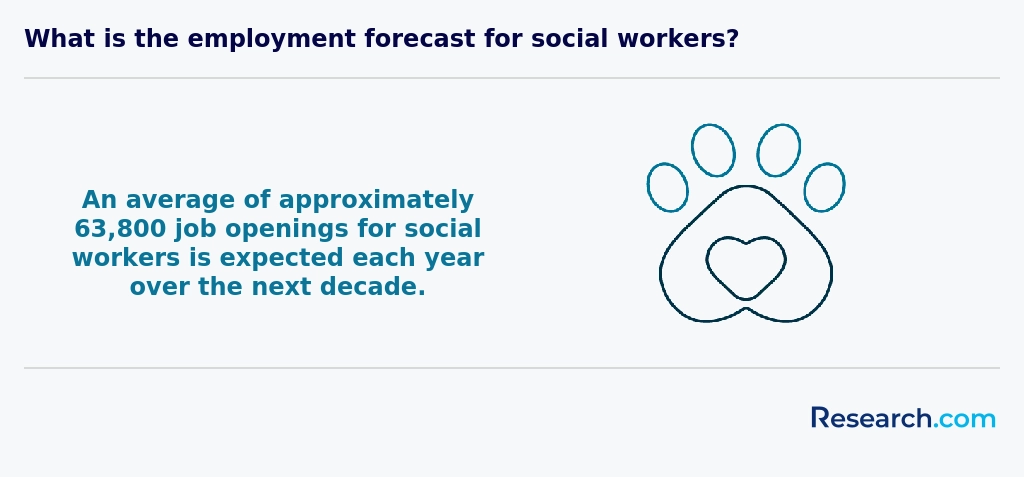
According to the U.S. Bureau of Labor Statistics, employment for social workers is projected to grow 12% from 2022 to 2032, reflecting increasing demand worldwide for professionals skilled in social welfare and policy.
Grasping this global outlook prepares Greensboro students to contribute locally and internationally in fields like healthcare, education, and international development.
Students pursuing a social work degree in Greensboro can gain practical experience through field placements, which are a required part of accredited programs. These internships typically involve supervised work in local agencies, such as healthcare facilities, schools, or nonprofit organizations. The University of North Carolina at Greensboro (UNCG), for example, partners with numerous community organizations to provide real-world training.
Such hands-on experiences help students develop crucial skills like client assessment, case management, and advocacy. According to the National Association of Social Workers (NASW), field education is essential in preparing graduates for professional practice and licensure in North Carolina.
Additionally, volunteering with local nonprofits can supplement formal placements, offering flexible opportunities to build experience while studying.
Choosing the right concentration within a social work degree program in Greensboro depends on your career goals and the community needs. Common concentrations include clinical social work, school social work, and community organization. For example, clinical social work focuses on mental health support, while school social work addresses student well-being in educational settings.
The demand for licensed clinical social workers in North Carolina is expected to grow by 12% from 2022 to 2032, according to the U.S. Bureau of Labor Statistics. Consider programs that align with local employment trends and offer hands-on internships. Reviewing faculty expertise and available field placements in Greensboro can also guide your decision.
Engaging with local agencies during your studies can help clarify which concentration fits your interests and strengths.
Related Social Work Rankings for Nearby Cities
- 2027 Most Valuable Social Work Degree Programs Ranking in Raleigh
- 2027 Most Valuable Social Work Degree Programs Ranking in Charlotte
- 2027 Most Valuable Social Work Degree Programs Ranking in Fayetteville
- 2027 Most Valuable Social Work Degree Programs Ranking in Washington
- 2027 Most Valuable Social Work Degree Programs Ranking in Baltimore
- 2027 Most Valuable Social Work Degree Programs Ranking in Lexington
- 2027 Most Valuable Social Work Degree Programs Ranking in Atlanta
- 2027 Most Valuable Social Work Degree Programs Ranking in Columbus
- 2027 Most Valuable Social Work Degree Programs Ranking in Cincinnati
- 2027 Most Valuable Social Work Degree Programs Ranking in Louisville
Top Trending Social Work Rankings
See What Experts Have To Say About Studying Social Work
Read our interview with Social Work experts

References
- Occupation Profile https://nccareers.org/occupation-profile/211022/1284
- Best Affordable Master's Degree In Social Work https://www.psychology.org/social-work/best-affordable-masters-programs/
- How to Network Your Way into a Social Work Job or Practicum https://www.mswhelper.com/blog/how-to-network-your-way-into-a-social-work-job-or-practicum
- Interdisciplinary Collaboration in Social Work and the ASWB Exam https://agentsofchangeprep.com/blog/interdisciplinary-collaboration-in-social-work-and-the-aswb-exam/
- Career stages | BASW https://basw.co.uk/careers/career-stages
- LER https://ler.me/programs/university-of-north-carolina-at-greensboro-social-work
- Social Work Careers https://socialworklicensemap.com/social-work-careers/
- MSW Programs in North Carolina - Campus & Online Master of Social Work https://www.masterofsocialwork.com/states/north-carolina/
- Quick Links https://www.alfabetaglobal.com/schools/the-university-of-north-carolina-at-greensboro/programs/bachelor-of-social-work-6468d3a4-0498-46e5-a5d3-4cd7bf45da64
- 10 Careers for Social Work Majors https://www.umassglobal.edu/blog-news/careers-for-social-work-majors


