
2027 Most Valuable Social Work Degree Programs Ranking in Dubuque

Co-Founder and Chief Data Scientist
Choosing the right social work degree program in Dubuque can shape your future career and personal growth. This article introduces the 2027 Most Valuable Social Work Degree Programs Ranking in Dubuque, carefully compiled by the Research.com team of data scientists.
Designed to guide you through the best options, the ranking helps you make informed decisions based on real data. Whether you're just starting out or planning a change, exploring these programs can open doors to meaningful work that makes a difference.
Investing in a social work degree is a rewarding step toward a fulfilling and impactful profession.
Key benefits of getting social work degree in Dubuque
- Graduates with a social work degree in Dubuque can expect solid earnings, with roles like Social Workers earning a mean annual wage of $68,800 and Community Organizers earning about $83,400.
- Career paths for social work graduates in Dubuque are diverse, ranging from Child Welfare Specialists and Residential Counselors to Youth Workers, offering rewarding opportunities to make real community impact.
- Online social work degrees provide flexibility and convenience, allowing students to balance studies and life while gaining the same valuable skills as traditional programs, making them a great option for busy learners in Dubuque.
- Key benefits of getting social work degree in Dubuque
- What can I expect from social work degree in Dubuque?
- Where can I work with social work degree in Dubuque?
- How much can I make with social work degree in Dubuque?
- 2027 Most Valuable Social Work Degree Programs Ranking in Dubuque
- Key Findings
- How long does it take to complete social work degree in Dubuque?
- Why Choosing the Right Social Work Program in Iowa Matters
- What's the difference between online and on-campus social work degree?
- Licensure and Certification Pathways for Social Work Graduates in Iowa
- What is the average cost of social work degree in Dubuque?
- Licensure and Certification Requirements in Iowa
- What financial aid is available to social work degree students in Dubuque?
- Certification, Licensure, and Career Advancement in Social Work
- What are the prerequisites for enrolling in social work degree program in Dubuque?
- Licensing and Certification in Iowa
- What courses are typically in social work degree programs in Dubuque?
- What types of specializations are available in social work degree programs in Dubuque?
- How do you choose the best social work degree in Dubuque?
- What career paths are available for social work degree students in Dubuque?
- What is the job market for social work degree in Dubuque?
- Top Trending Social Work Rankings
- See What Experts Have To Say About Studying Social Work
What can I expect from social work degree in Dubuque?
The average cost of pursuing a social work degree in Dubuque varies, but many students at the University of Dubuque report tuition and fees around $25,000 to $30,000 per year for the Bachelor of Social Work (BSW) program. Graduates often recall budgeting carefully to manage expenses while balancing internships and part-time jobs, making the investment feel worthwhile due to strong local job prospects.
Students appreciate that the program includes practical fieldwork that prepares them for real-life social work settings in healthcare or child welfare agencies. This hands-on experience is invaluable and often viewed as a highlight, enhancing their skills and confidence beyond classroom learning. Many find that the immersive practicum helps them build local professional networks that ease the transition into paid social work roles.
Graduate students aiming for clinical licensure typically look outside Dubuque for Master of Social Work (MSW) programs, where costs can vary widely but often range from $10,000 to $20,000 per semester depending on the institution. Still, the University of Dubuque's CSWE-accredited BSW provides a solid, affordable foundation with local relevance and career-focused support.
Where can I work with social work degree in Dubuque?
Graduates from social work programs at popular Dubuque institutions often find rewarding careers in public health and human services agencies, such as the Dubuque County Health Department. These roles involve helping families access essential services like mental health counseling and elder care, making a tangible difference in the community.
Many alumni also succeed in healthcare settings like UnityPoint Health Finley Hospital, where they support patients through discharge planning and advocacy. This hands-on work requires skills sharpened through local internships, boosting confidence and job readiness after graduation. Advanced degrees, like the MSW, further open doors to specialized medical social work careers.
Non-profit organizations, including the Dubuque Rescue Mission, provide another impactful career path where social workers manage cases involving homelessness and substance abuse. Graduates share how connecting with clients in these settings fosters a deep sense of purpose and community connection.
For those interested in education, the Dubuque Community School District offers opportunities to support students facing behavioral and mental health challenges, combining practical training from college with rewarding, real-world experience.
How much can I make with social work degree in Dubuque?
Graduates with a social work degree in Dubuque can expect varied earning potential depending on their chosen path. For example, social workers in this area report mean annual wages around $68,800, closely aligning with the $54,000 median statewide salary, adjusted upward by specialization or licensure.
Those entering roles like child welfare specialists or residential counselors typically see mean salaries near $59,190 annually, providing a dependable starting income. Community organizers and youth workers, while less common in Dubuque, command higher wages averaging $83,400 per year, reflecting their advanced responsibilities and impact.
Students from local institutions such as University of Dubuque share that gaining hands-on experience through internships boosts confidence and employability, leading to job offers that meet or exceed these salary averages. Those pursuing licensure as clinical social workers report even greater earning potential, often reaching $70,000 or more.
For graduates, focusing on specialized credentials and healthcare-oriented roles in Dubuque can translate to meaningful salary growth and career satisfaction. Engaging with community programs offered by local colleges helps build networks essential to securing these higher-paying opportunities.
2027 Most Valuable Social Work Degree Programs Ranking in Dubuque
How do we rank schools?
Investing in your education is a significant decision that can profoundly impact your future, and the Research.com team recognizes the importance of making well-informed choices. To support those seeking social work degree programs in Dubuque, we have carefully developed the "2027 Most Valuable Social Work Degree Programs Ranking in Dubuque." Our dedication to quality, credibility, and accuracy is demonstrated through the rigorous research and comprehensive analysis undertaken to produce this ranking.
We utilized the following reputable data sources to ensure a thorough evaluation of social work programs:
By reviewing this ranking, readers will obtain valuable insights into the most valuable social work degree options in Dubuque, empowering them to choose the program that best aligns with their career goals and personal needs. For a detailed overview of our process, please visit our Research.com methodology page.


Key Findings
- In-state undergraduate social work tuition in Dubuque ranges from $7,000 to $12,000 per year, while graduate programs like the MSW cost between $12,000 and $20,000 annually.
- Starting salaries for social workers with a BSW in Dubuque average around $40,000 per year, and MSW graduates typically start near $50,000 annually.
- Experienced social workers can earn between $55,000 and $65,000 per year, especially in specialized or supervisory roles.
- Job growth for social workers in Dubuque is expected to increase by about 7% over the next decade, driven by healthcare and mental health service demand.
- Programs accredited by the Council on Social Work Education (CSWE) are essential for licensure eligibility and professional employment in Iowa.
How long does it take to complete social work degree in Dubuque?
Completing a social work degree in Dubuque generally takes four years for a full-time Bachelor's Degree in Social Work (BSW). Graduates from universities like the University of Dubuque often find this timeline manageable as the program blends general education with practical field practicum, giving them hands-on experience early on. Many students balance evening classes and part-time work, making the journey realistic and rewarding.
For those aiming higher, a Master of Social Work (MSW) typically takes about two years full-time. Some graduates appreciate accelerated options that reduce this to 12-18 months, especially if they already hold a BSW or related degree. Flexible schedules, including part-time tracks, allow students to stretch the program to three or four years, accommodating life's demands.
While doctoral degrees in social work are rare in Dubuque and take three to five years, most find the Bachelor's and Master's paths enough to start fulfilling careers. Choosing programs with flexible formats, like evening or hybrid classes offered locally, helps students maintain enthusiasm and success throughout their studies.
Why Choosing the Right Social Work Program in Iowa Matters
When considering a career in social work, particularly in regions like Dubuque, IA, it's essential to understand the broader context of social work education in the state. Iowa offers a range of social work programs, each with its unique strengths and specializations. For instance, to find the most valuable social work schools in Iowa, prospective students must delve into the specifics of each program, including accreditation, curriculum, and field practicum opportunities. The choice of program can significantly influence one's career trajectory and the ability to make a meaningful impact in the community. In Iowa, social work programs are designed to address the state's specific social challenges, ranging from rural healthcare access to urban mental health services. Therefore, selecting a program that aligns with one's passions and career goals is crucial for both personal fulfillment and professional success.
What's the difference between online and on-campus social work degree?
Online and on-campus social work degrees in Dubuque differ mainly in learning environment and flexibility. Graduates from Loras College often recall the energy of attending classes in person, engaging directly with professors and peers at John Deere Commons, which helps build strong local networks. This immersion also provides immediate access to campus resources and nearby internships with agencies like the Dubuque County Health Department.
By contrast, online students enjoy the freedom to balance studies with work or family commitments through virtual classrooms and flexible schedules. They appreciate being able to complete the same required field placements remotely, often partnering with a wider range of community nonprofits. While on-campus costs include commuting and housing, online tuition may vary but typically aligns with Iowa's in-state expenses.
Choosing between formats depends on your lifestyle and learning style. If you thrive on face-to-face interaction and campus life, Dubuque's on-campus programs offer an enriching experience. If convenience and time management are priorities, the accredited online options maintain rigorous standards without sacrificing licensure pathways.
Licensure and Certification Pathways for Social Work Graduates in Iowa
Iowa’s Board of Social Work Examiners mandates that all practicing social workers hold appropriate licensure, ensuring public safety and professional standards. Below is an overview of the key steps and requirements: 1. Licensed Social Worker (LSW) • Education: Earn a Bachelor’s or Master’s degree in Social Work from a CSWE-accredited program. As you select a cost-effective path, consider our Cheapest Online Social Work Degree Programs Ranking in the Northeast to fulfill your educational prerequisites. • Examination: Pass the ASWB Bachelor’s or Master’s exam, depending on your degree level. • Application: Submit official transcripts, exam results, and the application fee to the Iowa Board. 2. Licensed Independent Social Worker (LISW) • Advanced Degree: Hold an MSW from a CSWE-accredited institution. • Supervised Experience: Complete a minimum of 3,000 hours of post-graduate supervised practice under a Board-approved supervisor. • Examination: Pass the ASWB Clinical exam to demonstrate competency in therapeutic and clinical social work. • Application: Provide verification of supervised hours, exam scores, and a completed application form. 3. Continuing Education and Renewal • Requirements: Complete 45 contact hours of approved continuing education every two years, including ethics and Iowa law. • Reporting: Maintain detailed CEU records and submit renewal applications online before licensure expiration. By understanding these licensure pathways, graduates in Dubuque can smoothly transition from academic programs to licensed practice, ensuring they meet both state and national professional standards.
What is the average cost of social work degree in Dubuque?
The average cost of a social work degree in Dubuque typically totals around $40,910 for in-state students. This figure aligns with what many graduates recall paying while studying at institutions like the University of Dubuque, where tuition reflects private college pricing but offers strong program value. For out-of-state students, costs can rise closer to $54,158, making financial planning crucial. Many students find this manageable by tapping into federal grants, state aid, and scholarships specifically designed to assist Iowa residents pursuing social work degrees.
Community colleges such as Northeast Iowa Community College offer affordable pathways, usually costing less than $5,000 annually for in-state students. Graduates who started here often emphasize how these programs provide an excellent springboard, especially if paired with transfer options to four-year universities to complete a bachelor's degree. Their experience highlights the strategic advantage of beginning with a lower tuition base without compromising educational quality.
Additional costs like books, supplies, and fees typically add $1,000 to $2,000 per year, which students frequently budget carefully. Living in Dubuque further supports financial balance since local expenses are more moderate compared to larger cities. By considering all these factors and exploring financial aid, prospective students can confidently approach the average cost social work degree Dubuque demands with practical optimism.
For those researching program options and cost comparisons, the https://research.com/rankings/social-work/best-social-work-dubuque-ia provides a helpful resource tailored to this field and region.

Licensure and Certification Requirements in Iowa
Earning a social work degree in Dubuque, IA, is only the first step; obtaining licensure from the Iowa Board of Social Work Examiners is essential for professional practice. Graduates with a Bachelor of Social Work (BSW) typically apply for licensure as a Licensed Bachelor Social Worker (LBSW). To qualify, you must:
- Hold a CSWE-accredited BSW or an accredited online bachelor's degree in human services.
- Complete at least 600 hours of supervised fieldwork under a board-approved supervisor.
- Pass the Association of Social Work Boards (ASWB) Bachelor’s exam.
- Submit a completed application and fee to the Iowa Board of Social Work Examiners. For those pursuing clinical practice, obtaining a Master of Social Work (MSW) enables eligibility for the Licensed Independent Social Worker (LISW) credential. Requirements include:
- Graduation from a CSWE-accredited MSW program.
- Documentation of 3,000 hours of supervised clinical experience post-MSW.
- Successful completion of the ASWB Clinical exam. Maintaining your Iowa license mandates 30 hours of continuing education every two years, including at least three hours in ethics. Approved activities range from workshops and webinars to peer consultation groups. Planning ahead-tracking CE hours, selecting Board-approved providers, and renewing on time-ensures uninterrupted practice and demonstrates commitment to ethical, evidence-based social work.
What financial aid is available to social work degree students in Dubuque?
Social work students in Dubuque can access a range of financial aid options that make pursuing their degrees more affordable and less stressful. Federal aid is key-applying through FAFSA opens doors to Pell Grants, which many graduates recall as a lifeline that reduced their tuition burden without the worry of repayment. Additionally, students with disabilities benefit from Iowa Vocational Rehabilitation Services, which covers expenses beyond standard tuition costs, making education accessible to all.
Local colleges in Dubuque often award scholarships specifically for social work students based on academic merit, community involvement, or dedication to social causes. Graduates remember scholarships aimed at underrepresented groups as vital for helping them break into the field. Beyond these, nonprofit organizations in Dubuque frequently provide grants for those committed to serving local communities, easing financial pressure while fostering meaningful connections.
Federal loans remain an option, but many careful graduates emphasize balancing these with work-study programs available through partnerships with area social work agencies. These roles offer hands-on experience and income, helping students feel empowered and prepared for their futures in social services.
Certification, Licensure, and Career Advancement in Social Work
A key consideration for social work students is understanding the process of professional certification and the ongoing commitment to continuing education. This section provides insights into licensure requirements, exam preparation strategies, and the benefits of pursuing specialized certifications to remain competitive in the job market. Many programs prepare graduates for state-specific licensing exams, such as those required to become a Licensed Clinical Social Worker (LCSW). Students are encouraged to engage in supplemental workshops, join professional associations, and seek mentorship opportunities to enhance their practical skills and knowledge. Additionally, exploring detailed career pathways can offer clarity on the next steps-such as reviewing a child and family social worker job description-ensuring that graduates are well-informed about the evolving demands of the field. Staying updated with changes in social policies, ethical guidelines, and best practices not only solidifies a foundation of expertise but also opens doors to leadership roles and specialized areas within social work, fostering long-term career growth and job satisfaction.
What are the prerequisites for enrolling in social work degree program in Dubuque?
To enroll in a social work degree program in Dubuque, high school graduates typically need a diploma with a solid GPA around 2.5 to 3.0. Graduates from local colleges recall how submitting SAT or ACT scores helped strengthen their applications, though some schools have eased these test requirements recently. For those aiming at a master's degree, holding a bachelor's from an accredited institution-whether in social work or related fields like psychology-is essential. Many successful applicants shared that having completed relevant undergrad courses or gaining volunteer hours in community services significantly boosted their chances at universities in Dubuque.
Hands-on experience is key; several alumni emphasize that even a few months of volunteering in local social service agencies provided meaningful insight and made their applications stand out. Preparing for possible GRE requirements, or demonstrating related work history that can waive this exam, also proved beneficial for many.
Some programs expect prerequisites such as introductory social work, ethics, or statistics. Graduates recommend checking with your chosen Dubuque college early and arranging flexible plans to complete these before enrollment.
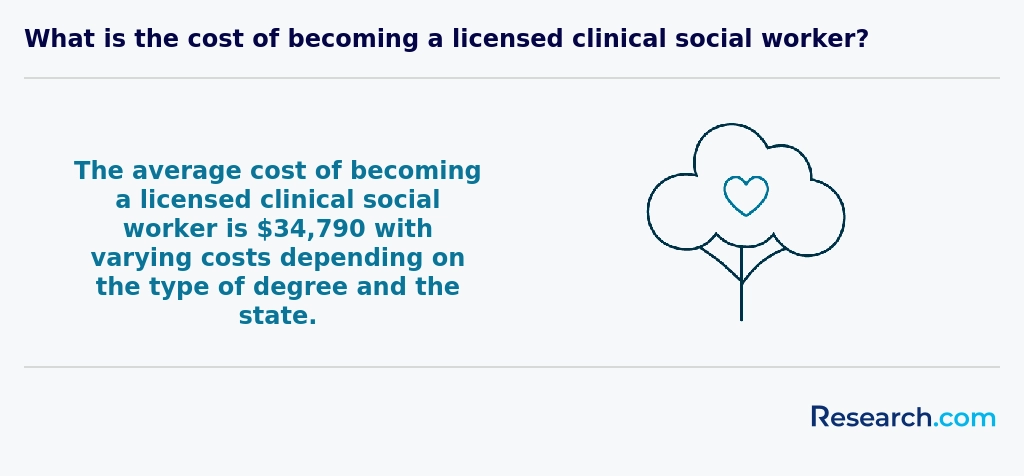
Licensing and Certification in Iowa
To practice social work in Dubuque, you must secure state licensure through the Iowa Board of Social Work. Requirements vary by level but generally include:
- Earn a CSWE-accredited BSW or MSW degree
- Pass the appropriate ASWB exam (bachelor’s, master’s or clinical level)
- Complete required supervised practice hours (1,000 for LBSW; 3,000 for LCSW)
- Submit application, fees and background check to the Iowa Board of Social Work
For those aiming to fast-track clinical practice, consider msw accelerated programs to combine coursework and supervised hours efficiently.
What courses are typically in social work degree programs in Dubuque?
Social work degree programs in Dubuque focus on practical courses that prepare students for real-world challenges. Graduates from popular schools like the University of Dubuque often highlight foundational classes such as human behavior and social environment, which help them understand how individual and community dynamics interact. These courses build empathy and critical thinking skills needed for diverse client populations.
Practice methods classes are vital, teaching students intervention strategies and ethical decision-making through simulated client scenarios. Many find these lessons empowering, as they directly translate to effective community engagement.
Courses in social welfare policy provide insight into the laws and services affecting vulnerable groups. Dubuque students frequently mention how this knowledge equips them to advocate for change within local agencies.
Research methods and statistics are emphasized to help students assess program outcomes, a skill praised by recent graduates who engaged in community-based research projects.
Field education, often done through internships with Dubuque nonprofits or healthcare providers, combines theory with hands-on experience, making study truly impactful and confidence-building for those entering social work here.

What types of specializations are available in social work degree programs in Dubuque?
Students pursuing a social work degree in Dubuque commonly choose from several practical specializations that cater to diverse community needs. Clinical Social Work is popular, equipping graduates with therapy and counseling skills used in mental health clinics and hospitals. Many graduates share how obtaining licensure such as the LCSW deepened their confidence to support clients effectively.
Community and Public Social Work is another concentration, focusing on advocacy and program development. Students experience hands-on projects with local nonprofits and government agencies, addressing issues like poverty and homelessness. This specialization reflects the social work program concentration options Dubuque students often seek when aiming to drive systemic change.
For those drawn to family dynamics, Child and Family Welfare offers training in abuse prevention and foster care advocacy. Graduates from Dubuque colleges describe how real-life family case studies prepared them to make an immediate impact in child protection services. Gerontological Social Work is also expanding as students grow eager to support elders navigating healthcare and social inclusion.
Prospective students interested in flexible learning can explore the best part-time MSW programs online, ideal for balancing work and study while specializing in these key fields.
How do you choose the best social work degree in Dubuque?
Start by confirming the social work degree programs in Dubuque are CSWE-accredited to ensure they meet professional standards required for licensure. Graduates from popular colleges here often mention how this accreditation boosted their confidence in securing quality internships with local agencies, enhancing both skill and job readiness. Check tuition costs carefully; many students share they found more affordable social work degree programs Dubuque offers through public universities, which helped them manage debt better without compromising education quality.
Consider the flexibility of program formats. Some universities provide both on-campus and online options, appealing to those balancing work or family, with online psychology degrees california tuition serving as a benchmark for cost variation. Graduates frequently report that program flexibility in Dubuque allowed them to maintain employment while progressing academically.
Evaluate which degree level fits your goals. For instance, many in Dubuque choose Bachelor's degrees to enter the field quickly, while others pursue a Master's to boost earning potential and career advancement. Alumni often recommend reviewing program outcomes, like graduation and employment rates, since these reflect how well programs prepare you for the real-world demands of social work.
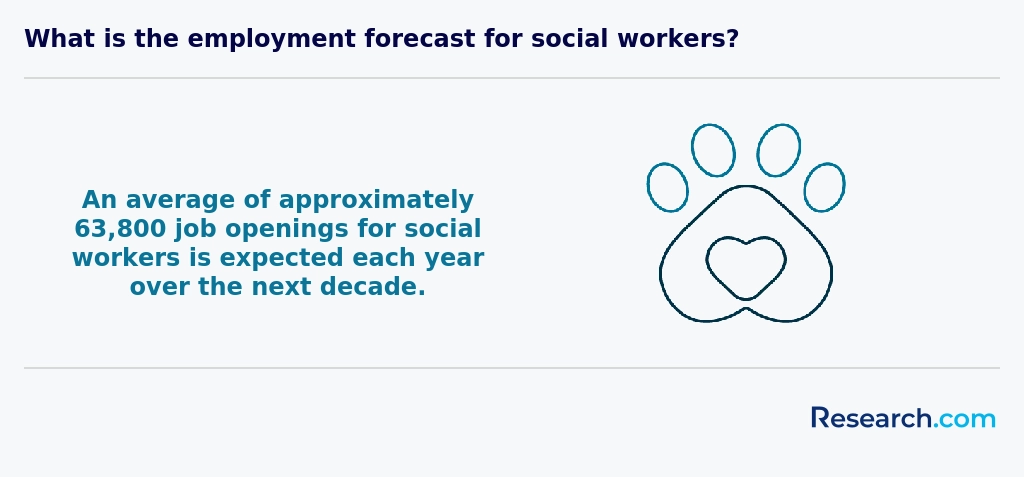
What career paths are available for social work degree students in Dubuque?
Graduates with a social work degree in Dubuque find rewarding job opportunities tailored to their training and passion. Many entry-level roles focus on child welfare services, case management, and community outreach, especially for those who studied at local institutions like the University of Dubuque or Clarke University. These graduates often describe the satisfaction of directly impacting families and advocating for vulnerable populations.
Those pursuing advanced degrees, such as a Master of Social Work, unlock paths in clinical settings, becoming licensed clinical social workers, therapists, or healthcare social workers. Hospitals and mental health clinics in Dubuque actively seek professionals to provide counseling and coordinate patient care, making this a promising career direction. A graduate shared how their MSW experience in Dubuque's healthcare system helped them make a tangible difference in patients' lives.
Social work career opportunities in Dubuque also include roles in educational institutions, where professionals support students facing emotional challenges. Additionally, government agencies and nonprofits offer positions focused on policy and administration, allowing graduates to influence social programs on a broader scale.
For those exploring practical next steps, local students can find valuable guidance here, ensuring their career aligns with both personal goals and community needs. Jobs for social work degree holders in Dubuque continue to expand, reflecting a vibrant and growing field.

What is the job market for social work degree in Dubuque?
The social work job outlook Dubuque offers steady opportunities due to its growing social services sector, especially in elder care and mental health. Graduates from local colleges often find that agencies like the Dubuque County Health Department and MercyOne Dubuque Medical Center actively hire social workers with BSW or MSW degrees. Many graduates describe rewarding experiences working directly with clients, supporting families, and improving community well-being, which keeps motivation high despite challenges.
Employment opportunities social work Dubuque favor candidates with an MSW, particularly for clinical roles requiring licensure. These credentials improve chances for roles in hospitals and schools, boosting earning potential beyond the state average annual salary of about $60,000. Graduates frequently use internships at community mental health centers to gain hands-on experience and build local networks.
Students considering social work programs at universities in Dubuque appreciate accessible tuition rates ranging $7,000 to $15,000 annually. Many successfully combine federal aid, scholarships, and employer tuition reimbursement to manage costs. For those exploring broader psychology fields, resources like psychology career opportunities arizona provide useful pathways to expand skills and job prospects.
Frequently Asked Questions About social work
Social work degree students in Dubuque can maximize their learning experience by actively engaging in local field placements, which are essential for practical skill development. Institutions like the University of Dubuque and Loras College collaborate with community agencies, offering students hands-on experience with diverse populations. According to the Council on Social Work Education, field education accounts for at least 400 hours in most accredited programs, highlighting its importance.
Students should also participate in local workshops and seminars hosted by organizations such as the Iowa Social Work Education Consortium. Networking with practicing professionals in Dubuque allows learners to understand regional social issues better.
Moreover, staying informed about state regulations and certification requirements from the Iowa Board of Social Work helps students align their studies with career goals.
The social work field is evolving with several emerging niches gaining attention across the United States, including in Dubuque. One growing area is gerontology, where social workers help an aging population address healthcare, housing, and social integration challenges. According to the U.S. Bureau of Labor Statistics, employment in healthcare social work is expected to grow 13% from 2022 to 2032, faster than average for all occupations.
Another important niche is behavioral health, focusing on mental health and substance abuse treatment. Social workers in Dubuque increasingly support community mental wellness initiatives in response to rising demand. Additionally, roles in child welfare and trauma-informed care are expanding as awareness of childhood adversity rises nationally.
After completing a social work degree in Dubuque, effective preparation for the job market involves several key steps. First, gaining practical experience through internships or volunteer opportunities with local agencies like UnityPoint Health or the Dubuque County Social Services can enhance your resume.
Networking is equally important. Attend events hosted by the Iowa Chapter of the National Association of Social Workers to connect with professionals in the field. According to the Bureau of Labor Statistics, social work jobs in Iowa are expected to grow 7% by 2031, indicating steady demand.
Finally, obtaining licensure such as the Licensed Independent Social Worker (LISW) credential will improve employment prospects and enable independent practice.
Employers in Dubuque seeking social work degree graduates prioritize strong communication and interpersonal skills. These abilities are essential for effectively engaging with diverse populations and building trusting client relationships.
Critical thinking and problem-solving are also highly valued, as social workers must navigate complex cases while considering ethical standards set by the National Association of Social Workers (NASW).
In addition, proficiency in cultural competency is important due to Dubuque's growing demographic diversity. According to the Iowa Workforce Development, employers increasingly prefer graduates who demonstrate adaptability and resilience in challenging environments.
Finally, knowledge of local social services and policy frameworks enhances a graduate's employability in this regional market.
Finding internships in Dubuque relevant to a social work degree involves exploring local universities, community agencies, and healthcare providers. Clarke University and the University of Dubuque often support students with placement resources through their social work departments. Many internships arise in settings such as mental health clinics, child welfare organizations, and nonprofit service providers.
The Iowa Department of Human Services offers programs and partnerships that facilitate social work internships. Networking through local professional groups like the Dubuque County Social Services Consortium can also help students identify openings.
Nationally, 60-70% of social work internships are unpaid but provide valuable experience, so engaging early is beneficial. The Council on Social Work Education (CSWE) endorses internships as essential for licensure, making these placements crucial for career advancement.
Obtaining a social work degree in Dubuque significantly enhances career mobility and advancement opportunities within the local social services sector. Graduates with a Bachelor of Social Work (BSW) or Master of Social Work (MSW) often qualify for jobs in government agencies, healthcare, and nonprofit organizations, all of which have a strong presence in the Dubuque area. According to the U.S. Bureau of Labor Statistics, social workers in Iowa are projected to see employment growth of about 7% from 2022 to 2032, mirroring national trends.
Local healthcare systems and school districts often require licensed social workers for advanced roles, making a degree essential for promotion. Additionally, earning an MSW prepares candidates for clinical licensure as Licensed Independent Social Workers (LISW), which grants eligibility for higher salaries and supervisory positions. The University of Dubuque and nearby institutions offer accredited programs that align with licensing requirements, further supporting career growth. This educational foundation allows professionals to adapt to changes in social policy and community needs in Dubuque.
Studying for a social work degree in Dubuque equips students with skills that extend beyond traditional social work roles, preparing them for interdisciplinary collaboration. Local programs emphasize practical experience through partnerships with healthcare providers, schools, and community organizations. This approach aligns with national standards set by the Council on Social Work Education (CSWE), ensuring graduates can work effectively with professionals in psychology, education, and public health.
Data from the Iowa Workforce Development highlights a growing demand in Dubuque for social workers able to coordinate services across sectors, reflecting the city's integrated care model. This training strengthens communication and problem-solving skills critical in interdisciplinary settings.
Choosing between a thesis and a non-thesis social work degree program in Dubuque depends on your career goals and learning preferences. Thesis programs require conducting original research, which benefits students aiming for academic, research, or doctoral paths. Non-thesis programs focus more on practical skills and internships, suitable for those seeking direct clinical or agency work.
In Dubuque, accredited institutions follow national standards by the Council on Social Work Education (CSWE). According to CSWE data, over 60% of social work graduates in Iowa enter clinical practice, suggesting non-thesis tracks may align well with local job markets.
Consider time commitment, research interest, and career plans when deciding. Consulting academic advisors and local social work employers can provide valuable insight.
Students based in Dubuque seeking to study social work abroad can explore several options through partnerships between local universities and international institutions. Loras College and the University of Dubuque, two prominent local schools, sometimes offer study abroad programs in collaboration with universities in Canada, the United Kingdom, and Australia. These programs typically last a semester and include coursework recognized toward social work degrees. According to the National Association of Social Workers, gaining international experience can enhance cultural competence, an essential skill in social work.
Students should consult their school's study abroad office early to plan. External scholarships may be available to support these opportunities.
Students pursuing social work degrees in Dubuque can find several part-time job opportunities that align well with their education. Local social service agencies, such as The Salvation Army or Four Oaks, often seek part-time aides to assist with case management and client outreach. These roles provide practical experience in client advocacy and crisis intervention.
Additionally, positions in healthcare settings, including hospitals and rehabilitation centers in Dubuque, offer work as support staff or patient aides. This exposure aids understanding of mental health and community resources.
Employment with educational nonprofits or youth programs also complements social work studies by fostering skills in counseling and program development. According to the Iowa Workforce Development Office, social and human service assistant jobs in Dubuque have grown by 5% over the past three years, reflecting expanding opportunities for students.
Social work students in Dubuque have access to various networking opportunities through local universities and community organizations. Loras College, a notable institution offering social work degrees, facilitates connections with local agencies and nonprofit groups. Students often participate in internships and field placements within Dubuque's social services sector, enhancing professional contacts.
Additionally, the Dubuque Area Labor-Management Council hosts events focusing on workforce development, including social work. Local chapters of the National Association of Social Workers (NASW) provide networking events, workshops, and conferences, helping students build relationships with licensed professionals in the area.
According to NASW Iowa, over 900 social workers practice statewide, creating a broad network accessible to Dubuque students.
Alumni networks play a vital role for social work degree students in Dubuque by providing access to professional connections and mentorship opportunities. Graduates often share job leads, internship openings, and local agency contacts, which helps current students navigate Dubuque's social service landscape.
According to the National Association of Social Workers, strong alumni engagement can increase employment rates for graduates by up to 20%. In Dubuque, where social work agencies frequently collaborate with universities, these networks assist students in gaining practical experience.
Furthermore, alumni often offer guidance on licensure requirements specific to Iowa, benefiting students who plan to practice locally.
Customizing a social work degree program in Dubuque to align with your career goals involves choosing the right electives, concentrations, and practical experiences. Many local institutions, such as the University of Dubuque, offer flexible Bachelor's and Master's programs with options to focus on areas like healthcare, child welfare, or community services. Tailoring your coursework allows you to develop skills relevant to specific populations or work settings.
Field placement opportunities in Dubuque's diverse social service agencies provide valuable real-world experience and networking connections. According to the Iowa Board of Social Work, internships completed locally can enhance licensure readiness, an essential step for career advancement.
Social work students in Dubuque commonly face challenges balancing academic demands with personal and professional responsibilities. Many juggle part-time jobs or family care while completing intensive coursework and field placements. According to data from the National Association of Social Workers, nearly 60% of social work students nationwide experience high stress levels, which is reflected locally. Access to diverse field placement opportunities in Dubuque can also be limited, affecting students' ability to gain varied practical experience. Additionally, navigating financial aid and managing student debt remain significant concerns for many, as social work programs often require unpaid internships or extensive time commitments.
With a social work degree in Dubuque, graduates can pursue several professional certifications to enhance their careers. The most common credential is the Licensed Social Worker (LSW), which qualifies individuals to practice under supervision. After gaining experience, social workers may apply for the Licensed Independent Social Worker (LISW) license, allowing independent practice. Both licenses are regulated by the Iowa Board of Social Work Examiners.
Additional specializations include certifications in Clinical Social Work and School Social Work, which can improve job prospects and earning potential. According to the Iowa Workforce Development, social workers in the Dubuque area earn a median annual wage of approximately $57,000, with licensed professionals often earning more.
This structured certification path ensures social workers meet professional standards and provide quality care in fields such as mental health, healthcare, and child welfare.
To write a winning application for a social work program in Dubuque, start by clearly demonstrating your commitment to the field. Admissions committees value applicants who show genuine interest in helping communities, especially since Dubuque has diverse social needs. Highlight relevant volunteer or work experience, such as helping local non-profits or participating in community outreach programs. Be sure to include strong letters of recommendation from professionals who can verify your dedication and skills.
Additionally, craft a focused personal statement that outlines your goals and understanding of social work challenges in Iowa. Use data from sources like the Iowa Workforce Development, which reports steady growth in social work jobs around Dubuque. Finally, maintain a competitive GPA-most programs expect at least a 3.0-and prepare for any required interviews or essays with clear, concise answers.
The field of social work has a strong global dimension, as professionals often address issues that transcend national borders, such as migration, human rights, and social justice. In the United States, including Dubuque, social workers benefit from international frameworks like those promoted by the International Federation of Social Workers (IFSW) that emphasize ethical practice and cultural competence.
Globally, social work careers focus on promoting well-being and equity, which aligns with U.S. educational standards requiring degrees accredited by the Council on Social Work Education (CSWE). Dubuque students trained under these standards are prepared to engage with diverse populations and global social challenges.
According to the U.S. Bureau of Labor Statistics, social work jobs are expected to grow by 13% through 2032, reflecting increasing demand for qualified workers addressing both local and international social issues.
Gaining practical experience while studying for a social work degree in Dubuque is crucial for building your skills and enhancing employability. Many local colleges require supervised field placements, also known as internships, typically lasting 400 to 900 hours. These placements often occur in community organizations, healthcare facilities, or schools within Dubuque.
The University of Dubuque and nearby Clarke University have partnerships with agencies such as the Dubuque Rescue Mission and Family Resources, providing students with hands-on experience.
Additionally, volunteer work and part-time jobs in social services can supplement academic learning and expose students to real-world challenges.
Choosing the right concentration within a social work degree program in Dubuque depends on your career goals and local community needs. Dubuque has a growing demand for social workers specializing in mental health, child welfare, and aging services, mirroring broader trends reported by the Iowa Workforce Development. Exploring concentrations like clinical social work or community organizing can align you with roles in local hospitals, schools, or non-profits.
Consider programs that offer field placements or internships in Dubuque agencies, as practical experience is key. Accreditation by the Council on Social Work Education ensures quality training, which affects licensure eligibility in Iowa.
Related Social Work Rankings for Nearby Cities
- 2027 Most Valuable Social Work Degree Programs Ranking in Milwaukee
- 2027 Most Valuable Social Work Degree Programs Ranking in Chicago
- 2027 Most Valuable Social Work Degree Programs Ranking in Saint Paul
- 2027 Most Valuable Social Work Degree Programs Ranking in Minneapolis
- 2027 Most Valuable Social Work Degree Programs Ranking in Grand Rapids
- 2027 Most Valuable Social Work Degree Programs Ranking in Saint Louis
- 2027 Most Valuable Social Work Degree Programs Ranking in Omaha
- 2027 Most Valuable Social Work Degree Programs Ranking in Marion
- 2027 Most Valuable Social Work Degree Programs Ranking in Indianapolis
- 2027 Most Valuable Social Work Degree Programs Ranking in Duluth
Top Trending Social Work Rankings
See What Experts Have To Say About Studying Social Work
Read our interview with Social Work experts

References
- Know more about thesis vs non- thesis: what is the difference? https://studyfans.com/en/blogs/816
- Social Work https://al.edu.pl/en/studies/english-courses-for-erasmus-students/social-work
- Top Skills Employers Look for in Qualified Social Workers Today - Vitalis https://www.vitalissocialcare.co.uk/career-development/top-skills-employers-look-for-in-social-workers-today/
- 2022 Guide to Social Work Scholarships and Financial Aid https://www.onlinemswprograms.com/resources/scholarships-financial-aid-guide/
- 1+ Social Worker Cover Letter Examples (with In-Depth Guidance) https://www.tealhq.com/cover-letter-examples/social-worker
- Social Worker (LCSW, MSW) Salary Guide By State https://socialworklicensemap.com/social-work-careers/social-work-salary/
- 10 Careers for Social Work Majors https://www.umassglobal.edu/blog-news/careers-for-social-work-majors
- 5 Career Planning Steps for Success in Social Work https://www.twrecruitment.com.au/blog/2026/02/5-career-planning-steps-for-success-in-social-work
- Social Work Education: Interdisciplinary teams a growing area of training https://www.socialworkblog.org/featured-articles/2018/04/social-work-education-interdisciplinary-teams-a-growing-area-of-training/
- Preparing For A Career In Social Work: Tips For New Graduates https://www.tripodpartners.com/career-advice/social-work/preparing-for-a-career-in-social-work-tips-for-new-graduates/





