
2027 Most Valuable Social Work Degree Programs Ranking in Iowa

Co-Founder and Chief Data Scientist
Choosing the right social work degree program in Iowa can shape your future in meaningful ways. This article presents the 2027 Most Valuable Social Work Degree Programs Ranking in Iowa, created by the Research.com team of data scientists. It's designed to help you make an informed decision about which programs stand out for quality and value.
Exploring these rankings allows you to focus on opportunities that align with your goals and passions. Pursuing a social work degree can lead to a fulfilling career making a real difference in communities across Iowa and beyond.
Key benefits of getting social work degree in Iowa
- Graduates with a social work degree in Iowa can expect competitive salaries, with roles like Social Worker earning an average annual wage of $68,800 and Child Welfare Specialists making about $59,190 per year.
- Career options are diverse, ranging from community organizer to residential counselor, allowing graduates to find fulfilling work that fits their passion for helping others in local communities.
- Obtaining a social work degree online from Iowa universities offers flexibility for busy students, enabling them to balance studies with personal commitments while gaining the same valuable knowledge as traditional programs.
- Key benefits of getting social work degree in Iowa
- What can I expect from social work degree in Iowa?
- Where can I work with social work degree in Iowa?
- How much can I make with social work degree in Iowa?
- 2027 Most Valuable Social Work Degree Programs Ranking in Iowa
- Key Findings
- How long does it take to complete social work degree in Iowa?
- Accreditation and Licensure Requirements in Iowa
- What's the difference between online and on-campus social work degree?
- Licensure and Certification: Essential Steps for Career Growth
- What is the average cost of social work degree in Iowa?
- Licensure and Certification Requirements in Iowa
- What financial aid is available to social work degree students in Iowa?
- Considering Affordability in Social Work Education
- What are the prerequisites for enrolling in social work degree program in Iowa?
- Licensure and Certification Requirements in Iowa
- What courses are typically in social work degree programs in Iowa?
- What types of specializations are available in social work degree programs in Iowa?
- How do you choose the best social work degree in Iowa?
- What career paths are available for social work degree students in Iowa?
- What is the job market for social work degree in Iowa?
- Related Social Work Rankings for Nearby States
- Top Trending Social Work Rankings
- See What Experts Have To Say About Studying Social Work
What can I expect from social work degree in Iowa?
When considering the cost of a social work degree in Iowa, it's important to know that expenses vary depending on the institution and level of study. For example, graduates from well-known schools like the University of Iowa or Iowa State University often pay tuition that reflects in-state public university rates, which are generally more affordable than private schools.
Many students pursuing a Bachelor of Social Work (BSW) find that annual tuition ranges from approximately $8,000 to $10,000, making it possible to manage through scholarships, financial aid, or part-time work. Master of Social Work (MSW) programs typically come with higher costs, often around $12,000 to $15,000 per year, but they offer greater earning potential and faster career advancement after graduation.
Graduates often share how scholarships or work-study options in Iowa's universities helped ease financial burdens, allowing them to focus on invaluable field placements delivering real-world support in hospitals or community centers. This balance between investment and experience makes social work degrees in Iowa not just a cost, but a meaningful step toward a fulfilling career.
Where can I work with social work degree in Iowa?
Graduates with a social work degree from universities like the University of Iowa or Iowa State University often find themselves stepping into diverse and impactful roles across the state. Imagine working in Des Moines at the Iowa Department of Human Services, where you help families navigate child welfare or support individuals facing tough economic times-these real-world scenarios fuel a deep sense of purpose.
Others have shared how rewarding it is to join healthcare settings, such as mental health clinics or hospitals in Iowa City, where social workers play a crucial role in discharge planning and counseling patients through difficult transitions. The integrated behavioral health focus here means licensed social workers are especially in demand, creating excellent career prospects.
Many graduates also cherish their work in school districts, assisting students dealing with social and emotional challenges daily. Whether in Cedar Rapids or smaller rural towns, these roles make a tangible difference in children's lives.
Furthermore, nonprofit organizations serving vulnerable populations-from combating homelessness to supporting older adults-offer fulfilling career paths. And if you pursue your LISW, private practice can open doors to specialized therapy and counseling that truly change lives.
How much can I make with social work degree in Iowa?
Graduates holding a social work degree in Iowa often find rewarding opportunities with salaries that reflect their dedication and training. For instance, those stepping into roles like Child Welfare Specialist or Residential Counselor can expect mean annual wages around $59,190, making a real difference in communities while earning a respectable income. Many graduates from well-regarded programs at the University of Iowa or Iowa State University share how their early careers in these roles provided both valuable experience and financial stability.
If you pursue positions as a Social Worker, typical of those with a Master of Social Work degree, the median salary rises to approximately $68,800 annually, offering greater financial security. Graduates often highlight how clinical licensure boosts their potential, especially when working in Des Moines or Cedar Rapids, where demand and pay are higher.
Those dreaming of roles such as Community Organizer or Youth Worker should take heart; these jobs come with salaries near $83,400 per year, reflecting the critical leadership these positions require. Iowa's educational programs emphasize practical skills that prepare you for these vibrant, high-impact careers.
Choosing social work in Iowa means embracing a path where passion meets paycheck, with plenty of room to grow as you gain experience and deepen your professional qualifications.
2027 Most Valuable Social Work Degree Programs Ranking in Iowa
How do we rank schools?
Investing in your education is a significant decision that can shape your future, and the Research.com team understands the importance of making informed choices. To assist prospective students in Iowa, we have meticulously crafted the "2027 Most Valuable Social Work Degree Programs Ranking in Iowa." Our commitment to quality, credibility, and accuracy is reflected in the extensive research and analysis conducted to compile this ranking.
We utilized the following reputable data sources to ensure a comprehensive evaluation of social work programs:
By exploring this ranking, readers will gain valuable insights into the most valuable social work degree programs available in Iowa, helping them make informed decisions about their educational paths. For more details on our methodology, please visit our Research.com methodology page.


# 8 position
Briar Cliff University
Bachelor of Social Work


Key Findings
- Iowa offers accredited social work programs at both bachelor's (BSW) and master's (MSW) levels, approved by the Council on Social Work Education (CSWE).
- In-state tuition for bachelor's programs at public universities ranges from $8,000 to $10,000 per year, while MSW programs cost between $10,000 and $15,000 annually.
- Entry-level social workers earn approximately $42,000 to $46,000 annually, with experienced professionals making around $55,000 or more depending on their specialty and location.
- Licensure requires graduation from a CSWE-accredited program, supervised work experience, and passing the ASWB exam through the Iowa Board of Social Work.
- Field education and internships are mandatory parts of social work degrees, providing essential hands-on experience in various community and healthcare settings.
How long does it take to complete social work degree in Iowa?
Completing a social work degree in Iowa typically takes four years for those enrolled full-time in a Bachelor of Social Work (BSW) program. Graduates from the University of Iowa or the University of Northern Iowa often share how immersing themselves fully in their studies allowed them to finish on schedule while gaining valuable hands-on experience through practicum hours. These programs balance classroom learning with around 900 hours of fieldwork, building confidence and real-world skills.
For those aiming higher, the Master of Social Work (MSW) usually takes about two years full-time, though accelerated options at Iowa universities can let you finish in just one year if you already have a BSW. Graduates often express how the intensive field placements, totaling up to 1,200 hours, were key to their professional growth and licensure readiness.
Remember, many students balance work or family, extending study time beyond the typical period. But with dedication and the rich support available at Iowa's institutions, successfully completing your degree is within reach and deeply rewarding.
Accreditation and Licensure Requirements in Iowa
Earning and maintaining a social work license in Iowa hinges on accredited education and clear steps toward certification:
- Ensure your degree comes from a CSWE-accredited program to meet Board standards.
- Complete required supervised practice hours:
- BSW graduates: 1,000 hours for the Licensed Bachelor Social Worker (LBSW).
- MSW graduates: 3,000 hours for the Licensed Independent Social Worker (LISW).
- Pass the appropriate ASWB exam (Bachelor’s or Clinical level) and apply through the Iowa Board of Social Work Examiners.
- Maintain licensure with 30 hours of continuing education every two years, including ethics and Iowa law updates.
For those seeking a fast-track to MSW licensure, explore accelerated pathways like 1 year msw programs online no bsw.
What's the difference between online and on-campus social work degree?
Choosing between an online and on-campus social work degree in Iowa truly depends on your lifestyle and learning style. Graduates from the University of Iowa often share how the campus environment enriched their journey-engaging directly with professors, participating in lively class discussions, and accessing resources like libraries and career services made their experience dynamic and deeply connected.
On the other hand, students who pursued social work at Iowa State University online appreciate the freedom to balance work, family, and studies. They describe the flexibility to complete assignments on their schedule as a game-changer, especially for those living in rural parts of Iowa where commuting to campus isn't practical. However, these students also emphasize the importance of self-motivation and establishing a routine to thrive without the daily structure campus life provides.
Both paths require field placements, but online learners often take pride in securing their practicum sites within their communities, which can foster a unique, personalized learning experience. Understanding these differences helps you imagine which environment will inspire and support you best on your social work journey in Iowa.
Licensure and Certification: Essential Steps for Career Growth
Achieving professional licensure is a critical milestone for social work graduates aiming to enhance their career prospects and credibility in the field. In Iowa, after completing an accredited Social Work degree, students need to navigate a series of steps to become licensed-ranging from accumulating supervised field hours to passing state-recognized examinations. Understanding the distinctions between different credentials, such as the MSW and LCSW, can significantly impact one's career trajectory; for instance, many professionals explore options to determine what career is better msw or lcsw based on their long-term goals. In addition to exam preparation, candidates are encouraged to engage in continuing education and professional development opportunities, which not only aid in meeting recertification requirements but also ensure that practitioners stay updated with the latest best practices and ethical guidelines. This proactive approach to licensure and certification ultimately empowers social workers to provide high-quality care while advancing their roles within diverse community settings.
What is the average cost of social work degree in Iowa?
For students pursuing a social work degree in Iowa, understanding the average cost is crucial as you plan your educational journey. The median total tuition and fees for social work programs in Iowa typically amount to about $36,710 for in-state students. This figure reflects a balanced view of expenses across public universities like the University of Iowa and Iowa State University, where many graduates have found the investment worthwhile due to the quality of education and strong community connections these schools offer.
Graduates often share that while the cost might feel significant at first, the lasting value of their education and the opportunities it unlocked made the expenses manageable and meaningful. It's important to remember that alongside tuition, additional expenses such as textbooks, supplies, and fieldwork can slightly increase annual costs. However, many find local scholarships and state financial aid to be vital resources in alleviating these pressures.
Community colleges in Iowa, offering associate degrees in social work or human services, present an affordable starting point with tuition often ranging between $4,000 and $6,000 annually. Many students begin here and then transfer to four-year programs, making the total tuition and fees for social work programs Iowa more accessible overall.
For those seeking insights and alternatives, exploring the most affordable social work schools in Iowa can provide practical options tailored to your financial situation and career goals.
Licensure and Certification Requirements in Iowa
Earning your Social Work degree in Iowa is just the first step-obtaining state licensure ensures you can practice legally and advance your career. Iowa offers two primary credentials: the Licensed Social Worker (LSW) and the Licensed Independent Social Worker (LISW). To qualify for the LSW, candidates must:
- Graduate from a CSWE-accredited BSW or MSW program.
- Pass the Association of Social Work Boards (ASWB) Bachelors or Master’s exam (depending on degree level).
- Apply to the Iowa Board of Social Work with official transcripts and a completed application fee. After securing your LSW, you can pursue the LISW by completing:
- A minimum of 3,000 hours of supervised clinical practice over at least two years.
- The ASWB Clinical exam.
- Submission of supervisor verification forms confirming your direct client hours. Renewal and continuing education are critical: both LSW and LISW licenses must be renewed biennially, requiring 40 hours of approved continuing education, including ethics and cultural competence coursework. Many graduates find budgeting for exam fees and supervision costs challenging; prospective students comparing program affordability often consult the Iowa guide alongside regional affordability rankings like the Low Cost Social Work Degree Programs Ranking in Idaho to plan strategically. Understanding these licensure steps ensures you’re prepared not only academically but also professionally to meet Iowa’s standards and serve your community with confidence.
What financial aid is available to social work degree students in Iowa?
When pursuing a social work degree in Iowa, financing your education is more achievable than you might think. Many graduates from the University of Iowa and Iowa State University have found that federal financial aid can significantly ease the cost. Pell Grants, offering up to $7,395 for undergraduates in need, are a vital resource that doesn't add to your debt.
State-specific options like the Iowa Tuition Grant provide crucial support for those attending private colleges, making higher education more accessible. Additionally, programs such as Iowa Vocational Rehabilitation Services can offer personalized aid if you face disabilities, showing Iowa's commitment to inclusive education.
Many students recall how departmental scholarships from their social work faculties boosted their confidence and financial footing, rewarding commitment and academic performance. Work-study roles intertwined with social work projects allowed them to earn while gaining practical experience, enhancing both their resumes and their sense of purpose.
Professional organizations like the National Association of Social Workers also offer targeted scholarships that inspire graduates to serve underserved communities or pursue advanced degrees, fueling a passion that extends well beyond the classroom.
Considering Affordability in Social Work Education
When exploring options for a Social Work degree in Iowa, affordability is a crucial factor to consider. Prospective students often find themselves weighing the costs of tuition, living expenses, and other fees against the potential benefits of their chosen program. To make informed decisions, it's essential to research not only the academic aspects of a program but also its financial implications. For those looking to balance quality education with affordability, exploring the most affordable social work schools in Iowa can be a valuable starting point. By understanding the cost structures of different institutions, students can better plan their financial journeys and set themselves up for success in their future careers.
What are the prerequisites for enrolling in social work degree program in Iowa?
To enroll in a social work degree program in Iowa, you'll first need a solid academic foundation. For undergraduate programs, such as those offered at the University of Iowa or Iowa State University, having a high school diploma or GED is essential. Admissions teams often look for completion of core courses in English, math, and social sciences-these prepare you well for understanding human behavior and community dynamics.
Graduates from Iowa's social work programs often recall submitting personal statements and letters of recommendation during their application. These documents showcase your passion and dedication to making a difference-a vital asset in this field. Some schools may also require interviews or writing assignments, giving you a chance to demonstrate your communication skills and empathy firsthand.
If you're aiming for a Master of Social Work at institutions like the University of Northern Iowa, remember that a bachelor's degree and a GPA around 3.0 are commonly required. Relevant volunteer or work experience in social services can really strengthen your application, highlighting your genuine commitment.
Many graduate applicants have found it encouraging that some Iowa schools have waived GRE requirements recently, easing the path to admission. You'll also need to prepare a detailed resume, letters of recommendation, and a thoughtful statement of purpose that clearly outlines your goals and values in social work.
Finally, anticipate background checks and immunization verification before starting your field internships. One graduate shared how completing these steps ensured a safe and professional environment for both themselves and the vulnerable communities they served. This readiness not only meets Iowa's licensure standards but also builds trust and confidence as you embark on your social work journey.
Licensure and Certification Requirements in Iowa
In Iowa, obtaining professional licensure is essential to practice social work independently and access advanced career opportunities. The Iowa Board of Social Work regulates three primary credentials: • Licensed Baccalaureate Social Worker (LBSW): Requires a CSWE-accredited BSW, passing the ASWB Bachelor’s exam, and submission of a background check. • Licensed Master’s Social Worker (LMSW): Requires an MSW from a CSWE-accredited program, passing the ASWB Master’s exam, and completion of 3,000 hours of supervised practice under an LISW. • Licensed Independent Social Worker (LISW): After earning the LMSW and completing an additional 3,000 post-MSW supervised clinical hours, candidates pass the ASWB Clinical exam to diagnose and treat mental health conditions independently. Continuing Education and Renewal All licenses must be renewed biennially, with 30 continuing education units (CEUs) completed every two years, including at least six hours in ethics and three in cultural competency. Supervision must be documented by a qualified LISW or psychologist, ensuring adherence to professional standards. Advanced Clinical and Academic Paths For social workers seeking leadership, research, or teaching roles, a doctoral degree can be a game-changer. Many professionals explore a cheap social work doctoral program to deepen clinical expertise and secure faculty positions without incurring prohibitive debt. Understanding Iowa’s licensure framework empowers graduates to navigate state requirements confidently, align their career trajectory with legal standards, and pursue ongoing professional development.
What courses are typically in social work degree programs in Iowa?
If you're pursuing a social work degree in Iowa, you'll dive into courses that blend theory with hands-on skills, crucial for making a real difference. At universities like the University of Iowa or Iowa State University, graduates often recall how Introduction to Social Work opened their eyes to the core values and ethics that guide a lifelong career in helping others. This course lays the foundation for understanding what it truly means to serve communities.
Courses like Human Behavior and the Social Environment help you grasp how individual and community lives intertwine, drawing from examples such as working with families in Des Moines. Understanding these dynamics is key to effective practice.
Many find Social Welfare Policy and Services empowering, learning how policies impact vulnerable populations-knowledge essential when advocating for change on both local and state levels in Iowa.
Practical skills come alive in Research Methods in Social Work and especially during the Field Practicum, where students experience real agency work, from rural towns to urban centers, building confidence and compassion.
Electives like mental health or child welfare customize your path, deepening your impact based on what inspires you most.
What types of specializations are available in social work degree programs in Iowa?
In Iowa, social work degree specializations offer a meaningful way to focus your passion and skills toward impactful careers. Graduates from popular schools like the University of Iowa or Iowa State University often choose tracks such as Child and Family Welfare, gaining hands-on experience supporting vulnerable children and families involved in foster care. This specialization resonates deeply with those wanting to make a difference in protective services.
Other common choices include Mental Health Social Work, where students learn therapy and crisis intervention, essential for rising mental health needs across Iowa. Medical Social Work students, often at universities with strong healthcare partnerships, find purpose advocating for patients in hospitals and rehab centers. School Social Work is another standout, training graduates to support student well-being and family engagement within Iowa's educational systems.
If advocacy and leadership inspire you, consider Community and Policy Practice. This path develops skills to impact public policy and address homelessness or poverty. Many find this specialization empowering, especially after exploring what career is better msw or lcsw for their professional journey. Choosing the right specialization helps align your education with the diverse types of social work programs Iowa offers, ultimately preparing you for a fulfilling career.
How do you choose the best social work degree in Iowa?
Choosing the best social work degree programs Iowa offers means focusing on accreditation, curriculum, and real-world training. Graduates from recognized schools in Iowa often share how crucial it was to attend a program accredited by the Council on Social Work Education (CSWE). This ensures your degree is valued statewide, especially when applying for licensure. Many find that programs at universities in Iowa City or Des Moines provide excellent hands-on fieldwork opportunities with local agencies, which makes applying classroom theories to actual social challenges rewarding and inspiring.
A practical tip from alumni stresses comparing tuition and financial aid early on. Public universities typically offer more affordable social work colleges in Iowa options, but private schools may have unique scholarships. Some students balance work with studies by choosing part-time or online formats, taking advantage of resources like the cheap social work doctoral program available to help continue education affordably. This flexible approach creates a path accessible to many aspiring social workers while maintaining quality.
Understanding the curriculum is vital: graduates often highlight the value of courses on social policy and ethics combined with strong internship placements. Programs that prepare you for the emotional intensity of this field make the learning experience both profound and engaging, boosting confidence as you step into Iowa's growing social work job market.

What career paths are available for social work degree students in Iowa?
Graduates with a social work degree in Iowa find a range of fulfilling social work career opportunities in Iowa that stretch across various sectors. Many choose to become licensed clinical social workers, offering therapy and counseling in healthcare settings or private practice, a path requiring a Master of Social Work from respected schools such as the University of Iowa. Others pursue roles in child welfare, supporting at-risk youth through agencies like the Iowa Department of Human Services. Graduates often share how rewarding it feels to help children and families navigate difficult circumstances.
Jobs with social work degree Iowa also include positions in schools, where graduates address students' social and behavioral challenges, helping them thrive academically and emotionally. Healthcare social work is another vibrant path, where professionals advocate for patients in hospitals and long-term care, ensuring they receive proper resources and support. Many students appreciate Iowa's affordable tuition, as highlighted in rankings like the Low Cost Social Work Degree Programs Ranking in Idaho, making advanced education accessible for those motivated to serve their communities.
What is the job market for social work degree in Iowa?
The social work job opportunities in Iowa are encouraging for new graduates, especially those from well-regarded programs at universities like the University of Iowa or Iowa State University. Many graduates find meaningful roles in hospitals, child welfare agencies, and schools, where their skills make a real difference in communities. Iowa's steady demand for social workers in healthcare and family services means you can build a career that feels both rewarding and stable.
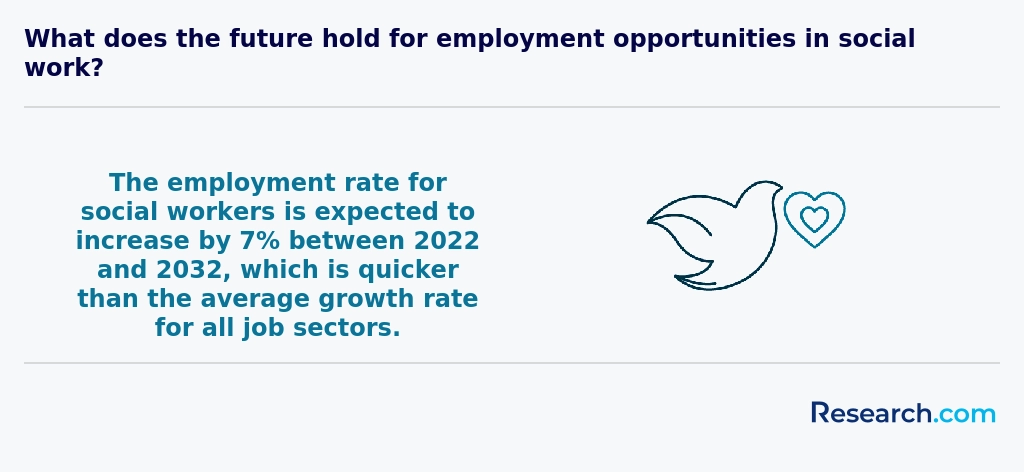
Graduates often share how their clinical training opens doors to specialized positions in mental health counseling, a field seeing growing need due to Iowa's aging population and opioid challenges. The Iowa social work career outlook shows a positive, if moderate, job growth of about 7% through 2032, mirroring national trends. This steady demand reassures those choosing social work in Iowa that their degrees will lead to viable employment paths.
For those starting out or changing careers, affordable education is key. Many find great value in public schools' tuition rates and financial aid options. Exploring the best 6-month associate degree programs online can also provide flexible, cost-effective routes into the profession without delaying career progress.
Frequently Asked Questions About social work
Social work degree students in Iowa can maximize their learning experience by actively engaging in field internships, which are a key component of accredited programs. The Iowa Board of Social Work sets clear standards ensuring practical exposure to real-world challenges. Participating in local agencies allows students to apply classroom knowledge and develop essential skills.
Additionally, students should consider joining professional organizations like the Iowa Chapter of the National Association of Social Workers (NASW). This provides networking opportunities and access to continuing education events.
Utilizing online resources from Iowa universities and public health departments can deepen understanding of regional social issues. According to the Iowa Department of Public Health, social workers in Iowa report better job readiness when combining academic studies with community involvement.
Emerging niches within the social work field in Iowa reflect evolving community needs and expanding specialization. One growing area is gerontological social work, which addresses the challenges of an aging population; Iowa's older adult population is expected to increase by over 35% by 2030, according to the Iowa Department on Aging.
Another important niche is behavioral health social work, focused on mental health and substance abuse treatment. This field is critical given Iowa's ongoing efforts to improve rural mental health services, as reported by the Iowa Department of Public Health. School social work is also gaining attention, helping students navigate academic and social challenges, a response to increasing demands for mental health support in Iowa's educational settings.
Additionally, healthcare social work aligned with hospital systems is expanding, partly due to Iowa's focus on integrated care models. These emerging areas require specialized training and offer promising career opportunities for social work graduates in Iowa.
After earning a social work degree in Iowa, preparing for the job market involves several strategic steps. First, obtaining licensure is essential. Iowa requires social workers to be licensed through the Iowa Board of Social Work Examiners, which involves passing the ASWB exam and completing a supervised work experience. According to the U.S. Bureau of Labor Statistics, Iowa's demand for social workers is expected to grow by 9% through 2031.
Networking is also crucial. Joining local professional groups such as the Iowa NASW chapter can provide valuable connections and job leads. Additionally, gaining relevant field experience through internships or volunteering during your studies enhances employability.
Finally, keeping updated with continuing education supports career advancement and ensures compliance with state requirements.
Employers in Iowa seek several key skills in social work degree graduates to meet the demands of diverse client populations. Strong communication abilities, both verbal and written, are essential for effective client interaction and collaboration with agencies.
Cultural competence is increasingly valued due to Iowa's growing diversity, helping social workers provide respectful and relevant services.
Problem-solving and critical thinking skills enable graduates to develop practical interventions for complex social issues.
According to the Iowa Board of Social Work, ethical decision-making and knowledge of state and federal regulations are crucial for compliance and client protection.
Finally, organizational skills support case management duties, which are common in Iowa social work roles.
Finding internships in Iowa for social work students involves leveraging multiple resources. Start by consulting your university's career services or social work department; many Iowa schools maintain partnerships with local agencies. The Iowa Department of Human Services offers internship opportunities focused on child welfare and community services.
Additionally, visiting websites like the Iowa Social Work Education Consortium can provide guidance and listings for field placements. Networking with licensed social workers and attending local Iowa Association of Social Workers events can also open doors to internships.
Most social work degrees in Iowa require at least 400 hours of supervised fieldwork, so early planning is essential.
Earning a social work degree in Iowa significantly enhances career mobility and advancement opportunities within the state's growing human services sector. According to the Bureau of Labor Statistics, Iowa's demand for social workers is projected to grow by approximately 13% from 2022 to 2032, outpacing average job growth nationally. This growth creates openings in healthcare, child welfare, and mental health services. Holding a Bachelor of Social Work (BSW) qualifies graduates for entry-level positions, while a Master of Social Work (MSW) is often required for clinical roles and leadership positions in Iowa.
The Iowa Board of Social Work sets licensing standards, which typically require specific degrees and supervised experience. Obtaining licensure enables social workers to pursue advanced practice and higher salaries. Employers in Iowa value degrees from accredited programs that align with state guidelines, impacting promotion potential. Overall, social work degrees contribute to increased job security and greater access to specialized roles within Iowa's social service environment.
Studying for a social work degree in Iowa equips students with the skills needed for interdisciplinary roles by emphasizing collaboration across healthcare, education, and community services. Iowa's accredited social work programs align with standards set by the Council on Social Work Education (CSWE), ensuring graduates understand diverse professional perspectives.
Courses focus on communication, ethics, and policy, fostering teamwork with professionals like nurses, teachers, and counselors. Field placements often occur in varied settings such as hospitals and schools, offering real-world experience in integrated care.
According to the Iowa Board of Social Work, the state's demand for social workers skilled in collaboration is rising, reflecting trends in holistic client support.
When choosing between a thesis and a non-thesis social work degree program in Iowa, consider your career goals and learning preferences. A thesis option typically suits students interested in research, policy development, or pursuing a doctoral degree. It involves conducting original research under faculty supervision, which can deepen your expertise.
Non-thesis programs focus more on practical skills and fieldwork, preparing students for direct social work practice. Iowa State University's College of Human Sciences notes that many local agencies value applied experience when hiring.
Cost and time commitment are also factors: thesis programs may take longer to complete. The Iowa Board of Social Work sets licensure requirements, but both tracks meet educational standards for licensure.
Students in Iowa pursuing social work degrees have several opportunities to study abroad through their home institutions. Many Iowa universities, including the University of Iowa and Iowa State University, offer exchange programs or partnerships with accredited universities worldwide. These programs allow students to gain international experience while earning credits toward their social work degrees.
According to the Council on Social Work Education (CSWE), global exposure is increasingly valued in social work education for broadening cultural competence. Iowa-based social work students can participate in semester-long exchanges or shorter summer programs, depending on their academic plans and financial resources. Additionally, scholarships and grants specifically support study abroad initiatives for social work students.
Advisors encourage early planning to ensure credit transferability and compliance with Iowa's licensure requirements. Overall, studying social work abroad enhances practical skills while fostering understanding of diverse social systems relevant to Iowa's growing multicultural population.
In Iowa, part-time jobs that complement social work degree education often include roles in community outreach, mental health support, and nonprofit organizations. Many students find positions as case management aides or behavioral health technicians helpful for gaining practical experience while studying. According to the Iowa Workforce Development, these jobs provide valuable exposure to client interaction and resource coordination, key skills for social workers.
Additionally, working in eldercare facilities or schools as support staff can enhance understanding of diverse populations. These roles often offer flexibility for students balancing coursework. Such opportunities not only build relevant experience but also increase employability upon graduation.
Social work students in Iowa benefit from a variety of networking opportunities designed to enhance their professional growth. Many universities, such as the University of Iowa and Iowa State University, have active chapters of the National Association of Social Workers (NASW), providing students access to local events, workshops, and conferences.
Additionally, Iowa hosts the annual NASW Iowa Chapter Conference, attracting hundreds of social work professionals, offering valuable networking and continuing education.
Students can also engage with community agencies through practicum placements, which often lead to lasting professional connections. According to NASW Iowa, these engagements improve employment prospects significantly.
Alumni networks provide critical support for social work degree students in Iowa by connecting them with experienced professionals. These networks offer mentorship, career guidance, and internship opportunities that enhance practical learning. Many Iowa schools, such as the University of Iowa and Iowa State University, have active alumni communities engaged in local social services.
Research from the Iowa College Student Aid Commission highlights that 65% of social work graduates found their first job through networking. Alumni connections also facilitate access to job fairs and workshops specific to Iowa's social service sector.
Such networks strengthen students' understanding of regional challenges and resources, improving their readiness to serve Iowa's communities.
Customizing a social work degree program in Iowa involves selecting courses and field placements that align with your career goals. Many Iowa universities offering social work degrees provide concentrations such as clinical practice, child and family services, or community development. These options allow students to specialize in areas that best fit their interests and future job plans.
Students can also tailor their practicum experiences by choosing local agencies that match their desired focus, gaining relevant hands-on skills. According to the Iowa Board of Social Work, focusing on practicum sites boosts employability in specific social work sectors.
Additionally, some programs offer flexible formats, including part-time or online classes, facilitating working students or those balancing other commitments.
Social work students in Iowa often face several challenges as they pursue their degrees. One common difficulty is balancing rigorous coursework with field placements, which are required for licensure and provide essential hands-on experience. According to the Iowa Board of Social Work Examiners, many students report stress managing time between school, work, and practicum sites.
Additionally, financial constraints are significant. The average tuition for social work programs in Iowa can range widely, and students often rely on loans or scholarships. Limited availability of specialized courses in rural areas can also impact accessibility for some students.
Lastly, navigating licensure requirements after graduation presents its own challenges, as Iowa requires passing the Association of Social Work Boards (ASWB) exam, with pass rates varying across institutions.
With a social work degree in Iowa, graduates can pursue several professional certifications to advance their careers. The most common licensure is the Licensed Social Worker (LSW), which requires passing the Association of Social Work Boards (ASWB) exam and completing supervised experience. After gaining additional hours, one may qualify for the Licensed Independent Social Worker (LISW), permitting clinical practice without supervision.
Other specialized certifications include the Certified Advanced Social Work Case Manager (C-ASWCM), recognized nationwide, and credentials in school social work or substance abuse counseling. According to the Iowa Board of Social Work, around 3,500 social workers hold active licenses statewide as of 2023, highlighting the profession's regulated growth.
Writing a winning application for a social work program in Iowa requires clear communication of your passion and relevant experience. Start by researching accredited programs recognized by the Council on Social Work Education (CSWE), such as those at the University of Iowa and Iowa State University.
Highlight any volunteer or work experience related to social services, as Iowa programs value practical exposure. The statement of purpose should showcase your commitment to helping diverse populations in Iowa, referencing local social issues when appropriate.
Additionally, strong letters of recommendation from professionals familiar with your skills in empathy and critical thinking can strengthen your application.
Meeting all deadlines and submitting official transcripts promptly is essential for consideration.
Social work careers in Iowa align with global trends emphasizing cultural competence, social justice, and interdisciplinary collaboration. According to the National Association of Social Workers (NASW), social workers worldwide focus on helping vulnerable populations and advocating for systemic change. In the U.S., including Iowa, the demand for social workers is growing faster than average, with a projected 13% job growth from 2021 to 2031 (Bureau of Labor Statistics).
Iowa's social work education prepares students for global challenges by integrating international perspectives into curricula, reflecting worldwide concerns such as migration and mental health.
Organizations like the International Federation of Social Workers set ethical standards influencing local practice, showing how Iowa students can connect their careers to global social issues.
Gaining practical experience while studying for a social work degree in Iowa is essential for career readiness. Most accredited programs in the state include supervised field placements or internships, required by both the Council on Social Work Education (CSWE) and the Iowa Board of Social Work Examiners. These placements typically involve working in community agencies, schools, or healthcare settings, allowing students to apply classroom knowledge in real-world environments.
Iowa State University and the University of Iowa, for example, offer extensive practicum opportunities that connect students with diverse populations. Data from the Iowa Workforce Development shows that graduates with hands-on training have higher employment rates. Engaging in volunteer work and joining student social work organizations can further complement internship experiences, enhancing professional skills and networks.
Choosing the right concentration within a social work degree program in Iowa involves understanding your career goals and the community needs. Iowa offers various concentrations such as child welfare, healthcare, and mental health, reflecting the state's diverse social challenges. According to the Iowa Department of Human Services, child welfare remains a critical sector due to high demand for qualified social workers.
Students should consider local job market trends; the U.S. Bureau of Labor Statistics projects a 12% growth in social work jobs in Iowa through 2031. Selecting a concentration aligning with this growth can improve employment prospects. Additionally, accreditation by the Council on Social Work Education (CSWE) ensures the program meets national standards, which employers prioritize.
Internship opportunities within Iowa's health systems or social agencies also provide practical experience that guides concentration choice. Connecting with academic advisors and current professionals can clarify which specialization best fits a student's interests and strengths.
Related Social Work Rankings for Nearby States
- 2027 Most Valuable Social Work Degree Programs Ranking in Minnesota
- 2027 Most Valuable Social Work Degree Programs Ranking in Wisconsin
- 2027 Most Valuable Social Work Degree Programs Ranking in Nebraska
- 2027 Most Valuable Social Work Degree Programs Ranking in Missouri
- 2027 Most Valuable Social Work Degree Programs Ranking in Michigan
- 2027 Most Valuable Social Work Degree Programs Ranking in Ohio
- 2027 Most Valuable Social Work Degree Programs Ranking in Oklahoma
- 2027 Most Valuable Social Work Degree Programs Ranking in Arkansas
- 2027 Most Valuable Social Work Degree Programs Ranking in Tennessee
- 2027 Most Valuable Social Work Degree Programs Ranking in West Virginia
Top Trending Social Work Rankings
See What Experts Have To Say About Studying Social Work
Read our interview with Social Work experts

References
- Preparing For A Career In Social Work: Tips For New Graduates https://www.tripodpartners.com/career-advice/social-work/preparing-for-a-career-in-social-work-tips-for-new-graduates/
- Iowa School Social Workers' Association https://www.isswa.org/Licensure-in-Iowa
- My social work journey: from experience to practice https://socialworkwithadults.blog.gov.uk/2023/09/26/my-social-work-journey-from-experience-to-practice/
- Social Work https://al.edu.pl/en/studies/english-courses-for-erasmus-students/social-work
- Grand Challenges for Social Work https://grandchallengesforsocialwork.org/
- Our Opportunities https://uiowa.academicworks.com/opportunities
- MSW Programs in Iowa - Campus & Online Master of Social Work https://www.masterofsocialwork.com/states/iowa/
- Social Work Transfer Major https://www.hawkeyecollege.edu/programs/liberal-arts/social-work
- The Power of Finding Your Niche as a Social Worker https://www.credentialedapparel.com/blogs/news/the-power-of-finding-your-niche-as-a-social-worker
- Know more about thesis vs non- thesis: what is the difference? https://studyfans.com/en/blogs/816


