2027 Most Valuable Online Social Work Degree Programs Ranking in Texas

Co-Founder and Chief Data Scientist
Choosing the right social work degree program is a big step, especially when you want to study online in Texas. This article introduces the 2027 Most Valuable Online Social Work Degree Programs Ranking in Texas, created by the Research.com team of data scientists. It's designed to help you find programs that truly offer value and quality education.
By exploring this ranking, you'll gain insights that make your decision easier and more confident. Earning a social work degree opens doors to meaningful careers, and this guide supports you on that exciting journey.
Key benefits of getting online social work degree in Texas
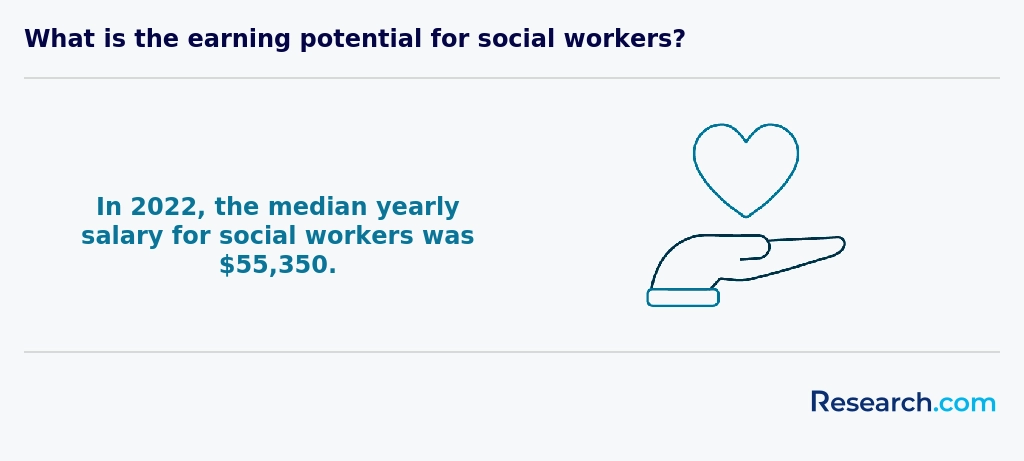
- Salary for social work degree graduates: Graduates can expect competitive salaries such as $68,800 annually for social workers and up to $83,400 for community organizers and youth workers, ensuring financial stability in their careers.
- Potential career paths: Graduates from well-known Texas universities often pursue meaningful roles like Child Welfare Specialist, Residential Counselor, or Social Worker, offering varied opportunities to make a real impact in communities.
- Benefits of an online degree: Earning a social work degree online from respected Texas institutions provides flexibility to balance work and study, saving commuting time while gaining the same quality education as traditional programs.
- 2027 Most Valuable Online Social Work Degree Programs Ranking in Texas
- What can I expect from online social work degree in Texas?
- Where can I work with online social work degree in Texas?
What can I expect from online social work degree in Texas?
The average cost of an online social work degree in Texas varies depending on the institution and program level, but graduates often recall balancing affordability with quality. For example, students enrolled at well-known Texas universities offering CSWE-accredited programs typically see tuition ranges between $8,000 and $20,000 for bachelor's degrees and between $15,000 and $30,000 for master's degrees. These investments feel manageable when considering the flexibility of online study combined with access to local practicum placements, which graduates frequently describe as transformative in connecting theory with real-life impact.
Graduates from Texas schools appreciate that these costs align well with their career ambitions, knowing licensing requirements, such as passing the ASWB exam, are made achievable by programs recognized across the state. This financial range often includes fees for technology and supervision of fieldwork, but many reported feeling supported through scholarships or payment plans. The opportunity to study while maintaining personal commitments made these expenses feel worthwhile, offering a path that truly balances cost with the promise of meaningful social work careers in Texas.
Where can I work with online social work degree in Texas?
Graduates with an online social work degree from institutions like the University of Texas at Austin or Texas State University often find themselves in fulfilling roles across Texas's diverse social service landscape. Many begin their careers in hospitals, helping patients navigate complex health challenges, much like one graduate who used her degree to support families during hospital discharges in Houston.
Others work in schools, providing emotional and social support to students, reflecting the experiences of alumni from Texas A&M University who collaborate with the Texas Education Agency to foster healthier learning environments. Child welfare agencies, a critical field in Texas, offer meaningful work investigating abuse and supporting foster care, aligning with the passion voiced by graduates from the University of Houston committed to protecting vulnerable children.
Community mental health centers also serve as vital employment hubs, where social workers provide counseling and crisis intervention, especially in underserved rural areas. Graduates often describe the personal rewards of this work, speaking to the tangible difference they make. Private practice and nonprofit roles expand opportunities, particularly for those who pursue clinical licenses through the Texas Board of Social Worker Examiners, enabling deeper engagement in therapy and advocacy.
- Texas offers accredited online Bachelor of Social Work (BSW) and Master of Social Work (MSW) degrees approved by the Council on Social Work Education (CSWE).
- Tuition for online bachelor's degrees ranges from $10,000 to $25,000 for in-state students, while master's programs cost between $15,000 and $35,000.
- Entry-level social work salaries in Texas start near $45,000 annually, increasing to about $60,000 or more with experience.
- Employment for social workers in Texas is expected to grow by 10% through 2030, with major opportunities in Houston, Dallas, and Austin.
- Licensing requires passing the ASWB exam and completing a CSWE-accredited degree; additional supervised clinical hours are necessary for Licensed Clinical Social Worker (LCSW) status.
- Online programs include local field practicum placements to fulfill practical experience and accreditation requirements.
For social work professionals aiming to shape policy, lead research initiatives, or teach at the university level, pursuing a doctoral degree can be the key to unlocking advanced career opportunities. Online doctoral programs in social work-such as PhD and Doctor of Social Work (DSW) tracks-emphasize rigorous research methodology, theoretical frameworks, and leadership development. Graduates often secure positions as university faculty, think-tank analysts, or high-level administrators in nonprofit and government agencies. When evaluating doctoral options, consider program accreditation, faculty expertise, and the balance between synchronous seminars and self-paced coursework. Many programs require a master’s degree from a CSWE-accredited institution, relevant clinical hours, and a research proposal. Prospective students should also assess dissertation support structures, including faculty mentorship, writing workshops, and access to research databases. Strong programs frequently offer collaborative research teams, enhancing peer feedback and publication opportunities. Cost remains a significant factor, and several institutions now offer competitive tuition rates or funding packages that include assistantships and research stipends. To explore budget-friendly pathways, review our curated list of affordable doctoral programs in social work online, which highlights institutions with proven records of quality, financial aid, and student satisfaction. Ultimately, a social work doctorate not only deepens clinical and policy expertise but also positions graduates as thought leaders driving systemic change. By choosing a program aligned with your research interests-whether child welfare, community organizing, or mental health policy-you can maximize the impact of your scholarship and advocacy within Texas and beyond.
The average cost of an online social work degree in Texas varies notably based on residency and institution type, but median data suggests typical total expenses around $50,674. For in-state students attending popular universities such as the University of Texas at Austin or Texas State University, the total cost is considerably lower, around $33,428, reflecting the benefit of Texas residency and public institution tuition rates. Graduates often share how these more affordable rates helped them pursue their passion without overwhelming financial burden, allowing focus on studies and practicum experiences.
Out-of-state students face a higher financial commitment, with median total costs reaching approximately $166,670, a figure that can initially seem daunting. Yet, many have found that scholarships, federal aid, and state grants ease this challenge, making programs from respected colleges like Texas A&M more attainable. These costs typically cover tuition, technology fees, and additional expenses like textbooks or mandatory in-person practicums.
When assessing Texas online social work degree tuition and fees, it's essential to reflect on the balance between cost and program quality. Several graduates emphasize the value of accredited programs and their alignment with licensure requirements, which ultimately contributes to career success. Exploring affordable social work programs in Texas can guide prospective students toward options that combine cost-effectiveness with reputable education.
Pursuing a social work degree online in Texas leads directly to professional licensure, ensuring you can practice legally and ethically. Key steps include:
- Complete a CSWE-accredited program (BSW for LMSW; MSW for LCSW)
- Fulfill supervised fieldwork hours as mandated by the Texas State Board of Social Worker Examiners
- Pass the appropriate ASWB examination (Bachelor’s, Master’s or Clinical level)
- Submit your application, official transcripts and exam scores to the board
After licensure, maintain your credentials through continuing education-typically 30 hours every two years, including ethics training. For advanced clinical practice, explore accredited msw online programs that integrate exam prep and supervised experience.
Earning your online social work degree is only the first step; obtaining licensure ensures you can practice legally and advance your career. In Texas, the primary credentials are the Licensed Master Social Worker (LMSW) and the Licensed Clinical Social Worker (LCSW). Accreditation and Eligibility • Graduate from a CSWE-accredited Bachelor or Master of Social Work program. • Verify that your institution reports directly to the Texas State Board of Social Worker Examiners (TSBSWE). LMSW Application and Examination 1. Submit official transcripts, application fee, and background check to TSBSWE. 2. Register for and pass the ASWB Master’s level exam. 3. Receive LMSW credential-this enables you to provide macro- and mezzo-level services under supervision. Supervised Experience for LCSW • Complete 3,000 hours of supervised clinical practice over at least two years under an LCSW-S (Supervisor). • Document client contact, supervision logs, and professional development in TSBSWE’s reporting portal. LCSW Application and Examination 1. After meeting supervision requirements, apply for LCSW licensure and pay the fee. 2. Pass the ASWB Clinical level exam and Texas Jurisprudence Exam. 3. Maintain LCSW status with 30 hours of continuing education every two-year renewal cycle, including ethics. Career Impact and Resources Holding an LCSW unlocks roles in private practice, hospital settings, and advanced clinical positions with higher earning potential. For those comparing affordable pathways in neighboring states, explore Low Cost Social Work Degree Programs Ranking in Alabama to identify cost-effective alternatives.
Enrolling in an online social work degree program in Texas starts with meeting clear prerequisites tailored to each educational level. For those pursuing a Bachelor of Social Work (BSW), having a high school diploma and maintaining a decent GPA-often around 2.5-is essential. Many graduates from popular Texas universities recall how submitting strong personal statements and recommendation letters helped showcase their genuine passion for social work, making their applications stand out.
At the Master of Social Work (MSW) level, prerequisites are more demanding. A bachelor's degree, preferably in social work or a related field like psychology or sociology, is required. Many graduates highlight the benefit of completing foundational courses such as human behavior and social welfare policy before applying to well-regarded Texas programs. These steps not only prepare students academically but also deepen their commitment to helping vulnerable communities.
Work or volunteer experience in social services is often valued, grounding applicants in real-world social work. Graduates reflect on how these experiences boosted their confidence entering clinical or community settings in Texas, where licensing boards expect well-prepared professionals ready to contribute meaningfully.

When considering online social work degree programs in Texas, affordability is a crucial factor for many prospective students. Understanding the costs associated with these programs can help individuals make informed decisions about their education and future careers. For those seeking affordable options, exploring affordable social work programs in Texas can provide valuable insights into the best-value programs that balance academic excellence with financial accessibility. By examining factors such as tuition rates, financial aid opportunities, and program accreditation, students can find online social work degree programs in Texas that meet their needs and budget, ultimately leading to a fulfilling career in social work.
When choosing the best online social work degree in Texas, accreditation tops the list. Graduates from CSWE-accredited programs often highlight how this recognition eased their path to licensure and employment. For example, those studying at popular Texas colleges appreciated how their practicum placements were integrated locally, making real-life experience both accessible and relevant. Flexibility is another key factor-many working professionals found asynchronous courses crucial to balancing studies with job or family commitments. Considering cost is equally important; Texas public universities typically offer affordable social work degree Texas options, with tuition often significantly lower than private programs. Graduates frequently mention relief in managing expenses without sacrificing quality.
Curriculum depth and job outlook deserve attention as well. Texas programs emphasizing clinical licensure preparation, like for Licensed Clinical Social Worker roles, align well with local workforce demands. Employment prospects shine bright here; the Texas Workforce Commission projects a 12% growth in social work jobs by 2030. Prospective students might explore affordable doctoral programs in social work online to expand their expertise and career opportunities.

2027 Most Valuable Online Social Work Degree Programs Ranking in Texas
Investing in your education is a significant decision that can shape your future, and the Research.com team understands the importance of making informed choices. To assist prospective students in Texas, we have carefully developed the "2027 Most Valuable Online Social Work Degree Programs Ranking in Texas." Our dedication to quality, credibility, and accuracy is demonstrated through thorough research and rigorous analysis performed to compile this ranking.
We utilized the following reputable data sources to ensure a comprehensive evaluation of social work programs:
By reviewing this ranking, readers will gain valuable insights into the most valuable online social work degree programs available in Texas, empowering them to make well-informed decisions about their educational journey. For more details on our methodology, please visit our Research.com methodology page.


Frequently Asked Questions About social work
Online social work degree students in Texas can maximize their learning by actively engaging with course materials and participating in virtual discussions. Texas offers access to accredited programs recognized by the Council on Social Work Education (CSWE), which ensures quality education aligned with state licensure requirements. Students should take advantage of field placements in local agencies, as practical experience is vital for skill development in social work. According to the Texas Department of State Health Services, Texas has a growing need for licensed social workers, making real-world practice even more important. Time management and consistent communication with instructors also enhance success in online settings.
The social work field in Texas is evolving with several emerging niches that reflect changing societal needs. One growing area is healthcare social work, which involves supporting patients and families navigating medical systems, especially in rural Texas where healthcare access remains limited. According to the Texas Department of State Health Services, demand for healthcare social workers is expected to grow by over 15% in the next decade.
Another expanding niche is gerontological social work, focusing on aging populations. Texas has one of the fastest-growing populations of adults over 65, prompting more social workers to specialize in elder care and support services.
Additionally, digital and telehealth social work is gaining traction, allowing professionals to provide remote counseling and case management. This niche has expanded significantly due to recent technological advances and the COVID-19 pandemic's impact on service delivery.
Preparing for the job market after completing an online social work degree in Texas involves several key steps. Graduates should pursue Texas state licensure, such as the Licensed Master Social Worker (LMSW), which is required for many professional roles. According to the Texas State Board of Social Worker Examiners, obtaining a license improves employment prospects significantly.
Networking plays a crucial role; joining organizations like the Texas Chapter of the National Association of Social Workers (TX NASW) offers access to job postings and professional development. Additionally, gaining practical experience through internships or volunteer work can strengthen resumes.
Job growth for social workers in Texas is projected at 14% from 2021 to 2031, faster than the national average, indicating a favorable job market.
Employers in Texas seeking graduates with online social work degrees prioritize several key skills. Strong communication abilities rank highest, enabling professionals to effectively interact with diverse clients and colleagues. Critical thinking and problem-solving are essential for developing appropriate care plans in complex situations.
Texas social work employers also emphasize cultural competence due to the state's diverse population, ensuring sensitive and inclusive service delivery. Knowledge of Texas-specific laws and ethical standards is crucial, as they guide practice and protect clients. According to the Texas Department of State Health Services, adaptability and resilience remain vital given the fast-paced, often demanding environments social workers face.
Finding internships in Texas for social work students often begins with university resources. Many accredited online social work programs in Texas partner with local agencies, hospitals, and nonprofit organizations to provide internship placements. The Texas State Board of Social Worker Examiners requires supervised fieldwork, so schools typically help connect students with approved internship sites.
Students can also explore opportunities through Texas-based organizations like the Texas Council on Family Violence or the Texas Department of State Health Services, which regularly offer internships. According to the U.S. Bureau of Labor Statistics, Texas employs the second-largest number of social workers nationwide, increasing chances of internships in various settings.
Networking within professional groups such as the National Association of Social Workers - Texas Chapter may provide leads on available internships. Additionally, online job platforms focusing on nonprofit and social services sectors can be valuable tools for locating openings specifically in Texas.
An online social work degree offers notable advantages for career mobility and advancement in Texas. Graduates gain flexibility while meeting state licensing requirements, including those set by the Texas State Board of Social Worker Examiners. According to the Bureau of Labor Statistics, Texas expects a 12% employment growth for social workers from 2022 to 2032, faster than the national average. This growth opens more roles in healthcare, schools, and child welfare agencies. Completing an accredited online program also improves eligibility for clinical and supervisory positions that require a Master of Social Work (MSW). Employers often value the practical skills and up-to-date knowledge gained through accredited online studies.
Studying for a social work degree in Texas equips students to take on interdisciplinary roles by focusing on collaboration across health, education, and legal systems. Texas social work programs emphasize understanding diverse client needs within complex social environments, fostering skills necessary for teamwork with professionals such as nurses, educators, and law enforcement. Online degrees often incorporate case studies and practical scenarios reflective of Texas's varied populations, preparing graduates for real-world challenges.
According to the Texas Behavioral Health Executive Council, interdisciplinary teamwork improves outcomes for vulnerable groups, highlighting the importance of social workers' collaborative abilities in the state.
Curricula typically include courses on policy, ethics, and cultural competence, essential for effective communication and cooperation in multidisciplinary settings.
Choosing between a thesis and a non-thesis online social work degree in Texas depends on your career goals and learning preferences. Thesis programs emphasize research, ideal for those planning to pursue doctoral studies or research roles. Non-thesis tracks often focus on practical skills, suitable for students aiming for clinical practice or direct social work roles.
In Texas, the demand for licensed social workers is projected to grow 11% through 2030, according to the Texas Workforce Commission. Programs accredited by the Council on Social Work Education (CSWE) typically offer both options. Consider your available time: thesis programs usually require more in-depth study and writing.
Financial aid and internship opportunities may also vary by program, influencing your choice.
Students based in Texas who want to study social work abroad while pursuing an online degree have several options. Many accredited Texas universities offer online Bachelor's and Master's in Social Work programs that include international field placements or study exchanges. However, fully remote programs rarely provide complete foreign study experiences due to accreditation and licensing requirements.
Texas students interested in international social work often supplement their education with short-term study abroad programs organized through US universities, allowing them to gain global experience. According to the Council on Social Work Education (CSWE), some Texas programs partner with agencies overseas, enabling students to earn field hours relevant to licensure.
It is important to verify that any international study credits align with Texas state licensing standards to ensure eligibility for Texas social work licensure after graduation.
Part-time job opportunities in Texas that complement an online social work degree primarily include roles in community outreach, case management, and support services. Positions such as social services assistant or counselor aide provide practical experience working with diverse populations while pursuing education. According to the Texas Workforce Commission, these roles are projected to grow by approximately 12% from 2022 to 2032, reflecting increasing demand in human services.
Additionally, working part-time in nonprofit organizations or healthcare settings allows students to develop critical skills like client communication and crisis intervention. These experiences align closely with social work competencies required for licensure. Such employment can also enhance networking opportunities within Texas's social services sector.
Online social work students in Texas have several valuable networking opportunities despite studying remotely. Many Texas universities offering accredited online social work programs connect students to professional organizations like the Texas Chapter of the National Association of Social Workers (NASW-TX). Membership in NASW-TX provides access to conferences, workshops, and local chapter events, enabling students to meet experienced practitioners.
Additionally, universities often organize virtual networking events and peer groups, fostering connections among students and alumni. Field placements and internships in Texas social service agencies also offer in-person networking, which is vital for career development. According to the Texas Workforce Commission, social work is a growing field in Texas, highlighting the importance of building professional alliances early.
Alumni networks are valuable resources for students pursuing online social work degrees in Texas. These networks connect current students with graduates who understand the specific challenges and opportunities within Texas' social work landscape. According to the Texas State Board of Social Worker Examiners, Texas had over 27,000 licensed social workers as of 2023, highlighting a vast professional community accessible through alumni connections.
Networks often provide mentorship, job leads, and professional development opportunities tailored to Texas' diverse populations. For online students, this support helps overcome geographic barriers, fostering career growth and local engagement.
Strong alumni ties can also enhance field placement opportunities, a critical component of social work education governed by Texas licensing requirements.
Customizing an online social work degree program in Texas often involves selecting electives and specializations that align with your career goals. Many Texas universities offer concentrations such as child welfare, clinical social work, or community practice within their Bachelor's or Master's of Social Work programs. This flexibility enables students to tailor their studies toward state-licensed social work roles.
Fieldwork placements are also customizable, allowing students to gain hands-on experience in Texas agencies that match their interests. According to the Texas State Board of Social Worker Examiners, practical hours completed in specialized settings improve job readiness.
Additionally, some programs incorporate flexible scheduling and part-time options to accommodate working professionals aiming to advance their careers.
Online social work students in Texas often face unique challenges related to balancing academic demands with personal and professional responsibilities. Texas has a significant number of students juggling work, family, and studies, which can add pressure, especially with practicum requirements that demand in-person fieldwork despite coursework being online.
Another common challenge involves technology access and proficiency. Reliable internet and familiarity with digital learning tools are critical, but not all students have equal access. According to the Texas Higher Education Coordinating Board, about 15% of Texas adults face digital divides that can complicate their online learning experience.
Additionally, building relationships with peers and instructors can be harder remotely, which may impact networking opportunities important in social work careers. Finally, navigating Texas' licensure rules, which include supervised clinical hours, remains complex for online students seeking post-graduate certification from the Texas State Board of Social Worker Examiners.
With an online social work degree in Texas, graduates can pursue several professional certifications to enhance their careers. The most common certification is the Licensed Master Social Worker (LMSW), which requires passing the Association of Social Work Boards (ASWB) Master's exam. This credential allows practice under supervision and is often a step toward advanced licensing.
Another key credential is the Licensed Clinical Social Worker (LCSW), allowing independent clinical practice after gaining required experience and passing the ASWB Clinical exam. According to the Texas State Board of Social Worker Examiners, LCSWs are in high demand in Texas due to growing mental health needs.
Additional certifications, like Certified School Social Work Specialist or Certified Substance Abuse Counselor, are available depending on career goals and often require state approval and specialized training.
Writing a winning application for an online social work program in Texas requires clear demonstration of your commitment and understanding of the profession. First, highlight relevant experience, such as volunteer work or jobs involving social services, to show practical knowledge of social work principles.
Texas colleges often require a personal statement; use it to explain why you chose social work and how the degree fits your career goals. Be specific about your motivation and any connection to Texas communities, as local context matters.
Strong letters of recommendation from professionals familiar with your skills can improve your chances. Also, ensure your academic records meet program standards-many Texas schools expect a minimum GPA around 3.0 for social work applicants, according to data from the Texas Higher Education Coordinating Board.
Finally, familiarize yourself with the Council on Social Work Education (CSWE) accreditation, as most reputable Texan programs require this for licensure eligibility.
The social work profession is increasingly viewed through a global lens, emphasizing the importance of cultural competence and international collaboration. In Texas, where demographics are diverse, understanding global social issues enriches a social worker's ability to serve local communities effectively. The National Association of Social Workers highlights that many social workers are now engaging with immigrant populations, requiring knowledge of global social policies.
International organizations, including the International Federation of Social Workers, promote human rights and social justice on a worldwide scale. Texas social work education often integrates these global perspectives into curricula, preparing students for a career with broad social impact.
Employment projections in Texas show growth in social work fields, partly driven by globalization and increasing demand for culturally aware professionals as reported by the Texas Workforce Commission.
Gaining practical experience while studying for an online social work degree in Texas is essential for meeting licensure requirements and building professional skills. Most programs require students to complete supervised field placements or internships, often coordinated through partnerships with local agencies. These placements allow students to work directly with diverse populations in settings such as schools, healthcare facilities, or community organizations.
In Texas, the Texas State Board of Social Worker Examiners mandates at least 1,000 hours of supervised experience for licensed social workers. Online students typically arrange these hours near their residence, making use of the state's broad network of social services providers.
Students benefit from faculty guidance and agency supervision to ensure quality training and compliance. According to the Texas Department of State Health Services, practical experience significantly improves job readiness and employment outcomes post-graduation.
When choosing the right concentration within an online social work degree program in Texas, it is important to consider your career goals and the populations you wish to serve. Texas offers diverse opportunities in healthcare, child welfare, schools, and community organizations. According to the Texas Workforce Commission, demand for social workers in healthcare and mental health fields is growing faster than average, which may guide your choice.
Look for concentrations accredited by the Council on Social Work Education (CSWE), ensuring quality education. Also, evaluate practicum options available in your area, as hands-on experience is critical to licensure in Texas.
Consider how the concentration aligns with Texas licensing requirements, such as the Licensed Master Social Worker (LMSW) exam, to prepare effectively for professional practice.
- 2027 Most Valuable Online Social Work Degree Programs Ranking in Arkansas
- 2027 Most Valuable Online Social Work Degree Programs Ranking in Missouri
- 2027 Most Valuable Online Social Work Degree Programs Ranking in Tennessee
- 2027 Most Valuable Online Social Work Degree Programs Ranking in Alabama
- 2027 Most Valuable Online Social Work Degree Programs Ranking in Florida
- 2027 Most Valuable Online Social Work Degree Programs Ranking in Kentucky
- 2027 Most Valuable Online Social Work Degree Programs Ranking in Iowa
- 2027 Most Valuable Online Social Work Degree Programs Ranking in Ohio
- 2027 Most Valuable Online Social Work Degree Programs Ranking in Pennsylvania
- 2027 Most Valuable Online Social Work Degree Programs Ranking in Massachusetts
See What Experts Have To Say About Studying Social Work
Read our interview with Social Work experts

- The Time is Right to Advance Your Career as a Social Worker https://onlinedegrees.keuka.edu/blog/advance-your-career-social-worker
- The Pros and Cons of Online MSW Programs – Should I Pursue an MSW Online? https://www.masterofsocialwork.com/resources/pros-and-cons-online-msw-programs
- Social Work Career Pathways https://socialworklicensemap.com/social-work-careers/pathways/
- Expected Social Work Salaries By Degree Level https://www.publichealthonline.org/social-work-salaries/
- Best Online MSW Programs in Texas https://www.onlinemastersdegrees.org/best-programs/social-work-msw/texas-tx/
- Web Exclusive https://www.socialworktoday.com/archive/exc_081823.shtml
- 2022 Guide to Social Work Scholarships and Financial Aid https://www.onlinemswprograms.com/resources/scholarships-financial-aid-guide/
- Why Network? https://www.naswnc.org/
- 585 Institutions offering Social Work Courses Abroad https://www.hotcoursesabroad.com/study/training-degrees/international/social-work-courses/cgory/l19-3/sin/ct/programs.html
- Types of Social Workers: Exploring the Many Fields in Which They Serve https://www.umassglobal.edu/blog-news/types-of-social-workers