
2027 Easiest Online Master's in Social Work Degree Programs Ranking in the South

Co-Founder and Chief Data Scientist
Choosing the right online master's in social work program can feel overwhelming, especially for students in the South looking for flexible and accessible options. This article introduces the 2027 Easiest Online Master's in Social Work Degree Programs Ranking in the South, created by the Research.com team of data scientists. Their goal is to help you make an informed decision by highlighting programs that combine quality education with convenience.
Exploring these programs can open doors to meaningful careers in social work, allowing you to make a real difference in your community. Let this guide support your journey to a rewarding future.
Key benefits of getting online social work degree in the South
- Graduates with social work degrees in the South can expect competitive salaries such as $68,800 annually for Clinical Social Workers and $59,190 for School Social Workers, offering financial stability while making a difference.
- A graduate from the University of North Carolina at Chapel Hill highlights diverse career paths including roles as Medical Social Workers or Policy Analysts, providing rewarding opportunities to impact communities positively.
- Completing a social work degree online from institutions like the University of Florida gives flexible learning options, allowing students to balance work, family, and studies, making education accessible and convenient.
- Key benefits of getting online social work degree in the South
- What can I expect from online social work degree in the South?
- Where can I work with online social work degree in the South?
- How much can I make with online social work degree in the South?
- 2027 Easiest Online Master's in Social Work Degree Programs Ranking in the South
- Key Findings
- How long does it take to complete online social work degree in the South?
- What's the difference between online and on-campus social work degree?
- Expert Career Development and Mentorship Resources
- What is the average cost of online social work degree in the South?
- What financial aid is available to online social work degree students in the South?
- Curriculum and Typical Coursework
- What are the prerequisites for enrolling in online social work degree program in the South?
- Accreditation and Licensure Requirements
- What courses are typically in online social work degree programs in the South?
- What types of specializations are available in online social work degree programs in the South?
- How do you choose the best online social work degree in the South?
- What career paths are available for online social work degree students in the South?
- What is the job market for online social work degree in the South?
- Top Trending Social Work Rankings
- See What Experts Have To Say About Studying Social Work
What can I expect from online social work degree in the South?
The average cost of an online social work degree in the South generally ranges between $10,000 and $25,000 for full program completion, though this varies widely by institution and program length. Graduates from well-known Southern universities often share that tuition prices feel like a worthwhile investment given the quality of education and flexibility offered. For example, students attending state universities in Texas or Georgia commonly balance work and family commitments while appreciating the reduced commuting expenses and access to local field placements.
Some graduates emphasize that hidden costs-such as fees for textbooks, technology, or travel to internship sites-can add up, highlighting the importance of thorough financial planning. Conversely, students at private colleges in Florida sometimes report higher tuition but praise the personalized advising and career support services they received, which enhanced their confidence and post-graduation job prospects.
Ultimately, South-based online social work students value programs that align costs with comprehensive training, including practical field experience required for licensure. Evaluating tuition alongside support services and accreditation status ensures a meaningful educational experience adaptable to individual budgets and career goals.
Where can I work with online social work degree in the South?
Graduates with an online social work degree in the South often find diverse career paths, though outcomes depend on local demand and licensure requirements. Many who studied at popular programs like the University of North Carolina or Florida State University share how clinical roles in hospitals or community health centers became natural fits. For example, working in Houston's expansive healthcare system allows social workers to engage with a broad range of patient needs, from mental health support to discharge planning.
Others highlight positions within school districts in Georgia or Texas, where licensed social workers tackle real challenges like homelessness or behavioral issues affecting students. These roles offer daily opportunities to impact young lives positively, resonating deeply with graduates passionate about education and social equity.
Some social workers pursue government roles in public assistance or child welfare across Southern states, appreciating the stability these agencies provide. Graduates often note that the region's varied population means their training must adapt to complex social dynamics, a factor appreciated by nonprofit organizations addressing issues like substance abuse and housing insecurity.
How much can I make with online social work degree in the South?
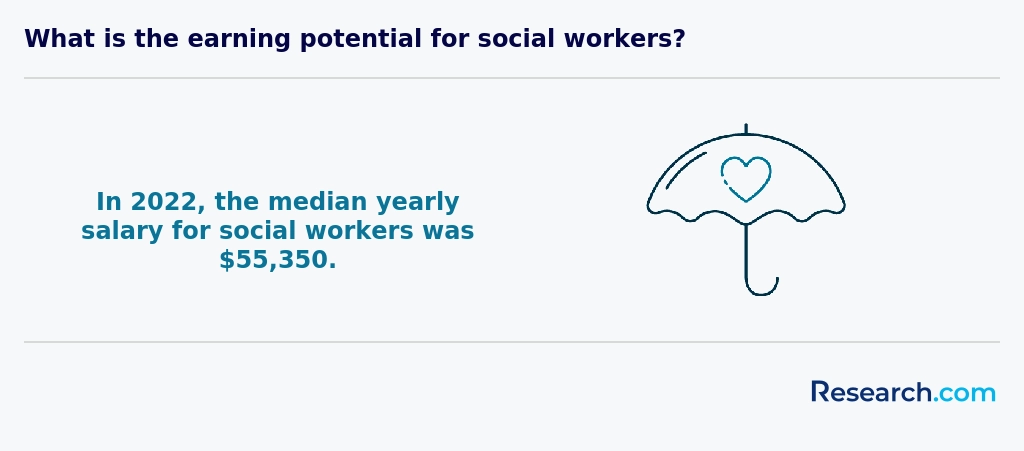
Graduates with an online social work degree in the South typically find median salaries ranging from $50,000 to $60,000 annually, though this varies considerably by role and location. For example, clinical social workers with a Master's in Social Work often earn around $68,800 per year, reflecting both the specialized skills required and licensure standards prevalent in southern states. Those pursuing careers as medical social workers earn close to $67,430, demonstrating the value of healthcare specialization.
School social workers in the region earn about $59,190 annually. These figures align with experiences shared by graduates from well-known southern universities who emphasize the importance of accredited online MSW programs in improving salary prospects. In metropolitan areas like Houston or Miami, graduates report positive outlooks, noting salaries near the upper ranges, while those in more rural settings often encounter wages on the lower end, around $48,000.
While pay can fluctuate, many graduates express confidence entering the workforce, motivated by the opportunity to make meaningful social impact alongside earning a stable income. Pursuing certification and gaining clinical licensure consistently correlates with higher wages and greater career advancement in this competitive southern job market.
2027 Easiest Online Master's in Social Work Degree Programs Ranking in the South
How do we rank schools?
Investing in your education is a significant decision that can shape your future, and the Research.com team understands the importance of making informed choices. To assist prospective students seeking social work degrees in the South, we have meticulously developed the "2027 Easiest Online Master's in Social Work Degree Programs Ranking in the South." Our commitment to quality, credibility, and accuracy is reflected in the thorough research and analysis undertaken to compile this ranking.
We utilized the following reputable data sources to ensure a comprehensive evaluation of social work programs:
By exploring this ranking, readers will gain valuable insights into the most accessible and high-quality online social work master's programs in the South, aiding them in making confident, well-informed decisions regarding their education and career paths. For more details on our methodology, please visit our Research.com methodology page.





Key Findings
- Tuition for online Master of Social Work programs in the South ranges from $10,000 to $25,000 depending on the school and state.
- Starting salaries for social workers who graduate in the region average between $44,000 and $48,000 annually.
- Mid-career social workers in Southern states typically earn between $55,000 and $65,000 per year, reflecting a lower cost of living.
- Employment in social work is expected to grow by about 10% through 2031 in Southern states.
- Many programs offer part-time options with flexible schedules and require CSWE accreditation for licensure.
- Licensure requirements vary by state and usually include 2,000 to 3,000 hours of supervised clinical experience after graduation.
How long does it take to complete online social work degree in the South?
Completing an online social work degree in the South varies significantly based on the level pursued and personal circumstances. For example, graduates of well-regarded programs at universities in Florida or Georgia often report that a Bachelor of Social Work (BSW) takes about four years full-time, though some accelerated options have allowed others with prior credits to finish in three. This flexibility can be especially meaningful for students balancing family or work obligations.
Master's programs tend to be more varied. Many students from North Carolina institutions appreciate part-time online MSW options that extend completion to three or four years, enabling them to maintain employment while progressing steadily. Others with accredited BSWs have shared positive experiences completing their MSWs in as little as one year using advanced standing, helping them enter clinical practice faster.
Doctoral candidates from Southern universities often describe the journey as a multi-year commitment-typically three to five years-due to demanding research and dissertation tasks, yet find fulfillment in contributing to the field's knowledge. Practicum requirements-usually onsite in local agencies-may also affect timelines but enrich practical skills.
What's the difference between online and on-campus social work degree?
Online and on-campus social work degrees in the South differ mainly in format and flexibility, impacting student experiences and daily routines. Graduates from universities like the University of Texas and Florida State University often highlight how online programs allowed them to balance family and work while engaging with coursework asynchronously. This flexibility is crucial in Southern states where long commutes and limited public transportation can make regular campus visits challenging.
On the other hand, graduates from colleges such as the University of Georgia appreciate the direct, face-to-face interaction offered by on-campus study, noting it helped them build stronger professional networks and receive immediate faculty support. However, these advantages come with the trade-off of more rigid schedules and travel demands, which may not suit everyone.
Both paths require field practicum, but online students must arrange local placements, often immersing themselves in familiar communities that reflect regional socioeconomic needs. This can enhance practical understanding in ways that resonate deeply with Southern social work challenges, making the learning feel more personalized and impactful.
Expert Career Development and Mentorship Resources
Navigating the pathway from an online Social Work degree to a thriving career often requires more than academic training-it calls for robust career development and professional mentorship. This section guides prospective students and recent graduates on leveraging alumni networks, mentorship programs, and career support services to transition smoothly into the field. Emphasizing continuous professional growth, many programs now offer dedicated career centers, virtual job fairs, and one-on-one coaching sessions that equip graduates with essential soft skills and industry-specific insights. Additionally, building strong relationships through networking can unlock unique opportunities and expand your local and regional influence. For more insights into the benefits of a what is social work degree, exploring tailored career guidance and mentorship resources can further enhance your journey. By actively engaging with career development platforms and seeking personalized mentorship, students not only refine their practical abilities but also position themselves as dynamic contributors to the evolving landscape of social work.
What is the average cost of online social work degree in the South?
The average cost of an online social work degree in the South varies depending on residency and institution type, but median tuition figures provide a clear benchmark. In-state students typically pay around $21,462 for their entire degree, reflecting the affordability of public universities that dominate the Southern region. Out-of-state learners face higher fees, with median costs near $35,795, which can impact decision-making for those considering Southern programs but living elsewhere.
Graduates from popular Southern universities often express satisfaction with the balance between tuition expense and program quality, citing the accessibility of programs alongside valuable field experiences. Many find that their investment pays off through flexible scheduling and specialized tracks offered, especially at private institutions where tuition may be higher but certain program features are enhanced. These factors make affordable online master's in social work Southern states particularly attractive for students balancing work, family, and education.
It's also important to consider additional expenses like fees, textbooks, and technology requirements, which can add $1,000 to $3,000 to the total cost. Prospective students often recommend researching all possible financial aid options, such as scholarships or employer tuition assistance, as these resources can significantly reduce net costs. To understand fully what fits your budget, exploring a variety of Southern schools will reveal different tuition structures and support programs.
For students curious about what their social work degree entails beyond cost, exploring resources on what is social work degree may also help clarify future opportunities alongside financial planning for your education.
What financial aid is available to online social work degree students in the South?
Online social work students in the South often rely on a blend of financial aid options to manage tuition costs, which range from about $15,000 to $40,000. Many graduates from universities like the University of North Carolina or Florida State University describe completing the FAFSA as a crucial first step, unlocking federal grants such as the Pell Grant-which can provide up to $7,395 without repayment-and federal loans with income-based repayment plans tailored to social workers' income realities.
State-specific grants are also significant. For instance, students at Georgia State University mention how committing to work in underserved communities qualified them for state scholarships that eased financial strain. The Southern Regional Education Board's scholarships have been a lifeline for others, especially those in rural areas trying to expand their social work credentials.
Professional organization scholarships and employer tuition assistance further soften expenses. Graduates working for local healthcare providers share positive experiences with tuition reimbursement, allowing them to pursue advanced degrees without sacrificing immediate income. Flexible payment plans offered by some Southern schools add an extra layer of financial accessibility for online learners juggling work and family.
Curriculum and Typical Coursework
Online Master’s in Social Work programs in the South combine foundational theory, specialized electives, and hands-on field practicum to prepare graduates for diverse practice settings. Coursework typically includes: • Core Foundations (12–15 credits): – Human Behavior in the Social Environment – Social Welfare Policy and Advocacy – Social Work Research Methods and Statistics – Ethics and Professional Identity • Practice Concentrations (9–12 credits): – Clinical Assessment and Diagnosis – Macro Practice: Community Organization and Administration – Child and Family Welfare Practice or Substance Abuse Intervention • Electives and Special Topics (3–6 credits): – Trauma-Informed Care – Gerontology or Healthcare Social Work – Crisis Intervention and Disaster Mental Health • Field Practicum and Capstone (12–15 credits): – Two consecutive semesters of supervised agency placements (typically 900–1,200 total hours) – Integrative seminar connecting classroom theory with real-world case work Programs may allow customization through dual-degree pathways or certificates in areas like school social work or policy analysis. Credit requirements generally range from 60 to 65 total credits, ensuring a balance of rigorous scholarship and practical application. Students seeking cost-effective options in accredited programs can also explore the Most Affordable Social Work Degree Programs Ranking in Saint Louis, MO for comparative insights on tuition, state residency benefits, and financial aid opportunities. Continuous faculty feedback and virtual peer collaborations further enrich learning, making this curriculum well-aligned with evolving Southern community needs and national licensure standards.
What are the prerequisites for enrolling in online social work degree program in the South?
Enrolling in an online social work degree in the South typically requires a bachelor's degree from an accredited school, though this degree need not always be in social work. Graduates from reputed Southern universities often share how a background in psychology or human services helped them adapt quickly to the program's demands. Some schools, like those popular in Texas or Georgia, may require prerequisite courses such as statistics or sociology, which can feel challenging but ultimately strengthen critical thinking skills essential to social work practice.
Most programs insist on a minimum GPA between 2.5 and 3.0, reflecting the importance of academic rigor. Applicants frequently emphasize the value of volunteer work or related field experience, which often enriches their learning and commitment to social work ethics more deeply than textbooks alone could.
While tests like the GRE are less commonly required now-especially post-pandemic-strong letters of recommendation and a personal statement detailing one's motivation remain crucial components. Graduates often recall how these requirements felt demanding but meaningful, highlighting the balance Southern schools strike between accessibility and maintaining high standards.
Reliable internet and basic tech skills are practical necessities, enabling students to navigate online platforms smoothly-and graduates often appreciate how this digital flexibility fits their busy lives in the South's diverse communities.
Accreditation and Licensure Requirements
Ensuring that an online Social Work degree in the South meets Council on Social Work Education (CSWE) standards and state licensure criteria is essential for career readiness and professional credibility. CSWE accreditation guarantees that coursework, field placements, and faculty expertise align with rigorous national benchmarks, which is a prerequisite for obtaining Licensed Master Social Worker (LMSW) and Licensed Clinical Social Worker (LCSW) credentials across southern states. Most accredited programs require a minimum of 900–1,200 supervised practicum hours, with partnerships in local agencies ranging from community health centers to school-based behavioral services. Students should verify that their chosen institution offers clear pathways to licensure, including guidance on required examinations (such as the ASWB Master’s Exam) and post-graduate supervision hours mandated by state boards. For professionals aiming to expedite their timeline, some universities now offer accelerated tracks; for instance, prospective students may consider a one year msw program that still fulfills CSWE requirements and practicum obligations in approved southern settings. These intensive options blend synchronous seminars with flexible field placements, allowing learners to complete licensure prerequisites within a condensed timeframe. Additionally, understanding each state’s continuing education mandates and reciprocity agreements is critical for social workers who anticipate relocating within the South. Many CSWE-accredited online programs include dedicated licensure advisors who outline state-specific application processes, exam preparation workshops, and post-graduation support networks. By prioritizing accreditation and licensure from the outset, students safeguard their investment and ensure seamless transition into impactful social work roles across hospitals, schools, and community organizations throughout the region.
What courses are typically in online social work degree programs in the South?
Online social work degree programs in the South commonly include core courses such as Human Behavior and the Social Environment, which helps students understand how societal factors influence individuals and communities. Graduates from popular Southern universities often recall how this course deepened their empathy by connecting theory directly to real-life cases, such as working with children in foster care or supporting elderly clients facing social isolation.
Other foundational classes like Social Policy teach students about laws and organizational systems shaping social services. This knowledge equips students to navigate complex bureaucracies, a skill praised by alumni who found it essential when advocating for vulnerable populations in diverse settings-from bustling urban centers in Florida to rural communities in Texas.
Advanced practice courses, including Advanced Social Work Practice, focus on clinical methods and intervention strategies addressing mental health or substance abuse. Graduates describe virtual simulations as both challenging and rewarding, providing a safe space to develop confidence before engaging in local field placements. Elective options such as gerontology or school social work allow customization according to individual career goals, enhancing personal fulfillment as students tackle unique regional social issues.
What types of specializations are available in online social work degree programs in the South?
Online social work degree specializations in the South commonly include clinical social work, school social work, and community organization. Clinical social work attracts many students eager to directly support individuals facing mental health or behavioral challenges. Graduates from well-regarded Southern universities often share how rewarding it is to see their clients gradually improve through therapy and case management. These programs typically meet Council on Social Work Education standards, ensuring graduates are competitive in the job market.
School social work is another prominent concentration, especially significant given the diverse needs in Southern and often rural school districts. Graduates frequently describe meaningful experiences working alongside educators to address bullying and family crises, highlighting the vital role social workers play in enhancing student outcomes. This specialization reflects South region social work master's concentrations online that emphasize practical impact in educational settings.
Community organization and social policy preparation uniquely positions students to advocate for systemic change on issues like poverty and health disparities prevalent in the South. Many graduates recount the satisfaction of contributing to nonprofit and government efforts targeting these challenges. Emerging specializations like healthcare social work and substance abuse counseling address regional demographic shifts and substance use trends, offering additional pathways. Prospective students seeking accelerated routes may also consider the one year msw program to specialize efficiently.
How do you choose the best online social work degree in the South?
Choosing the best online social work degree in the South involves weighing multiple factors critically. Accreditation is key; programs accredited by the Council on Social Work Education (CSWE) guarantee curriculum standards that align with licensure requirements. Graduates from recognized Southern colleges often highlight how this accreditation boosted their confidence when applying for clinical placements. Cost also warrants careful thought. While many public universities offer prices between $8,000 and $20,000 annually for in-state students, private options can exceed $30,000, influencing affordability decisions. One graduate shared that exploring financial aid was essential to manage these expenses effectively. Flexibility matters, especially for those balancing work or family-degrees offering asynchronous schedules can provide much-needed adaptability, though some hybrid formats require on-campus visits that could be challenging.
Real-world applicability is another consideration. Students from top accredited Southern online social work programs often appreciate programs with strong faculty expertise and robust internship support through local agencies, which make stressful practicum placements feel manageable and rewarding. Since graduation and licensure exam success rates vary notably across Texas, Florida, and Georgia, researching individual program outcomes matters. For students intent on balancing quality and cost, consulting resources like the Most Affordable Social Work Degree Programs Ranking in Saint Louis, MO can offer critical insights into the best affordable online social work degrees in the South.
What career paths are available for online social work degree students in the South?
Graduates with an online social work degree in the South often find themselves navigating diverse career paths shaped by the region's unique social challenges. Many pursue licensure as clinical social workers, providing counseling and mental health services in settings ranging from small rural clinics to urban hospitals. For example, graduates from universities known for strong Southern social work programs often describe rewarding experiences balancing caseloads and addressing mental health stigma in both Texas and Georgia.
Other graduates focus on child and family services, working to improve outcomes in foster care and adoption systems, especially in states like North Carolina and Tennessee, where demand is high. These roles offer meaningful engagement but can also require resilience to manage demanding workloads. Such real-world social work job opportunities Southern states provide reflect critical community needs and foster a sense of purpose among professionals.
Additionally, healthcare social work is vital in metropolitan centers like Atlanta, where graduates assist patients with chronic illness management, insurance, and emotional support. These roles often pay competitively, combining professional growth with community impact. For those seeking alternatives, nonprofit advocacy and policy work offer avenues to influence systemic change.
Affordability remains a strong draw, with online MSW degrees in Southern universities costing notably less than national averages, a factor that encourages many to consider a fast-track associate degree online as a stepping stone. This pragmatic pathway helps students enter the field with manageable debt and meaningful training.
What is the job market for online social work degree in the South?
The job outlook for online social work degrees in the South remains encouraging, reflecting the region's consistent need for qualified professionals in healthcare, public welfare, and community services. Graduates from well-known universities such as the University of North Carolina and the University of Florida often share how their online MSW programs equipped them for diverse roles, from counseling in rural clinics to working in state agencies. This growing demand is especially notable in states like Texas and Georgia, where social work employment is expanding faster than the national average.
Employment opportunities for social work graduates Southern states commonly include positions in hospitals, government programs, and nonprofits. Many find the online degree path flexible and affordable, especially compared to traditional campus programs. For those weighing education options, exploring best online certificate programs that pay well alongside MSW degrees can be a smart move.
Frequently Asked Questions About social work
Students pursuing online social work degrees in the South can enhance their learning by actively engaging with virtual class discussions and participating in online study groups. Research from the Council on Social Work Education shows that collaboration improves critical thinking and practical skills. It is also beneficial to seek field placements within Southern communities, aligning with the unique social challenges faced in the region, such as rural poverty and healthcare access.
Utilizing university resources like online tutoring and career services strengthens academic success. Additionally, familiarizing oneself with state licensure requirements is essential, as these vary across Southern states and impact job opportunities. Staying informed through professional associations like the Southern Council on Social Work Education helps students connect with local experts and networks.
The social work field continues to evolve, with emerging niches reflecting societal changes and regional needs. In the South, there is growing demand for social workers specializing in healthcare, particularly in rural mental health services. Statistics from the Southern Rural Health Association reveal a 15% increase in mental health cases requiring professional intervention.
Another niche gaining traction is school social work, addressing issues like bullying and family instability intensified by the pandemic. Additionally, social work in criminal justice settings is expanding due to reforms emphasizing rehabilitation.
Finally, environmental social work is emerging, focusing on communities affected by climate change, a relevant concern in Southern coastal areas.
After earning an online social work degree in the South, graduates should focus on licensing requirements, which vary by state but generally include passing the ASWB exam. According to the National Association of Social Workers, the South is experiencing steady growth in social work jobs, with states like Texas and Florida showing high demand.
Networking plays a crucial role; joining local chapters of professional organizations helps build connections. Internships or practicum experiences completed during the degree can lead to job opportunities.
Further professional development, such as certifications in clinical social work, enhances employability in healthcare and community agencies prevalent in the region.
Employers in the South seeking graduates with social work degrees emphasize several key skills. Strong communication is essential, as social workers frequently engage with diverse populations and professionals. Critical thinking and problem-solving abilities are equally important to navigate complex cases effectively. Additionally, cultural competency is crucial in Southern states, where communities often vary widely in ethnic and socio-economic makeup.
According to the Southern Council on Social Work Education, adaptability and ethical decision-making rank highly among employers. Knowledge of state-specific regulations and policies also enhances a candidate's value. These skills prepare graduates for roles in healthcare, child welfare, and community services, sectors projected to grow by 10% through 2030 in the region.
Finding internships in the South for social work students involves leveraging state and regional resources dedicated to social services. Many Southern states, including Texas, Georgia, and Florida, have partnerships between universities and local agencies that offer field placement opportunities essential for degree completion.
Students should start by consulting their online program's internship coordinators, as these contacts often maintain up-to-date agreements with local nonprofits, hospitals, and government agencies. Additionally, the Southern Association of Social Work Boards (SASWB) provides resources related to licensure and professional practice, which can guide internship choices.
Data from the National Association of Social Workers (NASW) shows that Southern states have a growing demand for social workers, especially in rural areas and mental health fields, increasing chances for student placements.
Finally, actively exploring local health departments, child welfare services, and community centers can uncover less competitive internship spots, enabling practical experiences relevant to the Southern social work environment.
Obtaining an online social work degree can significantly enhance career mobility and advancement in the Southern United States. According to the Bureau of Labor Statistics, social work jobs in the South are expected to grow by approximately 10% from 2022 to 2032, faster than the national average. This growth creates opportunities for graduates to enter diverse roles.
The flexibility of online programs allows students to balance work and education, making it easier to pursue licensure and specialized certifications, such as the Licensed Clinical Social Worker (LCSW) credential, which is highly valued in Southern states.
Regional employers increasingly recognize accredited online degrees, expanding job prospects in healthcare, schools, and government agencies across states like Texas, Florida, and Georgia.
Studying for a social work degree in the South offers targeted interdisciplinary training, reflecting regional healthcare, education, and community needs. Many programs emphasize collaboration with professionals in psychology, public health, and criminal justice, equipping students to work across systems.
Southern universities often integrate case studies and practicum experiences within diverse settings, fostering skills in team-based problem solving. According to the Council on Social Work Education, over 60% of accredited online Southern social work programs include interdisciplinary coursework.
This approach prepares graduates to address complex social challenges, such as rural poverty and health disparities, through coordinated strategies involving multiple disciplines and agencies.
When choosing between a thesis and a non-thesis social work degree program in the South, consider your career goals first. A thesis option typically suits those interested in research, policy analysis, or pursuing a doctoral degree later. It involves a significant research project, which can be time-intensive but strengthens analytical skills.
Non-thesis tracks are often preferred by students aiming for direct practice roles or professional licensure. These programs emphasize coursework and fieldwork over research.
According to the Council on Social Work Education, Southern universities offer both paths, with non-thesis options generally allowing faster completion-important for busy professionals.
Students in the South seeking to study social work abroad while enrolled in online programs face some unique constraints. Most U.S. universities offering online Master of Social Work (MSW) degrees maintain in-state or domestic residency requirements that limit international study options.
However, some Southern schools partner with foreign institutions to provide field placements or study-abroad opportunities, allowing students to gain international experience while fulfilling accreditation standards set by the Council on Social Work Education (CSWE).
Additionally, students may choose hybrid programs combining online coursework with short-term travel abroad during field internships. It's important to evaluate schools' approved international partnerships and licensing considerations for overseas practice, especially given that 25% of social workers in the South are employed by government or community agencies requiring U.S. licensure (Bureau of Labor Statistics, 2023).
Careful research into program offerings and state licensing boards can help Southern students find suitable study-abroad components integrated into online social work degrees.
Part-time job opportunities in the South that complement social work degree education often include roles such as case management assistants, behavioral health aides, and community outreach workers. These positions allow students to gain practical experience while advancing their academic knowledge. According to the Bureau of Labor Statistics, the Southern region has a growing demand for social workers, with employment expected to rise by 15% through 2030. Working in environments like nonprofit organizations, healthcare facilities, or schools helps students develop skills crucial for social work practice, such as client interaction, crisis intervention, and data management.
Many universities in the South encourage students to seek field placements and part-time work to meet their degree requirements. This hands-on experience frequently leads to stronger job prospects post-graduation. Additionally, some regional agencies offer flexible hours suitable for online students balancing coursework. Engaging in these roles not only reinforces academic learning but also builds essential professional networks within the Southern social work community.
Online social work students in the South have several networking opportunities to enhance their professional growth. Many Southern universities offer virtual student organizations linked to state chapters of the National Association of Social Workers (NASW), fostering connections with peers and professionals. These groups often host webinars, workshops, and local meetups, which help students build relationships and gain insights into regional social work challenges. According to the NASW South Regional Office, involvement in such networks increases job prospects and licensure success. Additionally, online programs frequently partner with local agencies for virtual internships, allowing students to engage with community professionals directly.
Alumni networks offer valuable support to online social work degree students in the South by providing access to professional connections and job opportunities. These networks often facilitate mentorship from experienced social workers who understand regional challenges, which can be crucial given the South's unique social and economic landscapes. According to the Council on Social Work Education, networking helps graduates improve employment rates, with Southern schools reporting placement around 85% within six months of graduation.
Many alumni associations organize local events and virtual meetups, which foster a sense of community despite the online format. This engagement helps students access resources for licensure preparation and continuing education tailored to Southern licensure requirements.
Customizing your online social work degree program in the South allows you to align your education with specific career goals. Many universities offer specialization tracks such as clinical social work, community practice, or school social work, enabling focused skill development. Additionally, elective courses let you explore topics like mental health, substance abuse, or healthcare administration.
Fieldwork placements also play a vital role. Southern programs often partner with local agencies in areas like Georgia or Texas, providing practical experience tailored to regional needs. The Council on Social Work Education (CSWE) accredits most Southern programs, ensuring quality education while allowing flexibility.
This customization supports diverse roles in social work, whether in urban centers or rural communities.
Online social work students in the South often face challenges related to technological access. Rural areas, which make up a significant portion of Southern states, frequently have limited broadband availability. According to the Federal Communications Commission, about 22% of rural Southern residents lack high-speed internet, affecting their ability to participate fully in online classes.
Another challenge is balancing coursework with work and family responsibilities, common among nontraditional students in the South. Many online social work students are also working professionals or caregivers, making time management critical.
Finally, students may encounter difficulties satisfying field placement requirements within their communities due to fewer local agencies offering approved social work internships. This complicates the accreditation process essential for licensure.
Graduates who earn an online social work degree in the South can pursue several professional certifications to advance their careers. The most recognized credential is the Licensed Master Social Worker (LMSW), which allows individuals to practice clinical social work under supervision. Many Southern states, including Georgia and North Carolina, adhere to LMSW licensing requirements set by the Association of Social Work Boards (ASWB).
Another popular certification is the Licensed Clinical Social Worker (LCSW), which grants full clinical practice authority after completing required supervised hours-often around 2,000 to 3,000, depending on state regulations. LCSWs are in high demand in Southern states due to rising mental health needs, according to the National Association of Social Workers (NASW).
In addition to state licenses, graduates may pursue specialized credentials such as Certified Advanced Alcohol and Drug Counselor (CAADC) or Certified School Social Work Specialist (C-SSWS), which can increase employment opportunities within the South's expanding healthcare and educational sectors.
Applying for an online social work program in the South requires careful preparation to stand out. Start by clearly demonstrating your commitment to social work through a strong personal statement. Highlight any relevant experience, such as volunteering or employment in social services, since Southern schools often value community involvement.
It's important to meet or exceed admission requirements. Many Southern programs expect a bachelor's degree from an accredited institution and a minimum GPA around 3.0. Additionally, letters of recommendation from professionals familiar with your skills can boost your application.
Highlighting an understanding of regional social issues, such as rural healthcare challenges or poverty, aligns your goals with local program missions. According to the Southern Association of Colleges and Schools, tailoring your application in this way increases acceptance chances.
Social work as a career holds a valued global perspective, emphasizing advocacy, social justice, and community well-being. In the United States, especially in the South, online social work degrees align with the Council on Social Work Education (CSWE) standards, ensuring graduates meet professional requirements worldwide. The Southern states have seen growing enrollment in online Master of Social Work (MSW) programs, reflecting increasing demand for skilled professionals who understand local and international social issues.
Globally, social workers often address similar challenges such as poverty, health disparities, and human rights, but U.S. degrees-including those from Southern schools-prepare students with skills applicable both domestically and internationally. According to the Bureau of Labor Statistics, social work jobs in the South are projected to grow by 12% from 2022 to 2032, slightly above the national average, showcasing the region's expanding need.
This alignment helps graduates contribute effectively whether working locally in Southern communities or in global contexts, maintaining adaptability while respecting diverse cultural and social policies. Accrediting bodies ensure the education is rigorous yet accessible, meeting evolving global standards.
Gaining practical experience while pursuing an online social work degree in the South is essential for licensure and career readiness. Most accredited programs require field placements or internships, which students usually complete in their local communities. In the Southern states, partnerships between universities and agencies offer diverse placement options in hospitals, schools, and nonprofit organizations.
Students can expect to complete 900 to 1,200 hours of supervised fieldwork, per standards set by the Council on Social Work Education (CSWE). This hands-on experience helps build critical skills and professional networks. According to the National Association of Social Workers, Southern states have growing demand for social workers, increasing available internship opportunities.
Choosing the right concentration within an online social work degree program in the South involves evaluating your career goals and the region's specific needs. Social work in Southern states often focuses on areas like child welfare, healthcare, and community development, reflecting local demographics and social issues, according to the Southern Council on Social Work Education.
Research concentrations aligned with your interests, such as mental health, substance abuse, or aging populations. Consider programs accredited by the Council on Social Work Education (CSWE), as these meet professional standards and are widely recognized for licensure eligibility.
Additionally, look for concentrations offering hands-on practicum experiences tailored to Southern communities, as these improve job prospects regionally.
Top Trending Social Work Rankings
See What Experts Have To Say About Studying Social Work
Read our interview with Social Work experts

References
- Social Work Degree - SCSU https://scsu.edu/academics/programs/social-work.php
- Guide to Social Work Scholarships and Financial Aid https://www.onlinemswprograms.com/resources/scholarships-financial-aid-guide/
- 2026 Best Online Social Work Degrees https://www.onlineu.com/degrees/social-work
- Best Affordable Master's Degree In Social Work https://www.psychology.org/social-work/best-affordable-masters-programs/
- Bachelor's of Science in Social Work (Online Degree- ... https://www.elms.edu/academics/online-ce/socialwork/
- Social Work Scholarships | Updated 2026 Guide https://socialworklicensemap.com/social-work-resources/social-work-scholarships/
- Online MSW Programs - All 2026 CSWE Accredited Master of ... https://www.masterofsocialwork.com/online-msw-programs
- 10 Careers You Can Pursue With a Bachelor's in Social Work https://www.umassglobal.edu/blog-news/careers-for-social-work-majors
- Social Work Courses https://www.open.edu.au/study-online/community-services-care/social-work
- Bachelor Of Social Work - 4 Year Degree https://www.sacap.edu.za/course/bachelor-of-social-work/





