2027 Evaluating a Nursing Informatics Specialist Job: Workload, Performance Measures, Schedule, and Support
Audited and Verified:
Our Editorial and Data Verification Process
Research.com uses government datasets, official education statistics and primary institutional information to support its career and degree guides. Our review process checks factual accuracy, occupational definitions, source dates and the requirements associated with the credentials discussed.
How This Article Was Fact-Checked
Our editorial team verifies salary estimates, employment projections, education requirements and program information against original data providers and official organizations. Salary figures are checked against the relevant occupational definitions and reporting periods. Information about licensure, accreditation and required in-person training is reviewed separately.
Fact-checked and verified on:

Co-Founder and Chief Data Scientist
A nursing informatics specialist job can look like a welcome move away from bedside shifts - until an EHR launch brings evening training, competing requests, and urgent safety fixes. If you are an RN considering this transition, the job title alone will not tell you how the workday operates.
This guide explains the duties, compensation limits, schedules, performance measures, and support to investigate before accepting an offer. It also helps you decide whether you need another degree or would benefit more from informatics experience and targeted training.
Key Things You Should Know
- Evaluate the actual assignment: routine workflow work and scheduled projects can feel very different from go-live support, on-call coverage, and a queue of unresolved safety issues.
- Ask for measures in at least three areas, patient safety, clinician experience, and delivery quality, and find out which results the specialist can control.
- An active RN license and substantial clinical experience are common expectations for nurse-focused roles, an informatics graduate degree or specialty certification is not a universal entry requirement.
What does a nursing informatics specialist do daily?
A nursing informatics specialist connects clinical practice with the people who design, configure, maintain, and evaluate health technology. The work may involve observing how nurses document care, gathering requirements for an electronic health record (EHR) change, testing a revised workflow, teaching staff, investigating reported problems, and checking whether a change had the intended effect.
The balance depends on the employer. A hospital-based specialist may spend much of a week with bedside nurses and unit leaders, while an ambulatory specialist may focus on scheduling, care coordination, and documentation across clinics. Some positions involve EHR configuration, while others require the specialist to identify clinical needs and collaborate with a separate analyst who implements the changes. Nurses considering career advancement may also explore RN-to-BSN project-based learning options to develop relevant skills and strengthen their clinical knowledge.
Ask which tasks you will own. "Support the EHR" could mean designing documentation with clinical stakeholders, answering help-desk tickets, teaching classes, or covering a command center during launches. Request examples of recent projects and a typical week rather than relying on the title.
What education and RN requirements are needed for nursing informatics?
For a nurse-designated informatics specialist position, employers commonly seek an active RN license, a nursing degree, clinical experience, and evidence that the applicant can improve workflows with clinicians and technical teams. Specific degree and experience requirements vary by posting. A BSN may be preferred or required; an MSN in informatics can help with more specialized or leadership-oriented work, but it does not replace practical EHR experience.
Clinical experience helps an RN recognize how documentation changes affect handoffs, medication processes, and time at the bedside. An experienced RN who has served as a super-user, helped test an EHR change, or participated in a quality project may have stronger evidence for an entry-level informatics role than someone with graduate coursework but no relevant implementation experience.
An ADN-prepared RN should check whether a job requires a BSN before committing to graduate study. Some MSN pathways that accept ADN-prepared nurses offer another academic route, but eligibility for a particular job still depends on its stated requirements. For non-RNs, health IT analyst positions may be a more direct target; an informatics degree alone does not confer RN licensure.
How much do nursing informatics specialists earn?
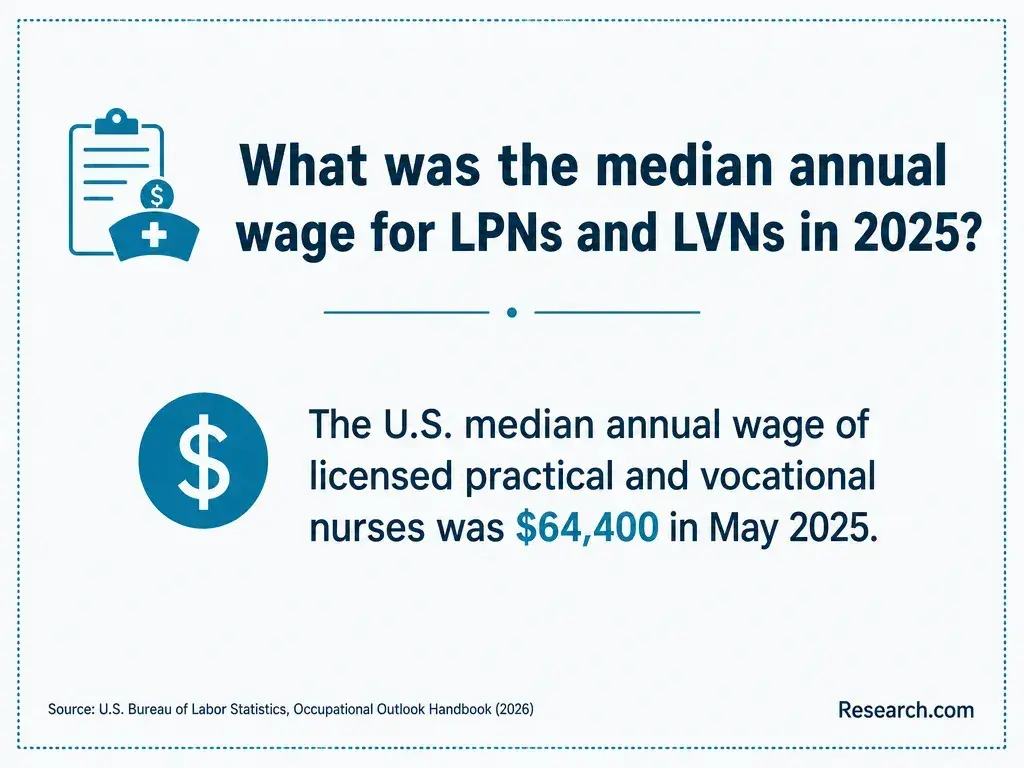
There is no single dependable national salary figure for the exact title nursing informatics specialist. Employers use titles differently, and published wage categories may combine these jobs with broader RN or health-technology occupations. A Bureau of Labor Statistics wage for all registered nurses, for example, is not a verified informatics-specialist salary.
Compare the offer with local RN opportunities you could realistically take, not just a national headline figure. Consider base pay, shift differentials you would give up, overtime eligibility, on-call compensation, benefits, retirement contributions, and whether the position is salaried or hourly. Ask whether launch-period evenings or weekends earn extra pay or are included in the salary.
If a graduate program is under consideration, use the difference between a credible local offer and your current total compensation, not an assumed informatics pay premium, to assess its cost. Nurses considering further education can also explore budget-conscious graduate nursing options for BSN nurses. Before enrolling, ask the employer whether the degree changes hiring eligibility, pay grade, or promotion prospects.
Many positions follow a weekday business schedule during routine operations, but implementation deadlines, upgrades, training, and go-lives can require early starts, evenings, weekends, or travel between sites. Remote work may be possible for some tasks; observing clinical workflows and supporting staff during a launch may require on-site time.
The same job title can conceal very different demands. These common operating patterns show what to clarify before accepting an offer.
| Operating pattern | Likely workload pressure | Schedule question to ask |
| Ongoing optimization | Ticket review, meetings, testing, training, and competing requests | How are requests prioritized, and how much time is reserved for project work? |
| Major implementation or upgrade | Testing deadlines, staff training, go-live support, and rapid issue escalation | What evening, weekend, travel, or on-call coverage is expected - and for how long? |
| Small informatics team | Broader ownership and less backup when colleagues are absent | Who covers urgent clinical issues during leave or simultaneous projects? |
Ask to see the reporting structure and staffing plan. A manageable role has a way to triage requests, named technical and clinical escalation partners, and protected time for testing and follow-up. If every unit can label its requests urgent but no one sets priorities, a nominally regular schedule may still be difficult to sustain. Nurses planning to advance their education can also review accelerated DNP admissions and requirements to understand available pathways to doctoral-level nursing education.
Good measures reflect both safe clinical use and sound project delivery. Ticket counts alone can reward fast closure without showing whether a problem was resolved; documentation-time targets alone can miss new safety risks. Ask how the employer defines each measure, establishes a baseline, and separates your contribution from decisions controlled by vendors, IT teams, and clinical leaders.
The following measures are useful to discuss in an interview because each reveals a different part of the job. No single metric should stand in for overall performance.
| Measure | What it can show | Important limitation |
| High-priority issue resolution time | How quickly safety-sensitive problems reach a workable resolution | The specialist may not control vendor fixes or final approvals. |
| Workflow adoption and usability feedback | Whether staff can use the intended process | Training attendance does not prove competent use. |
| Documentation quality or completeness | Whether records support care and reporting needs | More completed fields do not necessarily mean better care. |
| Testing defects and post-launch incidents | How effectively a change was checked before and after release | Reporting may rise when staff are encouraged to identify problems. |
| Project milestones and stakeholder sign-off | Whether agreed work moves forward with clinical input | Timeliness should not override safety review. |
Request the actual performance review criteria. A fair evaluation should recognize work such as identifying a hazardous workflow before launch, documenting a decision, and escalating an issue, even when those actions delay a project milestone. Nurses exploring advanced practice pathways can also review 12-month family NP study schedules to learn more about accelerated family nurse practitioner education options.
For an RN entering informatics, the most direct path may be an internal super-user assignment, EHR training, workflow-improvement work, and mentored participation in a build or implementation project. This lets you test the work and produce evidence of relevant skills before paying for another degree.
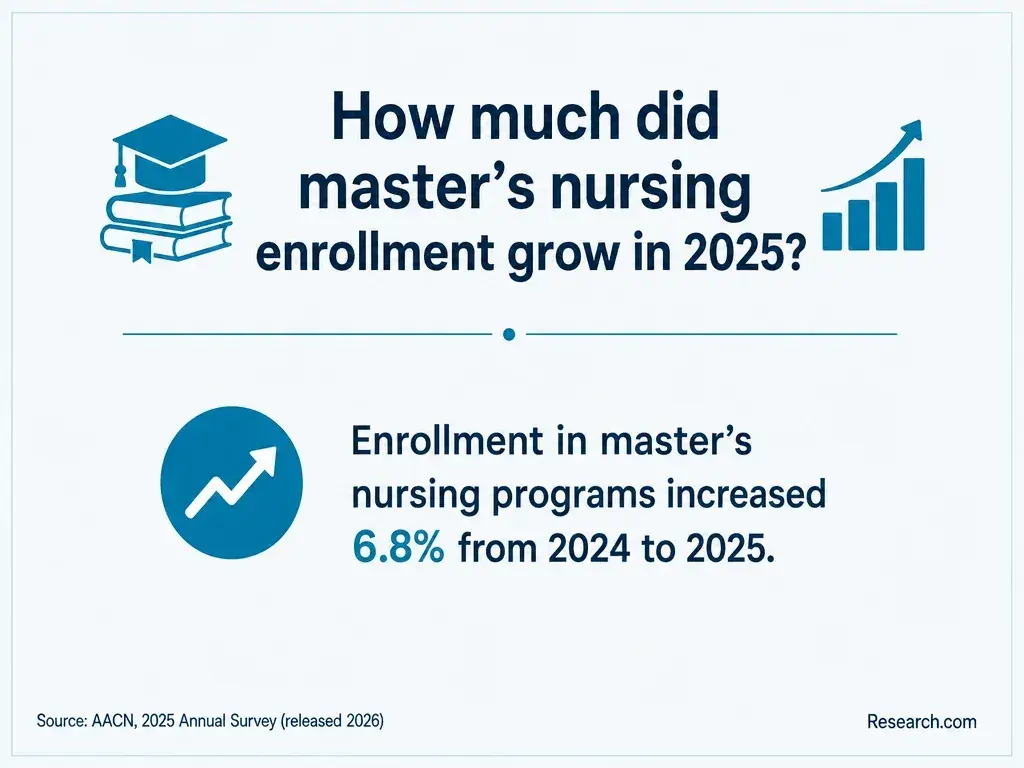
A BSN can satisfy employers that require one. An MSN with an informatics focus may be useful for roles involving complex implementations, organizational strategy, or advancement where graduate preparation is valued. Informatics certificates and focused courses can address a narrower skill gap at lower cost, but their content and employer recognition vary. A DNP may fit a later leadership or practice-improvement objective; it is not a routine prerequisite for specialist jobs. These non-APRN routes do not, by themselves, prepare an RN for nurse practitioner licensure.
If graduate study would address a documented hiring requirement, compare the full cost and curriculum rather than choosing by degree title. Lower-cost online BSN-to-MSN degree routes can provide a starting point for cost comparison, but confirm that any program actually offers the informatics preparation you need.
Online study may make coursework easier to combine with RN employment, but it does not automatically make the schedule flexible. Compare live-session times, group projects, required campus visits, and any practicum or applied-project arrangements. A campus-based or hybrid program may offer easier access to in-person collaboration, while requiring more travel and fixed attendance.
For either format, ask who arranges any required practice site, what work can be completed with your current employer, who supervises it, and whether you can access the necessary systems and data with institutional permission. Nurses interested in advancing their psychiatric nursing careers can also explore shorter postgraduate psychiatric nursing routes to compare accelerated certificate options. A program that fits your weekly schedule but depends on a placement you cannot secure is not a practical choice.
Common subjects include clinical information systems, EHR workflow analysis, data management, quality improvement, evidence appraisal, change management, privacy, and project leadership. Some programs add analytics, human-centered design, interoperability, or an applied practicum. Course names are less informative than the work students actually complete.
Compare assignments with the job you want. A specialist expected to test documentation changes needs practice translating clinical requirements into test cases and evaluating unintended effects. Someone targeting analytics needs to understand data definitions, missing data, and the limits of dashboards. Nurses comparing advanced education options can also review psychiatric NP tuition comparisons to evaluate affordable psychiatric nurse practitioner programs. Ask for syllabi or sample project descriptions, and verify whether students receive usable software access rather than only lectures about technology.
The American Nurses Credentialing Center (ANCC) offers Informatics Nursing board certification. Its eligibility rules address RN licensure, nursing education, practice experience, continuing education, and qualifying informatics work or academic preparation; applicants should check the current ANCC handbook for the applicable pathway before paying exam fees. Certification is distinct from an academic certificate, an RN license, and an employer's assessment of job competence.
Employers may also value EHR vendor training, privacy training, and demonstrated skills in testing or change management. Ask which credentials are required upon hire, which can be earned after orientation, and whether the employer pays for preparation or renewal. Nurses with an MSN who are considering further specialization can also explore family NP certificate options for MSN-prepared nurses. Professional practice also requires attention to patient safety, appropriate access to protected information, and organizational approval before changing clinical workflows. A credential does not authorize a specialist to bypass those controls.
How can you choose an accredited nursing informatics program?
Start with the job requirement you are trying to meet. Check the institution's accreditation and the accreditation status and scope of the specific nursing program, where applicable; do not assume that accreditation of the university proves every informatics track has separate nursing-program accreditation. Confirm the exact award, RN admission requirement, delivery format, practice components, and eligibility to enroll from your state directly with the school and relevant accreditor.
Then ask for the total expected cost, required time away from work, applied-project arrangements, and evidence of graduates entering roles like your target job. Nurses considering advanced practice education can also explore FNP programs with support finding preceptors when comparing programs that offer clinical placement assistance. If you already have an offer or can join an informatics project at work, compare that option against the program's cost and time commitment. Choose formal study when it closes a real qualification or skill gap, not because the job title sounds as though it must require a master's degree.
Other Things You Should Know About Nursing
Possibly. Check your employer's outside-work or internal scheduling policy, maintain required clinical competencies, and be realistic about conflicts during go-lives or on-call periods.
Approval depends on the organization and the change. Clinical owners, informatics leaders, IT teams, privacy or security staff, and governance committees may all have roles. Ask for the approval and escalation process before assuming you can make changes independently.
Not without permission. Screenshots may expose patient information, security details, or confidential employer material. Use an approved, de-identified description of the problem, your role, and your method instead.
Follow the organization's patient-safety and incident-escalation procedures promptly. Record what you observed through approved channels and involve the responsible clinical and technical teams; do not make an unapproved production change.
- Clinical Quality and Safety - ONC https://healthit.gov/clinical-quality-and-safety/
- A State-of-the-Art Electronic Health Record Downtime... - PMC https://pmc.ncbi.nlm.nih.gov/articles/PMC10322225/
- Organizational Workflow and Its Impact on Work Quality - NCBI https://www.ncbi.nlm.nih.gov/books/NBK2638/
- Technology as a Tool for Improving Patient Safety | PSNet https://psnet.ahrq.gov/perspective/technology-tool-improving-patient-safety
- Quality Measurement and Quality Improvement | cms.gov https://www.cms.gov/medicare/quality-initiatives-patient-assessment-instruments/mms/quality-measure-and-quality-improvement-
- Domain 8: Informatics and Healthcare Technologies | aacnnursing.org https://www.aacnnursing.org/essentials/tool-kit/domains-concepts/informatics-and-healthcare-technologies
- What Is Nursing Informatics and Why Is It So Important? | ANA https://www.nursingworld.org/content-hub/resources/nursing-resources/nursing-informatics/
- HIMSS 2022 Nursing Informatics Workforce Survey: Value and Future Outlook https://www.himss.org/resources/himss-2022-nursing-informatics-workforce-survey-value-and-future-outlook/