2027 Most Popular Social Work Degree Programs Ranking in Memphis

Co-Founder and Chief Data Scientist
Choosing the right social work degree program can be a big step toward a fulfilling career in Memphis. This article presents the 2027 Most Popular Social Work Degree Programs Ranking in Memphis, carefully created by the Research.com team of data scientists. It aims to help you make an informed decision about which programs truly stand out.
Whether you're just starting or looking to advance your education, understanding your options can bring confidence and clarity. Earning a social work degree opens doors to meaningful work that positively impacts lives every day.
Key benefits of getting social work degree in Memphis
- Salary for social work degree graduates: Graduates in Memphis can expect competitive salaries, such as Social Workers earning a mean annual wage of $68,800 and Child Welfare Specialists around $59,190, providing financial stability and rewarding career opportunities.
- Career paths: A social work degree opens doors to varied roles like Community Organizers and Youth Workers, with mean annual wages up to $83,400, reflecting diverse and impactful careers available locally.
- Online degree benefits: Pursuing an online social work degree offers flexibility and convenience, allowing students in Memphis to balance work and study while accessing quality education from respected institutions.
- 2027 Most Popular Social Work Degree Programs Ranking in Memphis
- What can I expect from social work degree in Memphis?
- Where can I work with social work degree in Memphis?
What can I expect from social work degree in Memphis?
The average cost of a social work degree in Memphis typically ranges between $8,000 and $15,000 per year for in-state students at popular institutions like the University of Memphis and Rhodes College. Graduates recount the mix of excitement and manageable financial commitment, feeling supported as they invest in education that's both affordable and deeply connected to the city's heartbeat.
Picture a graduate navigating bustling Memphis streets after a day filled with hands-on internships at local nonprofits, feeling the value of an education that doesn't just sit in textbooks but lives in community centers and clinics. The cost covers more than classes; it unlocks access to mentors who've walked the same path and real-world experiences that sharpen empathy and resilience.
While tuition is a key figure, graduates also highlight scholarships and work-study programs geared toward Memphis residents, lightening the financial load and making the dream of serving diverse urban populations feel both attainable and inspiring.
Where can I work with social work degree in Memphis?
Graduates from Memphis's well-regarded social work programs quickly find themselves navigating the vibrant mosaic of the city's communities, from bustling hospital corridors to neighborhood schoolyards. Many recall their time at local colleges, where hands-on internships at places like Methodist Le Bonheur Healthcare transformed abstract theories into heartfelt patient advocacy, proving that healing extends beyond medicine. Others have moved seamlessly into child welfare roles with the Tennessee Department of Children's Services, where every family assessment feels like stepping into a story brimming with hope and resilience.
Working in Memphis's schools, recent grads often champion students grappling with emotional hurdles, weaving support networks that bolster both child and family. Mental health agencies here become labs of empathy and change, where colleagues share the joy of witnessing breakthroughs after weeks of crisis intervention. The unique pulse of Memphis's criminal justice system invites social workers to rewrite narratives of second chances, partnering with those rebuilding lives beyond incarceration.
These paths aren't just jobs; they are deeply human journeys anchored in Memphis's dynamic social fabric, offering every graduate a chance to leave a meaningful mark.
- Memphis offers accredited Bachelor of Social Work (BSW) and Master of Social Work (MSW) degrees focused on child welfare, healthcare, mental health, and community services.
- Tuition for bachelor's programs ranges from $8,000 to $12,000 per year at public universities and $15,000 to $25,000 at private schools; master's programs cost $10,000 to $20,000 annually.
- Entry-level social workers earn about $45,000 per year, with experienced workers making around $60,000 or more; licensed clinical social workers (LCSWs) typically earn higher salaries.
- The Memphis metropolitan area has steady demand for social workers, especially in healthcare, schools, and public agencies, with moderate job growth expected over the next decade.
- Licensure through the Tennessee Board of Social Worker Licensure requires an accredited MSW, supervised work hours, and passing a licensing exam to practice clinically or independently.
is crucial for students who want to pursue a career in social work, as it can significantly impact their future job prospects and overall satisfaction with their career. When selecting a social work program, it's essential to consider factors such as accreditation, degree level, field experience, curriculum, and support services. Students should also research the program's reputation, faculty expertise, and alumni success stories to get a sense of the program's quality and effectiveness. Additionally, students can explore the popular social work school options in Memphis, TN, to find the best fit for their needs and goals. By taking the time to carefully evaluate these factors, students can make an informed decision and choose a social work program that will provide them with the knowledge, skills, and experience needed to succeed in their future careers.
To practice as a credentialed social worker in Tennessee, graduates must navigate a multi-step licensure process overseen by the Tennessee Board of Social Work. This ensures that professionals meet the rigorous standards necessary to support vulnerable populations. Below is an overview of key requirements: 1. Educational Prerequisites • Bachelor’s Level (LBSW): Completion of a CSWE-accredited BSW program and 1,600 hours of supervised experience. • Master’s Level (LMSW/LCSW): Graduation from a Council on Social Work Education–approved program-many students opt for cswe accredited online msw programs affordable to balance flexibility and quality-and fulfillment of a minimum of 3,000 supervised clinical hours. 2. Examination Requirements • ASWB Exam: Candidates must pass the Association of Social Work Boards’ master’s or clinical exam, depending on licensure level. Registration, scheduling, and fees are managed through the ASWB portal. 3. Application and Background Check • Submit a completed application, official transcripts, exam score verification, and a criminal background check. • Pay applicable state board fees (currently $120 for initial licensure). 4. Continuing Education and Renewal • LBSWs/LMSWs: Renew every two years with 30 hours of continuing education (CE). • LCSWs: Renew biennially with 40 CE hours, including ethics and clinical practice. By understanding and planning for these steps, prospective and current students can streamline their path from graduation to licensed practice, ensuring compliance and readiness to serve Tennessee communities.
In Memphis, the average cost of a social work degree often hovers around $27,646 for out-of-state students, while in-state students generally see a more manageable total tuition near $10,728. Graduates from local universities like the University of Memphis reflect fondly on their journeys, noting that while tuition can be a significant investment, it opens the door to deeply fulfilling careers helping communities thrive.
These financial figures capture more than just numbers-they represent the tangible steps Memphis students take toward social impact. Picture a social work student balancing coursework with hands-on field experience, feeling the excitement and hope that comes with preparing to support vulnerable populations. These moments often outweigh the stress of tuition payments, making every dollar spent feel like an investment in meaningful change.
When weighing the total tuition and fees for social work programs Memphis offers, it's important to also factor in costs like books, supplies, and living expenses which are generally lower here compared to bigger cities. That local affordability often sparks a sense of relief for students juggling budgets and dreams, allowing them to focus on what truly matters: building skills to transform lives.
Prospective students exploring whether social work is the right path should dive into detailed tuition info and financial aid options. They can gain valuable insights into those positive emotional payoffs and real costs by visiting https://research.com/degrees/is-a-degree-in-social-work-worth-it.

Embarking on a social work degree is both a challenging and rewarding journey. Students can maximize their success by cultivating strong time management skills, engaging in active networking, and taking full advantage of the academic and community resources available at their institutions. For example, building connections with peers, faculty, and field supervisors can provide ongoing mentorship and career guidance that extend well beyond graduation. It also pays to participate in study groups, attend supplemental workshops, and seek hands-on experiences early in the program. Additionally, prospective students, especially those considering a bachelor in social work, should explore internship opportunities and join professional social work organizations to build a robust professional network. These groups can offer real-world insights, tips for balancing coursework with field requirements, and opportunities to engage in meaningful social service projects. By integrating academic studies with practical experiences and professional development, students will be better prepared to excel in both their studies and future careers.
Before launching your career, graduates must secure state licensure through the Tennessee Board of Social Work Licensure. This ensures credibility, ethical practice, and client trust. 1. Licensed Social Worker (LSW) - Eligibility: Bachelor’s degree in social work (BSW) from a CSWE-accredited program. - Exam: Successful completion of the Association of Social Work Boards (ASWB) Bachelor’s-level exam. - Fees: Application fee of approximately $70; exam fee of $230. 2. Licensed Clinical Social Worker (LCSW) - Eligibility: Master’s degree in social work (MSW) from a CSWE-accredited program plus 3,000 hours of supervised clinical experience. - Exam: ASWB Clinical-level exam, with a $260 registration fee. - Supervision: Minimum of two years under a board-approved clinical supervisor. 3. Continuing Education & Renewal - Requirements: 30 hours of approved continuing education every two years, including ethics. - Renewal Fee: $50; late fee up to $100. Navigating licensure costs and requirements can be streamlined by comparing program affordability and support. For students seeking budget-friendly degree options before investing in licensure fees, explore our Low Cost Social Work Degree Programs Ranking in the Northeast. This ranking highlights institutions that balance rigorous training with financial accessibility, helping you prepare for both your career and licensure milestones.
To step into the world of social work in Memphis, imagine walking the vibrant halls of the University of Memphis or Rhodes College, where every accepted applicant carries a key forged from specific prerequisites. First, a high school diploma or equivalent is your golden ticket-no shortcuts around it. Graduates often recall juggling their recommended 2.5+ GPA alongside psychology or sociology classes, which feel like the sturdy bridges connecting curiosity to real-world social challenges.
For those dreaming bigger, like pursuing a Master of Social Work, the path curves through a bachelor's degree, sometimes in an unrelated field but steeped in experiences that reflect human empathy and resilience. GRE scores might pop up as an occasional gatekeeper, yet some Memphis programs have embraced flexibility, hearing the buzz of the community's needs over standardized tests.
Hands-on volunteer work echoes through the stories of successful alumni from these colleges. They often speak with pride about their time in local shelters or counseling centers, where theoretical textbooks met tangible hearts. Such experience not only boosts applications but fuels the joy and confidence essential to thrive in Memphis's social work landscape.

To practice as a social worker in Tennessee, you must obtain state licensure and meet ongoing requirements:
- Graduate from a CSWE-accredited BSW or MSW program (an online msw qualifies)
- Pass the Association of Social Work Boards (ASWB) exam at the LSW or LCSW level
- Complete supervised field hours (typically 1,000 for LSW; 3,000 for LCSW)
- Submit your application, official transcripts and background check to the Tennessee Board of Social Work Examiners
- Renew licensure every two years by completing required continuing education credits
Imagine diving into a day at a Memphis university, where social work students wrestle with the stories behind policies in Social Welfare Policy, linking laws to the streets they walk every day. Graduates often share how Human Behavior and the Social Environment felt like stepping into the shoes of the city's families-understanding struggles amidst Shelby County's vibrant neighborhoods. The heartbeat of these programs? Introduction to Social Work, where history and ethics spark passionate debates about justice and change, igniting purpose in every learner.
Field Education or Practicum flips textbooks into reality-students clock hours in Memphis community centers, forging connections that turn theory into compassionate action. One alum recalls counseling sessions in local shelters, where Practice with Individuals, Families, and Groups wasn't just a course, but a lifeline. Meanwhile, Research Methods in Social Work empowers students to decode data that drives real improvements in mental health services around the city.
These courses aren't abstract-they're Memphis stories, shaping care for a community that graduates are proud to serve.
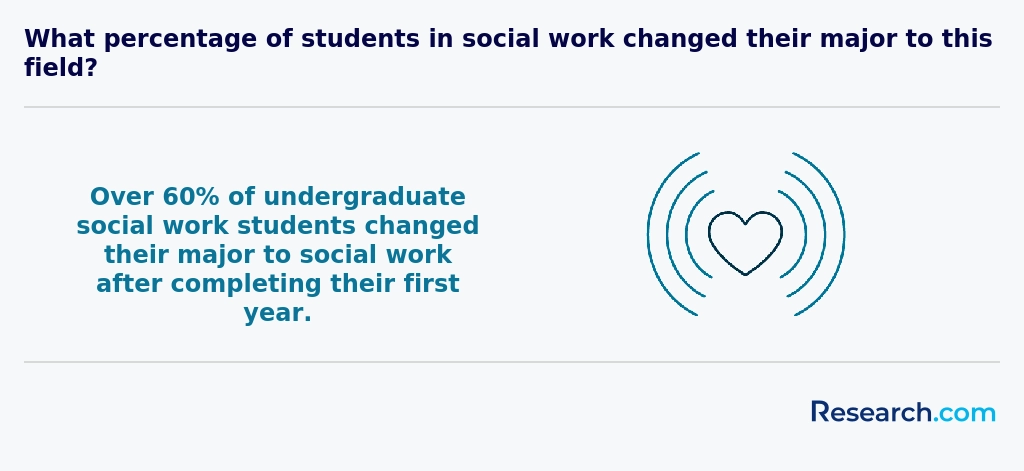
Choosing the best social work degree in Memphis feels like mapping your own hero's journey-one graduate recalls the thrill of finding a CSWE-accredited program at a local university that felt tailored to Memphis' unique community needs. Imagine walking through campus halls buzzing with peers who share your passion, then stepping into field placements at vibrant Memphis community centers where theory meets real-life impact. These hands-on experiences are more than resume boosters; they fire up your spirit and strengthen your resolve.
Cost whispers another layer into this adventure. One graduate found affordable social work degrees Memphis programs that balanced tuition with rich scholarship options, making dreams achievable without drowning in debt. Another praised hybrid classes that aligned perfectly with their busy life, inviting seamless learning and connection.
If you crave that perfect fit, consider exploring the top online social work degree options Memphis offers-where flexibility meets quality, and your future in social justice begins to take shape.
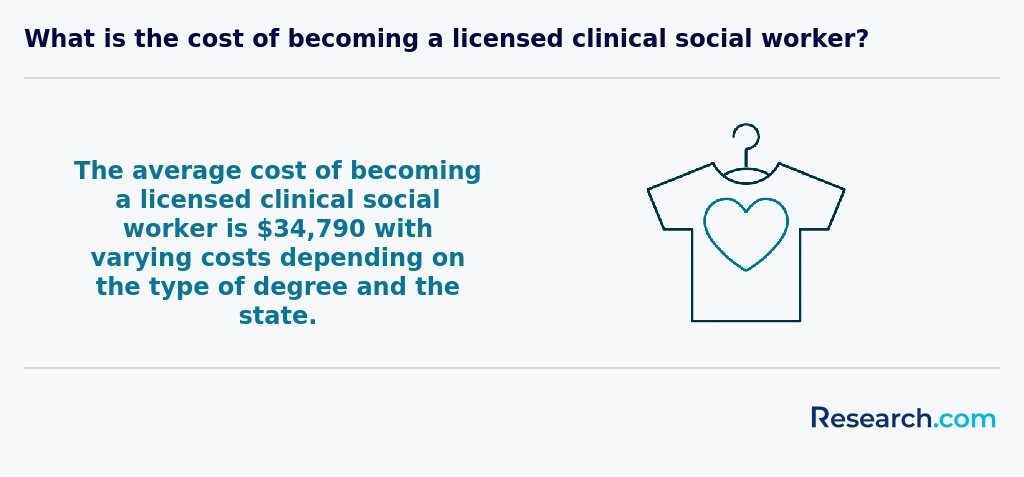
Graduates from Memphis universities who dive into social work degrees often find themselves weaving through a vibrant tapestry of career paths that truly make a difference. Envision supporting a local family overcoming challenges through child welfare programs, or walking alongside students in Memphis schools as a compassionate School Social Worker helping break emotional barriers to learning. These real-life roles bring alive the essence of social work careers in Memphis, where one graduate described the joy of witnessing community transformation firsthand.
Healthcare Social Workers in Memphis hospitals become anchors of hope for patients facing emotional storms linked to medical conditions, while others manage substance abuse programs, turning struggle into recovery. At popular colleges in Memphis, students exchange stories about how internships across community centers and government agencies reveal the profound impact of their work. For those curious about advancing specialized counseling positions, resources on lpc schools in pennsylvania offer inspiring pathways.
With demand growing steadily, job opportunities for social work graduates Memphis promise rewarding careers where compassion meets purpose on every street corner and clinic hallway.

2027 Most Popular Social Work Degree Programs Ranking in Memphis
Investing in your education is a significant decision that can shape your future, and the Research.com team understands the importance of making informed choices. To assist prospective students in Memphis, we have meticulously crafted the "2027 Most Popular Social Work Degree Programs Ranking in Memphis." Our commitment to quality, credibility, and accuracy is reflected in the extensive research and analysis conducted to compile this ranking.
We utilized the following reputable data sources to ensure a comprehensive evaluation of social work programs:
By exploring this ranking, readers will gain valuable insights into the most popular and highly regarded social work degree programs available in Memphis, helping them make informed decisions about their educational paths. For more details on our methodology, please visit our Research.com methodology page.


Frequently Asked Questions About social work
Social work degree students in Memphis can maximize their learning by engaging deeply in both academic and community experiences. Enrolling in programs accredited by the Council on Social Work Education (CSWE) ensures a curriculum that meets national standards.
Internships and field placements with local agencies like Memphis Family Safety Center provide hands-on experience. According to the Tennessee Higher Education Commission, practical training is linked to higher employment rates post-graduation.
Joining professional organizations such as the National Association of Social Workers (NASW) Tennessee chapter offers networking, mentorship, and workshops. Students should also utilize university resources including career services and research opportunities to broaden their knowledge and skills.
Emerging niches within the social work field reflect evolving societal needs, especially in Memphis. One rapidly growing area is gerontological social work, addressing the increasing senior population. According to the U.S. Census Bureau, Memphis's aging community is expected to rise by 15% over the next decade, creating demand for specialized care.
Another expanding niche is healthcare social work, particularly in hospitals and clinics managing chronic diseases prevalent in Memphis, such as diabetes and hypertension. This role supports patient advocacy and care coordination.
Additionally, social workers focusing on trauma-informed care and substance abuse treatment are increasingly vital due to local public health concerns.
After completing a social work degree in Memphis, preparing for the job market involves several key steps. First, securing licensure through the Tennessee Board of Social Worker Licensure is essential. The Licensed Master Social Worker (LMSW) credential allows graduates to practice professionally and is often required by employers.
Networking with local agencies like the Memphis Department of Public Works or non-profits such as Memphis Child Advocacy Center can provide valuable contacts. Internships and practicum experiences completed during your degree often lead to employment opportunities.
According to the Bureau of Labor Statistics, Tennessee expects a 10% growth in social work jobs through 2031, indicating positive prospects locally.
Continuing education and specialized certifications in areas like substance abuse or child welfare can also improve employability.
Employers in Memphis seek social work degree graduates who demonstrate strong communication and interpersonal skills. These abilities are essential for effectively engaging with diverse populations, including families, children, and the elderly. Critical thinking and problem-solving are also highly valued, as social workers often navigate complex social and economic challenges.
According to the Tennessee Department of Labor and Workforce Development, the demand for professionals with skills in case management and community outreach is growing steadily in Memphis. Additionally, cultural competence and ethical decision-making are crucial skills, reflecting Memphis's diverse demographics.
Technical literacy, including proficiency with electronic health records and data reporting tools, increasingly plays a role in local social work positions.
Finding internships in Memphis relevant to a social work degree involves connecting with local universities, agencies, and community organizations. Many social work programs, like those at the University of Memphis, require field placements and assist students in securing internships. Key organizations offering opportunities include the Memphis Department of Health, non-profits such as Memphis Child Advocacy Center, and social service agencies.
The Tennessee Commission on Children and Youth reports that Memphis has numerous social work job openings, making internships a critical step for experience. Networking through local professional associations, like the Tennessee Chapter of the National Association of Social Workers, can also provide leads.
Students are encouraged to explore healthcare providers, schools, and government services for internships that align with coursework and career goals.
A social work degree significantly enhances career mobility and advancement opportunities in Memphis. According to the Bureau of Labor Statistics, the Memphis metropolitan area is projected to see a steady growth of about 7% in social work positions through 2030. This demand encourages local employers to favor candidates with formal education in social work, such as a Bachelor's or Master's degree.
Graduates with social work degrees can access various roles, including clinical social work, child welfare, and healthcare support. Advanced degrees often lead to supervisory or specialized positions, increasing salary potential and job stability.
Licensure requirements in Tennessee also influence advancement, as obtaining a Licensed Clinical Social Worker (LCSW) credential requires an accredited degree. Overall, degrees in social work are foundational for upward professional movement within Memphis' social service and healthcare systems.
Studying for a social work degree in Memphis equips students with skills to collaborate across multiple disciplines. Programs often emphasize understanding healthcare, education, and criminal justice systems, reflecting the region's diverse community needs.
Memphis social work curricula include practical experiences involving partnerships with local hospitals, schools, and nonprofits. This prepares graduates to engage effectively with professionals in psychology, law enforcement, and public health.
According to the Tennessee Department of Labor & Workforce Development, Memphis has a growing demand for social workers capable of interdisciplinary cooperation, especially in addressing substance abuse and child welfare issues.
Such training enhances a graduate's ability to coordinate comprehensive care plans and advocate for vulnerable populations within complex service networks.
When choosing between a thesis and a non-thesis social work degree program in Memphis, it's important to consider your career goals. Thesis programs typically require conducting original research and are ideal for those aiming for clinical practice, academia, or further study, such as a PhD. Non-thesis options focus more on coursework and practical experience, suitable for students seeking immediate entry into social work roles.
Memphis offers accredited programs aligned with the Council on Social Work Education, supporting both paths. According to the National Association of Social Workers, Tennessee's demand for social workers is projected to grow 12% through 2030, emphasizing practical skills.
Students should evaluate faculty expertise, research resources, and internship opportunities when deciding between these tracks.
Students based in Memphis interested in studying social work abroad have several pathways through U.S. universities' international exchange programs. Institutions like the University of Memphis often partner with global universities, allowing students to complete parts of their social work degree overseas while earning credits toward their U.S. degree. These programs provide practical exposure to different social welfare systems and cultural contexts, which is valuable in social work careers.
Additionally, students can pursue accredited online social work degrees with international components or field placements in other countries. Approval by the Council on Social Work Education (CSWE) ensures these degrees meet U.S. professional standards regardless of study location.
Memphis students should also explore scholarships and grants aimed at global study, such as the Fulbright Program or Rotary International scholarships, supporting social work research and practice abroad.
Students pursuing social work degrees in Memphis have several part-time job opportunities that complement their education. Working as a case aide or assistant in local social service agencies provides valuable hands-on experience. Organizations like the Memphis Shelby County Office of Support Services often hire part-time workers to assist with client intake and data management.
Additionally, positions such as mental health technician or community outreach worker in nonprofits offer practical exposure to social work principles. According to the Bureau of Labor Statistics, social workers in Tennessee earn a median wage around $50,000, so part-time roles help build skills and networks for full-time careers.
Many universities in Memphis also offer campus positions related to counseling support or peer mentoring, which align well with social work studies.
Social work students in Memphis have access to robust networking opportunities through local universities, professional organizations, and community agencies. The University of Memphis, a key institution, offers events and mentorship programs connecting students with experienced social workers and local leaders. According to the National Association of Social Workers (NASW) Tennessee Chapter, Memphis hosts regular meetings and workshops, allowing students to build professional relationships and discover internship openings.
Additionally, Memphis's diverse nonprofit sector provides numerous volunteer and practicum placements. These experiences help students create valuable contacts in healthcare, education, and social services.
Such connections are crucial for career development in the city's competitive job market.
Alumni networks significantly benefit social work degree students in Memphis by providing vital professional connections. These networks often include experienced social workers who have established careers in local agencies, nonprofits, and government organizations. According to the University of Memphis' School of Social Work, alumni events and platforms enhance job placement rates by up to 20% for recent graduates.
They also offer mentorship opportunities, helping students navigate the unique challenges of social work in Memphis, such as addressing urban poverty and community health disparities. Networking through alumni groups can lead to internships, research collaboration, and access to continuing education tailored to the city's specific social service needs.
Furthermore, alumni connections support advocacy and policy work by linking students with professionals involved in Memphis-area social initiatives, including partnerships with local healthcare and housing agencies. These collaborative relationships foster a stronger, more informed social work community across the city.
Customizing a social work degree program in Memphis to fit your career goals involves selecting relevant coursework and fieldwork opportunities. Many local universities and colleges offer elective classes focusing on areas like child welfare, mental health, or community development to align with various professional interests. Additionally, you can often tailor your practicum placements with agencies in Memphis, such as those addressing homelessness or family services, providing hands-on experience in your preferred specialty.
Some programs also permit specialization through certificate options or dual degrees, enhancing skill sets for roles in clinical social work or policy advocacy. According to the Bureau of Labor Statistics, Memphis has a growing demand for licensed social workers, emphasizing practical training.
Social work students in Memphis often face challenges related to the region's high demand for mental health and social services. According to the Tennessee Department of Mental Health, Memphis has one of the highest rates of poverty in the state, which can impact field placement opportunities and increase stress on students balancing coursework with community needs.
Additionally, many students report difficulties managing the rigorous academic workload alongside unpaid or low-paid internships required for licensure. Time management becomes critical, especially for those who work part-time or have family responsibilities.
Access to updated resources and experienced faculty also varies among local programs, affecting the quality of education. Still, Memphis social work students benefit from strong community partnerships that provide practical experience, even if these opportunities require navigating complex social environments.
With a social work degree in Memphis, graduates can pursue several professional certifications to enhance their careers. The most common credential is the Licensed Master Social Worker (LMSW), which requires passing the ASWB Master's exam. After gaining supervised experience, professionals often pursue the Licensed Clinical Social Worker (LCSW) certification, allowing them to provide therapy independently. These certifications are recognized throughout Tennessee and are essential for many social work positions in healthcare, schools, and nonprofit organizations.
Additional certifications include the Certified Social Work Case Manager (C-SWCM) and credentials for specialized areas such as substance abuse or child welfare. According to the Tennessee Department of Health, demand for certified social workers in Memphis continues to grow, anticipating a 12% increase in job opportunities by 2028.
Applying to a social work program in Memphis requires clear and focused preparation. Start by thoroughly researching programs offered by local institutions like the University of Memphis and LeMoyne-Owen College, which are well-regarded for their social work degrees. The application should highlight your passion for community service and understanding of social issues in Memphis, a city with unique challenges such as poverty and homelessness. Include relevant volunteer or work experience, as hands-on involvement strengthens your candidacy. Be sure your personal statement reflects how you plan to address local needs, and request strong recommendation letters from professionals familiar with your commitment to social work.
The field of social work holds a significant global presence, shaping policies and practices that address social challenges worldwide. In the United States, including Memphis, social workers often engage with diverse populations, making cultural competence essential. According to the National Association of Social Workers, about 700,000 social workers are employed in the U.S., with growing demand expected due to an aging population and increasing mental health awareness.
Globally, social work careers emphasize social justice, human rights, and community development. Education programs in the U.S. integrate these values, preparing graduates to work in international agencies or apply global best practices locally.
Gaining practical experience while studying for a social work degree in Memphis involves engaging in internships and field placements. Many accredited programs require students to complete supervised practicum hours, typically ranging from 400 to 900 hours, providing hands-on training in community agencies, healthcare settings, or schools. Local organizations such as Memphis Family Safety Center and Memphis Area Legal Services often partner with universities to offer these opportunities.
Students can also participate in volunteer work and service-learning projects to build skills and professional networks. The University of Memphis, for example, supports connections to local social service agencies where students can apply theories in real-world contexts.
Choosing the right concentration within a social work degree program in Memphis involves understanding local community needs and your career goals. Memphis faces challenges such as poverty, homelessness, and substance abuse, which influence available specializations. Concentrations like clinical social work, child and family welfare, or substance abuse counseling are popular due to these factors.
Research local employers and the Tennessee Department of Mental Health and Substance Abuse Services for insights on in-demand skills. Programs accredited by the Council on Social Work Education (CSWE) ensure quality education. Also, consider practicum opportunities within Memphis-area agencies to gain relevant experience.
Lastly, evaluate how each concentration aligns with your passion for serving specific populations and advancing social change in Memphis communities.
- 2027 Most Popular Social Work Degree Programs Ranking in Jackson
- 2027 Most Popular Social Work Degree Programs Ranking in Nashville
- 2027 Most Popular Social Work Degree Programs Ranking in Springfield
- 2027 Most Popular Social Work Degree Programs Ranking in Saint Louis
- 2027 Most Popular Social Work Degree Programs Ranking in Louisville
- 2027 Most Popular Social Work Degree Programs Ranking in Atlanta
- 2027 Most Popular Social Work Degree Programs Ranking in New Orleans
- 2027 Most Popular Social Work Degree Programs Ranking in Lexington
- 2027 Most Popular Social Work Degree Programs Ranking in Indianapolis
- 2027 Most Popular Social Work Degree Programs Ranking in Lawrence
See What Experts Have To Say About Studying Social Work
Read our interview with Social Work experts

- Grand Challenges for Social Work https://grandchallengesforsocialwork.org/
- 5 Top-Rated MSW Programs in Memphis for 2026 (With Admission Rates) - Social Work Education Center https://www.socialworkdegree.net/msw-programs/tennessee/memphis/
- Social Work https://al.edu.pl/en/studies/english-courses-for-erasmus-students/social-work
- 2025 Most Affordable Online Social Work Degrees https://www.onlineu.com/most-affordable-colleges/social-work-degrees
- Is an Online Master’s in Social Work (MSW) Degree Worth it? https://socialworklicensemap.com/social-work-degrees/online-msw-programs/is-an-online-masters-in-social-work-msw-degree-worth-it/
- The Importance of Professional Networking in Social Work https://www.onlinemswprograms.com/resources/social-work-networking/
- Search our Job Opportunities at Methodist Le Bonheur Healthcare https://careers.methodisthealth.org/employment/memphis-tennessee-united-states-social-work-jobs/47203/8855504/6252001-4662168-4657046-4641239/4
- Social Work Internships https://www.stjude.org/education-training/professional-development/internships/social-work.html
- Preparing For A Career In Social Work: Tips For New Graduates https://www.tripodpartners.com/career-advice/social-work/preparing-for-a-career-in-social-work-tips-for-new-graduates/
- How to become a social worker https://basw.co.uk/careers/how-become-social-worker