2027 Most Valuable Social Work Degree Programs Ranking in Grand Rapids

Co-Founder and Chief Data Scientist
If you're considering a future in social work, choosing the right degree program in Grand Rapids is an important step. This article introduces the 2027 Most Valuable Social Work Degree Programs Ranking in Grand Rapids, created by the Research.com team of data scientists. It's designed to help you make an informed decision about which programs offer the best value and opportunities.
Reading this ranking can boost your confidence as you explore educational paths that lead to meaningful careers. A social work degree opens doors to helping others and making a real difference in your community.
Key benefits of getting social work degree in Grand Rapids
- Graduates with a social work degree in Grand Rapids can expect competitive salaries, such as $68,800 annually for Social Workers and up to $83,400 for Community Organizers and Youth Workers, offering financial stability in meaningful careers.
- Career paths include roles like Residential Counselor or Child Welfare Specialist, reflecting diverse opportunities for graduates from local universities such as Grand Valley State University.
- Online social work degrees provide flexible learning schedules and accessible coursework, allowing students to balance life and education effectively, as shown by successful online graduates from institutions in Grand Rapids.
- 2027 Most Valuable Social Work Degree Programs Ranking in Grand Rapids
- What can I expect from social work degree in Grand Rapids?
- Where can I work with social work degree in Grand Rapids?
What can I expect from social work degree in Grand Rapids?
In Grand Rapids, students pursuing a social work degree can generally expect tuition costs at public universities to fall between $10,000 and $15,000 per year for in-state enrollment. Graduates from institutions like Grand Valley State University often reflect on the value of this investment, noting how the balance of academic rigor and practical field placements made the expense worthwhile. Many speak warmly of their supervised internships in local agencies, which not only deepened their understanding but also strengthened their connection to the community.
This cost range allows students to focus on gaining hands-on experience without overwhelming financial stress. Financial aid options commonly available help ease the burden, making the programs accessible and appealing. The expenses align with a curriculum accredited by the Council on Social Work Education, ensuring the education meets high standards, which graduates recognize as crucial in preparing for roles requiring licensure and advanced skills.
Where can I work with social work degree in Grand Rapids?
Graduates from social work programs in Grand Rapids, including those from well-regarded local colleges, often find themselves welcomed in a variety of meaningful career paths. Many begin in healthcare settings like Spectrum Health System or Mercy Health, where their work directly impacts patients facing mental health challenges or complex discharge needs. One graduate shared how rewarding it was to help patients transition smoothly from hospital care back into their communities, fostering real hope and recovery.
Community and public service roles offer another rich avenue. Social workers employed by Kent County Health Department or MDHHS engage daily with families navigating tough circumstances, making advocates out of themselves. Students often reflect on the personal growth sparked by these experiences, feeling a deepened sense of purpose as they assist vulnerable populations.
Social work graduates also thrive in Grand Rapids Public Schools, where their efforts guide students through emotional and social hurdles. They report the joy of witnessing a student's academic progress tied closely to the emotional support provided. Nonprofits like Catholic Charities or Samaritas further expand opportunities, drawing graduates who want hands-on roles in program development and client care.
Lastly, those drawn to criminal justice find roles in juvenile justice programs or probation offices, where social workers shape futures through counseling and reentry planning. Across all these sectors, Grand Rapids stands out as a community that values the compassion and skills fostered by its social work education programs.
- Grand Rapids offers accredited social work programs mainly through Grand Valley State University, including BSW and MSW degrees meeting CSWE standards.
- Tuition costs range from $10,000 to $15,000 per year for in-state students at public universities, with private schools charging over $20,000 annually.
- The average starting salary for social work graduates in Grand Rapids is about $45,000, increasing to mid-$60,000 with experience and advanced licenses.
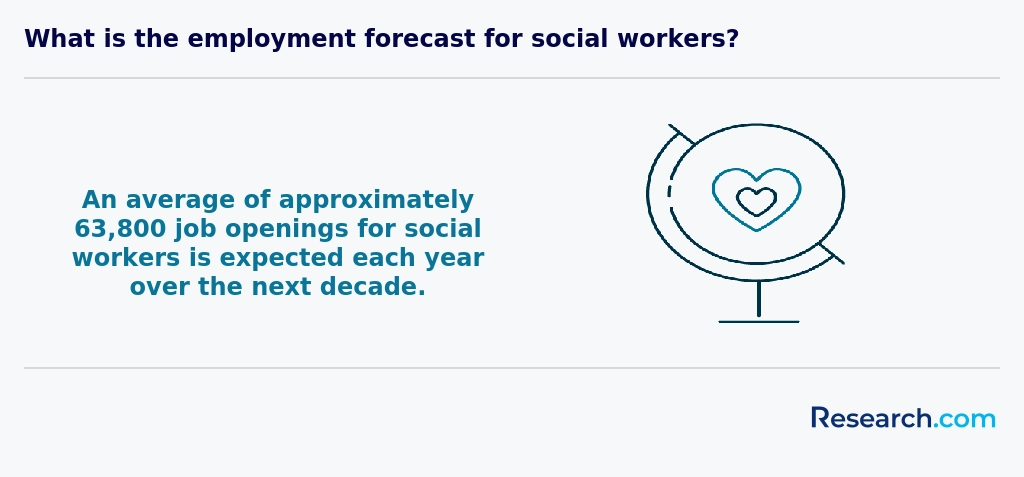
- Employment for social workers is projected to grow by 12% from 2020 to 2030, driven by local healthcare and community service expansion.
- Field placements through supervised practicums are required and help meet licensing requirements while providing real-world experience.
- Licensing requires passing the ASWB exam and continuing education, with options to specialize in clinical work, child welfare, or school social work.
Prospective students aiming for social work degree programs in Grand Rapids, MI, should familiarize themselves with key application deadlines and acceptance benchmarks to enhance their chances of admission. Most Bachelor of Social Work (BSW) programs at institutions like Grand Valley State University and Aquinas College open applications on November 1 for the following fall term, while Master of Social Work (MSW) programs typically set a priority deadline of December 15. Average acceptance rates for BSW programs in the region hover around 65%, reflecting moderate selectivity, whereas MSW cohorts admit approximately 50–55% of qualified applicants. To apply, candidates must submit:
- Official transcripts demonstrating a minimum 2.5 GPA (3.0+ for competitive programs)
- Two letters of recommendation from academic or professional references
- A personal statement outlining career goals and community engagement
- A current résumé showcasing relevant volunteer or work experience Early submission of materials and proactive outreach to admissions counselors can significantly improve an applicant’s standing. Many successful candidates highlight the value of showcasing hands-on experience-such as internships at local nonprofit agencies-and articulating a clear commitment to social justice. For those balancing work or family commitments, exploring a human services online program can offer flexible pathways into social work education, with rolling admissions and multiple start dates throughout the year. By aligning application strategies with each program’s specific requirements and timelines, aspiring social workers can secure placement in Grand Rapids’s most valuable degree offerings.
To practice as a licensed social worker in Michigan, you must meet the following state board criteria:
- Education: CSWE-accredited BSW for LBSW; MSW for LMSW/LCSW eligibility
- Examination: Pass the appropriate ASWB exam (Bachelors, Masters, or Clinical level)
- Supervised Experience: Complete 4,000 supervised practice hours over a minimum of two years
- Application: Submit transcripts, exam scores, and fee to the Michigan Board of Social Work
- Renewal & Continuing Education: Renew every two years with required CE credits
To accelerate your path to clinical practice, consider msw accelerated programs
The average cost of a social work degree in Grand Rapids typically centers around $27,660 for in-state students, reflecting the overall median total cost observed in this area. Graduates from local institutions, such as those pursuing their Bachelor's or Master's degrees at popular universities, often recall balancing tuition fees with expenses for textbooks, practicum materials, and living costs. These expenses contribute to a broader understanding of social work degree tuition fees Grand Rapids students face, offering a realistic picture rather than idealizing only the sticker price.
Many students attending well-known public universities in the region find the tuition manageable because it falls between $8,000 and $15,000 annually for undergraduates, while graduate programs like the Master of Social Work (MSW) often run slightly higher. The personal stories of students highlight how financial aid, scholarships, and grants play a crucial role in making the social work path financially viable. Such support helps ease anxieties and fosters a rewarding academic journey focused on impactful community work.
Private colleges in Grand Rapids, while offering strong programs, can have tuition rates between $25,000 and $35,000 per year. Still, graduates emphasize the value of investing in quality education and the importance of exploring financial aid options early. For those considering alternatives or wishing to broaden their choices, looking into online psychology programs in Alabama might also offer flexibility and financial relief while advancing one's career in related social fields.

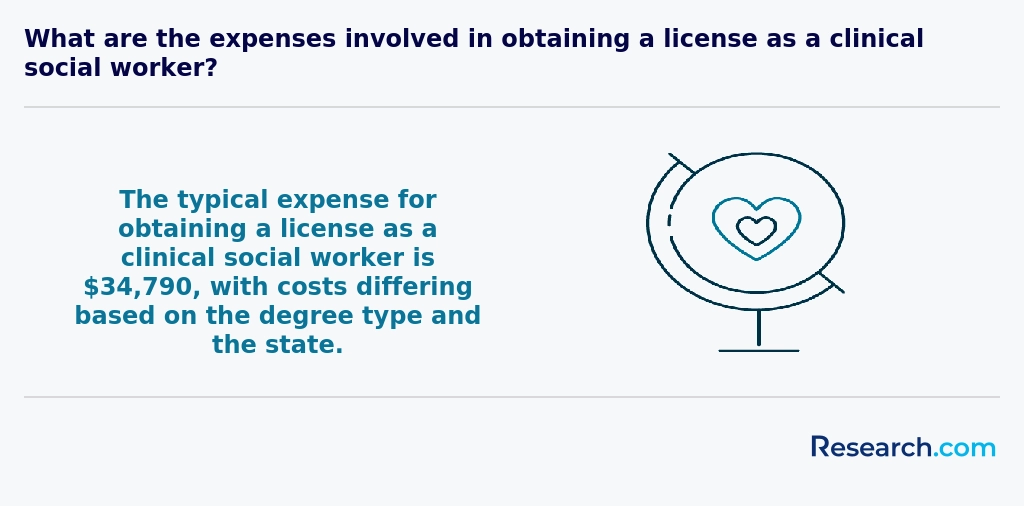
Earning a social work degree in Grand Rapids, MI, is only the first step toward practice-obtaining licensure ensures you can provide professional services and advance your career. In Michigan, graduates must follow a structured path to secure either the Licensed Master Social Worker (LMSW) or Licensed Clinical Social Worker (LCSW) credential. First, complete a CSWE-accredited Bachelor of Social Work (BSW) or Master of Social Work (MSW) program. Next, register with the Michigan Board of Social Work and submit official transcripts demonstrating your degree completion. All candidates must pass the Association of Social Work Boards (ASWB) examination: the LMSW exam for entry-level practice or the Clinical exam for advanced clinical roles. Exam fees range from $230 to $260, and preparation courses often include practice tests and study groups. After passing the ASWB Clinical exam, LCSW applicants are required to accrue 3,000 hours of supervised clinical experience under a board-approved supervisor. These supervised hours typically span two years and must be documented in quarterly reports submitted to the board. Once licensed, social workers in Michigan must complete 30 continuing education units (CEUs) every two years to renew their credential. CEUs cover topics such as ethics, cultural competence, and evidence-based treatments. Many graduates take advantage of workshops offered by local universities and professional associations to fulfill these requirements while networking with peers. If affordability is a priority, prospective students can also explore related rankings like Cheapest Social Work Degree Programs Ranking in Minneapolis, MN to compare tuition and program value. Understanding licensure timelines and costs upfront-application fees, exam registration, supervised practice supervision fees, and CEU expenses-allows you to budget effectively and avoid delays. By following Michigan’s licensure roadmap, graduates from Grand Rapids programs can confidently transition into professional practice, assured that they meet all regulatory standards and are poised for a successful career in social work.
When considering a social work degree program, it's essential to choose a school that not only provides a comprehensive education but also prepares you for the realities of the profession. In Michigan, selecting a valuable social work school in Michigan can make a significant difference in your career trajectory. These schools often have strong connections with local communities and organizations, offering students invaluable opportunities for field placements, internships, and networking. By attending a reputable social work program, you gain access to experienced faculty, state-of-the-art facilities, and a curriculum that is tailored to meet the current needs of the field. This, in turn, enhances your job prospects and prepares you to make a meaningful impact in the lives of individuals, families, and communities. Ultimately, choosing the right social work school in Michigan is a crucial step towards a fulfilling and successful career in social work.
Enrolling in social work degree programs in Grand Rapids demands careful preparation, as graduates often reflect on their journey with a sense of accomplishment rooted in meeting key prerequisites. For bachelor's programs at well-known institutions like Calvin University or Grand Valley State University, applicants typically present a high school diploma alongside solid transcripts showcasing strengths in English and social sciences. Many graduates recall how maintaining a GPA around 3.0 made transitioning into specialized social work courses smoother and more rewarding.
When advancing to a Master of Social Work program, students frequently emphasize the importance of earning a relevant bachelor's degree-often in psychology or sociology-and gaining hands-on experience through volunteer work in community centers or shelters around Grand Rapids. Letters of recommendation and a personal statement crafted honestly about one's passion for social justice frequently make a meaningful difference in admissions.
Practical preparations such as background checks and health screenings, required before field placements, bring a blend of anticipation and readiness as students prepare to engage deeply with diverse populations in real-life settings.

For many social work graduates in Grand Rapids, MI, earning a degree is just the beginning of a lifelong journey of professional growth. Engaging in continuing education through workshops, specialized training, and certification programs not only keeps professionals updated on industry best practices but also bolsters their credentials and marketability. Many employers value candidates who actively pursue additional qualifications, as this commitment can lead to enhanced clinical competencies and leadership opportunities. For example, professionals looking to maximize their earning potential might explore advanced certifications that can have a significant impact on a child and family social worker salary. Networking events, seminars, and mentorship programs further provide avenues for learning and collaboration, enabling social workers to stay agile in a rapidly changing field. By prioritizing ongoing education and professional development, social work graduates can build rewarding careers that not only benefit their immediate teams but also make a lasting impact on the communities they serve.
Social work degree programs in Grand Rapids, such as those offered at local public universities, include courses that build a solid foundation in both theory and practice. Graduates often recall how classes like Introduction to Social Work gave them a real grasp of the profession's history, values, and ethics-lessons they found vital when stepping into their field placements.
Core courses like Human Behavior in the Social Environment help students understand the complex factors influencing people's lives, from psychological to social and biological. Many graduates share that this course deepened their empathy and sharpened their ability to respond thoughtfully to diverse client needs.
Courses such as Social Welfare Policy and Services allow students to analyze real-world policies shaping community support systems, often discussed through current local case studies relevant to Grand Rapids' unique demographic challenges.
Finally, Research Methods in Social Work teaches essential skills in evaluating and applying evidence-based practices, preparing students for meaningful internships at neighborhood agencies where they apply knowledge to support underserved populations effectively.
Choosing the best social work degree programs Grand Rapids offers means focusing on programs accredited by the Council on Social Work Education (CSWE). Graduates from Calvin University and Grand Valley State University often express confidence in their education because these schools provide strong curriculum alignment with community needs and licensed practice requirements. One graduate shared how field placements connected to local agencies gave them meaningful, hands-on experience that strengthened their commitment to social work.
Affordability is another key consideration. Many affordable social work colleges in Grand Rapids balance reasonable tuition with scholarships and financial aid opportunities, allowing students to pursue their passion without excessive debt. Hearing from alumni, the value of career support also stands out-programs that guide students through Michigan's licensure process and the ASWB exam create smoother transitions into the workforce. Exploring programs that offer connections to local employers and agencies can enhance this journey.
When researching programs, also consider the nuances of curriculum focus and practical experience. Some graduates found that specialized tracks or community-oriented placements in urban and suburban settings better prepared them for real-world challenges. For more detailed information about accreditation pathways, reviewing resources on school psychology degree accreditation can be helpful as a comparison to understand standards in related social services.
Graduates with a social work degree in Grand Rapids find diverse career paths rooted deeply in community impact, from healthcare settings to child welfare. Many who studied at local institutions express fulfillment working as licensed clinical social workers (LCSWs), where they offer therapy and counseling services to individuals facing mental health challenges. Practical experience gained near campuses equips these graduates to navigate real-world complexities while fostering meaningful change.
Job opportunities for social work degree Grand Rapids also extend to roles such as school social workers who support students with emotional or behavioral struggles, and healthcare social workers who assist patients with treatment plans in hospital environments. Non-profits and government agencies like the Kent County Health Department often recruit passionate graduates eager to improve public health outcomes. Those who pursued education at popular colleges in Grand Rapids highlight how their training prepared them for these rewarding, hands-on roles.
The social work field here encourages exploration and growth, and students often investigate affordability and value by researching the valuable social work school in Michigan to maximize both education quality and career potential.

2027 Most Valuable Social Work Degree Programs Ranking in Grand Rapids
Investing in your education is a significant decision that can shape your future, and the Research.com team understands the importance of making informed choices. To assist prospective students in Grand Rapids, we have meticulously crafted the "2027 Most Valuable Social Work Degree Programs Ranking in Grand Rapids." Our commitment to quality, credibility, and accuracy is reflected in the extensive research and analysis conducted to compile this ranking.
We utilized the following reputable data sources to ensure a comprehensive evaluation of social work degree programs:
By exploring this ranking, readers will gain valuable insights into the most valuable social work degree programs in Grand Rapids, enabling them to make informed decisions about their educational and professional futures. For more details on our methodology, please visit our Research.com methodology page.


Frequently Asked Questions About social work
Social work degree students in Grand Rapids can maximize their learning by actively engaging in local field placements, a critical component of accredited programs. Agencies like Bethany Christian Services and The Rapid provide diverse opportunities to gain hands-on experience. According to the Council on Social Work Education, practical internships improve skill development and employment prospects. Students should also participate in workshops and seminars offered by Grand Rapids Community College and Grand Valley State University, which frequently update curricula to reflect current community needs.
Networking with local professionals through events hosted by the Michigan Social Work Association can expand career opportunities. Additionally, utilizing campus resources such as tutoring and counseling enhances academic success. Staying informed about Michigan's social services policies helps contextualize learning within the state's unique social landscape.
Emerging niches within the social work field reflect the evolving needs of communities, especially in urban areas like Grand Rapids. One growing area is gerontological social work, addressing the challenges faced by an aging population. According to the Michigan Department of Health and Human Services, Michigan's senior population is expected to increase significantly by 2030, creating high demand for specialists in elder care and support.
Another expanding niche is behavioral health social work, which focuses on mental health and substance abuse treatment. The Grand Rapids region has seen rising awareness of mental health issues, increasing demand for qualified social workers in this specialty.
Additionally, social workers specializing in medical and healthcare settings are becoming vital, integrating social care with physical health services. This aligns with national trends emphasizing holistic patient care.
After earning a social work degree in Grand Rapids, preparing for the job market involves several key steps. Graduates should consider obtaining licensure, such as the Licensed Social Worker (LSW) credential, which is required for many positions in Michigan. The Michigan Board of Social Work also offers the Licensed Master Social Worker (LMSW) for advanced practice roles. Networking is valuable-joining local groups such as the Michigan Social Work Association can connect candidates to job opportunities.
Internships completed during study often lead to employment; nearly 60% of social work grads in Michigan find jobs within six months of graduation, according to the Bureau of Labor Statistics. Additionally, gaining experience in local agencies or nonprofits in Grand Rapids can boost resumes.
Continued education and certifications in areas like trauma-informed care or substance abuse counseling can increase employability. Keeping up with trends in Grand Rapids's social services sector is crucial for success.
Employers in Grand Rapids prioritize several key skills when hiring social work degree graduates. Strong communication abilities are essential, as social workers must effectively interact with clients, families, and community resources. Critical thinking and problem-solving skills help professionals navigate complex cases and develop tailored support plans. Cultural competence is increasingly important in Grand Rapids' diverse communities, ensuring sensitivity to various backgrounds and experiences.
Additionally, proficiency in case management software and documentation is often required. According to the Michigan Department of Health and Human Services, 68% of local agencies seek graduates with practical experience in community outreach, reflecting Grand Rapids' focus on collaborative care models.
Finding internships in Grand Rapids relevant to a social work degree involves connecting with local agencies and educational institutions. Many social work programs in the area have formal partnerships with nonprofit organizations, hospitals, and government agencies where students can gain practical experience.
The City of Grand Rapids and Kent County offer several social service programs that regularly accept interns. According to the Michigan Department of Health and Human Services, these institutions collaborate with universities to host student placements.
Students should consult their university's career services and field education offices for curated internship listings. Additionally, professional bodies such as the National Association of Social Workers (NASW) Michigan chapter often post local opportunities.
Networking through university events and local conferences can also enhance chances of securing internships.
Obtaining a social work degree in Grand Rapids significantly enhances career mobility and advancement opportunities within the local job market. According to the Michigan Department of Labor and Economic Opportunity, the demand for licensed social workers in the Grand Rapids metropolitan area is expected to grow by over 10% from 2022 to 2032, faster than the average for all occupations.
Graduates with a Bachelor of Social Work (BSW) or Master of Social Work (MSW) typically qualify for a range of positions, from case managers to clinical social workers. An MSW degree is often required for leadership roles or clinical licensure, which can nearly double salary potential compared to entry-level positions.
Most Grand Rapids employers prefer candidates with accredited degrees, often from schools recognized by the Council on Social Work Education (CSWE). This accreditation supports licensure eligibility, an essential step for career advancement. Additionally, social workers with specialized certifications in fields such as child welfare or healthcare see improved job prospects and compensation.
Studying for a social work degree in Grand Rapids equips students with skills essential for interdisciplinary collaboration. Local programs emphasize working alongside healthcare providers, educators, and legal professionals to address complex client needs. The curriculum often integrates public health, psychology, and social policy courses, fostering a broad understanding of social issues.
Grand Rapids social work students benefit from field placements in diverse community settings, such as hospitals and schools, enhancing practical experience with multidisciplinary teams. According to the Michigan Department of Education, this hands-on training improves adaptability in various professional environments.
Such interdisciplinary preparation aligns with national trends highlighting teamwork's importance in effective social work practice.
When choosing between a thesis and a non-thesis social work degree program in Grand Rapids, consider your career goals first. A thesis option typically involves original research, which can prepare you for doctoral studies or research-focused roles. Non-thesis programs often emphasize practical experience through internships or applied projects, ideal for immediate social work practice.
The Council on Social Work Education (CSWE) accredits programs in Michigan, ensuring standardized curricula. Grand Rapids students benefit from local agencies offering practicum placements, valuable for non-thesis candidates seeking hands-on experience. According to the Bureau of Labor Statistics, social workers in Michigan earned a median annual wage of about $54,000 in 2023, reflecting practical skills' importance.
Your choice should align with your interest in research versus practice, time commitment, and long-term plans within the Grand Rapids social work community.
Students based in Grand Rapids interested in studying social work abroad typically explore study abroad programs offered by their home institutions. Schools such as Grand Valley State University and Calvin University have partnerships with international universities, allowing social work students to gain global experience while earning credits toward their degrees.
The Council on Social Work Education highlights that study abroad opportunities enhance cultural competence, a vital skill in social work. Options often include placements in countries like Canada, Ireland, or Australia where social welfare systems differ from the U.S.
Costs and program lengths vary, so students should consult their university's international studies office for updated information. Financial aid and scholarships may be available to help offset expenses.
Grand Rapids offers several part-time job opportunities that complement social work degree education. Positions such as case aide, community outreach worker, or behavioral health technician provide valuable field experience while allowing flexible schedules. These roles develop skills in client interaction, crisis intervention, and resource coordination, essential for social work careers.
Local agencies, including nonprofits and healthcare providers in Grand Rapids, often seek part-time staff to assist with programs supporting vulnerable populations. According to the Michigan Department of Health and Human Services, the demand for social services roles in Kent County is expected to grow by 8% through 2030, reflecting increased opportunities for students to gain relevant work experience.
Volunteer roles with organizations focused on youth, homeless services, or senior care also enhance practical knowledge, supporting classroom learning with real-world application. Part-time employment offers a practical pathway for students to build professional networks within the social work community in Grand Rapids.
Social work students in Grand Rapids benefit from numerous networking opportunities through local universities and community organizations. Grand Valley State University, for example, hosts events and workshops connecting students with licensed social workers and nonprofit leaders. These occasions allow students to build relationships that can lead to internships and job placements.
The Grand Rapids area is home to over 150 social service agencies, offering volunteer and shadowing opportunities. Groups like the West Michigan Chapter of the National Association of Social Workers (NASW) offer professional events and mentoring programs that enhance students' career development.
Additionally, the city's robust community health partnerships provide practical networking avenues tailored to social work students. According to the NASW West Michigan Chapter, engagement in these networks significantly improves employment outcomes for social work graduates in the region.
Alumni networks provide important support to social work degree students in Grand Rapids. They offer valuable connections to professionals working in local agencies and nonprofits, facilitating internships and job placements. For example, Grand Valley State University's social work alumni group often hosts networking events for current students.
Access to experienced graduates gives students insights into Michigan's social services system and evolving community needs. According to the National Association of Social Workers, strong professional networks can increase employment prospects by up to 20% in competitive fields like social work.
Furthermore, alumni often provide mentorship, career advice, and guidance on licensure requirements specific to Michigan. This support helps students navigate the path toward becoming licensed social workers in Grand Rapids.
Customizing a social work degree program in Grand Rapids is key to aligning education with your career goals. Many local universities offer concentrations such as clinical social work, child welfare, or community development. Selecting electives relevant to your career interests allows deeper expertise. Additionally, Grand Rapids schools often provide internship opportunities with local agencies, including healthcare and nonprofit organizations, giving practical experience tailored to sectors you wish to enter. Some programs also permit part-time or accelerated study options, accommodating working professionals. According to the Michigan Licensing and Regulatory Affairs, over 1,500 social workers are active in Grand Rapids, highlighting diverse career paths within the region.
Social work students in Grand Rapids often face significant challenges balancing rigorous academic requirements with practical fieldwork. Many programs require extensive internships, which can be demanding alongside coursework. According to data from the Council on Social Work Education, students nationwide report stress related to time management, and this is reflected in Grand Rapids as well.
Financial strain is another common obstacle. While tuition rates in Michigan public universities average around $12,000 annually for in-state students, additional costs such as books and transportation to placements add up.
Students also encounter emotional challenges, dealing with difficult social issues during field placements in the city's diverse communities, including poverty and substance abuse. Support services remain critical to help maintain their well-being throughout the program.
Graduates with a social work degree in Grand Rapids can pursue several professional certifications to advance their careers. One key credential is the Licensed Social Worker (LSW), which is essential for entry-level practice in Michigan. After gaining supervised experience, professionals often seek the Licensed Master Social Worker (LMSW) or Licensed Independent Social Worker (LISW) credentials, both recognized by the Michigan Board of Social Work.
The National Association of Social Workers (NASW) also offers specialty certifications, such as Clinical Social Work or School Social Work, which enhance expertise and job prospects.
These certifications can significantly impact salary and employment opportunities in the Grand Rapids social services market, where demand continues to grow according to the U.S. Bureau of Labor Statistics.
When applying for a social work program in Grand Rapids, it's important to present a clear and focused application. Highlight your passion for helping communities, especially underserved populations common in the area. Schools often look for strong academic records combined with relevant volunteer or work experience in social services.
Many programs value a well-crafted personal statement that explains your motivation and commitment to social work. According to the Council on Social Work Education, programs in Michigan emphasize commitment to diversity and ethical practice. Including examples from your background that demonstrate these qualities can strengthen your application.
Letters of recommendation should come from professionals familiar with your dedication to social work principles. Additionally, some Grand Rapids programs require a resume showcasing related experiences, so make sure to detail any internships, community service, or employment related to social welfare.
Social work careers are increasingly influenced by global perspectives that emphasize cultural competence and international collaboration. In the United States, including Grand Rapids, social workers are trained to understand diverse populations and global social issues such as migration, human rights, and public health. The Council on Social Work Education (CSWE) integrates global standards in their accreditation criteria, encouraging programs to prepare students for worldwide challenges.
According to the Bureau of Labor Statistics, employment of social workers is projected to grow 12% nationally from 2022 to 2032, reflecting ongoing demand for culturally aware professionals. Local data from Michigan's Department of Labor confirms Grand Rapids as a growing hub for social services, with increasing opportunities in international and community-based settings.
Gaining practical experience while studying for a social work degree in Grand Rapids is essential for career readiness. Many local universities require students to complete internships or field placements as part of their curriculum. These opportunities allow students to work directly with nonprofit organizations, healthcare providers, and community agencies throughout Kent County.
According to the Michigan Social Work Board, accredited programs encourage supervised fieldwork, which often totals 400 or more hours. This hands-on training helps students apply classroom knowledge in real-world settings, such as assisting vulnerable populations or supporting mental health initiatives.
Additionally, Grand Rapids offers various volunteer programs and community service projects specifically designed for social work students, enhancing their professional network and experience before graduation.
Choosing the right concentration within a social work degree program in Grand Rapids involves understanding your career goals and the community needs. Common concentrations include clinical social work, child and family services, and healthcare social work. Grand Rapids, with its diverse population and growing healthcare sector, offers unique opportunities in mental health and substance abuse fields.
The Michigan Department of Health and Human Services reports a steady demand for social workers specializing in elder care and disability services in Kent County, where Grand Rapids is located. Consider programs accredited by the Council on Social Work Education (CSWE), which ensure quality education aligned with state licensing requirements.
Shadowing professionals or connecting with local agencies can provide insight into practical aspects of each concentration, helping you align your coursework with real-world experience. Additionally, reviewing licensure paths and job placement rates of schools in Grand Rapids can guide your choice effectively.
- 2027 Most Valuable Social Work Degree Programs Ranking in Milwaukee
- 2027 Most Valuable Social Work Degree Programs Ranking in Chicago
- 2027 Most Valuable Social Work Degree Programs Ranking in Marion
- 2027 Most Valuable Social Work Degree Programs Ranking in Indianapolis
- 2027 Most Valuable Social Work Degree Programs Ranking in Columbus
- 2027 Most Valuable Social Work Degree Programs Ranking in Dubuque
- 2027 Most Valuable Social Work Degree Programs Ranking in Cincinnati
- 2027 Most Valuable Social Work Degree Programs Ranking in Louisville
- 2027 Most Valuable Social Work Degree Programs Ranking in Lexington
- 2027 Most Valuable Social Work Degree Programs Ranking in Saint Louis
See What Experts Have To Say About Studying Social Work
Read our interview with Social Work experts

- Social Work Student Academic and Professional Expectations https://ahn.mnsu.edu/academic-programs/social-work/bachelor-of-science-in-social-work/advising/academic-and-professional-expectations/
- The Importance of Professional Networking in Social Work https://www.onlinemswprograms.com/resources/social-work-networking/
- Social Work Major (BSW), Minor | Calvin University https://calvin.edu/majors-programs/social-work-major-bsw-minor
- Social Work https://al.edu.pl/en/studies/english-courses-for-erasmus-students/social-work
- Types of Social Workers: Exploring the Many Fields in Which They Serve https://www.umassglobal.edu/blog-news/types-of-social-workers
- WESTERN MICHIGAN UNIVERSITY https://tes.collegesource.com/publicview/TES_publicview03_group_report.aspx
- Advancing Your Social Work Career: Tips For Promotion https://www.tripodpartners.com/career-advice/social-work/advancing-your-social-work-career-tips-for-promotion/
- Occupations: Social Workers https://www.mhc.org/social-workers
- MSW Programs in Michigan (2026 Update) - Campus & Online Master of Social Work https://www.masterofsocialwork.com/states/michigan/
- Top Skills Employers Look for in Qualified Social Workers Today https://www.vitalissocialcare.co.uk/career-development/top-skills-employers-look-for-in-social-workers-today/