2027 Most Affordable Social Work Degree Programs Ranking in Providence

Co-Founder and Chief Data Scientist
Choosing the right social work degree program is a big step toward a rewarding career helping others. If you're in Providence and exploring your options, this article is here to guide you.
The 2027 Most Affordable Social Work Degree Programs Ranking in Providence was thoughtfully created by the Research.com team of data scientists. It offers clear, reliable information to help you find programs that balance quality and cost.
By reading this ranking, you'll gain confidence in your decision while discovering affordable paths to pursue a meaningful and impactful degree.
Key benefits of getting social work degree in Providence
- Salary opportunities: Graduates with a social work degree in Providence can expect competitive salaries, such as $59,190 annually for Child Welfare Specialists and Residential Counselors, or up to $83,400 for Community Organizers and Youth Workers, reflecting rewarding financial prospects.
- Career paths: A social work graduate from Providence College might pursue roles in community organizing, counseling, or child welfare, offering diverse and meaningful ways to make a positive impact.
- Online degree benefits: Earning a social work degree online from a school like Bryant University in Providence provides flexibility and convenience, allowing students to balance work and study effectively while gaining the same valuable skills as traditional programs.
- 2027 Most Affordable Social Work Degree Programs Ranking in Providence
- What can I expect from social work degree in Providence?
- Where can I work with social work degree in Providence?
What can I expect from social work degree in Providence?
The average cost of earning a social work degree in Providence varies depending on the institution and degree level. Undergraduate programs such as the Bachelor of Social Work (BSW) at Rhode Island College typically have tuition rates around $8,000 to $10,000 per year for in-state students. Graduate programs like the Master of Social Work (MSW) at Providence College often range between $15,000 and $20,000 annually. These figures exclude additional expenses such as books and living costs.
Graduates from Providence's accredited social work programs often recall balancing tuition costs with financial aid and scholarships specifically available for social work students. This support is crucial to managing expenses while engaging in essential fieldwork internships at local agencies, which foster invaluable real-world skills and community connections.
Many students appreciate how the program costs translate into a blend of rigorous academics and practical experience, preparing them to meet the growing demand for social workers in Rhode Island, projected to increase by 12% through 2030, ensuring promising employment opportunities post-graduation.
Where can I work with social work degree in Providence?
Graduates from social work programs at popular institutions in Providence often find diverse career opportunities across local government, healthcare, education, nonprofits, and private practice. Many start their careers at the Rhode Island Department of Children, Youth & Families, gaining experience in child protective services and family support.
Hospitals like Rhode Island Hospital and Hasbro Children's Hospital employ licensed clinical social workers, providing graduates the chance to support patients through complex emotional and social challenges during treatment. Those interested in education frequently work within the Providence Public School District, where licensed social workers address student welfare and behavioral issues, directly impacting academic success.
Nonprofit agencies such as Amos House or the Women's Resource Center hire social workers for case management and outreach, creating meaningful community connections. Graduates report fulfillment in roles that support vulnerable populations, reflecting commonly shared experiences of overcoming challenges alongside clients.
Finally, social work graduates with advanced credentials thrive in private counseling or consultancy roles, combining clinical skills with independence. The practical training received at Providence's colleges makes these career paths accessible and rewarding.
- Tuition for social work programs in Providence typically ranges from $15,000 to $25,000 per year for in-state students, with private schools often charging higher fees.
- Entry-level social workers in Providence earn an average annual salary between $45,000 and $50,000 shortly after graduation.
- Mid-career social workers with advanced degrees such as an MSW can expect salaries between $60,000 and $70,000 per year.
- The job market for social workers in Providence is expected to grow by approximately 10% over the next decade.
- Local non-profits, government agencies, and healthcare facilities provide strong internship and employment opportunities for graduates.
- Obtaining licensure like the Licensed Clinical Social Worker (LCSW) credential can improve job prospects and earning potential.
When considering a social work degree, affordability is a crucial factor, especially for students who want to make a positive impact without accumulating significant debt. In Providence, RI, there are several affordable options available, including the cheapest social work schools in Rhode Island, which offer a range of programs to fit different budgets and career goals. By choosing an affordable social work program, students can focus on their studies and fieldwork without the financial burden, ultimately leading to a more fulfilling and successful career in social work. This approach allows aspiring social workers to prioritize their passion for helping others and making a difference in their communities, rather than being constrained by financial considerations.
To practice in Providence, social workers must:
- Earn a CSWE-accredited degree: a BSW qualifies you for the Licensed Social Worker (LSW) exam; an MSW prepares you for independent practice. Many pursue a fast track social work degree online to expedite graduate training.
- Pass the appropriate ASWB exam (Bachelor’s or Master’s level).
- Complete post-degree supervised practice, typically 3,000 clinical hours under a LICSW supervisor.
- Apply to the Rhode Island Department of Health with transcripts, exam scores, and supervision verification.
- Renew your license biannually by fulfilling the state’s continuing education requirements.
The average cost of a social work degree in Providence varies significantly based on residency and institution type, with in-state students generally facing lower expenses. Data indicates that the median in-state total cost for completing a social work degree in Providence is around $11,300, while out-of-state students can expect costs to rise substantially, with median totals reaching approximately $43,187. This variation reflects the difference between public colleges like Rhode Island College, which offers more affordable tuition, and private institutions such as Providence College, known for higher tuition fees.
Many graduates express relief at managing costs effectively by attending public universities locally due to lower tuition and additional financial aid opportunities. Typical additional expenses for students include fees, transportation, and supplies, which can add several thousand dollars annually. These real-life costs create a financial landscape that requires careful planning but offers rewarding outcomes for those committed to social work careers. Students pursuing social work degrees in Providence find that budgeting realistically is key to success.
For those seeking an alternative to potentially higher costs, community colleges and online programs available to Providence residents provide more affordable pathways without sacrificing educational quality. Many social work graduates highlight employer tuition reimbursement and federal grants as valuable resources in offsetting expenses. Prospective students may also find it helpful to explore whether their chosen program offers specific financial aid opportunities and scholarship options.
Understanding the average cost of social work degree in Providence is crucial for making informed decisions about education and future career prospects. To assess whether pursuing a social work degree is a good investment, interested individuals can learn more by visiting https://research.com/degrees/is-a-degree-in-social-work-worth-it.

Before beginning professional practice, graduates of social work programs in Providence, RI, must navigate Rhode Island’s licensure process to become a Licensed Social Worker (LSW) or Licensed Clinical Social Worker (LICSW). Key steps include: 1. Education and Degree Verification - Hold a CSWE-accredited Bachelor of Social Work (BSW) for LSW eligibility or a Master of Social Work (MSW) for LICSW. - Submit official transcripts to the Rhode Island Board of Social Work Examiners for degree verification. 2. Supervised Practice Hours - LSW candidates must complete a minimum of 3,000 hours of supervised practice under a board-approved supervisor. - LICSW candidates require 2 years (approximately 3,000 hours) of clinical supervision post-MSW, focusing on assessment, diagnosis, and treatment of mental health disorders. 3. Examination Requirements - Pass the Association of Social Work Boards (ASWB) exam: the Bachelor’s exam for LSW and the Master’s Clinical exam for LICSW. - Schedule your exam through ASWB’s online portal and prepare using practice tests aligned with Rhode Island’s scope of practice. 4. Application and Fees - Complete the Board’s application form, including background checks and professional liability insurance proof. - Pay application and examination fees, typically totaling under $500. 5. Continuing Education - Renew your license biennially by completing 30 hours of approved continuing education units (CEUs), including at least 3 hours in ethics. For students comparing licensing pathways and tuition costs across states, see our Low Cost Social Work Degree Programs Ranking in West Virginia for additional benchmarks and state-specific requirements.
Obtaining and maintaining licensure is a critical step for Social Work graduates in Providence, RI, ensuring compliance with state regulations and credibility in practice. Rhode Island offers three primary licenses: 1. Licensed Bachelor Social Worker (LBSW) - Education: A CSWE-accredited Bachelor of Social Work or related degree (some students choose an online bachelor’s in human services and complete advanced social work coursework). - Application: Submit official transcripts, background check clearance, and a completed application to the Rhode Island Department of Health. - Fee: $95 initial application fee. 2. Licensed Master Social Worker (LMSW) - Education: A CSWE-accredited Master of Social Work. - Exam: Pass the ASWB Master’s exam. - Supervised Experience: Not required for initial LMSW but recommended for career advancement. - Application Fee: $110. 3. Licensed Independent Clinical Social Worker (LICSW) - Prerequisite: LMSW in good standing. - Supervised Clinical Hours: 3,000 hours under a qualified LICSW supervisor over a minimum of two years. - Exam: Pass the ASWB Clinical exam. - Application Fee: $130. General Steps and Renewal
- Criminal Background Check: Required for all licensing levels.
- Renewal Cycle: Licenses expire biennially; renewal requires a $75 fee and 30 continuing education credits, including 3 credits in professional ethics and 2 in cultural competence.
- Continuing Education: Approved providers must offer courses aligned with NASW Rhode Island Chapter guidelines. Understanding these licensure pathways helps graduates plan their professional trajectory, select appropriate field placements, and budget for exam and renewal costs. Early familiarization with state requirements enhances readiness and ensures a smooth transition from student to licensed social worker in Providence.
To enroll in social work degree programs in Providence, applicants must meet clear academic and experiential prerequisites. Undergraduate candidates typically present a high school diploma or GED with a GPA around 2.5 to 3.0. For example, graduates from Rhode Island College describe submitting transcripts showcasing strong performance in English, social studies, and math, alongside compelling personal statements illustrating their passion for helping communities.
Many Providence schools previously required SAT or ACT scores, but with test-optional policies gaining ground, emphasis has shifted more toward relevant volunteer work and recommendation letters. Graduate MSW applicants must hold a bachelor's degree from an accredited institution, usually with a minimum GPA of 3.0, often including coursework in psychology or sociology. Graduates recall that their human services internships played a crucial role during admissions interviews conducted by local universities, confirming their dedication to social work.
This combination of academic evidence and hands-on experience reflects the rigorous standards of Providence programs, where students feel supported and motivated by the opportunity to make a real impact in social welfare fields.

Establishing strong professional connections and continuously enhancing your skills are key factors for long-term success in social work. In addition to earning your degree, consider joining local and national professional associations to gain access to mentorship programs, networking events, and workshops that can help you stay informed about emerging trends and best practices in the field. Many graduates share how early engagement in community groups and alumni networks provided not only job leads but also lifelong support as they advanced in their careers. Staying proactive includes attending industry conferences, participating in continuing education opportunities, and leveraging online platforms where you can connect with peers and experts. For example, exploring resources on platforms like our why pursue a career in social work page can offer insights into various career paths and success stories that inspire both new and seasoned professionals. Furthermore, consider these strategies to build a robust professional profile: • Identify local volunteer opportunities and internships to supplement your academic learning. • Engage with social work forums and discussion groups to exchange ideas and innovative practices. • Seek certifications and specialized training that align with your career aspirations, enhancing your marketability in competitive job markets. By nurturing a dynamic network and committing to continuous development, you set the stage for a rewarding career that not only benefits your professional growth but also empowers you to make meaningful contributions within your community.
Social work degree programs in Providence feature a structured curriculum designed to equip students with essential knowledge and skills. Core courses typically include Introduction to Social Work, which provides a foundational overview of the profession's roles and values. Graduates from institutions like Rhode Island College have emphasized how this course helped them understand their future responsibilities in local communities.
Other critical courses cover Human Behavior and the Social Environment, delving into psychological and sociological theories relevant to individual and community well-being. Social Welfare Policy and Services also plays a pivotal role, teaching students to analyze public policies affecting vulnerable groups specific to Providence's demographic complexities.
Research methods courses prepare students to apply data-driven approaches in their fieldwork, which is often conducted at local nonprofits or health agencies. Many graduates recall their field practicum as a transformative experience, providing real-world exposure to culturally competent social work within this urban context.

Choosing the best social work degree in Providence requires evaluating program accreditation and practical experience opportunities. The Council on Social Work Education (CSWE) accreditation is essential, ensuring that programs at institutions like Rhode Island College meet national standards and qualify graduates for Rhode Island licensure. Graduates from these programs report confidence in stepping into community hospitals, schools, and agencies-key field placements that build real-world skills.
Cost considerations are also critical. The average annual tuition for public universities in Rhode Island is around $12,000 for in-state students, with additional fees in social work programs for internships. Many students appreciate the availability of financial aid and scholarships offered by Providence colleges, which make affordable social work degrees Providence an achievable goal. Comparing program lengths and formats-full-time, part-time, or online-helps balance work and study commitments effectively.
Prospective students should carefully assess degree levels aligned with career goals. A Bachelor of Social Work provides foundational skills leading to entry-level roles, while a Master of Social Work supports clinical practice and specialization in areas like healthcare or education. Students often benefit from exploring different psychology degrees and related fields to diversify their skills and opportunities in social work.
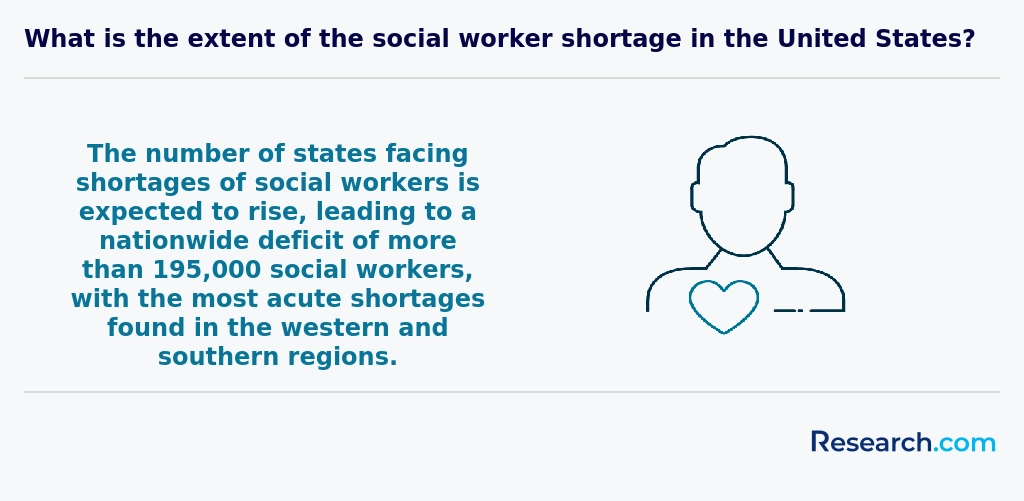
Graduates with a social work degree in Providence have access to varied social work job opportunities in Providence, including healthcare, child welfare, community organizations, and schools. Many find positions in hospitals as licensed clinical social workers (LCSWs), providing counseling and case management that directly improve patients' lives. Others engage with state agencies like the Rhode Island Department of Children, Youth & Families (DCYF), supporting vulnerable children and families, reflecting a tangible community impact.
Community-focused roles involve working with nonprofits on homelessness prevention, substance abuse treatment, and advocacy. Graduates from Providence's popular social work programs, such as those at the University of Rhode Island, often highlight their rewarding experiences helping marginalized populations and promoting social justice locally. Schools hire social workers to address students' mental health, making an immediate difference in educational settings.
The strong career paths with social work degree Providence reflect a growing demand, backed by a 12% job growth projection through 2030. Those interested in advancing may explore clinical credentials facilitated by the counselor licensing board Arizona to diversify opportunities further.

2027 Most Affordable Social Work Degree Programs Ranking in Providence
Investing in your education is a significant decision that can profoundly impact your career and future, and the Research.com team is committed to supporting you in making well-informed choices. To provide clear guidance, we have carefully developed the "2027 Most Affordable Social Work Degree Programs Ranking in Providence." Our dedication to quality, credibility, and accuracy is demonstrated through thorough research and analysis behind this ranking.
We utilized the following reputable data sources to ensure a comprehensive evaluation of social work degree programs:
By reviewing this ranking, readers will gain valuable insights into affordable and quality social work programs in Providence, empowering them to choose the best educational path with confidence. For an in-depth understanding of our ranking process, please visit our Research.com methodology page.


Frequently Asked Questions About social work
Social work degree students in Providence can maximize their learning experience by actively engaging in field placements offered through local agencies. Providence is home to various community organizations and healthcare institutions that provide valuable real-world training opportunities. According to the Rhode Island College School of Social Work, over 90% of their students complete internships within Providence, gaining firsthand experience in diverse social issues.
Students should also take advantage of workshops and seminars focusing on regional social challenges, such as homelessness and substance abuse, which are prevalent in Rhode Island. Networking with professionals via Providence-based social work associations enhances career prospects and practical knowledge. Additionally, leveraging on-campus resources, like tutoring centers and counseling services, supports academic success throughout their studies.
The social work field is evolving with several emerging niches, especially relevant for students pursuing degrees in Providence. One growing area is geriatric social work, addressing the needs of an aging population in Rhode Island, where nearly 16% of residents are over 65, according to the U.S. Census Bureau.
Another niche is healthcare social work, which has expanded due to increased integration of social services in medical settings. Providence hospitals and clinics increasingly require social workers to assist with patient discharge and mental health support.
Additionally, social workers specializing in substance abuse are in demand, reflecting state efforts to combat opioid addiction. The Rhode Island Department of Health highlights social work roles in prevention and recovery programs.
Finally, environmental social work is an emerging field that focuses on the social impacts of climate change, a growing concern in coastal areas like Providence.
Preparing for the job market after completing a social work degree in Providence involves several key steps. Graduates should first obtain licensure, such as the Licensed Clinical Social Worker (LCSW) credential, required in Rhode Island for clinical practice. The state's Department of Health provides detailed guidelines on licensing requirements. Networking is crucial; joining organizations like the Rhode Island Chapter of the National Association of Social Workers (NASW) can open doors to job opportunities and mentorships.
Gaining practical experience through internships or volunteer positions in local agencies boosts employability. According to the Bureau of Labor Statistics, Providence-area social workers earn a median annual wage of around $57,000, with demand expected to grow by 8% between 2020 and 2030. Continuing education and specialization, such as in child welfare or mental health, can enhance career prospects.
Employers in Providence seek several key skills in graduates with social work degrees. Critical thinking and strong communication abilities are essential for effectively supporting diverse populations. According to the Rhode Island Department of Labor, teamwork and cultural competency rank highly, as social workers must collaborate with community organizations and respect varied backgrounds.
Knowledge of local social service systems and proficiency in crisis intervention techniques are also crucial. The National Association of Social Workers highlights that familiarity with ethical decision-making and documentation standards is expected. Moreover, adaptability and problem-solving skills enable social workers to address complex challenges in Providence's urban and suburban settings.
Finding internships in Providence relevant to a social work degree involves leveraging local educational institutions and community organizations. Providence College and Rhode Island College both have partnerships with agencies that offer field placements, a required component of social work programs accredited by the Council on Social Work Education (CSWE).
Students should connect with their school's career services and social work department, which typically maintain updated lists of approved internship sites. Many internships are available at healthcare providers, non-profits, government agencies, and schools serving Providence's diverse populations.
Additionally, the Rhode Island Chapter of the National Association of Social Workers (NASW-RI) offers resources and networking opportunities that can help students locate internships.
Obtaining a social work degree in Providence significantly enhances career mobility and advancement opportunities. The Rhode Island Department of Labor projects a steady increase in social work roles, driven by expansions in healthcare and community services sectors. Graduates with a Bachelor of Social Work (BSW) often qualify for entry-level positions, while a Master of Social Work (MSW) can lead to clinical licensure and advanced roles such as licensed clinical social worker (LCSW).
Employers in Providence value degrees accredited by the Council on Social Work Education (CSWE), which ensures graduates meet professional standards. Higher credentials also correlate with increased salary potential and leadership roles within nonprofits, hospitals, and government agencies.
Studying for a social work degree in Providence equips students with skills needed for interdisciplinary roles by integrating knowledge from psychology, sociology, and healthcare. Many local programs emphasize collaboration with professionals across mental health, education, and community services. This approach reflects the diverse needs of Rhode Island's population, where social workers often coordinate care alongside doctors, counselors, and educators.
Providence-based degrees frequently include field placements in hospitals, schools, and nonprofit agencies, providing hands-on experience working within varied teams. According to the Rhode Island Department of Health, over 60% of social workers engage regularly in interdisciplinary collaboration, highlighting the relevance of such training.
These programs also teach communication and case management tools vital for coordinating comprehensive client support, preparing graduates for complex, team-based environments.
When choosing between a thesis and a non-thesis social work degree program in Providence, consider your career goals and learning preferences. Thesis programs usually require original research and are suited for students aiming to pursue a PhD or careers in research and academia. Non-thesis options focus more on practical skills and fieldwork, which benefit those planning to enter clinical or community-based social work directly. In Providence, the University of Rhode Island offers both options, with about 60% of its social work graduates enrolling in non-thesis tracks, according to recent school data. Cost and program length may also differ, so review each carefully.
Students in Providence interested in studying social work abroad have several options through exchange programs and partnerships offered by local universities. Institutions like Rhode Island College provide study abroad opportunities in collaboration with universities in the UK and Canada. These programs allow students to earn credits toward their social work degree while gaining international experience.
Additionally, Providence-based students can explore summer internships or fieldwork placements overseas, enhancing practical skills in diverse social work environments. The Council on Social Work Education (CSWE) supports accredited programs integrating global perspectives, which benefits students aiming for international exposure.
Financial aid and scholarships specifically for study abroad in social work are available but limited, so early planning is essential. For accurate, current data, students should consult Providence college advising offices or official university international programs websites.
Students pursuing social work degrees in Providence have access to various part-time jobs that enhance practical skills and complement academic learning. Common roles include case management assistants, social service aides, and community outreach workers. These positions often provide direct experience with vulnerable populations, a key component of social work education.
Providence's local nonprofits and health agencies frequently seek part-time support, reflecting the city's commitment to social services. According to the Rhode Island Department of Labor and Training, social service employment in Providence is projected to grow by 8% through 2028, highlighting increasing opportunities.
Working part-time in such roles allows students to apply classroom theory to real-world scenarios while building a professional network useful for future licensure and employment. These opportunities also support understanding of local social challenges, aligning with academic goals in social work programs.
Social work students in Providence benefit from a variety of networking opportunities that enhance their educational experience and career prospects. Local universities frequently partner with community organizations, enabling students to attend workshops, seminars, and volunteer events. For example, Rhode Island College and Providence College both facilitate internships with agencies serving vulnerable populations, which foster professional connections.
The Rhode Island chapter of the National Association of Social Workers (NASW) holds regular meetings and events in Providence. These gatherings allow students to interact with licensed social workers, exchange knowledge, and explore mentorship opportunities. According to NASW-RI, participation in local events increases students' chances of employment within the state's social services sector.
Additionally, Providence hosts conferences and job fairs focused on social work and human services, which are often attended by local employers and nonprofit leaders. These forums provide an excellent platform for students to build their professional networks early in their careers.
Alumni networks play a significant role in supporting social work degree students in Providence. These networks provide access to valuable mentorship opportunities, connecting current students with experienced professionals who understand local social issues and employment landscapes. According to the National Association of Social Workers (NASW), Providence-based alumni often facilitate internship placements and job referrals, which can be crucial for gaining practical experience.
Moreover, alumni communities frequently organize workshops and networking events tailored to Rhode Island's social services sector. This engagement helps students develop professional relationships early, improving their chances of securing positions within regional agencies. Access to such a network boosts career growth by offering guidance and insights on local licensure requirements and continuing education.
In Providence, customizing a social work degree program to align with your career goals involves selecting courses and fieldwork that reflect your interests. Many schools offer concentrations such as clinical social work, community organizing, or policy advocacy. You can often choose electives that focus on specific populations like children, elders, or veterans.
Field placements in Providence provide hands-on experience tailored to your goals, whether in hospitals, schools, or government agencies. According to the Rhode Island Department of Labor, social work roles in the state are expected to grow around 10% through 2031, emphasizing the need for specialized skills.
Additionally, consider programs accredited by the Council on Social Work Education (CSWE), ensuring quality and facilitating licensure.
Social work students in Providence often face significant challenges balancing rigorous academic requirements with fieldwork demands. Practicum placements are essential but sometimes limited, making it difficult to secure quality opportunities. According to the Rhode Island College School of Social Work, students frequently report stress from managing coursework alongside internships in busy urban settings.
Financial strain is also common. With the average graduate debt for social work majors nationwide around $32,000, Providence students may encounter additional local cost-of-living pressures. Furthermore, dealing with emotionally intense cases during internships can lead to burnout, a concern highlighted by the National Association of Social Workers (NASW).
With a social work degree, graduates in Providence can pursue several professional certifications to enhance their career prospects. The most recognized credential is the Licensed Social Worker (LSW), which requires passing the Association of Social Work Boards (ASWB) exam. In Rhode Island, LSW licensure allows for clinical or non-clinical work depending on experience and education.
Advanced degrees may lead to the Licensed Clinical Social Worker (LCSW) certification, permitting independent therapeutic practice. Other certifications include Certified School Social Worker (CSSW) and specialized credentials in substance abuse or gerontology.
According to the Rhode Island Department of Health, obtaining these licenses significantly improves employment opportunities in healthcare and social service agencies around Providence.
To write a winning application for a social work program in Providence, start by thoroughly researching local universities such as Rhode Island College and Providence College, which are known for their accredited social work programs. Highlight your commitment to community service and any relevant volunteer or work experience, as programs often seek candidates with demonstrated dedication.
Craft a clear, concise personal statement that explains your motivation for studying social work in Providence and how you plan to contribute to the community. Include any understanding of local social issues, supported by current statistics from the Rhode Island Department of Labor and Training.
Strong letters of recommendation from professionals or educators familiar with your skills and character are crucial. Additionally, ensure your academic records and prerequisite coursework meet the program's requirements, which typically include psychology, sociology, and human services classes. Attention to detail and early submission before deadlines can improve your chances significantly.
Social work careers are increasingly recognized for their global impact and relevance. In the United States, including Providence, social workers address diverse social issues such as mental health, poverty, and education, informed by international perspectives. The Council on Social Work Education (CSWE) emphasizes global competencies in its accreditation standards, encouraging students to develop skills that transcend borders.
According to the U.S. Bureau of Labor Statistics, employment of social workers is projected to grow 12% from 2022 to 2032, reflecting rising global and local needs. Providence benefits from a culturally diverse population, making global awareness essential for effective practice.
Expertise in global social work enables professionals to understand different social policies and adapt innovative strategies from other countries. This broad perspective strengthens community interventions and policies in Providence, aligning with international best practices.
Gaining practical experience is essential when pursuing a social work degree in Providence. Many accredited programs in the area require students to complete field placements or internships, which provide hands-on experience in community agencies, healthcare facilities, or schools. These placements are often coordinated through the university and typically involve 400 to 600 hours of supervised work.
Providence offers diverse opportunities for internships due to its numerous social service organizations. Students can engage with populations facing homelessness, substance abuse, or family challenges. According to the Rhode Island College School of Social Work, over 85% of their students secure relevant internships before graduation.
Volunteer positions and part-time roles in local nonprofits also help build skills alongside coursework. Students are encouraged to connect with entities such as the Rhode Island Coalition for Children and Families for additional experience.
Choosing the right concentration within a social work degree program in Providence requires careful consideration of your career goals and local community needs. Popular specializations include clinical social work, focusing on mental health services, and school social work, addressing student support in educational settings. According to the Rhode Island Department of Labor, employment for social workers in the Providence area is projected to grow 12% by 2030, particularly in healthcare and child welfare.
Assess programs accredited by the Council on Social Work Education (CSWE) to ensure recognized training. Consider internships and fieldwork opportunities in Providence agencies, which provide practical experience tailored to local populations. Align your interests with community demands to maximize job prospects after graduation.
- 2027 Most Affordable Social Work Degree Programs Ranking in Boston
- 2027 Most Affordable Social Work Degree Programs Ranking in Albany
- 2027 Most Affordable Social Work Degree Programs Ranking in Garden City
- 2027 Most Affordable Social Work Degree Programs Ranking in Bronx
- 2027 Most Affordable Social Work Degree Programs Ranking in New York
- 2027 Most Affordable Social Work Degree Programs Ranking in New Brunswick
- 2027 Most Affordable Social Work Degree Programs Ranking in Philadelphia
- 2027 Most Affordable Social Work Degree Programs Ranking in Baltimore
- 2027 Most Affordable Social Work Degree Programs Ranking in Rochester
- 2027 Most Affordable Social Work Degree Programs Ranking in Washington
See What Experts Have To Say About Studying Social Work
Read our interview with Social Work experts

- Education Meets Social Work on the College Campus https://www.socialworktoday.com/news/pp_063017_3.shtml
- Grand Challenges for Social Work https://grandchallengesforsocialwork.org/
- Social Work Career Pathways https://socialworklicensemap.com/social-work-careers/pathways/
- Global Perspectives in Social Work https://www.gu.se/en/study-in-gothenburg/exchange-student/courses/sw1118
- Global Definition of Social Work https://www.ifsw.org/what-is-social-work/global-definition-of-social-work/
- Social Work Networking Nights - National Association of Social Workers https://www.naswma.org/page/218
- The Importance of Professional Networking in Social Work https://www.onlinemswprograms.com/resources/social-work-networking/
- Social Work Education: Interdisciplinary teams a growing area of training https://www.socialworkblog.org/featured-articles/2018/04/social-work-education-interdisciplinary-teams-a-growing-area-of-training/
- Know more about thesis vs non- thesis: what is the difference? https://studyfans.com/en/blogs/816
- Social Work https://al.edu.pl/en/studies/english-courses-for-erasmus-students/social-work