2027 Most Popular Social Work Degree Programs Ranking in Abilene

Co-Founder and Chief Data Scientist
Choosing the right social work degree program can shape your future and impact the community in meaningful ways. If you're in Abilene and considering this rewarding path, you're in the right place.
This article features the 2027 Most Popular Social Work Degree Programs Ranking in Abilene, created by the Research.com team of data scientists. It's designed to help you discover programs that align with your goals and values.
Reading this guide will give you clear insights to make a confident, informed decision about your education and career. Embrace the opportunity to grow, serve, and thrive.
Key benefits of getting social work degree in Abilene
- Graduates with a social work degree in Abilene can expect competitive salaries, such as $68,800 annually for Social Workers and up to $83,400 for roles like Community Organizer or Youth Worker, reflecting strong earning potential.
- Career paths are diverse, including roles in child welfare, residential counseling, and community organization, allowing graduates from local universities to find meaningful work that fits their passion.
- Completing a social work degree online offers flexibility and convenience, enabling students from Abilene to balance studies with personal commitments while gaining the same valuable skills as traditional programs.
- 2027 Most Popular Social Work Degree Programs Ranking in Abilene
- What can I expect from social work degree in Abilene?
- Where can I work with social work degree in Abilene?
What can I expect from social work degree in Abilene?
The average cost of pursuing a social work degree in Abilene is quite approachable compared to many other regions, making it an inviting venture for students passionate about helping others. For example, Hardin-Simmons University, a local favorite for social work studies, offers competitive tuition rates that many graduates describe as a valuable investment in their future careers. This affordability allows students to focus on engaging deeply with their studies and community work without overwhelming financial worry.
Graduates often recall the balance between manageable tuition and excellent field education opportunities as a highlight of their experience. With costs generally aligned with other regional universities, students can tap into financial aid and scholarships tailored to social work programs. Imagine paying for your degree while actively interning at a local nonprofit or hospital, building connections that launch your career-all within a budget that feels achievable in Abilene's supportive educational environment.
Where can I work with social work degree in Abilene?
Working with a social work degree in Abilene opens doors to meaningful and diverse career paths right in your community. Imagine stepping into healthcare environments like Hendrick Medical Center, where graduates from local programs provide counseling and support to patients navigating chronic illness or recovery. These roles often turn into deeply fulfilling experiences, seeing firsthand how your help makes a difference.
Some graduates choose the educational route, joining the Abilene Independent School District to assist students handling behavioral or family challenges. Being a trusted resource for kids as they grow feels rewarding and impactful in daily life.
Others dive into public service by working with state agencies like the Texas Department of Family and Protective Services on child welfare cases, offering a challenging yet purpose-driven career. Social work students from Hardin-Simmons University share how these positions taught them resilience and empathy.
Nonprofits in Abilene, such as PATH and the Abilene Center for Counseling, also offer dynamic roles supporting those facing homelessness or domestic violence. Many graduates find this path exciting, as it combines community connection with hands-on care.
Each setting in Abilene frames social work as an adventurous journey-full of real people, unique challenges, and the chance to grow personally while lifting others up.
- Social work degrees in Abilene include Bachelor of Social Work (BSW) and Master of Social Work (MSW) programs for entry-level and advanced roles.
- Annual tuition at public universities ranges from $8,000 to $12,000 for in-state students, while private schools may charge over $15,000.
- Starting salaries for entry-level social workers are between $40,000 and $45,000, with experienced workers earning $55,000 to $60,000 annually.
- Employment in social work is expected to grow about 13% through 2030, supporting good job prospects locally.
- Fieldwork and internships are integral parts of programs, helping students gain practical experience and professional connections.
- Texas licensure requires a relevant degree and supervised practice, essential for clinical social work and advanced positions.
When selecting a social work degree program in Abilene, TX, it's essential to consider several key factors that can impact your education and career trajectory. One crucial step is to research and compare different programs, such as those offered at Abilene Christian University and Hardin-Simmons University, to find the best fit for your interests and career goals. You can visit our page on popular social work school to get a comprehensive overview of the top programs in the state. By evaluating factors such as accreditation, curriculum, field experience, and support services, you can make an informed decision that sets you up for success in this rewarding field. Additionally, considering the job market and career paths available to social work graduates in Abilene can help you choose a program that aligns with your aspirations and provides a strong foundation for your future career.
To practice social work in Texas, candidates must graduate from a Council on Social Work Education (CSWE)–accredited program and satisfy state licensure criteria overseen by the Texas State Board of Social Worker Examiners (TSBSWE). Accreditation ensures your education meets national standards, while licensure grants legal authority to provide social work services. 1. CSWE Accreditation • Verify that your BSW or MSW program holds CSWE accreditation-you can find a list of approved programs on the CSWE website. • Accreditation affects eligibility for federal financial aid and ensures coursework aligns with competencies tested on licensing exams. 2. Licensing Levels in Texas • Licensed Bachelor Social Worker (LBSW): Requires a CSWE-accredited BSW, passing the ASWB Bachelor’s exam, and submission of application and fee to TSBSWE. • Licensed Master Social Worker (LMSW): Requires a CSWE-accredited MSW, passing the ASWB Master’s exam, and TSBSWE approval. This credential allows independent clinical work under supervision. • Licensed Clinical Social Worker (LCSW): After obtaining an LMSW, candidates must complete 3,000 hours of supervised postgraduate clinical experience, pass the ASWB Clinical exam, and submit verification to TSBSWE. 3. Examination and Application Process • Register for the Association of Social Work Boards (ASWB) exam through its official portal. • Schedule and pass the appropriate exam within one year of approval. • Submit fingerprints and background check results as part of your TSBSWE application. 4. Continuing Education and Renewal • All licenses require renewal every two years, including 30 hours of continuing education (with specific ethics and Texas law credits). • Maintain records of supervision and coursework for audit purposes. Prospective social workers often compare tuition and curriculum flexibility-consider exploring affordable msw programs online that are CSWE-accredited and designed to meet Texas licensure requirements.
The average social work degree cost in Abilene typically lands around $44,200 for in-state students, making the journey toward a rewarding career both achievable and inspiring. Imagine a graduate from a well-known Abilene university, excited by the affordable tuition that allowed them to focus on fieldwork and community engagement rather than constant financial stress. This balance is a key reason many choose social work programs in the area, where tuition aligns with regional public university rates, while private institutions offer distinct but higher-priced options.
Students in Abilene often find that the cost of social work degree programs Abilene locals pursue range widely depending on where they enroll. For example, private schools may charge more than $26,000 annually, but many graduates emphasize that scholarships and financial aid can soften these costs. This mix creates a vibrant environment where ambition and support come together. A recent graduate shared how their affordable tuition opened doors to internships that deeply enriched their learning experience without the weight of overwhelming debt.
Living expenses and extra fees add to the adventure, but savvy students prepare by tapping into scholarships and grants tailored specifically to social work, making the overall financial commitment exciting rather than daunting. If you're exploring options within Texas, it can be helpful to also research related fields; for instance, students interested might compare with opportunities offered through best georgia psychology degrees online to find a perfect fit for their personal goals and budgets.
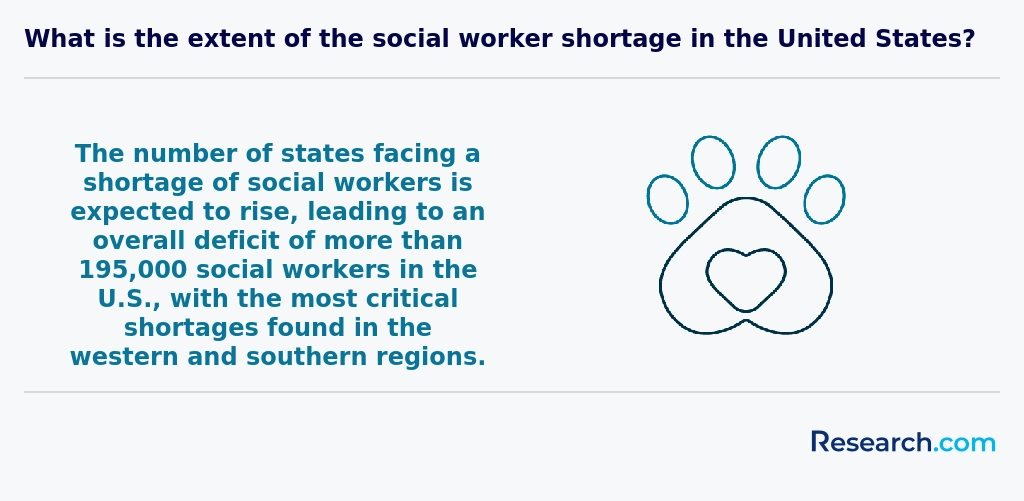
Evaluating the true value of a Social Work degree goes beyond immediate salary figures-it’s about long-term career fulfillment, community impact, and personal growth. While initial earnings may seem modest compared to some other professions, many graduates find that the meaningful work, varied career opportunities, and robust support networks offered by the field make it a valuable investment. In this section, we explore factors such as job satisfaction, the potential for career advancement, and the broader societal contributions of social work. For those weighing their options or uncertain if the commitment is justified, our detailed analysis on is social work worth it can provide further clarity and real-world testimonials from professionals in the industry. By considering both tangible and intangible benefits, prospective students can make informed decisions that align with their personal values and long-term career goals.
Becoming a licensed social worker in Texas involves a structured path that ensures both academic preparation and practical experience. First, graduates must complete a CSWE-accredited Bachelor of Social Work (BSW) or Master of Social Work (MSW) program. After graduation, aspiring social workers follow these key steps:
- Obtain the Licensed Master Social Worker (LMSW) credential - Pass the ASWB Master’s Exam - Complete an application with the Texas State Board of Social Worker Examiners - Pay licensure fees and submit background check documentation
- Pursue the Licensed Clinical Social Worker (LCSW) credential - Accumulate at least 3,000 supervised clinical hours as an LMSW (minimum two years) - Pass the ASWB Clinical Exam - Submit clinical supervision affidavits and meet jurisprudence requirements
- Maintain licensure through continuing education - Complete 30 hours of approved CE every two years, including ethics and cultural competence - Track credits via the Texas State Board portal
- Explore specialty certifications - Child Welfare Specialist, School Social Work Specialist, etc. - Meet additional training or exam requirements per specialty guidelines Understanding program costs and post-graduation support is crucial when selecting a degree. While Texas licensure is the primary focus, students comparing program affordability can review our Most Affordable Social Work Degree Programs Ranking in Chicago, IL to benchmark tuition and financial aid options. By following these steps and choosing an accredited, cost-effective program, you’ll be well-positioned to achieve and maintain your social work licensure in Texas.
Diving into a social work degree in Abilene means gearing up with some essential prerequisites that open the door to a rewarding journey. For those aiming at a Bachelor of Social Work, graduates from Hardin-Simmons University and McMurry University recall the blend of required academic achievements, including a high school diploma and a solid GPA around 2.5 to 3.0, which made them feel confident stepping into their studies. While standardized tests like the SAT or ACT are sometimes optional, having that academic foundation feels like a reliable compass in uncharted waters.
When reaching for a Master of Social Work, the adventure deepens. Graduates often share how holding a bachelor's degree-whether in social sciences or related fields-paired with a GPA of 3.0 or higher, laid the groundwork for success. Letters of recommendation and volunteer experiences became proof of their passion, opening doors to invaluable field placements marked by background checks, ensuring safety for vulnerable communities.

After earning your degree, obtaining state licensure is essential to practice social work professionally.
- Educational Requirements: Graduate from a CSWE-accredited program-many students pursue an online msw to complete coursework flexibly.
- Examination: Pass the appropriate ASWB exam (Bachelor’s level for LBSW; Master’s level for LMSW/LCSW).
- Supervised Experience: Accumulate 3,000 hours of supervised clinical practice under a licensed clinical social worker (LCSW).
- Application and Fees: Submit your licensure application through the Texas State Board of Social Worker Examiners and complete a criminal background check.
- Continuing Education: Renew your license every two years with at least 30 hours of approved continuing education.
Diving into a social work degree in Abilene means immersing yourself in courses that truly capture the heart of helping others. At institutions like Hardin-Simmons University or Abilene Christian University, students often find themselves exploring engaging subjects such as Introduction to Social Work and Social Welfare, where the foundation of compassion and service is laid out clearly.
Graduates recall how classes like Human Behavior in the Social Environment opened their eyes to the complex ways people interact with their communities. Others highlight Social Welfare Policy and Services as a thrilling adventure in understanding the laws and resources that shape support systems in Texas and beyond.
Research isn't just theory here-Social Work Research equips learners with tools to evaluate real-life challenges, while Ethics in Social Work invites thoughtful discussions that prepare students for tough decisions on the job. The Field Practicum, often through local agencies, transforms classroom learning into powerful hands-on experience, making the whole journey feel deeply rewarding and wildly practical.

Choosing the best social work degree programs in Abilene means diving into the heart of what makes each program unique to your life and goals. Imagine juggling work and family while attending Texas Tech University Health Sciences Center, where flexible evening and online classes make it possible to keep your balance and still chase that degree. Graduates often share how hands-on internship opportunities with local agencies gave them a real-world edge, making abstract theories come alive in community settings.
When affordability matters, consider affordable social work colleges Abilene offers, with tuition typically ranging between $8,000 and $12,000 annually at public institutions. This way, you can focus on your passion without financial stress weighing you down. Many find that programs accredited by the Council on Social Work Education open doors for licensing and future jobs, turning educational dreams into tangible career paths.
Thinking beyond the classroom, look into program outcomes like graduation and job placement rates to ensure your investment is worth it. If you want to explore related career paths alongside social work, check out what psychology degree jobs might fit into your adventure. These insights help you confidently navigate toward a fulfilling social work journey in Abilene.
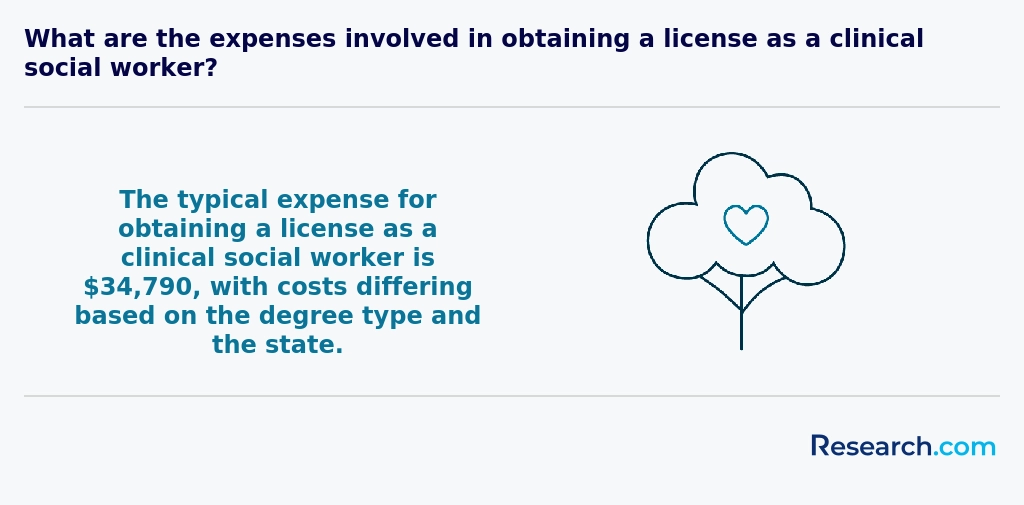
Graduates with a social work degree in Abilene discover exciting career paths that blend compassion with real-world impact. From helping children and families navigate difficult times to supporting patients at Abilene Regional Medical Center through health care social work, the roles are varied and deeply rewarding. Many find joy in mental health and substance abuse counseling, where they offer hope and healing to individuals facing emotional challenges. Others engage in community social work, improving local resources and advocating for stronger support systems in nonprofits or government agencies. These avenues reflect the vibrant demand for social work career opportunities in Abilene, where professionals can tailor their journeys based on passion and skills.
Students from Abilene Christian University or Hardin-Simmons University often recount hands-on experiences that shape their understanding of the field. Whether working directly in schools or policy settings, these graduates embrace the chance to transform lives and uplift communities. Exploring jobs with a social work degree in Abilene also reveals attractive options for further education and administrative leadership roles.
For those seeking affordable georgia psychology programs as part of their broader social science studies, there are options worth considering alongside local degrees to expand expertise and career reach.

2027 Most Popular Social Work Degree Programs Ranking in Abilene
Investing in your education is a significant decision that can shape your future, and the Research.com team understands the importance of making informed choices. To assist prospective students in Abilene, we have meticulously crafted the "2027 Most Popular Social Work Degree Programs Ranking in Abilene." Our commitment to quality, credibility, and accuracy is reflected in the extensive research and analysis conducted to compile this ranking.
We utilized the following reputable data sources to ensure a comprehensive evaluation of social work degree programs:
By exploring this ranking, readers will gain valuable insights into the most popular social work programs available in Abilene, empowering them to make well-informed decisions about their educational paths. For more details on our methodology, please visit our Research.com methodology page.


Frequently Asked Questions About social work
Social work degree students in Abilene can maximize their learning experience by actively engaging in both academic and practical opportunities. Local universities often partner with community organizations, allowing students to complete their required field practicum hours in diverse settings such as healthcare, schools, and social service agencies. This hands-on experience is crucial for applying classroom knowledge to real-world challenges.
Additionally, students should take advantage of workshops and seminars offered by professional bodies like the Texas Chapter of the National Association of Social Workers (NASW). Networking through these events helps students build connections and stay informed about the latest practices and policies impacting social work in Texas.
Maintaining a strong academic record while seeking mentors among faculty experts can further enhance understanding and career prospects. According to recent data from the Council on Social Work Education (CSWE), students who combine fieldwork with active community involvement report higher preparedness and job placement rates after graduation.
Emerging niches within the social work field reflect shifts in societal needs and growing awareness of specialized populations. In Abilene, social workers increasingly focus on areas like geriatric care, spurred by Texas's aging population. According to the Texas Workforce Commission, demand for social workers serving older adults is projected to grow significantly through 2030.
Another expanding area is behavioral health, including substance abuse counseling, vital given the opioid crisis influencing the region. Social workers with expertise in trauma-informed care and mental health are particularly sought after.
Additionally, child welfare and family support continue to be critical, with emphasis on foster care and adoption services in Abilene's community agencies. Emerging tech roles, like telehealth social work, also gain traction, responding to rural access issues.
Completing a social work degree in Abilene is just the first step toward a successful career. To prepare for the job market, students should focus on gaining practical experience through internships, which many Texas universities require. Local agencies in Abilene, such as the Abilene Regional Juvenile Center, offer valuable placements that enhance skills and professional networks.
Licensing is crucial: graduates must pass the Texas State Board of Social Worker Examiners exam to become Licensed Masters Social Workers (LMSW). According to the Bureau of Labor Statistics, employment for social workers in Texas is expected to grow by 15% from 2021 to 2031, signaling strong job prospects.
Networking with local professional groups like the Texas Chapter of the National Association of Social Workers (NASW) helps candidates stay informed about job openings and continuing education opportunities.
Employers in Abilene seek social work graduates who combine strong interpersonal skills with practical knowledge. Communication is essential, as social workers must effectively interact with diverse populations, including children, families, and vulnerable adults. Critical thinking and problem-solving abilities are highly valued to address complex social issues.
Competence in case management and familiarity with local resources in Abilene improve client support. According to data from the Texas Workforce Commission, employers prefer candidates with cultural competence and adaptability to work in varied community settings.
Additionally, ethical judgment and emotional resilience are important skills for navigating challenging situations professionally and compassionately.
Finding internships in Abilene for social work students involves connecting with local organizations that offer practical experience opportunities. Universities such as Hardin-Simmons University and McMurry University often provide internship placements through partnerships with community agencies.
Students can explore internships at places like the Abilene Regional Foundation, local schools, healthcare providers, and nonprofit organizations focused on mental health and family services. The Texas Workforce Commission and the Council on Social Work Education (CSWE) website also list internship resources and approved field placements.
Many internships require a background check and a minimum number of practicum hours, aligning with accreditation standards. Early outreach and consultation with academic advisors enhance chances of securing quality internships.
Earning a social work degree in Abilene significantly enhances career mobility and advancement opportunities within the local human services sector. According to the Texas Workforce Commission, social work roles in Abilene have grown steadily by 7% over the past five years, reflecting increasing demand for qualified professionals.
A degree provides essential credentials needed for state licensure as a Licensed Master Social Worker (LMSW) or Licensed Clinical Social Worker (LCSW), both critical for career progression. Employers in Abilene often prefer candidates with accredited degrees, as they demonstrate comprehensive training in evidence-based practices.
Graduates gain access to diverse career paths, including healthcare, child welfare, and mental health services, which offer higher salaries and leadership roles.
Studying for a social work degree in Abilene equips students with skills essential for interdisciplinary collaboration. Programs often emphasize teamwork across health care, education, and criminal justice sectors, reflecting the diverse needs in West Texas communities. Local universities integrate practical experiences through partnerships with social service agencies, enabling students to apply theory in real-world, multidisciplinary settings. According to the Texas Workforce Commission, social workers in the Abilene metropolitan area frequently engage with professionals from counseling, nursing, and law enforcement, highlighting the importance of such training. This interdisciplinary focus prepares graduates for effective communication and cooperation across fields.
When choosing between a thesis and a non-thesis social work degree program in Abilene, consider your career goals and learning preferences. Thesis programs often focus on research skills and are ideal for students aiming for doctoral study or research-based roles. Non-thesis programs emphasize practical experience and may include internships or fieldwork, which suits those targeting direct social work practice.
In Texas, including Abilene, accredited social work programs must meet Council on Social Work Education (CSWE) standards, ensuring quality in both options. Local universities, such as Hardin-Simmons University, offer these pathways with varied credit and time requirements.
Review faculty expertise and available resources since thesis students require strong mentorship. Additionally, consider potential funding opportunities; some grants favor thesis research. According to the National Association of Social Workers, practical skills gained from non-thesis tracks align closely with field demands in Texas social service agencies.
Students based in Abilene interested in studying social work abroad have several viable pathways through U.S. universities offering exchange or study abroad programs. While Abilene itself hosts limited direct international partnerships for social work, nearby institutions such as Texas Tech University and Texas A&M provide options for immersive experiences in countries like Spain, Ireland, and Australia. These programs often include culturally focused social work practices and field placements, enhancing global competency. The Council on Social Work Education (CSWE) encourages international exposure to expand professional skill sets. For Abilene students, participating in these programs typically requires coordination through their home college's study abroad office.
Students pursuing social work degrees in Abilene have several part-time job options that align well with their academic goals. Common roles include working as case aide assistants for local social service agencies or nonprofits. These positions offer hands-on experience with client assessment and resource coordination, fostering essential skills.
Other opportunities include support roles in healthcare facilities such as Hendrick Medical Center, where students assist with patient advocacy and discharge planning. According to Texas Workforce Commission data, social service aides in Abilene earn an average hourly wage of $14.50, making these roles both educational and financially viable.
Volunteer work with organizations like Big Brothers Big Sisters also complements classroom learning effectively.
Social work students in Abilene have several networking opportunities that support their academic and professional growth. Local universities, including Abilene Christian University and McMurry University, offer student organizations focused on social work, which provide a platform for peer connection and professional development. These groups often host guest speakers, workshops, and community service events.
The Abilene Social Work Association (ASWA) is an active regional chapter of the Texas Chapter of the National Association of Social Workers (NASW). ASWA offers local networking events, mentorship programs, and professional training sessions tailored for students and early-career social workers.
Additionally, Abilene's proximity to larger cities like Fort Worth and Dallas allows access to broader Texas social work conferences and seminars, expanding students' connection possibilities beyond the local area.
Alumni networks play a significant role for social work degree students in Abilene by providing valuable professional connections and mentorship opportunities. These networks often include graduates working in local agencies, nonprofits, and healthcare settings, offering current students insights into the regional job market. According to the Texas Workforce Commission, social services in the Abilene area are expected to grow steadily, which highlights the importance of strong alumni ties for job placement.
Through alumni events and online platforms, students gain access to internships and job leads that may not be publicly advertised. Alumni can also offer guidance on licensure requirements and continuing education specific to Texas social work practice. This support system helps students navigate the complexities of starting and advancing their careers locally.
Customizing a social work degree program in Abilene typically involves selecting electives and field placements aligned with your career goals. Many local institutions offer Bachelor of Social Work (BSW) and Master of Social Work (MSW) programs with specialized tracks, such as clinical social work, community organization, or school social work. According to the Council on Social Work Education, tailoring your practicum experience allows you to gain hands-on skills in areas like child welfare or mental health, which are in demand in the Abilene region.
Furthermore, students can leverage partnerships between Abilene colleges and local agencies for internships, enhancing professional networking and job prospects. Understanding state licensure requirements in Texas helps focus your coursework on areas needed for clinical or specialized practice.
Social work students in Abilene face several common challenges during their studies. One major hurdle is balancing rigorous academic requirements with fieldwork placements, which are essential for hands-on experience. Many students find the emotional demands of working with vulnerable populations stressful, a reality supported by national surveys on social work education stress levels.
Financial strain is another concern, as tuition and living expenses can be high, especially for those attending programs at institutions like McMurry University and Hardin-Simmons University. Limited local internship sites also create competition, making it harder to secure quality placements.
The need to stay current with changing social policies and ethical standards adds to the complexity of their education.
With a social work degree earned in Abilene, graduates can pursue a range of professional certifications to enhance their careers. The most recognized certification is the Licensed Master Social Worker (LMSW), which allows practice across various settings within Texas. Another important credential is the Licensed Clinical Social Worker (LCSW), enabling professionals to provide therapy and clinical services independently.
Obtaining these licenses requires passing exams administered by the Texas State Board of Social Worker Examiners and completing supervised hours. Certifications in areas like school social work or child welfare are also common depending on career interests. According to the Texas Department of Licensing, social workers in Abilene benefit greatly from these credentials for career advancement and higher earning potential.
Applying to a social work program in Abilene requires careful preparation to stand out. Start by researching local institutions such as Abilene Christian University, which offers accredited Bachelor's and Master's in Social Work degrees. Admissions typically require a strong academic record, so maintain a competitive GPA-often above 3.0. Highlight relevant volunteer or work experience, especially in community service or social support roles, as this demonstrates commitment and understanding of social work challenges.
Strong letters of recommendation from professors or supervisors familiar with your skills can significantly boost your application. Additionally, craft a clear personal statement explaining your motivation and goals in social work. Familiarize yourself with local social issues in Abilene, like rural poverty and youth support programs, to show awareness of community needs. According to the National Association of Social Workers, emphasizing cultural competence and ethical responsibility aligns with program expectations.
Social work careers are increasingly viewed through a global lens, reflecting the interconnected nature of social issues. In the U.S., including Abilene, social workers address complex challenges such as poverty, mental health, and family dynamics, which have parallels worldwide. According to the Bureau of Labor Statistics, social work employment in Texas is projected to grow 12% from 2022 to 2032, highlighting a rising demand.
Globally, social work emphasizes human rights, social justice, and cultural competence, principles that align with U.S. educational standards. Abilene-based programs often incorporate these global perspectives to prepare graduates for diverse populations.
Understanding international frameworks benefits students pursuing degrees in Abilene by broadening their approach to care and advocacy.
Students pursuing a social work degree in Abilene can gain valuable practical experience through internships and field practicum placements, which are commonly required components of accredited programs. These placements allow students to work directly with local agencies, such as the Abilene Regional Medical Center and community nonprofits, providing real-world exposure to social work challenges.
Many Texas universities with social work programs collaborate with organizations in Abilene to offer these opportunities. According to the Council on Social Work Education, field education makes up at least 400 hours in bachelor's programs, helping students develop essential skills.
Additionally, students can volunteer in local social service agencies to enhance their experience while studying.
Choosing the right concentration within a social work degree program in Abilene depends on your career goals and the community needs. Common concentrations include child and family welfare, mental health, and aging services. In Abilene, demand for professionals in mental health services is growing, reflecting broader statewide trends reported by the Texas Health and Human Services Commission.
It is also important to consider the curriculum and field placement opportunities local schools offer. Programs affiliated with organizations such as the National Association of Social Workers (NASW) may provide specialized training aligned with regional job markets.
Research local labor statistics from the Texas Workforce Commission to identify areas with the highest employment growth.
- 2027 Most Popular Social Work Degree Programs Ranking in Houston
- 2027 Most Popular Social Work Degree Programs Ranking in Wichita
- 2027 Most Popular Social Work Degree Programs Ranking in Springfield
- 2027 Most Popular Social Work Degree Programs Ranking in Lawrence
- 2027 Most Popular Social Work Degree Programs Ranking in Jackson
- 2027 Most Popular Social Work Degree Programs Ranking in Denver
- 2027 Most Popular Social Work Degree Programs Ranking in New Orleans
- 2027 Most Popular Social Work Degree Programs Ranking in Omaha
- 2027 Most Popular Social Work Degree Programs Ranking in Saint Louis
- 2027 Most Popular Social Work Degree Programs Ranking in Nashville
See What Experts Have To Say About Studying Social Work
Read our interview with Social Work experts

- The Time is Right to Advance Your Career as a Social Worker https://onlinedegrees.keuka.edu/blog/advance-your-career-social-worker
- Grand Challenges for Social Work https://grandchallengesforsocialwork.org/
- Social Work https://international.pwsztar.edu.pl/studying/faculty-of-administration-and-economics/social-work/
- Top Skills Employers Look for in Qualified Social Workers Today - Vitalis https://www.vitalissocialcare.co.uk/career-development/top-skills-employers-look-for-in-social-workers-today/
- The Power of Finding Your Niche as a Social Worker https://www.credentialedapparel.com/blogs/news/the-power-of-finding-your-niche-as-a-social-worker
- Social Work https://al.edu.pl/en/studies/english-courses-for-erasmus-students/social-work
- Social Work Degrees https://socialworklicensemap.com/social-work-degrees/
- MSW Specializations: Clinical, Macro, Advanced Generalist Programs https://www.masterofsocialwork.com/resources/msw-specializations
- Tripod Partners https://www.tripodpartners.com/career-advice/social-work/advancing-your-social-work-career-tips-for-promotion/
- Surviving your social work degree placement - Community Care https://www.communitycare.co.uk/content/news/surviving-your-social-work-degree-placement