
2027 Most Affordable Social Work Degree Programs Ranking in North Carolina

Co-Founder and Chief Data Scientist
Choosing the right social work degree program can feel overwhelming, especially with so many options available in North Carolina. This article introduces the 2027 Most Affordable Social Work Degree Programs Ranking in North Carolina, created by the Research.com team of data scientists to guide you in making an informed decision.
By exploring this ranking, you'll discover programs that balance quality education with affordability, helping you invest wisely in your future.
Whether you're starting your journey or seeking a new path, earning a social work degree opens doors to meaningful and rewarding careers.
Key benefits of getting social work degree in North Carolina
- Graduates with a social work degree in North Carolina can expect competitive salaries, such as $59,190 annually for Child Welfare Specialists and Residential Counselors, and up to $83,400 for Community Organizers and Youth Workers.
- Career paths can include rewarding roles in child welfare, community organizing, residential counseling, and youth support, reflecting diverse opportunities for making a real impact in local communities.
- Obtaining a social work degree online offers flexibility and convenience, allowing students to balance education with personal commitments while earning a respected degree from well-known North Carolina universities.
- 2027 Most Affordable Social Work Degree Programs Ranking in North Carolina
- What can I expect from social work degree in North Carolina?
- Where can I work with social work degree in North Carolina?
What can I expect from social work degree in North Carolina?
The average cost of pursuing a social work degree in North Carolina varies widely, primarily influenced by whether a student attends a public or private university. Graduates from public institutions like the University of North Carolina at Chapel Hill often report more manageable tuition rates, particularly for in-state students, which can range from moderate to relatively affordable compared to private colleges.
However, some graduates from private universities express that while tuition may be higher, the access to specialized faculty and smaller class sizes can enhance their learning experience and professional preparation. Scholarships and loan repayment programs offered by the state, especially for students committing to serve underserved communities, play a crucial role in offsetting these costs.
One graduate from a well-known North Carolina university recalls balancing part-time work and field placements while appreciating how affordable tuition allowed focus on hands-on learning rather than financial stress. It is important to acknowledge that while cost concerns are valid, the investment often aligns with gaining practical experience and licensure eligibility through accredited programs recognized by the Council on Social Work Education (CSWE).
Where can I work with social work degree in North Carolina?
Graduates from social work programs at well-known institutions like UNC Chapel Hill and Appalachian State University often find themselves employed in diverse, impactful roles across North Carolina. A common path leads to state and local government agencies, such as the North Carolina Department of Health and Human Services, where social workers assist with child protective services or behavioral health programs. These roles offer a sense of purpose and community connection, though they may come with challenges related to caseload intensity.
Healthcare settings, including major centers like Duke University Hospital, employ clinical social workers who support patients navigating illness and recovery. Many graduates cherish the personal fulfillment from helping patients access resources, even as the work can demand emotional resilience.
Nonprofit organizations focusing on homelessness or domestic violence provide alternative routes. Graduates often speak positively about the rewarding advocacy opportunities in these environments, though funding uncertainties can affect job stability.
North Carolina's licensed clinical social worker pathway also enables those with an MSW to establish private practices, offering flexibility and deeper client relationships. Meanwhile, school social work positions allow graduates from local universities to support children's needs in education systems statewide, blending counseling and family support with educational goals.
- North Carolina offers accredited social work programs at both bachelor's (BSW) and master's (MSW) levels, including at UNC Chapel Hill and NC State University.
- In-state tuition for a bachelor's degree typically ranges from $7,500 to $10,000 annually, while MSW programs average $15,000 to $20,000 per year.
- Starting salaries for social work graduates are about $40,000 to $45,000 per year, with experienced MSW holders earning between $55,000 and $60,000 annually.
- The social work job market in North Carolina is expected to grow 12% over the next decade due to rising demand for mental health and community services.
- Licensing requires passing a state exam and completing supervised clinical hours, making graduation from a CSWE-accredited program essential.
After completing your BSW or MSW, obtaining state licensure is essential for practice and career growth. In North Carolina, you must first register as a Licensed Baccalaureate Social Worker (LBSW) or Licensed Master Social Worker (LMSW) by submitting official transcripts, passing the Association of Social Work Boards (ASWB) exam at the bachelor’s or master’s level, and paying the application fee. To advance to a Licensed Clinical Social Worker (LCSW), candidates must accumulate 3,000 hours of supervised clinical experience over at least two years under a board-approved supervisor and pass the ASWB clinical exam. Maintaining your license requires 40 hours of continuing education every two years, including mandatory courses in ethics and child abuse recognition. Many professionals pursue specialized certifications-such as Substance Abuse Counselor or School Social Work Specialist-to boost credentials and earning potential. Career advancement opportunities often align with additional clinical credentials, leadership roles in nonprofit organizations, or policy advocacy positions. For students seeking similarly affordable licensure pathways in other states, explore our Low Cost Social Work Degree Programs Ranking in Oklahoma to compare tuition, exam pass rates, and supervision requirements.
Prospective social work students can further enhance their educational journey by tapping into a range of support services and resources beyond classroom learning. Many institutions offer dedicated career counseling, mentoring programs, and networking events that provide real-world insights and professional connections. In addition, attending webinars, local workshops, and student organization meetings can empower you to transition seamlessly from student to professional. For those who prefer flexible learning formats, exploring the most affordable online msw program may offer an excellent blend of quality education and convenience. Be sure to reach out to past alumni and current students for their tips on navigating applications, securing internships, and balancing coursework with professional development. These additional resources not only provide support during your studies but also build the foundation for a successful career in social work.
The average cost of a social work degree in North Carolina varies significantly depending on whether students attend public or private institutions and whether they are in-state or out-of-state. For in-state students, the median total cost typically hovers around $7,361, making social work programs at public universities more accessible to residents who prioritize affordable social work programs NC tuition fees. Graduates from these programs often share how the manageable expenses allowed them to focus more on hands-on learning experiences rather than worrying about financial strain.
Out-of-state students usually encounter higher costs, with median totals around $36,720. These figures reflect the broader tuition disparities between resident and non-resident students in North Carolina. Private universities, often praised for their comprehensive course offerings and smaller class sizes, also tend to charge in this higher range. While such costs can feel daunting, many students find the investment worthwhile given the enriched academic and field placement opportunities available.
Personal stories from graduates at popular universities in North Carolina emphasize balancing cost with quality and experience. Students often note the value of internships and community engagement integrated into curricula, enhancing their readiness for social work careers. For those considering various options, exploring financial aid and scholarships is crucial, especially when aiming to attend the top social work school in North Carolina.
Prospective students should weigh these data points carefully. While some may prioritize the lower tuition fees at public schools, others may see higher tuition as an investment in specialized training and networks. Understanding the average cost of social work degree North Carolina helps set realistic expectations for funding the educational journey ahead.
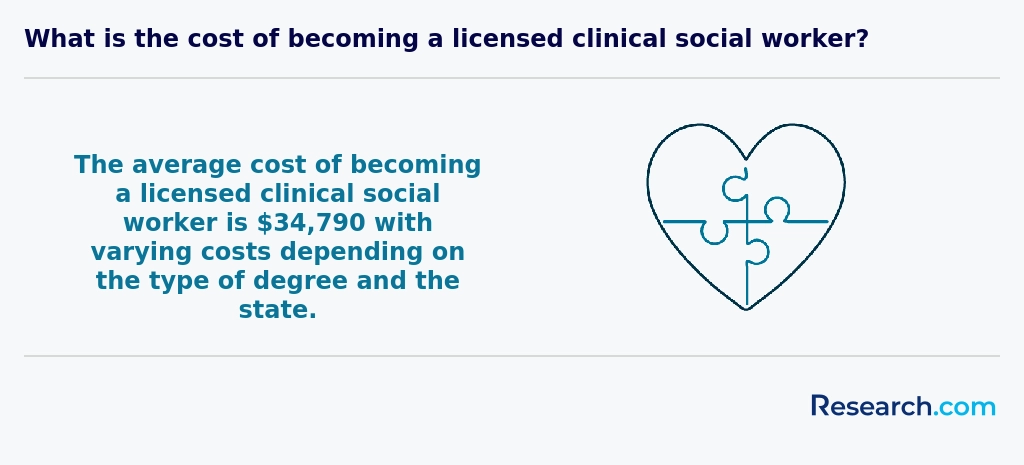
. To make an informed decision about which social work program to attend in North Carolina, it's essential to consider several factors, including program accreditation, curriculum, field placement opportunities, and cost. Prospective students can start by researching schools that offer accredited social work programs, such as the top social work school in North Carolina, and reviewing their curricula to ensure they align with their career goals. Additionally, students should look for programs that offer robust field placement opportunities, as these provide invaluable hands-on experience and help build professional networks. By carefully evaluating these factors, prospective students can find a social work program in North Carolina that meets their needs and sets them up for success in their future careers.
Before practicing, social workers in North Carolina must meet state licensing standards. Key steps include:
- Graduate from a CSWE-accredited BSW or MSW program (consider advanced-standing options like 1 year msw programs online no bsw for faster MSW completion).
- Pass the appropriate ASWB exam:
- LBSW (Bachelor’s level)
- LMSW (Master’s level)
- LCSW (Clinical license)
- Complete supervised experience hours:
- 1,000 hours under LMSW supervision for LCSW eligibility
- 3,000 total supervised hours for clinical licensure
- Apply to the NC Social Work Certification and Licensure Board, submitting exam scores and verification of supervision
- Maintain your license with timely renewals and continuing education credits as required by state regulations
Enrolling in a social work degree program in North Carolina typically requires meeting a range of academic and experiential prerequisites, which vary slightly between undergraduate and graduate levels. For example, those aiming for a Bachelor of Social Work at universities like the University of North Carolina at Chapel Hill usually need a high school diploma or GED with solid coursework in English and social sciences. Many students recall feeling encouraged by their strong backgrounds in psychology or sociology, which helped build confidence during admissions.
Graduate applicants, such as those pursuing a Master of Social Work at schools like North Carolina State University, must hold an accredited bachelor's degree. While a social work undergraduate degree isn't mandatory, graduates often share how prior volunteer experiences or internships in community organizations illuminated their commitment and enriched their applications.
Requisite letters of recommendation and personal statements offer opportunities to express genuine motivation, reflecting the passion many students feel toward social justice and helping others. Though some schools may require interviews, many students find this a chance to showcase their ethical awareness and communication skills, strengthening their sense of preparedness for this demanding career path.
In North Carolina, obtaining licensure is a critical step for Social Work graduates seeking to practice professionally and advance their careers. The state recognizes multiple tiers of licensure, each with distinct educational and experiential prerequisites overseen by the North Carolina Board of Social Work Examiners. Entry-level practitioners typically pursue the Licensed Bachelor Social Worker (LBSW) credential, which requires a CSWE-accredited BSW degree, successful completion of the Association of Social Work Boards (ASWB) Bachelor’s examination, and adherence to the Board’s code of ethics. For those holding a Master of Social Work (MSW), the Licensed Clinical Social Worker (LCSW) designation enables clinical practice and independent client diagnosis and treatment. Candidates must complete at least 3,000 hours of supervised clinical experience under an LCSW supervisor, pass the ASWB Clinical examination, and satisfy jurisprudence requirements. Many graduates also choose to enhance their qualifications through specialized certifications-such as in substance abuse or school social work-which may involve additional coursework or field hours. Maintaining licensure demands ongoing professional development: LBSWs and LCSWs must complete 30 continuing education (CE) credits every two years, with at least three hours in ethics. Approved providers include the North Carolina Department of Health & Human Services and accredited universities. To future-proof your credentials, consider advanced doctoral pathways; explore our most affordable online doctorate in social work programs for options that combine flexibility with rigorous training. Reciprocity is available for out-of-state social workers: applicants must submit verification of existing licensure, academic transcripts, and exam scores. The Board then evaluates equivalency and may require supplemental coursework or supervised practice to meet North Carolina standards. By understanding and planning for these licensing and certification steps, prospective social workers can seamlessly transition from academic programs into rewarding, regulated practice environments.
Choosing the best social work degree in North Carolina requires careful consideration of program accreditation, cost, and curriculum fit. Graduates from universities like East Carolina University often emphasize how CSWE accreditation was crucial in obtaining LCSW licensure, enabling them to practice clinically without unnecessary hurdles. However, some students point out that while tuition at public institutions like UNC is more affordable, weighing this cost against the median starting salary-around $44,000 in NC-is vital for long-term financial planning.
Understanding the curriculum's focus is equally important. Social work students at Appalachian State University frequently appreciate programs that offer clinical and community engagement tracks, reflecting diverse career goals. Students balancing family or work commitments benefit from accredited online options, which may align better with their schedules. Exploring internship ties with local agencies can also shape real-world readiness, especially given North Carolina's rural service gaps.
Those seeking advanced degrees might also explore the most affordable online doctorate in social work programs for further specialization and leadership roles. Ultimately, selecting affordable social work degrees in North Carolina involves aligning practical costs with career ambitions while considering location and program strengths within the best social work programs North Carolina offers.

2027 Most Affordable Social Work Degree Programs Ranking in North Carolina
Investing in your education is a significant decision that can have a lasting impact on your career and personal growth. The Research.com team recognizes the importance of providing trustworthy information to assist prospective students in North Carolina. To that end, we have carefully developed the "2027 Most Affordable Social Work Degree Programs Ranking in North Carolina" with a strong emphasis on quality, credibility, and accuracy. Our analysis draws from multiple authoritative data sources to ensure a well-rounded and dependable evaluation.
We utilized the following reputable data sources to create this ranking:
By consulting this ranking, readers will gain valuable insights into affordable and high-quality social work degree programs in North Carolina, helping them make well-informed educational choices. For a more detailed understanding of our approach, please visit our Research.com methodology page.


Frequently Asked Questions About social work
Social work degree students in North Carolina can maximize their learning experience by engaging deeply in field education, a requirement in all accredited programs. The North Carolina Social Work Education Consortium advocates for diverse practicum placements, helping students apply classroom theory to real-world settings. Students should seek internships in varied environments, such as healthcare, schools, or community agencies, to broaden their skills.
Networking with professionals through state organizations like the North Carolina Chapter of the National Association of Social Workers can provide mentorship and career guidance. Additionally, staying informed about North Carolina's unique social issues, such as rural health disparities and opioid addiction, enhances practical understanding. Using resources from local universities and the Council on Social Work Education ensures students meet licensing requirements while gaining relevant experience.
Emerging niches within the social work field in North Carolina reflect broader national trends and local needs. One growing area is gerontological social work, driven by the state's aging population. According to the North Carolina Department of Health and Human Services, adults aged 65 and older will represent nearly 20% of the population by 2030, increasing demand for specialized social workers.
Another expanding niche is health care social work, particularly in managing chronic illnesses and mental health. The integration of social work in medical settings has grown as multidisciplinary approaches improve patient outcomes. Child welfare and school social work remain important, with North Carolina reporting over 20,000 children in foster care, highlighting ongoing needs.
Additionally, social workers focusing on substance abuse and community development are gaining prominence, responding to opioid crises and economic challenges. Prospective students in North Carolina should consider these areas for their relevance and job growth potential.
After completing a social work degree in North Carolina, preparing for the job market involves a combination of practical experience and professional networking. Graduates should seek internships or supervised fieldwork placements, as the North Carolina Social Work Certification and Licensure Board requires specific supervised hours for licensure. Obtaining licensure as a Licensed Clinical Social Worker (LCSW) significantly improves job prospects. According to the Bureau of Labor Statistics, social workers in North Carolina earn a median salary of about $49,000 annually, with demand expected to grow by 10% through 2031.
Joining professional organizations such as the North Carolina Chapter of the National Association of Social Workers (NASW) can provide valuable resources and networking opportunities. Additionally, attending local job fairs and using state employment services help connect graduates with employers. Continuing education through workshops or advanced degrees also enhances career advancement in this competitive field.
Employers in North Carolina seek social work graduates with strong communication and interpersonal skills. This is crucial for effectively interacting with diverse populations and building trust. Analytical skills are equally important, as social workers must assess client needs and develop appropriate care plans.
Knowledge of local laws and ethical standards is essential, given North Carolina's specific social services regulations. According to the North Carolina Department of Health and Human Services, familiarity with state policies improves job performance and compliance. Additionally, problem-solving abilities and cultural competence rank highly because the state's population includes many underserved and minority groups.
Leadership and teamwork skills also matter, as social workers often collaborate with healthcare providers and community organizations. Mastery of documentation and data management ensures accurate record-keeping, which is mandated by agencies across North Carolina.
Finding internships in North Carolina for social work students involves utilizing several key resources. Many universities with accredited social work programs have established partnerships with agencies across the state, including healthcare facilities, schools, and community organizations. The North Carolina Social Work Education Center (NC SWEC) provides listings of approved internship sites that meet state licensing requirements.
Additionally, websites like the North Carolina Department of Health and Human Services often post opportunities relevant to social work students. Networking through local chapters of the National Association of Social Workers (NASW) can also connect students to internships offering practical field experience.
According to recent data, approximately 70% of social work students in North Carolina secure internships within six months of starting their programs, reflecting strong demand for field placements. These internships play a crucial role in preparing students for licensure and employment in the state's growing social service sector.
In North Carolina, earning a social work degree significantly enhances career mobility and advancement opportunities. A Bachelor of Social Work (BSW) degree generally qualifies graduates for entry-level roles, while a Master of Social Work (MSW) is often required for clinical positions and leadership roles.
According to the North Carolina Board of Social Work, professionals with an MSW typically earn more and have greater job flexibility. The state's growing need for social workers in healthcare, child welfare, and mental health sectors increases demand for advanced qualifications.
Licensure, which requires a degree from an accredited program, also plays a crucial role in career growth. Higher education credentials allow social workers to pursue specialized roles and supervisory positions more easily.
Studying for a social work degree in North Carolina equips students with skills to collaborate across various professional fields such as healthcare, education, and criminal justice. Programs often emphasize interdisciplinary teamwork, preparing graduates to coordinate services effectively within diverse systems.
North Carolina universities typically include interdisciplinary coursework and field placements, providing hands-on experience in settings where social workers interact with nurses, counselors, and law enforcement officers. This approach aligns with the National Association of Social Workers' standards and helps graduates meet licensure requirements in the state.
According to the North Carolina Department of Health and Human Services, nearly 30% of social work roles involve interdisciplinary teams-highlighting the importance of this training.
Choosing between a thesis and a non-thesis social work degree program in North Carolina depends on your career goals and learning preferences. A thesis option involves conducting original research and writing a detailed paper, which can benefit those interested in academic or research positions. It often requires more time and commitment.
Non-thesis programs typically focus on practical skills and fieldwork, ideal for students aiming to enter the workforce quickly as licensed social workers. According to the Council on Social Work Education, North Carolina has over 25 accredited programs, many offering both paths.
Consider if you prefer hands-on experience or research depth when deciding.
Students in North Carolina pursuing social work degrees have limited but valuable opportunities to study abroad through their home institutions. Many universities offering social work programs, such as the University of North Carolina system schools, provide exchange programs or international internships in partnership with universities worldwide.
These programs often focus on global social work practices and community development. Participation helps students develop cross-cultural competencies, crucial for diverse client populations in North Carolina, where social workers increasingly serve immigrant and refugee communities. According to the National Association of Social Workers (NASW) North Carolina Chapter, cultural awareness is a key professional skill.
Financial aid and scholarships may be available to offset study abroad costs. Students should consult their school's international programs office to explore accredited social work study abroad options tailored to degree requirements.
Part-time job opportunities in North Carolina that complement social work degree education often include roles in community outreach, case management, and mental health support. Students frequently find positions as social service aides or behavioral health technicians, which provide practical experience aligned with their studies. According to the North Carolina Department of Health and Human Services, demand for social work-related roles is expected to grow by 12% through 2030, indicating ample opportunities.
Working in nonprofit organizations or local government agencies can also enhance relevant skills while balancing academic commitments. These positions help students develop communication and advocacy competencies essential for social work careers. Additionally, many social work programs encourage internships or practicum work to meet licensure requirements, often structured as part-time roles during studies.
Social work students in North Carolina have access to a variety of networking opportunities that can support their education and career development. Many universities, such as the University of North Carolina at Chapel Hill and Appalachian State University, host student chapters of the National Association of Social Workers (NASW). These chapters offer events, workshops, and local meetups that connect students with practicing professionals.
Additionally, the North Carolina NASW chapter facilitates conferences and continuing education seminars, which are great for building connections in the social work community statewide. According to the NASW North Carolina Chapter website, there are over 7,000 members across the state, providing a broad professional network for students to engage with.
Field placements and internships arranged through accredited programs are also valuable networking tools. These placements often lead to mentorship relationships and job opportunities after graduation. Many social work programs collaborate with local agencies, hospitals, and government organizations to offer these hands-on experiences, crucial for understanding real-world challenges in North Carolina.
Alumni networks offer valuable benefits to social work degree students in North Carolina by connecting them with experienced professionals in the field. These networks facilitate mentoring opportunities, which can provide guidance on career paths and navigating licensure requirements specific to the state, such as those outlined by the North Carolina Board of Social Work.
Through alumni connections, students gain access to job openings and internships, increasing their chances of employment after graduation. For example, the UNC School of Social Work highlights that alumni referrals significantly boost employment rates within six months of completing the program.
In a state where social work positions are expected to grow by 12% through 2031 (Bureau of Labor Statistics), alumni networks also strengthen professional support systems, enabling knowledge sharing about changes in policy, social services, and advocacy efforts. This community aspect enhances student confidence and career readiness.
In North Carolina, social work degree programs offer various ways to tailor your education to meet specific career goals. Many universities provide concentrations or elective courses, such as clinical practice, community development, or policy advocacy, allowing students to specialize in areas that align with their professional interests.
The Council on Social Work Education (CSWE) accredits most programs, ensuring standardized quality while supporting diverse learning paths. Additionally, students can engage in field placements across different social service settings, such as healthcare, schools, or child welfare agencies, gaining practical experience suited to their targeted career.
Online and part-time study options are also available, offering flexibility for working professionals. According to the North Carolina Board of Social Work, pursuing specialization through these customizable programs can improve licensure outcomes and job placement in the state's growing social work job market.
Social work students in North Carolina often face several challenges throughout their education. A significant issue is managing the demanding field placements required for hands-on experience, which can be time-consuming and emotionally taxing. According to the North Carolina Social Work Certification and Licensure Board, these practical hours are essential but tough to balance with academic work.
Another challenge is the financial burden. Tuition and related costs continue to rise, with average annual expenses for in-state public universities around $9,000 to $12,000, making affordability an ongoing concern.
Many students also report facing emotional stress due to exposure to complex social issues during internships, requiring strong resilience.
With a social work degree in North Carolina, you can pursue several professional certifications to advance your career. The most common certification is the Licensed Clinical Social Worker (LCSW), which allows you to provide clinical mental health services independently. To qualify, you must complete a Master's in Social Work (MSW) from a program accredited by the Council on Social Work Education (CSWE), pass the clinical exam administered by the Association of Social Work Boards (ASWB), and complete supervised clinical hours.
Other certifications include the Licensed Social Worker (LSW) for entry-level practice and the Certified School Social Work Specialist (C-SSWS) for those focusing on school settings. These certifications are regulated by the North Carolina Social Work Certification and Licensure Board.
According to the NC Department of Health and Human Services, social work jobs requiring LCSW credentials are projected to grow 16% through 2030, highlighting strong demand for certified social workers statewide.
Writing a winning application for a social work program in North Carolina requires careful preparation and attention to detail. Start by thoroughly researching accredited programs recognized by the Council on Social Work Education (CSWE), as accreditation impacts licensure and employment opportunities.
Your personal statement should clearly convey your passion for social work and commitment to serving diverse populations. Highlight any relevant volunteer or work experience in North Carolina, as local experience is valued by admissions committees.
Include strong letters of recommendation from professionals who can attest to your character and dedication. Be sure your GPA meets or exceeds program requirements; average accepted applicants often hold at least a 3.0 GPA.
Many North Carolina programs also require completion of prerequisite courses. Demonstrating strong academic performance in these subjects improves your chances of admission. According to the North Carolina Social Work Education Consortium, highlighting understanding of state-specific social issues strengthens your application.
The global perspectives on a social work career emphasize the profession's critical role in addressing social justice, human rights, and community development across diverse cultures. In the United States, including North Carolina, social work education aligns with international standards set by the International Federation of Social Workers (IFSW), ensuring graduates are prepared for global challenges.
North Carolina offers accredited social work programs that integrate global awareness with local practice. According to the National Association of Social Workers (NASW), nearly 35,000 social workers practice in the state, highlighting growing demand.
This reflects a worldwide trend recognizing social work as essential to improving health, education, and social welfare systems.
Gaining practical experience during a social work degree in North Carolina is essential for success in the field. Most accredited programs require students to complete supervised field placements, or internships, in local agencies. These opportunities allow students to work directly with clients under professional supervision, applying classroom knowledge in real-world settings.
The North Carolina Social Work Certification and Licensure Board highlights that these internships often take place in hospitals, schools, and community organizations, providing diverse experiences. Additionally, many universities have partnerships with regional social service agencies, easing placement for students.
Hands-on training typically comprises 400 to 900 hours, depending on the degree level and program requirements, ensuring comprehensive exposure. This practical approach is critical for meeting licensure prerequisites after graduation.
Choosing the right concentration within a social work degree program in North Carolina requires careful consideration of both personal interests and local workforce demands. North Carolina offers concentrations such as clinical social work, school social work, and community practice, each preparing students for specific roles.
Students should explore North Carolina's labor market, where the demand for healthcare social workers is projected to grow by 12% through 2030, according to the U.S. Bureau of Labor Statistics. Additionally, state-certified school social workers have distinct licensing requirements outlined by the North Carolina Department of Public Instruction.
Evaluating future career goals, certification needs, and internship opportunities in nearby agencies often helps students select the most practical and rewarding concentration for their professional path.
- 2027 Most Affordable Social Work Degree Programs Ranking in South Carolina
- 2027 Most Affordable Social Work Degree Programs Ranking in Virginia
- 2027 Most Affordable Social Work Degree Programs Ranking in Tennessee
- 2027 Most Affordable Social Work Degree Programs Ranking in West Virginia
- 2027 Most Affordable Social Work Degree Programs Ranking in Kentucky
- 2027 Most Affordable Social Work Degree Programs Ranking in Maryland
- 2027 Most Affordable Social Work Degree Programs Ranking in Pennsylvania
- 2027 Most Affordable Social Work Degree Programs Ranking in Ohio
- 2027 Most Affordable Social Work Degree Programs Ranking in Mississippi
- 2027 Most Affordable Social Work Degree Programs Ranking in New Jersey
See What Experts Have To Say About Studying Social Work
Read our interview with Social Work experts

- Web Exclusive https://www.socialworktoday.com/archive/exc_081823.shtml
- Study Social Work Abroad | Go Overseas https://www.gooverseas.com/study-abroad/social-work
- Social Work Salary with Masters on the Rise https://newmanu.edu/nth-degree/social-work-salary-with-masters-on-the-rise
- Social Work Degrees https://socialworklicensemap.com/social-work-degrees/
- How To Become A Social Worker | Psychology.org https://www.psychology.org/social-work/how-to-become/
- Social work certificates | edX https://www.edx.org/certificates/social-work-certificates
- Surviving your social work degree placement - Community Care https://www.communitycare.co.uk/content/news/surviving-your-social-work-degree-placement
- How to become a social worker https://basw.co.uk/careers/how-become-social-worker
- Social Work Programs in North Carolina - National Association of Social Workers NC Chapter https://www.naswnc.org/page/18
- 585 Institutions offering Social Work Courses Abroad https://www.hotcoursesabroad.com/study/training-degrees/international/social-work-courses/cgory/l19-3/sin/ct/programs.html


