
2027 Best Social Work Degree Programs Ranking in New Hampshire

Co-Founder and Chief Data Scientist
Choosing the right social work degree program is an important step toward a rewarding career in New Hampshire. This article features the 2027 Best Social Work Degree Programs Ranking in New Hampshire, created by the Research.com team of data scientists to help you make an informed decision.
Discover programs that stand out for quality education, practical skills, and career support. Whether you're starting fresh or advancing your education, finding the right fit can open doors to meaningful work helping others.
Explore the ranking and take confident steps toward your future in social work.
Key benefits of getting social work degree in New Hampshire
- Social work degree graduates in New Hampshire can expect competitive salaries, with roles like Social Worker earning a mean annual wage of $68,800 and Community Organizer positions reaching $83,400 per year.
- Graduates have diverse career paths, including roles as Child Welfare Specialists, Residential Counselors, and Youth Workers, reflecting rewarding opportunities in helping communities and individuals.
- Online social work degrees offer flexibility for busy students, allowing them to balance studies with work or family, as seen in successful graduates from popular New Hampshire universities embracing convenient, quality education.
- Key benefits of getting social work degree in New Hampshire
- What can I expect from social work degree in New Hampshire?
- Where can I work with social work degree in New Hampshire?
- How much can I make with social work degree in New Hampshire?
- 2027 Best Social Work Degree Programs Ranking in New Hampshire
- Key Findings
- How long does it take to complete social work degree in New Hampshire?
- Licensing and Certification in New Hampshire
- What's the difference between online and on-campus social work degree?
- Licensing and Certification Requirements in New Hampshire
- What is the average cost of social work degree in New Hampshire?
- Licensure and Certification Requirements for Social Workers in New Hampshire
- What financial aid is available to social work degree students in New Hampshire?
- Most Affordable Social Work Programs in New Hampshire
- What are the prerequisites for enrolling in social work degree program in New Hampshire?
- Advanced Degrees in Social Work: Your Path to Leadership
- What courses are typically in social work degree programs in New Hampshire?
- What types of specializations are available in social work degree programs in New Hampshire?
- How do you choose the best social work degree in New Hampshire?
- What career paths are available for social work degree students in New Hampshire?
- What is the job market for social work degree in New Hampshire?
- Related Social Work Rankings for Nearby States
- Top Trending Social Work Rankings
- See What Experts Have To Say About Studying Social Work
What can I expect from social work degree in New Hampshire?
When it comes to the cost of getting a social work degree in New Hampshire, students often find it pretty manageable, especially if they qualify for in-state tuition. For example, universities like the University of New Hampshire offer rates that are friendlier on the wallet compared to out-of-state prices. Graduates often mention that while tuition is a key expense, scholarships and grants available through the schools and local social work organizations really help ease the financial load.
One recent graduate shared how accessing in-state tuition made a huge difference in their ability to focus on internships and gaining real-world experience rather than stressing over finances. These internships, often available across hospitals and nonprofits in the state, add incredible value without a hefty price tag. So, while exact numbers vary, many social work students in New Hampshire find the overall cost approachable due to these financial support options and the state's commitment to affordable education.
Where can I work with social work degree in New Hampshire?
If you're studying social work at places like the University of New Hampshire or Granite State College, you'll find lots of career paths waiting for you right here in the state. Many grads jump into healthcare settings-think hospitals and nursing homes-where they help patients and families make sense of tough situations and find support. It's rewarding work that really makes a difference.
Others find their passion working with kids in child welfare agencies like the state's Division for Children, Youth and Families, helping protect vulnerable kids and supporting foster families. It's emotional but incredibly fulfilling, especially when you see kids thrive.
School social work is another hot spot. Graduates often share how meaningful it is to support students navigating emotional or behavioral challenges in K-12 schools or local colleges. Helping a teen get through a rough patch can feel like a real win.
And don't forget community nonprofits and government roles-there's work tackling homelessness, substance abuse, and mental health issues. If you get your LCSW license here, your options grow even more, especially in treating mental health. Graduates often say New Hampshire's close-knit communities make this work feel personal and impactful.
How much can I make with social work degree in New Hampshire?
Wondering how much you can make with a social work degree in New Hampshire? Graduates from popular schools like Granite State College and the University of New Hampshire often find themselves stepping into roles like Child Welfare Specialist or Residential Counselor, with mean annual wages around $59,190. Not too shabby for starting out!
Others dive into community-focused work as Community Organizers or Youth Workers, and these gigs pay even better-about $83,400 a year on average. That's a big plus for anyone passionate about driving real change in their communities. The great thing about social work here is that the salary often matches the impact you're making.
Plus, social workers in New Hampshire earn a mean of $68,800 annually, which is quite encouraging compared to national averages. Graduates say landing jobs in cities like Manchester or Nashua can boost pay even more, thanks to higher demand and living costs. It's like your career grows alongside the communities you serve!
2027 Best Social Work Degree Programs Ranking in New Hampshire
How do we rank schools?
Investing in your education is a significant decision that can shape your future, and the Research.com team understands the importance of making informed choices. To assist prospective students in New Hampshire, we have meticulously crafted the "2027 Best Social Work Degree Programs Ranking in New Hampshire." Our commitment to quality, credibility, and accuracy is reflected in the extensive research and analysis conducted to compile this ranking.
We utilized the following reputable data sources to ensure a comprehensive evaluation of social work programs:
By exploring this ranking, readers will gain valuable insights into the best social work degree programs in New Hampshire, helping them make well-informed decisions about their educational paths. For more details on our methodology, please visit our Research.com methodology page.


Key Findings
- Social work bachelor's degrees at public universities in New Hampshire cost between $10,000 and $15,000 per year for in-state students, while private colleges may charge over $30,000 annually.
- Graduate Master of Social Work (MSW) programs typically range from $12,000 to $25,000 per year depending on the school.
- Entry-level social workers in New Hampshire earn about $45,000 to $50,000 yearly, with experienced professionals making from $60,000 to $70,000 annually.
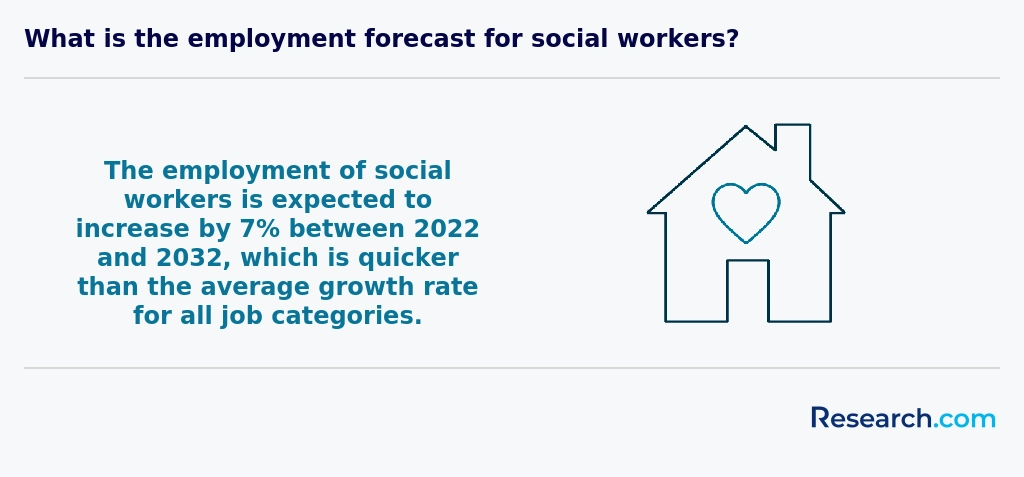
- The job market for social workers is expected to grow by roughly 8% over the next decade in New Hampshire.
- Licensing requires completing an accredited program, passing the ASWB exam, and supervised professional experience for clinical licenses.
- Field placements and internships are important components of social work programs for skill development and licensing eligibility.
How long does it take to complete social work degree in New Hampshire?
If you're thinking about getting a social work degree in New Hampshire, you'll find that the time it takes really depends on the level you're aiming for. For most folks starting fresh at schools like the University of New Hampshire or Plymouth State University, the Bachelor of Social Work usually takes around four years to finish full time. That means diving into classes on human behavior, social policies, and ethics, plus some hands-on internships that really let you put your learning into action.
For those who already have a bachelor's in something else but want to move into social work, the Master of Social Work (MSW) is your next step. Full-time MSW programs in New Hampshire usually last about two years, but if you've got a BSW already, some programs offer an accelerated one-year track which graduates love because it lets them jump into their careers faster.
Part-time options are popular too, especially if you're juggling work or family. Some graduates share how taking three years part-time felt just right for balancing school and life. Plus, all the biggies here are accredited, so your degree counts when you're ready to get licensed and start making an impact.
Licensing and Certification in New Hampshire
Becoming a licensed social worker in NH ensures you meet professional standards and unlock advanced career opportunities.
- Earn a CSWE-accredited degree (BSW for LMSW, MSW for LCSW); many choose an msw online program for flexibility.
- Complete a minimum of 3,000 hours of supervised clinical experience post-graduation.
- Pass the relevant ASWB licensure exam (Bachelor’s level for LMSW, Clinical level for LCSW).
- Apply to the NH Board of Licensure for Social Workers and submit required fees and documentation.
- Renew your license every two years, completing at least 45 hours of continuing education to maintain good standing.
What's the difference between online and on-campus social work degree?
If you're thinking about social work degrees in New Hampshire, one big difference between online and on-campus programs is how you experience learning. Imagine juggling a job and family while studying online-many students love the flexibility, especially if they choose programs offered by schools like Southern New Hampshire University. They can watch lectures anytime, which makes balancing life a bit easier.
On the flip side, students attending on-campus programs, say at the University of New Hampshire, often talk about how much they enjoy face-to-face time with professors and classmates. It's great for building connections and getting real hands-on experience through local field placements. You get to directly work with community agencies around the state, which really boosts your confidence and people skills.
Graduates from both routes agree fieldwork is key and can't be done completely online-it takes real-world practice within New Hampshire communities. Plus, costs usually depend on whether you pick a public or private school, but either way, financial aid options are pretty comparable.
Licensing and Certification Requirements in New Hampshire
Graduates of social work programs in New Hampshire must secure state licensure to practice professionally, typically through two credential levels: Licensed Social Worker (LSW) and Licensed Clinical Social Worker (LCSW). To become an LSW, candidates with a CSWE-accredited Bachelor of Social Work (BSW) or Master of Social Work (MSW) must: • Submit official transcripts and an application to the New Hampshire Board of Mental Health Practice • Pass the ASWB Bachelor’s or Master’s examination • Pay the initial licensure fee (currently $120) For those aiming to provide clinical services independently, the LCSW requires: • A CSWE-accredited MSW degree • Completion of 3,200 supervised clinical hours under an LCSW supervisor • Successfully passing the ASWB Clinical examination • Submission of verification of supervised experience and payment of the clinical licensure fee ($150) Both licenses mandate biennial renewal, with proof of 30 hours of continuing education (including ethics and cultural competence topics) and payment of renewal fees. Staying informed about evolving regulations and CE offerings ensures compliance and professional growth. For students comparing program costs and outcomes beyond New Hampshire, consider our Most Affordable Social Work Degree Programs Ranking in South Carolina to gauge affordability trends and financial planning strategies.
What is the average cost of social work degree in New Hampshire?
If you're thinking about getting a social work degree in New Hampshire, the average cost is something you'll definitely want to know upfront. Typically, in-state students pay around $19,202 in total for their social work degree, which is pretty reasonable compared to out-of-state students who might spend about $53,302. Those numbers include tuition and fees, but remember, you'll also have extra expenses like books, supplies, and living costs.
Graduates from schools like the University of New Hampshire often share how budgeting carefully helped them manage these expenses without stress. For example, in-state students found that staying local kept costs manageable, and the availability of financial aid made a huge difference. Many also tapped into state-specific scholarships through organizations such as NHHEAF, which helped reduce their bills.
Private colleges in New Hampshire, on the other hand, can be more of an investment, sometimes charging more than $30,000 a year in tuition alone. But for many, the personal attention and resources those schools offer make it worth it. When counting up the social work degree expenses in New Hampshire, it's a good idea to plan ahead for books and supplies-which often run around $1,200 to $1,500 each year-as well as living costs.
Curious about how your passion for helping others fits into the bigger picture? Many students say understanding what does social justice mean has been a powerful motivator throughout their studies and career journey.
Licensure and Certification Requirements for Social Workers in New Hampshire
Before practicing independently, social work graduates in New Hampshire must obtain state licensure, ensuring public safety and professional credibility. The New Hampshire Board of Mental Health Practice issues two primary credentials: the Licensed Master Social Worker (LMSW) and the Licensed Clinical Social Worker (LCSW). To become an LMSW, candidates need:
- A CSWE-accredited Master of Social Work (MSW) degree.
- Successful completion of the ASWB Master’s exam.
- Submission of official transcripts and a background check to the NH Board. Advancing to LCSW status requires additional steps:
- Proof of at least 3,000 hours of supervised clinical experience post-MSW, including a minimum of 1,500 hours in direct client contact.
- Completion of 100 hours of supervision under an LCSW supervisor.
- Passing the ASWB Clinical exam. Continuing education is mandatory for both licenses: practitioners must complete 30 hours of board-approved coursework every two years, covering ethics, cultural competency, and clinical best practices. For social workers aiming to broaden their scope, earning a Doctorate of Social Work (DSW) can open leadership and teaching roles; prospective students can compare dsw cheapest online programs to find affordable pathways. Understanding and meeting these licensure requirements ensures you’re prepared for a successful social work career in New Hampshire.
What financial aid is available to social work degree students in New Hampshire?
If you're diving into a social work degree in New Hampshire, there's good news: several financial aid options can help ease the cost. Many students start with federal aid by filling out the FAFSA, unlocking Pell Grants that can offer up to $7,395 a year if you qualify. These grants don't need to be paid back, which is a huge relief when tuition runs between $8,000 and $15,000 at public schools around the state.
State help is a big deal too. For example, the New Hampshire Higher Education Assistance Foundation (NHHEAF) offers grants and loans designed to support locals in fields like social work. Graduates from places like the University of New Hampshire often share how landing institutional scholarships or research assistantships made a massive difference-they got to focus on studies without stressing about bills. Plus, some employers use the Workforce Opportunity Tax Credit to help with education expenses if you're working and studying at the same time.
Local professional groups, like the New Hampshire NASW chapter, also spotlight scholarships for students who are passionate about serving specific communities. Chatting with your school's aid office or these organizations can open doors you didn't even know existed.
Most Affordable Social Work Programs in New Hampshire
. When considering a social work program in New Hampshire, affordability is a crucial factor for many students. The cost of tuition, living expenses, and other fees can vary significantly between institutions, making it essential to research and compare prices. For those seeking the most affordable options, looking into programs that offer a balance between quality education and cost-effectiveness is key. One valuable resource for finding such programs is the cheapest social work school in New Hampshire, which provides insights into institutions that offer affordable social work degrees without compromising on educational standards. By exploring these options, prospective students can make informed decisions that align with their financial situation and career aspirations, ultimately paving the way for a rewarding career in social work.
What are the prerequisites for enrolling in social work degree program in New Hampshire?
To get into a social work degree in New Hampshire, you'll want to have finished high school with a decent GPA-usually around 2.5 to 3.0 works. Think about your favorite subjects like English or psychology because they actually count! Many grads from places like the University of New Hampshire say focusing on these classes helped them feel ready for the challenge.
If you're eyeing a Master of Social Work, you'll need a bachelor's degree-preferably in social work or something related like sociology. Some schools, including Southern New Hampshire University, look for a stronger GPA around 3.0 plus some real-world experience, like volunteering or internships in social services. That hands-on part really makes you stand out and confirms you're passionate about helping others.
Also, applications usually ask for letters of recommendation, a personal essay, and a resume. Graduates often say putting those pieces together was a great way to reflect on why social work matters to them personally-it makes the whole process more meaningful and exciting.

Advanced Degrees in Social Work: Your Path to Leadership
As the social work field evolves, pursuing an advanced degree can be a transformative step towards becoming a leader and innovator in community services. Graduates who advance their education not only deepen their expertise but also expand their career opportunities, preparing them for roles in clinical practice, administration, advocacy, and policy development. With rigorous coursework focusing on leadership, ethics, and evidence-based practices, advanced degrees empower professionals to drive systemic change and effectively address complex social issues. Many institutions now offer flexible advanced study options that include both on-campus and remote learning formats. For those eager to elevate their skills without putting their current careers on hold, exploring best masters degrees in social work online can be a practical solution. These programs often feature tailored curricula that emphasize real-world challenges, innovative research methods, and practical field experiences, all designed to foster a proactive approach to social work leadership. Moreover, advanced degree programs frequently offer abundant opportunities for networking, mentorship, and engagement with professionals across the social work spectrum. Collaborative projects, internships, and participation in industry conferences help students build valuable connections that can lead to long-term career growth. Emphasizing both academic rigor and practical application, this educational path is ideal for those who aspire to lead initiatives that make a tangible impact in diverse communities.
What courses are typically in social work degree programs in New Hampshire?
If you're diving into a social work degree in New Hampshire, expect courses that really prepare you for real-world impact. Students at popular schools like the University of New Hampshire often start with the basics-learning about social work ethics, history, and how communities function. These classes aren't just theory; graduates say they helped them understand the importance of listening carefully and respecting diverse backgrounds.
You'll also tackle subjects like Research Methods, where you get hands-on with data that guides how programs really help people. Social Welfare Policy classes break down laws and local policies, so you know what's shaping services in New Hampshire communities.
Many grads mention how Clinical Practice courses were eye-opening-the skills they gained made a huge difference when assisting families or those struggling with mental health.
And then there's the Field Practicum, which most find to be the highlight-a chance to get actual work experience in agencies around New Hampshire, turning classroom lessons into meaningful, on-the-ground support.
What types of specializations are available in social work degree programs in New Hampshire?
If you're looking into social work degrees in New Hampshire, you'll find that specializations cover a range of areas tailored to real-world needs. Graduates from popular schools here often mention how clinical social work gave them the skills to offer therapy and mental health support-a huge help for those wanting to become Licensed Clinical Social Workers.
Another path is child and family social work, where students learn to protect kids and assist families through foster care or adoption, focusing on New Hampshire's specific regulations. Many students describe feeling really proud when they can help vulnerable children in their communities.
Some classmates dive into substance abuse and addiction recovery, which is super relevant around here because of the opioid crisis. It's all about understanding how to support recovery and prevent relapse, making a real difference locally.
Gerontological social work is also growing popular as students prepare to meet the needs of an aging population, tackling challenges like elder abuse or healthcare. Plus, many take community development or policy tracks, learning how to advocate and create change on a bigger scale.
If you're wondering about where these New Hampshire social work degree concentration options can lead, many grads find their footing working with nonprofits or government agencies. And if you want to explore related fields, check out this info on health psychology careers that some peers have found useful for broadening their impact.
How do you choose the best social work degree in New Hampshire?
Picking the best social work degree in New Hampshire really boils down to what fits your life and career goals. Most folks start by choosing between a Bachelor of Social Work (BSW) if they're just getting going, or a Master of Social Work (MSW) for those aiming to step up into clinical roles. Graduates often say that attending a school with CSWE accreditation is a must because it guarantees you meet New Hampshire's licensing requirements. Plus, it opens doors for jobs around the state.
For those juggling work or family, programs at places like Southern New Hampshire University, known for their flexible, online options, make a big difference. Many students love how these affordable social work colleges in New Hampshire let them study without sacrificing their day-to-day lives.
Don't forget field placements-connection with local agencies and hospitals gives real hands-on experience that makes all the difference later on. For a taste of how social work intersects with other fields, some students check out school psychology graduate programs too, which can complement their training nicely.
What career paths are available for social work degree students in New Hampshire?
If you're looking into social work jobs in New Hampshire, you'll find a bunch of rewarding paths waiting for you. Whether you aim to be a Licensed Clinical Social Worker (LCSW) helping people through tough mental health or substance abuse challenges, or prefer supporting kids and families in schools across the state, there's something for everyone. Graduates from popular schools like the University of New Hampshire often talk about how their hands-on experiences made real differences in folks' lives, especially in community clinics and local schools.
Healthcare is another huge area-medical social workers assist patients navigating their care, which is super important given New Hampshire's growing elderly population. If you're drawn to making bigger changes, social services administration and advocacy roles let you shape policies and programs right here in NH. Many grads find programs at local universities affordable and manageable, especially with options like accelerated MSW programs for professionals that fit busy schedules.
With career opportunities with social work degree NH really opens doors across hospitals, schools, nonprofits, and government agencies, giving graduates plenty of exciting ways to make a positive impact.

What is the job market for social work degree in New Hampshire?
The social work job outlook New Hampshire is looking pretty bright right now. Graduates from popular universities like the University of New Hampshire often find themselves stepping into roles at hospitals, schools, or government agencies that focus on child and family services. Many share stories of feeling right at home helping vulnerable people in their communities, from older adults to those struggling with substance abuse. This sweet spot between demand and reward makes New Hampshire's social work career opportunities especially appealing.
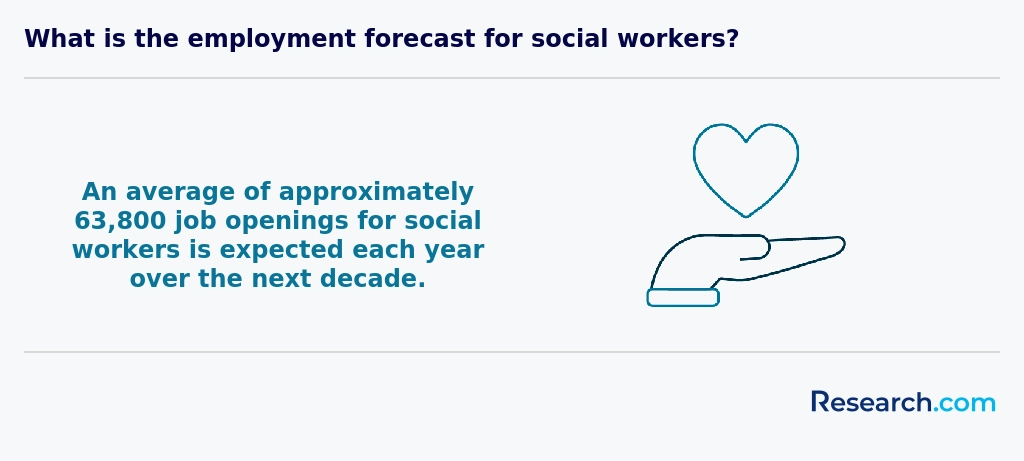
For many, the state's steady 8% growth projection through 2030 means there's room to grow and specialize. Some MSW grads talk about moving into clinical practice or managing programs, while BSW holders find their stride as caseworkers and outreach coordinators. Plus, thanks to tuition that's often considered affordable, especially when you check out the cheapest social work school in New Hampshire, studying here makes the whole journey feel doable and hopeful.
Frequently Asked Questions About social work
Social work degree students in New Hampshire can maximize their learning experience by engaging actively in field placements, which are required components of accredited programs. These internships provide hands-on experience with community agencies, fostering practical skills and professional networking. According to the Council on Social Work Education (CSWE), New Hampshire programs emphasize practicum hours, often requiring 900 or more.
Additionally, students should take advantage of courses focused on local social issues, including rural health, substance abuse, and mental health challenges prevalent in New Hampshire. Understanding state-specific policies enhances their readiness to serve diverse populations effectively.
Participating in professional associations such as the New Hampshire Chapter of the National Association of Social Workers (NASW-NH) offers mentoring and resource opportunities. This involvement helps students stay current on legislation and best practices, which is critical for licensure and career growth within the state.
The social work field in New Hampshire is evolving to include several emerging niches. One significant area is geriatric social work, driven by the state's aging population. According to the New Hampshire Department of Health and Human Services, by 2030, nearly 25% of residents will be 65 or older, increasing the demand for specialists in elder care and aging issues.
Another growing niche is behavioral health social work, focusing on mental health and substance abuse treatment. The nationwide opioid crisis has impacted New Hampshire severely, pushing social workers to address addiction and trauma within communities.
Additionally, social workers skilled in healthcare settings, such as hospital and hospice care, are increasingly needed. These roles combine medical knowledge with social support, helping patients navigate complex healthcare systems.
After earning a social work degree in New Hampshire, preparing for the job market involves several strategic steps. First, obtaining licensure is crucial; the Licensed Clinical Social Worker (LCSW) credential is a common requirement for advanced positions. New Hampshire requires at least two years of supervised experience post-degree and passing the Association of Social Work Boards (ASWB) clinical exam.
Networking within local agencies and attending state social work conferences can open doors. The New Hampshire Department of Health and Human Services and nonprofit organizations frequently offer internships and job opportunities.
According to the U.S. Bureau of Labor Statistics, social work jobs in New Hampshire are expected to grow by 9% through 2031, aligning with national trends. Building specialized skills in behavioral health or child welfare may improve employability in competitive sectors.
Employers in New Hampshire seek social work graduates with strong communication skills, as professionals must effectively interact with diverse clients and community agencies. Critical thinking and problem-solving abilities are also highly valued, enabling social workers to assess needs and develop suitable intervention plans.
Knowledge of state laws and ethical standards is essential. According to the New Hampshire Board of Mental Health Practice, familiarity with local regulations ensures compliance and client safety. Additionally, cultural competence is crucial given New Hampshire's growing diversity.
Employers prioritize graduates with experience in crisis intervention and case management, skills often developed through internships or fieldwork in social work programs accredited by the Council on Social Work Education (CSWE).
Finding internships in New Hampshire relevant to a social work degree involves exploring opportunities through universities, local agencies, and professional organizations. Many accredited social work programs in the state have established partnerships with hospitals, schools, and community centers to offer hands-on experience.
The New Hampshire chapter of the National Association of Social Workers (NASW-NH) provides resources and internship listings specific to the region. Additionally, state government departments, such as the Department of Health and Human Services, often offer internships to social work students.
According to data from the Council on Social Work Education, practical experience is essential for licensure and employment in social work. Students should apply early and consider volunteer work to strengthen their applications.
A social work degree in New Hampshire significantly enhances career mobility and advancement opportunities within the state's growing social services sector. According to the U.S. Bureau of Labor Statistics, employment for social workers in New Hampshire is expected to grow by 8% between 2021 and 2031, faster than the average for all occupations. Earning at least a Bachelor of Social Work (BSW) is often the minimum requirement for entry-level positions, while a Master of Social Work (MSW) opens doors to clinical roles, leadership, and specialized areas like healthcare or school social work.
Licensure requirements in New Hampshire also emphasize education. To become a Licensed Clinical Social Worker (LCSW), an MSW from a CSWE-accredited program and supervised clinical experience are mandatory, increasing employability and salary potential. Research from the New Hampshire Department of Labor indicates that social workers with advanced degrees typically earn 20-30% higher wages than those with only a bachelor's degree. Thus, attaining a formal social work education directly influences career pathways and professional growth in the state.
Studying for a social work degree in New Hampshire equips students with the skills to collaborate across various professional fields. Programs emphasize understanding community health, psychology, and public policy, which are essential for interdisciplinary teamwork. According to the University of New Hampshire's social work curriculum, students engage in practical experiences with healthcare providers, educators, and legal professionals.
New Hampshire's social work programs align with the Council on Social Work Education (CSWE) standards, preparing graduates to address complex social issues alongside other specialists. This approach strengthens communication skills and promotes holistic problem-solving.
Such interdisciplinary training is vital as, per the New Hampshire Labor Market Information, social workers often coordinate with multiple agencies to support clients effectively.
Choosing between a thesis and a non-thesis social work degree program in New Hampshire depends largely on your career goals and interests. A thesis option typically requires original research and is ideal for students considering doctoral studies or academic roles.
Non-thesis programs emphasize practical skills and may include additional coursework or field experience. This path suits those aiming for direct social work practice in clinical or community settings.
In New Hampshire, institutions like the University of New Hampshire offer both options, reflecting national trends where approximately 40% of MSW students choose thesis tracks, according to the Council on Social Work Education.
Carefully assess your professional plans and discuss them with academic advisors to make an informed choice.
Students based in New Hampshire interested in studying social work abroad have several pathways available through their home institutions. Many New Hampshire colleges with social work programs, such as the University of New Hampshire, offer study abroad opportunities in partnership with international universities. These programs often allow students to earn credits towards their degree while gaining global perspectives on social work practices.
Some programs focus on community development, human rights, or healthcare social work, commonly available in countries like the UK, Ireland, or Australia. Additionally, students can explore faculty-led trips or exchange programs that provide practical experience.
The New Hampshire Department of Education supports such initiatives as a way to enhance cross-cultural competency, a growing requirement in social work careers nationwide.
Part-time job opportunities that align well with social work degree education in New Hampshire often involve roles in human services and nonprofit organizations. For example, working as a case aide or community outreach assistant can provide valuable hands-on experience. These positions help students build client interaction and organizational skills essential for social work careers.
Hospitals and mental health clinics in New Hampshire also offer part-time roles such as support staff or behavioral health technicians. According to the New Hampshire Department of Employment Security, healthcare support occupations are projected to grow by over 10% in the coming years, indicating expanding opportunities.
Additionally, schools and youth programs offer part-time paraprofessional or counselor assistant roles. Such jobs allow students to gain insight into family dynamics and child advocacy, key components of social work practice.
Social work students in New Hampshire benefit from several valuable networking opportunities during their studies. Most universities with accredited social work programs encourage involvement with the New Hampshire Chapter of the National Association of Social Workers (NH NASW). This organization hosts regular events, workshops, and conferences that connect students with experienced professionals statewide.
Additionally, internships and field placements arranged through schools often link students to local agencies, fostering relationships that can support future employment.
Events at institutions such as the University of New Hampshire and Plymouth State University provide forums for peer and mentor interaction, enhancing career development.
Engaging in these networks is vital in a state where, according to the Bureau of Labor Statistics (2023), there are approximately 3,100 social workers employed, showing a strong demand for professional connections.
Alumni networks play a significant role for social work degree students in New Hampshire by providing access to professional connections and career resources. Many universities in the state maintain active alumni groups that facilitate mentoring, internships, and job placements within local agencies.
These networks help students navigate New Hampshire's social services landscape, which is important given the state's unique rural and urban social work needs. According to the New Hampshire Department of Health and Human Services, connections to experienced professionals can improve employment outcomes after graduation.
Furthermore, alumni events and online platforms allow students to build relationships that support continuous learning and career advancement in a competitive job market.
Customizing a social work degree program in New Hampshire allows students to align their education with specific career goals. Many universities offer specialized tracks or concentrations, such as clinical social work, school social work, or community organizing. By choosing electives focused on these areas, students can gain relevant skills and knowledge tailored to their interests.
Fieldwork placements are another key feature. New Hampshire schools typically collaborate with local agencies, enabling hands-on experience in diverse settings like healthcare, child welfare, or mental health services.
Additionally, some programs provide options for part-time study or online courses, accommodating working professionals or those balancing other commitments.
According to the New Hampshire Department of Health and Human Services, social workers with specialized training often have higher employment opportunities in the state's growing social service sector.
Social work students in New Hampshire face several common challenges that can impact their academic and professional progress. Balancing rigorous coursework with demanding field placements is a frequent concern, as hands-on experience is critical but often time-consuming. Additionally, the state's rural areas sometimes limit access to diverse practicum opportunities, which can restrict exposure to various populations and social issues.
Financial constraints also pose difficulties. According to the National Association of Social Workers, many students struggle with tuition costs and limited financial aid options in New Hampshire. Mental health stresses linked to both academic pressure and the emotionally challenging nature of social work are also significant.
With a social work degree in New Hampshire, graduates can pursue professional certifications that enhance career opportunities and meet state licensure requirements. The primary credential is the Licensed Clinical Social Worker (LCSW), which requires a master's degree, supervised experience, and passing the Association of Social Work Boards (ASWB) clinical exam.
Other certifications include the Licensed Master Social Worker (LMSW), allowing practice under supervision, and the Certified Advanced Social Worker (CASW), which recognizes specialization in areas such as trauma or gerontology.
According to the New Hampshire Board of Mental Health Practice, over 70% of social workers in the state hold the LCSW license, highlighting its importance for clinical roles.
Writing a winning application for a social work program in New Hampshire requires clear focus and strong preparation. Start by thoroughly researching accredited programs in the state, such as those approved by the Council on Social Work Education (CSWE). Highlight your commitment to social justice and community service, which are key themes in New Hampshire's social work education.
Ensure your personal statement explains why you want to study social work and how you plan to address local needs, referencing New Hampshire's growing demand for mental health and child welfare professionals, as reported by the New Hampshire Department of Health and Human Services.
Gather strong letters of recommendation from supervisors or faculty familiar with your work ethic and passion. Finally, meet all deadlines and provide transcripts that demonstrate your academic readiness for rigorous coursework.
Social work careers in the United States, including New Hampshire, are increasingly shaped by global perspectives that emphasize cultural competence and international best practices. According to the National Association of Social Workers (NASW), practitioners are encouraged to consider social justice and human rights on a worldwide scale. This global outlook helps prepare social workers in New Hampshire to address diverse populations and complex social issues influenced by globalization.
New Hampshire's programs reflect these priorities by integrating multicultural curricula and promoting fieldwork with varied communities. The state's social services also collaborate with international organizations to improve standards of care.
As of 2023, the U.S. Bureau of Labor Statistics projects a 12% growth in social work jobs nationally, highlighting the field's expanding global and local impact.
Gaining practical experience while studying for a social work degree in New Hampshire is essential for developing professional skills. Many accredited programs require field practicums or internships as part of their curriculum, offering hands-on experience in real-world settings.
Students often complete placements in hospitals, schools, community agencies, or correctional facilities. These opportunities allow them to work directly with clients under supervision.
According to the Council on Social Work Education, New Hampshire programs typically require at least 400 hours of fieldwork for a bachelor's degree and 900 hours for a master's degree.
Additionally, local organizations such as the New Hampshire Coalition Against Domestic and Sexual Violence offer internship opportunities relevant to social work students.
Choosing the right concentration within a social work degree program in New Hampshire depends on your career goals and interests. Common concentrations include clinical social work, community practice, and school social work. According to the New Hampshire Department of Health and Human Services, clinical social workers are in high demand, especially in mental health services.
Consider your preferred work setting and population, such as children, adults, or families. Researching job trends in New Hampshire can guide your choice. For example, programs accredited by the Council on Social Work Education often offer specializations that reflect state workforce needs.
It's helpful to speak with academic advisors and review curriculum details to find a concentration that matches both your passion and the local job market.
Related Social Work Rankings for Nearby States
- 2027 Best Social Work Degree Programs Ranking in Massachusetts
- 2027 Best Social Work Degree Programs Ranking in Maine
- 2027 Best Social Work Degree Programs Ranking in Connecticut
- 2027 Best Social Work Degree Programs Ranking in Maryland
- 2027 Best Social Work Degree Programs Ranking in Kentucky
- 2027 Best Social Work Degree Programs Ranking in South Carolina
- 2027 Best Social Work Degree Programs Ranking in Indiana
- 2027 Best Social Work Degree Programs Ranking in Georgia
- 2027 Best Social Work Degree Programs Ranking in Illinois
- 2027 Best Social Work Degree Programs Ranking in Florida
Top Trending Social Work Rankings
See What Experts Have To Say About Studying Social Work
Read our interview with Social Work experts

References
- Social Work - Lakes Region Community College https://www.lrcc.edu/program/social-work/
- MSW Program Ranked No. 1 in New Hampshire https://www.colby-sawyer.edu/community/news/news-details/~board/news/post/new-master-of-social-work-program-earns-no-1-ranking-in-new-hampshire
- Know more about thesis vs non- thesis: what is the difference? https://studyfans.com/en/blogs/816
- How to become a social worker https://basw.co.uk/careers/how-become-social-worker
- Best Accredited BSW Programs in New Hampshire - Social Work Education Center https://www.socialworkdegree.net/bsw-degree/new-hampshire/
- Social Work Degrees https://socialworklicensemap.com/social-work-degrees/
- Global Perspectives in Social Work https://www.gu.se/en/study-in-gothenburg/exchange-student/courses/sw1118
- The Importance of Professional Networking in Social Work https://www.onlinemswprograms.com/resources/social-work-networking/
- Social Work Education: Interdisciplinary teams a growing area of training https://www.socialworkblog.org/featured-articles/2018/04/social-work-education-interdisciplinary-teams-a-growing-area-of-training/
- MSW Programs in New Hampshire (2026 Update) - Campus & Online Programs https://www.masterofsocialwork.com/states/new-hampshire/


