
2027 Easiest Online Bachelor's in Social Work Degree Programs Ranking in the Northeast

Co-Founder and Chief Data Scientist
Choosing the right online social work degree program can feel overwhelming, especially with so many options in the Northeast. This article presents the 2027 Easiest Online Bachelor's in Social Work Degree Programs Ranking in the Northeast, carefully created by the Research.com team of data scientists.
Our goal is to help you make an informed choice by highlighting programs that balance quality and accessibility. Earning a social work degree opens doors to meaningful careers where you can truly make a difference. Keep reading to discover programs designed to support your goals and fit your lifestyle.
Key benefits of getting online social work degree in the Northeast
- Salary for social work degree graduates: Graduates can expect competitive wages, such as Social Workers earning a mean annual wage of $68,800 and Community Organizers making around $83,400 in the Northeast, reflecting strong earning potential in rewarding careers.
- Career paths: A social work graduate from a Northeast college might pursue roles like Child Welfare Specialist or Youth Worker, both offering meaningful opportunities to impact communities positively while enjoying solid salaries.
- Benefits of online degrees: Earning a social work degree online from a recognized Northeast university offers flexibility to balance work and study, allowing faster career entry without sacrificing education quality compared to traditional programs.
- Key benefits of getting online social work degree in the Northeast
- What can I expect from online social work degree in the Northeast?
- Where can I work with online social work degree in the Northeast?
- How much can I make with online social work degree in the Northeast?
- 2027 Easiest Online Bachelor's in Social Work Degree Programs Ranking in the Northeast
- Key Findings
- How long does it take to complete online social work degree in the Northeast?
- Accreditation and Licensing Requirements
- What's the difference between online and on-campus social work degree?
- What is the average cost of online social work degree in the Northeast?
- What financial aid is available to online social work degree students in the Northeast?
- Accreditation and Licensure Requirements
- What are the prerequisites for enrolling in online social work degree program in the Northeast?
- Career Paths After Earning an Online Social Work Degree
- What courses are typically in online social work degree programs in the Northeast?
- What types of specializations are available in online social work degree programs in the Northeast?
- How do you choose the best online social work degree in the Northeast?
- What career paths are available for online social work degree students in the Northeast?
- What is the job market for online social work degree in the Northeast?
- Top Trending Social Work Rankings
- See What Experts Have To Say About Studying Social Work
What can I expect from online social work degree in the Northeast?
The average cost of an online social work degree in the Northeast typically ranges between $20,000 and $50,000, depending on the institution, program level, and residency status. Graduates from well-known schools like those in New York or Massachusetts often report that while tuition may feel substantial, the value gained through extensive field placements and culturally relevant coursework justifies the investment. One graduate recalled balancing rigorous coursework on social policy and ethics with local agency fieldwork arranged through their university, appreciating the program's flexibility alongside the significant cost.
It's important to consider that some students find financial aid, scholarships, or state-supported grants help offset these expenses, making degrees more accessible. However, others express concern about incurring debt given the modest starting salaries in social work. The challenge lies in weighing the upfront cost against the strong job growth in metropolitan areas like Boston or Philadelphia, where demand for culturally competent social workers remains high.
Ultimately, students should critically compare programs on tuition, local placement support, and licensure preparation to determine what best fits their financial situation and career goals.
Where can I work with online social work degree in the Northeast?
Graduates with an online social work degree from well-regarded institutions in the Northeast often find themselves drawn to healthcare settings, where hospitals and community health centers in cities like Boston and New York need compassionate professionals. One graduate shared how working in a mental health clinic helped them engage directly with patients facing complex life challenges, making the work fulfilling despite the emotional demands.
Others pursue roles within public social services, where government agencies in states such as New York and New Jersey offer opportunities managing child welfare or housing programs. For example, graduates from prominent schools often mention how internships with state offices provided hands-on experience, reinforcing their commitment to advocacy and community support.
School social work is another path, with many graduates noting the rewarding nature of supporting students with attendance or behavioral difficulties in urban districts. Popular universities emphasize this career track due to the rising need in high-poverty areas.
Finally, nonprofit organizations in the region offer graduates chances to work on homelessness or immigrant aid programs, often describing this work as deeply meaningful and aligned with their passion for social justice.
How much can I make with online social work degree in the Northeast?
Graduates from online social work programs in the Northeast can expect a range of salaries depending on their specific roles and experience. For instance, social workers in this region often earn around $68,800 annually, according to U.S. Bureau of Labor Statistics data. This figure aligns with median salaries reported in states like Massachusetts and New York, where graduates from well-known institutions find entry-level positions starting near $45,000 to $50,000 and gradually progressing with experience. One graduate from a reputable Northeast university shared enthusiasm about securing a role as a social worker earning close to the median wage, appreciating how the higher salaries there reflect the region's living costs and demand for skilled professionals.
Other roles tied to social work degrees, such as Child Welfare Specialists and Residential Counselors, tend to have mean wages around $59,000 annually. Graduates working as Community Organizers or Youth Workers, meanwhile, may earn significantly more, averaging about $83,400 yearly, highlighting the benefit of specialization and leadership roles in influencing earnings.
Still, it is crucial to consider the employer type-government and healthcare-related positions often offer higher pay compared to education or nonprofits. This perspective helps future students evaluate their career paths realistically, balancing their desire for impactful work with financial needs in the competitive Northeast job market.
2027 Easiest Online Bachelor's in Social Work Degree Programs Ranking in the Northeast
How do we rank schools?
Investing in your education is a significant decision that can shape your future, and the Research.com team understands the importance of making informed choices. To assist prospective students in the Northeast, we have meticulously crafted the "2027 Easiest Online Bachelor's in Social Work Degree Programs Ranking in the Northeast." Our commitment to quality, credibility, and accuracy is reflected in the extensive research and analysis conducted to compile this ranking.
We utilized the following reputable data sources to ensure a comprehensive evaluation of social work programs:
By exploring this ranking, readers will gain valuable insights into the easiest and most accessible online social work programs in the Northeast, empowering them to make confident and well-informed decisions about their educational journeys. For more details on our methodology, please visit our Research.com methodology page.


# 3 position
Thomas Edison State University
Bachelor of Social Services

Key Findings
- Online social work degrees in the Northeast cost between $15,000 and $30,000 per year, with some private schools charging over $35,000.
- Public universities offer lower tuition for in-state students, but out-of-state fees can increase the total cost.
- Entry-level salaries for social workers in the Northeast average $45,000 to $55,000 annually, higher than the national average.
- Experienced social workers can earn $60,000 to $75,000 per year within five to ten years of work.
- The job market for social workers in the Northeast is expected to grow by about 8% through 2030, driven by demand in healthcare and social services.
How long does it take to complete online social work degree in the Northeast?
The time it takes to complete an online social work degree in the Northeast varies widely based on degree level, enrollment status, and individual circumstances. For example, graduates from well-known schools in the region, such as those offering programs in New York or Massachusetts, report that a bachelor's degree typically requires about four years of full-time study. One graduate described balancing coursework with a part-time job, extending their degree to five years but appreciating the flexibility to manage personal and professional demands.
Master's degree completion spans an even broader range. Full-time online MSW programs generally take around two years, but part-time options can extend to three or four years, allowing working professionals to progress without sacrificing income. Advanced standing pathways enable those with a BSW to finish their MSW swiftly-sometimes in just one year-though this depends on transferred credits. Graduates often express satisfaction with these customizable timelines, citing the ability to tailor studies around family needs or local field placements in various Northeastern states.
Accreditation and Licensing Requirements
Selecting an online Social Work program in the Northeast that is accredited by the Council on Social Work Education (CSWE) is essential for ensuring your degree meets professional and state standards. CSWE accreditation not only validates the quality and rigor of your coursework but also serves as a prerequisite for eligibility to sit for the Association of Social Work Boards (ASWB) licensure exams. Without this critical endorsement, graduates may face barriers when applying for social work licenses, including clinical (LCSW) or advanced generalist (AGSW) credentials, which are required to practice in most Northeastern states. Key considerations for accreditation and licensure include: • CSWE Accreditation: Verify that both the online program and its field practicum components are CSWE-accredited to guarantee seamless licensure application. • State-Specific Requirements: Each state in the Northeast may have unique credit hour, supervised fieldwork, and exam passage mandates. Consult your state board for detailed criteria before enrolling. • ASWB Examination: Prepare for the ASWB Bachelors, Masters, or Clinical exam with targeted study materials and practice tests aligned with your program’s curriculum. • Continuing Education: After initial licensure, maintaining your credential typically requires 20–30 hours of approved continuing education per renewal cycle. For those aiming to advance quickly into practice or to fulfill higher-level licensure requirements, pursuing an accelerated graduate pathway can be advantageous. You might explore options such as a 1 year online master's in social work to build on your accredited bachelor’s degree and meet state licensure prerequisites in a condensed timeframe. Ensuring both accreditation and licensure alignment from the outset empowers you to embark on a compliant, rewarding career in social work across the Northeast.
What's the difference between online and on-campus social work degree?
Social work students in the Northeast often face a clear choice between online and on-campus degrees, each with distinct advantages. Graduates from on-campus programs at universities in Massachusetts or New York frequently recall the value of face-to-face interactions with faculty and peers, which they say deepened their understanding and fostered strong professional networks. These programs emphasize supervised field placements nearby, making hands-on experience more accessible and structured.
Conversely, graduates from online programs appreciate the flexibility to balance work, family, and studies without relocating or extensive commuting. Many recall submitting assignments late at night after their day jobs, finding this asynchronous format empowering. However, they also mention the challenge of independently securing local internships, which requires self-initiative and sometimes limits access to university-coordinated placements.
In terms of costs, students note online degrees often present slightly lower tuition, though technology and resource fees can add up. Both formats in the Northeast mandate CSWE accreditation and supervised field experience, essential for licensure, yet the experience of obtaining these can vary significantly depending on the program's support system.
What is the average cost of online social work degree in the Northeast?
The average cost of an online social work degree in the Northeast typically hovers around $39,360, which closely aligns for both in-state and out-of-state students. This figure reflects the median total tuition fees social work degree Northeast students can expect over the duration of their program. While public universities often offer lower initial tuition, around $12,000 to $18,000 annually for residents, private institutions in this region usually charge significantly more, sometimes exceeding $28,000 per year.
Graduates from well-regarded schools in the Northeast share that, despite the relatively high cost, many find value in the quality of education and networking opportunities the region provides. For example, those enrolled at popular institutions within states like New Jersey and Pennsylvania often appreciate the blend of affordability and academic rigor, helping justify the expense emotionally and professionally.
When calculating the true investment, students should also consider extra costs such as books, technology fees, and practicum placements, which-even if lower than on-campus equivalents-can add up. Being cautious about these aspects helps in effectively estimating the average cost online social work degree Northeast applicants will face. Prospective students may also explore financial aid and scholarships, which can mitigate the total tuition fees social work degree Northeast programs entail.
For those comparing options or interested in psychology-related fields, exploring accredited online psychology programs ohio can provide additional educational pathways with potentially different cost structures.

What financial aid is available to online social work degree students in the Northeast?
Students pursuing an online social work degree in the Northeast often find federal aid, such as FAFSA-supported grants and loans, to be a vital resource. For example, graduates from well-known institutions like Boston University or the University of Pennsylvania recall how the Pell Grant, offering up to $7,395 annually, helped ease their financial stress while balancing coursework and personal commitments.
State-specific aid also plays a notable role. Many learners in New York or Massachusetts benefit from programs like New York's Tuition Assistance Program (TAP), which can provide up to $6,470 annually to state residents attending accredited online social work programs, a relief frequently mentioned by alumni juggling family and work.
Additionally, scholarships from professional bodies such as the NASW Foundation offer vital support, especially for those demonstrating academic achievement and community involvement. Graduates often highlight the encouraging feeling of being recognized through these scholarships, which helped deepen their focus on studies rather than finances.
Employer tuition reimbursement adds another layer of support for working students in human services fields. Many online learners report significant motivation from employers covering partial or full tuition, enabling them to advance without compromising income. Nonetheless, exploring payment plans and discounts directly with university financial aid offices remains essential for uncovering all options.
Accreditation and Licensure Requirements
Ensuring your online Social Work degree is fully accredited is the first step toward a successful career in the Northeast. Employers and state boards require graduation from a program accredited by the Council on Social Work Education (CSWE) to qualify for licensure exams and professional practice. Without this accreditation, you may be ineligible for the Licensed Baccalaureate Social Worker (LBSW) or Licensed Master Social Worker (LMSW/LCSW) credentials needed to practice in states like New York, Massachusetts, and Pennsylvania. When evaluating programs, confirm that they: • Are CSWE-accredited and recognized by the state board where you plan to practice. • Include clear guidelines for completing required practicum hours under qualified supervisors. • Prepare you for the Association of Social Work Boards (ASWB) exam by integrating licensure-aligned curricula. • Offer state-specific support, such as licensure workshops or exam prep resources. Balancing cost and quality is crucial. For a budget-friendly, CSWE-accredited option that meets Northeast licensure standards, consider our Inexpensive Online Social Work Degree Programs Ranking in Columbia, MO. This ranking highlights programs that not only minimize your upfront expenses but also ensure you graduate with the credentials needed to sit for licensure and launch your social work career.
What are the prerequisites for enrolling in online social work degree program in the Northeast?
Enrolling in an online social work degree in the Northeast typically requires meeting several key prerequisites, though variations exist depending on the institution. Most programs demand at least a high school diploma or equivalent, alongside a minimum GPA around 2.5, which some graduates from prominent universities in Massachusetts or New York found to be a manageable but important threshold. This baseline helps ensure readiness for the rigorous curriculum ahead.
Applicants may encounter standardized test requirements like the SAT or ACT; however, many schools have adopted test-optional policies, recognizing that these scores may not fully capture a candidate's potential. Graduates often reflect positively on how this flexibility allowed them to focus on meaningful experiences rather than test preparation.
Beyond academics, personal statements and letters of recommendation play a crucial role in demonstrating a candidate's empathy and dedication-qualities essential for fieldwork. For instance, students in New England universities report feeling motivated when crafting essays that connect their community volunteer work with social justice goals.
Some programs also require background checks due to practicum placements in sensitive environments. Such safeguards can initially seem daunting, but graduates often appreciate them as necessary steps that ensure safe, ethical practice in future social work careers.
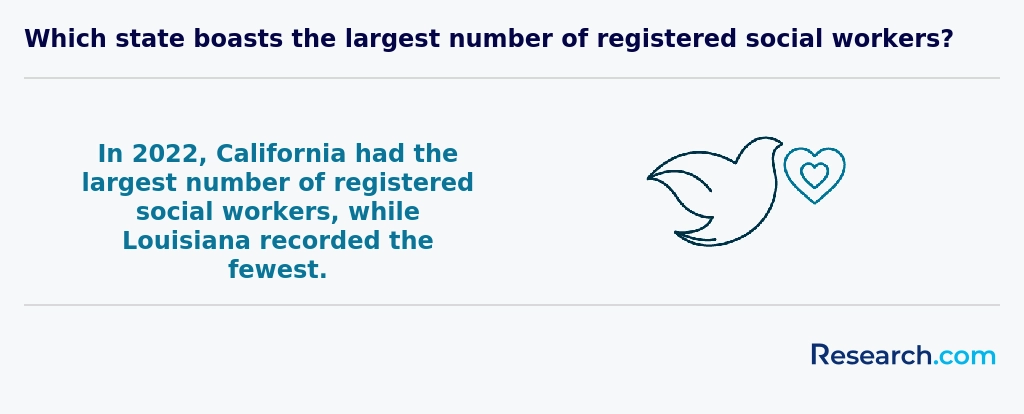
Career Paths After Earning an Online Social Work Degree
Graduates from online Social Work programs in the Northeast have a wide array of career paths available, each offering unique opportunities for professional growth and community impact. Whether you’re drawn to clinical practice, community advocacy, or specialized roles such as working with the aging population, your online degree can serve as a strong foundation for a rewarding career. Many social work professionals choose to begin their careers in clinical settings where they facilitate mental health programs, provide crisis intervention, and support behavioral health initiatives. Others find their passion in roles involving child and family services, school-based social work, or community outreach initiatives designed to address local challenges. Often, these roles not only emphasize direct client services but also encourage involvement in policy development and program management. For those considering specialized fields, such as geriatric social work, it is important to understand factors including the geriatric social work cost and additional licensing requirements that may affect your decision-making process. These specialized areas continue to grow as the population ages, creating increased demand for professionals who can navigate complex care systems and advocate for elder rights. In addition to diverse work settings-ranging from hospitals and school districts to government agencies and non-profit organizations-the career trajectory in social work may also include opportunities for advancement into administrative roles, consultancy, or further academic research. This spectrum of paths is enriched by ongoing professional development, networking events, and mentorship programs, ensuring that every graduate is well-equipped to make a meaningful impact in their chosen field.
What courses are typically in online social work degree programs in the Northeast?
Online social work degree programs in the Northeast generally include courses designed to balance theory with practical application, meeting the high standards set by institutions like those at well-known universities in the region. Graduates often describe how foundational classes, such as Introduction to Social Work and Human Behavior and the Social Environment, helped them grasp the core values and real-world complexities of social systems, making abstract concepts tangible.
Students frequently recall the challenge and reward of courses like Social Welfare Policies and Services, where they analyzed local policies affecting urban areas like New York City, gaining insight into systemic issues impacting diverse communities.
Accredited programs typically incorporate Research Methods in Social Work, enabling students to critically assess studies and apply evidence-based approaches. Hands-on learning through Field Practicum or Internship, even when virtual, remains pivotal-graduates from Northeastern colleges often express a sense of pride in applying skills with real clients, which solidifies their confidence for licensure and professional practice.
This curriculum, while rigorous, feels relevant and inspiring to many, addressing regional social challenges through cultural competence and community-focused coursework.
What types of specializations are available in online social work degree programs in the Northeast?
Online social work degree programs in the Northeast typically offer a range of specializations reflecting regional needs and career goals. Graduates from well-known universities in the area often highlight Clinical Social Work as a deeply rewarding specialization, focusing on mental health and preparation for licensure as Licensed Clinical Social Workers (LCSWs). This track suits those motivated by the rising demand for counseling and therapy in local communities. Another prevalent focus is Child and Family Social Work, which students find meaningful when working to support vulnerable populations affected by abuse or poverty.
Gerontological Social Work is gaining traction due to the increasing elderly population in Northeast states like New York and Massachusetts, training students to handle elder care challenges. Many programs also emphasize Community and Social Policy, allowing graduates to engage in shaping policies around healthcare and housing-an appealing path for those passionate about systemic change. Finally, the Substance Abuse and Addiction focus meets the urgent need for professionals skilled in addressing the opioid crisis affecting this region.
For prospective students navigating online social work specializations Northeast programs, understanding these varied focus areas can clarify practical career paths. Those exploring options often compare experiences at colleges in the region, appreciating programs that blend theory with real-world problem solving. To learn more about potential directions, consider visiting social work career paths.
How do you choose the best online social work degree in the Northeast?
Choosing the best online social work degree programs Northeast demands a clear understanding of how regional accreditation and program flexibility affect your education and career trajectory. Graduates from recognized institutions near Boston or New York often emphasize the importance of CSWE accreditation, which is non-negotiable for licensure. Yet, some students find part-time or asynchronous courses at universities like the University of Connecticut allow better balance with work and family obligations, illustrating how flexibility can significantly enhance the learning experience.
Cost considerations are equally vital. Affordable online social work degrees Northeast can differ widely-even among public universities-so weighing tuition against available scholarships and financial aid is critical. For instance, graduates recall that field placement availability within their state can enrich professional networks and ease the transition into local practice, which might be less evident in programs with remote or less structured internships.
Additionally, exploring faculty expertise in contemporary social issues may reflect a program's commitment to evidence-based practice, which resonates deeply with students eager to make real change. When deliberating over career support and licensure preparation, remember the varied requirements across Northeast states; aligning your curriculum with these is essential. For those considering broader mental health counseling options, resources linked to mental health counseling hawaii might offer useful comparative insights.
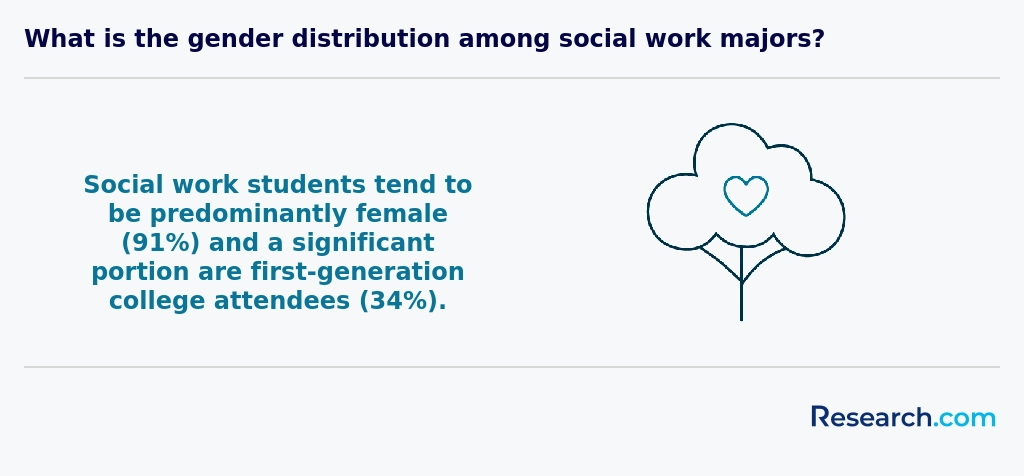
What career paths are available for online social work degree students in the Northeast?
Graduates pursuing online social work careers Northeast often find a wide array of pathways reflecting the region's unique social fabric. In government agencies across states like New York and Massachusetts, social workers address complex urban challenges by connecting vulnerable groups with essential resources. For example, graduates from popular schools often share how they navigate the hurdles of public systems while fostering impactful community relationships. Healthcare social work remains another significant domain, with clinical roles in hospitals and eldercare centers growing as states like Maine and Vermont confront aging populations. Such graduates find rewarding, emotionally meaningful work assisting patients and families through life changes.
School social work is also prominent, particularly for those who pursue additional certification to support students facing economic and emotional hardships. Though demanding, this path resonates with many graduates from established Northeast colleges due to its direct impact. Those exploring social work job opportunities Northeast may also consider specialties like mental health or substance abuse counseling, which require nuanced skills yet offer substantial personal fulfillment.
In choosing a program, students sometimes compare fields through practical experience or look at similar disciplines, such as in Louisiana psychology school rankings, to gauge career impacts and costs. Navigating these options critically equips prospective students with a grounded perspective on their social work futures.
What is the job market for online social work degree in the Northeast?
The job market for graduates with an online social work degree in the Northeast remains strong but includes nuances worth considering. Urban areas like Boston and New York City offer abundant career opportunities for social work graduates Northeast, notably in hospitals, schools, and government agencies. Graduates from popular regional universities often share positive experiences about engaging with diverse populations and gaining practical skills through internships, which helps them secure rewarding roles post-graduation.
While many roles require a Master of Social Work, bachelor's degree holders find entry points as social work assistants or case managers, often appreciating the flexibility of online programs. However, competition and the cost of living can affect job prospects and salary expectations, with licensed clinical social workers earning more. Some graduates weigh these factors alongside tuition fees, which vary; those curious about the geriatric social work cost often find that online programs balance investment and opportunity well.
Frequently Asked Questions About social work
Online social work degree students in the Northeast can maximize their learning experience by actively engaging with both their coursework and regional professional networks. Participating in virtual study groups or forums helps deepen understanding and overcomes the isolation common in online learning. The Council on Social Work Education reports that students involved in collaborative activities tend to have higher retention rates.
Additionally, seeking internships or field placements within local agencies ensures practical experience aligned with state-specific licensing requirements, which vary across Northeastern states. According to the National Association of Social Workers, nearly 30% of social workers in this region work in healthcare and mental health settings, highlighting the importance of targeted experiential learning.
The social work field is expanding into several emerging niches that reflect evolving societal needs. One growing area is geriatric social work, driven by the Northeast's aging population. According to the U.S. Census Bureau, states like New York and Massachusetts show significant increases in residents over 65, creating demand for specialists in elderly care and health navigation.
Another rising niche is behavioral health social work. With mental health awareness increasing, social workers are more involved in substance abuse treatment and crisis intervention. The Substance Abuse and Mental Health Services Administration highlights a 20% rise in behavioral health cases in Northeastern states over the past five years.
Additionally, digital and telehealth social work is gaining momentum, especially post-pandemic. Online social work degree programs in the Northeast now include training on virtual client support, addressing barriers like rural access and mobility issues.
After completing an online social work degree in the Northeast, preparing for the job market involves several key steps. First, obtaining state licensure is crucial, as most Northeastern states require Licensed Social Worker (LSW) certification for entry-level positions. Requirements vary by state but typically include passing the Association of Social Work Boards (ASWB) exam.
Networking is essential. Joining regional chapters of the National Association of Social Workers (NASW) can connect graduates with local professionals and job opportunities. Additionally, internships or field placements completed during the degree program often lead to employment offers.
According to the Bureau of Labor Statistics, social work jobs in the Northeast are projected to grow by 10% through 2031, faster than average, emphasizing the importance of practical experience combined with formal education.
Employers in the Northeast highly value social work graduates who demonstrate strong communication skills and cultural competence. Given the region's diversity, understanding how to engage with varied populations is essential. Analytical abilities and critical thinking also rank prominently, enabling professionals to assess client needs effectively.
Additionally, proficiency in crisis intervention and case management is crucial, especially in urban centers like New York and Boston where social challenges are complex. According to the National Association of Social Workers, approximately 65% of employers in the Northeast prioritize candidates with practical experience in these areas.
Technological literacy, including familiarity with electronic health records, is increasingly important as agencies digitize services. These skills help graduates succeed in a competitive job market across the Northeast.
Finding internships in the Northeast relevant to a social work degree involves connecting with local agencies and universities. Many accredited online social work programs require internship placements as part of their curriculum, so students should reach out to their school's field education office early. The Northeast has numerous social service organizations, hospitals, and government agencies offering internships in states like New York, Massachusetts, and Pennsylvania.
According to the Council on Social Work Education, about 75% of social work students secure internships through university partnerships with local organizations. Additionally, resources such as the National Association of Social Workers (NASW) chapters in the Northeast provide job boards and networking opportunities.
Researching state licensure requirements is crucial since internships may need approval to count toward clinical social work licensure.
Obtaining an online social work degree in the Northeast significantly enhances career mobility and advancement opportunities. Many states in this region, including New York, Massachusetts, and Pennsylvania, have high demand for licensed social workers, with projected job growth rates around 12% through 2030 according to the U.S. Bureau of Labor Statistics. Online programs accredited by the Council on Social Work Education (CSWE) prepare graduates for licensure exams required in these states, facilitating seamless entry into professional roles.
Employers increasingly recognize accredited online degrees, especially when paired with field experience. This combination improves eligibility for supervisory or specialized positions, such as clinical social worker or healthcare coordinator.
Additionally, online degrees offer flexible scheduling, allowing working professionals to advance without leaving their current roles, which is vital in the competitive Northeast job market.
Studying for a social work degree online in the Northeast equips students with skills to function effectively in interdisciplinary teams. Many programs emphasize collaboration with healthcare, education, and criminal justice sectors, reflecting the region's diverse service environments. The Council on Social Work Education (CSWE) accredits regional programs that integrate practical training with theoretical knowledge, fostering competencies in communication, ethics, and cultural competence.
According to the Massachusetts Department of Higher Education, over 70% of social work graduates engage in interdisciplinary roles within two years after graduation. Online formats in the Northeast allow flexible access to specialized courses involving policy, mental health, and community resources relevant to the local context. This holistic approach prepares graduates for complex, multifaceted challenges in social service agencies.
When choosing between a thesis and a non-thesis social work degree program in the Northeast, consider your career goals carefully. Thesis programs typically focus on research and prepare students for advanced studies or academic roles, which may be ideal if you plan to pursue a master's or PhD later. Non-thesis programs usually emphasize practical skills and fieldwork, fitting for students aiming to enter social work practice directly.
In the Northeast, universities often offer both options to suit diverse student needs. According to the Council on Social Work Education, programs here maintain high standards for accreditation, ensuring quality either way. Costs and duration may also vary between tracks, so reviewing each school's guidelines is important.
Students in the Northeast interested in studying social work abroad through online programs have several options. Many accredited universities offer international study components or exchange opportunities integrated with their online social work degrees. These programs enable students to gain global perspectives while completing coursework remotely.
For example, some institutions partner with universities in Canada, the United Kingdom, or Ireland, allowing students to access specialized courses or fieldwork placements abroad. According to the Council on Social Work Education, nearly 30% of accredited programs in the Northeast include international content or opportunities.
These options help prepare students for diverse, multicultural social work practice in a globalized world.
Part-time job opportunities in the Northeast that complement social work degree education include roles such as case management assistants, community outreach coordinators, and behavioral health aides. These positions provide practical experience working with diverse populations, a key component of social work training. According to the U.S. Bureau of Labor Statistics (2023), the Northeast has a growing demand for social and human service assistants, with an expected 12% growth over the next decade.
Many nonprofit organizations, hospitals, and local government agencies in states like Massachusetts, New York, and Pennsylvania offer flexible part-time positions suitable for students. These jobs strengthen skills in client interaction, data collection, and crisis intervention.
Additionally, volunteering at shelters or youth programs can boost practical knowledge without conflicting with academic schedules. Such experiences improve candidates' resumes when applying for advanced social work roles or graduate programs.
Online social work students in the Northeast benefit from numerous networking opportunities despite their remote status. Many universities offer virtual career fairs, webinars, and student organizations tailored to social work, facilitating connections with peers and professionals across states like New York, Massachusetts, and Pennsylvania. According to the National Association of Social Workers (NASW) Northeastern chapter, regional conferences and online discussion groups provide vital platforms for students to engage with experienced practitioners. Additionally, LinkedIn groups focused on Northeast social work professionals help expand networks. These resources support mentorship, internships, and employment prospects, crucial in a field reliant on relationships and community involvement.
Alumni networks play a crucial role for students pursuing online social work degrees in the Northeast. They provide valuable connections to experienced professionals who understand the region's unique social and economic challenges. Many universities in states like New York, Massachusetts, and Pennsylvania have strong alumni associations that offer mentorship opportunities, job leads, and career advice tailored to social work careers.
Networking through alumni can increase job placement rates; for example, a study by the Council on Social Work Education found that graduates connected to active alumni networks had a 20% higher employment rate within six months of graduation.
In addition, these networks often host regional events, webinars, and workshops that support continuing education and professional development, essential in maintaining licensure and staying current with best practices.
Students pursuing an online social work degree in the Northeast can tailor their programs by selecting specializations that align with their career objectives. Common concentrations include clinical social work, community organization, and policy advocacy, allowing focused skill development. Many accredited schools offer flexible electives, enabling learners to emphasize areas like mental health or child welfare, industries with growing demand in states such as New York and Massachusetts.
Fieldwork options can often be arranged locally, giving students practical experience in preferred settings without relocating. This regional adaptability is crucial in meeting licensure requirements specific to Northeast states, which vary in practicum hours and supervision guidelines. According to the Council on Social Work Education (CSWE), programs accredited in this region emphasize flexibility to support diverse career paths and state regulations.
Online formats also let students balance education with employment, aiding those already working in social services to advance professionally while customizing their study pace. Ultimately, investigating each school's curriculum and state licensure support can help optimize degree outcomes for individual career goals.
Online social work students in the Northeast face several typical challenges. Balancing coursework with professional and family responsibilities is a common issue, as many learners juggle jobs and caregiving roles. Limited field placement options in some rural or suburban areas can delay practical training, essential for licensure. Connectivity and technology access also affect some students, despite the region's overall strong internet infrastructure. According to the Council on Social Work Education, approximately 35% of online social work students in the Northeast report difficulty securing local practicum sites. Furthermore, state-specific licensing requirements may complicate course selection and career planning for students enrolled in regional programs.
Graduates with an online social work degree in the Northeast can pursue several professional certifications to advance their careers. The most common certification is the Licensed Bachelor Social Worker (LBSW), required for entry-level practice in states like New York and Pennsylvania. It usually requires passing a state exam and completing supervised fieldwork.
Another key certification is the Licensed Master Social Worker (LMSW), which generally builds on a master's degree but is relevant for those continuing education after a bachelor's.
Specialty certificates, such as those in school social work or clinical social work, offer additional credentials recognized by employers and licensing boards in the region. The Association of Social Work Boards provides updated certification requirements by state.
Applying to an online social work degree program in the Northeast requires a clear, well-organized application that highlights your passion and readiness for the field. Start by thoroughly researching accredited programs; New England schools often value applicants with strong academic records and relevant volunteer or work experience.
Emphasize your commitment to social work through meaningful essays that address your motivation and understanding of regional social issues. For instance, citing challenges faced by urban and rural populations in the Northeast can show local awareness.
Letter of recommendation quality also matters-choose references familiar with your interpersonal skills and dedication. According to the Council on Social Work Education, programs typically look for GPA benchmarks above 3.0 and relevant experience.
Finally, prepare for a clear resume and possibly a virtual interview, demonstrating professionalism and communication skills essential for remote learning and fieldwork.
Social work careers are increasingly viewed through a global lens, reflecting international cooperation on social justice and human rights. The Council on Social Work Education (CSWE) in the US emphasizes competencies that prepare students to work in multicultural and international contexts. This global approach shapes curriculum in many Northeast online social work degree programs.
For example, schools in the Northeast often integrate global health issues and refugee support topics, responding to regional demographic changes fostered by immigration. According to the Bureau of Labor Statistics, employment for social workers in the Northeast is projected to grow by 12% through 2031, fueled partly by global social challenges.
Understanding global social work allows students to engage in diverse fields such as international development or crisis response. This perspective also aligns with accreditation standards, highlighting the profession's commitment to addressing social problems worldwide.
Gaining practical experience is essential when pursuing an online social work degree in the Northeast. Most accredited programs require supervised field placements or practicums as part of their curriculum. These placements often partner with local agencies such as hospitals, schools, or nonprofit organizations.
Students can expect to complete between 400 to 900 hours of fieldwork, depending on their program and state requirements. For example, New York mandates at least 450 hours while Massachusetts programs typically require around 700 hours. The Council on Social Work Education (CSWE) accredits many Northeast programs, ensuring quality and relevant practical training.
Networking with regional organizations early can help secure valuable internships and hands-on experiences. Many schools assist students in matching with approved sites nearby.
Choosing the right concentration within an online social work degree program in the Northeast depends on your career goals and the populations you wish to serve. Common concentrations include clinical social work, community organization, and policy advocacy. According to the National Association of Social Workers, the Northeast has a high demand for clinical social workers, with employment growing 12% through 2030.
Research each concentration's curriculum to ensure it aligns with licensure requirements in your state, such as New York or Massachusetts. Consider local social issues, too; for example, concentrations focusing on urban communities or substance abuse may be particularly relevant in this region.
Networking with program alumni and accessing internship opportunities in Northeast social service agencies can aid decision-making. Accreditation by the Council on Social Work Education (CSWE) is essential to ensure program quality and licensure eligibility.
Top Trending Social Work Rankings
See What Experts Have To Say About Studying Social Work
Read our interview with Social Work experts

References
- Master of Social Work | UNE Online https://online.une.edu/program/master-of-social-work/
- BA in Social Work https://www.umassglobal.edu/academic-programs/ba-social-work
- Social Work Internships https://www.stjude.org/education-training/professional-development/internships/social-work.html
- Professional services https://www.strath.ac.uk/courses/undergraduate/socialwork/howtobecomeasocialworker/
- Social Work Practice in Schools https://www.casw-acts.ca/en/social-work-practice-schools
- Guide to Careers in Social Work https://www.onlinemswprograms.com/careers/
- Social work certificates | edX https://www.edx.org/certificates/social-work-certificates
- The Pros and Cons of Online MSW Programs – Should I Pursue an MSW Online? https://www.masterofsocialwork.com/resources/pros-and-cons-online-msw-programs
- The Evolution of Online Social Work Education https://www.socialworktoday.com/news/enews_0317_1.shtml
- 585 Institutions offering Social Work Courses Abroad https://www.hotcoursesabroad.com/study/training-degrees/international/social-work-courses/cgory/l19-3/sin/ct/programs.html


