
2027 Best Social Work Degree Programs Ranking in Saint Paul

Co-Founder and Chief Data Scientist
Choosing the right social work degree program in Saint Paul is an important step toward a rewarding career. This article introduces the 2027 Best Social Work Degree Programs Ranking in Saint Paul, created by a skilled team of data scientists at Research.com. It is designed to help you find programs that truly stand out.
By exploring this ranking, you can make an informed decision and feel confident about your educational path. Pursuing a social work degree opens opportunities to make a real difference in people's lives and your community.
Key benefits of getting social work degree in Saint Paul
- Graduates with a social work degree in Saint Paul can expect competitive salaries, such as $68,800 annually for Social Workers and up to $83,400 for Youth Workers, offering financial stability in rewarding roles.
- Career paths are diverse, including positions like Child Welfare Specialist and Residential Counselor, with local graduates from institutions like the University of St. Thomas enjoying strong community connections and job opportunities.
- Obtaining an online social work degree from schools such as Metropolitan State University provides flexibility, allowing students to balance studies with personal life while gaining the same valuable skills as traditional programs.
- Key benefits of getting social work degree in Saint Paul
- What can I expect from social work degree in Saint Paul?
- Where can I work with social work degree in Saint Paul?
- How much can I make with social work degree in Saint Paul?
- 2027 Best Social Work Degree Programs Ranking in Saint Paul
- Key Findings
- How long does it take to complete social work degree in Saint Paul?
- Why Accreditation Matters in Social Work Education
- What's the difference between online and on-campus social work degree?
- Licensing and Certification Requirements
- What is the average cost of social work degree in Saint Paul?
- Affordability and Financial Considerations for Social Work Programs
- What financial aid is available to social work degree students in Saint Paul?
- Licensure and Certification Requirements
- What are the prerequisites for enrolling in social work degree program in Saint Paul?
- Licensure and Certification for Social Work Graduates in Saint Paul, MN
- What courses are typically in social work degree programs in Saint Paul?
- What types of specializations are available in social work degree programs in Saint Paul?
- How do you choose the best social work degree in Saint Paul?
- What career paths are available for social work degree students in Saint Paul?
- What is the job market for social work degree in Saint Paul?
- Top Trending Social Work Rankings
- See What Experts Have To Say About Studying Social Work
What can I expect from social work degree in Saint Paul?
The average cost of pursuing a social work degree in Saint Paul varies significantly depending on the institution. Public universities typically offer more affordable tuition, making the degree accessible to a wider range of students. Graduates from these programs often recall balancing part-time jobs and scholarships to cover expenses, appreciating how manageable costs allowed them to focus on meaningful fieldwork rather than financial stress.
On the other hand, private institutions like the University of St. Thomas, known for its CSWE-accredited social work curriculum, tend to have higher tuition fees. However, many students emphasize the value of integrated field placements and personalized faculty support, which makes the investment feel worthwhile despite the steeper price.
Financial aid from local social service organizations in Saint Paul plays a critical role in alleviating cost barriers. Graduates frequently mention how these resources not only made education possible but also deepened their connection to the community they're preparing to serve. This blend of cost consideration and opportunity highlights that while price varies, the experience equips students for heartfelt, impactful careers.
Where can I work with social work degree in Saint Paul?
Graduates from social work programs at institutions like the University of St. Thomas and Hamline University in Saint Paul find themselves stepping into roles that challenge the very notion of "typical" careers. Beyond the expected settings of hospitals and clinics such as Regions Hospital, many are surprised to discover a dynamic spectrum of opportunities woven into the city's social fabric. Imagine working within Saint Paul Public Schools, where you partner with educators and families to craft real change in students' lives-turning theory into practical, empathetic action.
Others dive into government roles at child protective services or community resources, managing cases that demand resilience and creativity. Nonprofit agencies, including those tackling homelessness or addiction, offer a space where graduates feel the profound reward of direct community impact. Licensed clinical social workers can even launch private practices, extending care through therapy grounded in the city's diverse populations. These paths reflect a deeply personal career journey, often marked by moments of genuine connection and growth within Saint Paul's supportive networks.
How much can I make with social work degree in Saint Paul?
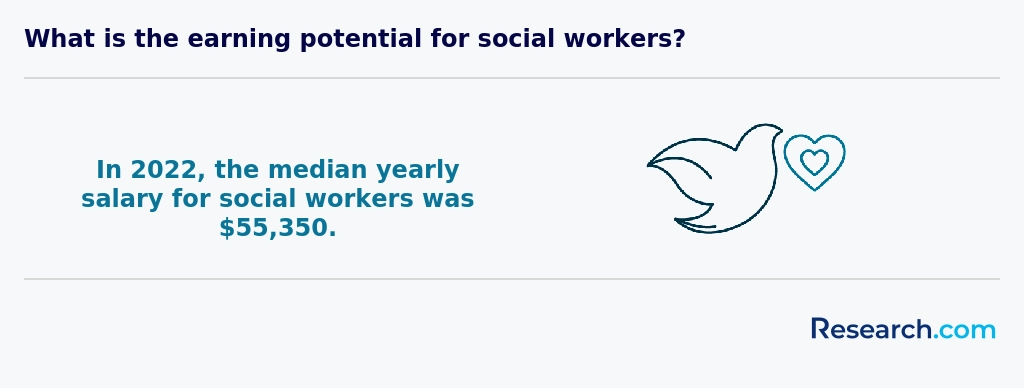
Graduates of social work programs in Saint Paul often find themselves stepping into careers where earnings reflect both their education and the rich professional landscape of the city. Social workers here have a mean annual wage of about $68,800, according to recent U.S. Bureau of Labor Statistics data-figures that resonate with those earning their degrees from well-regarded institutions like the University of St. Thomas or Metropolitan State University. For example, a new graduate working as a Child Welfare Specialist can expect to start around $59,190 annually, while roles such as Community Organizer or Youth Worker offer more robust earnings near $83,400.
This range challenges the common perception that social work is a low-paying field. Instead, it highlights the rewarding potential for those who pursue specialized, impactful careers in sectors like healthcare or community development within Saint Paul's supportive environment.
Many graduates recall feeling energized by real-world internships during their studies, seeing firsthand how a $28.46 hourly wage as a Residential Counselor grows with experience and certification. The practical training and connections made at local universities foster both professional growth and financial optimism, making social work an inspiring choice for those dedicated to meaningful impact and stable income.
2027 Best Social Work Degree Programs Ranking in Saint Paul
How do we rank schools?
Investing in your education is a significant decision that can shape your future, and the Research.com team understands the importance of making informed choices. To assist prospective students in Saint Paul, we have meticulously crafted the "2027 Best Social Work Degree Programs Ranking in Saint Paul." Our commitment to quality, credibility, and accuracy is reflected in the extensive research and analysis conducted to compile this ranking.
We utilized the following reputable data sources to ensure a comprehensive evaluation of social work programs:
By exploring this ranking, readers will gain valuable insights into the best social work degree programs available in Saint Paul, empowering them to make informed decisions about their educational paths. For more details on our methodology, please visit our Research.com methodology page.


Key Findings
- Tuition for social work programs in Saint Paul ranges from $10,000 to $20,000 per year at public universities and $25,000 to $40,000 at private institutions.
- Entry-level social workers in Saint Paul earn about $45,000 to $50,000 annually, with experienced workers making $60,000 to $70,000 per year.
- The demand for social workers in Saint Paul is expected to grow by approximately 10% over the next ten years.
- Several colleges in Saint Paul offer accredited Bachelor and Master of Social Work degrees recognized by the Council on Social Work Education.
- Social workers in Saint Paul find jobs in hospitals, schools, government agencies, and non-profits, with roles like clinical social workers and child welfare advocates.
- Licensing in Minnesota requires passing exams and completing supervised experience after earning a social work degree.
How long does it take to complete social work degree in Saint Paul?
Completing a social work degree in Saint Paul often challenges students' expectations of time and commitment. Graduates from Hamline University or Metropolitan State University typically spend about four years earning a Bachelor of Social Work (BSW), immersing themselves in 120 to 130 credit hours designed to build a solid foundation. Yet, many find that the experience is much richer and more transformative than a simple timeline suggests.
For those pursuing a Master of Social Work (MSW), the journey usually extends two years full-time, though part-time options stretch that to three or four years. Some graduates who entered with a BSW recall condensing their MSW to just one year through advanced standing programs, relishing the accelerated path as a challenge rather than a shortcut.
Fieldwork and internships, integral at Saint Paul's institutions, often add unanticipated length to these programs. Still, they spark powerful moments of growth, connecting theory to the real-world needs of Minnesota's communities. Balancing coursework with these immersive experiences gives students a deep, rewarding sense of purpose that transforms time spent into lasting impact.
Why Accreditation Matters in Social Work Education
Accreditation by the Council on Social Work Education (CSWE) is the benchmark for program quality, licensure eligibility, and employer recognition.
- CSWE accreditation validates that a curriculum meets national professional and ethical standards.
- Graduates from accredited programs are eligible for LGSW and LICSW licensure exams in Minnesota.
- Credits earned transfer seamlessly between accredited schools, easing the path to advanced degrees.
- Employers in Saint Paul value CSWE credentials when hiring for clinical, school, and community roles.
Before comparing formats or timelines, always verify CSWE status-especially if you’re exploring a fast track social work degree online.
What's the difference between online and on-campus social work degree?
Choosing between online and on-campus social work degrees in Saint Paul often means weighing how you learn best and how you envision your daily life during studies. Graduates from Saint Paul College speak of on-campus programs as vibrant, immersive environments where in-person discussions and hands-on group projects bring theory to life. They describe walking to local agencies for internships, feeling the tangible connection to the community they serve. This face-to-face interaction can deepen motivation and build lasting professional networks.
Conversely, graduates from online programs at institutions popular in the region emphasize the freedom to balance family, work, and studies. They appreciate asynchronous lectures that fit busy schedules, yet acknowledge the challenge-and reward-of independently finding meaningful field placements around Saint Paul's diverse neighborhoods. This self-driven approach can foster resilience and sharpen personal initiative, qualities crucial for social work.
Both paths demand identical fieldwork and lead to the same CSWE-accredited credentials, but the daily rhythm and personal dynamics of study differ profoundly, shaping distinct educational experiences tied closely to your life context.
Licensing and Certification Requirements
In Minnesota, practicing as a social worker requires state licensure to ensure competency and protect clients. To become a Licensed Social Worker (LSW), you must:
- Earn a Bachelor of Social Work (BSW) from a CSWE-accredited program. If you’re exploring cost-effective pathways to your BSW, consider our guide on the most affordable online bachelor's degree in social work.
- Accumulate 3,000 hours of supervised post-graduate experience.
- Pass the Association of Social Work Boards (ASWB) Bachelors exam. For clinical practice, pursue a Master of Social Work (MSW) and apply for Licensed Independent Clinical Social Worker (LICSW) status by completing 4,000 hours of post-master’s supervision and passing the ASWB Clinical exam. The Minnesota Board of Behavioral Health and Therapy manages applications, fees, and biennial renewals, which require 40 hours of continuing education. Early planning for these steps ensures you meet regulatory standards and accelerates your entry into diverse social work roles.
What is the average cost of social work degree in Saint Paul?
The average cost of a social work degree in Saint Paul challenges many assumptions about affordability. With a median total cost around $64,642, students often navigate not only tuition but a full spectrum of expenses that shape their educational journey. For in-state residents, this figure tends to be closer to $51,454, reflecting some relief but still representing a significant investment in their future. Graduates from institutions like Metropolitan State University frequently describe balancing coursework with part-time jobs, finding fulfillment even as they manage financial pressures.
Understanding the Saint Paul social work degree tuition fees means recognizing the difference between public and private universities. While public schools offer more affordable options, private institutions, such as the University of St. Thomas, often bring higher tuition costs but also provide scholarships and aid packages that can ease the burden. One graduate recalled how valuing such support transformed their ability to focus on studies rather than just expenses.
Beyond tuition, additional costs like books, supplies, and living expenses create a fuller picture of what the investment entails. These real-life financial demands prompt many students to explore alternative pathways, including part-time or online study options offered by Saint Paul programs, which allow for income generation alongside learning.
For those seeking more affordable routes, Saint Paul offers options reflected in data on the cheapest social work schools in Minnesota, highlighting practical ways to pursue a degree without overwhelming debt. This holistic understanding is essential for anyone serious about making a difference through social work while managing costs thoughtfully.

Affordability and Financial Considerations for Social Work Programs
When considering a Social Work degree in Saint Paul, MN, one crucial factor to think about is the affordability of the programs. The cost of tuition, along with other expenses like textbooks, application fees, and licensure costs, can vary significantly between institutions. For those looking to minimize their expenses, exploring the cheapest social work schools in minnesota can be a strategic move. It's essential to balance the cost with the quality of education and the potential return on investment in terms of career opportunities and salary expectations. Many students have found that while the initial cost of a Social Work degree may seem daunting, the long-term benefits, including personal fulfillment and financial stability, make it a worthwhile investment. Additionally, various financial aid options, such as scholarships, grants, and work-study programs, can help mitigate the costs, making a Social Work degree more accessible to a broader range of students. By carefully considering these factors and planning ahead, prospective students can make informed decisions about their educational path and set themselves up for success in their future careers.
What financial aid is available to social work degree students in Saint Paul?
Financial aid for social work students in Saint Paul is more than just numbers-it's a lifeline that transforms daunting tuition costs into attainable dreams. Graduates from the University of St. Thomas recall how federal Pell Grants relieved their financial strain, allowing them to focus on internships rather than endless job searching. These grants, along with subsidized and unsubsidized federal loans, offer flexible repayment that aligns with students' evolving career paths.
State-based support like the Minnesota State Grant tailors assistance to local residents' financial realities, directly easing tuition burdens at institutions such as Metropolitan State University. Many alumni reflect on scholarships tied not only to academic merit but to their passion for community service, available through their college's aid office, which reinforced their commitment during challenging semesters.
Work-study programs add practical value, enabling students to build real-world social work experience while earning. Meanwhile, some who worked in local social service roles benefited from employer tuition reimbursements, easing the journey toward professional fulfillment. These options together spotlight financial aid as accessible and deeply connected to the unique lives of Saint Paul's social work students.
Licensure and Certification Requirements
Navigating the path to professional practice in Saint Paul, MN requires meeting state licensure and certification standards set by the Minnesota Board of Social Work. After earning your CSWE-accredited degree, you’ll pursue one of two main credentials: • Licensed Social Worker (LSW/LGSW) – Requires a bachelor’s or master’s in social work – Pass the ASWB Bachelor’s or Master’s exam – Complete any required supervised hours (varies by program) • Licensed Independent Clinical Social Worker (LICSW) – Requires a master’s degree (MSW) plus 3,000+ hours of supervised clinical experience – Pass the ASWB Clinical exam – Meet state jurisprudence requirements Key steps to prepare: 1. Review the Minnesota Board’s examination handbook and application deadlines. 2. Enroll in exam prep courses or study groups-many local universities and professional organizations offer targeted workshops. 3. Log practicum and supervised hours meticulously; accurate documentation speeds up approval. 4. Stay informed about renewal cycles and continuing education (CE) credits; Minnesota requires 45 CE hours every three years for LICSWs. For students balancing cost and quality, exploring affordable programs can ease financial pressure-consider looking at our Cheapest Social Work Degree Programs Ranking in Arkansas to compare tuition and certification support.
What are the prerequisites for enrolling in social work degree program in Saint Paul?
In Saint Paul, the path to enrolling in a social work degree demands more than just paperwork; it calls for a demonstration of genuine readiness that many graduates recall as the first true test of their commitment. For Bachelor of Social Work programs, local colleges typically expect a solid foundation-high school completion with a GPA near 2.5 to 3.0 is common, but what truly sets applicants apart is completing courses in psychology or sociology beforehand. Graduates often describe how these prerequisites created early moments of connection with the core values of social work.
Master's programs in Saint Paul dial up these expectations. Holding an undergraduate degree is just the start; candidates must also show real-world dedication through volunteer work or community involvement, which many graduates say was key to their acceptance at well-known universities in the city.
Applicants face practical requirements, too, like background checks and immunization records, grounding their studies in the reality that social work involves protecting vulnerable populations. These steps, while challenging, inspire a sense of accountability and purpose that graduates frequently reflect on as pivotal in their transformation from students to compassionate professionals.
Licensure and Certification for Social Work Graduates in Saint Paul, MN
One of the most critical steps after earning your Social Work degree in Saint Paul is obtaining the necessary licensure and certifications to practice professionally. In Minnesota, graduates typically need to pass the Association of Social Work Boards (ASWB) exam and meet specific supervised experience requirements before they can be licensed as clinical social workers. This process not only validates your expertise but also opens the door to advanced career opportunities in sectors ranging from healthcare and schools to community organizations. Understanding the licensure process is essential for ensuring that you meet state standards for ethical and effective practice. Many programs provide guidance on preparing for the exam and offer resources on maintaining your credentials, including continuing education and workshops that keep you updated on changes in policies and best practices. Detailed licensing information directly from Minnesota’s regulatory agencies can further help you navigate this path with confidence. For those considering advanced studies, exploring further academic opportunities may also be beneficial. If you're curious whether is online doctorate in social work affordable, additional research into flexible online doctoral programs might provide an accessible pathway for career growth and professional development. By focusing on both your academic achievements and post-graduation certification requirements, you position yourself as a well-prepared, licensed professional ready to make a lasting impact in the community.
What courses are typically in social work degree programs in Saint Paul?
Social work degrees in Saint Paul weave together practical experience and rigorous theory, creating courses that challenge students to confront real-world complexities. Graduates often reflect on how foundational classes like human behavior and the social environment transformed their understanding of individual struggles within larger societal systems. At institutions such as the University of St. Thomas, students engage deeply with social welfare policy, learning not just laws but the human stories behind urban poverty and healthcare barriers.
Courses extend beyond theory, plunging students into authentic practice through field practicums and internships. Many recall moments where lessons on diversity, equity, and inclusion became vivid during hands-on work in Saint Paul's diverse communities, fostering heartfelt connections and empathy.
- Introduction to social work practice and ethics
- Research methods and statistics relevant to social services
- Field practicum or internship to gain hands-on experience
- Courses on diversity, equity, and inclusion to prepare for culturally competent practice
- Mental health and substance abuse treatment
- Community organization and advocacy strategies
- Child welfare and family services
- Case management and counseling skills
Such curricula empower students to emerge confident, ready to advocate effectively and lead change within Minnesota's unique community contexts.
What types of specializations are available in social work degree programs in Saint Paul?
Social work degree specializations Saint Paul students encounter challenge the simplistic view that social work is a one-size-fits-all path. Graduates from popular colleges often find themselves drawn to distinct fields like clinical social work, child and family welfare, or gerontology, each addressing urgent local needs. Imagine navigating the emotional terrain of clinical social work amid Minnesota's rising mental health demands-graduates describe this specialization as both intense and deeply rewarding, pushing their empathy and critical thinking skills to new heights.
Others, focusing on child and family welfare, grapple firsthand with the realities of intervention and advocacy, learning how their actions directly shape vulnerable lives. This specialization appeals to those who want to confront systemic issues within Saint Paul's communities, gaining positive momentum despite challenges. The best social work concentrations in Saint Paul extend to school social work, where graduates relate impactful stories from Saint Paul Public Schools about fostering student resilience and growth.
For those considering advanced degrees, the question of affordability arises. Many students wonder if pursuing further education is sustainable-this is where understanding is online doctorate in social work affordable becomes critical for planning their path forward.
How do you choose the best social work degree in Saint Paul?
Choosing the best social work degree in Saint Paul means more than just picking a college; it requires questioning the true value behind accreditation, cost, and experiential learning. Graduates from local universities often share how their programs' strong ties with Saint Paul community agencies gave them confidence and real-world skills that theory alone could never teach. The practical experience embedded in these programs transforms uncertain students into empathetic professionals ready to face diverse challenges.
Opting for programs affiliated with the Council on Social Work Education ensures you aren't just investing in a credential but in a curriculum that meets national standards and enhances licensure possibilities. Yet, affordability is equally vital. Discovering the most affordable online bachelor's degree in social work allows students juggling work and family to pursue their dreams without overwhelming debt, something many Saint Paul social work graduates emphasize as a game-changer.
Reflect on your personal goals and lifestyle-does the program offer small class sizes, expert faculty, or flexible formats that fit your rhythm? Among the best social work degree programs in Saint Paul, these nuanced considerations separate a meaningful education from a mere diploma.
Affordable social work schools Saint Paul worth exploring balance tangible benefits, like strong field placements and supportive faculty, with financial accessibility, ensuring students feel both challenged and cared for throughout their journey.
What career paths are available for social work degree students in Saint Paul?
Graduates from Saint Paul's prominent social work programs often find themselves at the crossroads of deeply impactful career paths. Clinical social work is a powerful choice, where individuals provide empathetic therapy and support for mental health challenges, trauma, or substance abuse-real scenarios students vividly recall during internships at local clinics. The ability to engage with diverse communities in the Twin Cities cultivates cultural competence, a skill highly valued in these roles. Those exploring job opportunities for social work degree Saint Paul may also be drawn to child welfare agencies, where protecting vulnerable families sparks a profound sense of purpose, often reinforced through real cases handled in partnership with Hennepin County services.
Medical social work remains a vital area as well, where graduates collaborate with hospitals in discharge planning and patient advocacy, experiencing firsthand the rewarding challenge of aiding families navigating health crises. Community social work further expands the horizon, with opportunities in nonprofit program management and advocacy, shaping lives of refugees and the homeless. For those weighing educational investment, public university tuition aligns well with affordability, as highlighted in rankings like the Cheapest Social Work Degree Programs Ranking in Arkansas.
What is the job market for social work degree in Saint Paul?
The social work job opportunities Saint Paul offers are shaped by steady growth and diverse pathways. Graduates from local universities often share how their clinical internships in community health centers or schools bring a rewarding sense of purpose that extends beyond typical employment. Despite the competitive environment, the city's expanding emphasis on mental health services means licensed clinical social workers find meaningful roles assisting vulnerable populations, especially after recent societal challenges.
Saint Paul social work career outlook shows an 8% employment growth projection through 2030, slightly outpacing national averages. This reflects not only a quantitative increase but a qualitative shift where social workers engage more deeply in multifaceted public health initiatives and policy advocacy. Graduates from programs within the city experience firsthand how gaining an MSW accelerates their access to these specialized roles and often translates into better compensation and influence.
Students weighing the cost and value of degrees here might consider best 6-month online associate degree programs as supplementary avenues while pursuing their studies, balancing finance with practice. The real-world experiences behind these statistics create a vibrant, evolving career landscape that invites thoughtful commitment from aspiring social workers in Saint Paul.
Frequently Asked Questions About social work
Social work degree students in Saint Paul can maximize their learning by engaging deeply with both academic and practical experiences. Saint Paul offers access to diverse community organizations and social service agencies, providing valuable internship and fieldwork opportunities. The Minnesota Board of Social Work requires supervised experience, so early, hands-on involvement is crucial.
Students should also take advantage of networking events and local conferences, such as those hosted by the Minnesota Chapter of the National Association of Social Workers. These venues offer chances to connect with professionals and stay current on regional social issues. According to recent data from the U.S. Bureau of Labor Statistics, Minnesota's demand for social workers is expected to grow by 12% through 2030, underscoring the importance of strong practical skills.
Additionally, students benefit from utilizing campus resources, including tutoring centers, research libraries, and academic advising tailored to social work programs. Collaborating with peers on study groups can enhance understanding of complex topics, while keeping informed about local policy changes ensures readiness for real-world challenges in Saint Paul social work settings.
Emerging niches within the social work field reflect growing societal needs and technological advances. In Saint Paul, specialty areas such as geriatric social work are expanding rapidly due to Minnesota's aging population. According to the Minnesota Board of Social Work, demand for elder care specialists is projected to grow by over 20% by 2030.
Another developing niche is trauma-informed care, addressing mental health challenges intensified by the COVID-19 pandemic. Social workers trained in this approach help vulnerable populations, including refugees and victims of domestic violence.
Additionally, medical social work and digital health navigation are gaining prominence, integrating social work with healthcare systems. These niches offer social workers opportunities to support patients through complex health services in Saint Paul's growing healthcare sector.
Preparing for the job market after completing a social work degree in Saint Paul involves several key steps. First, obtaining state licensure is essential. Minnesota requires passing the ASWB exam to become a Licensed Social Worker (LSW), which significantly boosts employability.
Networking within local social service agencies and attending Saint Paul-based professional events can create valuable job connections. The Minnesota Department of Employment and Economic Development reports a steady demand for social workers, forecasting a 12% job growth by 2030.
Internships and field placements during your degree provide practical experience and often lead to job offers. Finally, developing skills in culturally competent practices and familiarity with local community resources enhances your appeal to employers in Saint Paul's diverse environment.
Employers in Saint Paul seek social work graduates who demonstrate strong interpersonal skills, as effective communication with clients and colleagues is essential. Critical thinking and problem-solving abilities are equally important, enabling social workers to assess complex situations and develop appropriate intervention plans.
Knowledge of local community resources and cultural competence is highly valued. According to the Minnesota Department of Employment and Economic Development, social workers with skills in crisis intervention and case management are in greater demand within Saint Paul's human services sector.
Additionally, proficiency in documentation and familiarity with ethical standards in social work practice are crucial for successful job performance.
Finding internships in Saint Paul for social work students involves leveraging local resources and institutional connections. Many accredited social work programs in the area collaborate with organizations such as Catholic Charities of Saint Paul and Minneapolis and the local Department of Human Services to provide practical internship opportunities.
Students should begin by consulting their university's career services and social work department, which often maintain partnerships with community agencies. Additionally, the Minnesota Board of Social Work offers guidance for securing supervised field experience, a requirement for licensure.
According to the National Association of Social Workers (NASW) Minnesota Chapter, over 60% of social work students in the Twin Cities secure internships through agency referrals and university-led placements.
Exploring nonprofit organizations, healthcare facilities, and schools within Saint Paul can also uncover internship positions that offer diverse client engagement.
Obtaining a social work degree in Saint Paul significantly enhances career mobility and advancement opportunities. According to the Minnesota Department of Employment and Economic Development, social work positions in the Twin Cities area, including Saint Paul, are expected to grow 11% from 2020 to 2030, faster than the national average. This growth creates demand for qualified graduates with bachelor's or master's degrees in social work.
Employers in healthcare, education, and government agencies often require a degree for licensure and higher-level roles. Graduates with a Master of Social Work (MSW) typically qualify for clinical positions and supervisory roles, which offer better salary prospects.
Furthermore, the networking and practicum experiences gained during degree programs in Saint Paul allow students to build local professional connections, facilitating smoother transitions into the workforce and potential promotions.
Studying for a social work degree in Saint Paul equips students with essential skills to work collaboratively across various disciplines such as healthcare, education, and criminal justice. Programs in the area emphasize real-world experience through interdisciplinary internships and partnerships with local agencies. According to the Minnesota Department of Employment and Economic Development, social workers in Saint Paul often engage in team-based approaches to address complex social issues.
Courses include training in communication, ethics, and policy analysis, which prepares graduates to navigate diverse professional environments. This comprehensive approach helps students become effective advocates and coordinators within multidisciplinary teams, a key demand in modern social work careers.
Choosing between a thesis and a non-thesis social work degree program in Saint Paul depends on your career goals and learning preferences. Thesis programs emphasize research, requiring students to conduct original studies, which suits those interested in academic or advanced clinical roles. Non-thesis options focus on practical skills and fieldwork, appealing to students aiming for direct social work practice.
Most Saint Paul universities offering social work degrees follow guidelines from the Council on Social Work Education (CSWE), ensuring both options meet professional standards. According to the Minnesota Department of Employment and Economic Development, jobs for social workers in Saint Paul are expected to grow by 10% through 2030, highlighting the need for practical experience.
Consider how much time you can dedicate: thesis tracks generally require more months to complete due to research demands.
Students based in Saint Paul interested in studying social work abroad have several pathways available through U.S. higher education institutions. Many universities with social work programs in Minnesota, including those near Saint Paul, offer study abroad options or international field placements, often in partnership with accredited programs overseas.
Programs accredited by the Council on Social Work Education (CSWE) emphasize global perspectives, encouraging students to gain experience in diverse cultural contexts. This may include exchanges to countries in Europe, Latin America, or Asia. According to the Minnesota Board of Social Work, international exposure can enhance graduates' cultural competency, a key skill in social work practice.
It is important for students to consult advisors early, as credit transfer and practicum approvals vary. Financial aid and scholarships for study abroad are also options through universities and organizations like the Gilman Scholarship Program, supporting U.S. undergraduates studying internationally.
Students pursuing social work degrees in Saint Paul have various part-time job opportunities that complement their education. Positions such as case aides, community outreach assistants, and administrative support in nonprofit organizations provide valuable hands-on experience. These roles often involve working with vulnerable populations, which enhances practical understanding of social work principles.
Local agencies like Catholic Charities of Saint Paul and Minneapolis and the Minnesota Department of Human Services often hire part-time help. According to the Minnesota Department of Employment and Economic Development, job growth for social and community service workers in the Saint Paul area is projected to increase by 8% through 2028, reflecting steady demand for support roles.
Additionally, internships or roles in healthcare facilities and schools can provide experience in counseling and client advocacy, which are critical skills for social work careers. Balancing study and work builds professional networks and enriches academic knowledge effectively.
Social work students in Saint Paul have access to diverse networking opportunities through local universities, professional organizations, and community agencies. Schools like the University of Minnesota offer active social work student organizations that host events, workshops, and guest speakers, fostering connections with faculty and alumni.
Additionally, the Minnesota Chapter of the National Association of Social Workers (NASW-MN) is headquartered nearby and provides students with access to conferences, mentorship programs, and job fairs specific to the region.
Saint Paul's many nonprofit agencies and social service providers also frequently collaborate with academic programs, creating internship placements that double as professional networking opportunities.
Alumni networks play a crucial role for social work degree students in Saint Paul by providing valuable professional connections. Graduates often gain access to mentorship opportunities and job leads within local social service agencies. According to the Minnesota Board of Social Work, Saint Paul has a strong community of licensed social workers, many of whom remain engaged through alumni groups, enhancing career support.
These networks also facilitate collaboration on community projects and internships, which are essential for practical learning. Networking through alumni can increase employment prospects, as nearly 70% of social work graduates in Minnesota secure jobs within six months, often through contacts made during their studies.
Students benefit from events, workshops, and ongoing education promoted by alumni associations, helping them stay current with state regulations and best practices.
Students pursuing social work degrees in Saint Paul can customize their programs to align with specific career goals through elective courses and field placements. Many local universities offer concentrations such as child welfare, mental health, or healthcare social work. Choosing electives focused on these areas helps tailor the educational experience.
Practical internships or practicum opportunities in Saint Paul's diverse community agencies allow direct application of skills and networking. According to the Minnesota Board of Social Work, clinical licensure requires supervised hours, so picking programs with strong local practicum placements can accelerate career readiness.
Additionally, some schools provide online or part-time options, supporting working professionals who need flexibility. Customization ensures students gain relevant expertise for roles in hospitals, schools, or government agencies.
Social work students in Saint Paul often face multiple challenges during their studies. Balancing rigorous academic requirements with field placements is one of the main difficulties. Many students must complete hundreds of hours in diverse community settings, which demands strong time management skills. According to the National Association of Social Workers (NASW) Minnesota chapter, about 65% of students report financial pressures due to limited access to full-time work during internships.
Another challenge involves coping with the emotional impact of working with vulnerable populations. Students frequently encounter issues related to mental health, poverty, and substance abuse in their practicum experiences. Local educators emphasize the need for strong support systems and self-care strategies to avoid burnout.
Limited availability of affordable housing and transportation in Saint Paul can also complicate students' day-to-day lives, especially for those attending multiple locations for classes and placements. Educational institutions and community partners continue developing resources to address these concerns for social work learners.
With a social work degree in Saint Paul, graduates can pursue several professional certifications that enhance their career opportunities. The most common credential is the Licensed Social Worker (LSW), awarded by the Minnesota Board of Social Work. This license allows practice under supervision and is essential for entry-level social workers.
For advanced practice, social workers can seek the Licensed Independent Clinical Social Worker (LICSW) certification. It requires completing a Master of Social Work (MSW), supervised clinical hours, and passing a state exam. According to the Minnesota Department of Health, this credential is highly valued in Saint Paul's healthcare and social services sectors.
Additional certifications include those in school social work and child welfare, which are offered through state-recognized programs and often required for specialized roles. These credentials reflect the growing demand for qualified social workers in Saint Paul's diverse communities.
To write a winning application for a social work program in Saint Paul, start by thoroughly researching accredited programs in the area, such as those approved by the Council on Social Work Education (CSWE). Saint Paul colleges value applicants who demonstrate a clear understanding of social justice issues impacting Minnesota communities.
Highlight any relevant volunteer or work experience with diverse populations, as practical exposure strengthens your candidacy. According to Minnesota's Department of Human Services, emphasizing commitment to serving vulnerable groups aligns with local workforce needs.
Craft a personal statement that clearly conveys your motivation and goals in social work. Use concise, honest language and avoid jargon.
Additionally, strong letters of recommendation from supervisors or professors familiar with your interpersonal skills are essential.
Social work careers are increasingly viewed through a global lens, emphasizing the importance of cultural competence and international best practices. In the United States, social workers often engage in issues such as immigration, refugee support, and global health, reflecting broader international trends.
According to the Council on Social Work Education, the need for culturally aware social workers is growing, especially in diverse urban areas like Saint Paul. Local programs integrate global perspectives by offering coursework on human rights, social justice, and global social policies.
Graduates with social work degrees in Saint Paul are thus prepared to address challenges that transcend national borders, equipping them for roles in both domestic and international contexts.
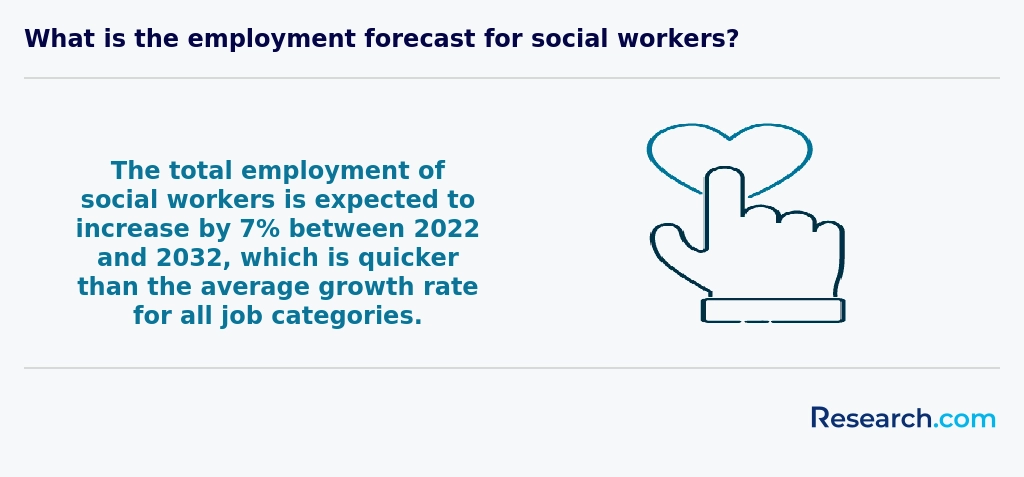
Employment projections by the U.S. Bureau of Labor Statistics anticipate a 12% growth rate in social work jobs from 2022 to 2032, driven partly by increasing demand for services influenced by global migration and health trends.
Gaining practical experience while studying for a social work degree in Saint Paul often involves completing internships or field placements, which are typically required by accredited programs. These placements allow students to work directly with local social service agencies, healthcare providers, or schools, providing hands-on experience.
Many Saint Paul institutions partner with organizations such as the Ramsey County Social Services Department, offering students opportunities to engage with diverse populations. According to the Council on Social Work Education (CSWE), over 90% of accredited programs include field education as a core component, emphasizing its importance for skill development.
Additionally, students can benefit from volunteer positions and part-time roles in nonprofits based in Saint Paul to further enhance their practical understanding of community needs.
Choosing the right concentration within a social work degree program in Saint Paul involves assessing your interests, career goals, and the community needs. Common concentrations include child and family welfare, mental health, and gerontology. Saint Paul has a diverse population, so selecting a focus that aligns with local social challenges can enhance job prospects.
Consider programs accredited by the Council on Social Work Education (CSWE), as this ensures quality education recognized nationwide. According to the Minnesota Department of Employment and Economic Development, social workers in the Twin Cities Metro, including Saint Paul, often specialize in healthcare or school social work.
Research available internships and field placements in your areas of interest, since practical experience is crucial in social work education. Exploring faculty expertise and local agency partnerships at Saint Paul institutions can also guide your decision. Matching concentration choices with current labor market data helps ensure relevance and employment opportunities after graduation.
Related Social Work Rankings for Nearby Cities
- 2027 Best Social Work Degree Programs Ranking in Minneapolis
- 2027 Best Social Work Degree Programs Ranking in Duluth
- 2027 Best Social Work Degree Programs Ranking in Dubuque
- 2027 Best Social Work Degree Programs Ranking in Milwaukee
- 2027 Best Social Work Degree Programs Ranking in Omaha
- 2027 Best Social Work Degree Programs Ranking in Aurora
- 2027 Best Social Work Degree Programs Ranking in Chicago
- 2027 Best Social Work Degree Programs Ranking in Grand Rapids
- 2027 Best Social Work Degree Programs Ranking in Lawrence
- 2027 Best Social Work Degree Programs Ranking in Saint Louis
Top Trending Social Work Rankings
See What Experts Have To Say About Studying Social Work
Read our interview with Social Work experts

References
- Social work certificates | edX https://www.edx.org/certificates/social-work-certificates
- Social Work https://al.edu.pl/en/studies/english-courses-for-erasmus-students/social-work
- Interdisciplinary Collaboration in Social Work and the ASWB Exam https://agentsofchangeprep.com/blog/interdisciplinary-collaboration-in-social-work-and-the-aswb-exam/
- Web Exclusive https://www.socialworktoday.com/archive/exc_081823.shtml
- Social Work Careers https://socialworklicensemap.com/social-work-careers/
- Social Work - SPPS Online School https://online.spps.org/middle-school-6-8/social-work
- Study Social Work Abroad | Go Overseas https://www.gooverseas.com/study-abroad/social-work
- Tripod Partners https://www.tripodpartners.com/career-advice/social-work/advancing-your-social-work-career-tips-for-promotion/
- 10 Careers for Social Work Majors https://www.umassglobal.edu/blog-news/careers-for-social-work-majors
- Social Work Internships https://www.stjude.org/education-training/professional-development/internships/social-work.html


