
2027 Best Social Work Degree Programs Ranking in Lawrence

Co-Founder and Chief Data Scientist
Choosing the right social work degree program in Lawrence can feel overwhelming. This article introduces the 2027 Best Social Work Degree Programs Ranking in Lawrence, created by the Research.com team of data scientists to help you make an informed decision.
Exploring this ranking will guide you toward programs that align with your goals, ensuring your education prepares you for a rewarding career. Pursuing a social work degree opens doors to meaningful work that truly makes a difference in communities.
Read on to discover options that inspire and empower your future.
Key benefits of getting social work degree in Lawrence
- Social work degree graduates in Lawrence can expect competitive salaries, with roles like Social Workers earning around $68,800 annually and Child Welfare Specialists earning about $59,190 yearly, offering financial stability and rewarding careers.
- Graduates from local universities often pursue diverse career paths, including Youth Worker and Community Organizer positions, where annual wages can reach $83,400, showcasing a wide range of fulfilling opportunities.
- Completing a social work degree online from a Lawrence-based university offers flexible schedules and convenience, allowing students to balance work and study while still accessing quality education and strong community support.
- Key benefits of getting social work degree in Lawrence
- What can I expect from social work degree in Lawrence?
- Where can I work with social work degree in Lawrence?
- How much can I make with social work degree in Lawrence?
- 2027 Best Social Work Degree Programs Ranking in Lawrence
- Key Findings
- How long does it take to complete social work degree in Lawrence?
- Kansas Social Work Licensing Requirements
- What's the difference between online and on-campus social work degree?
- Financial Considerations and Funding Opportunities for Social Work Students in Lawrence, KS
- What is the average cost of social work degree in Lawrence?
- Comprehensive Student Support and Campus Life
- What financial aid is available to social work degree students in Lawrence?
- Licensing and Certification Requirements for Social Workers in Kansas
- What are the prerequisites for enrolling in social work degree program in Lawrence?
- Licensing and Certification Pathways for Social Work Graduates in Kansas
- What courses are typically in social work degree programs in Lawrence?
- What types of specializations are available in social work degree programs in Lawrence?
- How do you choose the best social work degree in Lawrence?
- What career paths are available for social work degree students in Lawrence?
- What is the job market for social work degree in Lawrence?
- Top Trending Social Work Rankings
- See What Experts Have To Say About Studying Social Work
What can I expect from social work degree in Lawrence?
The average cost of pursuing a social work degree in Lawrence varies significantly depending on the institution and program level. At the University of Kansas, a prominent choice for local students, undergraduate tuition for a Bachelor of Social Work (BSW) typically ranges between $10,000 and $15,000 per year for in-state attendees. Graduates from this program often share how the investment felt manageable when balanced with financial aid and part-time work, allowing them to focus on coursework and valuable field placements.
For those pursuing a Master of Social Work (MSW), tuition costs are higher, ranging from approximately $15,000 to $25,000 annually. MSW students emphasize the importance of supervised fieldwork, which deepens their engagement and prepares them effectively for clinical roles. Many report that the comprehensive curriculum, combined with real-world experience, makes the financial commitment worthwhile given the positive career outcomes in Kansas' growing social services sector.
Overall, students in Lawrence can expect costs near regional averages but benefit from quality programs aligned with CSWE standards and supportive campus resources aimed at licensure success and professional readiness.
Where can I work with social work degree in Lawrence?
Graduates with a social work degree in Lawrence can expect diverse employment opportunities across sectors including community services, healthcare, education, and government programs. Lawrence Memorial Hospital frequently hires social workers to assist patients with medical and emotional challenges, requiring practical skills like care coordination and counseling. Graduates from the University of Kansas often find rewarding roles in child welfare agencies such as the Douglas County Department of Children and Families, working on foster care and family support initiatives.
Social work students from Lawrence's colleges report fulfillment in nonprofit organizations addressing poverty and domestic violence, for example with the Lawrence Douglas County Housing Authority. These positions involve advocacy and providing vital resources to vulnerable populations. Schools and local districts also employ social workers for crisis intervention and special education support-tasks that graduates describe as meaningful due to their direct positive effects on students' lives.
With a growing 12% job increase projected in Kansas by 2031, licensed social workers (LMSW or LCSW) are especially in demand, notably in government roles managing mental health and rehabilitation programs at city and state levels. Graduates appreciate the tangible community impact and stable career outlook available in Lawrence.
How much can I make with social work degree in Lawrence?
Graduates from social work programs in Lawrence, such as those at the University of Kansas, often find promising salary prospects aligned with their degrees. Social workers in Lawrence have a mean annual wage of about $68,800, reflecting roles that range from clinical social work to community support.
Entry-level social workers with a Bachelor's degree typically start closer to $40,000-$45,000 annually, but pursuing a Master of Social Work can boost starting salaries to between $55,000 and $70,000. Those who attain licensure as Licensed Clinical Social Workers (LCSWs) often see salaries rise further, sometimes earning $60,000 to $80,000 depending on experience and employer.
Specific career paths related to social work degrees also offer competitive earnings: Child Welfare Specialists and Residential Counselors earn an average of $59,190 annually, while Community Organizers and Youth Workers can expect around $83,400 per year. Graduates from Lawrence colleges share positive experiences about entering these roles, appreciating the balance of meaningful work and financial stability.
2027 Best Social Work Degree Programs Ranking in Lawrence
How do we rank schools?
Investing in your education is a significant decision that can shape your future, and the Research.com team understands the importance of making informed choices. To assist prospective students in Lawrence, we have meticulously crafted the "2027 Best Social Work Degree Programs Ranking in Lawrence." Our commitment to quality, credibility, and accuracy is reflected in the extensive research and analysis conducted to compile this ranking.
We utilized the following reputable data sources to ensure a comprehensive evaluation of social work degree programs:
By exploring this ranking, readers will gain valuable insights into the best social work degree programs available in Lawrence, helping them make well-informed decisions about their educational paths. For more details on our methodology, please visit our Research.com methodology page.

Key Findings
- Tuition for a Bachelor of Social Work in Lawrence ranges from $10,000 to $15,000 per year at public schools and $20,000 to $30,000 at private colleges.
- Master of Social Work programs typically cost between $15,000 and $25,000 annually in local Lawrence institutions.
- Social work employment in Lawrence is expected to grow about 12% over the next decade, matching national job growth trends.
- Starting salaries for social workers in Lawrence generally range from $40,000 to $50,000 per year, with experienced workers earning $60,000 to $70,000.
- Kansas licensing requires an accredited degree and supervised clinical hours to practice professionally in Lawrence.
How long does it take to complete social work degree in Lawrence?
In Lawrence, completing a Bachelor of Social Work (BSW) typically takes four years of full-time study, aligning with the standard undergraduate timeline across the U.S. Graduates from local universities often share how the balanced mix of classroom learning and 400 to 600 practicum hours gave them practical confidence in real-world social work settings. This hands-on experience is essential, allowing students to translate theory into impactful community service.
For those pursuing a Master of Social Work (MSW), full-time programs usually require two years after earning a bachelor's degree. Part-time options extend this to three or more years, providing flexibility for working students juggling jobs and family responsibilities. Students at Lawrence-area institutions appreciate this adaptability, which encourages steady progress without overwhelming personal commitments.
Accelerated MSW tracks, designed for students with a prior social work background, can reduce completion time to around one year, though these are less common in Lawrence. Graduates express a sense of accomplishment from finishing swiftly while maintaining rigorous practicum requirements, typically involving 900 or more field hours.
Post-graduation, licensure in Kansas demands additional supervised experience. Earning the LMSW credential extends the timeline but ensures graduates meet high professional standards to serve their communities effectively.
Kansas Social Work Licensing Requirements
To become a licensed social worker in Kansas, follow these key steps:
- LBSW: Earn a CSWE-accredited BSW; pass the ASWB Bachelor’s Exam; submit your application and fee to the Kansas Behavioral Sciences Regulatory Board.
- LMSW: Complete a CSWE-accredited MSW program; pass the ASWB Master’s Exam.
- LCSW: Accumulate at least 3,000 hours of supervised clinical practice post-MSW; pass the ASWB Clinical Exam.
For a faster pathway to your MSW, explore msw accelerated programs online.
What's the difference between online and on-campus social work degree?
Online social work programs in Lawrence offer notable flexibility, appealing to students juggling work or family. Graduates from the University of Kansas's online BSW report appreciating asynchronous classes that fit their busy schedules, enabling learning without sacrificing employment or childcare. These programs meet accreditation standards identical to on-campus ones, ensuring equivalence in educational quality.
Conversely, traditional on-campus programs at institutions like Haskell Indian Nations University provide direct interaction with professors and peers, which many graduates find invaluable for immediate feedback and deeper connections. The structured timing promotes accountability, and face-to-face access to campus resources like libraries and career services enhances support.
Both online and on-campus students complete internships with local Lawrence agencies, but on-campus learners often benefit from university-organized networking events, facilitating smoother placement. Tuition ranges around $8,500 to $12,000 annually for in-state public programs, with online options potentially lowering costs by eliminating commuting and housing. Reliable internet is essential for online students, while on-campus learners rely on campus tech assistance. These differences reflect distinct learning preferences and lifestyles in Lawrence's social work education.
Financial Considerations and Funding Opportunities for Social Work Students in Lawrence, KS
When considering a Social Work degree in Lawrence, KS, one crucial aspect to explore is the financial implications and available funding opportunities. Students can significantly benefit from understanding the various financial aid options, such as scholarships, grants, and loans, designed to support their educational journey. For instance, exploring affordable social work schools in kansas can provide valuable insights into managing educational expenses. Moreover, many institutions offer specialized financial assistance programs for social work students, such as the Sigler Family Aging Scholars Program, which not only provides financial aid but also enriching experiences tailored to specific interests in social work. By navigating these financial considerations and funding opportunities, prospective students can make informed decisions about their social work education in Lawrence, KS, and set themselves up for success in their future careers.
What is the average cost of social work degree in Lawrence?
The average cost of a social work degree in Lawrence is notably influenced by whether students attend as residents or non-residents. For residents, the median in-state total cost for completing a social work degree is approximately $12,102, reflecting the more affordable tuition and fees offered by public institutions such as the University of Kansas. Graduates who studied in Lawrence often recount feeling satisfied with the balance of quality education and manageable expenses, especially when compared to the significantly higher tuition fees faced by out-of-state students.
Non-resident students typically encounter a median total cost of about $41,800. This substantial gap highlights the financial advantage for Kansas residents pursuing social work locally. Such a difference can shape decisions around continuing education, with many students emphasizing the importance of budgeting for both tuition and additional costs like textbooks, field placements, and living expenses. These added expenses are critical when calculating the total tuition and fees social work Lawrence students should prepare for.
Popular social work programs in Lawrence, particularly at KU, provide a supportive learning environment that students appreciate for its blend of practical fieldwork and academic rigor. Many graduates highlight how affordable in-state tuition made their pursuit of social work both feasible and fulfilling. Prospective students should also explore available financial aid and resources detailed on university websites to ensure they are fully informed.
For those evaluating whether the investment is worthwhile, visiting research.com offers valuable insights that complement local tuition data, helping future social work professionals make confident, informed choices.

Comprehensive Student Support and Campus Life
Social work education is not solely about coursework and field placements-it’s equally enriched by the support services and campus culture that help students thrive both academically and personally. In Lawrence, KS, many social work programs offer robust student support systems that include dedicated academic advising, career counseling, mental health services, and peer mentoring programs. These resources empower students to overcome challenges, plan their professional futures, and build strong networks that last long after graduation. Institutions often host workshops on resume building, interview techniques, and licensure preparation, which are invaluable for a smooth transition into the workforce. Moreover, active student organizations and community outreach projects create an inclusive environment that fosters collaboration and personal growth, ensuring that students feel connected and supported throughout their academic journey. For those interested in advancing their careers through flexible learning options, programs that explore what are the best masters degrees in social work online provide innovative strategies to balance studies with professional commitments, enhancing both academic achievement and career readiness.
What financial aid is available to social work degree students in Lawrence?
Students pursuing social work degrees in Lawrence commonly rely on a mix of federal aid, state grants, and scholarships to manage tuition costs that typically range from $8,000 to $30,000 annually. At the University of Kansas, a popular choice for social work studies, many undergraduates benefit from Pell Grants, with about 40% of Kansas students qualifying. These grants require no repayment and are crucial for those balancing finances while studying.
Scholarships specific to social work, such as those offered by the Kansas Social Work Education Center (SWEC), provide targeted financial relief, easing the path for students eager to enter the profession. Graduates often recall how these awards made pursuing their degrees both feasible and motivating.
State-provided aid through the Kansas Board of Regents further supplements federal resources, particularly for students attending public institutions in Lawrence. Those enrolled in graduate programs frequently look toward loan forgiveness under the Public Service Loan Forgiveness (PSLF) program, which appeals to social work students dedicated to government or nonprofit roles in underserved communities.
Work-study opportunities, blending practical experience with financial support, are widely available and valued by Lawrence students for providing hands-on learning with manageable costs.
Licensing and Certification Requirements for Social Workers in Kansas
Obtaining the proper licensure is a critical step for social work graduates in Kansas to practice legally and advance their careers. In the state of Kansas, there are three main credentials you may pursue: • Licensed Bachelor Social Worker (LBSW): - Eligibility: Hold a CSWE-accredited BSW or a non-social work degree with 33 credit hours of social work coursework. - Exam: Pass the ASWB Bachelor’s exam. - Renewal: Every two years, requiring 30 hours of continuing education. • Licensed Master Social Worker (LMSW): - Eligibility: Earn a CSWE-accredited MSW. - Exam: Pass the ASWB Master’s exam. - Supervision: No post-degree supervised hours required for the LMSW, but recommended for professional development. - Renewal: Biennial renewal with 30 continuing education hours. • Licensed Clinical Social Worker (LCSW): - Eligibility: Hold an MSW and complete at least 3,000 hours of supervised clinical experience over a minimum of two years. - Exam: Pass the ASWB Clinical exam. - Supervision: Supervised by an LCSW or qualified supervisor, with documentation of therapy caseloads. - Renewal: Requires 30 continuing education hours, including ethics and clinical topics. Kansas Behavioral Sciences Regulatory Board oversees all applications, fees, and exam scheduling. Applicants should gather official transcripts, verification of supervised hours, and ASWB exam scores before submitting. For those exploring cost-effective program options, consider our Low Cost Online Bachelor's in Social Work Degree Programs Ranking in Kentucky, which highlights affordable pathways to meet educational licensure requirements. Continuous compliance with state rules and ongoing professional development ensures you remain in good standing and fully equipped to serve Kansas communities effectively.
What are the prerequisites for enrolling in social work degree program in Lawrence?
To enroll in social work degree programs in Lawrence, such as those at the University of Kansas, applicants must meet clear academic and experiential prerequisites. For undergraduate Bachelor of Social Work (BSW) programs, a high school diploma or GED is essential, with most programs recommending a GPA between 2.5 and 3.0. Graduates often reflect on how maintaining this GPA helped them build confidence in tackling the demanding curriculum they later encountered.
Prospective Master of Social Work (MSW) students need a bachelor's degree, not necessarily in social work but preferably with related coursework or experience in psychology or human services. Around them, graduates recall submitting GRE scores and crafting personal statements that illustrated their commitment to social justice and community impact. Letters of recommendation from academic or professional references typically play a critical role in the application, alongside relevant volunteer or work experience. Many remember how completing background checks was necessary before participating in fieldwork placements involving vulnerable populations.
These prerequisites ensure that students entering social work in Lawrence are academically prepared and driven to effectively serve their communities.
Licensing and Certification Pathways for Social Work Graduates in Kansas
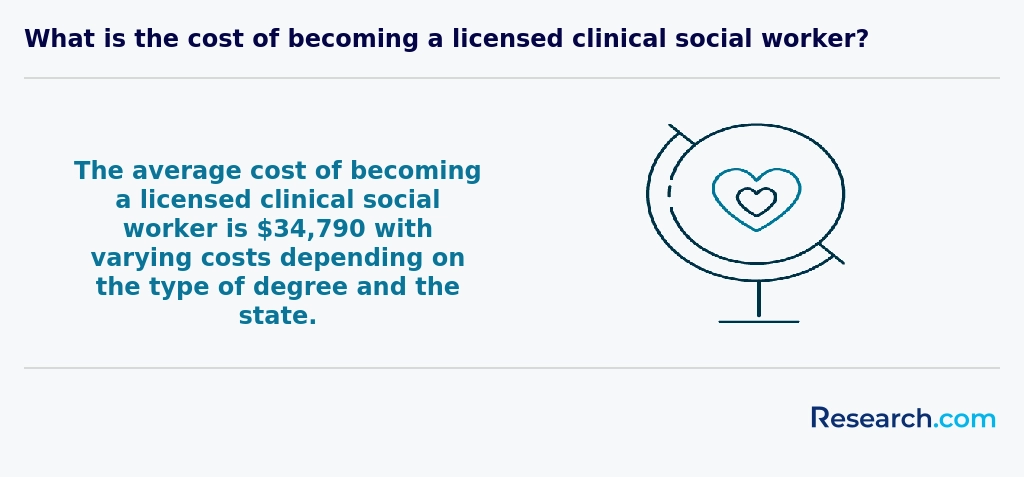
After earning your degree, obtaining the appropriate licensure is crucial for practicing social work professionally in Kansas. The Kansas Behavioral Sciences Regulatory Board (BSRB) oversees two main credentials: the Licensed Specialist Clinical Social Worker (LSCSW) and the Licensed Master Social Worker (LMSW). To qualify for the LMSW, graduates must: • Hold a CSWE-accredited Bachelor or Master of Social Work degree. • Complete at least 3,000 hours of supervised clinical experience under an approved supervisor. • Pass the ASWB Master’s level examination, covering ethics, assessment, and intervention strategies. For those pursuing clinical practice, the LSCSW requires an additional 1,500 hours of post-LMSW supervision and passage of the ASWB Clinical exam. Maintaining either license involves annual renewal and a minimum of 30 continuing education units (CEUs), with special emphasis on ethics and cultural competence. Prospective students aiming to fast-track licensure often compare program costs and flexibility. Graduates seeking a cost-effective path can explore online msw programs affordable to fulfill coursework requirements while balancing work or family commitments. These programs typically offer asynchronous classes and virtual field placements approved by the BSRB, ensuring your educational experience aligns with licensing prerequisites. Finally, staying informed about state regulations and exam deadlines is essential. Regularly visit the Kansas BSRB website for updates on CEU providers, application fees, and changes to exam content outlines. Building a strong relationship with your field supervisor will also streamline the supervision process and enhance your preparedness for both exams and real-world clinical practice.
What courses are typically in social work degree programs in Lawrence?
Social work degree programs in Lawrence commonly include courses that combine theory and practical skills essential for effective service delivery. Students at prominent institutions such as the University of Kansas frequently engage in Human Behavior and the Social Environment, which explores how psychological and social factors influence clients, a course that graduates recall as vital for empathizing with diverse populations.
Another core course is Social Welfare Policy and Services, where students analyze U.S. social programs impacting vulnerable groups. This coursework equips students to navigate complex policy landscapes, preparing them for real-world advocacy roles.
Graduates also emphasize the significance of Research Methods in Social Work, which introduces qualitative and quantitative techniques used to assess intervention effectiveness-skills that many found immediately applicable during their field practicum.
Practical training is reinforced with Field Education/Practicum placements at local agencies like Douglas County Mental Health, offering hands-on experience. These experiences foster confidence, a sense of purpose, and direct application of counseling and community organizational skills taught in courses such as Social Work Practice with Individuals and Families and Community Organization and Social Administration.
What types of specializations are available in social work degree programs in Lawrence?
Social work degree specializations in Lawrence typically include areas such as Child and Family Social Work, Mental Health and Substance Abuse, Healthcare Social Work, School Social Work, and Gerontology. Graduates from popular local universities often highlight how Child and Family Social Work allowed them to engage deeply with vulnerable youth and family welfare initiatives, reflecting Kansas' strong regional focus. Those pursuing Mental Health and Substance Abuse specialization benefit from training that responds to national trends where nearly 20% of adults face mental illness annually.
Healthcare Social Work prepares students to collaborate with hospitals and community health organizations in Lawrence, a rapidly growing sector. Meanwhile, School Social Work graduates feel empowered addressing academic and behavioral challenges in local public schools, which have a critical need for such expertise. Gerontology, reflecting the aging U.S. population, offers roles in elder care and advocacy, a rewarding path for many graduates. For those researching further, https://research.com/degrees/is-a-degree-in-social-work-worth-it provides useful insights into these educational pathways.
Best social work programs Lawrence options integrate these specializations with hands-on field placements aligned to community needs, enhancing both career prospects and practical impact in the region.
How do you choose the best social work degree in Lawrence?
Choosing the best social work degree programs in Lawrence involves verifying the Council on Social Work Education (CSWE) accreditation to ensure the degree is recognized by employers and licensing boards. Graduates from universities in Lawrence often highlight the value of programs that offer practical and relevant curriculum with specializations like child welfare or mental health, which align well with local community needs.
Cost is another crucial factor; affordable social work colleges Lawrence KS typically offer annual tuition between $7,000 and $12,000 for in-state students, particularly at public institutions such as the University of Kansas nearby. Many students appreciate the availability of financial aid and assistantships that help reduce financial burden while gaining valuable experience.
Hands-on practicum placements in Lawrence's social service centers and hospitals provide students with meaningful field experience, enhancing both confidence and employment prospects after graduation. Additionally, researching faculty expertise rooted in Midwestern social work helps students connect theory with practice more effectively.
Flexibility in scheduling, including evening or online classes, supports working adults pursuing degrees part-time. To gauge program quality, prospective students should also review licensing exam pass rates like the Licensed Social Worker (LSW). Relevant state requirements can be further explored via the iowa psychology licensing board.

What career paths are available for social work degree students in Lawrence?
Graduates with a social work degree from popular institutions in Lawrence, such as the University of Kansas, find diverse career paths aligned with the city's community needs. Employment opportunities range from child and family services agencies, where social workers provide vital counseling, to healthcare facilities like hospitals and mental health clinics serving patients coping with trauma. Public schools and universities also employ social workers to support students from various backgrounds, reflecting the practical training students receive locally.
Social work career opportunities in Lawrence often involve collaboration with agencies such as the Douglas County Community Mental Health Center, highlighting real-world engagement for graduates. Those holding an MSW and state licensure, including Licensed Master Social Worker (LMSW) or Licensed Clinical Social Worker (LCSW), are particularly in demand. Graduates report satisfaction in roles that combine clinical expertise with community outreach, especially in nonprofits addressing homelessness and substance abuse.
The job outlook for social workers in Lawrence is robust, with positions in private practice also available for licensed clinicians. Entry-level salaries typically range from $40,000 to $50,000 annually, improving with experience. For students interested in expanding credentials, the lpc salary iniowa resources offer insights into related counseling pathways that complement social work careers.

What is the job market for social work degree in Lawrence?
The social work jobs in Lawrence are positioned within a steadily growing market, driven by both regional demands and nationwide trends. Graduates from programs at institutions like the University of Kansas find employment opportunities increasing, especially in healthcare settings connected to the university's hospitals, local schools, and nonprofit organizations. Many graduates report rewarding experiences working directly with diverse populations, addressing mental health and social challenges firsthand.
Lawrence social work career outlook benefits from an average annual salary range of $45,000 to $60,000, reflecting both entry-level and clinical specializations. The close proximity to Kansas City further expands options, allowing some graduates to explore broader metropolitan employment possibilities. Navigating licensure and advanced credentials, such as through resources explaining the LPC board South Carolina, can significantly improve job prospects and salary potential.
Frequently Asked Questions About social work
Students pursuing social work degrees in Lawrence can enhance their learning by engaging deeply with both their coursework and the community. Active participation in field placements is essential, offering hands-on experience in local agencies such as the Douglas County Department of Health and Social Services. Research shows that practical exposure improves employment outcomes by 30% for social work graduates nationally (Council on Social Work Education, 2023).
Additionally, attending workshops and networking events at the University of Kansas, a major education center in Lawrence, helps students build professional connections and stay updated on regional social issues. Emphasizing interdisciplinary studies and utilizing campus resources can further strengthen skills vital for social work practice.
The field of social work in Lawrence is expanding into several specialized areas that address evolving community needs. One emerging niche is geriatric social work, focusing on the aging population, which is projected to grow by 15% in Kansas by 2030, according to state demographic reports. Another developing area is health care social work, where professionals assist patients navigating complex medical systems.
Additionally, behavioral health social work is gaining importance due to increasing awareness of mental health issues, supported by local health department data. Social workers specializing in substance abuse and trauma also see rising demand amid ongoing opioid crises in Douglas County. These niches offer focused career paths for students pursuing social work degrees in Lawrence.
After completing a social work degree in Lawrence, preparing effectively for the job market is crucial. Graduates should begin by securing internships or practicum experiences, which are often required during the degree and provide essential hands-on skills. Networking within local agencies like the Douglas County Department of Corrections or community health organizations can open doors to employment opportunities.
It is important to obtain licensure, such as the Licensed Bachelor Social Worker (LBSW) credential, recognized in Kansas. This licensure increases job prospects and professional credibility. According to the Bureau of Labor Statistics, social worker employment in Kansas is projected to grow 13% from 2021 to 2031, reflecting a strong demand in areas including Lawrence.
Graduates should also refine skills in grant writing, case management software, and cultural competency to align with employer expectations. Joining professional associations like the Kansas Chapter of the National Association of Social Workers (NASW) can provide valuable resources and continuing education opportunities.
Employers in Lawrence prioritize several key skills when hiring social work degree graduates. Strong communication abilities are essential, as social workers must interact effectively with diverse populations, including clients, families, and healthcare professionals. Critical thinking and problem-solving skills are also vital, enabling graduates to assess complex situations and develop appropriate intervention plans.
According to data from the Kansas Department for Children and Families, cultural competency is increasingly important due to the region's growing diversity. Employers also value knowledge of local social services and resources to ensure effective client support. Additionally, proficiency in documentation and case management software is frequently cited as a necessary technical skill within the Lawrence job market.
Finding internships in Lawrence relevant to a social work degree involves several key steps. Start by researching local social service agencies, nonprofits, and government organizations, as Lawrence hosts many such opportunities for hands-on experience. For example, Douglas County agencies often partner with universities to provide internship placements.
Students should visit the career services office at their institution, which can connect them with approved internship programs that meet educational requirements. Networking with faculty advisors and attending local social work events in Lawrence can also uncover hidden internship opportunities.
Additionally, monitoring job boards specific to social work, such as the National Association of Social Workers (NASW) Kansas chapter, increases chances of finding internships. According to recent NASW-Kansas reports, internship placements in Lawrence have grown by approximately 15% over the past three years, reflecting expanded community support for social work students.
In Lawrence, earning a social work degree significantly enhances career mobility and advancement opportunities. According to data from the Bureau of Labor Statistics, social workers in Kansas, including Lawrence, are projected to see a 12% growth in employment from 2022 to 2032, faster than the national average. This growth opens pathways to diverse roles such as clinical social workers, school counselors, and healthcare coordinators.
Obtaining a Bachelor's or Master's in Social Work (BSW or MSW) is often a minimum requirement for higher-level positions and licensure in Kansas. Licensure enhances eligibility for specialized fields, which offer better salaries and leadership roles. Local agencies and nonprofits in Lawrence prioritize candidates with accredited degrees, further supporting career progression.
Studying for a social work degree in Lawrence equips students with essential skills for interdisciplinary roles by emphasizing collaboration with diverse professionals such as healthcare workers, educators, and legal experts. Local programs integrate practical fieldwork with coursework that covers mental health, public policy, and community resources, fostering a broad understanding of interconnected systems. According to the University of Kansas School of Social Welfare, nearly 70% of their students engage in interdisciplinary projects during their studies.
This approach reflects the growing demand in Lawrence's social service sector, where agencies increasingly require teamwork across fields to address complex social issues effectively.
When choosing between a thesis and a non-thesis social work degree program in Lawrence, consider your career goals carefully. A thesis option involves conducting original research and writing a detailed paper, which is ideal for students interested in pursuing doctoral studies or research-focused jobs.
On the other hand, non-thesis programs usually emphasize practical skills and fieldwork, which may be more suitable if you aim to enter clinical practice or direct social work roles immediately after graduation.
In Lawrence, many accredited programs offer both options, allowing flexibility based on your learning preferences and professional plans.
According to the Council on Social Work Education, thesis-based students often spend an additional 6 months to a year completing their projects, which may affect your timeline and finances.
Students in Lawrence seeking to study social work abroad have several academic options through their home institutions and affiliated programs. The University of Kansas, located near Lawrence, offers study abroad opportunities focusing on social work practices in countries like the UK, Australia, and Spain. These programs often include hands-on internships or service-learning components.
Additionally, many schools encourage participation in exchange programs or dual-degree options with international partner universities. According to the Council on Social Work Education, over 30% of accredited US social work programs provide structured overseas study components, which can enrich a student's understanding of global social issues.
Financial aid or scholarships for studying abroad are frequently available, especially for students enrolled in accredited programs near Lawrence. Students should consult academic advisors to identify suitable international programs aligned with their career goals.
Students pursuing social work degrees in Lawrence can find valuable part-time job opportunities that enhance both their education and practical skills. Local social service agencies, nonprofits, and healthcare facilities often seek assistants or case aides. These roles provide experience in client interaction, case management, and resource coordination.
Additionally, Lawrence's public schools sometimes hire paraprofessionals or counselors' aides, offering direct exposure to youth-related social work.
According to the Kansas Department for Children and Families, employment in social assistance roles in the Lawrence area grew by 5% from 2021 to 2023, reflecting rising demand.
These positions not only support academic learning but also improve students' resumes for future social work licensure.
Social work students in Lawrence benefit from various networking opportunities that enhance their educational experience and career prospects. The University of Kansas, located nearby, hosts events and workshops connecting students with local agencies and professionals in the social work field. These gatherings often include guest speakers, panel discussions, and mentorship programs tailored for social work students.
Additionally, students can join the Kansas Chapter of the National Association of Social Workers (NASW), which offers access to statewide conferences and networking events. Participation in local volunteer organizations and internships within Lawrence also provides practical connections to community leaders and potential employers.
According to the NASW Kansas Chapter, over 60% of social work students in the region report increased job opportunities through active engagement in these networks. This localized support system helps students build professional relationships essential for their future careers.
Alumni networks play a significant role in supporting social work degree students in Lawrence. Graduates often offer mentorship, sharing practical insights from their experiences in local agencies and community organizations. This guidance helps current students navigate academic challenges and career planning more effectively.
Networking opportunities through alumni events and platforms can connect students with potential internships and job openings specific to Lawrence's social work field. According to the National Association of Social Workers (NASW), strong professional connections can improve employment rates by up to 25% for recent graduates.
Additionally, alumni often contribute to curriculum development based on evolving regional social issues, keeping programs aligned with local workforce needs.
In Lawrence, students pursuing social work degrees can tailor their education to match specific career goals by selecting electives, specializations, and field placements that align with their interests. Many programs offer options such as child welfare, mental health, or community development, allowing students to gain targeted knowledge.
Engaging in internships with local organizations, like the Douglas County Department of Social Services, provides practical experience tailored to different social work areas. Additionally, students can choose between Bachelor of Social Work (BSW) or Master of Social Work (MSW) programs based on their career level and aspirations.
Accredited programs within Kansas ensure students meet licensing requirements, essential for practicing in Lawrence and beyond.
Social work students in Lawrence face several common challenges during their studies. One major difficulty is balancing rigorous coursework with field placements, which typically require 400-600 hours at local agencies. These placements can be demanding and stressful, as students work with vulnerable populations under supervision.
Additionally, financial strain is a concern. A 2023 report from the Kansas Board of Regents noted that approximately 48% of social work students in the state rely on loans or part-time jobs to cover tuition and living expenses in cities like Lawrence.
Another challenge is managing emotional fatigue. Exposure to clients' struggles during internships often leads to compassion fatigue and burnout, issues widely reported in the profession.
Graduates with a social work degree in Lawrence can pursue various professional certifications to enhance their careers. The most common certification is the Licensed Master Social Worker (LMSW), which allows practice under supervision across Kansas. Another key credential is the Licensed Clinical Social Worker (LCSW), enabling independent clinical practice after meeting experience requirements. Certifications such as Certified School Social Work Specialist (C-SSWS) are also available for those interested in educational settings. According to the Kansas Behavioral Sciences Regulatory Board, over 1,500 social workers hold licenses statewide, reflecting steady local demand. These certifications increase employment opportunities in health care, schools, and community agencies.
Applying to a social work program in Lawrence requires careful preparation. Start by researching accredited programs, such as those listed by the Council on Social Work Education (CSWE). Most programs require a strong academic record, particularly in courses related to psychology, sociology, and human services.
Applicants should craft a clear, personal statement explaining their motivations and experiences related to social work. Highlighting volunteer work or professional exposure to community services in Lawrence can strengthen the application.
Letters of recommendation should come from academic or professional sources familiar with your commitment to social work.
Also, be mindful that many programs in Kansas, including those in Lawrence, value candidates who demonstrate cultural competence and local community awareness, which can be emphasized in essays and interviews.
Social work is recognized globally as a vital profession addressing social justice, human rights, and community well-being. In the United States, including Lawrence, social workers engage with diverse populations facing challenges such as poverty, mental health, and substance abuse. The Council on Social Work Education (CSWE) sets national standards for accredited degrees, ensuring graduates meet global competencies.
Internationally, social work careers emphasize cultural competency and ethical practice, values echoed in U.S. programs. According to the Bureau of Labor Statistics, social work employment in Kansas is projected to grow 12% through 2031, reflecting expanding service needs. Lawrence's growing community demands trained social workers prepared to address both local and global issues.
Students pursuing social work degrees in Lawrence gain skills transferrable worldwide, aligning with global social work organizations like the International Federation of Social Workers, which promotes shared methods and ethics.
Students pursuing social work degrees in Lawrence can gain practical experience through internships and field placements, which are typically required components of accredited programs. These placements often partner with local agencies such as Douglas County Mental Health and The Lawrence Community Shelter, offering real-world exposure. According to the Council on Social Work Education (CSWE), students usually complete between 400 and 900 hours in fieldwork, providing hands-on training.
Additionally, Lawrence's proximity to social service organizations allows students to volunteer or work part-time, enhancing their skills. Networking with professionals through local events also helps in securing these opportunities. Practical experience is essential for licensure and employment after graduation.
Choosing the right concentration within a social work degree program in Lawrence involves assessing your interests and career goals. Common concentrations include clinical social work, policy and advocacy, and community organization. Each area prepares you for distinct roles, from therapy and counseling to program development.
Consider local workforce trends: according to the Kansas Department of Labor, Lawrence has a growing need for clinical social workers due to regional mental health initiatives. Exploring concentrations aligned with local demand can improve job prospects.
Additionally, review Lawrence-based schools' faculty expertise and internship opportunities. Practical experience in nearby agencies is essential for licensure and skill-building.
Finally, reflect on your personal strengths and the populations you wish to serve, as this will guide your specialization choice.
Related Social Work Rankings for Nearby Cities
- 2027 Best Social Work Degree Programs Ranking in Wichita
- 2027 Best Social Work Degree Programs Ranking in Springfield
- 2027 Best Social Work Degree Programs Ranking in Omaha
- 2027 Best Social Work Degree Programs Ranking in Saint Louis
- 2027 Best Social Work Degree Programs Ranking in Little Rock
- 2027 Best Social Work Degree Programs Ranking in Dubuque
- 2027 Best Social Work Degree Programs Ranking in Aurora
- 2027 Best Social Work Degree Programs Ranking in Minneapolis
- 2027 Best Social Work Degree Programs Ranking in Saint Paul
- 2027 Best Social Work Degree Programs Ranking in Chicago
Top Trending Social Work Rankings
See What Experts Have To Say About Studying Social Work
Read our interview with Social Work experts

References
- Ethical challenges for social workers during Covid-19: A global perspective https://www.ifsw.org/ethical-challenges-for-social-workers-during-covid-19-a-global-perspective/
- MSW Specializations: Clinical, Macro, Advanced Generalist Programs https://www.masterofsocialwork.com/resources/msw-specializations
- Grand Challenges for Social Work https://grandchallengesforsocialwork.org/
- 10 Careers for Social Work Majors https://www.umassglobal.edu/blog-news/careers-for-social-work-majors
- St. Lawrence College Kingston - Full-Time Social Service Worker | CourseCompare.ca https://www.coursecompare.ca/courses/kingston/st-lawrence-college/social-service-worker-21/
- Preparing For A Career In Social Work: Tips For New Graduates https://www.tripodpartners.com/career-advice/social-work/preparing-for-a-career-in-social-work-tips-for-new-graduates/
- Social Work https://al.edu.pl/en/studies/english-courses-for-erasmus-students/social-work
- Guide to Careers in Social Work https://www.onlinemswprograms.com/careers/
- Social work certificates | edX https://www.edx.org/certificates/social-work-certificates
- Interdisciplinary Collaboration in Social Work and the ASWB Exam https://agentsofchangeprep.com/blog/interdisciplinary-collaboration-in-social-work-and-the-aswb-exam/


