
2027 Most Affordable Social Work Degree Programs Ranking in Arkansas

Co-Founder and Chief Data Scientist
Choosing the right social work degree program in Arkansas can feel overwhelming. To help, this article highlights the 2027 Most Affordable Social Work Degree Programs Ranking in Arkansas, created by the Research.com team of data scientists.
It offers clear, data-driven insights to guide your decision on which programs give you the best value. Pursuing a social work degree opens doors to meaningful careers that make a real difference.
Reading this ranking can empower you to invest in your future with confidence and take the first step toward a rewarding path.
Key benefits of getting social work degree in Arkansas
- Salary: Graduates with a social work degree in Arkansas can expect competitive salaries, such as $68,800 annually for Social Workers and up to $83,400 for Community Organizers and Youth Workers, reflecting strong earning potential in this field.
- Career paths: Social work graduates from Arkansas State University often find rewarding roles in child welfare, counseling, or community organizing, offering diverse opportunities to make a positive impact in various settings.
- Online degree benefits: Earning a social work degree online from the University of Arkansas allows for flexible scheduling and balancing work or family commitments, making education more accessible without compromising quality.
- Key benefits of getting social work degree in Arkansas
- What can I expect from social work degree in Arkansas?
- Where can I work with social work degree in Arkansas?
- How much can I make with social work degree in Arkansas?
- 2027 Most Affordable Social Work Degree Programs Ranking in Arkansas
- Key Findings
- How long does it take to complete social work degree in Arkansas?
- Licensing and Certification Requirements in Arkansas
- What's the difference between online and on-campus social work degree?
- Enhancing Your Social Work Journey: Tips for Success and Professional Growth
- What is the average cost of social work degree in Arkansas?
- Choosing the Right Social Work Program in Arkansas
- What financial aid is available to social work degree students in Arkansas?
- Return on Investment for Social Work Degrees in Arkansas
- What are the prerequisites for enrolling in social work degree program in Arkansas?
- Return on Investment: Evaluating the Value of a Social Work Degree in Arkansas
- What courses are typically in social work degree programs in Arkansas?
- What types of specializations are available in social work degree programs in Arkansas?
- How do you choose the best social work degree in Arkansas?
- What career paths are available for social work degree students in Arkansas?
- What is the job market for social work degree in Arkansas?
- Related Social Work Rankings for Nearby States
- Top Trending Social Work Rankings
- See What Experts Have To Say About Studying Social Work
What can I expect from social work degree in Arkansas?
The average cost of obtaining a social work degree in Arkansas varies depending on the institution and degree level. For example, students attending universities known for their social work programs, such as the University of Arkansas or Arkansas State University, often face annual tuition fees ranging from approximately $7,000 to $10,000 for in-state undergraduates pursuing a Bachelor of Social Work (BSW). Graduates commonly report balancing these costs with financial aid and scholarships, which help ease the financial burden.
Master of Social Work (MSW) programs, typically offered at these institutions, tend to have higher tuition, averaging between $12,000 and $18,000 per year for in-state students. Graduates recall the investment as worthwhile, citing extensive hands-on fieldwork-involving 400 to 900 supervised hours-that deepens practical skills. This experiential learning often occurs in settings like hospitals and social service agencies, making the education highly valuable despite the cost.
Such costs reflect Arkansas's overall affordability relative to national averages and align with the state's median social worker salary of around $50,000. Many students express confidence in their career opportunities post-graduation due to the state's projected employment growth of 10% for social workers through 2030.
Where can I work with social work degree in Arkansas?
Graduates with a social work degree from Arkansas institutions such as the University of Arkansas at Little Rock and Arkansas State University find well-defined career pathways across multiple sectors. Employment data reveals that around 3,070 social workers are active statewide, primarily within healthcare and child welfare. Many recent graduates share how their hands-on internships in hospitals and clinics prepared them for roles assisting patients with discharge planning and mental health support, meeting the growing demand in Arkansas's aging healthcare system.
Social work graduates also frequently join agencies like the Arkansas Department of Human Services, managing child protective services and adoption programs. Field placements in these agencies give students firsthand experience investigating abuse reports and supporting families in crisis, a role requiring at least a bachelor's degree and licensure. Graduates from public universities note satisfaction in school social work positions, collaborating with educators and families to foster student well-being.
Nonprofits and government roles offer additional rewarding opportunities, such as working with veterans, juvenile justice, or homelessness programs. These settings often enhance graduates' sense of purpose, applying their skills to diverse community challenges while meeting state licensure standards. Arkansas's range of practical settings grounds social work education in real-world impact.
How much can I make with social work degree in Arkansas?
Graduates with social work degrees from Arkansas universities often enter the workforce with salary expectations influenced by their specialization and location. The mean annual wage for social workers in Arkansas is approximately $68,800, aligning closely with the national data. For example, those specializing as Child Welfare Specialists or Residential Counselors can anticipate salaries near $59,190 annually, while roles such as Community Organizer or Youth Worker typically offer higher mean wages around $83,400.
Many graduates from prominent Arkansas programs, like those at the University of Arkansas or Arkansas State University, report starting their careers in entry-level roles earning between $35,000 and $40,000, but quickly see growth potential especially if they pursue licensure or advanced degrees.
Licensed clinical social workers often exceed $65,000 annually, with those in private practice or urban centers like Little Rock experiencing even greater earning potential. This positive trajectory reflects the growing demand for skilled social workers throughout Arkansas, fostering both financial stability and meaningful career progress.
2027 Most Affordable Social Work Degree Programs Ranking in Arkansas
How do we rank schools?
Investing in your education is a significant decision that can impact your future, and the Research.com team recognizes the importance of making well-informed choices. To support prospective students in Arkansas, we have carefully developed the "2027 Most Affordable Social Work Degree Programs Ranking in Arkansas." Our dedication to quality, credibility, and accuracy is demonstrated through rigorous research and analysis conducted to assemble this ranking.
We utilized the following reputable data sources to ensure a comprehensive evaluation of social work degree programs:
By exploring this ranking, readers will gain valuable insights into the most affordable social work degree programs in Arkansas, empowering them to make informed decisions about their educational investment. For more details on how this ranking was created, please visit our Research.com methodology page.


# 6 position
University of Arkansas-Fort Smith
Bachelor of Social Work


# 10 position
University of Arkansas at Monticello
Bachelor of Science in Social Work

Key Findings
- Annual tuition for a bachelor's degree in social work at public Arkansas schools ranges from $6,000 to $9,000 for in-state students, while private schools usually cost more.
- Master of Social Work (MSW) programs typically cost between $10,000 and $20,000 per year, depending on the institution and residency.
- Starting salaries for Bachelor of Social Work (BSW) graduates average around $38,000 per year in Arkansas.
- Mid-career social workers with MSW degrees and licensure earn between $50,000 and $55,000 annually, with experienced workers making over $60,000.
- Employment for social workers in Arkansas is expected to grow by 8% over the next decade, especially in healthcare, child welfare, mental health, and schools.
- State licensure is often required for clinical social work roles, making accredited programs and supervised fieldwork important for career preparation.
How long does it take to complete social work degree in Arkansas?
Completing a social work degree in Arkansas typically requires four years for a Bachelor of Social Work (BSW), as experienced by graduates from institutions like the University of Arkansas at Little Rock. These students often balance rigorous coursework with field practicum hours, gaining hands-on experience that prepares them for real-world challenges. For those pursuing a Master of Social Work (MSW), full-time study usually takes about two years, though accelerated programs can shorten this to one year for students holding a BSW.
Part-time MSW students often extend their studies to three or four years, managing coursework alongside personal and professional commitments. This flexible pacing is common for working Arkansans aiming to advance their careers without sacrificing income. Doctoral degrees such as PhD or DSW programs demand a more extended commitment, typically three to six years, geared toward research and academic roles which fewer students pursue.
Arkansas social work programs require 400 to 900 hours of supervised fieldwork, reinforcing learning through meaningful, real-world service. Graduates frequently report a strong sense of accomplishment and readiness fueled by these hands-on experiences.
Licensing and Certification Requirements in Arkansas
Licensure ensures social workers meet state standards for safe, ethical practice.
- CSWE-Accredited Degree: Complete a BSW or MSW in social work (consider 1 year msw programs online for accelerated pathways).
- Supervised Practice: LMSW requires 1,000 post-graduate supervised hours; LCSW requires 3,000 clinical hours over at least two years.
- ASWB Examination: Pass the ASWB LMSW exam for initial licensure or the Clinical exam for advanced practice.
- Renewal & CEUs: Renew every two years and complete 30 continuing education units.
What's the difference between online and on-campus social work degree?
Online social work degrees in Arkansas offer flexibility ideal for working adults or parents balancing commitments. Graduates from the University of Arkansas at Little Rock recall appreciating the ability to access lectures and complete assignments on their own schedules, minimizing relocation and commuting costs. Tuition typically ranges from $8,000 to $12,000 annually for in-state students, making these programs financially accessible.
Conversely, on-campus programs, such as those at the University of Arkansas for Medical Sciences (UAMS), emphasize face-to-face interaction and structured learning. Students value the direct access to faculty and resources, as well as organized field placements that support practical skill development. These programs often follow traditional semester systems, fostering consistent engagement through community involvement and peer collaboration.
Both formats require field practicum hours for licensure, but online students must independently secure supervised practice sites, whereas on-campus students usually receive institutional assistance. Despite similar tuition levels, on-campus attendees may incur additional housing and transportation fees, while online students invest more in technology and internet reliability.
Enhancing Your Social Work Journey: Tips for Success and Professional Growth
In addition to choosing an affordable and accredited program, succeeding in social work requires strategic planning and proactive engagement with your educational and professional environment. Students should actively seek mentorship from faculty members and leverage networking opportunities by joining professional organizations and attending local and national conferences. Engaging in internships or volunteer work not only builds practical experience but also expands your professional network, which can be vital for securing fulfilling job placements upon graduation. Developing strong soft skills-such as critical thinking, empathy, and effective communication-is essential. These skills are cultivated not only through classroom learning but through consistent feedback during field placements and real-world problem-solving experiences. Furthermore, familiarizing yourself with the licensing process and professional certification requirements early on can streamline your journey toward becoming a licensed social worker. For further insights on how to combine academic rigor with career flexibility, consider checking out the most affordable cswe-accredited online msw programs; many of these programs provide robust online support while ensuring high-quality education. Embracing these strategies will empower you to navigate challenges confidently and excel in your future career within the dynamic field of social work.
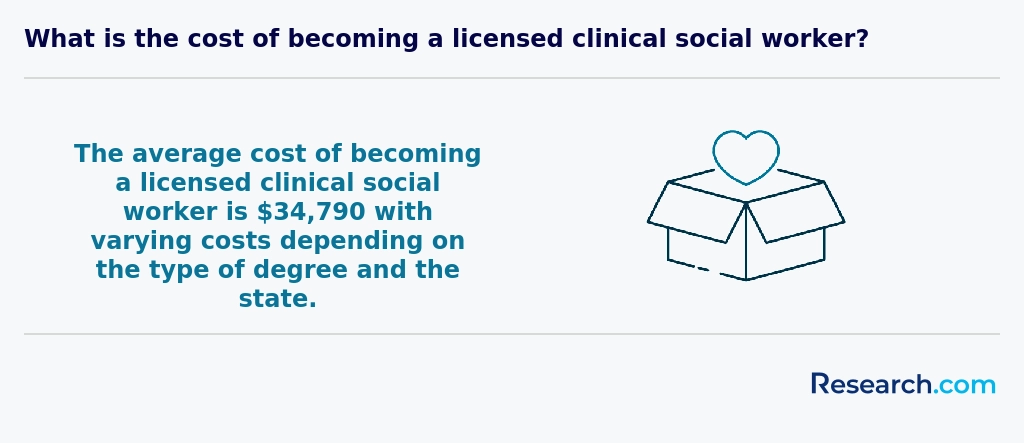
What is the average cost of social work degree in Arkansas?
The average cost of a social work degree in Arkansas varies depending on residency status and program level. For in-state students pursuing undergraduate degrees at public universities such as the University of Arkansas at Little Rock or Arkansas State University, the median in-state total cost is approximately $9,748. Graduates recall feeling a sense of accomplishment knowing they accessed quality education without overwhelming debt. Out-of-state students face higher expenses, with median total costs nearing $26,932, reflecting the typical out-of-state tuition fees.
Graduate students pursuing a Master of Social Work often encounter tuition costs between $10,000 and $15,000 per year at Arkansas public institutions. This makes social work degree tuition and fees Arkansas comparatively affordable when measured against national averages. Arkansas graduates frequently discuss the financial relief of manageable tuition, which allowed them to focus more on building practical skills and engaging with community work.
Beyond tuition, students must consider additional costs like fees, textbooks, and materials, which can add several hundred to a few thousand dollars annually. Many students leverage scholarships, financial aid, and work-study programs designed for social work majors. Part-time attendance options provide flexibility, enabling students to balance work and study while managing expenses effectively. Prospective students interested in the best social work school in arkansas can explore options that fit their budget and schedule at best social work school in arkansas.
Choosing the Right Social Work Program in Arkansas
When selecting a social work degree program in Arkansas, it is essential to consider several factors that can significantly impact your educational journey and future career. One crucial aspect is accreditation, ensuring the program is recognized by the Council on Social Work Education (CSWE), which is vital for licensure and employment opportunities. Prospective students should also examine the curriculum for alignment with their career aspirations, including specializations such as best social work school in arkansas, and the availability of field experience, which provides practical, hands-on training. Additionally, the expertise and background of faculty members, as well as the support services offered by the institution, such as academic advising and career counseling, are critical in shaping the educational experience. By carefully evaluating these factors, students can make informed decisions that align with their personal and professional goals in the field of social work.
What financial aid is available to social work degree students in Arkansas?
Social work students in Arkansas attending universities like the University of Arkansas or Arkansas State University can access various financial aid options to make their education affordable. Federal aid through the FAFSA is critical, with Pell Grants helping many undergraduates cover tuition without needing to repay. Graduate students pursuing an MSW often rely on Direct Unsubsidized Loans and Grad PLUS Loans to manage costs, typically ranging from $7,000 to $15,000 annually for in-state tuition.
State-specific programs, such as the Arkansas Academic Challenge Scholarship, play a significant role in reducing tuition, especially for those enrolled in public institutions. Graduates frequently mention how these scholarships, combined with departmental awards from their schools, alleviated financial pressure and allowed them to focus on studies instead of debt.
Beyond grants and loans, several local healthcare and nonprofit employers in Arkansas offer tuition reimbursement or loan repayment assistance, particularly for graduates working in rural or underserved communities. This not only eases financial burdens but also fosters rewarding career paths, reflecting the state's growing demand for social workers.
Return on Investment for Social Work Degrees in Arkansas
Investing in a Social Work degree in Arkansas requires careful consideration of both upfront costs and long-term earnings potential. On average, a Bachelor of Social Work (BSW) program in the state costs between $25,000 and $35,000 in tuition and fees, while a Master of Social Work (MSW) can range from $29,000 to $54,000. Factoring in living expenses and licensure fees, total educational debt for MSW graduates often falls between $40,000 and $60,000. However, entry-level social workers in Arkansas earn a mean annual wage of $64,360, allowing most graduates to reach break-even within five to seven years, assuming standard repayment plans. Graduates who pursue specialized roles such as Child Welfare Specialists, with average salaries of $56,680, or clinical social workers, with median incomes exceeding $70,000 after licensure, can further shorten this payback period. Career advancement and salary growth are closely tied to advanced credentials and continued professional development. For example, MSW holders who obtain Licensed Clinical Social Worker (LCSW) status typically see a 10–20% salary increase within three years of licensure. Those aiming for leadership or policy-making positions may consider doctoral-level qualifications; professionals looking to augment their credentials can explore online dsw programs with financial aid, which often offer competitive tuition rates and flexible formats to minimize additional debt. When assessing ROI, students should compare projected earnings against total cost of attendance, factoring in potential scholarship awards, employer tuition assistance, and public service loan forgiveness programs. Ultimately, the return on investment for social work education in Arkansas is strong: steady job growth, competitive starting salaries, and clear pathways for salary increases through licensure and advanced degrees all contribute to a favorable financial outlook. Prospective students are encouraged to use net price calculators, consult financial aid advisors, and analyze average salary data for their desired specialization to make informed decisions that align educational expenses with career goals.
What are the prerequisites for enrolling in social work degree program in Arkansas?
Enrolling in a social work degree program in Arkansas requires distinct academic and experiential prerequisites that ensure student readiness. For Bachelor of Social Work (BSW) programs at institutions such as the University of Arkansas at Little Rock or Arkansas State University, applicants must hold a high school diploma or GED and submit official transcripts confirming completion of foundational courses. Graduates from these programs often recall how a strong background in psychology and sociology helped them adapt quickly to rigorous coursework.
Master of Social Work (MSW) programs demand a bachelor's degree, with many Arkansas graduates highlighting the advantage of having a related undergraduate major. A competitive GPA, typically around 3.0, is essential, and candidates are often required to provide letters of recommendation and a detailed personal statement describing their commitment to social work goals. Additionally, practical experience-volunteering or working in social services-strengthens applications and offers real-world context vital for success.
Applicants should also expect background checks, reflecting the sensitive nature of social work involving vulnerable populations. Most Arkansas programs hold accreditation from the Council on Social Work Education (CSWE), which graduates praise for ensuring curriculum relevance and enhancing future licensure prospects.
Return on Investment: Evaluating the Value of a Social Work Degree in Arkansas
Investing in a Social Work degree in Arkansas yields a competitive return when you consider program costs against career earnings. With average total tuition ranging from $29,000 at public institutions to $54,000 at private colleges, and mean entry‐level salaries between $56,680 (Child Welfare Specialist) and $64,360 (Social Worker), graduates can expect a payback period of approximately 4–8 years. Factoring in federal loan forgiveness programs, employer tuition assistance, and graduate assistantships, the net cost of attendance can decrease significantly, enhancing overall ROI. Key factors influencing ROI include: • Annual mean wage: $64,360 (approximately $30.94/hour) • Typical program cost: $29,000–$54,000 • Payback period: 4–8 years, depending on aid and specialization • Long-term growth: 7% projected job growth (2022–2032) with specialized fields (mental health, substance abuse) growing by 11% For students comparing regional affordability and outcomes, it’s useful to explore how Arkansas programs stack up against other markets. For example, see the Most Affordable Social Work Degree Programs Ranking in Baltimore, MD to gauge variations in cost structures, salary prospects, and financial aid offerings across states. By aligning your budget, specialization choice, and career goals, you can maximize both the financial and social impact of your Social Work education.
What courses are typically in social work degree programs in Arkansas?
Social work degree programs in Arkansas, such as those at the University of Arkansas and Arkansas State University, include core courses essential for effective practice in diverse social settings. Graduates often highlight classes like Human Behavior and the Social Environment, which help explain how psychological and social factors affect individuals they will serve. Another key course is Social Welfare Policy and Services, offering insight into how public policies shape client support systems.
Students find the Introduction to Social Work course particularly valuable for understanding the profession's values and ethical standards, which they apply directly during field placements. Practical training through Field Education or Practicum ensures readiness for licensure and real-world challenges, boosting confidence among those working with families or groups.
Arkansas social work programs also focus on local issues. Specialized courses on substance abuse and rural service delivery enable graduates to connect empathically with communities, enhancing their motivation and sense of purpose. These practical and theoretical components together prepare students thoroughly for active roles in Arkansas's social work workforce.
What types of specializations are available in social work degree programs in Arkansas?
Social work degree specializations in Arkansas provide focused training that reflects the state's diverse community needs. Among the most prevalent is clinical social work, where graduates from universities in Arkansas report satisfaction in helping clients through mental health therapy, often advancing to become Licensed Clinical Social Workers (LCSW). This specialization aligns with local demand for licensed professionals in therapeutic roles.
Arkansas accredited social work programs with specializations also emphasize child and family social work, which prepares students to engage in foster care systems and family support services. Graduates often describe fulfilling experiences working directly with vulnerable children and families, supported by coursework on state child welfare policies at institutions well-known in Arkansas.
Community and public health social work is gaining importance due to Arkansas's rural health challenges, with students actively participating in preventive care projects. Additionally, programs frequently offer specializations in school social work, gerontological social work, and substance abuse counseling.
Prospective students can explore the most affordable cswe-accredited online msw programs that incorporate these targeted tracks and cater to Arkansas residents seeking impactful careers in social work.
How do you choose the best social work degree in Arkansas?
Selecting the best social work degree in Arkansas requires careful evaluation of accreditation, cost, and program offerings. Graduates from the University of Arkansas at Little Rock emphasize the importance of attending CSWE-accredited programs, as this ensures eligibility for licensure and quality education. Tuition costs at Arkansas public universities typically range between $8,000 and $10,000 annually, offering more affordable options than the national average. Students seeking the best affordable social work degrees Arkansas can find these competitive prices appealing, especially when combined with scholarships and financial aid.
Deciding between a Bachelor of Social Work (BSW) and a Master of Social Work (MSW) depends on career goals. Graduates pursuing clinical licensure report higher long-term satisfaction and earning potential with an MSW. Regional data shows social workers in Arkansas earn a median salary near $46,000, highlighting the value of advanced degrees. Furthermore, practical experience through internships is vital; many Arkansas programs partner with local hospitals and community centers, reinforcing skills and boosting confidence.
Flexible program formats like part-time or online options cater to diverse student needs. For those interested in advanced studies, exploring online dsw programs with financial aid provides a cost-effective pathway. Considering all these factors will guide prospective students toward the top social work programs in Arkansas that align with both their aspirations and practical circumstances.
What career paths are available for social work degree students in Arkansas?
Graduates with a social work degree in Arkansas find diverse career paths across healthcare, education, child welfare, and criminal justice sectors. Entry-level roles for Bachelor of Social Work holders include case managers and community outreach workers, positions popular among graduates from universities such as the University of Arkansas at Little Rock. They often describe satisfaction from directly aiding families and individuals in navigating social services. For those with a Master of Social Work, clinical social work and school social worker roles expand opportunities significantly, especially in institutions like Arkansas State University. These graduates report rewarding experiences helping clients overcome mental health or behavioral challenges.
The demand for social workers in Arkansas also extends to public child welfare agencies and criminal justice settings, where professionals work to protect children and aid offender reintegration. This diversity of roles echoes strong job opportunities highlighted in analyses of social work careers in Arkansas. Considering affordability, students may also explore options rated in the Most Affordable Social Work Degree Programs Ranking in Baltimore, MD for comparative insights.
What is the job market for social work degree in Arkansas?
The social work job outlook Arkansas shows steady growth driven by expanding healthcare, mental health, and child welfare needs. Graduates from well-regarded schools in the state, such as the University of Arkansas and Arkansas State University, often share how hands-on community projects and internships in rural areas prepared them to address real challenges faced by underserved populations. Employment opportunities for social workers in Arkansas tend to concentrate in government agencies, schools, and nonprofit organizations, where graduates find meaningful roles supporting elderly care and family services.
While average salaries hover around $48,000 annually, local cost-of-living factors make this more competitive compared to national wages. Many graduates appreciate the accessible tuition rates at Arkansas public universities, which reduce debt burdens and foster confidence in pursuing careers in social work. For those seeking advanced credentials efficiently, several students explore one year master's programs online, balancing education with practical experience and accelerating entry into the workforce.
Frequently Asked Questions About social work
Social work degree students in Arkansas can maximize their learning experience by actively engaging in both academic and practical opportunities. Arkansas offers several accredited social work programs that include supervised field placements, crucial for gaining hands-on experience.
The Arkansas Department of Human Services emphasizes experiential learning, so students should seek internships with local agencies to understand community-specific challenges. Participating in volunteer work or local advocacy groups can also deepen practical knowledge.
Joining professional organizations like the National Association of Social Workers (NASW) Arkansas Chapter provides access to networking, workshops, and seminars tailored to the state's social work landscape. Additionally, staying informed about Arkansas-specific policies and data, such as poverty and health statistics from sources like the Arkansas Center for Health Improvement, can enhance classroom learning with real-world context.
Emerging niches in the social work field reflect growing societal needs and expanding career opportunities. In Arkansas, there is increasing demand for social workers specializing in gerontology, driven by the state's rising elderly population. According to the Arkansas Department of Human Services, those aged 65 and older are projected to increase by 20% over the next decade, creating opportunities in elder care and support services.
Another expanding area is behavioral health, particularly in rural communities where mental health professionals are scarce. Social workers with expertise in substance abuse and trauma-informed care are highly sought after. Additionally, child welfare remains a critical focus, with Arkansas continuously investing in foster care and family support programs.
These niches offer specialized paths for students pursuing social work degrees in Arkansas, aligning with both local workforce needs and national trends.
After earning a social work degree in Arkansas, preparing for the job market requires strategic steps. First, obtaining licensure is critical. The Arkansas Board of Examiners in Social Work requires graduates to pass the ASWB exam to become licensed social workers, a must for many positions.
Networking through internships, often completed during the degree program, can lead to job opportunities. Arkansas offers various agencies and nonprofits hiring social workers, such as the Department of Human Services.
Staying informed about local job trends is helpful. According to the U.S. Bureau of Labor Statistics, Arkansas expects a 10% growth rate in social work employment by 2031.
Continuing education and specialization in areas like healthcare or school social work can improve job prospects in the state.
Employers in Arkansas seek social work graduates who demonstrate strong communication and interpersonal skills. These abilities are essential for effectively interacting with clients from diverse backgrounds. Critical thinking and problem-solving are also highly valued, helping social workers assess situations and develop appropriate intervention plans.
Knowledge of state laws and ethical standards is important, given Arkansas' specific social service regulations. Additionally, proficiency in case management and documentation supports efficient client tracking, which is crucial as reported by the Arkansas Department of Human Services.
Finally, cultural competency and empathy enable graduates to build trust and provide sensitive care, addressing the needs of Arkansas' varied populations.
Finding internships in Arkansas relevant to a social work degree involves connecting with local social service agencies and university programs. The Arkansas Department of Human Services and community organizations often offer placements ideal for gaining practical experience. Many accredited programs, such as those at the University of Arkansas at Little Rock, require internships as part of their curriculum and support students in locating opportunities.
The Arkansas Chapter of the National Association of Social Workers (NASW-AR) is another valuable resource, providing networking events and internship listings. According to the Council on Social Work Education, Arkansas hosts several field education programs that place students in healthcare, mental health, and child welfare sectors, critical areas in the state's social work field.
A social work degree significantly enhances career mobility and advancement opportunities in Arkansas. According to the U.S. Bureau of Labor Statistics (BLS), social workers in Arkansas earn an average annual wage of around $50,000, with higher-paying roles generally requiring at least a Bachelor of Social Work (BSW) or Master of Social Work (MSW) degree.
Completing a social work degree allows graduates to qualify for licensure through the Arkansas Board of Social Work Examiners, which is essential for professional practice in clinical settings. Licensed social workers can pursue specialized roles, such as clinical social work or administrative positions, with greater responsibilities and higher salaries.
Additionally, employers in Arkansas increasingly prefer candidates with advanced degrees for leadership and policy-making roles in healthcare, education, and child welfare organizations. The Arkansas Department of Human Services often requires licensed clinical social workers for supervisory roles, reflecting how degrees open doors to advancement.
Educational attainment also supports networking within local professional communities, boosting opportunities for promotion and career shifts across sectors. In summary, having a social work degree in Arkansas is a key factor in progressing beyond entry-level positions and expanding career options in the field.
Studying for a social work degree in Arkansas equips students to excel in interdisciplinary roles by emphasizing collaboration across healthcare, education, and human services. Arkansas social work programs integrate coursework in psychology, sociology, and public policy to build broad knowledge applicable to diverse teams.
Fieldwork placements in hospitals, schools, and community organizations allow students to practice coordinating care with professionals like nurses, teachers, and counselors. According to the Arkansas Department of Health, approximately 45% of social workers engage directly with medical teams, highlighting the need for such interdisciplinary skills.
Moreover, Arkansas universities align their social work curricula with Council on Social Work Education (CSWE) standards, which stress interdisciplinary communication and problem-solving as core competencies. This approach prepares graduates to contribute effectively to multifaceted care environments.
Choosing between a thesis and a non-thesis social work degree program in Arkansas depends on your career goals. Thesis programs emphasize research skills and typically prepare students for doctoral studies or research-oriented roles within social work. Non-thesis programs focus more on practical skills, fieldwork, and preparing graduates for professional practice.
In Arkansas, social work programs accredited by the Council on Social Work Education (CSWE) often offer both options. According to the Arkansas Department of Higher Education, thesis students may spend an additional semester working on their research project, which can delay graduation but strengthen analytical skills.
Consider the Arkansas social work job market, where most entry-level positions prioritize practical experience over research. If your goal is clinical or community work, a non-thesis program might be more suitable, while a thesis program benefits those interested in academic or policy roles.
Students based in Arkansas who want to study social work abroad have several pathways through US universities with international partnerships. Many Arkansas institutions, such as the University of Arkansas, offer study abroad programs that include placements in countries with developing social welfare systems. These experiences usually last from a few weeks to a full semester and provide global perspectives on social work practices.
Additionally, students can look for accredited online social work programs that incorporate international fieldwork or exchange opportunities. While Arkansas itself does not have dedicated foreign campuses for social work, affiliated programs through the Council on Social Work Education (CSWE) support study abroad options.
The Council on Social Work Education reports that global competency is increasingly emphasized in accredited programs, reflecting trends across all US states, including Arkansas.
In Arkansas, part-time job opportunities that complement social work degree education often involve direct community engagement and client support. Roles such as case aides, behavioral health technicians, and crisis hotline workers provide valuable hands-on experience. These positions allow students to apply classroom knowledge while developing skills in client communication and resource management.
The Arkansas Department of Human Services frequently hires part-time assistants to support child welfare and family services, offering practical insights into social work processes. Additionally, nonprofit organizations focusing on mental health and domestic violence often seek part-time volunteers or staff.
According to the Bureau of Labor Statistics, Arkansas's healthcare support roles are growing, reflecting increased demand for social support services, which benefits social work students seeking relevant job experience.
Social work students in Arkansas benefit from a variety of networking opportunities offered through both academic institutions and professional organizations. Universities such as the University of Arkansas and Arkansas State University actively connect students with internships and practicum placements, fostering relationships with local social services agencies.
The Arkansas Chapter of the National Association of Social Workers (NASW Arkansas) provides student memberships, networking events, and mentorship programs tailored to emerging social workers. These opportunities allow students to meet experienced professionals and gain insights into the state's social work landscape.
According to NASW Arkansas, participation in these networks increases job prospects and professional development, aligning with state workforce needs reported by the Arkansas Department of Workforce Services.
Alumni networks play a vital role for social work degree students in Arkansas by providing valuable professional connections and mentoring opportunities. Graduates often share job openings and advice, helping current students navigate Arkansas's competitive social services job market. According to the Arkansas Department of Workforce Services, social work positions in the state have grown steadily, highlighting the importance of strong networks.
These networks also facilitate access to continuing education and workshops, which are important for maintaining licensure in Arkansas. Students benefit by learning from experienced social workers familiar with state-specific regulations and community needs.
Being part of an alumni network enhances career development and supports student success throughout their education and beyond.
Customizing a social work degree program in Arkansas allows you to align your education with specific career aspirations. Many universities in Arkansas offer concentrations or elective courses in areas such as child welfare, healthcare, or mental health. Selecting these focuses enables students to gain specialized skills relevant to their desired job market.
Fieldwork placements are another key component. Arkansas programs typically require internships, and choosing agencies that match your career interests helps build practical experience. According to the Arkansas Department of Higher Education, partnerships with local social service organizations provide diverse placement options.
Additionally, some programs offer flexible scheduling or online courses, which can accommodate working students or professionals seeking career advancement.
Social work students in Arkansas often face several challenges, including limited access to diverse field placement opportunities. Since Arkansas has many rural areas, students may struggle to find internships that provide exposure to varied populations and social issues. According to the Arkansas Department of Higher Education, about 37% of social work students report difficulties balancing coursework with fieldwork obligations.
Additionally, financial concerns are significant. While tuition in Arkansas is relatively affordable, many students still face expenses related to textbooks, transportation, and certification fees. Data from the National Association of Social Workers highlights that the average student loan debt for social work graduates can exceed $30,000 nationwide, impacting Arkansas students similarly.
Lastly, a shortage of faculty specializing in clinical social work at state universities can limit mentorship and advanced training options, as reported by the Council on Social Work Education. This affects students' preparation for the state licensing exam and future employment.
With a social work degree in Arkansas, graduates can pursue various professional certifications to enhance their careers. The most common certification is becoming a Licensed Bachelor Social Worker (LBSW), which requires passing the Association of Social Work Boards (ASWB) bachelor's exam. Many professionals also aim for the Licensed Master Social Worker (LMSW) credential after completing a Master's in Social Work and passing the corresponding ASWB master's exam.
Arkansas further offers the Licensed Clinical Social Worker (LCSW) certification for clinical practice, requiring supervised clinical hours and passing the clinical exam. Holding an LCSW allows for private practice and clinical counseling roles.
These licenses are regulated by the Arkansas Social Work Licensing Board, ensuring practitioners meet state-specific standards.
Writing a successful application for a social work program in Arkansas begins with understanding the specific requirements of accredited schools, such as those approved by the Council on Social Work Education (CSWE). Highlight your commitment to service through volunteer or work experience in social services, as Arkansas programs value practical engagement.
Clearly articulate your motivation for pursuing social work by connecting personal experiences and career goals. Arkansas universities often require a statement of purpose or personal essay-focus on demonstrating empathy, resilience, and cultural awareness, qualities essential for social work.
Strong academic records matter; ensure your GPA meets program thresholds, typically around 3.0 or higher. Letters of recommendation should come from individuals familiar with your character and professional potential in social work.
Including knowledge of Arkansas-specific social challenges, such as rural poverty and healthcare disparities, can further strengthen your application by showing local awareness. The Arkansas Department of Human Services and local CSWE-accredited programs provide useful context for applicants.
Social work careers in Arkansas reflect a broader global commitment to improving well-being, social justice, and human rights. Internationally, social workers address diverse issues such as poverty, mental health, and substance abuse, which are also key concerns in Arkansas communities. Globally, the profession emphasizes culturally competent practices, a principle echoed in Arkansas social work education to serve its increasingly diverse population.
According to the Arkansas Department of Health, mental health services demand is growing, highlighting opportunities for social workers both locally and worldwide. The Council on Social Work Education (CSWE) promotes standards ensuring graduates are prepared to meet these evolving needs.
Global organizations like the International Federation of Social Workers (IFSW) influence U.S. education by advocating for ethical practices, which are essential values taught in Arkansas social work programs. This international perspective broadens career pathways beyond borders, including humanitarian work and policy development.
Students pursuing a social work degree in Arkansas can gain practical experience primarily through field education, a required component in most accredited programs. The Arkansas Department of Higher Education emphasizes that supervised internships or practicums typically involve 400 to 900 hours of hands-on training in local social service agencies, healthcare facilities, or schools.
Many universities partner with organizations such as the Arkansas Department of Human Services, providing students with real-world exposure to child welfare, mental health, and community services. Reports from the Council on Social Work Education show that practical fieldwork enhances students' job readiness and professional competence.
Additionally, volunteer opportunities and campus-based service-learning projects offer complementary experience. Arkansas ranks above the national average in social work employment growth, underscoring the value of practical training during degree programs.
Choosing the right concentration within a social work degree program in Arkansas depends on your career goals and interests. Arkansas universities often offer concentrations like clinical social work, child and family services, or community development.
Consider the population you want to serve. For example, clinical social work focuses on mental health treatment, a growing need supported by Arkansas Department of Human Services data showing increasing demand for behavioral health professionals. If you prefer working with children and families, look for programs emphasizing family support services.
Review program curricula and field placement opportunities to ensure they align with your desired specialization. Accrediting bodies like the Council on Social Work Education (CSWE) approve programs, which is important for licensure in Arkansas.
Related Social Work Rankings for Nearby States
- 2027 Most Affordable Social Work Degree Programs Ranking in Missouri
- 2027 Most Affordable Social Work Degree Programs Ranking in Oklahoma
- 2027 Most Affordable Social Work Degree Programs Ranking in Tennessee
- 2027 Most Affordable Social Work Degree Programs Ranking in Mississippi
- 2027 Most Affordable Social Work Degree Programs Ranking in Louisiana
- 2027 Most Affordable Social Work Degree Programs Ranking in Texas
- 2027 Most Affordable Social Work Degree Programs Ranking in Kentucky
- 2027 Most Affordable Social Work Degree Programs Ranking in Kansas
- 2027 Most Affordable Social Work Degree Programs Ranking in Ohio
- 2027 Most Affordable Social Work Degree Programs Ranking in Nebraska
Top Trending Social Work Rankings
See What Experts Have To Say About Studying Social Work
Read our interview with Social Work experts

References
- Grand Challenges for Social Work https://grandchallengesforsocialwork.org/
- My social work journey: from experience to practice https://socialworkwithadults.blog.gov.uk/2023/09/26/my-social-work-journey-from-experience-to-practice/
- Know more about thesis vs non- thesis: what is the difference? https://studyfans.com/en/blogs/816
- How To Become A Social Worker | Psychology.org https://www.psychology.org/social-work/how-to-become/
- Arkansas BSW Programs: 9 CSWE-Accredited Schools (2025 Guide) https://www.socialworkdegrees.org/program/bachelors/arkansas
- How to become a social worker https://basw.co.uk/careers/how-become-social-worker
- The Power of Finding Your Niche as a Social Worker https://www.credentialedapparel.com/blogs/news/the-power-of-finding-your-niche-as-a-social-worker
- 8 Best Arkansas BSW Programs: CSWE-Approved Options for 2025 - Social Work Education Center https://www.socialworkdegree.net/bsw-degree/arkansas/
- Social work certificates | edX https://www.edx.org/certificates/social-work-certificates
- Social Work Salary with Masters on the Rise https://newmanu.edu/nth-degree/social-work-salary-with-masters-on-the-rise


