2027 Most Valuable Social Work Degree Programs Ranking in Providence

Co-Founder and Chief Data Scientist
Choosing the right social work degree program in Providence can shape your future in meaningful ways. This article introduces the 2027 Most Valuable Social Work Degree Programs Ranking in Providence, created by the Research.com team of data scientists. It is designed to help you make an informed decision about which programs truly stand out.
By exploring this ranking, you'll discover opportunities that align with your goals and passions. Earning a social work degree opens doors to rewarding careers where you can make a real difference in your community. Take this first step toward a fulfilling future today.
Key benefits of getting social work degree in Providence
- Graduates with a social work degree in Providence can earn competitive salaries, such as Social Workers making around $68,800 annually and Youth Workers earning up to $83,400 per year.
- Career paths are diverse, ranging from Child Welfare Specialists to Residential Counselors, offering meaningful work with communities and fulfilling job opportunities.
- Online social work degrees provide flexibility and convenience, allowing students in Providence to balance studies with personal commitments while gaining skills valued by local employers.
- Key benefits of getting social work degree in Providence
- What can I expect from social work degree in Providence?
- Where can I work with social work degree in Providence?
- How much can I make with social work degree in Providence?
- 2027 Most Valuable Social Work Degree Programs Ranking in Providence
- Key Findings
- How long does it take to complete social work degree in Providence?
- Return on Investment for Social Work Degrees in Providence, RI
- What's the difference between online and on-campus social work degree?
- Expert Insights and Future Trends in Social Work
- What is the average cost of social work degree in Providence?
- Licensure and Certification in Rhode Island
- What financial aid is available to social work degree students in Providence?
- Licensure Requirements in Rhode Island
- What are the prerequisites for enrolling in social work degree program in Providence?
- Choosing the Right Social Work Program in Providence, RI
- What courses are typically in social work degree programs in Providence?
- What types of specializations are available in social work degree programs in Providence?
- How do you choose the best social work degree in Providence?
- What career paths are available for social work degree students in Providence?
- What is the job market for social work degree in Providence?
- Top Trending Social Work Rankings
- See What Experts Have To Say About Studying Social Work
What can I expect from social work degree in Providence?
The average cost of a social work degree in Providence can vary, but many students find it manageable thanks to local financial aid and scholarships. Graduates from universities like Rhode Island College or Providence College often share how they balanced tuition costs-roughly $15,000 to $25,000 per year for in-state students-by applying for school-based aid or part-time work.
Many social work students appreciate that Providence schools offer flexible options, like part-time study or advanced standing for those who've already earned credits elsewhere, helping keep expenses down while juggling life. One grad talked about how their internship at a nearby community center didn't just give hands-on experience but also opened doors to financial support through stipends or grants.
Overall, while the sticker price might look a little intimidating at first, the strong support system in Providence-scholarships, practical training opportunities, and flexible programs-makes affording a social work degree feel a whole lot more doable.
Where can I work with social work degree in Providence?
With a social work degree from a Providence college or university, you'll find tons of job options waiting for you right here in the city. Many graduates land roles in hospitals like Rhode Island Hospital, where they help patients and families navigate tough medical situations-something students often mention as both challenging and super rewarding. Others find themselves working in local schools, supporting kids through emotional or behavioral struggles, which grads say feels like making a real difference every day.
City and state agencies also hire a good number of social workers. For example, plenty of Providence graduates work in child welfare or mental health programs through state departments, offering support to families when it's needed most. Nonprofits like Crossroads Rhode Island are another big employer, where social workers coordinate everything from housing help to addiction recovery programs. Graduates often share how fulfilling it is to support their community through these roles, especially knowing the job is growing fast and salaries are solid for a city this size.
How much can I make with social work degree in Providence?
If you're aiming for a social work degree in Providence, you might be wondering, "How much can I actually make?" Graduates in this area typically land jobs like social workers, child welfare specialists, or youth workers, where salaries can vary quite a bit. For example, social workers in Providence earn around $68,800 a year on average, while child welfare specialists and residential counselors bring in about $59,190 annually.
Many graduates from local schools feel pretty hopeful seeing these numbers because they're solid, especially when you're just starting out. Youth workers and community organizers, who also often have social work degrees, can expect to make even more-up to about $83,400 yearly. That kind of pay definitely helps after finishing studies at popular places like Rhode Island College or nearby universities with strong social work programs.
Whether you're helping families navigate tough situations or supporting local youth, these salaries give you a comfortable base as you build your career in Providence's supportive community environment.
2027 Most Valuable Social Work Degree Programs Ranking in Providence
How do we rank schools?
Investing in your education is a significant decision that can shape your future, and the Research.com team understands the importance of making informed choices. To assist prospective students in Providence, we have meticulously crafted the "2027 Most Valuable Social Work Degree Programs Ranking in Providence." Our commitment to quality, credibility, and accuracy is reflected in the extensive research and analysis conducted to compile this ranking.
We utilized the following reputable data sources to ensure a comprehensive evaluation of social work programs:
By exploring this ranking, readers will gain valuable insights into the most valuable social work degree programs available in Providence, helping them make well-informed decisions about their educational and career paths. For more details on our methodology, please visit our Research.com methodology page.


Key Findings
- Providence offers accredited BSW and MSW programs with required field placements for licensure.
- In-state tuition for a bachelor's degree at public universities ranges from $10,000 to $15,000 annually, while private colleges charge $25,000 to $40,000 per year.
- MSW graduate programs cost between $20,000 and $35,000 per year depending on the school and residency status.
- Starting salaries for social work graduates in Providence range from $40,000 to $45,000, with median incomes reaching $55,000 to $65,000 after gaining experience.
- The social work job market in Rhode Island is projected to grow by about 5% over the next decade, with employers including hospitals, schools, government agencies, and non-profits.
- Obtaining LCSW licensure requires an MSW degree, supervised experience, and passing a standardized state exam.
How long does it take to complete social work degree in Providence?
If you're thinking about getting a social work degree in Providence, here's the lowdown on how long it'll take. Most students going for a Bachelor of Social Work (BSW) spend about four years, juggling general classes and social work-specific courses at local colleges like Rhode Island College. Graduates often say those years fly by once they get involved with community projects and fieldwork that really bring the lessons alive.
Already have a bachelor's in something else? Then a Master of Social Work (MSW) might be your next step. Typically, MSW programs around Providence take two years full-time, though some schools offer accelerated tracks that can get you done in one year if you've got a BSW already. Many grads share how those couple of years feel intense but super rewarding, especially when they see how clinical training gets them ready for Rhode Island's social work license.
For the folks aiming higher with a doctorate, be ready to spend another 3 to 5 years after your master's. Providence options are more rare, but they're perfect if you want to dive into research or leadership in social work.
Keep in mind, a lot of students study part-time while working, which stretches out the timeline but fits better with real life. It's all about balancing your goals with your everyday hustle in Providence!
Return on Investment for Social Work Degrees in Providence, RI
Investing in a social work degree requires weighing tuition against long-term earnings and career growth. In Providence, the average total cost for a Bachelor of Social Work (BSW) ranges from $40,000 to $60,000, while a Master of Social Work (MSW) can cost between $45,000 and $75,000. With entry-level social workers earning a mean annual wage of $64,360 and specialized roles like Community Organizers averaging $79,310, the typical payback period for a BSW is approximately 4–5 years, and about 3–4 years for an MSW. Beyond salary, graduates benefit from strong local job placement-over 85% secure positions within six months of graduation-and robust licensure support that enhances earning potential. Prospective students should also explore programs that balance cost with outcomes; for instance, comparing local options alongside the Low Cost Online Social Work Degree Programs Ranking in Pennsylvania can reveal models for affordable, high-impact education. By calculating your expected return on investment-considering tuition, scholarship opportunities, and projected earnings-you can choose a program that maximizes both your professional fulfillment and financial stability.
What's the difference between online and on-campus social work degree?
If you're eyeing a social work degree in Providence, choosing between online and on-campus comes down to how you want to learn and live. On-campus programs at places like Rhode Island College let you dive into face-to-face classes, tap into lively campus events, and build connections with professors and classmates in person. Graduates often mention how the hands-on field placements with local agencies helped them feel rooted in the community and sharpened their people skills.
On the flip side, many students love the freedom that online programs offer. Especially if you're juggling work or family, the ability to study whenever suits you is a game-changer. The coursework is just as solid, with virtual classrooms and remote access to resources. Plus, you still get to do your internships locally in approved spots, so you stay connected to Providence's social work scene. It's a totally doable way to balance life and school without losing that crucial real-world experience.
Expert Insights and Future Trends in Social Work
In today's rapidly evolving landscape, the field of social work in Providence, RI, is experiencing transformative changes driven by technology, policy shifts, and an increased focus on holistic community care. Industry experts predict that telehealth services, data-driven interventions, and interdisciplinary collaborations will become central to social work practice, aligning with the growing demand for accessible mental health support and preventative care across diverse populations. As social work programs update their curricula to reflect these advancements, graduates are better positioned to tackle emerging challenges and seize new opportunities. Future trends also emphasize the importance of continuous professional development and advanced certifications. For instance, many professionals are exploring niche areas such as digital counseling and crisis intervention strategies to remain competitive in a dynamic job market. Those interested in understanding the pathway toward specializations can learn more about necessary certification steps. Aspiring professionals seeking guidance on career progression may find valuable insights on becoming a child and family social worker how to become, a role increasingly in demand as communities prioritize early intervention and family support services. In addition to technological integration, experts highlight the growing importance of social justice and community advocacy. Graduates are not only expected to possess robust clinical skills but also to be adept at policy evaluation and resource mobilization in underserved areas. Embracing these future trends will enable social work professionals to mitigate contemporary challenges and significantly contribute to community resilience and well-being.
What is the average cost of social work degree in Providence?
If you're thinking about getting a social work degree in Providence, the average cost is something you'll want to know right off the bat. For in-state students, the total cost generally hovers around $11,300, which can feel pretty manageable when compared to the steep fees out-of-state students face, usually jumping up to about $43,187. Many students at Rhode Island College, a popular spot for social work, appreciate how the in-state tuition keeps things within reach, helping them focus more on their studies and less on financial stress.
Private institutions nearby tend to be a whole different ball game. Graduates from private colleges often mention the high tuition but also the value of the smaller classes and networking opportunities that come with those higher fees. For students exploring a mix of social work and related fields, such as psychology or human services, Providence College is a common choice-even if it doesn't offer a strict social work degree. It's really about finding what suits your passion and budget.
One thing to remember about social work degree expenses Providence 2027 students rave about is that there's more to the price tag than tuition. Fees, books, and day-to-day living costs add up, so planning ahead is key. On the bright side, many find financial aid options and scholarships make a big difference. Plus, checking out paths like part-time enrollment can ease the cost strain and still get you where you want to go.
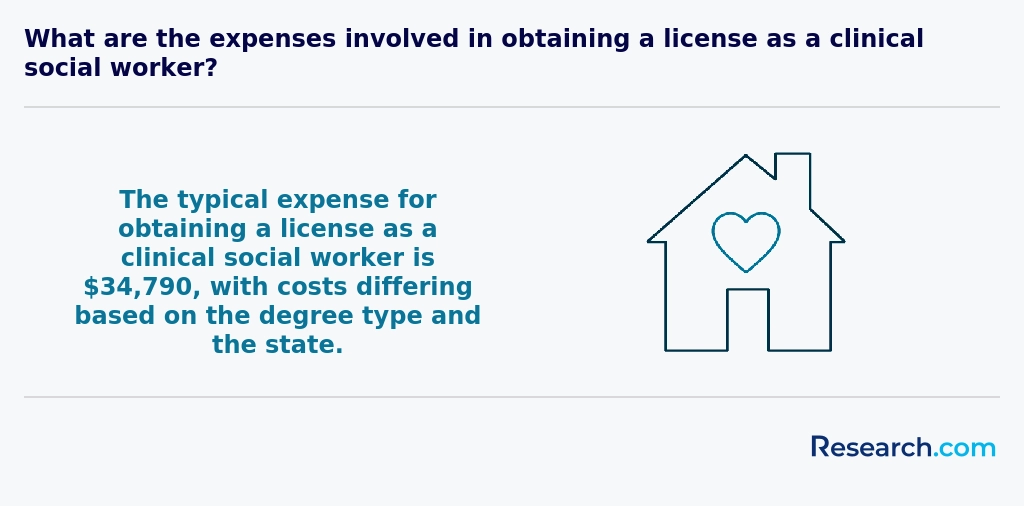
Many social work grads from local programs highlight that getting licensed after finishing the degree is another expense to keep in mind. But with all the rewarding career opportunities ahead, the initial investment often feels well worth it. If you're interested in learning about career paths connected to social work, you might want to explore this child and adolescent psychology career outlook.
Licensure and Certification in Rhode Island
After completing your social work degree, obtaining licensure is crucial for practice and career advancement in Providence.
- Complete a CSWE-accredited MSW program, such as flexible options offered through masters in social work online tracks.
- Accrue at least 3,000 hours of supervised practice under a licensed clinical social worker (LCSW).
- Pass the appropriate Association of Social Work Boards (ASWB) examination (Licensed Master Social Worker or LCSW).
- Apply to the Rhode Island Department of Health with official transcripts, exam scores and verification of supervised hours.
Maintain licensure by completing 30 hours of continuing education every two years, including ethics and clinical updates, to ensure ongoing compliance and professional growth.
What financial aid is available to social work degree students in Providence?
If you're diving into a social work degree in Providence, financial aid can feel like a total lifesaver. Many grads from Rhode Island College say that starting with FAFSA is a must-it opens doors to federal Pell Grants and student loans that really help ease the burden. The Pell Grant alone can cover up to $7,395 a year if you qualify, which is a huge help when tuition costs around $25,000 to $40,000 annually.
On top of that, the Rhode Island Higher Education Assistance Authority offers state scholarships aimed right at students like you, especially if you're focused on human services or social work. Many students mention how these local scholarships made a big difference, because they're designed for folks sticking around Providence.
Plus, universities here often hand out merit scholarships for good grades and community work-some even offer graduate assistantships where you get paid or have tuition cut in exchange for helping with research or teaching. It's pretty cool how these programs not only help your wallet but also give you hands-on experience.
Another popular option is the Public Service Loan Forgiveness program. Lots of social work grads love this because after ten years working in nonprofit or public roles, your federal loans could be forgiven. This makes chasing your social work dream in Providence feel a lot less stressful financially.
Licensure Requirements in Rhode Island
To become a Licensed Clinical Social Worker (LCSW) in RI, follow these key steps:
- Graduate from a CSWE-accredited MSW program (explore msw online programs for flexible options)
- Complete 3,000 hours of supervised clinical practice under an LCSW
- Pass the Association of Social Work Boards (ASWB) Clinical Examination
- Submit your application and fees to the Rhode Island Department of Health
- Maintain licensure by earning 30 hours of approved continuing education every two years
What are the prerequisites for enrolling in social work degree program in Providence?
If you're aiming to kickstart a social work degree in Providence, you'll want to know what schools expect before you apply. Most undergrad programs, like those at popular local colleges, want to see a high school diploma or GED and a decent GPA-usually around 2.5 to 3.0. Graduates often share how submitting a heartfelt personal statement about why they care about helping others really made a difference in getting accepted. Some even had to gather letters of recommendation, which gave their application that extra shine.
For those diving into a Master of Social Work (MSW), having a bachelor's degree is a must-but it doesn't always have to be in social work. Many Providence programs prefer you've taken some courses in psychology or sociology, and they appreciate field experience or volunteering. One grad from a well-known Providence university mentioned how her volunteer hours at local shelters helped her feel ready and confident for the hands-on parts of her studies.
Also, be ready for possible standardized tests like the GRE, depending on the school. These prerequisites help ensure you're prepared to take on the rewarding challenges of social work right here in Providence.
Choosing the Right Social Work Program in Providence, RI
To make an informed decision about which social work program to attend in Providence, RI, it's essential to consider several factors. Prospective students should research the program's curriculum, specializations, and field experience opportunities to ensure they align with their career goals. For those looking for valuable social work schools in Rhode Island, accreditation by the Council on Social Work Education (CSWE) is crucial for licensure and employment opportunities. Additionally, students should investigate the program's academic standards, class size, and faculty interaction to determine the best fit for their learning style and professional aspirations. By carefully evaluating these factors, students can choose a social work program that prepares them for a successful and fulfilling career in social work.
What courses are typically in social work degree programs in Providence?
If you're studying social work in Providence, you'll dive into courses that really prepare you for real-world situations right here in the community. You'll start with classes like Introduction to Social Work, which lays out the basics-think of it as getting to know the heart and soul of what social work is all about, from ethics to day-to-day roles.
Many students from well-known schools in Providence mention how impactful the Human Behavior and the Social Environment course was. It's all about understanding the backgrounds and struggles people face, so you're not just helping, but truly connecting.
Then there's Social Welfare Policy, where you get a sense of how laws and programs affect the community-and that's super important if you want to make a real difference. Plus, hands-on classes like Practice with Individuals, Families, and Groups help you build skills you'll use in hospitals, shelters, or community centers around Providence.
And the best part? The Field Education or Practicum where graduates say getting out there in local agencies feels rewarding and eye-opening. It's one thing to learn from books, but working with real people in the city gives you that confidence and passion to carry forward.
What types of specializations are available in social work degree programs in Providence?
If you're looking into social work degree specializations in Providence, you'll find some solid options tailored to real-world needs. Many graduates from local colleges share how the Clinical Social Work track helped them confidently support individuals and families through tough times, prepping them for LCSW licensure. Others loved focusing on Child and Family Welfare, especially if they're passionate about advocating for kids and families in the community.
School Social Work is another popular path, perfect if you enjoy working with kids right in their schools, tackling issues like bullying or emotional struggles alongside teachers and parents. Providence colleges also offer Healthcare Social Work, a favorite for graduates who want to guide patients through hospital or community health challenges. Gerontology and Substance Abuse/Mental Health tracks are gaining ground too, reflecting local needs for support in aging and addiction services.
Studying at well-known Providence institutions, many students find their passion ignited with these choices, showing how diverse Providence social work career options truly are. For licensing insights, some explore resources like the colorado board of psychology licensure for related guidance.
How do you choose the best social work degree in Providence?
When choosing the best social work degrees in Providence, it really helps to focus on programs that have strong CSWE accreditation. Graduates from popular colleges around here often share how this accreditation made their licensing process so much smoother, plus it means the curriculum is solid and up-to-date.
Think about the program format too. Some students juggling work and family love the flexibility of hybrid or online options, while others prefer the traditional campus vibe with more face-to-face time. Providence schools offer both, so you can find what fits your lifestyle - kind of like those who opt for flexible psychology degrees.
If you're looking for affordable social work programs Providence has choices, but costs can vary. Public universities are usually more budget-friendly, which recent grads appreciated when managing tuition alongside part-time jobs. Plus, many programs in the area connect you with local practicum placements - a huge plus for gaining hands-on experience and boosting job chances after graduation.

What career paths are available for social work degree students in Providence?
Graduates with a social work degree in Providence find themselves stepping into rewarding roles like healthcare social workers, where they help patients navigate tough times at places such as Rhode Island Hospital. Others become child, family, and school social workers, working closely with families and schools to make a real difference. Many get involved in community service jobs that tackle big issues like homelessness and substance abuse, which are super relevant given Providence's 17.3% poverty rate in 2022.
Students from popular local colleges often share how hands-on their experiences are, linking classroom knowledge with real-life challenges right in the city. For those interested in expanding options, becoming a Licensed Clinical Social Worker (LCSW) opens doors to mental health therapy roles in Providence's clinics. There's also a path in nonprofit or policy work, influencing change from the ground up. If you're considering how affordable and practical it can be, check out these best affordable accelerated MSW programs offered around Providence.
Jobs with social work degree in Providence are diverse and filled with chances to truly help your community.

What is the job market for social work degree in Providence?
Social work job opportunities in Providence are looking pretty solid these days. Graduates from popular colleges in the city find that there's steady demand, especially in healthcare and community services where the need to support families, address mental health, or help with substance abuse is constant. Many grads share how their internships in local hospitals or nonprofits helped them quickly land roles as medical or child social workers.
Providence's social work career outlook is bright with salaries around $57,000 for most entry-level positions, and earning potential going up to $70,000 for those with experience or specialized skills. Plus, the city's emphasis on both BSW and MSW degrees means there are chances for new grads and those aiming for clinical roles. If you're thinking about clinical licensure, Rhode Island's rules are strict but clear, similar to other states, and you can learn more about this through the Utah psychology license process.
Frequently Asked Questions About social work
Students pursuing social work degrees in Providence can maximize their learning by engaging actively with local community organizations. Providence offers numerous internship opportunities through partnerships with healthcare providers, schools, and nonprofit agencies, which are integral to practical learning. According to the Council on Social Work Education, hands-on field placements significantly improve employment outcomes for graduates.
In addition, students should take advantage of seminars and workshops offered by Providence-based social service agencies. These events provide insights into regional social issues such as homelessness and substance abuse, which are prevalent concerns in the area, as reported by Rhode Island's Department of Health.
Networking with local professionals and joining social work student associations can also enhance learning by exposing students to diverse perspectives and career paths.
The social work field in Providence is expanding into several emerging niches that reflect current social and healthcare trends. One growing area is healthcare social work, where professionals assist patients navigating complex medical systems, a need heightened by Providence's increasing aging population. According to the Bureau of Labor Statistics, healthcare social workers are expected to grow by 16% nationally through 2031.
Another niche gaining attention is digital and telehealth social work. With Providence social service agencies adopting technology, social workers now provide remote counseling and support, improving access in underserved communities.
Environmental social work is also emerging, focusing on how ecological issues impact vulnerable populations. This field is particularly relevant in Providence given Rhode Island's coastal vulnerabilities.
After completing a social work degree in Providence, preparing for the job market involves multiple strategic steps. Obtaining licensure is essential; many positions require the Licensed Master Social Worker (LMSW) or Licensed Independent Clinical Social Worker (LICSW) credentials recognized by Rhode Island's Department of Health. Graduates should pursue internships or supervised clinical hours during or immediately after their program to meet these requirements.
Networking with local organizations, such as the Rhode Island Chapter of the National Association of Social Workers (NASW-RI), can enhance job prospects. According to the U.S. Bureau of Labor Statistics, social work employment in Rhode Island is projected to grow around 7% through 2031, reflecting steady demand. Developing skills in evidence-based practice and understanding state-specific social policies also improves employability.
Employers in Providence seeking social work degree graduates prioritize a blend of practical and interpersonal skills. Critical thinking and problem-solving are essential for addressing complex social issues effectively. According to the Rhode Island Department of Labor, strong communication skills rank high, enabling graduates to interact with diverse populations empathetically and clearly.
Additionally, cultural competence is vital in Providence's diverse communities, helping social workers provide inclusive support. Organizational skills and case management abilities are frequently requested to manage caseloads efficiently.
Familiarity with ethical standards and proficiency in report writing also enhance employability in local agencies and healthcare settings.
Finding internships in Providence relevant to a social work degree involves leveraging local resources and institutions. Start by exploring partnerships between Rhode Island College and community agencies, as many programs require internships through established connections. Providence has social service organizations like The Providence Center and Amos House that often offer placements for social work students.
Additionally, check the Rhode Island Department of Children, Youth & Families, which occasionally provides internship opportunities. Networking through university career services and attending local social work events can also increase chances of placement.
According to the National Association of Social Workers Rhode Island Chapter, internships completed in accredited programs typically involve 450-900 hours, preparing students for professional licensure.
A social work degree significantly enhances career mobility and advancement opportunities in Providence. Graduates with a Bachelor of Social Work (BSW) or Master of Social Work (MSW) are often preferred for roles in healthcare, education, and government agencies. According to the Rhode Island Department of Labor and Training, social work employment in the state is expected to grow 12% through 2030, faster than many other professions.
Holding an MSW can lead to specialized positions such as clinical social workers or administrators, often with higher salaries. Licensing requirements in Rhode Island typically mandate an MSW for clinical roles, which improves job market competitiveness.
Networking through local organizations and internships in Providence's community services also supports career advancement by connecting graduates with employers.
Studying for a social work degree in Providence equips students with skills to collaborate across multiple disciplines. Programs emphasize teamwork with professionals in healthcare, education, and criminal justice, reflecting the city's diverse social needs. Providence's universities often partner with local agencies, providing hands-on experience in interdisciplinary settings.
Students learn to address complex community issues by integrating knowledge from psychology, public health, and policy analysis. This approach prepares graduates for roles that require navigating multiple systems simultaneously.
According to the Rhode Island College Department of Social Work, over 70% of their field placements involve interdisciplinary teams, demonstrating strong local commitment to collaborative practice.
Choosing between a thesis and a non-thesis social work degree program in Providence largely depends on your career goals and interests. A thesis option typically involves conducting original research, which can prepare you for doctoral studies or research-focused roles in social work. In contrast, non-thesis programs emphasize practical skills such as internships and fieldwork, aligning better with those seeking immediate professional practice.
According to the Council on Social Work Education, Providence schools often offer both tracks, allowing students to tailor their education. Employment data from Rhode Island's Department of Labor shows social workers with research experience sometimes secure positions in policy development or academic settings more quickly.
Consider your long-term plans and consult academic advisors before deciding.
Students based in Providence interested in studying social work abroad have several pathways within the US higher education framework. Many universities in Rhode Island, such as the University of Rhode Island and Rhode Island College, offer exchange programs and partnerships with international institutions. These collaborations enable social work students to gain field experience and academic credits overseas, often in countries with diverse social welfare systems.
Additionally, students can explore accredited online Master of Social Work (MSW) programs that include international components or study abroad opportunities. The Council on Social Work Education (CSWE) supports institutions facilitating global learning experiences to enrich cultural competence, a critical skill in social work practice.
According to recent data from the Rhode Island Department of Labor and Training, social workers with international expertise are increasingly valued in local agencies, reflecting the benefit of global study for Providence graduates.
Part-time job opportunities in Providence that complement social work degree education are varied and offer valuable, hands-on experience. Many students find positions as mental health aides or behavioral health technicians in local clinics or hospitals, helping support patient care while gaining practical skills.
Nonprofit organizations such as the Rhode Island Coalition for the Homeless also hire part-time outreach workers, enabling students to engage directly with vulnerable populations. Additionally, case aide roles within Providence's Department of Children, Youth & Families provide insight into family services and child welfare.
These positions help build essential client interaction and organizational skills, crucial for a future career in social work. According to Rhode Island's Department of Labor, social service employment in the Providence metro area has grown 5% over the past three years, indicating steady opportunities.
Social work students in Providence benefit from various networking opportunities integral to their academic and professional growth. Local universities such as Rhode Island College and Brown University offer student organizations and events focused on social work, connecting students with peers and experienced professionals. The Rhode Island Chapter of the National Association of Social Workers (NASW) hosts regular meetings and workshops, providing valuable contacts for internships and jobs.
Community agencies in Providence also frequently collaborate with social work programs, allowing students to engage in field placements that foster strong professional relationships. According to NASW Rhode Island, over 70% of students find employment through these networks within six months of graduation.
Alumni networks play a significant role for social work degree students in Providence by offering valuable connections within the local community. Graduates often share job openings and internship opportunities, benefiting current students who seek practical experience. According to the National Association of Social Workers, over 70% of social work positions are filled through networking, highlighting the importance of these connections.
Alumni in Providence frequently participate in mentorship programs, providing guidance tailored to the city's unique social challenges. This support helps students navigate licensing requirements in Rhode Island and prepares them for careers in diverse settings such as hospitals, schools, and community centers.
In addition, alumni events often feature workshops and guest lectures, enriching students' professional development and understanding of local social issues. Engaging with an active alumni network strengthens students' readiness for the regional social work job market and fosters a sense of community among practitioners.
Customizing your social work degree program in Providence allows you to align your education with specific career goals. Many local universities offer flexible course options, including electives focused on areas such as clinical social work, policy advocacy, or community organizing. Rhode Island schools often provide field placements within diverse Providence communities, giving practical experience tailored to your interests.
Students can choose programs accredited by the Council on Social Work Education (CSWE), ensuring quality and relevance. Additionally, some institutions offer part-time or online classes to accommodate working professionals. According to the Rhode Island Department of Labor, social workers in Providence often specialize in healthcare, child welfare, or mental health, which helps guide your program choices.
Social work students in Providence often face significant challenges balancing academic demands with fieldwork requirements. Many programs require extensive supervised practicums, which can total hundreds of hours, creating time management difficulties. According to the Council on Social Work Education, about 35% of students nationwide report stress related to managing coursework alongside professional placements.
Financial strain is another common issue. Tuition and living costs in Rhode Island are above the national median, impacting students who may need to work part-time while studying. Additionally, accessing mental health support can be difficult, despite the emotionally demanding nature of social work training.
Finally, navigating licensure pathways post-graduation requires awareness of strict state regulations, which some students find confusing without adequate academic advising.
With a social work degree in Providence, you can pursue several professional certifications to enhance your career prospects. The most common certification is the Licensed Master Social Worker (LMSW), which allows you to practice under supervision and is often required for clinical roles. After gaining experience, you may seek the Licensed Independent Clinical Social Worker (LICSW) credential, enabling full clinical practice independently.
Other certifications include the Certified Social Work Case Manager (C-SWCM) and various specialized credentials in areas like school social work or healthcare. According to the Rhode Island Department of Health, obtaining these licenses requires meeting educational, examination, and supervised practice criteria.
When applying for a social work program in Providence, it is essential to highlight relevant experiences that demonstrate your commitment to the field. Admissions committees value applicants who have engaged in volunteer work, internships, or paid positions in social services. Provide clear examples of how these experiences shaped your understanding of social work principles.
Craft a personal statement that explains your motivation for pursuing social work, focusing on local community needs. Providence has diverse populations facing challenges such as poverty and substance abuse, making it crucial to show awareness of these issues. According to the Providence Plan, nearly 25% of residents live below the poverty line, indicating a strong demand for skilled social workers.
Additionally, emphasize your academic readiness by showcasing strong grades in relevant courses like psychology or sociology. Letters of recommendation should ideally come from supervisors or professors familiar with your interpersonal skills and dedication.
Lastly, familiarize yourself with state licensure requirements in Rhode Island to convey your long-term career goals clearly. The Rhode Island Department of Health requires social work candidates to complete accredited education and supervised clinical hours, which you should address in your application.
The global perspectives on a social work career emphasize the importance of cultural competence and adaptability, especially in diverse communities like Providence. Social work practices in the US often align with international standards set by organizations such as the International Federation of Social Workers. These standards promote human rights, social justice, and sustainability. According to the Bureau of Labor Statistics, the US expects a 12% growth in social work jobs between 2020 and 2030, reflecting increasing demand worldwide for trained professionals. In Providence, with its diverse population, social workers address complex urban challenges that mirror global social issues.
Understanding global approaches enriches local social work education, preparing students for varied career paths that include international NGOs and cross-border programs. Embracing global perspectives also supports Providence's commitment to inclusivity and equity in social services. Colleges offering social work degrees in Providence integrate these themes, ensuring students gain knowledge applicable both locally and globally. Such a foundation can enhance career flexibility and a broader impact in addressing social welfare problems.
Gaining practical experience while studying for a social work degree in Providence is essential for career readiness. Most accredited programs require field placements or internships, allowing students to work directly with community organizations, hospitals, or social service agencies. Providence offers a diverse range of settings such as the Rhode Island Department of Children, Youth & Families and local nonprofits, which help students develop hands-on skills.
The University of Rhode Island and Rhode Island College include supervised practicum hours, typically totaling 400-600 hours, as part of their curriculum. These placements ensure students meet state licensing requirements while gaining real-world exposure. According to the Council on Social Work Education, experiential learning improves job prospects in Providence's competitive social work market.
Choosing the right concentration within a social work degree program in Providence involves understanding local community needs and career goals. Providence faces challenges like urban poverty, substance abuse, and housing instability, making concentrations in clinical social work, child and family welfare, or community organization relevant. According to the Rhode Island Department of Labor, social workers focused on mental health and substance abuse are expected to grow by 12% through 2030, signaling strong job prospects.
Prospective students should also consider practicum opportunities offered by Providence universities, as hands-on experience with local populations is critical. Reviewing program accreditation and faculty expertise can further guide the choice.
Related Social Work Rankings for Nearby Cities
- 2027 Most Valuable Social Work Degree Programs Ranking in Boston
- 2027 Most Valuable Social Work Degree Programs Ranking in Albany
- 2027 Most Valuable Social Work Degree Programs Ranking in Garden City
- 2027 Most Valuable Social Work Degree Programs Ranking in Bronx
- 2027 Most Valuable Social Work Degree Programs Ranking in New York
- 2027 Most Valuable Social Work Degree Programs Ranking in New Brunswick
- 2027 Most Valuable Social Work Degree Programs Ranking in Philadelphia
- 2027 Most Valuable Social Work Degree Programs Ranking in Baltimore
- 2027 Most Valuable Social Work Degree Programs Ranking in Rochester
- 2027 Most Valuable Social Work Degree Programs Ranking in Washington
Top Trending Social Work Rankings
See What Experts Have To Say About Studying Social Work
Read our interview with Social Work experts

References
- Study Social Work Abroad | Go Overseas https://www.gooverseas.com/study-abroad/social-work
- Social Work Education: Interdisciplinary teams a growing area of training https://www.socialworkblog.org/featured-articles/2018/04/social-work-education-interdisciplinary-teams-a-growing-area-of-training/
- Eye-Catching Social Work Resume Objective Examples (2025 Guide) https://www.visualcv.com/social-work-resume-objectives/
- Become a Social Worker in Rhode Island https://socialworklicensemap.com/social-work-licensure/become-a-social-worker-in-rhode-island/
- Top Skills Employers Look for in Qualified Social Workers Today - Vitalis https://www.vitalissocialcare.co.uk/career-development/top-skills-employers-look-for-in-social-workers-today/
- Know more about thesis vs non- thesis: what is the difference? https://studyfans.com/en/blogs/816
- Global Perspectives in Social Work https://www.gu.se/en/study-in-gothenburg/exchange-student/courses/sw1118
- Six Degrees of Social Work - A Social Work Education Connects Professionals on Diverse Career Paths https://www.socialworktoday.com/archive/SO18p10.shtml
- 10 Careers for Social Work Majors https://www.umassglobal.edu/blog-news/careers-for-social-work-majors
- The Best International Social Work Internships for Undergrads and Grads https://www.internhq.com/fields/social-work/