2027 Best Social Work Degree Programs Ranking in Austin

Co-Founder and Chief Data Scientist
Choosing the right social work degree program is a big step toward a rewarding career in Austin. This article introduces the 2027 Best Social Work Degree Programs Ranking in Austin, created by the Research.com team of data scientists. It aims to help you make an informed decision about which programs truly stand out.
By exploring this ranking, you'll gain insights into top options that can support your passion for helping others. Earning a social work degree opens doors to meaningful opportunities and personal growth, making it a valuable investment in your future.
Key benefits of getting social work degree in Austin
- Salary advantages: Social work graduates in Austin can expect rewarding salaries with roles like Social Worker averaging $68,800 annually and Community Organizer earning about $83,400. These figures reflect a fulfilling career that also supports a comfortable lifestyle.
- Career paths: Graduates from Austin-based schools often find diverse opportunities, from supporting youth as Youth Workers to guiding families as Residential Counselors, showcasing the wide impact of a social work degree.
- Online degree benefits: Earning a social work degree online in Austin offers flexibility and convenience, allowing graduates to balance life commitments while gaining the skills to thrive in meaningful social service roles.
- Key benefits of getting social work degree in Austin
- What can I expect from social work degree in Austin?
- Where can I work with social work degree in Austin?
- How much can I make with social work degree in Austin?
- 2027 Best Social Work Degree Programs Ranking in Austin
- Key Findings
- How long does it take to complete social work degree in Austin?
- Licensure and Continuing Education in Texas
- What's the difference between online and on-campus social work degree?
- Most Affordable Options for Social Work Education in Austin, TX
- What is the average cost of social work degree in Austin?
- Finding Affordable CSWE-Accredited MSW Programs in Austin, TX
- What financial aid is available to social work degree students in Austin?
- Accreditation and Licensure
- What are the prerequisites for enrolling in social work degree program in Austin?
- Emerging Trends and Digital Opportunities in Social Work Education
- What courses are typically in social work degree programs in Austin?
- What types of specializations are available in social work degree programs in Austin?
- How do you choose the best social work degree in Austin?
- What career paths are available for social work degree students in Austin?
- What is the job market for social work degree in Austin?
- Top Trending Social Work Rankings
- See What Experts Have To Say About Studying Social Work
What can I expect from social work degree in Austin?
The average cost of pursuing a social work degree in Austin varies depending on the institution and degree level. For example, graduates from well-known Austin universities typically pay between $8,000 and $15,000 per year for an accredited Bachelor of Social Work (BSW) program. Master of Social Work (MSW) programs often range higher, averaging from $12,000 to $25,000 annually. These costs include tuition, fees, and some materials, but students often find ways to offset expenses through scholarships and financial aid available locally.
Many social work students in Austin appreciate how practical internships integrated within programs reduce other living expenses. Completing supervised fieldwork at local nonprofits or public agencies offers both invaluable experience and networking opportunities without extra cost. Graduates often describe this hands-on approach as energizing and affirming, making the investment feel worthwhile.
Those attending public universities may find more affordable tuition than private colleges, while staying connected to the thriving Austin social service community. Planning ahead for these financial details can help students focus on what truly matters: building skills for a meaningful career helping others.
Where can I work with social work degree in Austin?
Graduates from social work programs at Austin's universities often find rewarding careers in healthcare settings such as hospitals and community clinics, including opportunities connected with the Dell Medical School. Many report a sense of fulfillment helping patients manage complex medical and mental health challenges while coordinating supportive care. Another common path is child welfare, where social workers partner with agencies like the Texas Department of Family and Protective Services to protect children and support families, frequently requiring LMSW or LCSW licensing.
School social work is also a practical option, with the Austin Independent School District hiring graduates to address student welfare and behavioral needs. Graduates appreciate making a tangible difference in young lives and family dynamics. Nonprofits form a vibrant employment sector, too. Organizations such as Front Steps and the SAFE Alliance employ social workers focused on homelessness and domestic violence, offering deeply impactful roles.
Government positions in Travis County and the City of Austin provide stable careers in public health, housing assistance, and outreach. Graduates pursuing social work degrees here find ample opportunities fueled by the city's growth and commitment to social services, making Austin a promising place to launch a career.
How much can I make with social work degree in Austin?
Graduates with a social work degree from Austin's universities often find starting roles such as Child Welfare Specialist or Residential Counselor paying around $59,190 annually. For example, a graduate from a well-known Austin college shared how landing a role as a Residential Counselor at a community center provided both steady income and meaningful work. Those stepping into positions like Community Organizer or Youth Worker can expect higher average salaries near $83,400, reflecting roles that involve broader community engagement and leadership.
Social workers in Austin earning the general Social Worker title earn about $68,800 yearly, a solid wage due to the city's demand and cost of living. Many recent MSW graduates from Austin-based programs find the clinical or healthcare sectors rewarding both professionally and financially. The salary growth potential is clear, especially for those aiming for Licensed Clinical Social Worker status, which significantly boosts earning power beyond the data here.
Choosing social work in Austin means joining a growing field where real experience, combined with local education, aligns with competitive salaries and fulfilling career paths in community-focused roles.
2027 Best Social Work Degree Programs Ranking in Austin
How do we rank schools?
Investing in your education is a significant decision that can profoundly impact your future, and the Research.com team is keenly aware of the need to make well-informed choices. To support prospective students in Austin, we have carefully developed the "2027 Best Social Work Degree Programs Ranking in Austin." Our dedication to quality, credibility, and accuracy is demonstrated through thorough research and rigorous analysis.
We utilized the following reputable data sources to ensure a comprehensive evaluation of social work programs:
By consulting this ranking, readers will gain valuable insights into the top social work degree programs in Austin, empowering them to select the best path for their academic and professional ambitions. For more information on how this ranking was created, please visit our Research.com methodology page.


Key Findings
- Austin has several accredited social work programs, including Bachelor and Master degrees, notably at the University of Texas at Austin.
- In-state undergraduate tuition at public universities ranges from $10,000 to $15,000 per year, while graduate MSW programs cost between $15,000 and $25,000 annually.
- Private institutions often charge over $30,000 per year for social work degrees.
- Starting salaries for social work graduates in Austin are typically between $45,000 and $50,000 annually, with mid-career earnings reaching $65,000 to $75,000.
- Specialized fields like healthcare or school social work may offer higher pay.
- Texas requires social workers to obtain state licensure such as LMSW or LCSW to improve job opportunities and salary potential.
How long does it take to complete social work degree in Austin?
Completing a social work degree in Austin typically depends on the level of study and enrollment status. For those pursuing a Bachelor of Social Work at institutions like The University of Texas at Austin, graduates often spend about four years studying full-time, diving deeply into social work principles and human behavior. Many find this timeline manageable, balancing studies with part-time jobs or community involvement.
Students who come with a bachelor's degree in another subject usually opt for a Master of Social Work. At UT Austin's Steve Hicks School of Social Work, this can take two years full-time. Graduates who qualify for the advanced standing program finish in just one year, which many appreciate for its intensity and clear focus. Part-time options stretch the master's program to three or four years, a flexible choice well-suited to working professionals supporting families or managing other commitments.
In every pathway, real-world fieldwork is embedded, giving you hands-on experience. Many alumni share how those 900 hours of internships transformed classroom knowledge into rewarding, practical skills, making the timeline feel purposeful and energizing.
Licensure and Continuing Education in Texas
To practice as a licensed social worker in Austin, TX, graduates must follow a clear pathway that ensures competency and compliance with state regulations. First, complete a CSWE-accredited Bachelor of Social Work (BSW) or Master of Social Work (MSW) program. Next, accumulate the required supervised experience-typically 3,000 hours for the Licensed Clinical Social Worker (LCSW) credential-under the guidance of an approved supervisor. Finally, pass the appropriate Association of Social Work Boards (ASWB) exam: the bachelor’s exam for BSW-level licensure or the clinical exam for LCSW applicants. Maintaining and advancing your license requires ongoing professional development. Texas mandates 30 hours of continuing education every two years, including at least three hours in ethics. Many social workers fulfill these requirements through workshops, online courses, and conferences. When budgeting for licensure and certification, consider comparing tuition rates and program fees with regional options such as our Affordable Social Work Degree Programs Ranking in Saint Paul, MN, which can help you identify cost-effective pathways to licensure. Beyond initial licensure, social workers may pursue advanced certifications to specialize in areas like school social work (LSSW-S) or substance abuse counseling. Professional credentials such as Certified Advanced Children, Youth, and Family Social Worker (C-CYC) further demonstrate expertise and can boost career prospects. By understanding Texas licensure requirements and integrating continuing education into your career plan, you’ll ensure both compliance and competitive advantage in the social work field.
What's the difference between online and on-campus social work degree?
Choosing between online and on-campus social work degrees in Austin comes down to how you prefer to learn and manage your time. On-campus programs, like those at the University of Texas at Austin, offer structured class schedules and face-to-face interaction that graduates often say helped them build strong relationships with professors and peers. This setting suits students who thrive on routine and hands-on experiences.
By contrast, online programs provide flexibility, essential for those balancing jobs or family. Recent graduates who took classes remotely appreciated accessing lectures and discussions on their own time, but they emphasize the need for discipline to keep up. Both formats require in-person fieldwork, arranged through local agencies in Austin, ensuring practical experience.
Cost-wise, in-state tuition usually ranges from $7,000 to $15,000 annually, but online learners may save on commuting and housing, though some pay extra technology fees. On-campus students benefit from immediate access to campus resources, while online students access support digitally, making either choice viable depending on your personal circumstances.
Most Affordable Options for Social Work Education in Austin, TX
To make an informed decision about pursuing a social work degree in Austin, TX, it's essential to consider the affordability of programs. Prospective students can explore various options, including online and on-campus programs, to find the best fit for their budget. For those looking for affordable alternatives, researching programs that offer financial aid, scholarships, or lower tuition rates can be beneficial. Additionally, considering the cost of living in Austin and potential job opportunities after graduation can help students make a more informed decision. Students can also look into the most affordable social work programs in Texas to find a program that aligns with their financial situation and career goals. By weighing these factors, aspiring social workers can embark on a fulfilling educational journey without excessive financial burden.
What is the average cost of social work degree in Austin?
The average cost of a social work degree in Austin depends largely on residency and type of institution. For in-state students attending public universities like the University of Texas at Austin, typical tuition and fees for social work programs average around $11,688 annually. Graduate students pursuing a Master of Social Work (MSW) degree can expect slightly higher costs, but still within a reasonable range for residents. Graduates often recall balancing their budgets carefully while appreciating the relatively affordable in-state tuition compared to out-of-state fees.
On the other hand, out-of-state students face significantly higher costs, with total expenses reaching above $60,000 for the full degree, making budgeting and financial aid crucial. Private institutions in Austin, known for their specialized facilities and smaller class sizes, generally charge more-sometimes upwards of $25,000 annually-adding another layer of consideration for prospective students exploring social work degree tuition and fees Austin.
Besides tuition, students often describe the importance of planning for supplementary costs such as books, transportation, and supplies. Many find that financial aid, scholarships, and assistantships can help offset these expenses. Those looking for savings might explore the most affordable social work programs in Texas, where financial support and in-state tuition combine to offer practical routes to completing their degrees. Practical budgeting and investigating aid options are key steps toward managing the overall financial commitment.
Finding Affordable CSWE-Accredited MSW Programs in Austin, TX
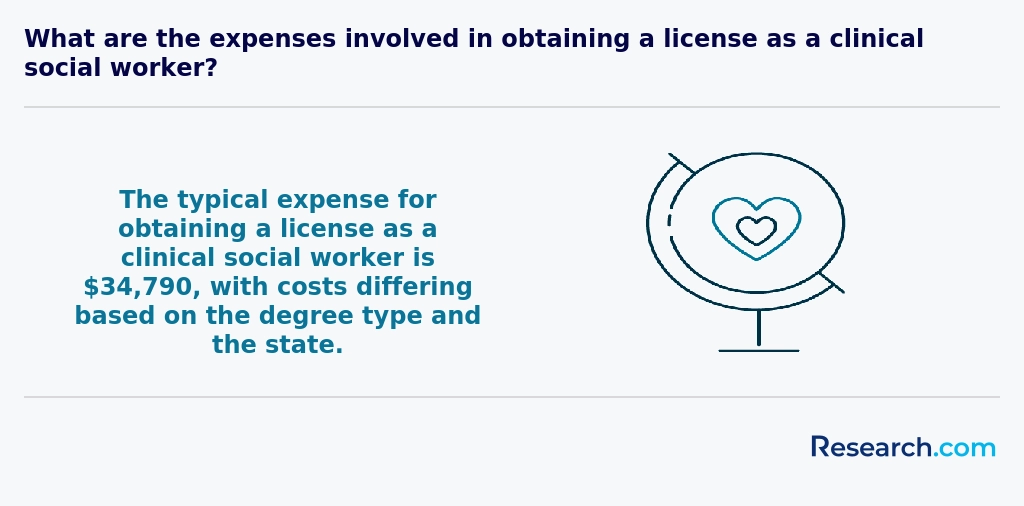
When budget constraints are a top concern, exploring cost-effective yet reputable Master of Social Work options is essential. Begin by prioritizing programs accredited by the Council on Social Work Education (CSWE), which ensures your degree meets licensure requirements and employer expectations. Many public universities in Texas offer reduced in-state tuition, but online alternatives can further lower expenses without sacrificing quality. For a curated list of the most budget-friendly online options, consider reviewing the cheapest online msw programs cswe accredited, which highlights programs with competitive tuition and strong outcomes. Next, evaluate total program costs beyond tuition. Factor in fees for technology, practicum supervision, textbooks, and exam preparation. Look for schools offering flat-rate tuition per credit hour, asynchronous coursework, and affordable textbook rentals or digital resources. Some universities provide tuition freezes or multi-year tuition guarantees, protecting you from annual increases. Financial aid can offset costs significantly. Investigate institutional scholarships, assistantships, and stipends targeted to social work students. Federal programs like the Public Service Loan Forgiveness (PSLF) are particularly advantageous for graduates entering nonprofit or government roles. Additionally, many employers offer tuition reimbursement-verify partnerships local agencies may have with nearby universities. Finally, compare program outcomes to ensure your investment delivers strong returns. Review graduation rates, time-to-degree averages, and licensure exam pass rates. Alumni networks and career services support can also smooth your job search and accelerate salary growth. By combining CSWE accreditation, transparent cost structures, robust financial aid, and proven outcomes, you can select an MSW program in Austin that maximizes both affordability and professional value.
What financial aid is available to social work degree students in Austin?
Students pursuing social work degrees in Austin can tap into several types of financial aid to manage costs effectively. Graduates from the University of Texas at Austin often remark on how in-state tuition rates significantly ease their financial burden compared to out-of-state fees. Applying for federal aid through FAFSA is a crucial first step; it opens doors to Pell Grants, which can provide up to $7,395 annually based on financial need, along with low-interest federal loans deferred until after graduation.
State aid, like the Texas Grant Program, is especially beneficial for those attending public institutions such as Texas State University nearby. Many students find merit- and need-based scholarships offered directly by schools-UT Austin's Steve Hicks School of Social Work awards scholarships from $1,000 to $10,000, which graduates frequently credit for making their education feasible.
- Nonprofits and professional associations in Austin often provide additional scholarships or stipends, easing the path for social work careers.
- Graduate students commonly secure assistantships or fellowships, which cover tuition and offer stipends for teaching or research roles.
- Programs like the National Health Service Corps Loan Repayment assist graduates committed to serving underserved Austin communities.
Acting early to apply for these resources and consulting your school's financial aid office can transform the daunting process into a manageable plan that many successful Austin social work students have followed.
Accreditation and Licensure
Choosing a CSWE-accredited program is essential for eligibility to become a Licensed Clinical Social Worker (LCSW) in Texas. Key requirements include:
- Earning an MSW from a CSWE-accredited institution.
- Completing 3,000 supervised post-MSW clinical hours under a board-approved supervisor.
- Passing the Association of Social Work Boards (ASWB) clinical licensing exam.
- Maintaining licensure with 30 hours of continuing education every two years.
For an accelerated route that combines accredited training and supervised fieldwork, explore our fastest online msw programs.
What are the prerequisites for enrolling in social work degree program in Austin?
To enroll in a social work degree program in Austin, start by securing a high school diploma or equivalent if you're aiming for an undergraduate program. Austin-area colleges like the University of Texas at Austin typically expect a GPA around 2.5 or higher, and some may ask for SAT or ACT scores-though test-optional policies are becoming common.
Graduate programs, such as the Master of Social Work (MSW) at local institutions, require a bachelor's degree from an accredited school. Many successful applicants come from varied undergraduate backgrounds, not just social work.
Graduates often share how submitting strong personal essays helped them express their genuine passion for social justice, which admissions committees value highly. For MSW hopefuls in Austin, practical experience is crucial-letters of recommendation and detailed resumes highlighting volunteer or paid roles in community organizations or healthcare settings greatly strengthen applications.
Completing prerequisite courses in psychology or sociology is another step to prepare effectively, ensuring readiness for the rigorous curriculum ahead.

Emerging Trends and Digital Opportunities in Social Work Education
The landscape of social work education is evolving rapidly, driven by technological advances and changes in societal needs. Increasingly, institutions are integrating digital tools into their curricula, from virtual field placements to tele-counseling simulations, ensuring that graduates are well-prepared for modern challenges. One notable trend is the surge in online programs that not only offer flexibility but also address affordability. This shift benefits students who seek to balance work and studies without compromising quality. For example, prospective students curious about cost-effective online pathways can explore options and insights on what are the cheapest online bachelors programs in social work. Emphasizing both academic rigor and real-world application, these programs are tailored to address emerging community needs and policy changes, positioning graduates to excel in diverse roles-from traditional case management to innovative community outreach initiatives. As the field continues to adapt, staying informed about these digital opportunities and emerging trends is essential for aspiring social workers aiming to make a lasting impact in their communities.
What courses are typically in social work degree programs in Austin?
Students pursuing social work degrees in Austin typically engage with courses designed to build a strong foundation and practical skills essential for the field. Core classes include human behavior in the social environment, where you explore how biological, psychological, and social factors influence individuals and communities-something graduates recall applying during real-life case studies at local universities like the University of Texas at Austin.
Another key course is social welfare policy, which explains the development and impact of laws and programs shaping social services in Texas. Graduates highlight how understanding this helped them navigate local agencies during fieldwork, especially given Austin's diverse populations.
Practice methods courses are essential, providing hands-on training in client assessment, intervention, and case management. These often involve role-playing scenarios and supervised internships at Austin's social service agencies, building confidence and ethical decision-making skills.
Research methods and statistics classes round out the curriculum, enabling students to evaluate programs critically. Many graduates find these skills invaluable when contributing to evidence-based projects within the city's growing social support network.
What types of specializations are available in social work degree programs in Austin?
Social work degrees in Austin typically include several practical specializations tailored to address local community needs. Graduates from popular colleges here often choose clinical social work, which equips them to provide mental health counseling and therapy-skills highly valued given Austin's growing population and demand for licensed clinical social workers. Others focus on child and family social work, helping vulnerable children through partnerships with schools and welfare agencies; graduates recall how hands-on experience with Texas's child protective services cases deeply shaped their career goals. For those drawn to broader impact, community and macro social work emphasizes social justice and policy advocacy, preparing students for roles in nonprofits or government where they influence systemic change. Additional options such as healthcare, school, and gerontological social work reflect Austin's diverse social landscape. If you're exploring your options, many graduates recommend checking programs carefully to see which specializations they emphasize, because specialization choices often differ based on faculty expertise. For a practical overview of cost-effective pathways, also consider exploring what are the cheapest online bachelors programs in social work.
How do you choose the best social work degree in Austin?
Start by verifying that the social work program in Austin is accredited by the Council on Social Work Education, as graduates from these programs are eligible for Texas licensure. Many students attending the University of Texas at Austin share how this rigorous accreditation boosted their confidence when applying for jobs. Cost is another practical factor-public universities here offer in-state tuition discounts that can make a significant difference. For those exploring affordable options, it's useful to check out the cheapest online msw programs cswe accredited to balance cost with quality.
Next, consider program flexibility. Graduates often praise programs offering evening or online classes since they allow working students to manage family commitments. Programs with internship placements in Austin's community agencies provide invaluable firsthand experience, preparing students for real-world challenges. Choosing one of the best social work degree programs in Austin means prioritizing these practical aspects alongside a strong local professional network that can help secure employment in the growing Austin social work market.
Finally, research graduate outcomes to assess long-term value. Affordable social work colleges Austin Texas offer practical training combined with solid job placement support, so graduates feel optimistic and prepared as they enter the field.

What career paths are available for social work degree students in Austin?
Graduates with a social work degree in Austin have concrete pathways to build meaningful careers. Many become licensed clinical social workers (LCSWs), providing therapy and counseling in hospitals or community health centers. For example, graduates from local universities often share stories of starting their clinical practice at Dell Seton Medical Center, where they help patients navigate emotional and social challenges post-discharge. This hands-on experience shapes their therapeutic skills while meeting Austin's growing demand for behavioral health services.
Jobs with social work degree in Austin also include roles in child and family services. Graduates frequently work with the Texas Department of Family and Protective Services or local nonprofits, helping families in crisis and supporting foster care systems. Their real-life impact often comes from advocating for children's rights, which can be both rewarding and motivating for new professionals committed to social equity.
For those interested in policy and advocacy, Austin's emphasis on community organizing provides a strong platform to influence social justice initiatives. Graduates find themselves shaping programs related to homelessness or substance abuse, often inspired by coursework and internships at Austin's leading colleges. Prospective students can explore cost-effective options and scholarships by checking resources such as the Affordable Social Work Degree Programs Ranking in Saint Paul, MN, a practical guide for budgeting educational expenses.
What is the job market for social work degree in Austin?
The social work job opportunities in Austin reflect the city's growing population and expanding social services sector. Graduates from renowned local schools often find roles in healthcare, public schools, nonprofits, and government agencies that serve diverse community needs. For example, many recent social work graduates from popular Austin universities share how internships in local hospitals or schools provided hands-on experience and connections, leading to offers near or above the state median salary of $55,000. Graduates aiming for clinical roles often pursue a Master of Social Work (MSW), which increases employability in Austin's competitive market.
Understanding Austin social work degree employment outlook means considering costs and benefits. Local public universities charge around $10,000-$15,000 annually for in-state tuition, making degrees accessible, while private institutions can cost more. Many students balance studies with work, leveraging options like the fastest degree college options for working adults to accelerate their careers and enter the workforce sooner.
Frequently Asked Questions About social work
Social work degree students in Austin can maximize their learning by engaging actively in field internships, which Texas universities typically require. These practical experiences help students apply classroom theory to real-world community issues in Austin's diverse population. According to the Council on Social Work Education, hands-on training is essential for skill development and job readiness.
Moreover, students should take advantage of Austin's vibrant network of nonprofit organizations and government agencies to build connections and understand local social challenges better. Networking events and workshops offered by local chapters of the National Association of Social Workers provide additional learning opportunities.
Staying updated on state-specific licensing requirements through the Texas State Board of Social Worker Examiners ensures students align their education with career goals.
Emerging niches within social work reflect the evolving needs of communities in Austin and beyond. One growing area is healthcare social work, where professionals support patients navigating complex medical systems. According to the U.S. Bureau of Labor Statistics, healthcare social work is projected to grow by 12% nationally through 2032, driven by an aging population.
Another expanding field is digital and telebehavioral health social work. Austin's technological growth fosters demand for social workers who provide mental health services remotely. This niche helps increase access to care in rural and underserved neighborhoods.
Environmental social work is also gaining attention, linking social justice with climate change advocacy. Local organizations in Austin have begun integrating this focus to address community resilience and vulnerable populations.
After earning a social work degree in Austin, preparing for the job market involves several key steps. First, gaining practical experience through internships or volunteer roles at local organizations strengthens your resume and helps build professional networks. Austin's growing demand for social workers is reflected in its projected 12% job growth for social work positions in Texas from 2022 to 2032, according to the U.S. Bureau of Labor Statistics.
It is also important to pursue state licensure, such as the Licensed Master Social Worker (LMSW) credential offered by Texas, which enhances employment prospects and credibility. Joining professional societies like the Texas Chapter of the National Association of Social Workers can provide valuable resources and job leads. Finally, tailoring your application materials to highlight skills directly related to Austin's community needs improves your marketability in this competitive field.
Employers in Austin seek social work graduates who possess strong communication skills, as these are essential for building trust with clients and coordinating with community services. Critical thinking and problem-solving abilities are also highly valued, enabling graduates to assess client needs effectively and advocate for appropriate resources.
In addition, cultural competence is crucial in Austin's diverse population. Graduates must understand and respect different backgrounds to provide equitable services. According to the Texas Workforce Commission, degrees combined with practical experience improve employment prospects.
Finally, proficiency in case management software and knowledge of local social service programs enhance a graduate's readiness for Austin's job market.
Finding internships in Austin relevant to a social work degree involves connecting with local agencies and university resources. Austin is home to numerous social service organizations, including nonprofit groups, healthcare facilities, and government programs, which often offer internship opportunities to students. The University of Texas at Austin and St. Edward's University have partnerships with these local providers and frequently facilitate placements.
The Texas Department of State Health Services reports Austin has over 150 licensed social service agencies, increasing chances for internships. Additionally, attending career fairs hosted by these universities or joining professional networks like the National Association of Social Workers (NASW) Texas Chapter can provide valuable contacts.
Students should also explore internships listed on Handshake or other university career platforms, as these often include paid and volunteer positions suited to social work practice and research.
A social work degree significantly enhances career mobility and advancement opportunities in Austin's growing social services sector. According to the Texas Workforce Commission, employment for social workers in the Austin metropolitan area is projected to grow by nearly 16% through 2030, faster than the national average.
Possessing a Bachelor of Social Work (BSW) or Master of Social Work (MSW) degree is commonly required for higher-level positions, including clinical social work, supervisory roles, and specialized fields such as healthcare or school social work. Employers in Austin often prioritize candidates with licensure, which typically requires an MSW and relevant experience.
Graduates from accredited programs enjoy access to diverse roles in government agencies, nonprofits, and healthcare organizations. This formal education combined with local demand supports significant upward professional mobility.
Studying for a social work degree in Austin equips students for interdisciplinary roles by emphasizing collaboration across health, education, and social services sectors. Austin's programs often integrate practical experience with local agencies, which aligns with the city's diverse community needs. According to the University of Texas at Austin, about 75% of their Bachelor's and Master's in Social Work students engage in fieldwork that involves working alongside professionals from psychology, public health, and law enforcement.
Austin's social work curriculum includes courses designed to develop skills in teamwork, communication, and cultural competence, critical for interdisciplinary settings. This prepares graduates to address complex social issues with holistic approaches.
Choosing between a thesis and a non-thesis social work degree program in Austin depends on your career goals and learning preferences. Thesis programs typically focus on research, requiring students to conduct original studies and write a formal paper. This path suits those considering doctoral study or roles in research and policy. Non-thesis tracks emphasize practical skills and fieldwork, preparing students for direct social work practice in agencies or clinical settings.
In Austin, universities like the University of Texas offer both options aligned with Council on Social Work Education (CSWE) standards. According to recent CSWE data, students in thesis programs often spend 6 to 12 months on research projects, while non-thesis students complete additional coursework or internships.
Students in Austin aiming to study social work abroad have several academic pathways available. Many Austin institutions with accredited social work programs, such as the University of Texas at Austin, offer study abroad partnerships or exchange programs that allow students to gain international experience while earning credit toward their degree.
Popular destinations for social work study abroad include European countries, Canada, and select programs in Latin America, which provide diverse cultural perspectives on social welfare systems. According to the Council on Social Work Education, incorporating global practice enhances students' skills in cultural competence and policy understanding.
Additionally, some Austin-based universities support international internships, helping students meet practical experience requirements set by the Texas State Board of Social Worker Examiners.
Students pursuing social work degrees in Austin can benefit from various part-time job opportunities that complement their education. Positions such as case management aides, community outreach assistants, and support staff in nonprofit organizations provide practical experience aligned with social work principles.
Austin has a robust social services sector, with agencies like Integral Care and the Austin Child Guidance Center frequently offering internships and part-time roles. According to the Texas Workforce Commission, healthcare and social assistance jobs in Austin are projected to grow by over 15% through 2028, expanding opportunities for social work students.
Additionally, working as a peer counselor or in crisis hotlines enhances critical communication and counseling skills relevant to social work practice.
Social work students in Austin benefit from a variety of networking opportunities that connect them with professionals and organizations in the field. Local universities, such as the University of Texas at Austin, often host events, guest lectures, and career fairs tailored to social work. These gatherings foster relationships with experienced practitioners and potential employers.
Additionally, organizations like the Texas Chapter of the National Association of Social Workers (NASW) offer Austin-specific networking events, workshops, and conferences. Participation in these activities helps students build valuable professional contacts.
Internships through Austin's diverse social service agencies also provide hands-on experience and expanded networks. According to NASW Texas data, over 60% of students report that internships significantly improved their job prospects.
Alumni networks offer valuable support to social work degree students in Austin by providing connections to experienced professionals. These networks often facilitate mentorship opportunities, which can help students navigate the complexities of social work careers locally. According to the University of Texas at Austin, graduates who engage with alumni groups report higher employment rates within six months of graduation.
In Austin, where the social work field is growing amid increasing demand for community services, these networks provide access to job leads and internships that may not be publicly advertised. They also foster professional development through workshops and networking events.
Such support systems enhance students' understanding of regional social work challenges and resources, strengthening both academic and practical skills.
Customizing a social work degree program in Austin allows students to align their education with specific career goals. Many local universities offer specialized tracks such as clinical social work, community organizing, or child and family services. Elective courses enable students to focus on areas like mental health, public policy, or healthcare social work.
The University of Texas at Austin, for example, provides flexible options including part-time programs and online coursework, helping professionals balance work and study. Field placements in Austin's diverse communities give practical experience tailored to individual interests. According to the Texas Workforce Commission, Austin's social work jobs grew by 12% from 2019 to 2023, emphasizing the need for customized skills.
Social work students in Austin face several common challenges during their studies. One significant difficulty is managing the demanding fieldwork requirements. Many programs require hundreds of hours of supervised practice, which can be tough to balance alongside coursework and personal responsibilities.
Financial strain is another barrier. According to the National Association of Social Workers, social work students often incur high education costs while earning limited income during internships. In Austin, rising living expenses compound this issue, making budgeting a critical concern.
Additionally, students encounter emotional stress when dealing with sensitive social issues in practica. Support systems and mental health resources are essential to help students cope with this pressure. These challenges require strong time management and resilience for success.
With a social work degree in Austin, graduates can pursue several key professional certifications to advance their careers. The most common certification is becoming a Licensed Master Social Worker (LMSW) or Licensed Clinical Social Worker (LCSW) in Texas, credentials regulated by the Texas State Board of Social Worker Examiners. Obtaining an LCSW allows professionals to provide clinical therapy independently, a high-demand skill in Austin's growing healthcare and mental health sectors.
Additional certifications include the Certified Social Work Case Manager (C-SWCM) and the Certified Advanced Social Work Case Manager (C-ASWCM), which support roles in healthcare and social services. According to the Texas Workforce Commission, social work employment in Austin grew by over 12% between 2018 and 2023, underscoring the importance of these certifications for job competitiveness.
Some social workers also pursue specialized credentials in areas like substance abuse counseling or school social work, expanding opportunities within Austin's diverse community services.
Writing a winning application for a social work program in Austin requires clear demonstration of your passion and preparedness. Programs typically look for candidates who understand community challenges and show a commitment to social justice. Highlight any relevant volunteer or work experience, especially within local Austin communities, as this indicates practical understanding.
Applicants should carefully craft their personal statements. Explain your motivation for pursuing social work and how you plan to contribute to Austin's diverse populations. Use specific examples and maintain a professional tone.
Strong letters of recommendation from professionals familiar with your capabilities are essential. Finally, ensure all academic records meet program standards, as competitive programs in Austin often require a minimum GPA around 3.0 or higher.
Social work is recognized globally as a vital profession focused on improving human well-being and addressing social injustices. In the United States, including Austin, Texas, the social work field aligns with international standards set by organizations such as the International Federation of Social Workers (IFSW). These standards emphasize values like human rights, social justice, and ethical practice.
Globally, social workers tackle diverse challenges from poverty to mental health, and in the U.S., demand for licensed social workers is projected to grow 13% by 2031, a rate faster than average for all occupations (Bureau of Labor Statistics, 2023). Austin's expanding population and increasing social services needs make it a promising location for social work careers.
In terms of education, U.S. social work programs often include global content and encourage cultural competence, reflecting the profession's international focus. Pursuing a social work degree in Austin can prepare students to work both locally and globally, building skills that meet worldwide ethical and practice standards.
To gain practical experience while studying for a social work degree in Austin, students typically engage in supervised field placements or internships, which are often required components of accredited programs. These placements provide direct contact with clients in settings such as hospitals, schools, and community agencies. According to the Council on Social Work Education (CSWE), these internships can last from several hundred to over a thousand hours, depending on the degree level.
Local organizations like the Austin Child Guidance Center and Integral Care offer valuable internship opportunities. Engaging with these agencies helps students apply theory to real-world challenges, enhancing both skills and employability.
Choosing the right concentration within a social work degree program in Austin begins with understanding your career goals and the populations you wish to serve. Concentrations often include clinical social work, child and family services, or community organizing. According to the Texas Workforce Commission, Austin's demand for clinical social workers is expected to grow 12% through 2030, making clinical tracks attractive for job seekers.
Consider local opportunities as well. Austin hosts multiple nonprofits and healthcare organizations focusing on mental health and homelessness, which influence available practicums and internships. Visiting program advisors and reviewing curriculum can clarify which concentration matches your interests and local employment trends.
Related Social Work Rankings for Nearby Cities
- 2027 Best Social Work Degree Programs Ranking in Houston
- 2027 Best Social Work Degree Programs Ranking in Baton Rouge
- 2027 Best Social Work Degree Programs Ranking in Little Rock
- 2027 Best Social Work Degree Programs Ranking in New Orleans
- 2027 Best Social Work Degree Programs Ranking in Jackson
- 2027 Best Social Work Degree Programs Ranking in Wichita
- 2027 Best Social Work Degree Programs Ranking in Springfield
- 2027 Best Social Work Degree Programs Ranking in Lawrence
- 2027 Best Social Work Degree Programs Ranking in Tuscaloosa
- 2027 Best Social Work Degree Programs Ranking in Saint Louis
Top Trending Social Work Rankings
See What Experts Have To Say About Studying Social Work
Read our interview with Social Work experts

References
- Is an Online Master’s in Social Work (MSW) Degree Worth it? https://socialworklicensemap.com/social-work-degrees/online-msw-programs/is-an-online-masters-in-social-work-msw-degree-worth-it/
- Grand Challenges for Social Work https://grandchallengesforsocialwork.org/
- Universities Offering MSW Programs in Austin, Texas - MSW Degrees in Austin https://www.mswdegreeaustin.com/universities-offering-msw-programs-in-austin-texas/
- How to Network Your Way into a Social Work Job or Practicum https://www.mswhelper.com/blog/how-to-network-your-way-into-a-social-work-job-or-practicum
- Know more about thesis vs non- thesis: what is the difference? https://studyfans.com/en/blogs/816
- Web Exclusive https://www.socialworktoday.com/archive/exc_081823.shtml
- The Importance of Professional Networking in Social Work https://www.onlinemswprograms.com/resources/social-work-networking/
- Practice & Networking Groups | AASW https://www.aasw.asn.au/about-aasw/practice-networking-groups/
- Social Work Networking Nights - National Association of Social Workers https://www.naswma.org/page/218
- The Time is Right to Advance Your Career as a Social Worker https://onlinedegrees.keuka.edu/blog/advance-your-career-social-worker