
2027 Most Affordable Online Master's in Social Work Degree Programs Ranking in the South

Co-Founder and Chief Data Scientist
Are you looking to advance your career with a social work degree without breaking the bank? Our article introduces the 2027 Most Affordable Online Master's in Social Work Degree Programs Ranking in the South, created by the Research.com team of data scientists. This carefully researched ranking is designed to help you find affordable, quality programs that fit your goals and lifestyle.
Online degrees offer flexibility and access to diverse opportunities. Earning a social work degree opens doors to meaningful work that truly makes a difference. Let this guide support your journey.
Key benefits of getting online social work degree in the South
- Graduates with a social work degree in the South can expect strong earning potential, such as Clinical Social Workers making around $68,800 annually and Policy Analysts earning about $102,210 per year.
- Career paths often include roles like School Social Worker or Medical Social Worker, offering diverse options to make a positive community impact, as seen with many graduates from universities like the University of Texas.
- Online social work degrees provide flexibility and convenience, allowing students from the South to balance studies with work or family, similar to successful online graduates from institutions like the University of South Carolina.
- 2027 Most Affordable Online Master's in Social Work Degree Programs Ranking in the South
- What can I expect from online social work degree in the South?
- Where can I work with online social work degree in the South?
What can I expect from online social work degree in the South?
Online social work degrees in the South generally cost less at public universities, with many in-state tuition rates falling below $10,000 annually. For instance, graduates from public institutions in states like Georgia, North Carolina, and Texas often recount how affordability was a decisive factor in choosing their programs, allowing them to focus on studies without overwhelming financial stress.
However, not all experiences are identical. Some students at private colleges report higher tuition but appreciate smaller class sizes and personalized support, which they found valuable when balancing work and family life. This suggests that while public programs offer clear cost benefits, private options might offer other meaningful advantages that justify the expense.
It is important to consider that the overall cost goes beyond tuition. Field placements arranged locally require time and sometimes travel, which can add indirect expenses. Yet, many Southern students find these hands-on experiences rewarding, enhancing their skills and connections in their communities.
Ultimately, the affordability of Southern public MSW programs combined with practical fieldwork opportunities makes them appealing for students who need a flexible, cost-conscious path to licensure and career growth.
Where can I work with online social work degree in the South?
Graduates with an online social work degree in the South often find diverse employment opportunities, though outcomes can vary based on location and individual focus. Many secure roles in healthcare settings like hospitals and mental health clinics, especially in populous states such as Texas and Florida where demand is high. For instance, graduates from well-known Southern universities appreciate how their training prepared them for clinical roles, yet some note challenges in gaining licensure due to varying state requirements.
Others enter public agencies, including child welfare and juvenile justice programs, where the work feels impactful but can require navigating complex bureaucracies. Graduates from reputable programs in Georgia recall the rewarding experience of supporting vulnerable families, though adjusting to government work can be an adjustment.
School social work represents a growing path in rural areas, with alumni from Southern colleges sharing how their roles in crisis intervention made a meaningful difference for students facing adversity. Nonprofits also attract many graduates who value direct community advocacy, especially in states like North Carolina and Florida.
While the overall job growth is promising, students are advised to research state licensing demands and consider how program reputation affects local hiring practices to best align their career goals with regional opportunities.
- Tuition for online Master of Social Work programs in the South ranges from $8,000 to $20,000 annually, depending on the school and residency.
- Entry-level salaries for social work graduates in the South range from $40,000 to $50,000 per year, increasing to $60,000-$70,000 with experience and advanced credentials.
- The job growth rate for social workers is projected at about 12% nationally through 2031, with some Southern states like Florida and Texas showing higher demand.
- Many online programs in the South offer flexible scheduling and part-time enrollment to accommodate working professionals.
- CSWE accreditation is essential for licensure eligibility and employment opportunities in social work.
- Fieldwork placements are coordinated to allow practical experience near students' locations, a required part of licensure preparation.
Selecting a CSWE-accredited online msw program ensures your degree qualifies for licensure in Southern states. Most MSW graduates aiming for clinical practice should follow these steps:
- Graduate from a program approved by the Council on Social Work Education (CSWE)
- Pass the Association of Social Work Boards (ASWB) exam required for Clinical Social Worker licensure
- Complete 2,000–4,000 hours of supervised clinical experience, depending on state regulations
- Apply for state licensure (e.g., LCSW) through your Southern state’s social work board
Confirm any state-specific variations early to streamline your journey from enrollment to full clinical practice.
When deciding on an online social work program, it's essential to consider several factors, including accreditation, curriculum, faculty expertise, and support services. Prospective students should research programs that are accredited by the Council on Social Work Education (CSWE), ensuring they meet the necessary educational standards. They should also look into the curriculum and available specializations, such as best popular social work colleges, to find the best fit for their career goals. Additionally, evaluating the experience and qualifications of the faculty can provide insight into the quality of education and mentorship offered. Support services, such as academic advising and career counseling, are also crucial for success in an online program. By carefully considering these factors, students can make an informed decision and choose a program that aligns with their professional aspirations and personal circumstances.
The average cost of an online social work degree in the South varies significantly depending on residency and institution type. Median in-state students attending public universities generally face total tuition costs around $21,462, which aligns with the region's reputation for affordable online MSW tuition fees Southern states are known for. Out-of-state students, however, encounter steeper expenses, with median costs reaching approximately $35,795, reflecting the premium often applied to non-resident learners.
Graduates from popular social work colleges in the South often share experiences highlighting the financial benefits of completing an online program closer to home. Many found that the lower in-state tuition, combined with reduced commuting and living expenses, created a manageable path toward their degrees. One shared how choosing an online program at a well-known Southern university allowed balancing family commitments while avoiding the hefty costs linked to private universities where tuition can exceed $30,000 annually.
Despite the affordability, the total cost can fluctuate based on factors such as program length, credit hours required, and additional fees. Some students encountered flat-rate tuition models per semester that made budgeting easier, while others noted technology and materials fees adding to their overall expense. For those seeking a comprehensive look at options, exploring the best popular social work colleges in the South provides insight into programs balancing cost and quality effectively.
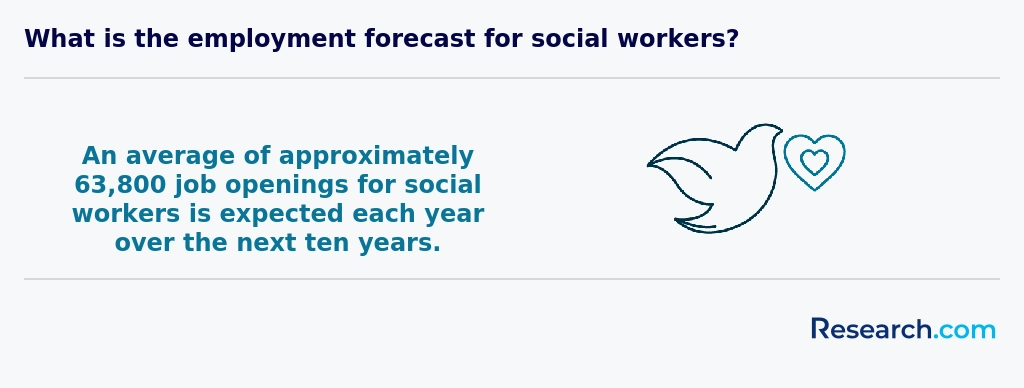
Prospective students often weigh the total cost of an online MSW against the potential earnings and career growth it unlocks. In the South, the average tuition of $30,194 must be balanced with entry-level salaries starting at $40,000–$50,000. By calculating tuition plus fees (including books, technology and field placement costs) against projected earnings over the first five years post-graduation, students can estimate their breakeven point. For many Southern graduates, achieving ROI occurs within three to six years, depending on specialization and regional demand. Key factors influencing ROI:
- Specialization Premium: Clinical concentrations in mental health or substance abuse often command higher starting salaries ($50,000–$55,000) versus generalist tracks.
- Geographic Variance: Urban centers like Atlanta or Nashville offer salaries 10–15% above the regional average, accelerating loan repayment.
- Program Format: Accelerated or advanced-standing MSW tracks reduce credit hours and time to degree, lowering overall debt. Students should also compare regional affordability and outcomes. For example, Northeastern programs may offer lower per-credit tuition but higher living costs, affecting net ROI. For a detailed Northeast comparison, explore Cheapest Online Master's in Social Work Degree Programs Ranking in the Northeast. By running a personalized cost-benefit analysis-factoring in scholarships, federal aid and expected salary growth-prospective social workers can select the program that delivers the strongest return on investment and long-term career satisfaction.
Enrolling in an online social work degree program in the South commonly requires a bachelor's degree from an accredited institution, though it need not always be in social work. Graduates from universities like the University of South Carolina often recall how their backgrounds in related fields such as psychology or sociology proved valuable yet flexible prerequisites. A solid academic record is essential; most Southern schools expect at least a 3.0 GPA, but some graduates emphasize that strong professional experience in social services can sometimes balance a lower GPA when applying.
While GRE scores are less frequently mandated, it's wise to verify each school's current requirements, as policies differ across institutions such as Florida State University or Louisiana State University. Letters of recommendation, often from supervisors familiar with a candidate's commitment to community work, further support applications. Many graduates highlight how their personal essays helped admissions committees see their genuine dedication to social justice and client advocacy, which are core to social work practice.
Hands-on experience from internships or volunteer roles in social service settings frequently enhances applicants' readiness, a factor stressed by many students who studied at prominent Southern colleges. These prerequisites reflect a thoughtful balance of academic credentials and practical background, catering to the diverse journeys of Southern social work students.

After earning an online Master’s in Social Work degree, graduates must pursue licensure to practice clinically and expand career opportunities across the South. Most states require candidates to first obtain the Licensed Master Social Worker (LMSW) credential by passing the Association of Social Work Boards (ASWB) master’s exam and completing 2,000–3,000 supervised clinical hours under a board-approved supervisor. Once experienced, professionals can sit for the Licensed Clinical Social Worker (LCSW) exam, which typically mandates an additional 1,500–3,000 supervised hours and a master’s-level exam focused on clinical practice. Requirements vary by state: for example, Texas mandates 3,000 post-degree supervision hours, while Florida requires 2,000. Prospective students should review their state board’s rules early in their program to align field placements with licensure standards. Engaging with state chapters of the National Association of Social Workers (NASW) can provide mentorship and exam prep resources. Many online programs in the South integrate ASWB-style practice questions and offer dedicated licensure prep workshops to ensure success on both LMSW and LCSW exams. Those beginning their social work journey often start with an affordable bachelor of social work degree program before advancing to master’s-level studies. Planning ahead for licensure accelerates entry into higher-paying positions-LCSWs in metropolitan areas like Atlanta or Nashville can command salaries 10–20% above the regional average. By understanding each state’s application process, supervision requirements, and exam timelines, graduates can confidently navigate certification and fully leverage their online social work credentials.
Choosing the best online social work degree in the South requires more than just picking a program with a convenient schedule. Graduates from well-known Southern universities often highlight the importance of accreditation, particularly from the Council on Social Work Education (CSWE), as this directly impacts licensure eligibility. One graduate shared how attending a CSWE-accredited program simplified their path to becoming a Licensed Clinical Social Worker in their home state, avoiding common licensure hurdles.
Cost is another crucial factor; many students find that public universities in the region offer more affordable online degrees, especially for in-state residents. However, prospective students should explore scholarships and financial aid, sometimes generously provided by schools with strong social work departments. Those looking for affordable online social work degrees South might find value in considering various institutions' financial support packages and tuition rates.
Curriculum relevance, including specializations and field placement flexibility, plays a key role, especially given varied state licensure requirements in the South. Graduates emphasize the value of programs that allow fieldwork in their home state, enabling smoother supervised experience essential for licensing. To explore options, students can also compare offerings with an affordable bachelor of social work degree program tailored to their needs.
2027 Most Affordable Online Master's in Social Work Degree Programs Ranking in the South
Investing in your education is a significant decision that can shape your future, and the Research.com team understands the importance of making informed choices. To assist prospective students in the South, we have meticulously crafted the "2027 Most Affordable Online Master's in Social Work Degree Programs Ranking in the South." Our commitment to quality, credibility, and accuracy is reflected in the extensive research and analysis conducted to compile this ranking.
We utilized the following reputable data sources to ensure a comprehensive evaluation of programs:
By exploring this ranking, readers will gain valuable insights into the most affordable and high-quality online social work master's programs available in the South, empowering them to make confident, informed educational decisions. For more details on our methodology, please visit our Research.com methodology page.




Frequently Asked Questions About social work
Students pursuing online social work degrees in the South can enhance their learning by actively engaging with state-specific licensure requirements, which vary across Southern states. The Council on Social Work Education (CSWE) accredits many online programs, ensuring quality and recognition. Networking with local agencies through virtual internships or fieldwork boosts practical skills and regional understanding. According to the National Association of Social Workers' Southern Chapter, students benefit from joining professional groups to access mentorship and job postings. Additionally, using digital libraries and participating in live webinars focused on Southern social issues deepen contextual knowledge, preparing students for local community challenges in their careers.
The social work field in the South is expanding into several emerging niches that address regional and national needs. One growing area is geriatric social work, driven by an aging population in Southern states like Florida and Texas. The U.S. Census Bureau notes these states have a rapidly increasing senior demographic requiring specialized care.
Another niche gaining momentum is rural social work, especially important given that nearly 20% of the Southern population lives in rural areas with limited access to mental health services, according to the Southern Rural Health Association.
Additionally, social workers focusing on substance abuse and opioid addiction are in high demand due to the ongoing crisis affecting many Southern communities. These specialized roles often require additional training but offer vital career opportunities.
After completing an online social work degree in the South, preparing for the job market involves several key steps. First, obtaining state licensure is crucial; most Southern states require a Licensed Master Social Worker (LMSW) or Licensed Clinical Social Worker (LCSW) credential. This process typically includes passing the Association of Social Work Boards (ASWB) exam and fulfilling supervised experience hours.
Networking remains vital. Joining regional social work associations like the Southern Clinical Social Work Association can offer valuable contacts and job leads. Additionally, gaining experience through internships or volunteer roles boosts employability.
The Southern Economic Advancement Project reports that social work jobs in the region are expected to grow by 15% through 2030, indicating a strong market.
Employers in the South highly value social work graduates who demonstrate strong communication and cultural competence. Given the region's diverse populations, professionals equipped to effectively engage with various communities stand out. According to the National Association of Social Workers' regional reports, 79% of Southern employers prioritize empathy and ethical decision-making.
Critical thinking and problem-solving skills are also essential. Social workers often face complex cases requiring innovative approaches to client support. Data from the Bureau of Labor Statistics show that Southern states expect a 12% growth in social work jobs by 2030, emphasizing demand for adaptable professionals.
Additionally, proficiency in technology and data management is growing in importance, as many agencies adopt digital recordkeeping and telehealth services.
Finding internships in the South for social work students typically begins with exploring local agencies connected to state social service departments. States like Texas, Georgia, and Florida have robust social work communities supported by organizations such as the National Association of Social Workers (NASW) chapters specific to the region.
Students should also leverage their university's online career centers, which often list region-specific placements and maintain partnerships with healthcare facilities, schools, and non-profits. For example, Florida's Department of Children and Families offers internship programs frequently utilized by nearby institutions.
Networking through virtual job fairs and social work conferences held in the South can increase internship opportunities. Studies indicate approximately 70% of social work internships in southern states are arranged through direct connections and local professional organizations (NASW, 2023).
An online social work degree offers significant advantages for career mobility and advancement in the South. Many Southern states, including Texas, Georgia, and Florida, recognize online degrees from accredited programs for licensure purposes, essential for professional growth. According to the Bureau of Labor Statistics, social workers in the South see a steady job growth rate of about 12% through 2031, higher than the national average. Online programs provide flexibility, allowing students to balance work and study, which is crucial for professionals seeking promotions or specialized roles in healthcare, schools, or government agencies.
Hybrid and fully online MSW degrees also expand networking opportunities. Southern universities often connect students with local agencies, facilitating licensure supervision hours and job placements. Additionally, acquiring advanced credentials online can lead to higher salaries, averaging around $60,000 annually in Southern metropolitan areas, compared to $48,000 for bachelor's degree holders (National Association of Social Workers data, 2023). This pathway supports both entry-level and experienced social workers aiming to elevate their careers within the region.
Studying for an online social work degree in the South equips students with skills essential for interdisciplinary collaboration. Southern social work programs often emphasize practical training alongside theory, preparing graduates to work effectively with professionals in healthcare, education, and criminal justice fields. According to the Southern Regional Education Board, many programs integrate courses on team communication and community systems.
Additionally, accreditations such as from the Council on Social Work Education (CSWE) ensure curricula include interdisciplinary case management. This is crucial as 65% of social workers in southern states engage in roles requiring coordination with other sectors (Bureau of Labor Statistics, 2023).
Such programs foster adaptability and cultural sensitivity needed for diverse team environments prevalent in the region's social services.
Choosing between a thesis and a non-thesis online social work degree in the South depends largely on your career goals and learning preferences. Thesis programs emphasize research and original scholarship, ideal for students considering doctoral studies or roles in academia. Non-thesis options focus on practical skills and fieldwork, suitable for those aiming for clinical social work or direct practice.
According to the Council on Social Work Education (CSWE), about 65% of Southern social work programs offer both tracks, providing flexibility. Tuition rates vary by program but often remain competitive for online learners. Consider your time commitment-thesis paths generally require more extensive writing and research.
Evaluating program accreditation and state licensing requirements in your Southern state also helps ensure your degree supports your professional goals effectively.
Students based in the South seeking online social work degrees with an international focus face limited direct options for studying abroad through US programs. Most Southern universities offer online Master of Social Work (MSW) degrees with domestic placements, reflecting regional workforce needs. According to the Council on Social Work Education, only a small fraction of accredited programs incorporate formal study abroad components.
Some Southern schools provide internship opportunities abroad, but these are generally brief and supplementary rather than full study terms. Prospective students can explore partnerships with global agencies or universities, though these are rare and often require self-arranged travel.
For those interested in cross-cultural social work training, selecting programs with strong cultural competency curricula may better serve their goals while remaining primarily online.
Part-time job opportunities that complement social work degree education in the South often focus on community engagement and support roles. Common positions include case management assistants, mental health aides, and crisis hotline workers. These roles provide practical experience relevant to social work fields and enhance students' understanding of client needs. According to the Bureau of Labor Statistics, states in the South like Texas and Georgia have seen a growing demand for social workers, which increases available part-time roles.
Many universities in the South encourage students to seek internships or part-time jobs in healthcare facilities, nonprofit organizations, and local government agencies. These experiences help build skills in client advocacy, counseling, and program coordination, which are crucial for social work practice.
Online social work students in the South have access to a variety of networking opportunities crucial for professional growth. Many Southern universities offer virtual events such as webinars, workshops, and alumni meetups, enabling students to connect with peers and experienced practitioners.
Regional organizations like the Southern Poverty Law Center and state social work boards frequently host conferences and online forums. These platforms allow students to engage with local experts and discuss issues unique to Southern communities.
According to the National Association of Social Workers (NASW), Southern states report increased membership, reflecting growing local collaboration. This trend benefits online students seeking mentorship and career guidance within their state.
Alumni networks play a crucial role in supporting online social work degree students in the South. These networks facilitate valuable connections between current students and graduates who are active in various social work fields across Southern states. According to the Southern Association of Social Work Boards, states like Texas, Georgia, and Florida have large professional communities, making alumni connections especially beneficial for regional job placement.
Such networks often provide mentorship opportunities, helping students navigate licensing requirements that vary by state in the South. Additionally, alumni groups share job openings, internships, and continuing education resources, which can enhance career development.
Engagement with alumni strengthens professional identity and supports ongoing networking that is vital in a human-centered profession like social work.
Customizing an online social work degree program in the South allows students to align their education with career objectives. Many Southern universities offer specialized electives or concentrations, such as clinical social work, child welfare, or community development. These options enable students to develop expertise in areas relevant to regional social needs, like rural health or veteran services.
Field placements are another way to tailor your experience. Southern programs often partner with local agencies, letting students gain hands-on experience that supports their goals. According to the Council on Social Work Education, over 60% of accredited programs in the South incorporate flexible practicum options.
Additionally, some institutions offer dual degrees or certificate add-ons, which can enhance career prospects in policy, administration, or counseling. Exploring these customizations ensures the program fits individual ambitions while meeting licensing requirements in Southern states.
Online social work students in the South often face several challenges related to their studies. Access to reliable high-speed internet can be a problem in rural areas, where 24.3% of Southern households lack broadband compared to the national average of 17.3%, according to the FCC. This affects participation in live lectures and completing online assignments on time.
Additionally, balancing work, family, and coursework is a significant issue. Social work programs require field placements, which can be difficult to arrange locally, especially in less populated parts of the South. Students may also encounter limited access to local mentorship and professional networking opportunities.
With an online social work degree, professionals in the South can pursue several key certifications that enhance career opportunities. One of the most recognized is the Licensed Social Worker (LSW) credential, which many states require for entry-level practice. Further advancement often involves earning the Licensed Clinical Social Worker (LCSW) certification, enabling clinical practice and therapy roles. According to the National Association of Social Workers, Southern states like Texas, Florida, and Georgia have clear licensure paths supporting these certifications.
Other options include certifications in school social work or substance abuse counseling, depending on state regulations. These credentials improve job prospects and earning potential in the region's growing social services sector.
To write a winning application for an online social work program in the South, start by clearly demonstrating your passion for social work and commitment to helping diverse communities. Many Southern programs value applicants who understand regional social challenges, such as poverty rates which are higher than the national average according to the U.S. Census Bureau. Highlight any experience working with underserved populations or in nonprofit settings.
Strong academic records and well-crafted personal statements explaining your goals and motivations are essential. Also, request recommendation letters from supervisors or professors familiar with your practical skills and dedication.
Finally, be sure to meet all technical and enrollment requirements listed by Southern schools to ensure your application is complete and competitive.
Social work careers are increasingly recognized worldwide for their critical role in addressing social issues and promoting well-being. In the United States, and specifically in the South, online social work degrees provide flexible access to these growing opportunities. Globally, social work emphasizes cultural competence and human rights, aligning closely with U.S. education standards accredited by the Council on Social Work Education (CSWE).
The Southern states highlight a rising demand for qualified social workers due to diverse populations and health disparities. According to the U.S. Bureau of Labor Statistics, employment for social workers in the South is projected to grow by 12% between 2020 and 2030, faster than the national average.
This growth reflects the global trend toward community-focused support services, where social workers act as vital agents of change. Understanding these international and regional perspectives equips Southern students pursuing online social work degrees with a broader, culturally aware skill set.
Gaining practical experience while pursuing an online social work degree in the South is essential for licensure and career readiness. Many accredited programs require students to complete field internships or practicums, which can often be arranged locally near the student's residence. This flexibility allows Southern students to partner with community agencies, healthcare organizations, or schools within their state.
According to the Council on Social Work Education, over 90% of accredited MSW programs mandate a minimum of 900 hours of supervised fieldwork. In Southern states like Georgia and North Carolina, universities often assist students in finding placements that meet state licensure requirements.
Additionally, some programs offer virtual simulation experiences to supplement hands-on training, enhancing skills when in-person options are limited.
Choosing the right concentration within an online social work degree program in the South involves considering your career goals and regional needs. The Southern United States shows high demand for clinical social workers and those focused on child and family welfare, especially in states like Texas and Georgia. According to the Bureau of Labor Statistics, these states expect above-average job growth in social work fields through 2030.
Different concentrations-such as clinical social work, school social work, or community advocacy-offer varied licensure paths and job opportunities. Evaluate your interests alongside state licensing requirements, as they can differ widely across Southern states. Additionally, reviewing program curricula and available field placements online will help ensure practical experience aligns with your career plans.
See What Experts Have To Say About Studying Social Work
Read our interview with Social Work experts

- The Pros and Cons of Online MSW Programs – Should I Pursue an MSW Online? https://www.masterofsocialwork.com/resources/pros-and-cons-online-msw-programs
- How Long Does it Take to Become a Social Worker? https://socialworklicensemap.com/become-a-social-worker/how-long-does-it-take/
- Professional services https://www.strath.ac.uk/courses/undergraduate/socialwork/howtobecomeasocialworker/
- Social Work Networking Nights - National Association of Social Workers https://www.naswma.org/page/218
- Bachelor’s degrees in social work (BSW) online https://www.onlinemswprograms.com/online-social-work-degrees/bsw/
- Tripod Partners https://www.tripodpartners.com/career-advice/social-work/advancing-your-social-work-career-tips-for-promotion/
- Social work certificates | edX https://www.edx.org/certificates/social-work-certificates
- Social Work Internships https://www.stjude.org/education-training/professional-development/internships/social-work.html
- Expected Social Work Salaries By Degree Level https://www.publichealthonline.org/social-work-salaries/
- Social Work News https://www.mysocialworknews.com/article/how-to-find-your-social-work-niche


