
2027 Most Valuable Psychology Degree Programs Ranking in Spokane

Co-Founder and Chief Data Scientist
Choosing the right psychology degree program in Spokane can feel overwhelming. To help you navigate your options, this article presents the 2027 Most Valuable Psychology Degree Programs Ranking in Spokane, created by Research.com's expert data science team.
By exploring this ranking, you'll discover which programs offer strong value and opportunities for your future career. A psychology degree opens doors to meaningful work and personal growth, making it a rewarding path to consider.
Let this guide support your journey toward a fulfilling education and career in psychology.
Key benefits of getting psychology degree in Spokane
- Psychology graduates in Spokane can earn competitive salaries, such as Human Resources Specialists averaging $76,060 annually and Marketing Research Analysts making around $83,190, providing strong financial motivation.
- Career paths include roles like Clinical Research Associates or Survey Researchers, reflecting diverse opportunities thanks to the versatile skills gained through a psychology degree.
- Online psychology degrees offer flexibility and convenience, allowing students in Spokane to balance work and study effectively, just like graduates from popular local institutions who appreciate the adaptable learning environment.
- 2027 Most Valuable Psychology Degree Programs Ranking in Spokane
- What can I expect from psychology degree in Spokane?
- Where can I work with psychology degree in Spokane?
What can I expect from psychology degree in Spokane?
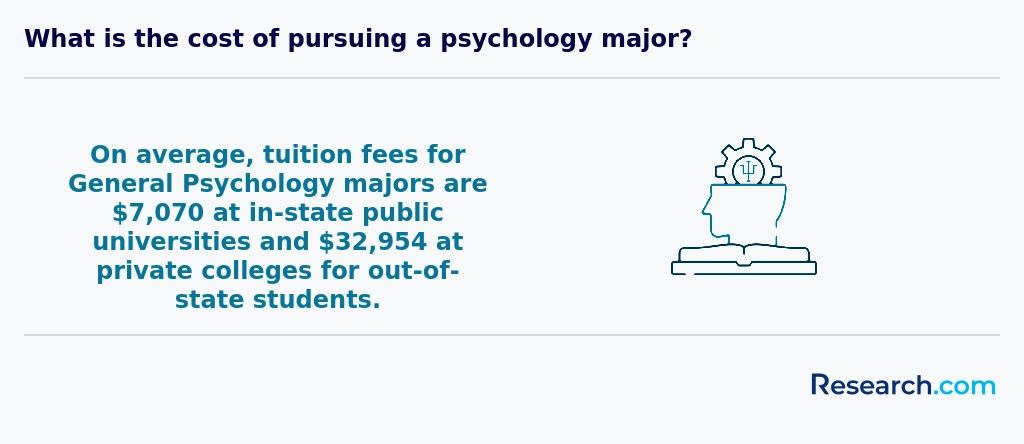
When it comes to the average cost of a psychology degree in Spokane, students at local schools like Eastern Washington University usually pay around $7,760 a year for in-state tuition. That's pretty affordable compared to many other places, which makes it easier to focus on your studies without stressing too much about crushing debt. Graduates often mention how this budget-friendly option helped them gain solid knowledge without breaking the bank.
Since programs here typically take about four years for a bachelor's degree, you're looking at roughly $31,000 total tuition if you stick to in-state rates. Plus, schools such as Gonzaga University offer strong programs where students get hands-on experience through internships, which adds real-world value without extra costs. Plenty of Spokane grads remember how these internships helped them feel confident walking into their first counseling or social services jobs, making the cost feel totally worth it.
Where can I work with psychology degree in Spokane?
If you're studying psychology in Spokane, you've got a bunch of cool options waiting for you right here. Many grads from Gonzaga University and Eastern Washington University find themselves working in hospitals or mental health clinics, helping people face real challenges every day. Imagine supporting patients at Providence Sacred Heart Medical Center or being part of community programs through the Spokane Regional Health District - these roles let you make a real difference.
Some grads land jobs in schools, like Spokane Public Schools, where they help students with behavioral support or assist with mental health programs. Others get involved with nonprofits tackling issues like substance abuse or youth services, which feels really rewarding if you're passionate about social change.
Plus, local businesses love hiring psychology grads for HR roles, where you use your understanding of people to improve workplace vibes. Starting salaries hover around $40,000 to $50,000, giving you a solid launchpad while you build experience. It's a great slice of Spokane's job scene for anyone diving into psychology!
If you're studying psychology in Spokane, you might wonder what kind of paycheck you can expect after graduation. Well, entry-level jobs like research assistant or behavioral technician typically pay around $32,000 to $62,000 a year. For instance, a clinical research associate in the area earns a mean annual wage of about $62,370, which is pretty solid for starting out. Graduates working as survey researchers can expect a similar salary, also near $62,370 annually.
Some graduates find roles in human resources, where the mean wage jumps up to around $76,060 a year. That's a nice bump and really opens doors in both public and private sectors around Spokane.
If marketing research sounds interesting, psychology grads in Spokane can earn around $83,190 annually. Imagine combining your psychology background with data skills and landing that kind of gig after finishing your degree at Gonzaga or Spokane Falls Community College-many alumni share how rewarding it feels to use psychology in real-world business settings while earning well.
It's encouraging to see that your degree can lead to diverse roles with competitive pay in Spokane. Plus, many grads love that they can grow their salaries with experience or by moving into specialized fields!
- Annual tuition for psychology bachelor's degrees in Spokane ranges from $7,000 to $11,000 for residents and $25,000 to $40,000 for out-of-state students.
- Graduate psychology programs typically cost between $12,000 and $25,000 per year depending on the institution and program format.
- Entry-level psychology graduates with a bachelor's degree can expect starting salaries of $40,000 to $48,000 annually in Spokane.
- Licensed psychologists and counselors in Spokane earn between $70,000 and over $90,000 per year based on specialization and workplace.
- Psychology-related jobs in Spokane are projected to grow about 10% over the next decade, matching national healthcare occupation growth rates.
- Many Spokane programs include practical training and internships essential for licensure, which often requires supervised clinical hours and passing a national exam.
If you're thinking about studying psychology in Spokane, expect to spend about four years getting your bachelor's degree. That's pretty much what graduates from nearby schools like Eastern Washington University say-it feels just right for diving deep into psychology basics without rushing. You'll mix general education classes with core psych courses and electives, making it a balanced journey.
Going for a master's? Plan on two to three years. Many Spokane folks share how rewarding it is to combine coursework with hands-on practicum work, which really brings the field to life. It can be intense but super fulfilling when you see your skills grow in real settings.
For those aiming to actually become licensed psychologists, doctoral programs here run about five to seven years. Graduates mention that the mix of research, internships, and dissertations takes dedication, but it's exciting knowing you're becoming an expert ready to help others.
Plus, if you need to study part-time because of work or life, that's totally doable in Spokane, though it stretches out your timeline. It's all about fitting school into your life without losing your mind!
As the field of psychology evolves, Spokane students should prepare for emerging specialties and delivery models that will shape career trajectories over the next decade. Telepsychology and digital mental health platforms are expanding rapidly, allowing practitioners to serve rural and underserved populations. Graduates with skills in virtual therapy, teleassessment, and HIPAA-compliant technology will be in high demand. Concurrently, the integration of artificial intelligence and machine learning into behavioral health research is creating roles for psychology professionals who can analyze large datasets to predict treatment outcomes and optimize interventions. Moreover, interdisciplinary collaboration is accelerating growth in areas like health psychology, where clinicians work alongside primary care providers to address chronic illness management and preventive care. Corporate wellness programs are also on the rise, with organizations seeking psychologists to design evidence-based stress management and resilience training. Those interested in cutting-edge methodologies may explore specializations in neuropsychology, biofeedback, or virtual reality therapy-fields that blend psychology with neuroscience and technology. As students evaluate these opportunities, program affordability remains a key consideration. Prospective applicants can compare costs and ROI by reviewing the Most Affordable Psychology Degree Programs Ranking in Massachusetts, which illustrates how budget-friendly options can still offer robust training in emerging domains. Finally, staying informed about licensure portability and telehealth regulations will ensure smooth transitions into multi-state practice, making this an exciting time for Spokane psychology graduates ready to lead the profession into its next era.
If you're thinking about a psychology degree in Spokane, the main difference between online and on-campus programs comes down to experience and flexibility. On-campus students at places like Eastern Washington University really enjoy the chance to join lively classroom discussions, get hands-on with labs, and connect face-to-face with professors. They also benefit from local internships that help build real-world skills, which many grads say was a huge confidence booster when applying for jobs or grad school.
On the flip side, online programs are a lifesaver for those juggling work or family. Spokane students who pick the online route love studying on their own schedule without the hassle of commuting or relocating. They can keep living at home and still earn a degree. However, online learners do need to hunt down local practicum spots themselves, which can be tricky but also feels like stepping up their independence.
Tuition-wise, Eastern Washington's on-campus price, about $8,400 a year for in-state students, is pretty affordable. Online costs from Spokane schools might be similar, but if you look out-of-state, you'll want to double-check prices and licensing rules.
After earning a psychology degree in Spokane, WA, many graduates pursue state licensure or certification to practice independently. In Washington, the Department of Health oversees credentials for roles such as Licensed Mental Health Counselor (LMHC) and Licensed Independent Clinical Social Worker (LICSW). To become an LMHC, candidates must complete a master’s degree in counseling or a related field, accrue at least 3,000 supervised clinical hours, and pass the National Clinical Mental Health Counseling Examination. Similarly, those aiming for LICSW status need a Master of Social Work, 3,000 supervised hours, and the ASWB Clinical Exam. Aspiring psychologists who wish to conduct diagnostic assessments and therapy typically pursue a doctorate (PhD or PsyD) and then apply for a Licensed Psychologist credential. Washington requires 1,500 postdoctoral supervised hours and passage of both the Examination for Professional Practice in Psychology (EPPP) and a jurisprudence exam on state laws. Maintaining these licenses involves 36 continuing education credits every two years, covering ethics, diversity, and evidence-based practices. Undergraduates interested in early-career roles-such as behavioral health technicians or paraprofessionals-should explore practicum placements during their bachelor’s program. These experiences not only build applied skills but also count toward supervised hours required by licensure boards. For those drawn to child-focused settings, local students often research child psychologist jobs to understand specific certification pathways, such as school psychologist credentials issued by the Office of Superintendent of Public Instruction (OSPI). By mapping out licensure requirements early, Spokane graduates can streamline their career trajectory and ensure they meet all educational, experiential, and examination benchmarks for professional practice.
The average cost of a psychology degree in Spokane typically sits around $55,480 for in-state students and can climb to about $73,709 for out-of-state students. This makes sense when you consider popular local options like Eastern Washington University, where graduates often mention how the tuition fits within their budget better than many other places. For those who start at community colleges like Spokane Community College, the journey can be more wallet-friendly upfront, with lower costs leading into transfer programs that help keep overall expenses more manageable.
Many students diving into psychology programs in Spokane find the cost manageable especially when factoring in financial aid and scholarships, which often drastically cut down those sticker prices. Graduate programs, especially master's and doctoral levels, tend to be pricier, usually because of extra costs like clinical training and research fees. Successful graduates often share that while these expenses add up, the practical experiences and support networks at schools here balance it out quite well.
It's good to keep in mind that extra costs like textbooks, supplies, and internship fees also add to the final tally. But overall, the psychology degree tuition and fees Spokane students face generally line up with national averages. If you want to dive deeper into tuition figures and financial help that can make a big difference, checking out resources like research.com is a smart move.
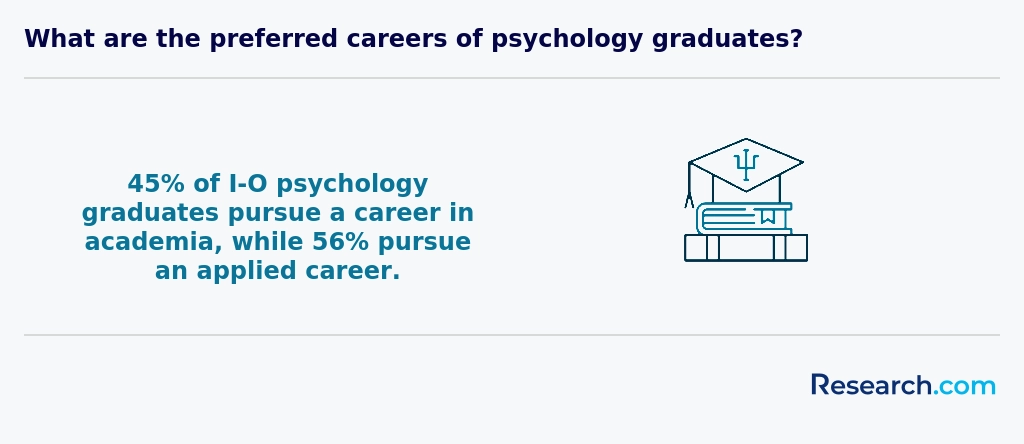
For many graduates, the journey doesn't end at earning a degree; advancing your psychology career often entails obtaining professional certifications and licenses that not only validate your expertise but also open doors to specialized fields such as child psychology. Navigating this process includes understanding the prerequisites for licensure, preparing for standardized examinations, and accumulating required supervised clinical experience. For example, if you're interested in becoming a child psychologist, you might wonder about the duration of the necessary training – check out how long does it take to become a child psychologist for a detailed overview of the timeline and steps involved. This section emphasizes the importance of aligning academic achievements with professional credentials and encourages continuous learning through workshops, seminars, and real-world clinical experiences. By integrating these certification standards into your career planning, you can position yourself as a trusted professional in the evolving field of psychology while ensuring that your educational background meets industry and regulatory expectations.
If you're studying psychology in Spokane, you've got a solid mix of financial aid options to ease the tuition load. Many students at local colleges like Eastern Washington University or Spokane Community College rely on federal aid, especially Pell Grants. A lot of them share how the $7,395 maximum award for 2023-2024 made a huge difference, covering books or part of their tuition right off the bat.
On top of federal aid, Washington's College Grant is a game changer for in-state students. It stacks nicely with other scholarships, so if you're a psychology major here, you've got multiple layers of support. A few graduates mentioned snagging merit-based scholarships specific to social sciences, which really helped with those extra costs.
Work-study gigs on campus are also pretty popular. Besides helping with money, they give you real-world psychology experience. Plus, if you've served in the military or your employer offers tuition help, cashing in on those benefits can really lighten your financial worries while studying in Spokane.
When considering a psychology program, it's essential to think about the location and how it can impact your educational experience and future career prospects. Spokane, WA, offers a unique blend of academic rigor, research opportunities, and community engagement that can enhance your studies in psychology. For instance, students interested in exploring valuable psychology programs in Washington can find a plethora of options in Spokane that cater to various interests and career goals. The city's smaller size compared to larger metropolitan areas can provide a more personalized and supportive learning environment, where students can easily connect with faculty and peers. Additionally, the cost of living in Spokane is generally lower, making it an attractive option for students looking to manage their expenses while pursuing higher education. Overall, choosing a psychology program in Spokane, WA, can be a strategic decision that balances academic excellence with practical considerations, setting students up for success in their future careers.
If you're thinking about studying psychology in Spokane, getting into programs like those at Eastern Washington University or Gonzaga University usually means having a decent high school record, especially in classes like biology and social studies. Most grads mention how having around a 2.5 to 3.0 GPA helped them feel confident during the admissions process.
A lot of students also talk about the test-optional policies these days, so you might not even need SAT or ACT scores-but definitely double-check with your school just to be sure.
For grad degrees in Spokane, it gets a bit more specific. You'll usually need a bachelor's degree, often with psychology courses already under your belt, plus a solid 3.0 GPA. Many grads found that letters of recommendation and sharing your own story through a personal statement really helped their applications stand out.
Some programs still ask for GRE scores, but others have dropped that to make things easier. Overall, Spokane's psychology schools focus on getting you ready with both the smarts and real-world experience to succeed.
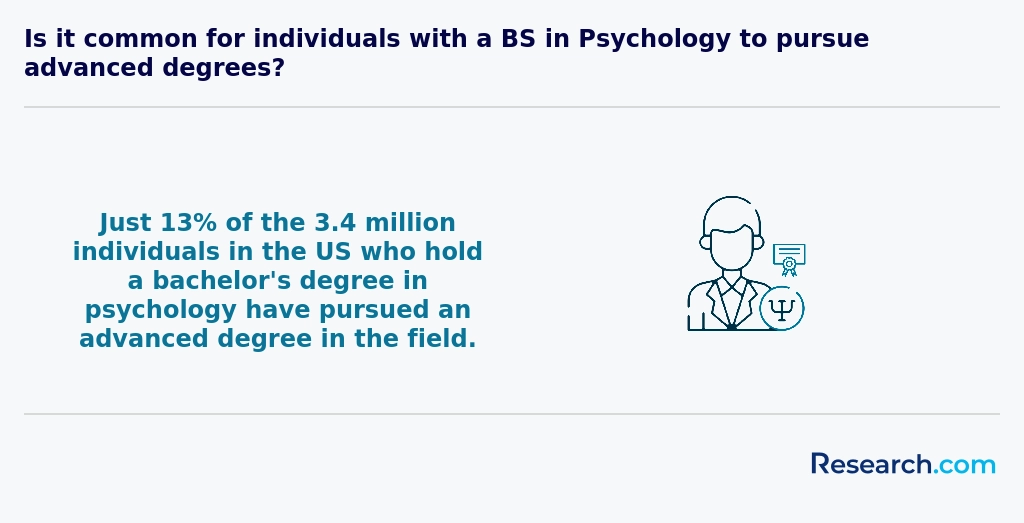
For students aiming to become licensed psychologists in Spokane, pursuing a doctoral degree is essential. Two main doctoral tracks exist:
- PsyD: Focuses on clinical practice, preparing graduates for assessment, therapy and supervision.
- PhD: Emphasizes research and academia, ideal for those interested in teaching and advanced research.
Key considerations:
- Accreditation: Ensure your program is APA-accredited to meet Washington State licensure requirements.
- Duration: Doctoral programs typically take 4–7 years, including dissertation or clinical internship.
- Licensing: After graduation, candidates must complete supervised hours and pass the EPPP exam.
For those seeking flexible, reputable options, explore online psyd programs accredited that align with state standards and clinical training expectations.
If you're diving into a psychology degree in Spokane, expect a lineup of courses that really get to the heart of understanding how people tick. At places like Eastern Washington University or Gonzaga, students jump right into General Psychology, which feels like opening a door to the world of the mind-covering everything from classic experiments to big ideas about behavior.
After that, you'll tackle Research Methods and Statistics, which might sound intense, but grads often say it's the course that gave them real confidence in figuring out what makes people act the way they do.
Biological Psychology is another favorite, where you connect brain science to everyday emotions and actions-think understanding why stress hits you the way it does or how memory works. Social Psychology courses help you see group dynamics from a fresh angle, like why we sometimes follow the crowd or why peer pressure happens.
- Developmental Psychology, which is all about how we change from babies to adults
- Cognitive Psychology, where you dig into how your brain solves problems and recalls memories
- Abnormal Psychology, which covers mental health challenges and treatments
- Clinical or Counseling Psychology, prepping you for helping others through therapy and support
Many students find the senior research project a highlight-it's a chance to explore something that really sparks your curiosity and apply what you've learned in a hands-on way, often with support from Spokane's community resources. It's the kind of experience that makes the whole journey feel super rewarding and practical.
If you're thinking about a psychology degree in Spokane, you'll find several cool specializations that match what's hot and helpful in the field right now. For example, many students at popular Spokane colleges dive into Clinical Psychology, where they get hands-on practice diagnosing and treating mental health issues. It's pretty rewarding to see real progress in these supervised clinical settings.
Other grads lean toward Counseling Psychology, helping people and families navigate life's ups and downs. Spokane's tight-knit community vibe makes this especially meaningful. Then there's Industrial-Organizational Psychology, which is gaining momentum thanks to Spokane's business scene. Imagine applying psychology to boost office morale and productivity-that's what some students enjoy most.
If studying human growth fascinates you, Developmental Psychology is a strong choice, covering everything from infancy to old age. Plus, for those intrigued by crime and justice, Forensic Psychology offers a unique lens, often including internships tied to legal settings in the area. These Spokane psychology program concentration options truly give you a wide playground to choose from.
Many grads also benefit from the region's partnerships with hospitals and schools, boosting their internship experience. And if you want to explore specialized fields further, you can check out the best value substance abuse counseling degrees online, a practical route for some Spokane students.
Picking the best psychology degree in Spokane really boils down to what fits your life and goals. If you want hands-on experience, many graduates from Eastern Washington University rave about the practical internships right in Spokane's healthcare community. On the other hand, Gonzaga University grads often highlight the in-depth, applied psychology courses that helped them ace licensure exams.
Cost is huge too. Folks looking for affordable psychology degrees Spokane Washington often find EWU's tuition around $8,000 a year a real relief compared to pricier private options. But some say Gonzaga's financial aid can even out the sticker shock. Either way, make sure to consider how much debt you're comfy with.
Also, think about what's important beyond just classes-like research chances or flexible schedules. If you want to see what programs fit your vibe nationally, checking out a psychology degree Texas guide can give you fresh ideas for options and outcomes.
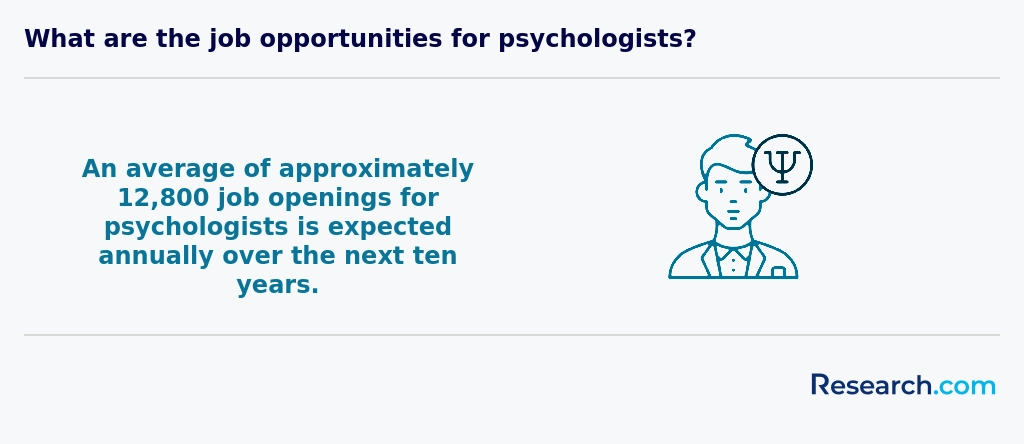
Graduates with a psychology degree in Spokane have a rich mix of career paths to explore. Many find themselves drawn to clinical roles, working as licensed counselors or psychologists after completing advanced degrees from popular local universities. These grads often share how rewarding it feels to support their community, especially with strong demand through the Spokane Regional Health District for mental health services.
Jobs with psychology degree Spokane also include roles in schools, where professionals use their skills to boost student well-being and learning. It's common to hear about graduates excited to make real changes inside Spokane Public Schools, helping kids thrive both emotionally and academically.
Research gigs are another popular choice. Spokane's colleges offer cool opportunities to dive into behavioral studies that can lead to work in academia or government. Plus, some grads love applying psychology in businesses and nonprofits, improving team dynamics and workplace vibes.
If you're curious about your options or want to compare different programs, check out virtual psychology programs California for inspiration and ideas.

The job market for psychology degree holders in Spokane is looking pretty solid, especially if you're thinking about psychology degree job opportunities in Spokane. Graduates from schools like Gonzaga University and Eastern Washington University often share how internships and local networking opportunities gave them a foot in the door at healthcare centers or schools right after graduation. Many find roles as counselors or school psychologists, where there's a real need, especially in Spokane Public Schools.
Salary-wise, psychologists here typically earn between $75,000 and $90,000, which, while a bit below the national average, matches the steady growth in demand. Washington state expects employment growth for psychologists to hit 14% by 2032 - much higher than the national rate!
If you want to explore specialized job paths, plenty of grads also look into industrial-organizational psychology roles, which are gaining traction locally. Overall, Spokane's job market is friendly to those who get licensed and focus on areas where demand keeps increasing.
2027 Most Valuable Psychology Degree Programs Ranking in Spokane
Investing in your education is a significant decision that can shape your future, and the Research.com team understands the importance of making informed choices. To assist prospective students in Spokane, we have meticulously created the "2027 Most Valuable Psychology Degree Programs Ranking in Spokane." Our dedication to quality, credibility, and accuracy is demonstrated through rigorous research and thorough analysis conducted to develop this ranking.
We utilized the following reputable data sources to ensure a comprehensive evaluation of psychology programs:
By exploring this ranking, readers will gain valuable insights into the best psychology degree programs available in Spokane, enabling them to make well-informed decisions about their academic and professional futures. For more information about how this ranking was created, please visit our Research.com methodology page.


Frequently Asked Questions About psychology
Psychology degree students in Spokane can maximize their learning experience by engaging actively with both academic and practical opportunities available locally. Institutions such as Eastern Washington University and Gonzaga University offer research projects that provide real-world insights and hands-on experience.
Joining psychology clubs or organizations enhances networking and peer learning. Internships with Spokane-based mental health agencies are invaluable for applying classroom knowledge to professional settings. According to the Bureau of Labor Statistics, Spokane's demand for mental health professionals is growing steadily, making early career experience crucial.
Additionally, attending local psychology conferences and workshops allows students to stay updated on current trends and research. Utilizing university counseling labs equipped for psychological studies further supports practical skill development.
The psychology field is rapidly evolving, with several emerging niches gaining prominence in Spokane and beyond. One notable area is neuropsychology, which examines the connection between brain function and behavior. Local healthcare providers increasingly seek specialists in this niche due to rising awareness of brain injuries and neurological disorders.
Another growing field is health psychology, focusing on how psychological, behavioral, and cultural factors impact physical health. Spokane's expanding wellness industry has boosted demand for professionals trained in this area.
Sports psychology is also advancing, supported by Spokane's active community and collegiate sports programs, offering opportunities for psychologists to work with athletes to enhance mental resilience and performance.
According to the Bureau of Labor Statistics, psychology-related jobs are expected to grow 8% nationally through 2031, with regional demand in Washington State mirroring this trend.
After earning a psychology degree in Spokane, preparing for the job market involves several practical steps. First, gaining relevant experience through internships or volunteer work in local mental health clinics or social service agencies can improve employability. The U.S. Bureau of Labor Statistics notes that applied psychology roles in Washington State, including Spokane, are projected to grow about 8% by 2030, signaling solid opportunities.
Building professional networks is also crucial; students should attend regional psychology association meetings and connect with alumni. Preparing a strong resume that highlights research projects and fieldwork helps in Spokane's competitive market. Pursuing certifications or graduate education may be necessary for clinical positions.
Employers in Spokane highly value psychology graduates who demonstrate strong communication skills, as these are essential for client interaction and teamwork in various mental health settings. Critical thinking and analytical abilities are also top priorities, enabling graduates to assess complex psychological data and apply evidence-based approaches effectively.
According to the U.S. Bureau of Labor Statistics, professionals in psychology-related roles in Washington State, including Spokane, must also possess cultural competence to work with diverse populations. Additionally, proficiency in ethical decision-making and confidentiality is crucial, given the sensitive nature of psychological work.
Research skills and familiarity with statistical software further enhance employability, supporting roles in community agencies and clinical research programs in Spokane.
Finding internships in Spokane relevant to a psychology degree involves utilizing local university resources and community organizations. Eastern Washington University, located nearby, offers counseling centers and psychology labs that often have internship opportunities for students. Connecting with the university's career services can provide updated listings and networking events tailored to psychology majors.
Additionally, Spokane hosts various mental health clinics and nonprofit agencies where psychology interns gain practical experience. The Washington State Department of Health also publishes guidelines and lists approved internship sites, ensuring compliance with licensure requirements.
Students should explore online databases like Handshake and Psychology Today's internship boards for openings specific to Spokane. Networking with Spokane-area professionals through organizations such as the Spokane Psychological Association can reveal less-advertised placements.
A psychology degree in Spokane can significantly influence career mobility and advancement by providing essential knowledge and skills valued by local employers. According to the Washington State Employment Security Department, jobs in psychology and mental health fields in Spokane are projected to grow by 12% from 2020 to 2030, indicating increasing demand. Graduates can pursue roles in counseling, social services, or human resources, where a psychology background enhances understanding of human behavior and decision-making.
Moreover, earning advanced psychology degrees, such as a master's or doctorate, often leads to higher earning potential and eligibility for leadership positions within healthcare and educational institutions in Spokane.
Studying for a psychology degree in Spokane provides students with a strong foundation in understanding human behavior, which is essential for many interdisciplinary roles. Local universities often emphasize collaboration across fields like healthcare, education, and social services. This approach equips graduates with skills to work in teams involving social workers, educators, and medical professionals.
According to the Washington State Employment Security Department, Spokane's health and social assistance sectors are among the fastest-growing, highlighting demand for professionals with diverse expertise. Psychology programs in Spokane frequently include hands-on experiences and internships that foster this interdisciplinary readiness.
Students learn research methods and communication skills that transfer well across different career paths, enhancing their adaptability in various professional settings.
When choosing between a thesis and a non-thesis psychology degree program in Spokane, consider your career goals and learning preferences. A thesis program typically requires original research, making it ideal for students aiming for doctoral studies or research roles. Non-thesis options often focus on coursework and practical skills, suitable for those pursuing clinical or applied positions.
The University of Washington Tacoma, a common choice for Spokane students, reports about 40% of its psychology graduates choose thesis tracks, showing strong research interest locally. Financial aid and time commitment also vary; thesis programs generally take longer due to research demands.
Advisors recommend carefully reviewing program curricula and speaking with faculty to understand expectations and align choices with your objectives.
Students based in Spokane interested in studying psychology abroad can explore several established pathways through Spokane's higher education institutions. Gonzaga University and Eastern Washington University, the two primary schools offering psychology programs locally, often participate in study abroad programs affiliated with other U.S. universities. These programs provide opportunities to study psychology in countries like the United Kingdom, Australia, or Ireland, where psychology education aligns with U.S. accreditation standards.
In addition, students may consider semester-long exchange programs or summer courses focused on global mental health topics. Spokane students often benefit from institutional advising that helps ensure transferability of credits and adherence to American Psychological Association (APA) guidelines. Official data from Spokane's universities reveal that approximately 5-7% of psychology undergraduates engage in some form of international study, reflecting growing interest in global perspectives within the local academic community.
Students pursuing psychology degrees in Spokane can benefit from part-time jobs that enhance their academic knowledge and build relevant skills. Popular options include working as research assistants at local universities, where hands-on experience with experimental design and data collection is common.
Another option is roles in social services or mental health support at Spokane-based nonprofits, such as community counseling centers. These positions offer exposure to client interaction and case management.
Employment as behavioral health technicians at clinics or hospitals in Spokane also complements psychology studies by familiarizing students with clinical environments and therapeutic techniques.
According to the U.S. Bureau of Labor Statistics, Spokane's demand for mental health professionals is growing, supporting job availability in these areas.
Psychology students in Spokane have access to various networking opportunities that can enhance their academic and professional development. Local universities, like Gonzaga University and Eastern Washington University, often host psychology clubs and events where students can meet peers and faculty. These gatherings foster connections with professionals currently working in clinical, counseling, and research fields.
Spokane's proximity to health care facilities and community organizations allows students to engage in internships and volunteer roles, which are key for building a professional network. Additionally, regional conferences, such as those organized by the Washington State Psychological Association, provide valuable chances to connect with practitioners and researchers.
Many Spokane institutions support mentorship programs linking students with licensed psychologists, aiding career guidance and job placement. According to the U.S. Bureau of Labor Statistics, networking significantly improves employment prospects for psychology graduates in this region.
Alumni networks play a crucial role for psychology degree students in Spokane by offering valuable connections within the local professional community. Graduates from Spokane institutions often gain access to mentorship opportunities from experienced alumni, which can enhance career guidance and job placement. According to Spokane Workforce Council data, nearly 60% of psychology-related jobs are obtained through networking and referrals. These networks help students stay informed about internships, research positions, and licensure preparation, which are essential for advancing in psychology careers. Additionally, active alumni groups often organize workshops and events that support ongoing learning beyond graduation.
Customizing a psychology degree program in Spokane allows students to align their education with specific career goals. Many local institutions offer flexible coursework options, including concentrations in clinical, counseling, or industrial-organizational psychology. Electives and internships provide practical experience tailored to areas of interest.
Students can often choose between research-focused tracks and applied psychology paths, depending on their ambitions. Spokane's universities frequently collaborate with regional healthcare providers and businesses, offering valuable networking opportunities.
Additionally, pursuing certifications or dual degrees alongside a psychology degree may enhance qualifications. According to the Washington State Employment Security Department, demand for psychology-related roles in Spokane is growing, supporting varied specialization choices within programs.
Psychology students in Spokane face several common challenges as they pursue their degrees. One significant hurdle is balancing rigorous coursework with practical experience requirements. Many programs in Spokane, including those at Eastern Washington University, emphasize internships or practicum hours, which demand substantial time alongside academic studies.
Financial concerns also affect students; the average annual tuition for psychology programs in the area ranges from $7,000 to $15,000 for in-state students, not including living expenses, according to the College Board. This can create stress, especially for those relying on loans or part-time jobs.
Additionally, students often report difficulty accessing local mental health facilities for supervised training due to limited regional resources. According to Spokane Regional Health District data, mental health services are in high demand, which sometimes restricts internship availability.
Finally, navigating licensure pathways post-graduation poses challenges, as requirements vary by state and can be complex for students planning to remain in Washington.
A psychology degree obtained in Spokane can open doors to several professional certifications that enhance career prospects. Graduates often pursue licensure as a Licensed Mental Health Counselor (LMHC) or Licensed Professional Counselor (LPC), which require completing a master's degree, supervised clinical hours, and passing relevant exams. For those interested in psychological testing, certification as a Certified Psychological Assistant (CPA) or becoming a Board Certified Behavior Analyst (BCBA) are options with additional training.
Many Spokane institutions prepare students for the National Certified Counselor (NCC) credential, regarded nationally. According to the Washington State Department of Health, the demand for licensed counselors in Spokane has grown approximately 15% over the last five years, reflecting strong professional opportunities after certification.
Applying to a psychology program in Spokane requires careful preparation to stand out in a competitive field. Begin by researching program requirements at institutions like Eastern Washington University, where psychology enrollment has increased by 12% in recent years (EWU 2023 Report). A strong application typically includes a well-crafted personal statement that highlights your interest in psychology, relevant experiences, and career goals.
Academic performance is crucial; aim for a GPA above 3.0, as many Spokane programs set this as a minimum. Include letters of recommendation from professors or professionals familiar with your skills and commitment.
Demonstrating involvement in psychology-related activities or internships within Spokane's mental health community can improve your chances. Finally, follow application deadlines closely and provide all required documents to ensure your application is complete and competitive.
Psychology careers hold significant value globally, including in the United States. In Spokane, psychology professionals benefit from a growing local demand driven by healthcare and social services sectors. According to the U.S. Bureau of Labor Statistics, employment for psychologists nationwide is expected to grow 8% from 2022 to 2032, faster than average. This growth reflects a rising recognition of mental health's importance in a variety of industries.
Globally, the psychology profession is influenced by diverse cultural contexts, but U.S. credentials, such as those from Spokane institutions, are widely respected. Graduates often find opportunities not just within the U.S. but through collaborations and exchanges in research and clinical practice internationally.
Gaining practical experience while studying for a psychology degree in Spokane is essential for building skills and improving job prospects. Many local colleges and universities, including Gonzaga University and Eastern Washington University's Spokane campus, offer internship opportunities through their psychology departments. These internships often partner with regional healthcare providers, mental health clinics, and community organizations.
Students can also participate in research projects led by faculty, gaining hands-on experience in experimental design and data analysis. According to the Washington Higher Education Coordinating Board, nearly 60% of psychology students in Spokane engage in some form of practical training before graduation.
Volunteering and part-time work in social services or counseling centers can further supplement classroom learning and prepare students for licensure requirements.
Choosing the right concentration within a psychology degree program in Spokane requires understanding your career goals and interests. Psychology offers various specializations, such as clinical, counseling, industrial-organizational, and developmental psychology. Each focuses on different skills and job markets.
Research local job trends in Spokane to see which concentrations align with employer demand. For example, according to the Washington State Employment Security Department, clinical and counseling psychologists remain in strong demand regionally.
Consider program resources available at Spokane's universities, including faculty expertise and internship opportunities. Practical experience through local health centers or businesses can be vital.
Lastly, evaluate licensing requirements if you aim for clinical practice, as specific concentrations may better prepare you for state certification in Washington.
- 2027 Most Valuable Psychology Degree Programs Ranking in Portland
- 2027 Most Valuable Psychology Degree Programs Ranking in Eugene
- 2027 Most Valuable Psychology Degree Programs Ranking in San Francisco
- 2027 Most Valuable Psychology Degree Programs Ranking in Boulder
- 2027 Most Valuable Psychology Degree Programs Ranking in Denver
- 2027 Most Valuable Psychology Degree Programs Ranking in Santa Barbara
- 2027 Most Valuable Psychology Degree Programs Ranking in Los Angeles
- 2027 Most Valuable Psychology Degree Programs Ranking in Riverside
- 2027 Most Valuable Psychology Degree Programs Ranking in Irvine
- 2027 Most Valuable Psychology Degree Programs Ranking in Phoenix
See What Experts Have To Say About Studying Psychology
Read our interview with Psychology experts

Joann Farrell Quinn, Ph.D., MBA
Psychology Expert
Director at the College of Medicine Department of Medical Education
Morsani College of Medicine

Catherine Caldwell-Harris, Ph.D.
Psychology Expert
Associate Professor of Psychology
Boston University

Elizabeth L. Jeglic Ph.D.
Psychology Expert
Professor of Psychology
City University of New York

- Mental Health Challenges Faced by Psychology Students | The Healthcare Guys https://healthcareguys.com/2023/11/23/mental-health-challenges-faced-by-psychology-students/
- Alumni Perspectives - Meet Our FPN Alumni https://www.aanmelder.nl/alumni-perspectives-june-2023
- Society for the Teaching of Psychology https://teachpsych.org/page-1784686/8675326
- Psychology Placement Opportunities for Year 12 Students https://studymind.co.uk/ucas-guide/year-12-guide-to-gaining-psychology-work-experience/
- Alumni Network - https://efpsa.org/alumni-network/
- Best Types Of Online Psychology Degrees 2025 https://www.psychology.org/degrees/
- From the Classroom to Your Career: How a Psychology Degree Opens Doors https://www.torontomu.ca/arts/undergraduate/bachelor-of-arts-degree/from-the-classroom-to-your-career-how-a-psychology-degree-opens/
- Know more about thesis vs non- thesis: what is the difference? https://studyfans.com/en/blogs/816
- How to help students cope with mental health challenges https://www.eaie.org/resource/help-students-cope-mental-health-challenges.html
- Study Psychology Abroad | Go Overseas https://www.gooverseas.com/study-abroad/psychology


